
Conference paper·Archaeological Research Unit - University of Cyprus·2019
A Conference in Honour of A. Bernard Knapp: Material agency and monumental architecture at Kalavasos-Ayios Dhimitrios
Chapters
About the video
Presented at a conference in honour of A. Bernard Knapp, this paper examines the materiality, meaning, and use of built environments and portable objects in the Late Bronze Age. The speaker, whose name is cut off at the start of the recording, studied under David Rupp at Brock University, completed a PhD at the University of Toronto with Knapp as external examiner, and now works at the University of British Columbia, building here on Knapp's scholarship on the agency of things and place-making.
The talk first reviews theoretical debates around material agency and affordances, drawing on Gibson, Appadurai, Lefebvre, and Knapp's 2018 paper on human-material interactions. It then turns to monumental architecture in urban centres of the mid-14th to 13th centuries, arguing that buildings at sites such as Enkomi and Kalavasos-Ayios Dhimitrios ordered space and structured daily movement and social occasions.
Three building materials are examined in detail through a chaîne opératoire approach. First is ashlar masonry. At Kalavasos-Ayios Dhimitrios and Maroni-Vournes, builders quarried calcareous sandstone from the Pakhna formation near Tochni, leaving lifting bosses and deep tool marks on the softer stone as visible markers of elite control over labour and expertise, whereas the harder reef limestone from the Koronia formation used at Temple 1 at Kition was dressed to a smooth, reflective surface. Second is lime plaster: micromorphological analysis by the CANBIE project in Room 1 of Building 16 at Kalavasos-Ayios Dhimitrios identified eleven pyrogenic lime plaster floor surfaces separated by crushed calcite and sediment fill, showing repeated renewal of a central court associated with feasting. Third is mudbrick: drawing on comparisons with Hattusha and preliminary geoarchaeological analysis by Rachel Kulick on samples from Building 10, the speaker argues that mudbrick production required large quantities of water near the Vasilikos River and consistent recipes pointing to centralised manufacture.
The final section reconstructs how people and things interacted during ceremonial feasts in the ashlar-lined central court of Building 10 at Kalavasos-Ayios Dhimitrios, starting from the Late Cypriot IIC deposit excavated by Alison South in Room 173, which held sheep and goat bones and at least 85 fine ware vessels, mostly Mycenaean imports and local imitations. Using proxemics, seal imagery, and visibility experiments on Mycenaean pictorial kraters decorated with horses and chariots, the speaker and his team at the Centre for Digital Media in Vancouver have built a virtual reality model of Building 10 to test lighting, movement, and sightlines. In a brief question at the end, Knapp challenges the overuse of the term feasting for ancient ceremonial consumption.
From our collection
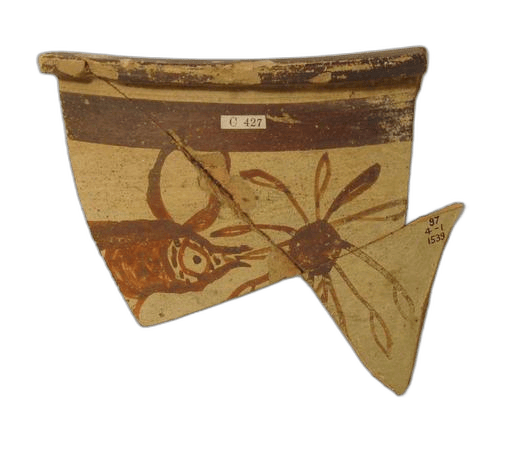
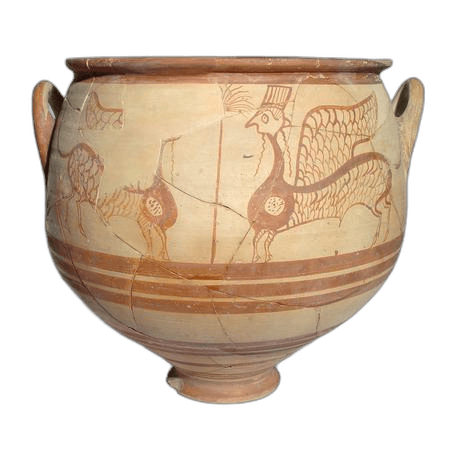
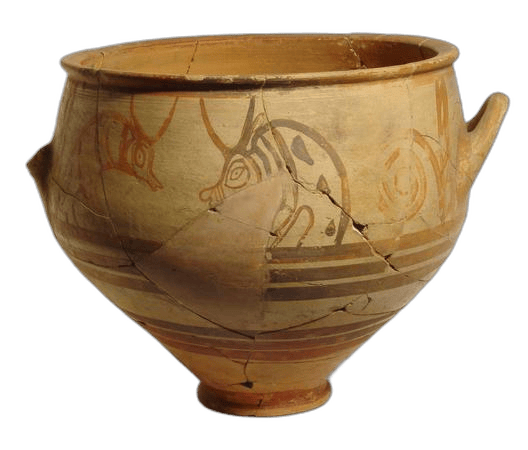
Pieces in the Drakopoulos collection of the kinds and periods this talk covers: Mycenaean pottery, Late Cypriot (Late Bronze Age).
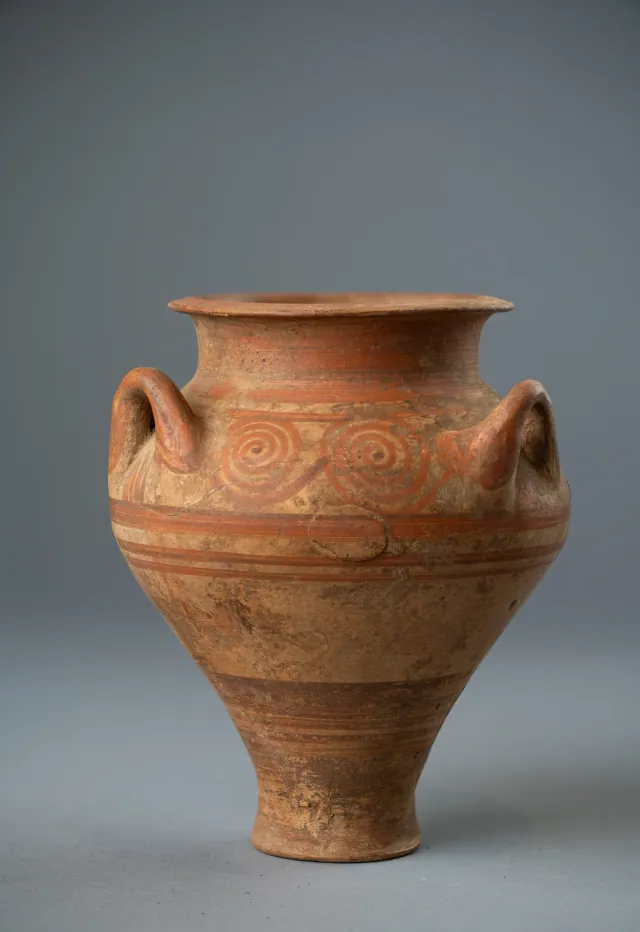
Cypriot Three-Handled Jar in the Mycenaean Style with Running Spirals
Mycenaean pottery
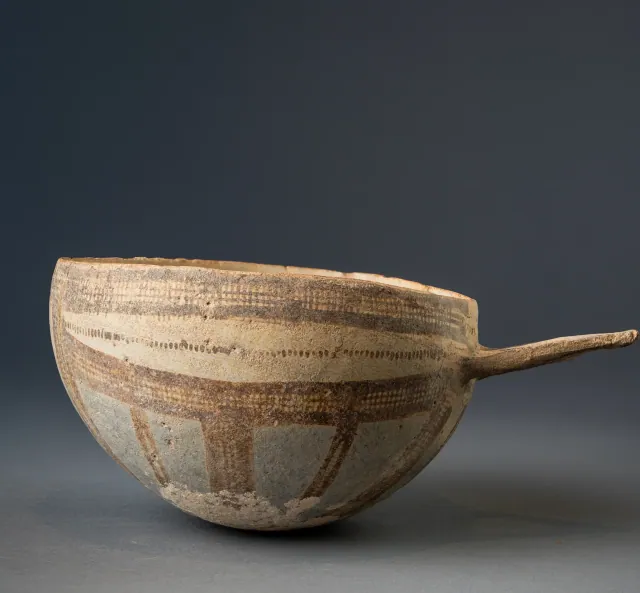
White Slip II Hemispherical Bowl with Wishbone Handle
Late Cypriot (Late Bronze Age)
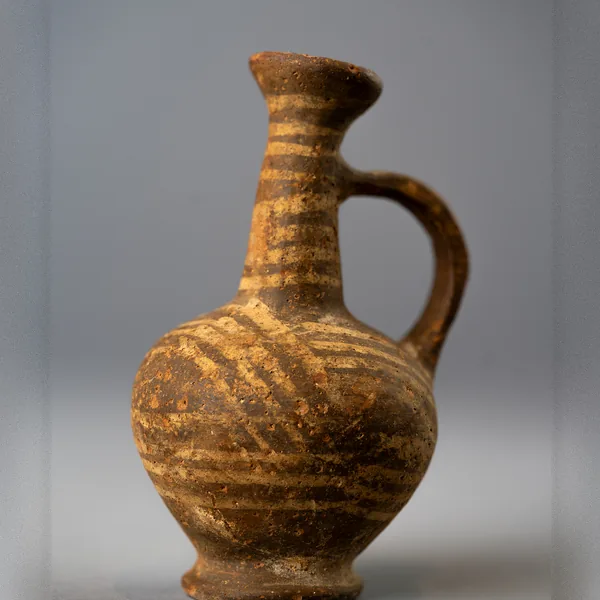
Base Ring II Bilbil Juglet with White-Painted Bands
Late Cypriot (Late Bronze Age)
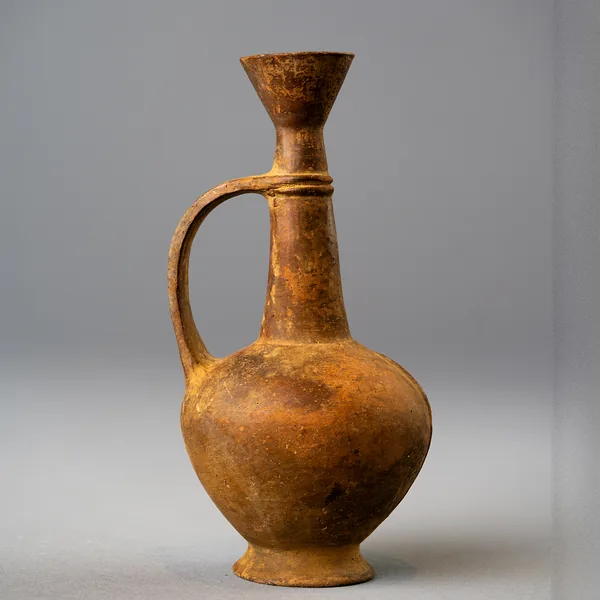
Base Ring Bilbil Juglet with Funnel Mouth and Neck Ridge
Late Cypriot (Late Bronze Age)
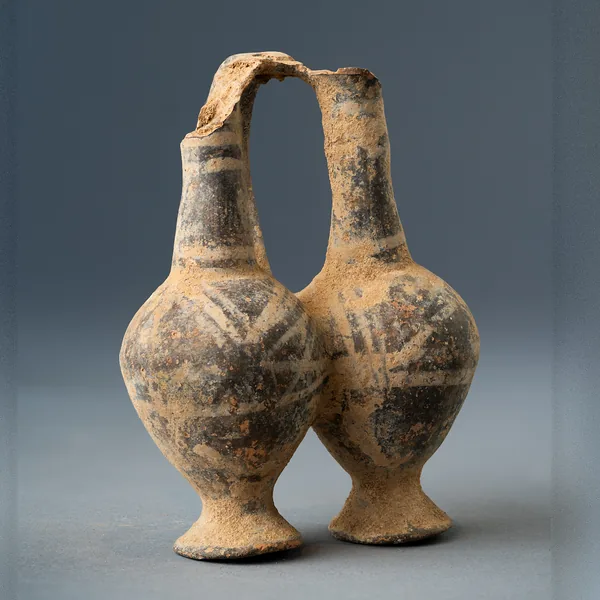
Base Ring II Double Juglet with White-Painted Decoration
Late Cypriot (Late Bronze Age)
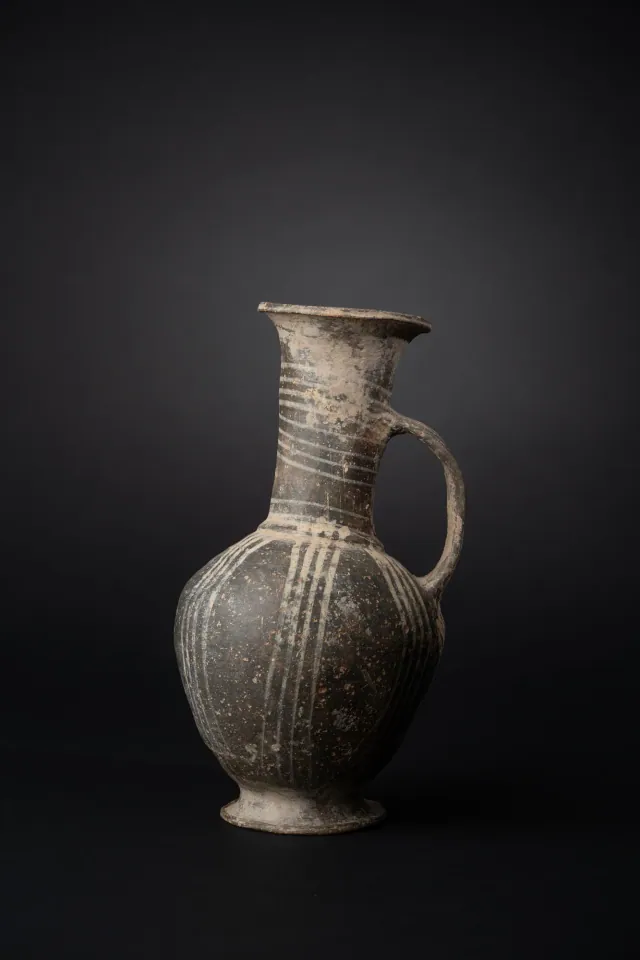
Base Ring II Jug with White-Painted Lattice Bands
Late Cypriot (Late Bronze Age)
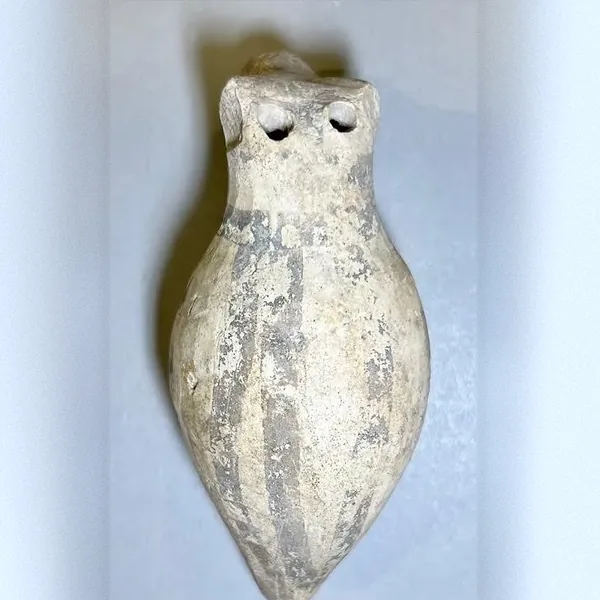
White Painted VI Owl-Headed Rattle
Late Cypriot (Late Bronze Age)
Found at the places discussed
Objects in our catalogue, in museum collections, recorded as found at these sites.
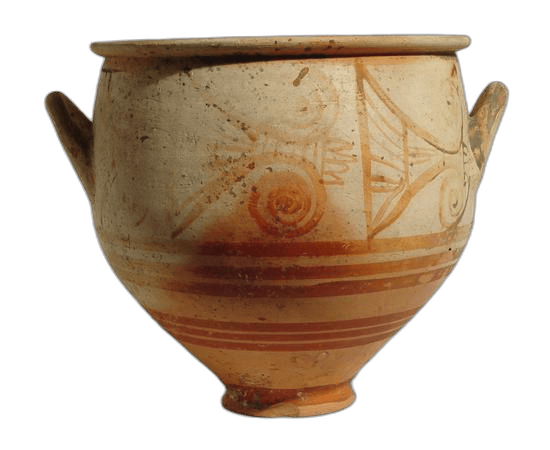
Background
Where to read more on this site before or after watching.
The site
Enkomi
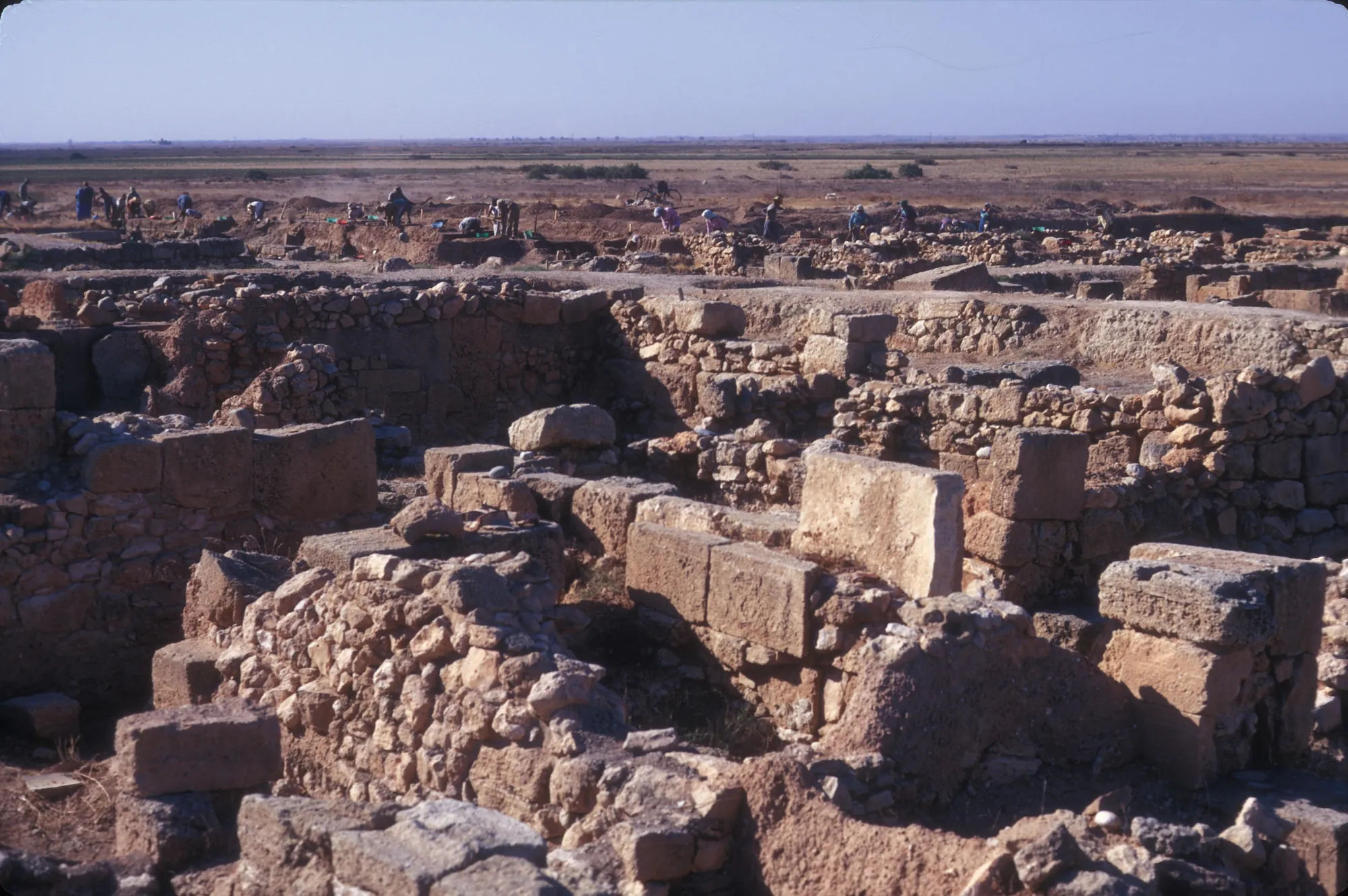
Enkomi is a walled Late Bronze Age town near the mouth of the Pedieos river on the bay of Famagusta, lived in from about 1650 BC until it was gradually abandoned for nearby Salamis. It was a port for Cypriot copper, and its excavations produced metal workshops, sanctuaries with bronze cult statues, rich tombs and the largest group of Cypro-Minoan inscriptions on the island.
In the compendium
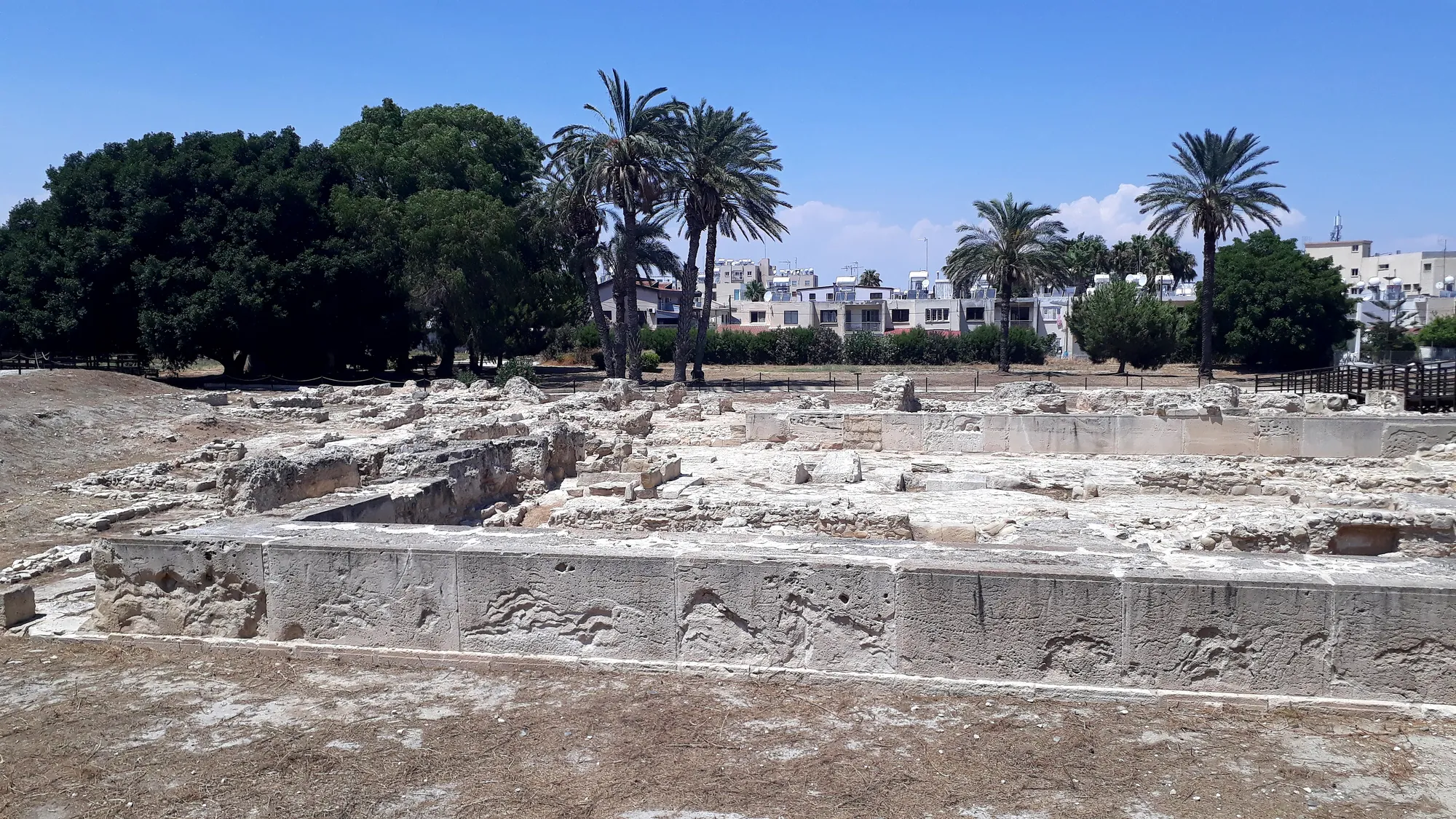
Ashlar Masonry
Squared, dressed stone used on Cyprus from about 1500 BC for gateways, tombs and the largest buildings of the Late Bronze Age towns, set below walls of mudbrick.
In the compendium
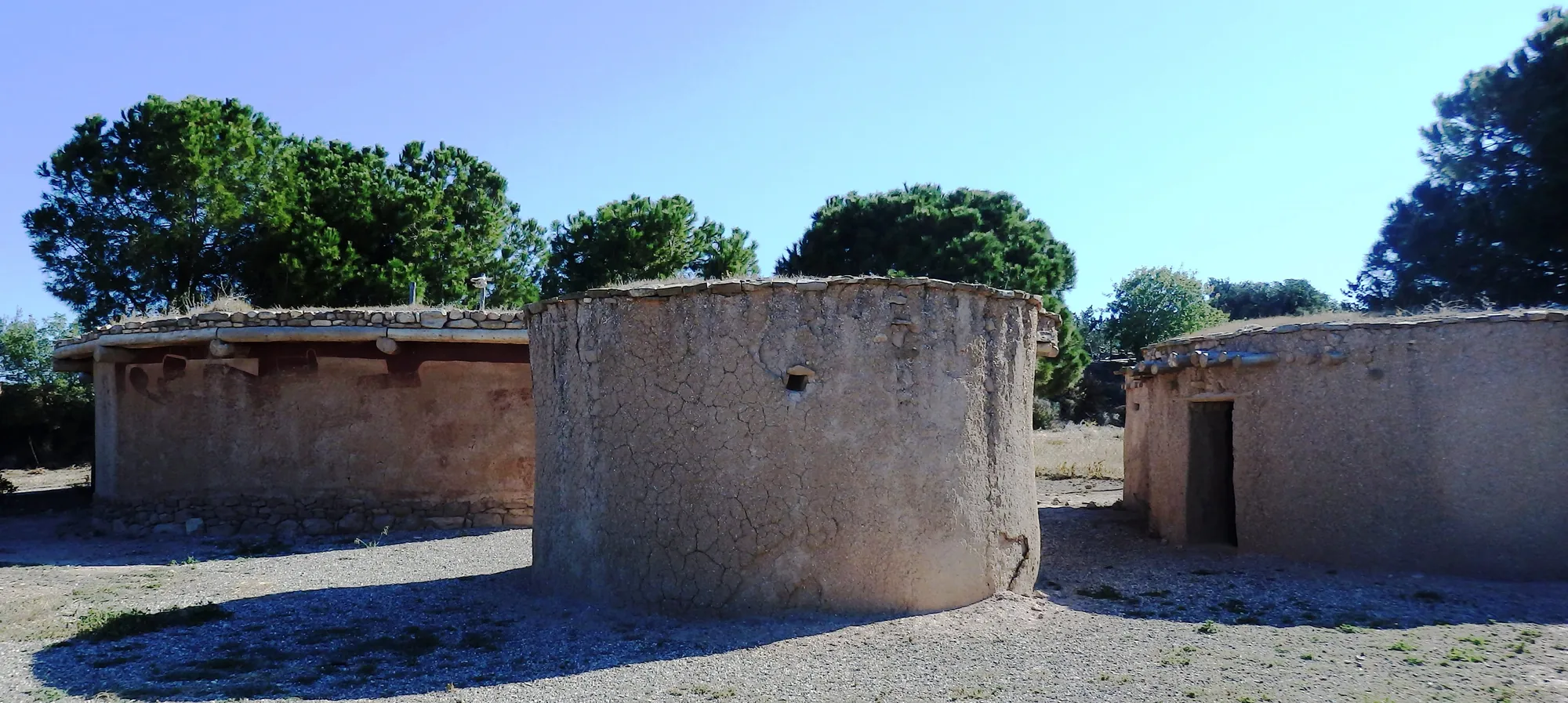
Building Materials and Techniques
Cypriot houses were built of local stone, earth and timber: walls of rubble or mudbrick on stone socles, under flat roofs of beams, brush and packed earth.
In the compendium
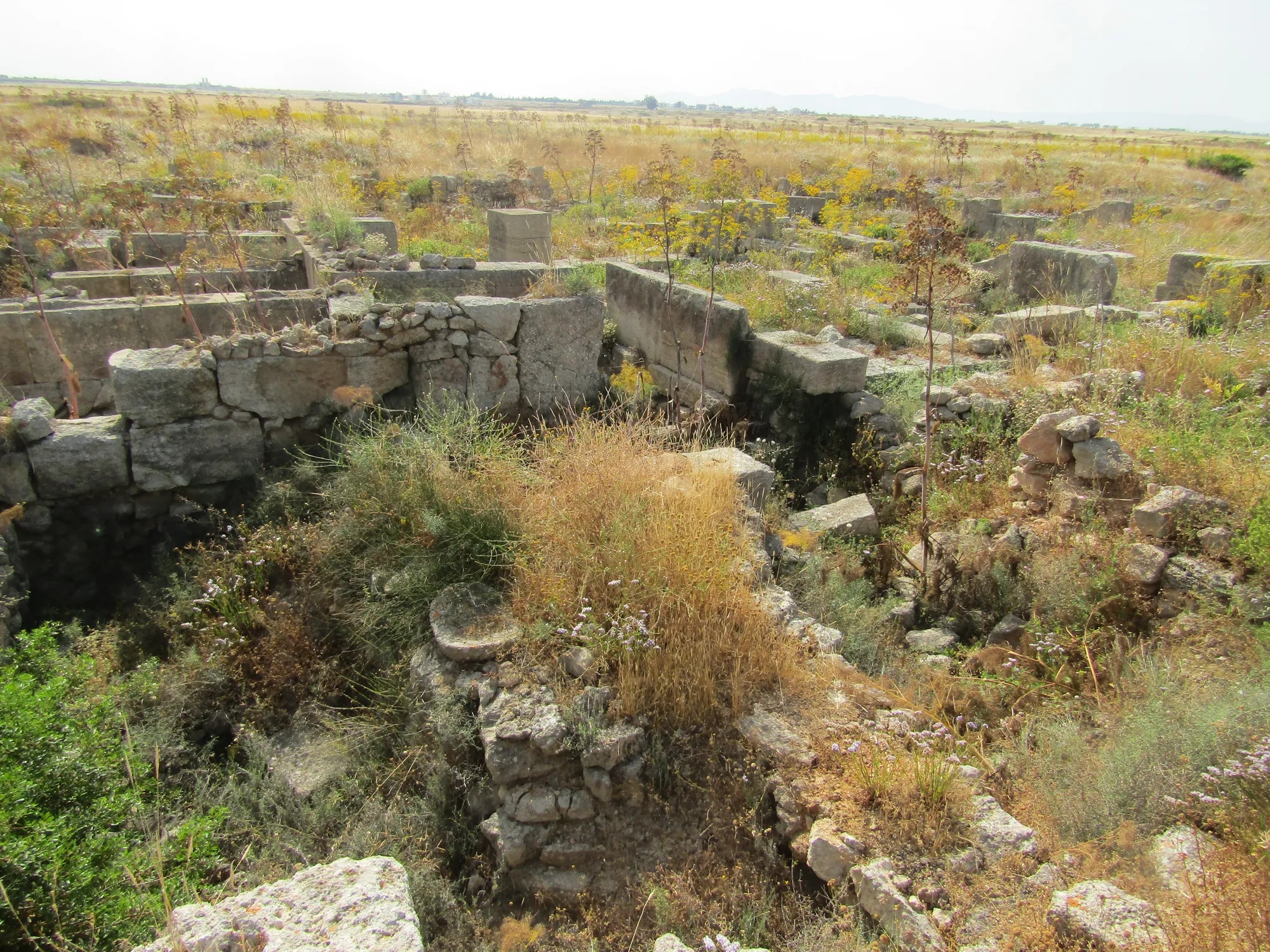
Late Bronze Age Towns and Buildings
How Late Bronze Age Cyprus built its first towns: street grids, large ashlar buildings with storage halls, courtyard houses, and the short-lived settlements of the twelfth century.
Map of Cyprus
Places discussed in the talk
- Has a page on this site
- Other places
- Ground above 200, 500, 1,000 m