
Lecture·The Archaeological Society Malta·2026
Conquering the Sea: A Story of Ambition, Boulders, and Ashlar Blocks from Amathous, Cyprus
Judith Gatt
Chapters
About the lecture
Judith Gatt presents her doctoral research on the south horizontally composite breakwater of the Hellenistic harbour at Amathus, examining how the submerged structure was planned, supplied with stone and assembled in the open sea.
Gatt defines the terms of construction archaeology and sets the context: the collapse of the Cypriot city-kingdoms during the wars of the Diadochi and the rule of Demetrios Poliorketes between 306 and 294 BCE. Built on an exposed southern coast, the harbour has east and west moles and a south breakwater now up to four metres underwater. Gatt reviews the 1980s excavations by Jean-Yves Empereur for the French School at Athens, the 2017 publication with Tony Koželj, and recent photogrammetry and total-station survey.
Consulting modern harbour engineers led Gatt to revise the 1980s reconstruction, which placed the ashlar mole, small quarry-run debris and outer boulders side by side. Stone-size mapping across the 174-metre structure and profiles through the Posidonia seagrass showed seaward collapse rather than collapse into the basin. Gatt proposes a layered profile: a single inner row of about 1,300 header blocks up to 3.5 metres long, backed by superimposed layers of quarry run, medium stones and large outer boulders totalling some 21,000 cubic metres.
Comparing nails from the trenches with 1950s photographs of Limassol harbour, she suggests wooden cofferdams helped lay the ashlar wall straight. Stone sampling points to inland limestone quarries. Seven types of lifting bosses, clustering near the entrance, suggest extra quarry crews recruited to finish the base quickly against Ptolemaic Egypt. Questions cover the six block courses, subsidence, and Paphos and Kition.
From our collection
Pieces in the Drakopoulos collection of the kinds and periods this talk covers: Hellenistic.
The Drakopoulos collection →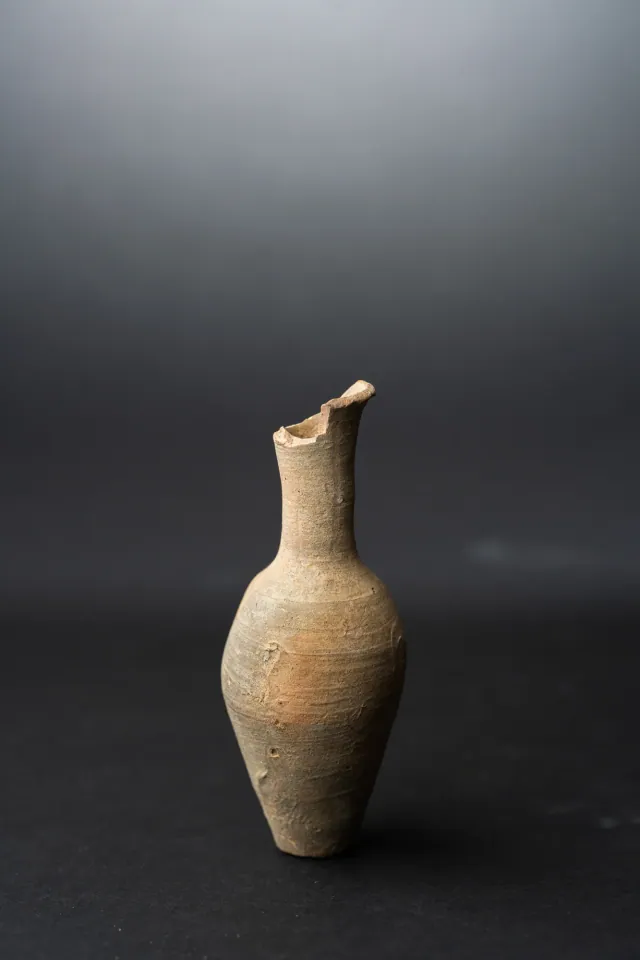
Found at the places discussed
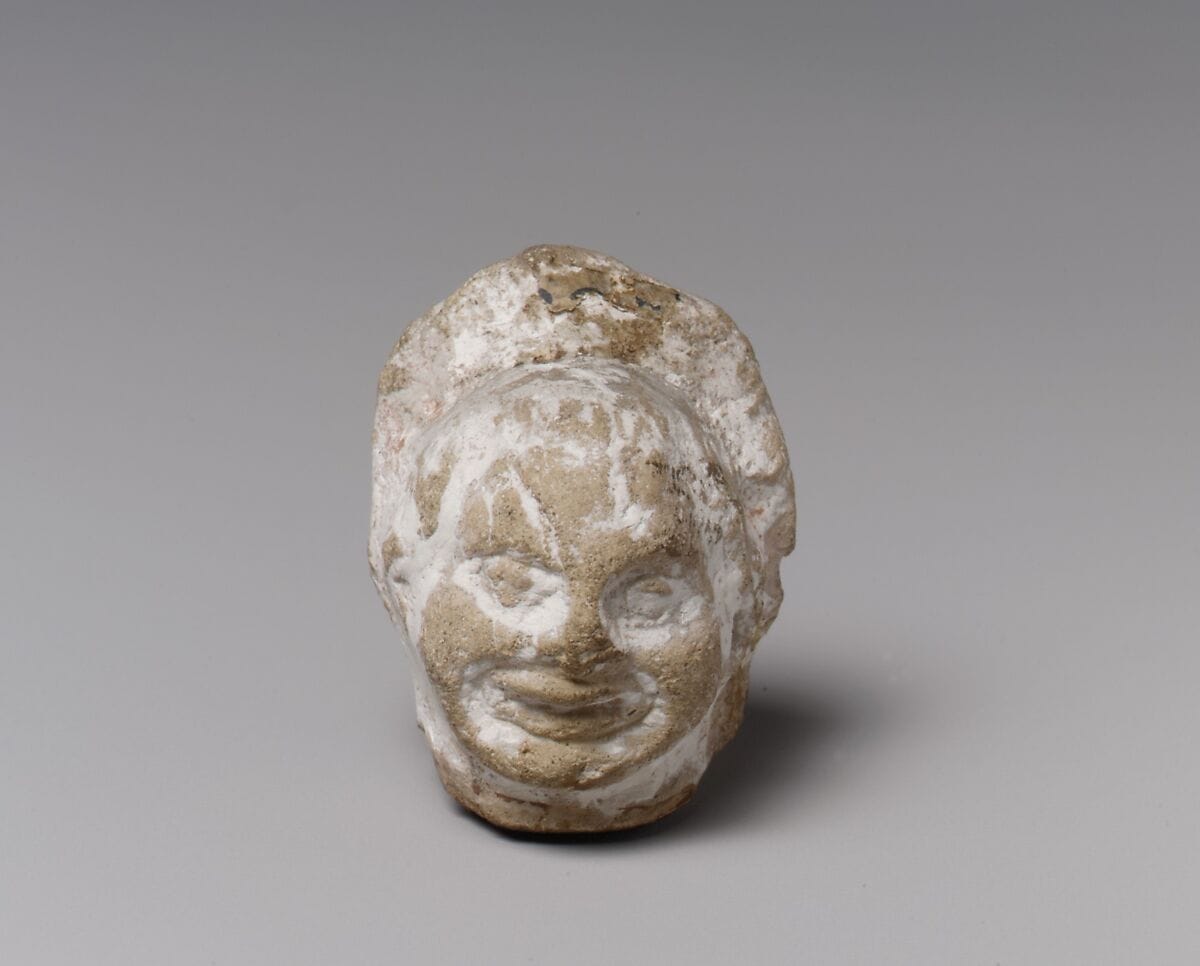
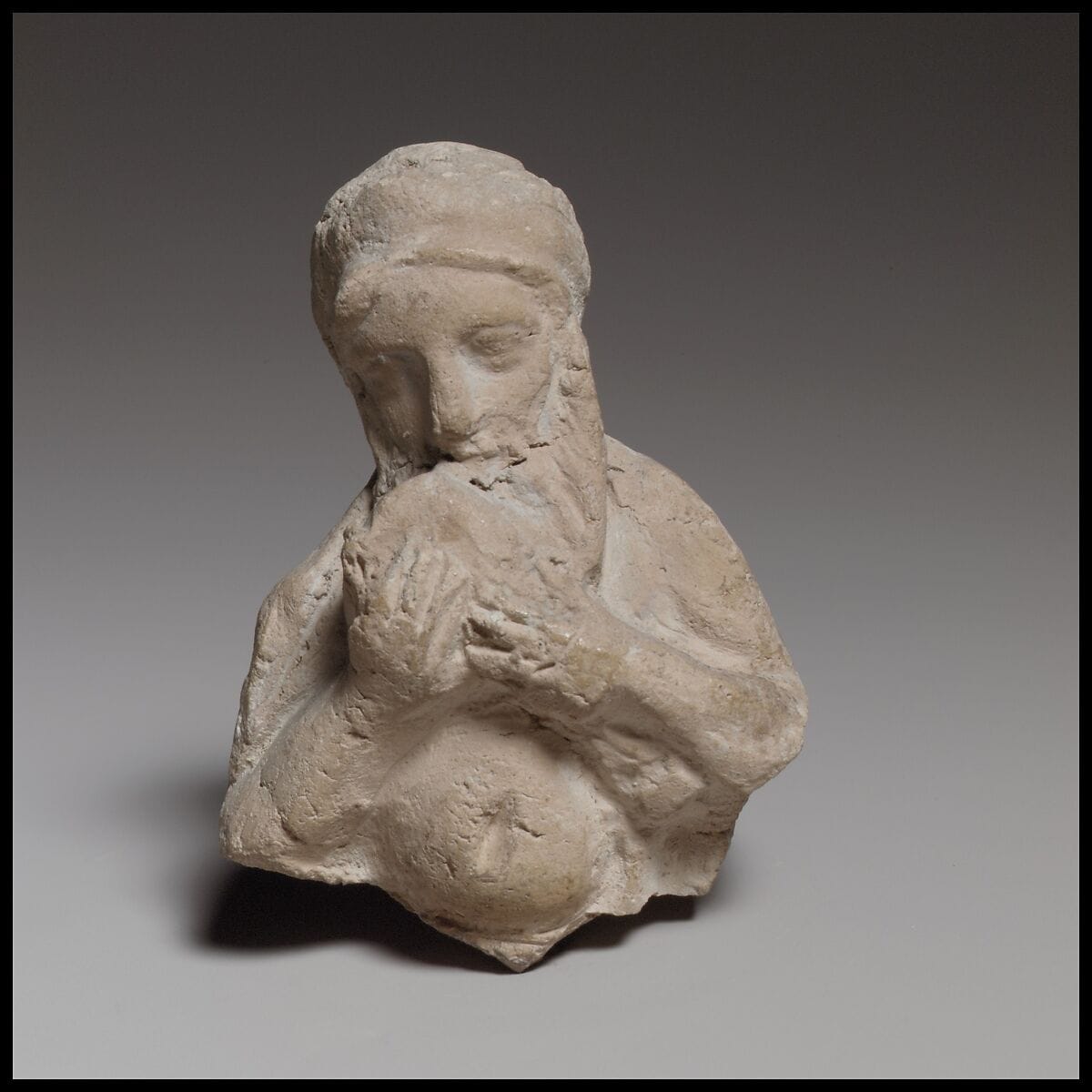
Objects in our catalogue, in museum collections, recorded as found at these sites.


Background
Where to read more on this site before or after watching.
The site
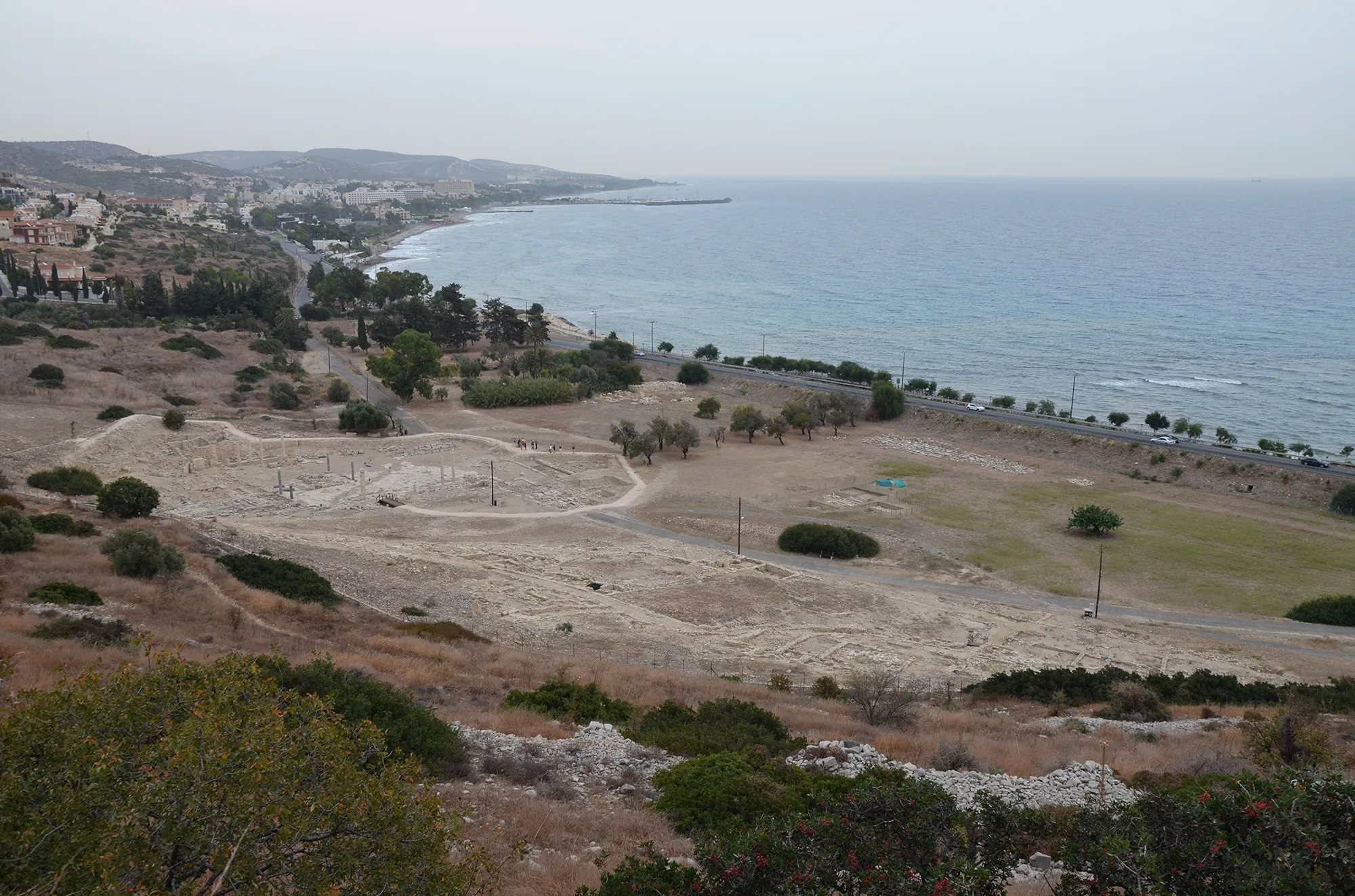
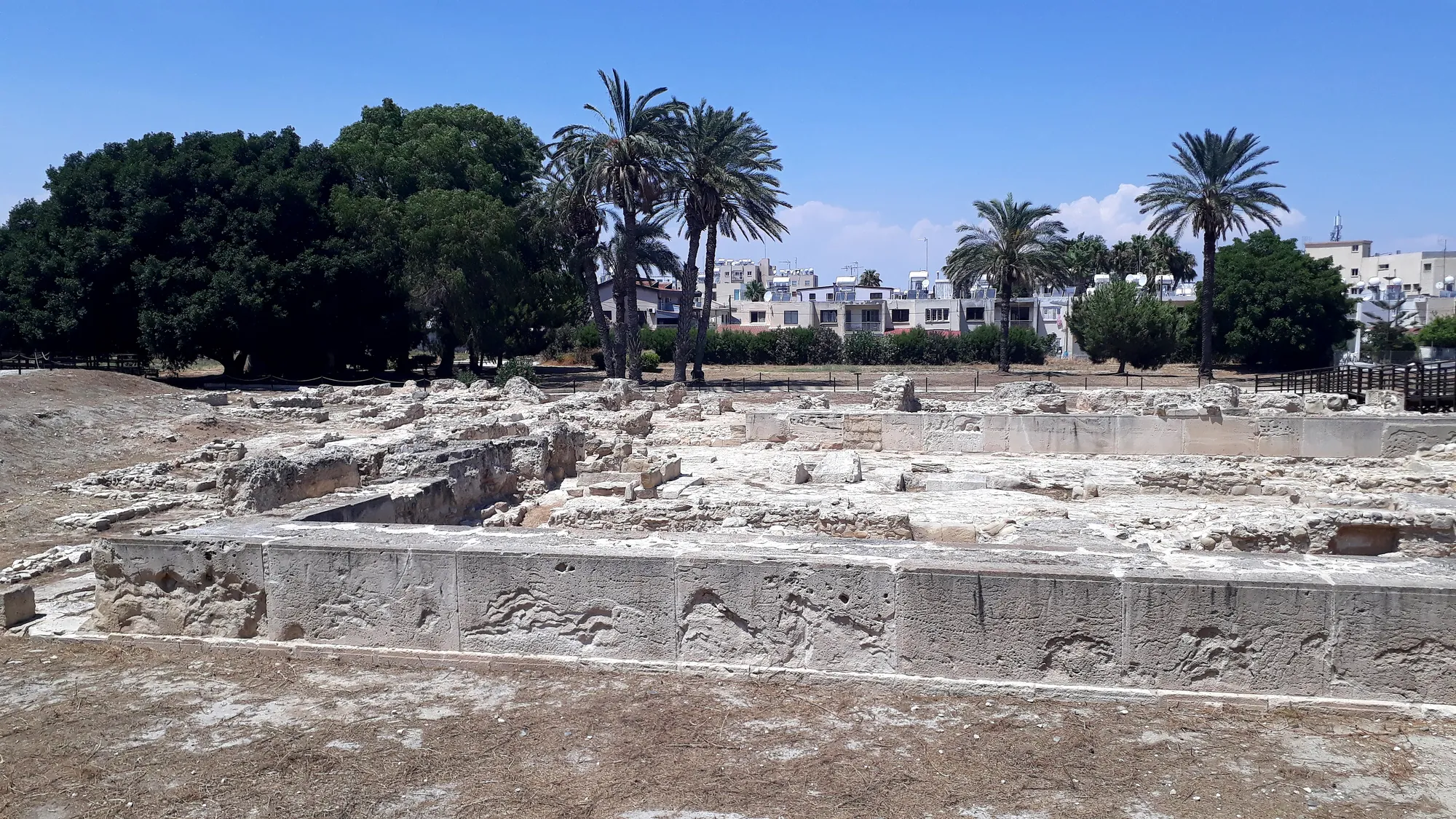
Amathus
Amathus was the capital of one of the Iron Age kingdoms of Cyprus, on a coastal hill about 10 km east of Limassol. It was founded on an empty site in the 11th century BC and lived in until the end of the 7th century AD. Its acropolis carried a sanctuary of Aphrodite and the kings' palace; its people kept the island's old non-Greek language, Eteocypriot, at least until the time of Alexander.
In the compendium
Ashlar Masonry
Squared, dressed stone used on Cyprus from about 1500 BC for gateways, tombs and the largest buildings of the Late Bronze Age towns, set below walls of mudbrick.
In the compendium
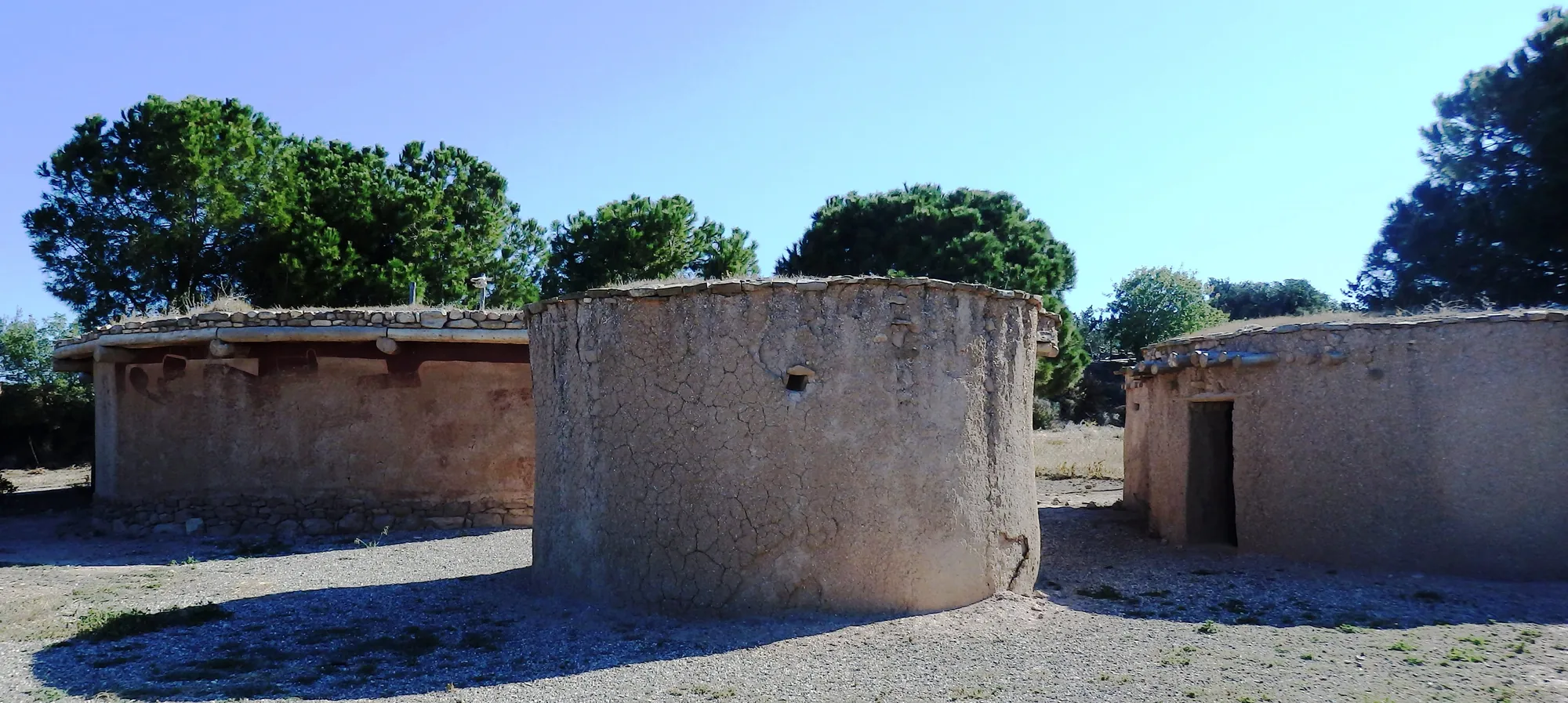
Building Materials and Techniques
Cypriot houses were built of local stone, earth and timber: walls of rubble or mudbrick on stone socles, under flat roofs of beams, brush and packed earth.
In the compendium
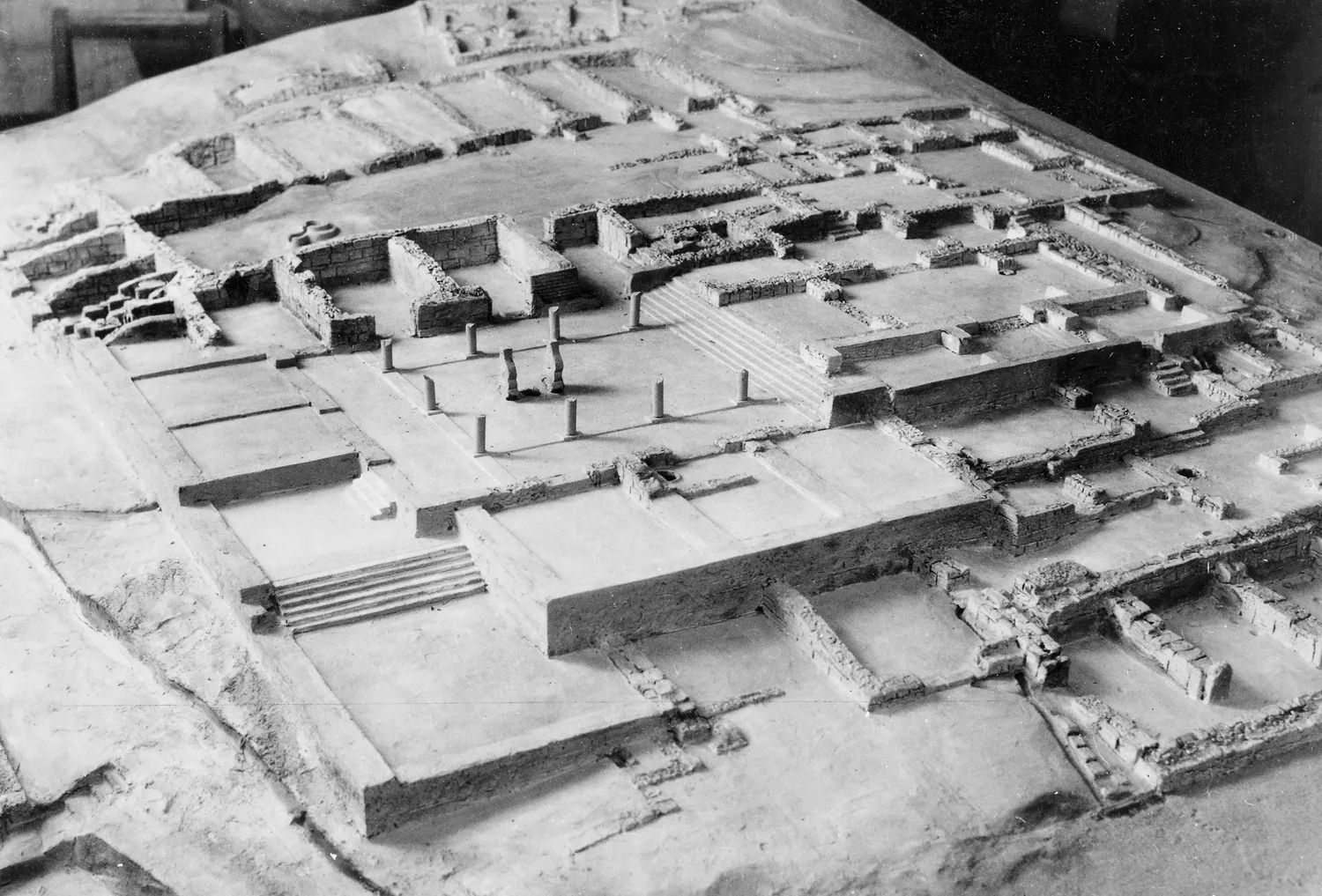
Iron Age Cities and Palaces
The capitals of the Iron Age kingdoms of Cyprus, their palaces at Vouni, Amathus, Idalion and Palaepaphos, their houses, and the volute and Hathor capitals of the period.
Map of Cyprus
Places discussed in the talk
- Has a page on this site
- Other places
- Ground above 200, 500, 1,000 m