
Lecture·Archaeological Research Unit - University of Cyprus·2023
Cypro-Cilician connections in the Late Bronze Age
Chapters
About the lecture
Ekin Kozal of Çanakkale Onsekiz Mart University examines the maritime and overland connections between Cyprus and Cilicia on the south coast of Anatolia during the Middle Bronze Age and the Late Bronze Age. Before introducing the speaker, the chair pays tribute to the late mathematical physicist Petros Florides of Trinity College Dublin, born in Lapithos, who served on the preparatory committee for the establishment of the University of Cyprus.
Kozal divides her ceramic analysis between the two geographical halves of the region: Plain Cilicia in the east and mountainous Rough Cilicia in the west, separated by the Limonlu River. After reviewing the history of research from Einar Gjerstad, Hetty Goldman at Tarsus-Gözlükule and John Garstang in the 1930s to excavations since the 1990s at Kilise Tepe, Sirkeli Höyük, Tatarlı Höyük, Tepebağ and Kinet Höyük, she traces the earliest Cypriot imports in Cilicia to the third millennium. In the early second millennium, White Painted ware reached as far inland as Kanesh, contemporary with the earliest textual mention of Alashiya, while Red-on-Black ware and Bichrome ware appear at sites across Plain Cilicia.
In the Late Bronze Age levels of Plain Cilicia, especially the harbour town of Kinet Höyük and Tepebağ near Adana, Cypriot imports continue uninterrupted, whereas they do not cross the Taurus Mountains into central Anatolia. Monochrome ware, Base Ring ware, White Slip ware and White Shaved ware all occur, with Monochrome outnumbering White Slip II in several phases. Referring to Paul Åström and David Frankel's distribution maps and to petrographic and geochemical analysis of Monochrome samples from Alalakh carried out with Mustafa Kıbaroğlu, Kozal notes that the clays match sources in eastern Cyprus, where second-millennium centres such as Enkomi were located.
The second half of the lecture addresses Rough Cilicia, where Late Cypriot imports are rare, and the origin of Red Lustrous Wheelmade ware. Arguing against Kathryn Eriksson's view of a Cypriot origin, Kozal shows that the shapes of the ware, such as spindle bottles and arm-shaped vessels, derive from Middle Bronze Age and Hittite Anatolian repertoire, appear early at Kuşaklı and in large quantities at Boğazköy, and occur at Kilise Tepe in fine, semi-fine and coarse local fabrics matched by Kıbaroğlu's clay analysis to the geology of Rough Cilicia. She concludes by relating these two ceramic patterns to the political history of Kizzuwatna and the Hittite Empire, and suggests an anti-clockwise maritime circuit carrying Red Lustrous Wheelmade ware from Rough Cilicia to Cyprus and Cypriot pottery back to Plain Cilicia.
From our collection
Pieces in the Drakopoulos collection of the kinds and periods this talk covers: Base Ring ware, Red Polished ware, White Painted ware (Bronze Age).
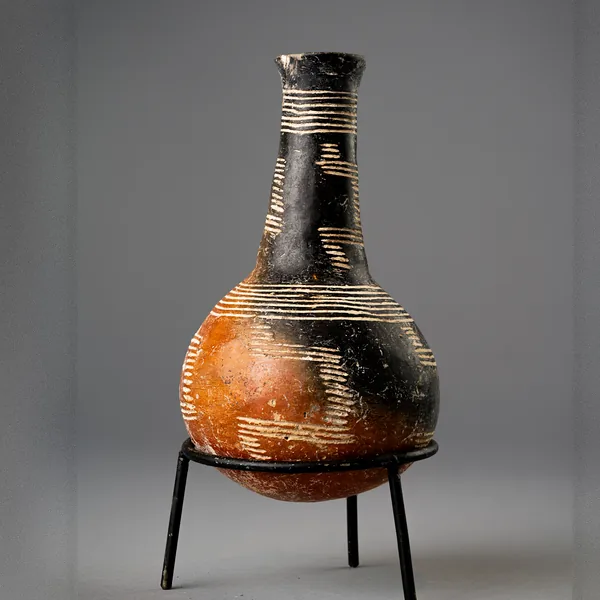
Red Polished Black-Topped Bottle with Stepped Incised Bands
Red Polished ware
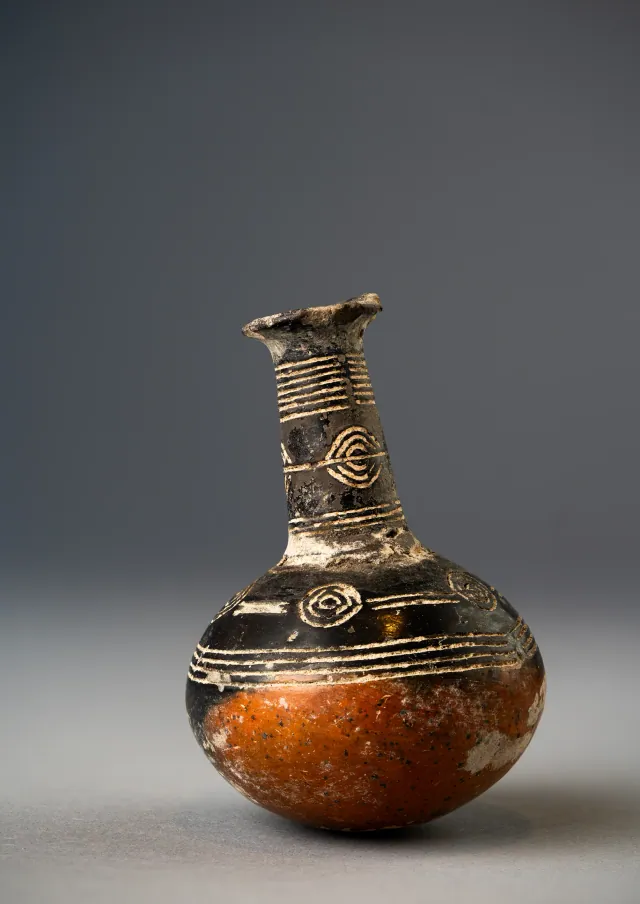
Red Polished Black-Topped Bottle with Incised Concentric Circles
Red Polished ware
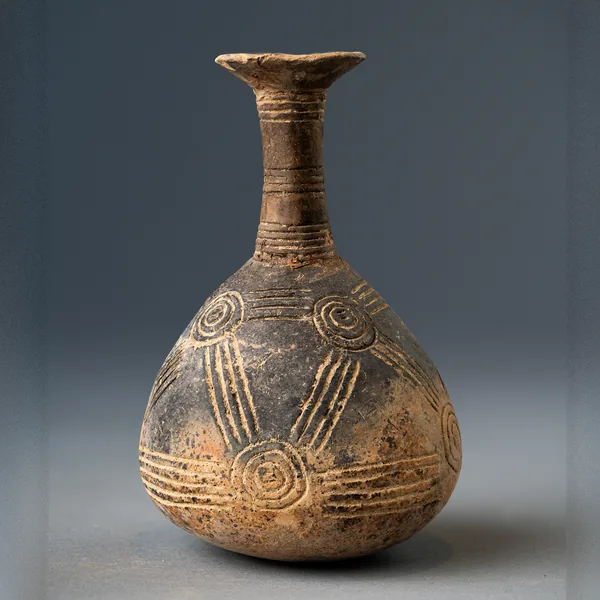
Red Polished Bottle with Linked Concentric Circles
Red Polished ware
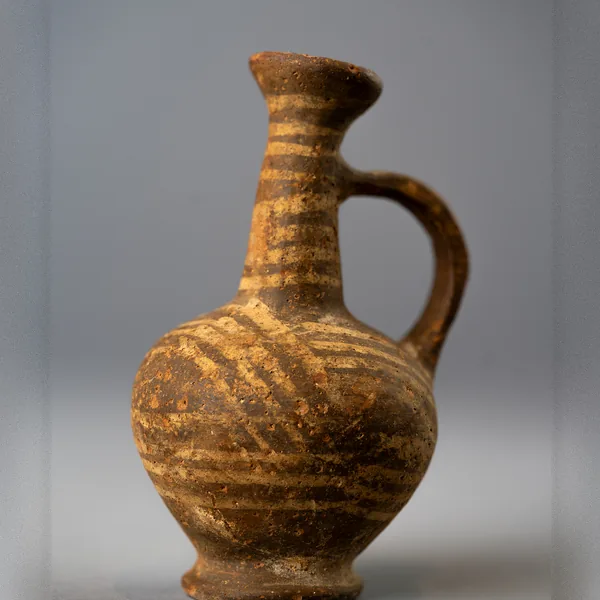
Base Ring II Bilbil Juglet with White-Painted Bands
Base Ring ware
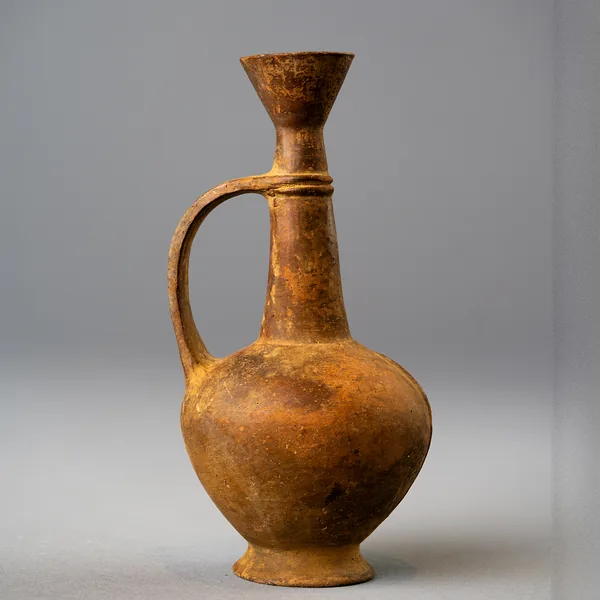
Base Ring Bilbil Juglet with Funnel Mouth and Neck Ridge
Base Ring ware
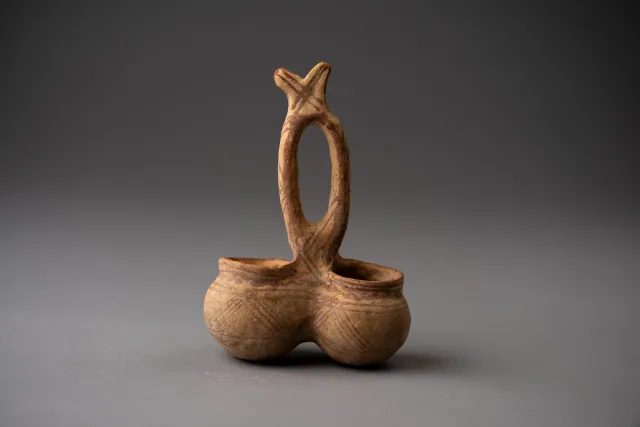
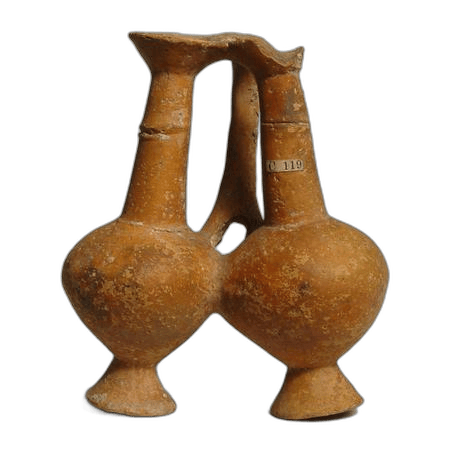
White Painted Double Bowl with Tall Loop Handle
White Painted ware (Bronze Age)
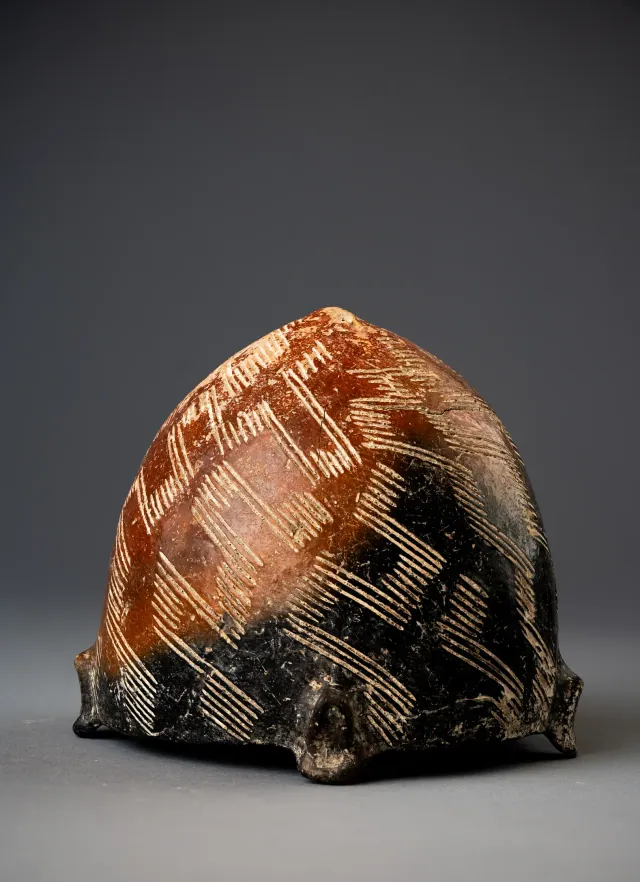
Black-topped Red Polished Tulip Bowl with Incised Hatched Lattice
Red Polished ware
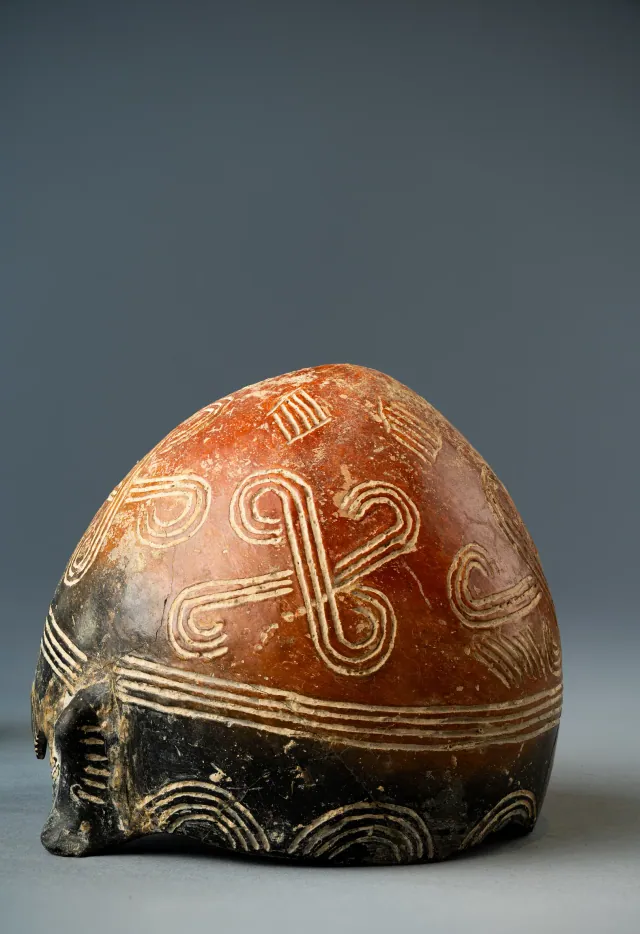
Black-topped Red Polished Tulip Bowl with Incised Spiral-armed Cross, Circles and Arcades
Red Polished ware
Found at the places discussed
Objects in our catalogue, in museum collections, recorded as found at these sites.



Background
Where to read more on this site before or after watching.
The site
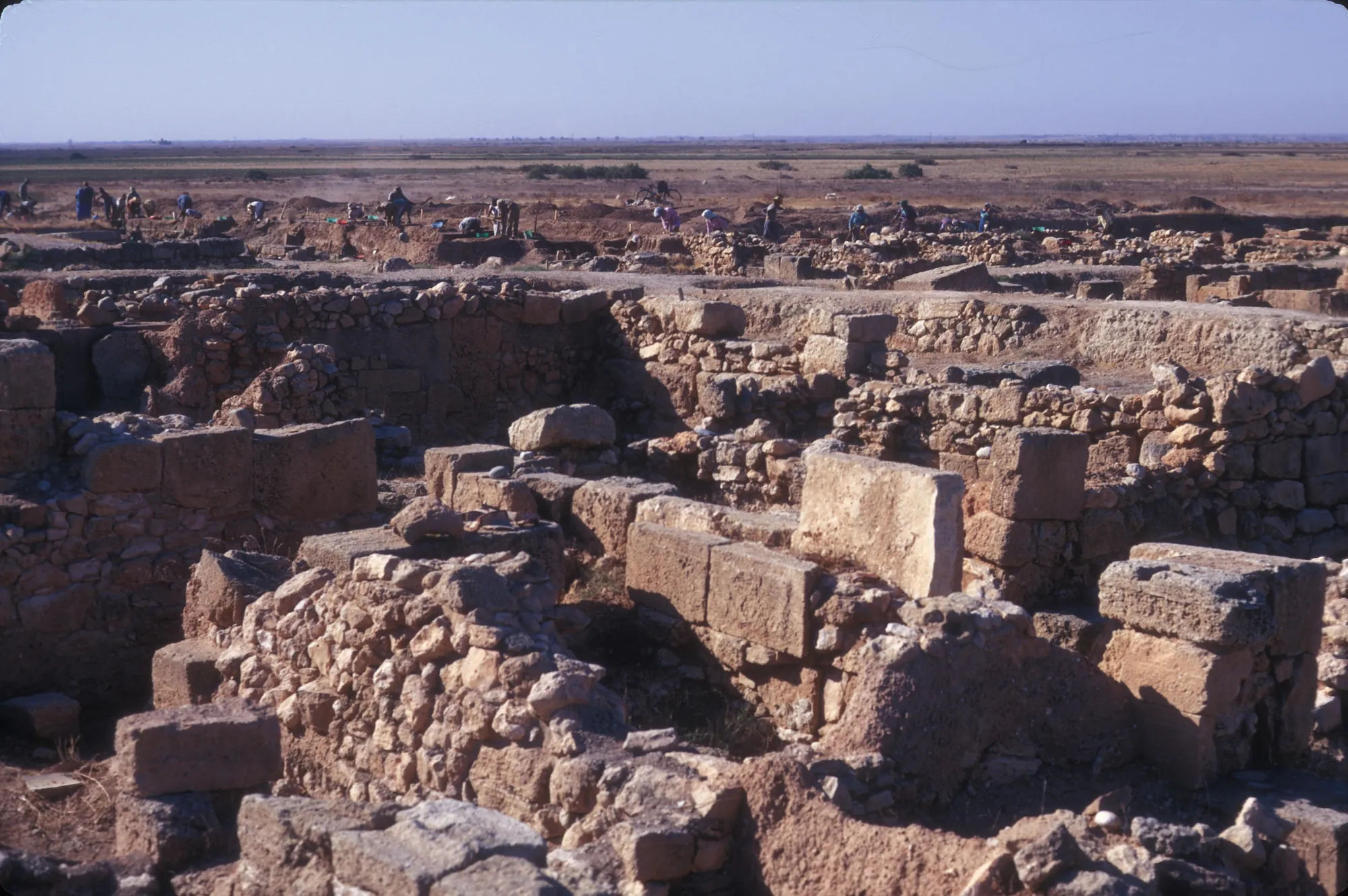
Enkomi
Enkomi is a walled Late Bronze Age town near the mouth of the Pedieos river on the bay of Famagusta, lived in from about 1650 BC until it was gradually abandoned for nearby Salamis. It was a port for Cypriot copper, and its excavations produced metal workshops, sanctuaries with bronze cult statues, rich tombs and the largest group of Cypro-Minoan inscriptions on the island.
In the compendium
Hittite Empire and Cyprus
The Late Bronze Age Anatolian empire that claimed Alashiya as a tributary but left almost no material trace on Cyprus.

In the compendium
Ugarit and the Levant
The Syrian port kingdom of Ugarit and the wider Levantine coast, Cyprus's closest Bronze Age trading partners across the water.
In the compendium
Bottles
A narrow-necked closed vessel with no handle or with two, made in Cyprus from the Early Bronze Age to the Hellenistic period, mostly as a small container for liquids.