
Archaic
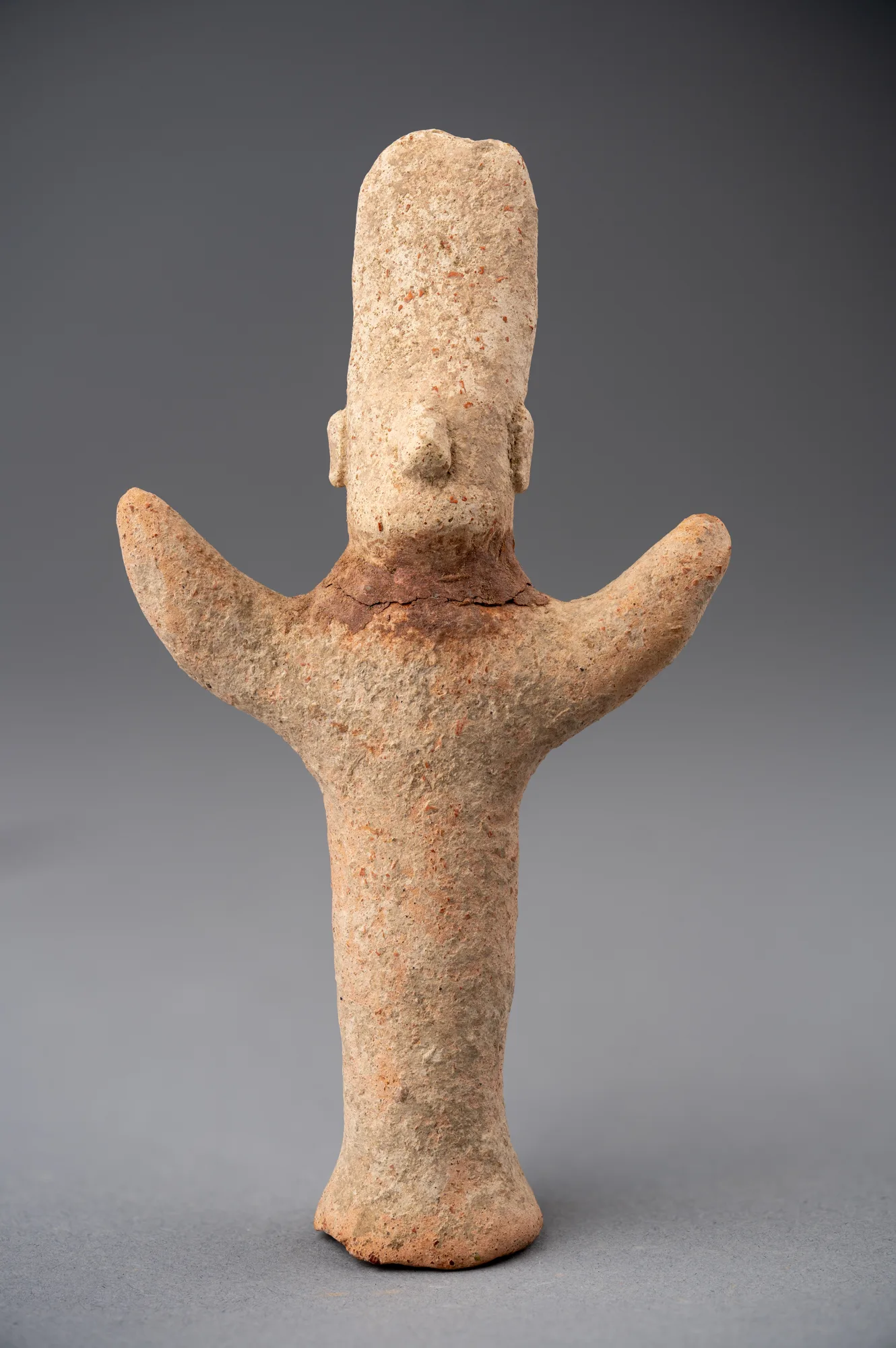
Terracotta Figure with Upraised Arms and Tall Cylindrical Headdress
Handmade Cypro-Archaic terracotta figure in the snowman technique, arms raised, with a beak nose, pellet ears and a very tall cylindrical polos.
Date
750 - 480 BC
Accession No.
STA-AR-004
Collection
Alexis Drakopoulos
Provenance
- 1965–1969, The Goodman Collection
- Alexis Drakopoulos, London
Cypro-Archaic, c. 750–480 BCE, probably 7th–6th century BCE · Terracotta · Handmade, solid
A solid handmade figure in pale buff clay, its surface lightly pitted and flecked with small reddish inclusions. The body is a slender column that swells at the bottom into a round, flat-based foot on which the figure stands. Two short, thick arms spring from the shoulders and curve upward and outward, their rounded ends at about the height of the chin. The face is little more than a pinched, beak-like nose with a small applied pellet ear on each side; no eyes or mouth are marked. Above rises a very tall, straight-sided cylindrical headdress with a rounded, slightly uneven top, about a quarter of the whole height. A dark red-brown band encircles the neck and is crossed by a fine horizontal crack.
Commentary
The figure is a characteristic Cypro-Archaic handmade votive in the so-called snowman technique, which Gjerstad defined from the Swedish excavations: solid cylindrical bodies, arms as projecting curved stumps usually raised, and faces with a bird-like, beaked look [1]. The raised arms place it in the long Cypriot series of figures with upraised arms, often called the "goddess with uplifted arms". The name is a convenience. Nothing identifies such figures as divinities, and they may equally represent worshippers or priestesses making a Near Eastern gesture of reverence [2]. The type descends from Late Cypriot and Cypro-Geometric wheel-made figures and was produced in large numbers by hand in the Cypro-Archaic sanctuaries [3].
No breasts are applied and no beard is indicated, so the sex of the figure is not marked. The tall headdress, a polos, was normally worn by women [2], and most handmade examples of the type are female. Male figures with raised arms do occur, but they are usually bearded, like the Cesnola figure 74.51.1620 in the Metropolitan Museum [4]. The best comparison for the construction is Cesnola cat. 157 (Met 74.51.1615), a Cypro-Archaic II figure said to be from a tomb at Ormidhia, with a solid handmade body slightly flaring at the bottom, arms curved upward, prominent nose, pellet ears and a high flat tiara [4]. A female figure with uplifted arms and high polos in the Museum of Cycladic Art, Athens (Z0366), is dated to the 7th century BCE. Figures of this kind also travelled: women with high headdresses and arms raised in prayer reached the sanctuary of Aphrodite at Naukratis in Egypt in contexts of the Saite period [5].
Many handmade figures of this type come from the sanctuaries and tombs of the Paphos region, but Paphian examples are usually of a red-brown fabric with coarse grey grits [5]. The pale fabric of this piece does not support that attribution and we know of no find-spot.
The red-brown band at the neck needs examination. It could be the remains of red paint, but it coincides exactly with the join between head and body, and the crack running through it suggests an old break with a tinted fill. A near-identical band appears on the companion figure STA-AR-005, and the two may come from the same workshop.
References
- 1.Gjerstad, E. (1948) The Swedish Cyprus Expedition IV:2. The Cypro-Geometric, Cypro-Archaic and Cypro-Classical Periods. Stockholm: Swedish Cyprus Expedition, pp. 100–101.
- 2.Childs, W.A.P., Smith, J.S. and Padgett, J.M. (eds.) (2012) City of Gold: The Archaeology of Polis Chrysochous, Cyprus. Princeton: Princeton University Art Museum, p. 100.
- 3.Karageorghis, V. (1998) The Coroplastic Art of Ancient Cyprus V(A). The Cypro-Archaic Period: Small Female Figurines. Handmade/Wheelmade Figurines. Nicosia: A.G. Leventis Foundation.
- 4.Karageorghis, V., Mertens, J.R. and Rose, M.E. (2004) Ancient Art from Cyprus: The Cesnola Collection in The Metropolitan Museum of Art. Terracottas. New York: The Metropolitan Museum of Art, cat. 142, p. 86; cat. 157, p. 94.
- 5.Kiely, T. (2015) 'Cypriot figures in terracotta', in Villing, A. et al., Naukratis: Greeks in Egypt. London: British Museum online research catalogue, pp. 21–23.
More from the Catalogue
Browse related objects
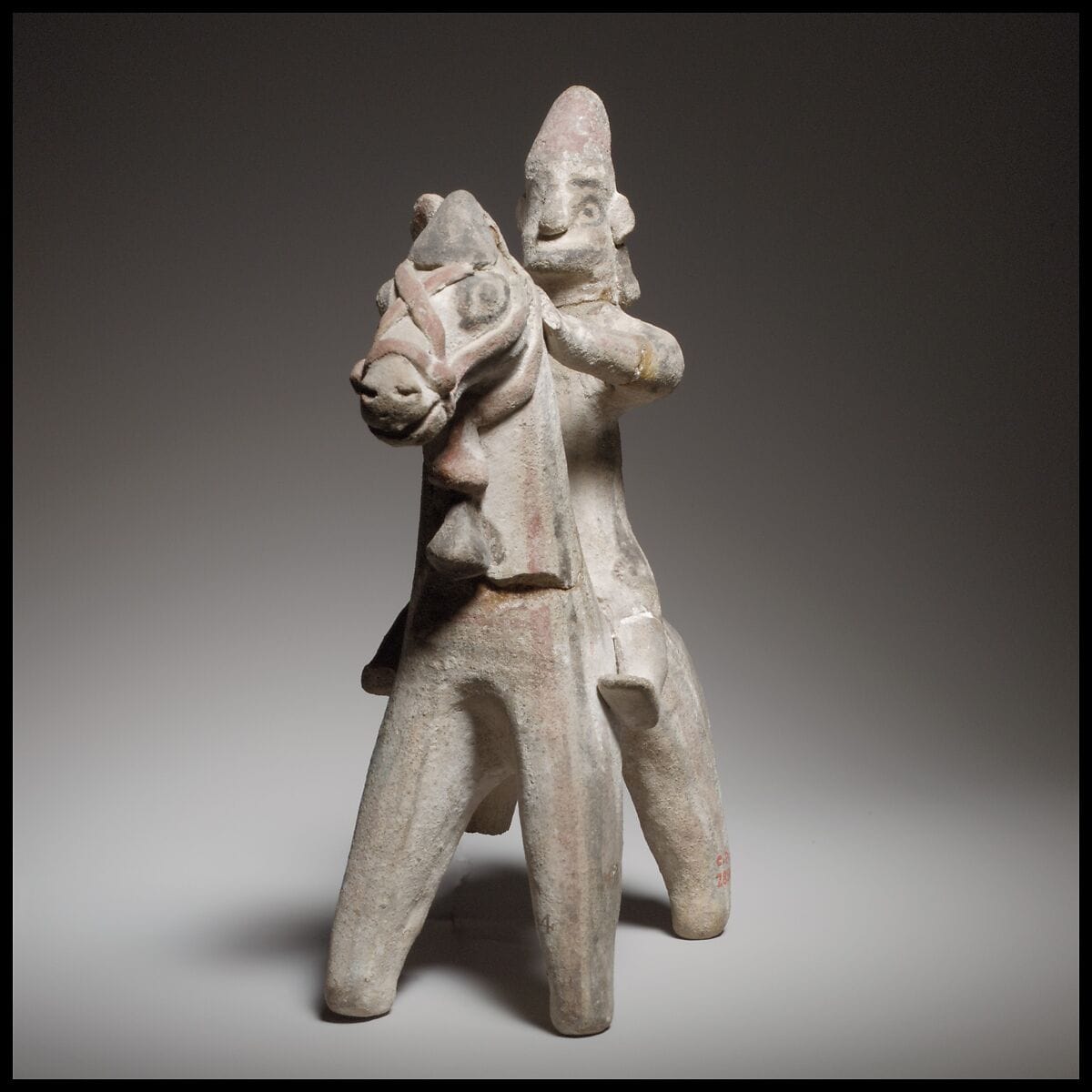
Horse and rider figurine
Archaic II
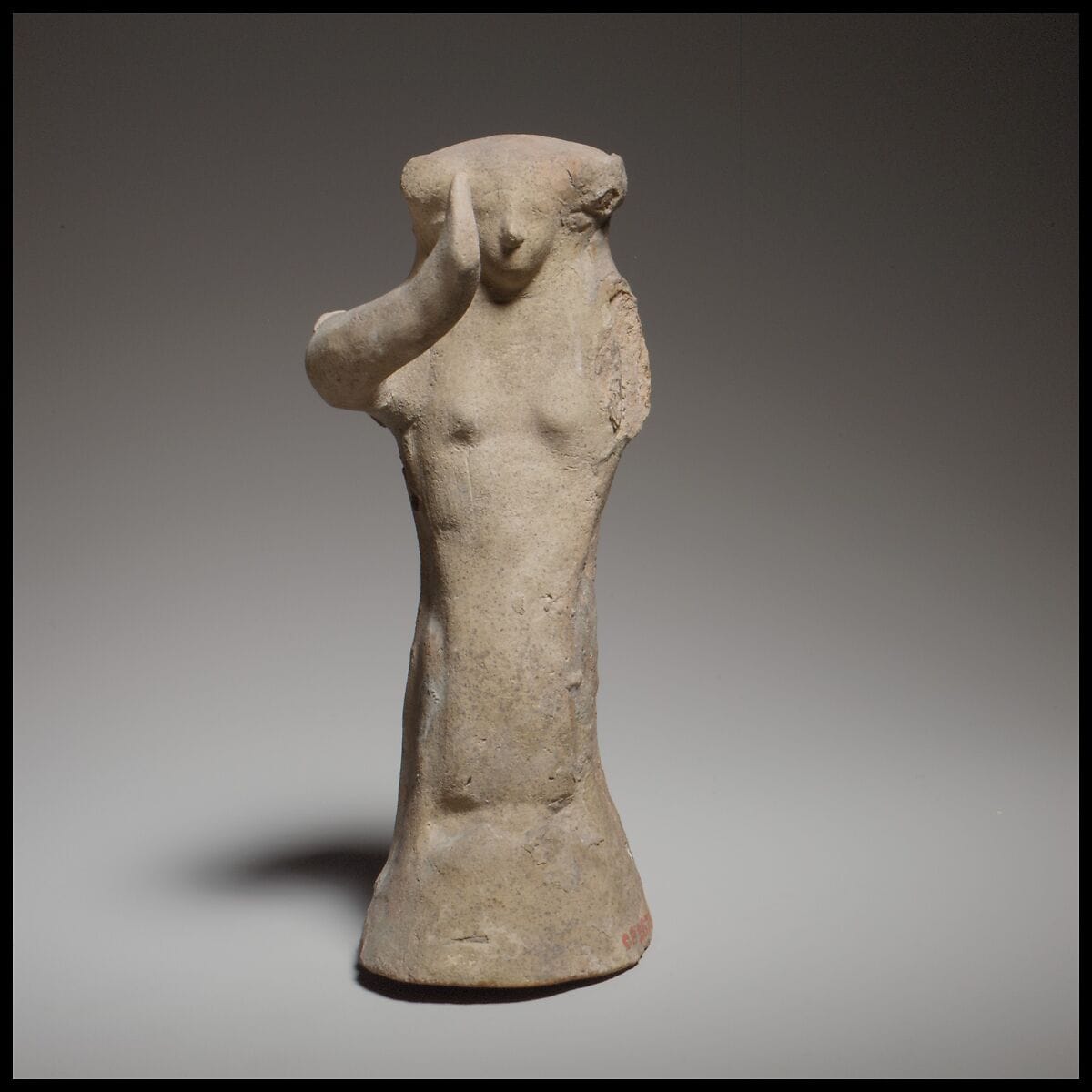
Seated female figurine of the dea gravida type
Archaic II
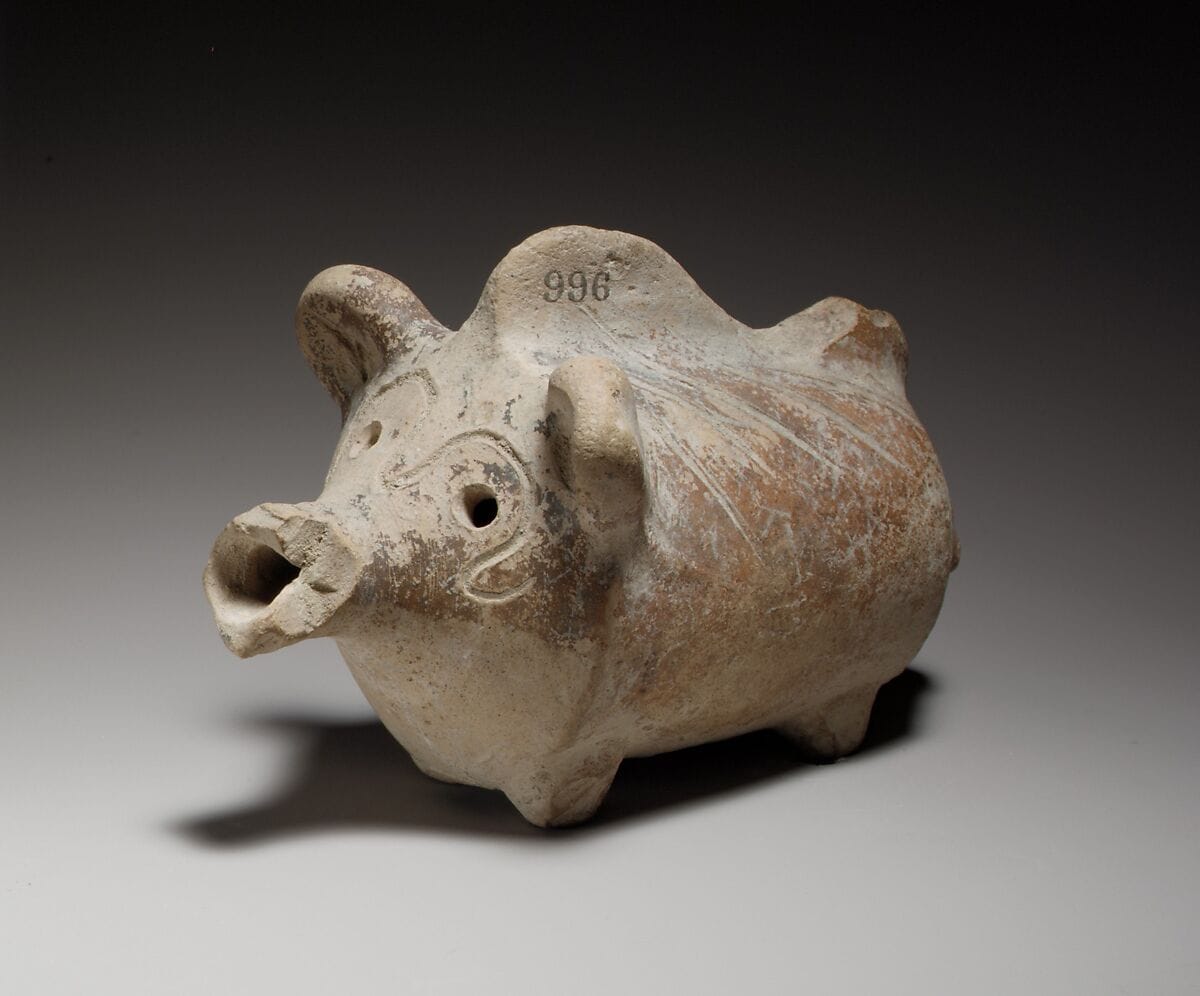
Terracotta rattle in the form of a pig
Hellenistic
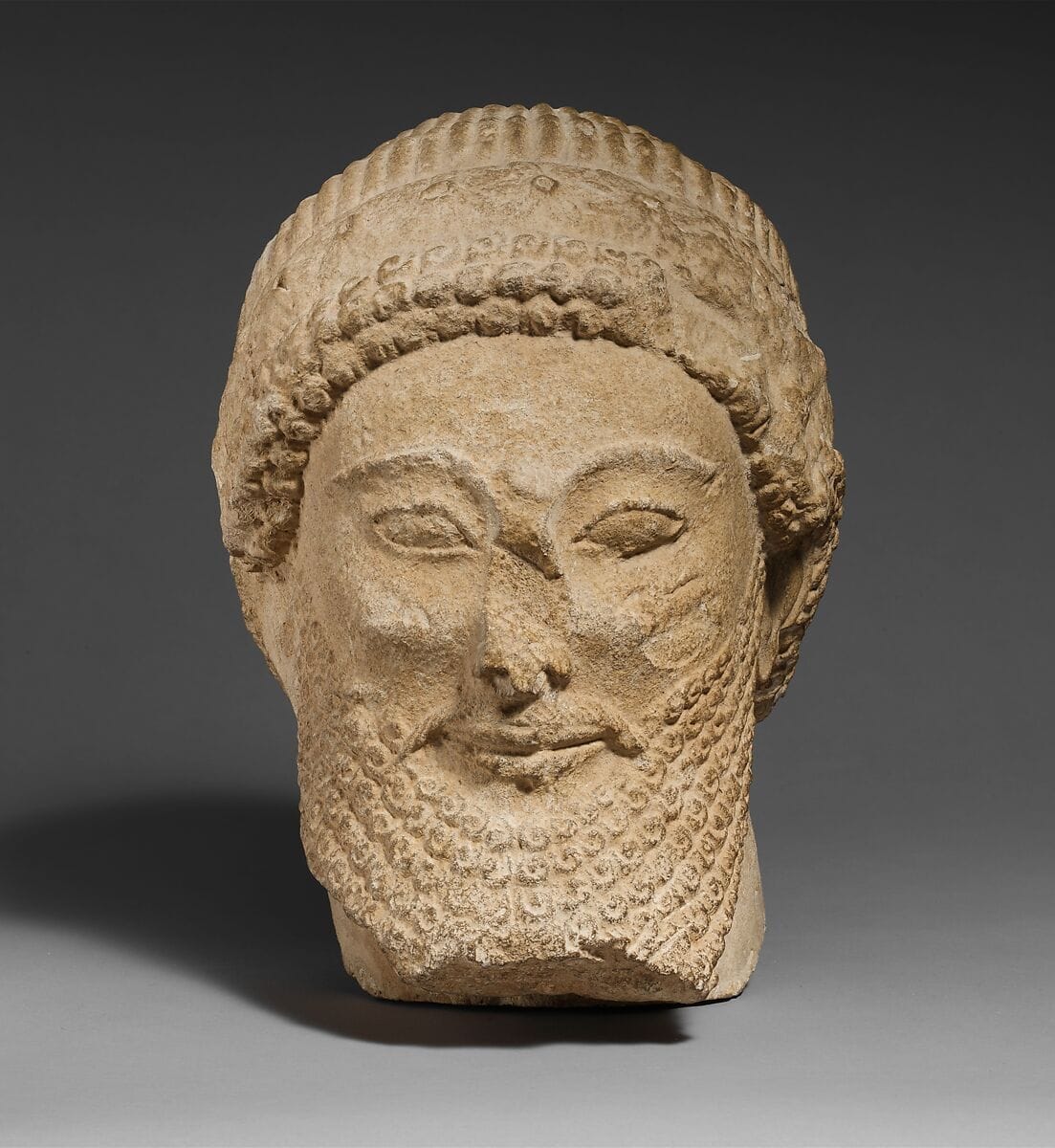
Limestone head of a bearded male with a wreath of flowers
Archaic II
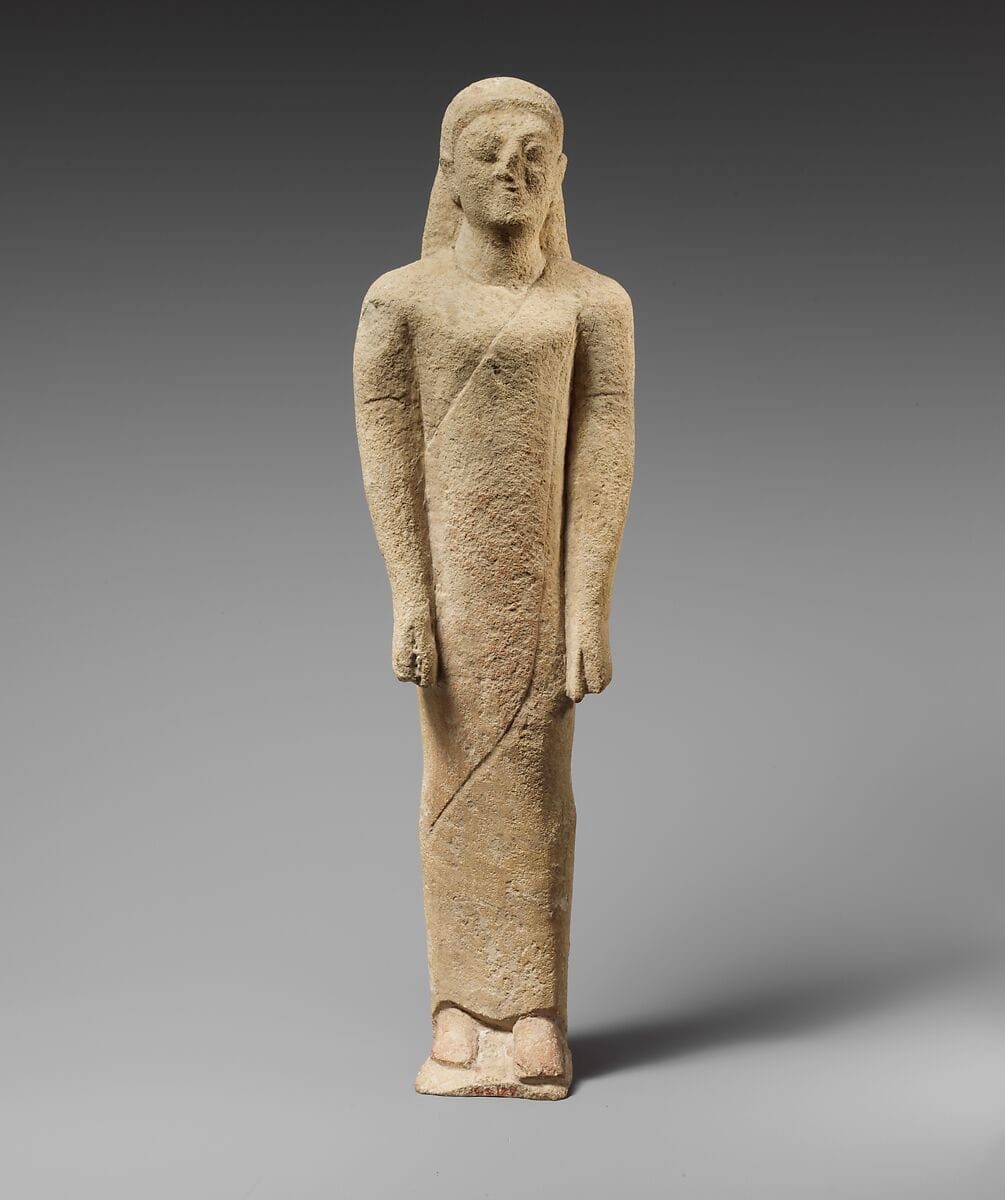
Limestone statuette of a beardless male votary in Greek dress
Archaic II
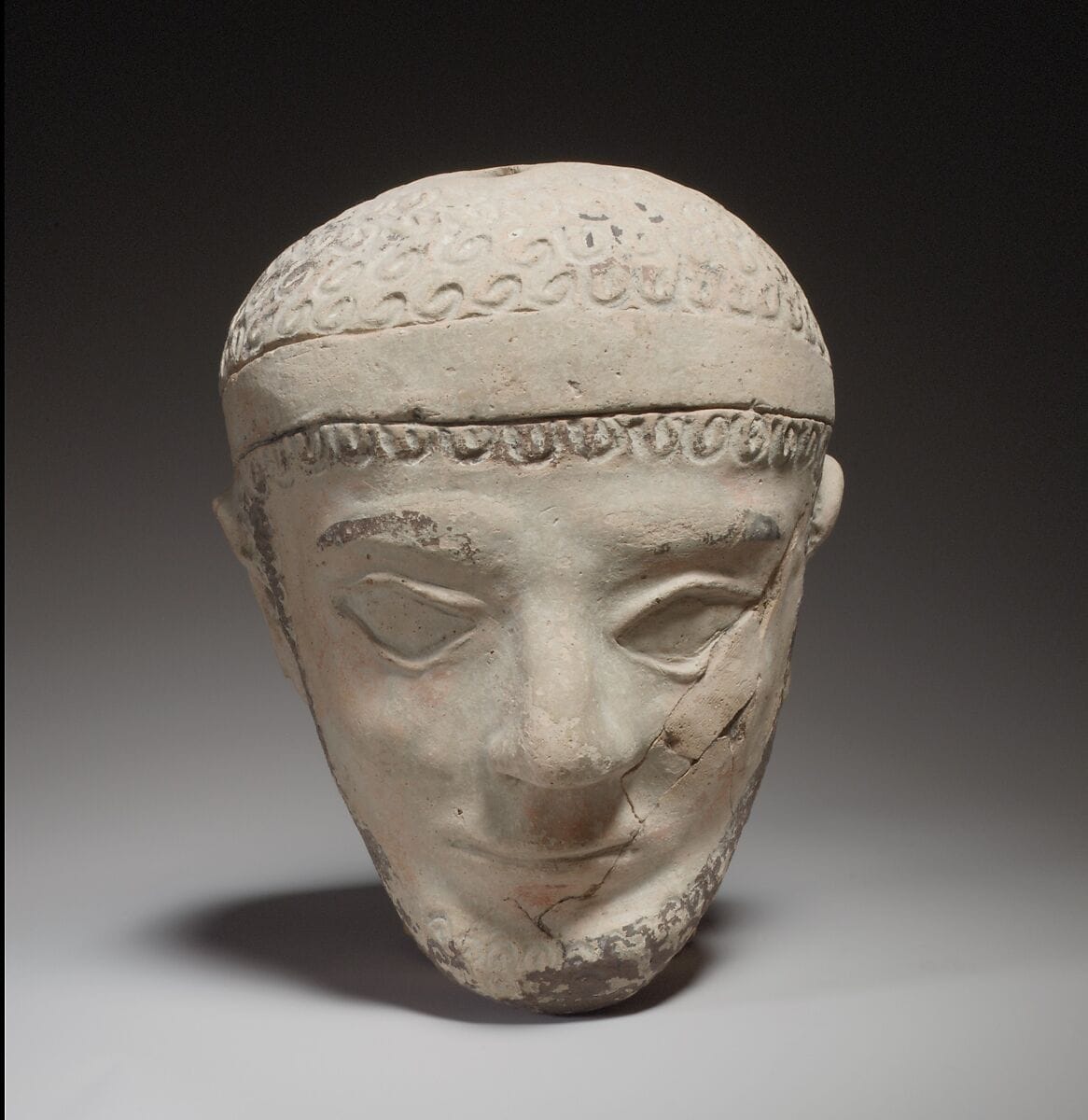
Terracotta head of a man
Archaic II
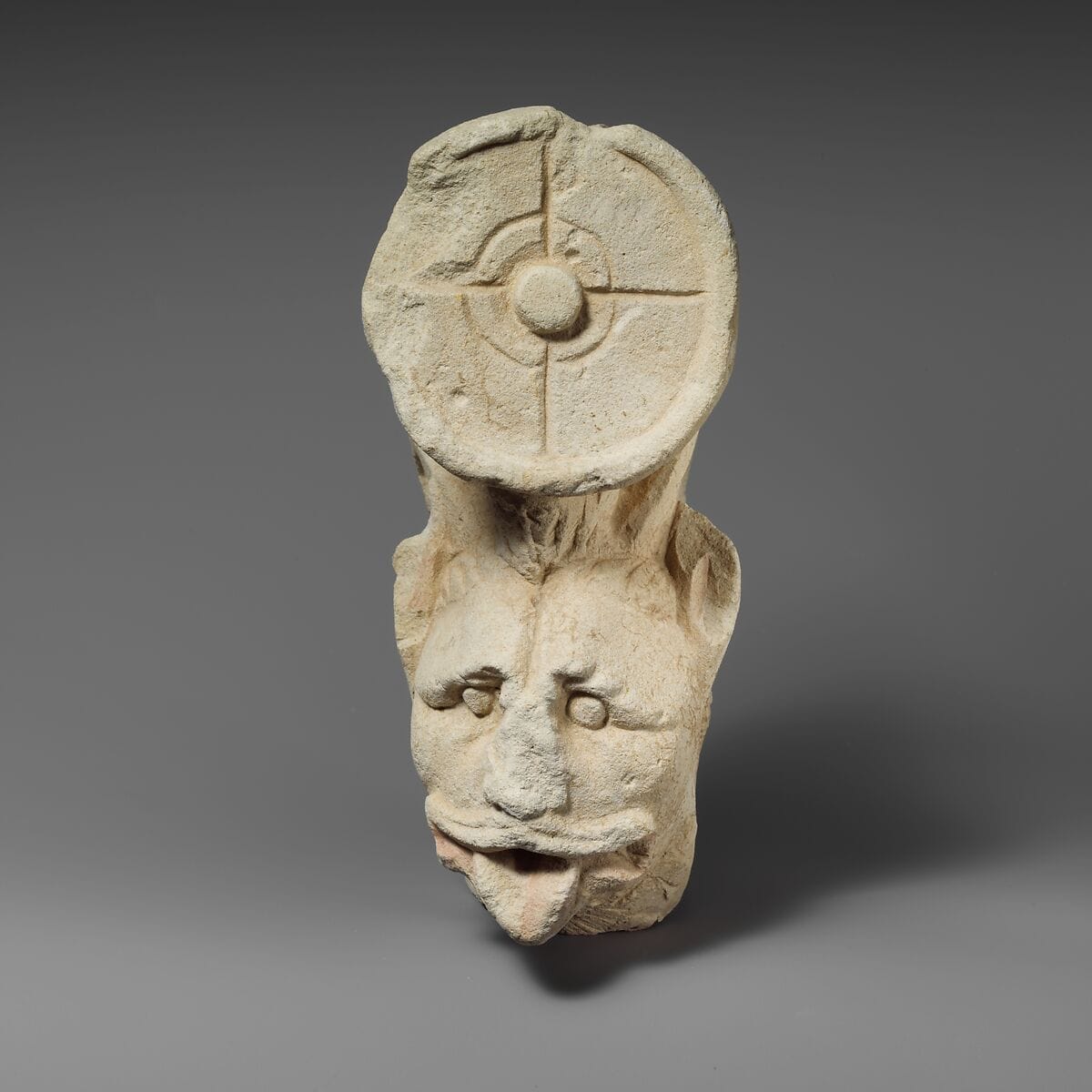
Fragment of a limestone throne (?) with the head of a horned lion
Roman
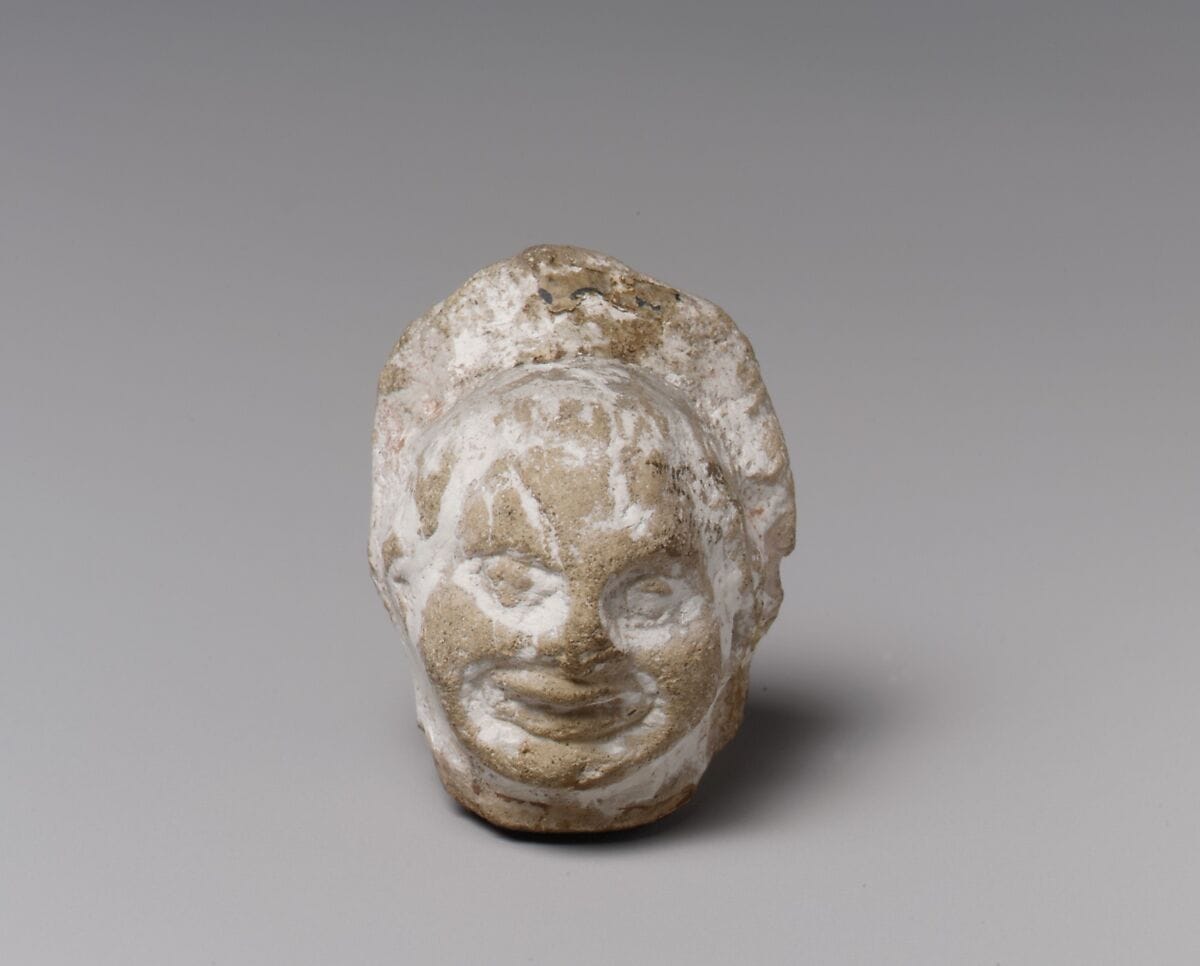
Head of a comic figurine
Hellenistic
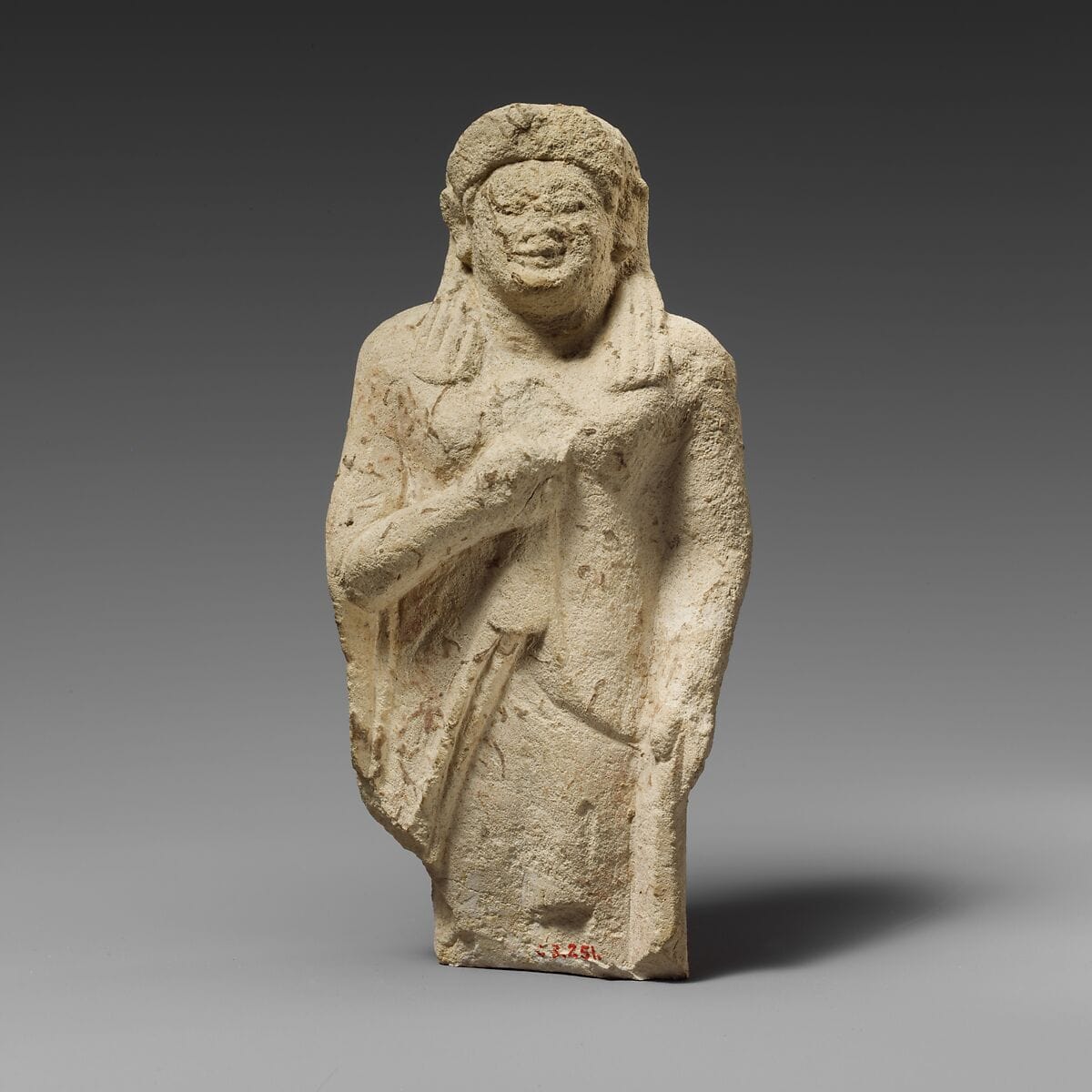
Limestone statuette of a female votary of the kore type
Archaic II
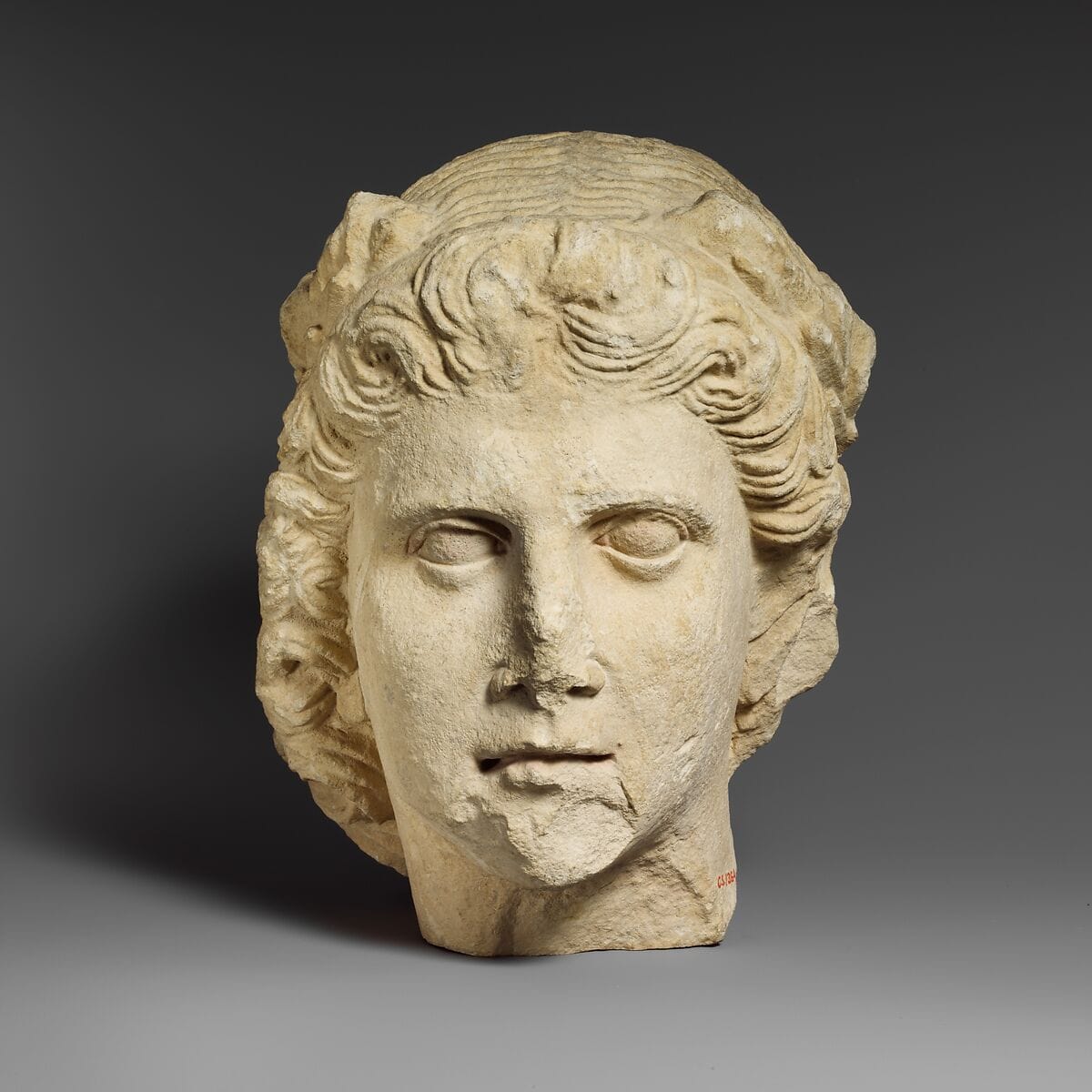
Limestone head of Apollo
Hellenistic
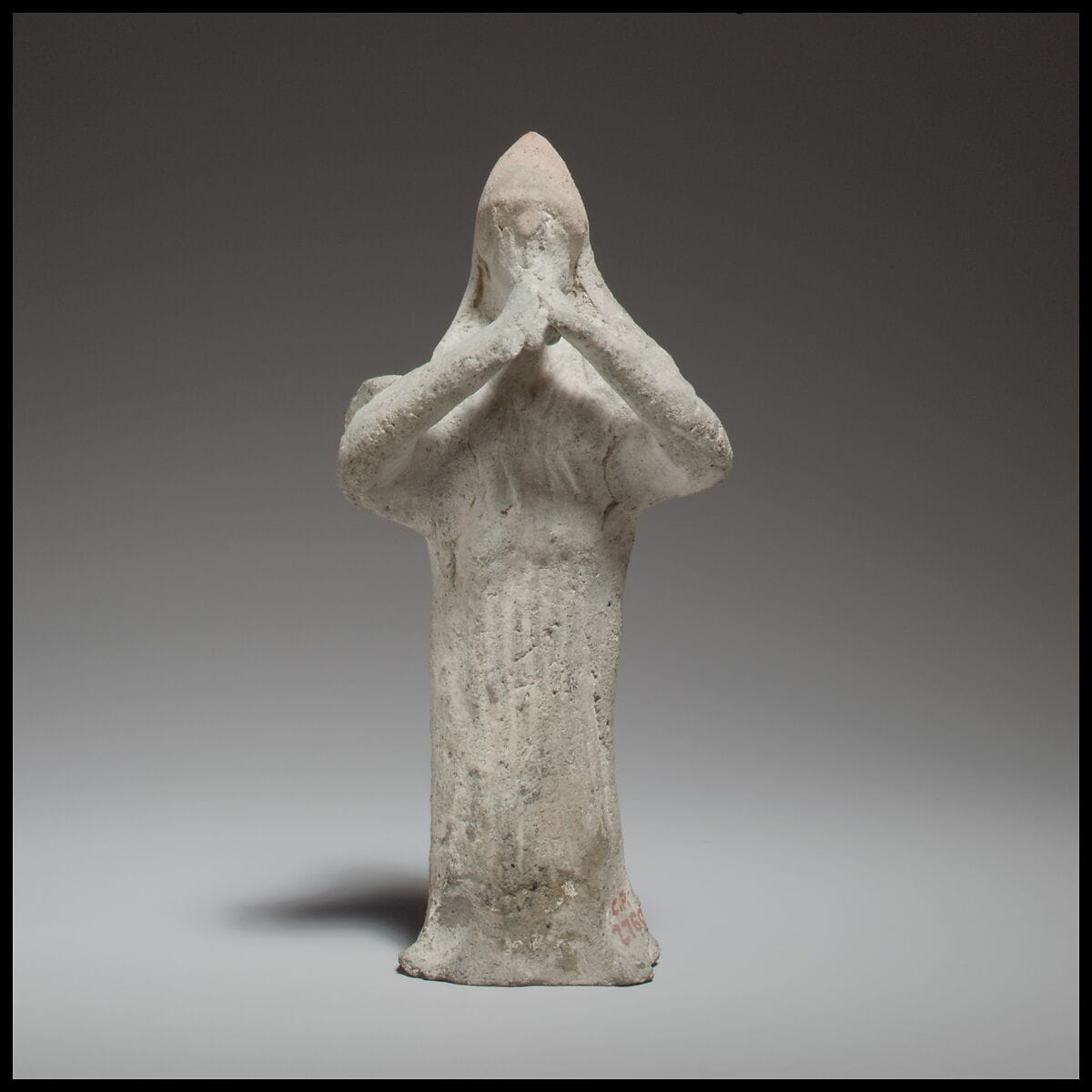
Standing female flute player
Classical
Standing female figurine
Archaic II
Horse's head with harness
Archaic II
Limestone statuette of a mourning siren
Hellenistic
Standing female figurine
Archaic II
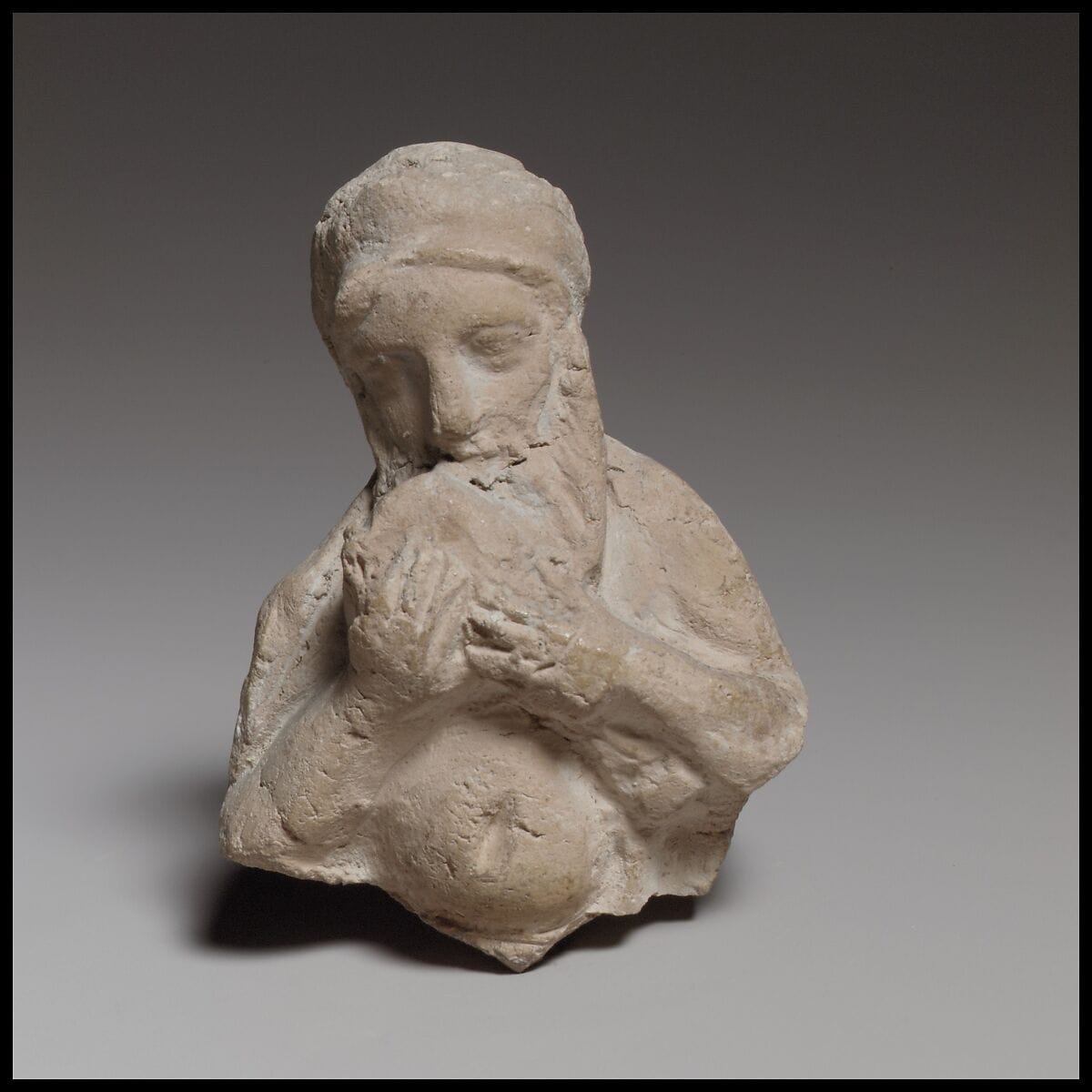
Terracotta statuette of Silenos (?) drinking
Hellenistic
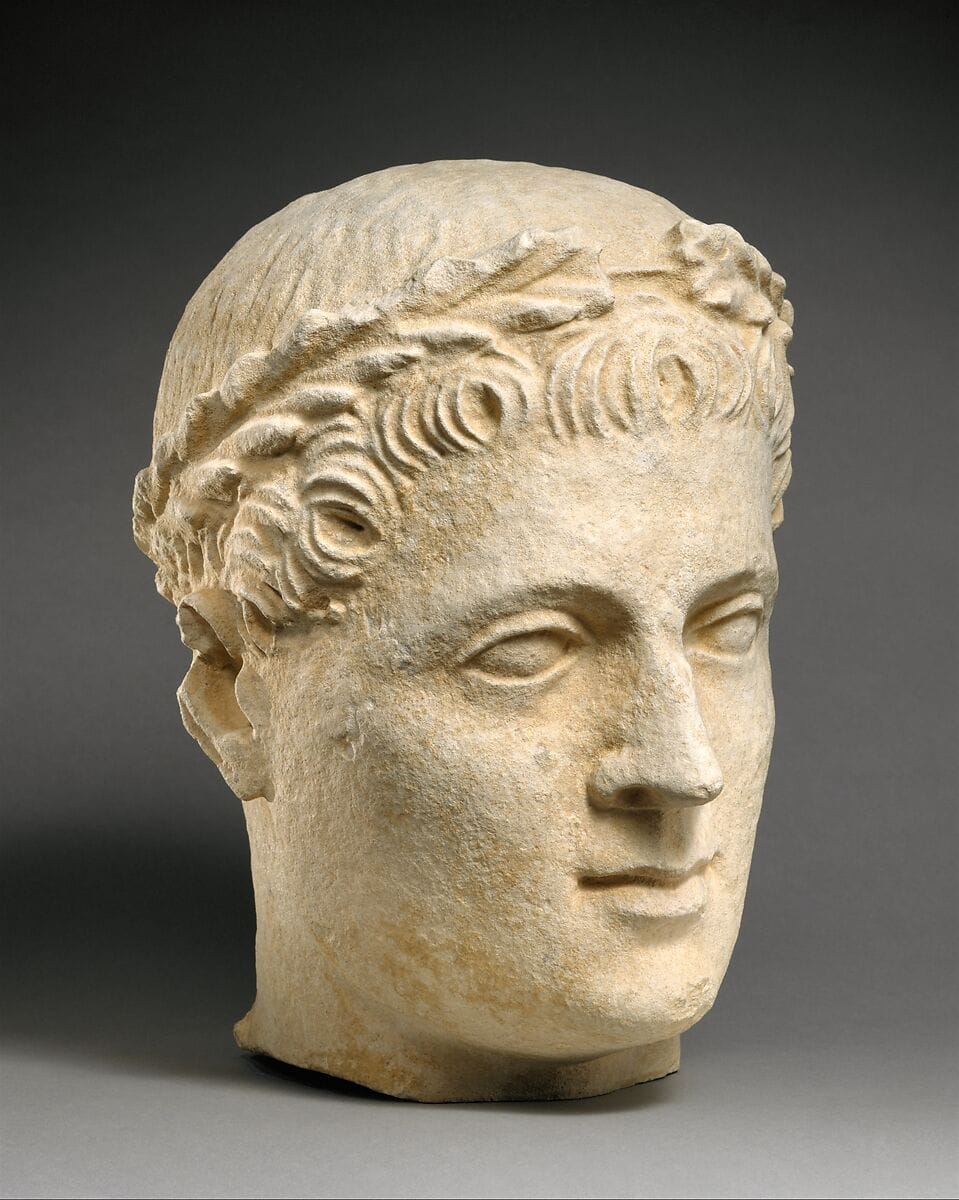
Limestone head of beardless male votary with wreath of leaves
Hellenistic
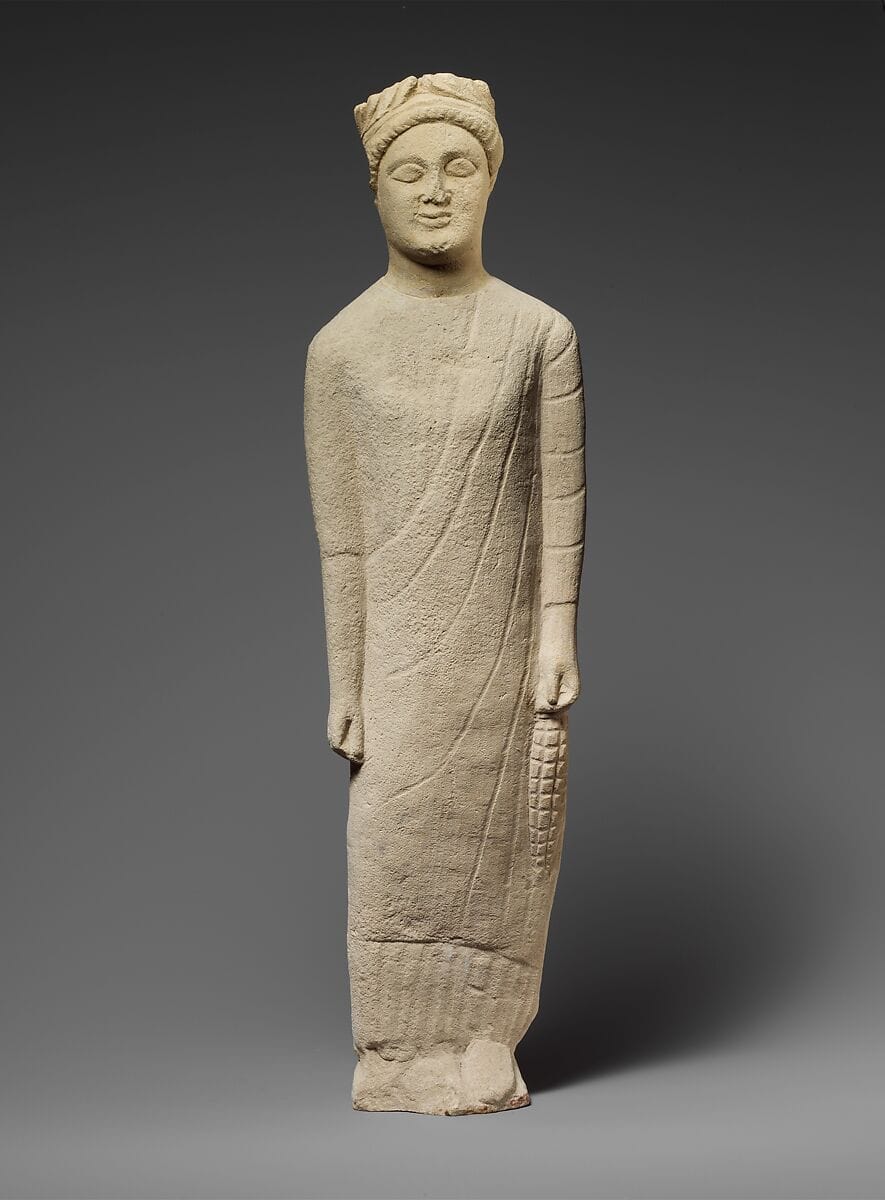
Limestone statuette of a beardless male votary with a wreath of leaves
Classical