
Conference paper·CAARI Cyprus·2021
Formation and Transformation of Archaeological Discourse and Its Dissemination
Chapters
About the video
Anastasia Leriou and Giorgos Vavouranakis trace the development of archaeological publishing in Cyprus during the British period, focusing on how texts and architectural drawings in site reports, catalogues, and guidebooks communicated methodology and historical interpretation.
The survey begins with Max Ohnefalsch-Richter, hired by the British administration in 1878, who excavated sanctuaries for twelve years. His final report consists largely of commentary on 218 plates, arranged by site and material, alongside discussions of ancient Cypriot religion drawn from classical sources. While his methodology is barely described, his separate volume of plates and technical architectural drawings with shadows, including a reconstruction of the temenos of Aphrodite at Idalion, reflect an empiricist approach compared to Luigi Palma di Cesnola.
From 1887 to the end of the nineteenth century, missions involving scholars from the British School at Athens, such as Ernest Gardner, David Hogarth, and John Linton Myres, dug tombs to acquire antiquities for the British Museum. Their diary-like reports emphasized topography and stylistic parallels, grouping finds by material while ignoring stratigraphy, though an illustration of the Ayia Kyriaki tumulus at Enkomi shows a section. Myres later produced the first historical narrative based on archaeological evidence in his catalogue of the Cyprus Museum and refined his classification in the guidebook to the Cesnola Collection. In the early twentieth century, Menelaos Markides excavated at Arsos, and Myres returned in 1912 to 1913 to dig at Lefkoniko, Lapithos, and Bamboula in Larnaca, incorporating stratigraphic sections and historical development.
A major shift occurred in 1927 with the arrival of the Swedish Cyprus Expedition, including Einar Gjerstad and John Lindros. Their four-volume report used fixed categories for architecture, stratification, and chronology, refining Myres's ceramic classification. Their drawings systematically recorded grids, in situ finds, stone-by-stone plans, and stratigraphic sections, while Elsa Sandal-Gjerstad and draftsman Bror Millberg contributed conservative reconstructions, including schematic isometric drawings of Nitovikla and the palaces at Vouni and Soli.
In the aftermath of the Swedish expedition, excavations multiplied. Claude Schaeffer's Mission à Chypre on Enkomi compiled preliminary reports with expedient drawings by Diomedes Christodoulides and Theophilus Mogabgab. Publications in the Report of the Department of Antiquities, Cyprus, such as Porphyrios Dikaios's reports on a built tomb at Pyla and on Erimi, and Joan du Plat Taylor and Eve Dray's report on the cemeteries of Tsambres and Aphendrika (with plans by Joseph Last, Ilias Markou, Margaret Collingridge, and Dray), followed the Swedish structure in text while adopting practical solutions for architectural illustration.
From our collection
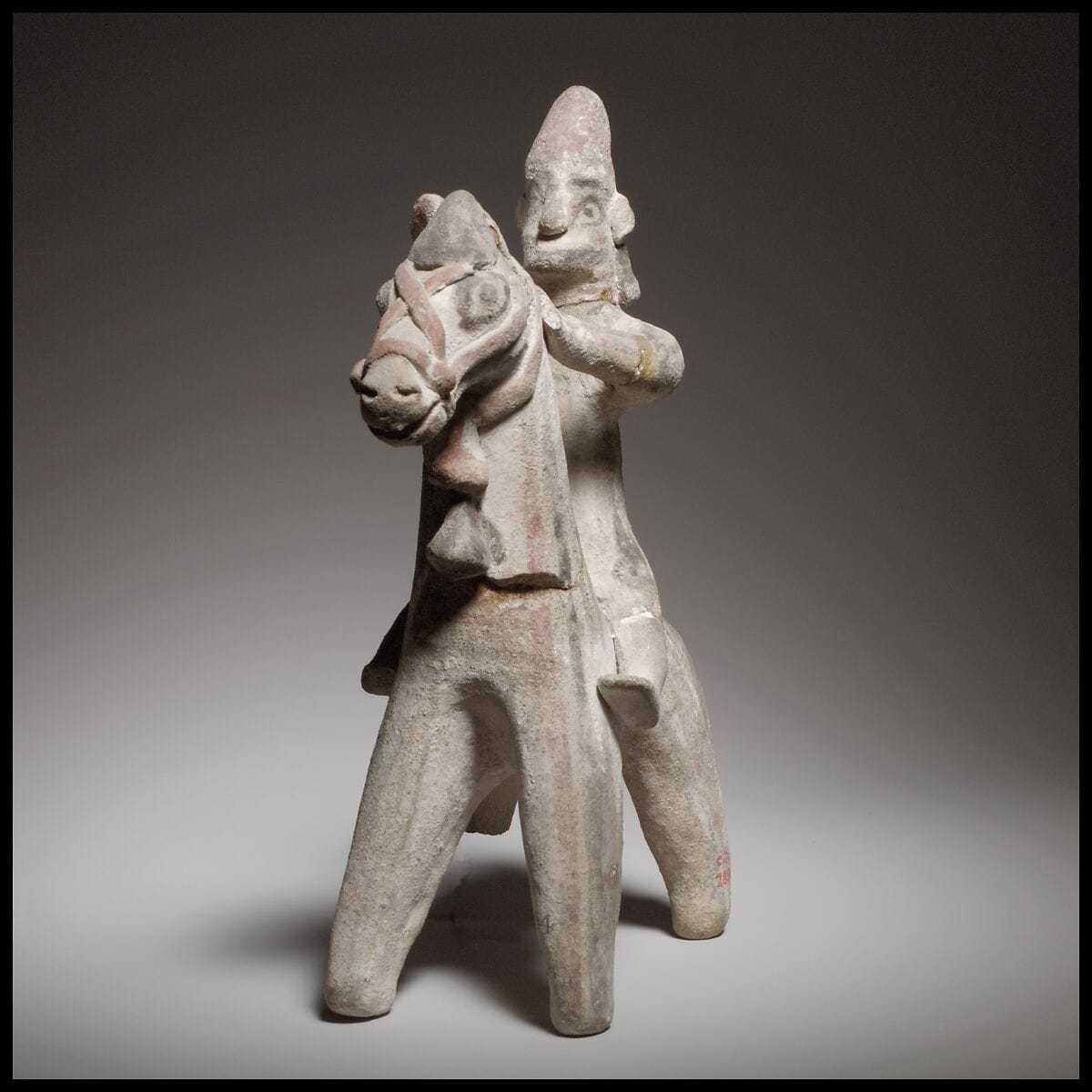
Pieces in the Drakopoulos collection of the kinds and periods this talk covers: Cyprus.
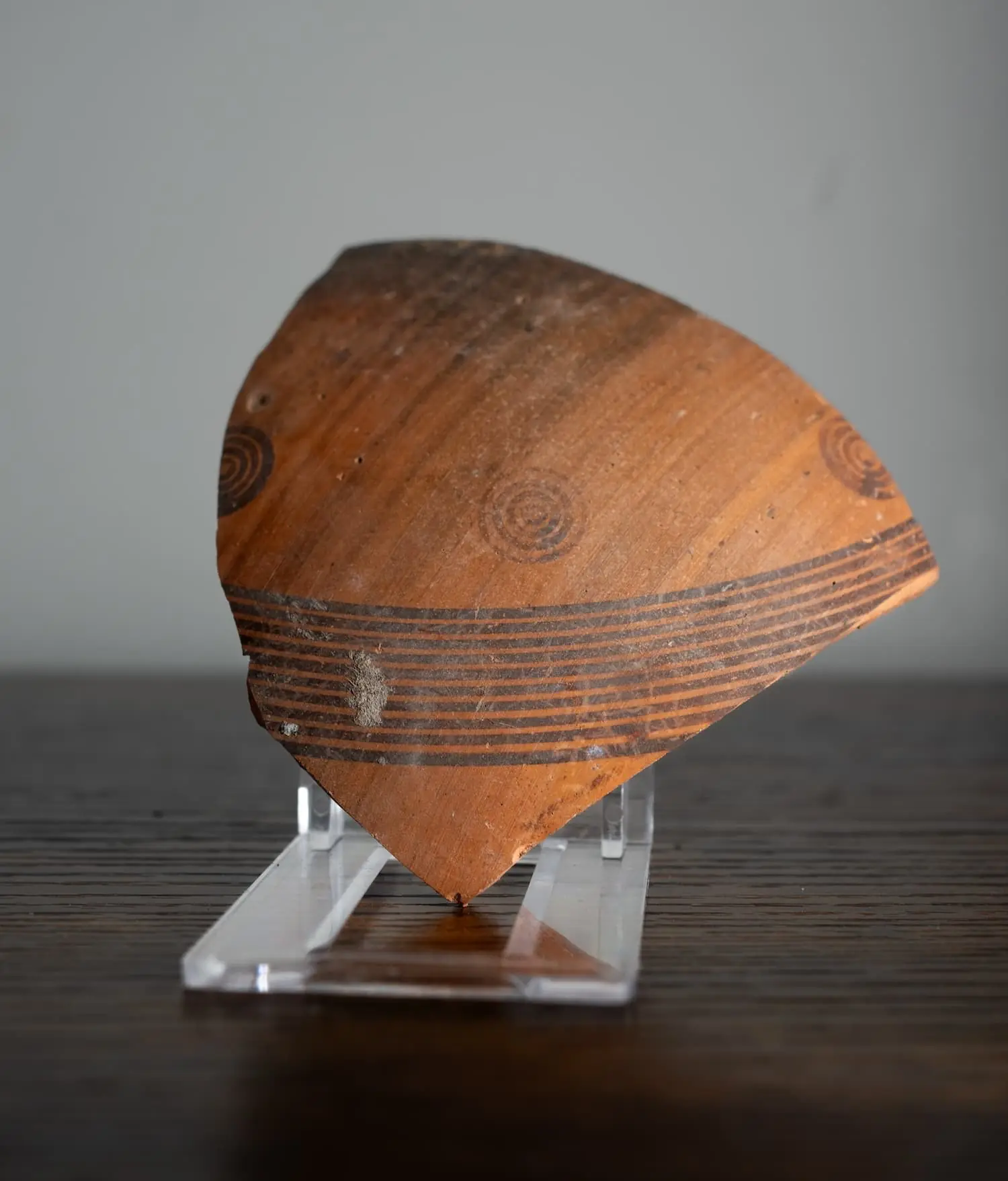
Black-On-Red Geometric Jug Sherd
Cyprus
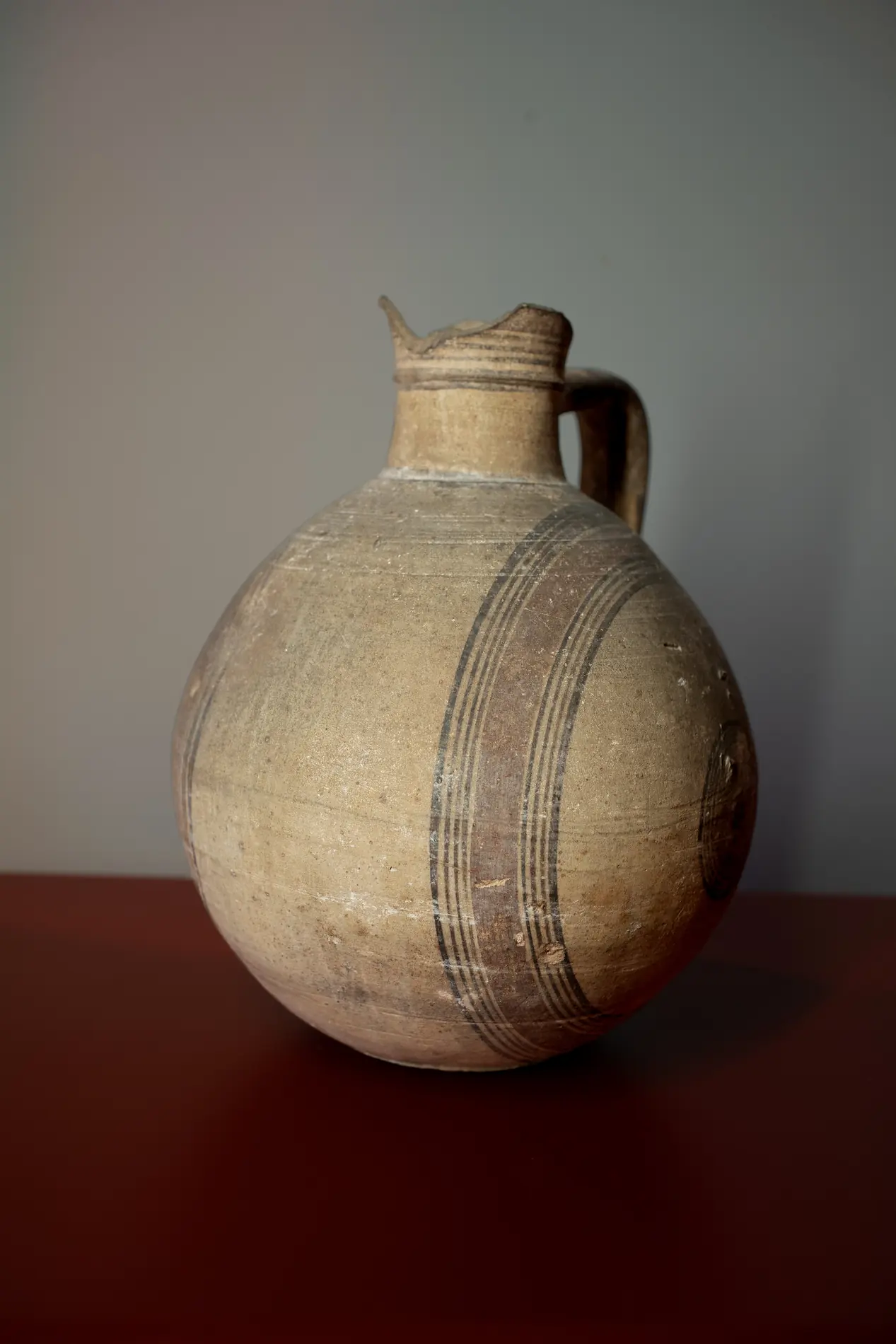
Bichrome Jug
Cyprus
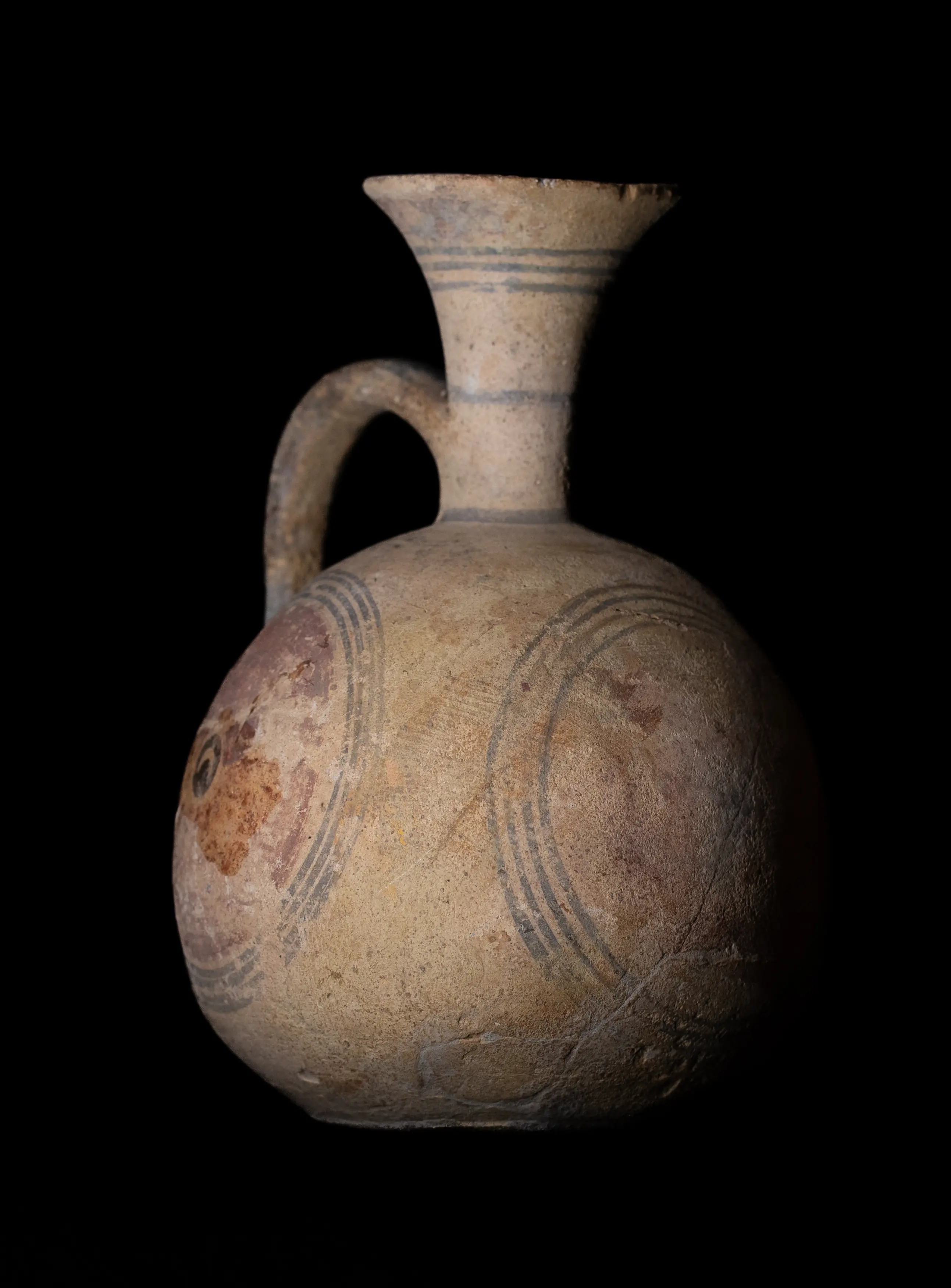
Bichrome Juglet
Cyprus
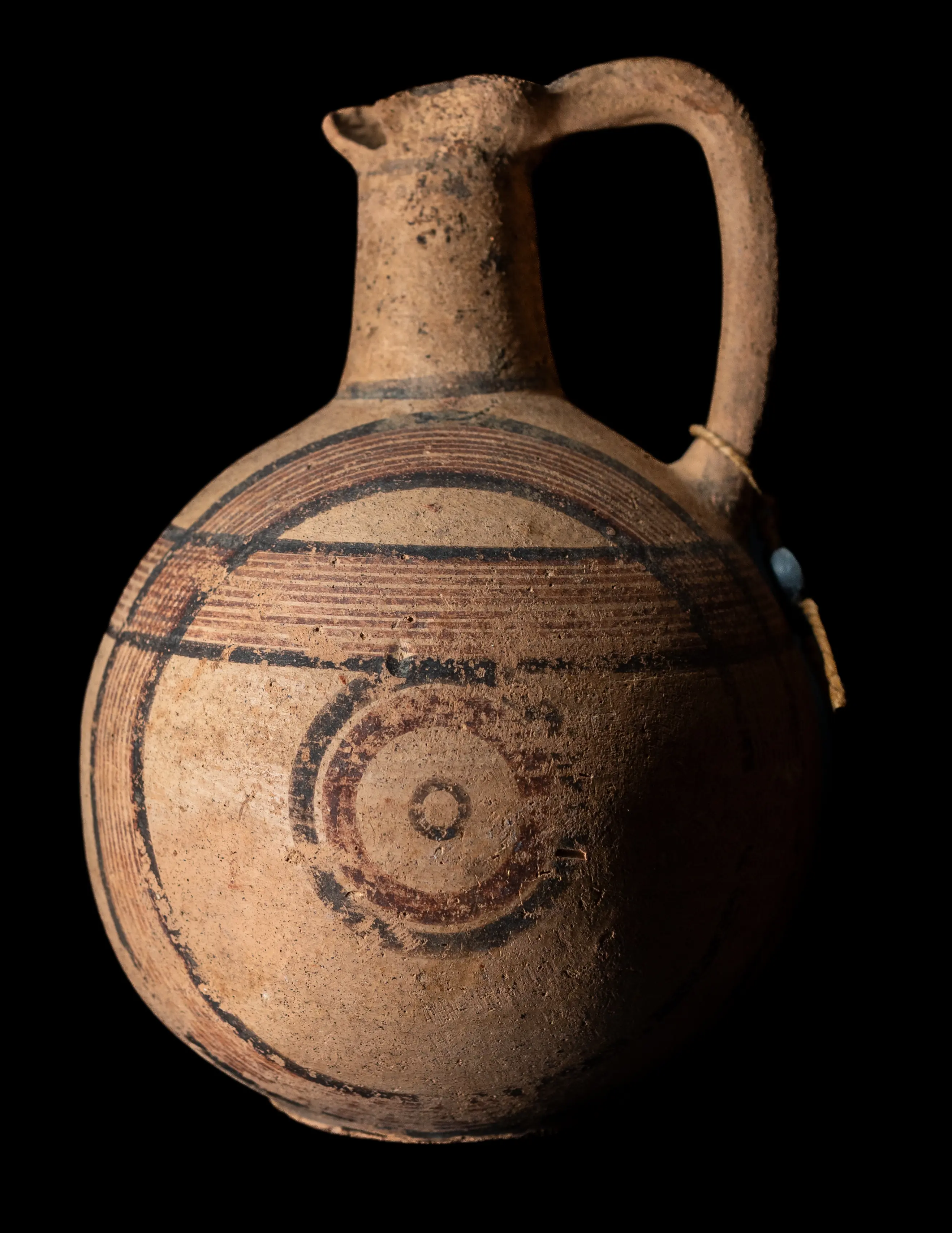
Bichrome Oinochoe
Cyprus
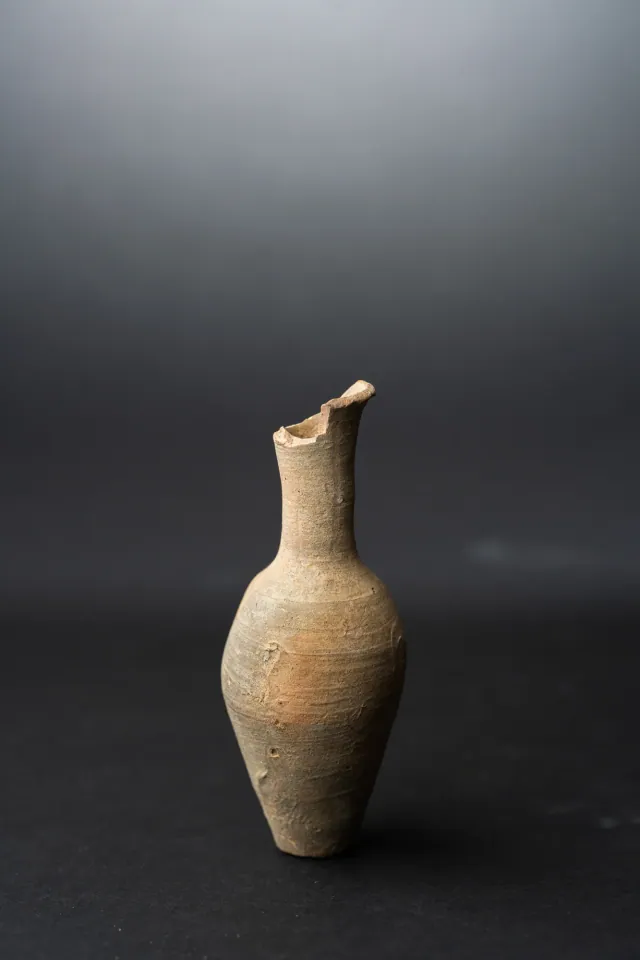
Fusiform Unguentarium
Cyprus
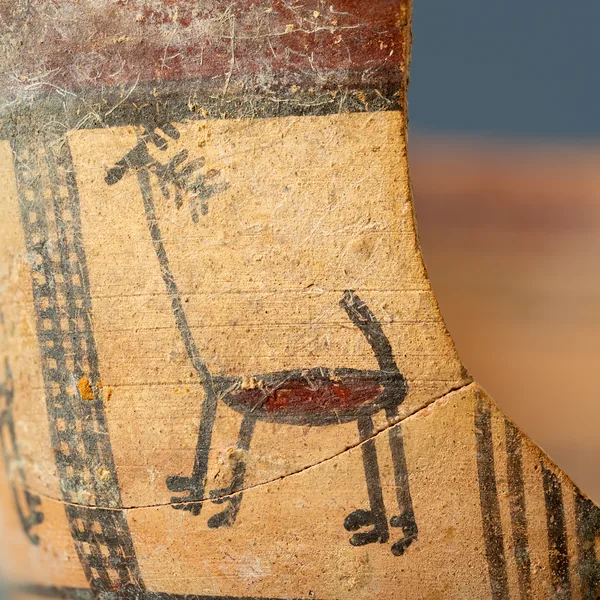
Bichrome Skyphos with Stags in Metopes
Cyprus
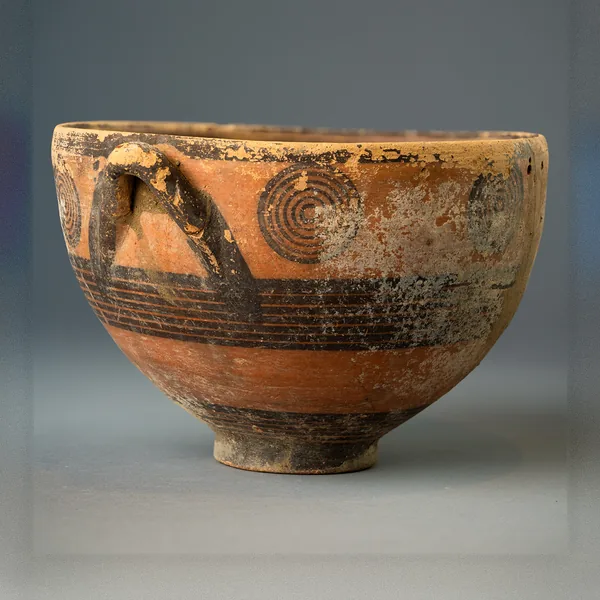
Black-on-Red Deep Bowl with Concentric Circles below the Rim
Cyprus
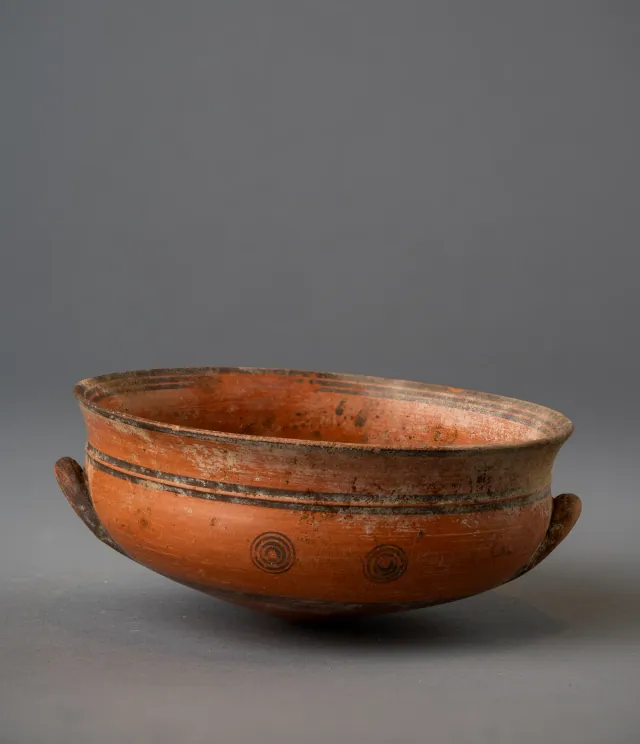
Black-on-Red Two-Handled Bowl with Raised Flaring Rim
Cyprus
Found at the places discussed
Objects in our catalogue, in museum collections, recorded as found at these sites.
Background
Where to read more on this site before or after watching.
The site
Idalion
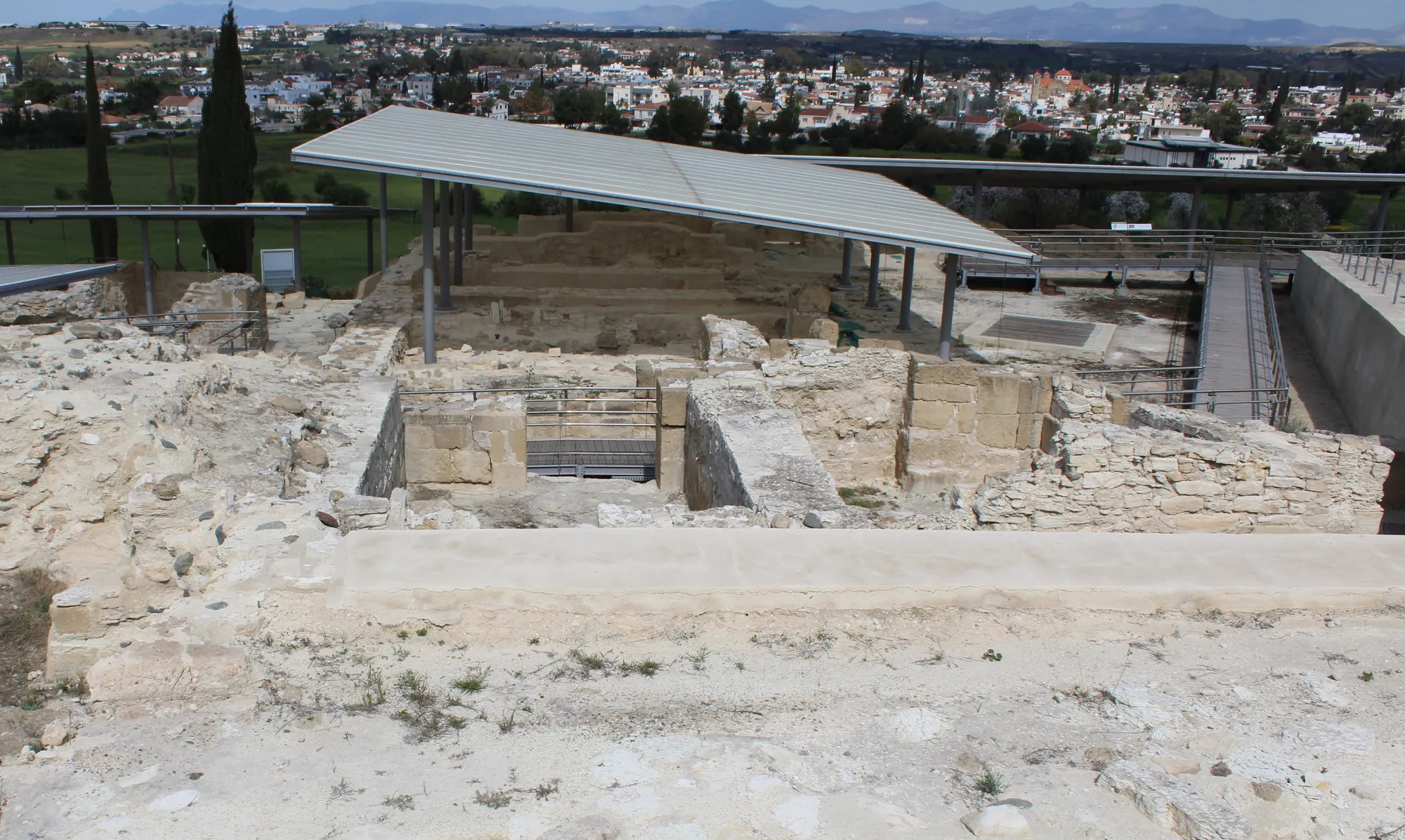
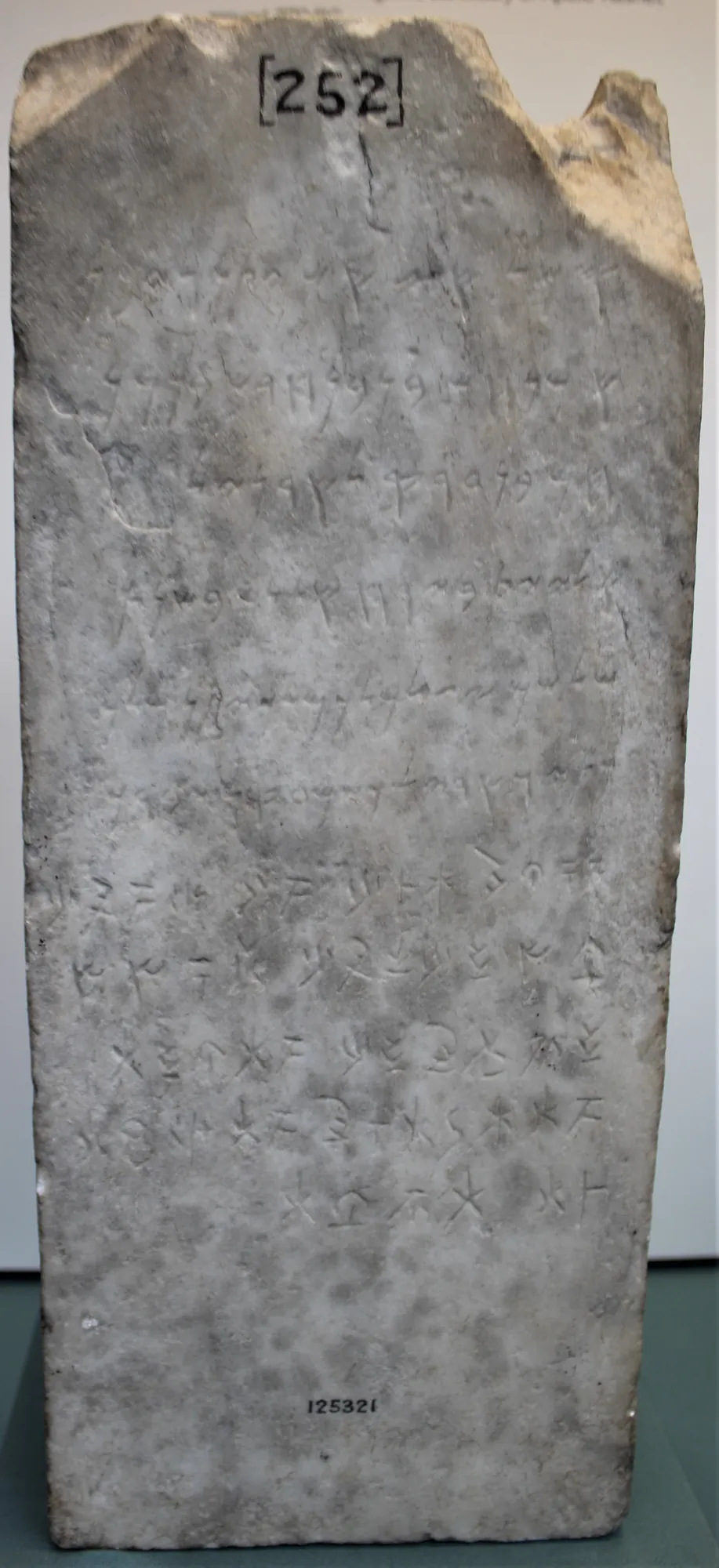
Idalion is an inland city-kingdom of Iron Age Cyprus at the modern village of Dali, built round two limestone acropoleis and a walled lower city on the Yialias river. Its bronze tablet, the longest known text in the Cypriot syllabary, records a siege of the city in the first half of the 5th century BC; soon afterwards Idalion passed to the Phoenician kings of Kition, whose administrative archive was found on the west terrace.
In the compendium
Max Ohnefalsch-Richter: Excavator, Dealer and the Divided Finds of British Cyprus
The German excavator whose finds left British Cyprus lawfully through the division of finds of 1880 to 1895, the patrons he dug for, the sales of 1887 and 1896, and the record he left.
In the compendium
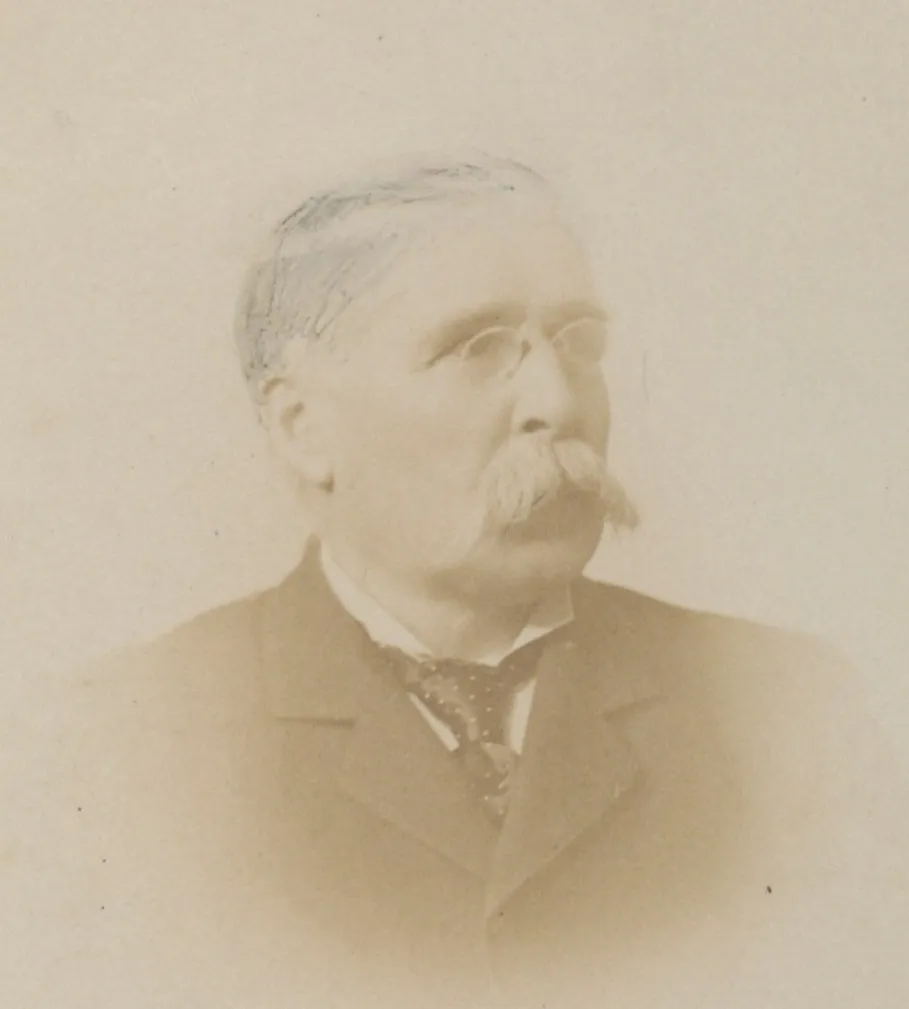
Luigi Palma di Cesnola: The Largest Export of Cypriot Antiquities
The American consul whose roughly 35,000 objects left Cyprus under Ottoman firmans for the Metropolitan Museum, and what his digging and sales mean for the trade.
Map of Cyprus
Places discussed in the talk
- Has a page on this site
- Other places
- Ground above 200, 500, 1,000 m