
Lecture·CAARI Cyprus·2023
Swedish Spades in Terra Incognita: Crown Prince Gustaf Adolf's 1930 Cyprus Sojourn and the Division of Finds of the Swedish Cyprus Expedition
Chapters
About the lecture
Marking a century since Einar Gjerstad first arrived on the island in 1923, Fredrik Whitling places the Swedish Cyprus Expedition (1927 to 1931) in its socio-political context through unpublished archival correspondence, royal papers, and the diary of Rupert Gunnis. The talk focuses on the October 1930 visit of Crown Prince Gustaf Adolf of Sweden, who chaired the Cyprus Committee in Stockholm, and how his presence shaped the division of the expedition's finds.
Whitling traces the origins of the enterprise to a 1922 chance meeting at a Serbian train station between the Swedish archaeologist Axel W. Persson and the Larnaca consul and collector Loukis Pierides. Pierides invited the young Gjerstad, who had trained at Asine, to Cyprus in 1923 to 1924, where he studied Bronze Age material excavated by Menelaos Markides at the Cyprus Museum and dug at sites including Alambra for his 1926 dissertation. Pierides also shipped two heavy crates of vases from his private collection to the Crown Prince and met him in Stockholm in August 1924. As a member of the Legislative Council, Pierides advocated for the February 1927 antiquities law that allowed the museum to cede a share of excavated finds to foreign expeditions, a window that closed again with the 1935 law.
Backed by private Swedish donors, Gjerstad, Erik Sjöqvist, Alfred Westholm, and the architect John Lindros excavated more than twenty sites from the Stone Age to the Roman period, including Lapithos, Idalion, Marion, Vouni, Soli, Ayia Irini, Enkomi, Amathus, and Kition. When the unexpected discovery of the palace at Vouni broke the budget, the Crown Prince raised an additional 20,000 Swedish crowns. Because the 1927 law left the exact share of finds open to interpretation, Gjerstad wrote to Gustaf Adolf in 1928 asking him to come to Cyprus in person, and the Crown Prince prepared the ground in two 1929 London meetings with Governor Sir Ronald Storrs.
Arriving in Limassol in October 1930, the Crown Prince was greeted by Greek Cypriot press articles and petitions framing the excavations in the politics of Enosis. Over twenty-six days he toured the island, hunted fossils with Gunnis, dug a tomb reserved for him, and negotiated the division with Storrs, Gunnis, and Markides. While tomb groups and unique objects were kept intact or in Nicosia, the agreement allocated more than 12,000 of roughly 18,000 finds to Sweden, shipped from Famagusta in 771 cases to form the core of Medelhavsmuseet in Stockholm.
Background
Where to read more on this site before or after watching.
The site
Alambra
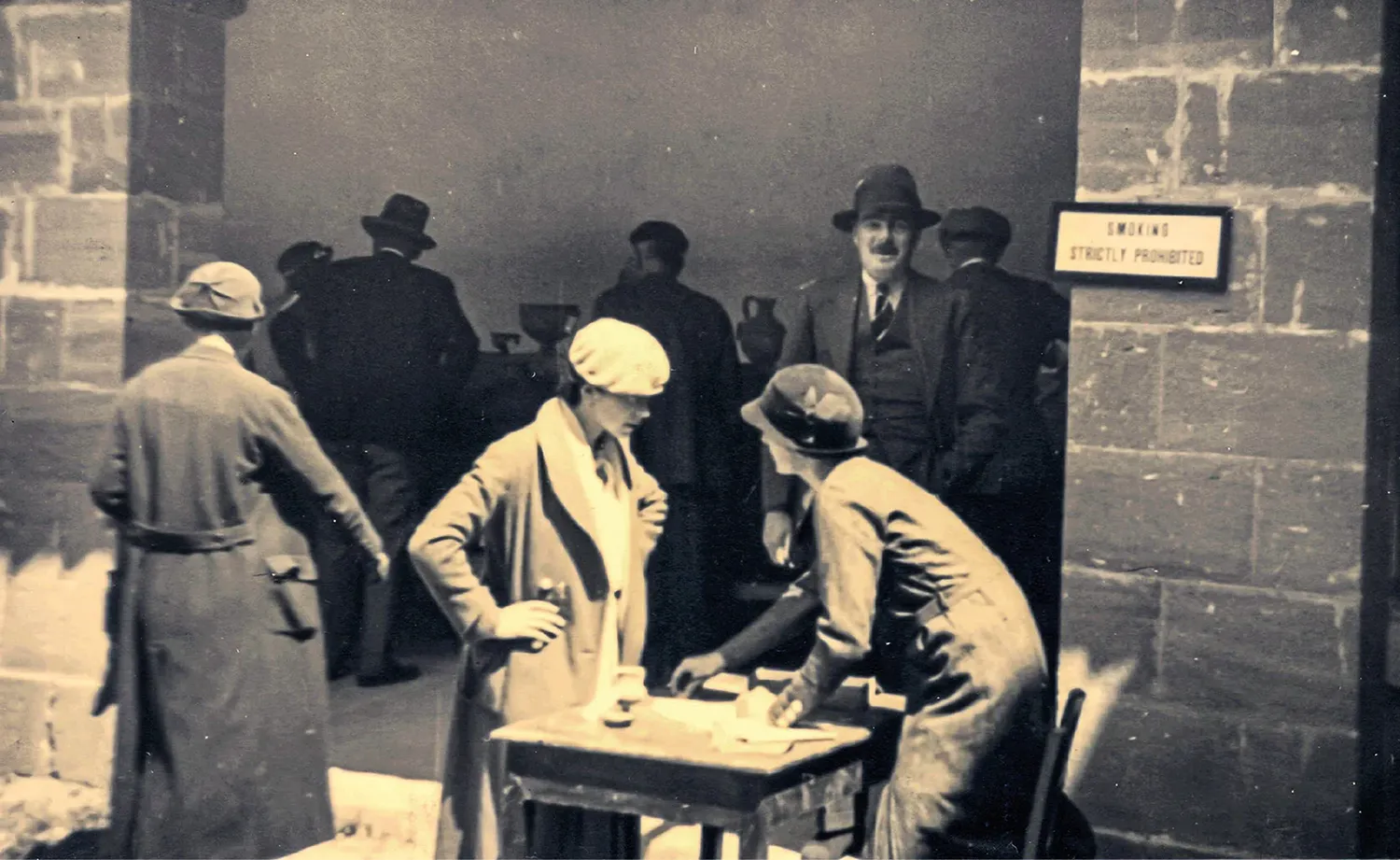
A village of stone and mudbrick houses on the slopes of the Mouttes-Spileos ridge, about 20 km south of Nicosia, lived in for about a century from around 1900 BC and abandoned peacefully, with cemeteries whose earliest tombs go back to the Early Cypriot period. Excavated by Cornell University in 1974–1985, it is one of the few Bronze Age villages of Cyprus published in full.
In the compendium
The Antiquities Laws of 1905 and 1935
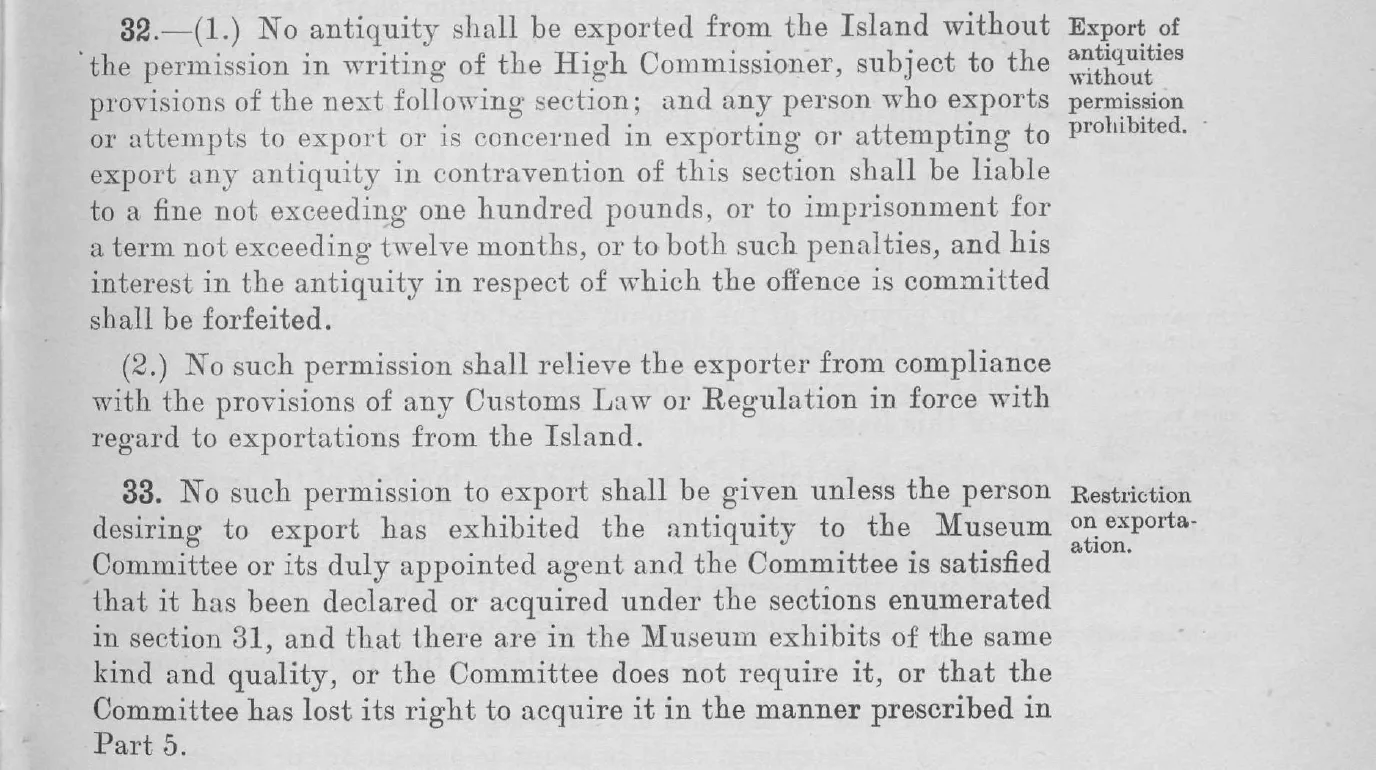
What the Antiquities Laws of 1905 and 1935 said about ownership, finds, excavation, dealing, collections and export, and how they were amended up to 1996.
In the compendium
The Island Collections: Private Collections Formed on Cyprus and What Became of Them
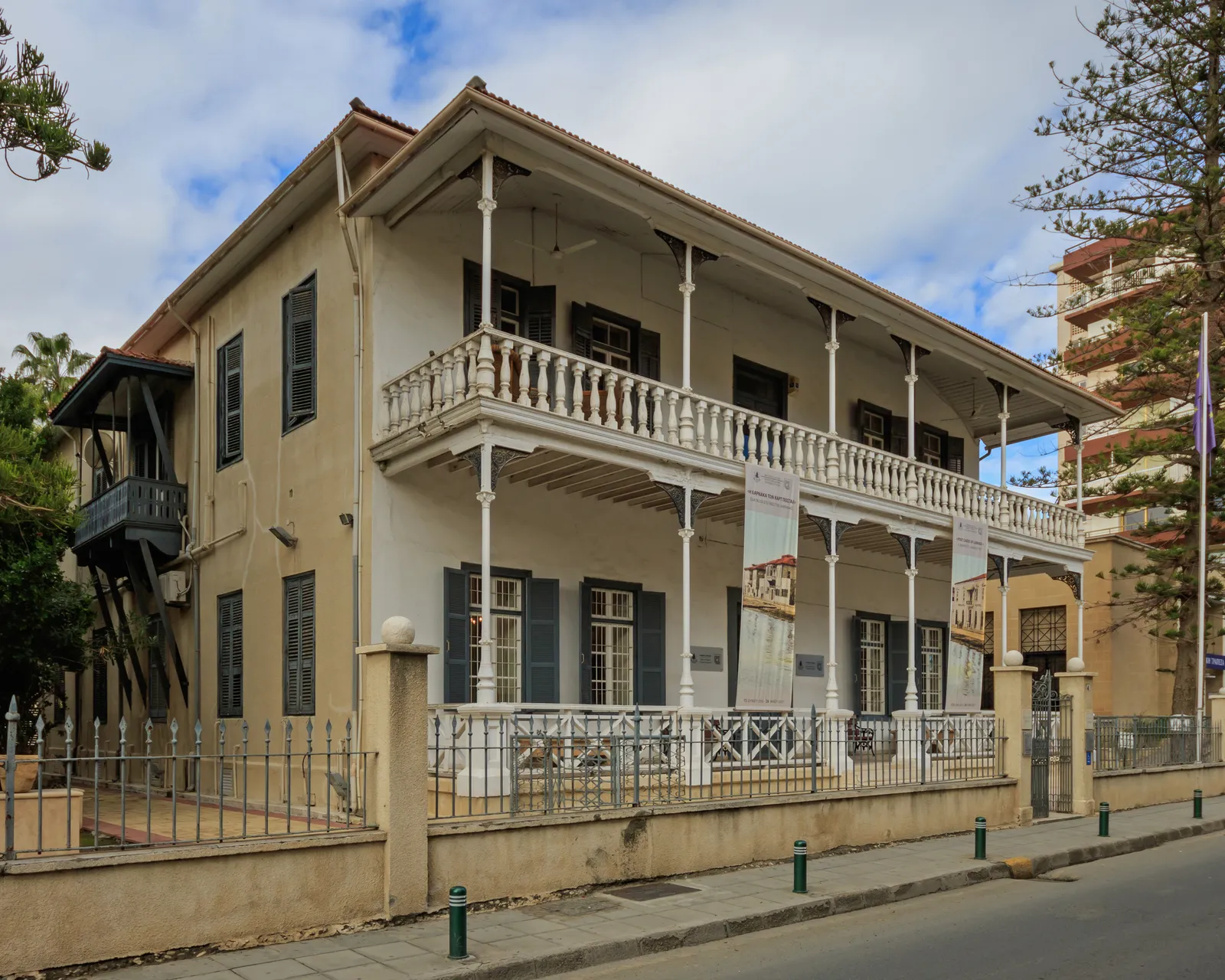
The registered private collections formed on Cyprus (Pierides, Giabra Pierides, Severis, Phylactou, Lyssarides, Hadjiprodromou, Hadjiloizides, Palma), how they were formed, and their present homes.
In the compendium
The Legal Export of Cypriot Antiquities
The succession of Ottoman, colonial and Republic laws under which Cypriot antiquities lawfully left the island until licensed export ended in 1996.
Map of Cyprus
Places discussed in the talk
- Has a page on this site
- Other places
- Ground above 200, 500, 1,000 m