
Conference paper·CAARI Cyprus·2020
The archaeology of Polis Chrysochous during the British colonial period
Chapters
About the video
Joanna Smith traces the history of archaeological fieldwork at Polis Chrysochous, the site of ancient Marion and Arsinoe, across the British colonial period. Drawing on archival records in Cyprus, Sweden, the United Kingdom, and the United States, she examines how excavations were permitted, financed, staffed, recorded, and published between 1878 and 1960, and how local landowners and foremen shaped the work alongside foreign and Cypriot archaeologists.
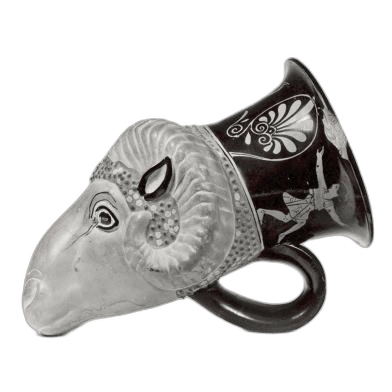
Smith begins with the mid-19th-century identification of Polis with Marion and Arsinoe, and how colonial-era excavators focused on the Greek character of Marion, the Cypriot syllabary, and Attic pottery before Kyriakos Nicolaou broadened investigations in 1960. She then reviews the sequence of colonial expeditions, starting with Max Ohnefalsch-Richter's exploratory dig in 1885 and the larger 1886 campaign financed by Charles Watkins, John Williamson, and Charles Christian. Using the original diaries, she shows how Ohnefalsch-Richter and government overseers Ernst Foot and John Foot logged finds using sketched figure types to stand in for duplicates, while foreman Gregori Antoniou managed the digging.
After an 1887 permit application by landowner Nazire, daughter of Tahsin Bey, was refused as colonial policy turned against private digging, the Cyprus Exploration Fund excavated at Polis in 1889 and 1890 under J. Arthur R. Munro and Henry Tubbs, with Sophocles Stavrinides as overseer and Antoniou again as foreman. Smith outlines their agreements with some forty Greek and Turkish Cypriot landowners and their rapid publication in the Journal of Hellenic Studies.
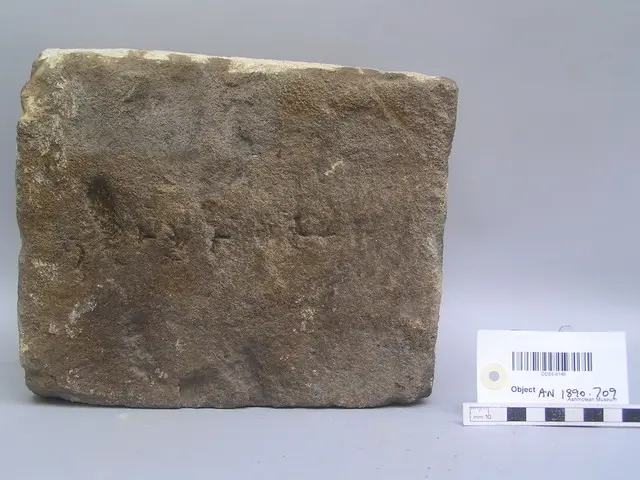
The paper then examines the work of the Cyprus Museum. Prompted by a 1914 petition from village judge Moussa Nami regarding local tomb digging, curator Menelaos Markides excavated in 1916 and 1918 with funding from Skouriotissa mine owner Charles Gunther. Although unpublished apart from the inscriptions later included by Olivier Masson, Markides's notebooks and draft report preserve measured tomb sketches, photographs, and observations on dromos sculpture and sarcophagus fittings. In 1927, Rupert Gunnis excavated a tomb and made the first trial trenches in the Chiflik town site, uncovering the forecourt of a sanctuary later dug by Princeton University. In 1929, the Swedish Cyprus Expedition, led on site by Erik Sjöqvist under Einar Gjerstad, introduced stratigraphic tomb sections and retained all sherds, supplying the core of the expedition's Cypro-Classical pottery typology. Smith concludes by noting the continuity provided by foreman Gregori Antoniou over thirty years and the role of local landowners in determining where archaeologists could dig.
From our collection
Pieces in the Drakopoulos collection of the kinds and periods this talk covers: Cypro-Geometric, Cypro-Archaic, Hellenistic.
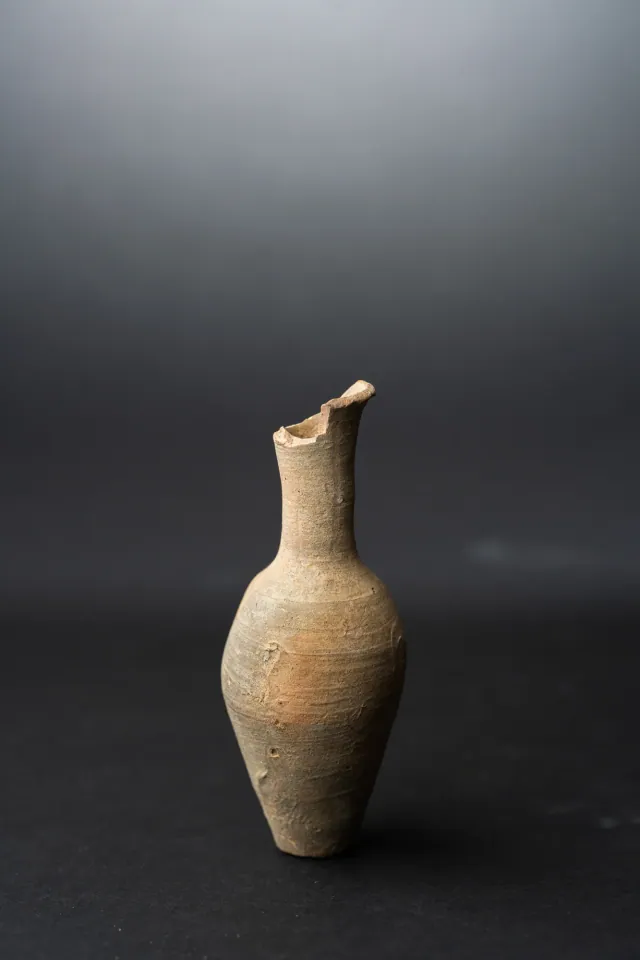
Fusiform Unguentarium
Hellenistic
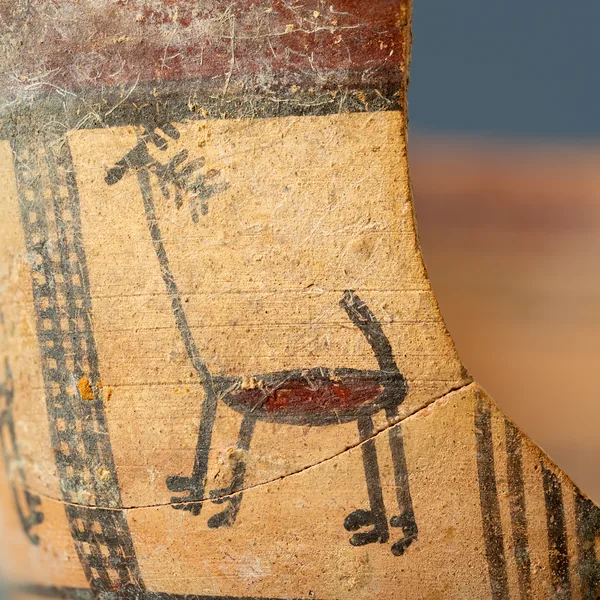
Bichrome Skyphos with Stags in Metopes
Cypro-Archaic
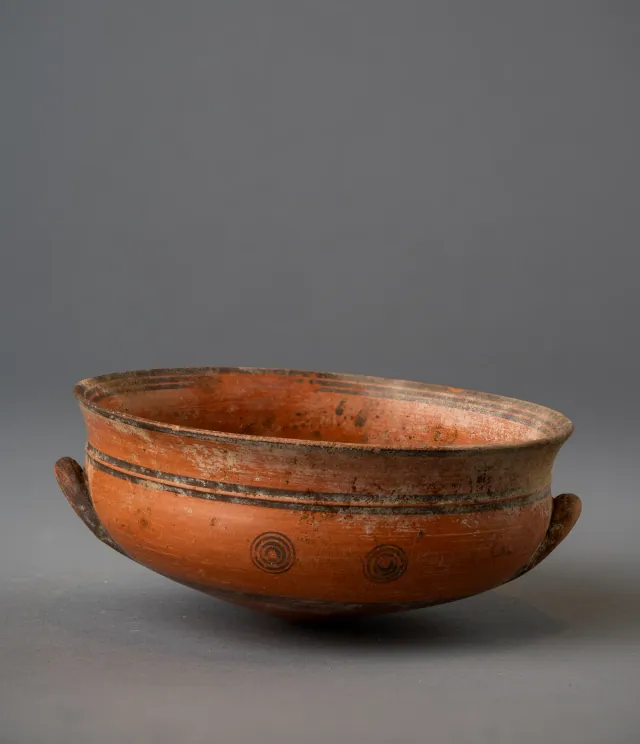
Black-on-Red Two-Handled Bowl with Raised Flaring Rim
Cypro-Archaic
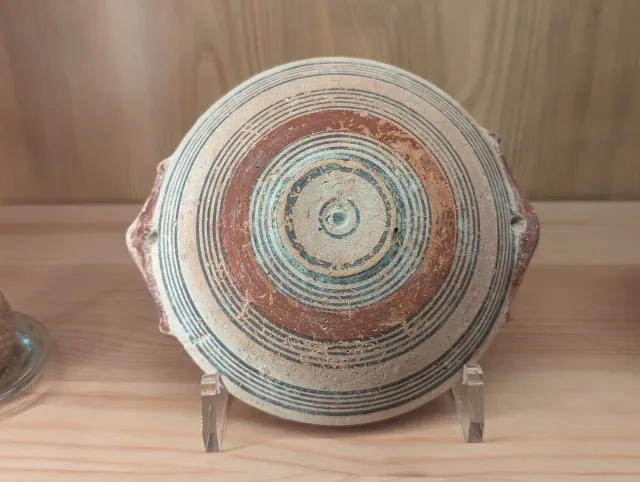
Bichrome IV Bowl with Red-Painted Pierced Lug Handles
Cypro-Archaic
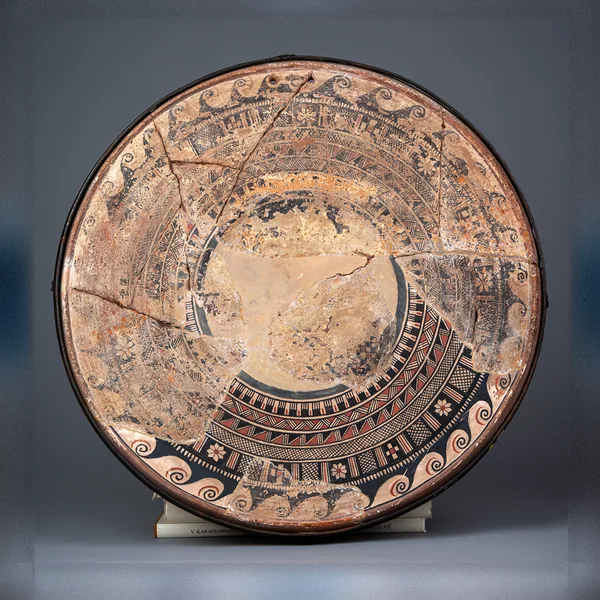
Large Bichrome Plate from Salamis with a Wave Band and Rosette Metopes
Cypro-Archaic
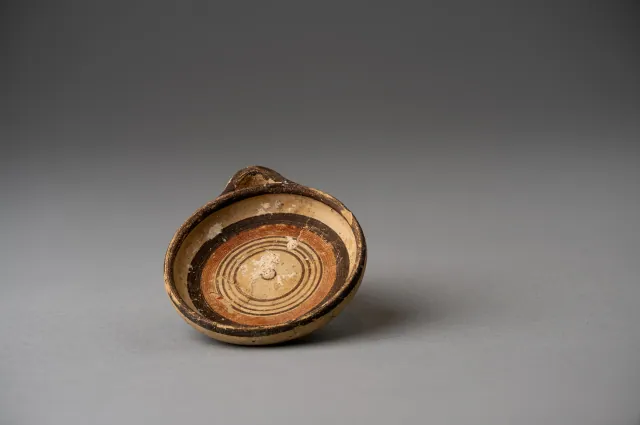
Miniature Bichrome Plate with Concentric Circles
Cypro-Archaic
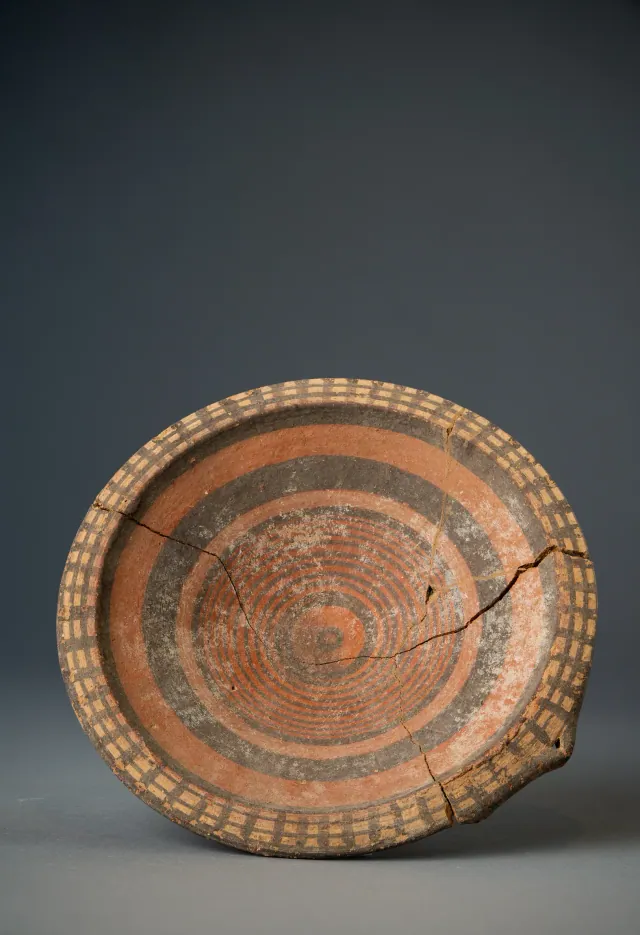
Black-on-Red Plate with Barred Rim and Concentric Circles
Cypro-Archaic
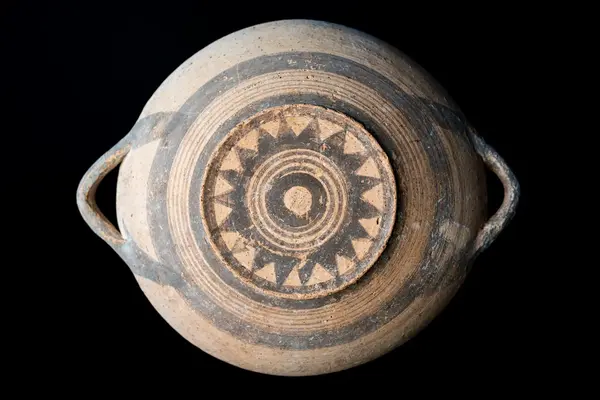
White Painted Plate with a Sawtooth Star on the Underside
Cypro-Geometric
Found at the places discussed
Objects in our catalogue, in museum collections, recorded as found at these sites.


Background
Where to read more on this site before or after watching.
In the compendium
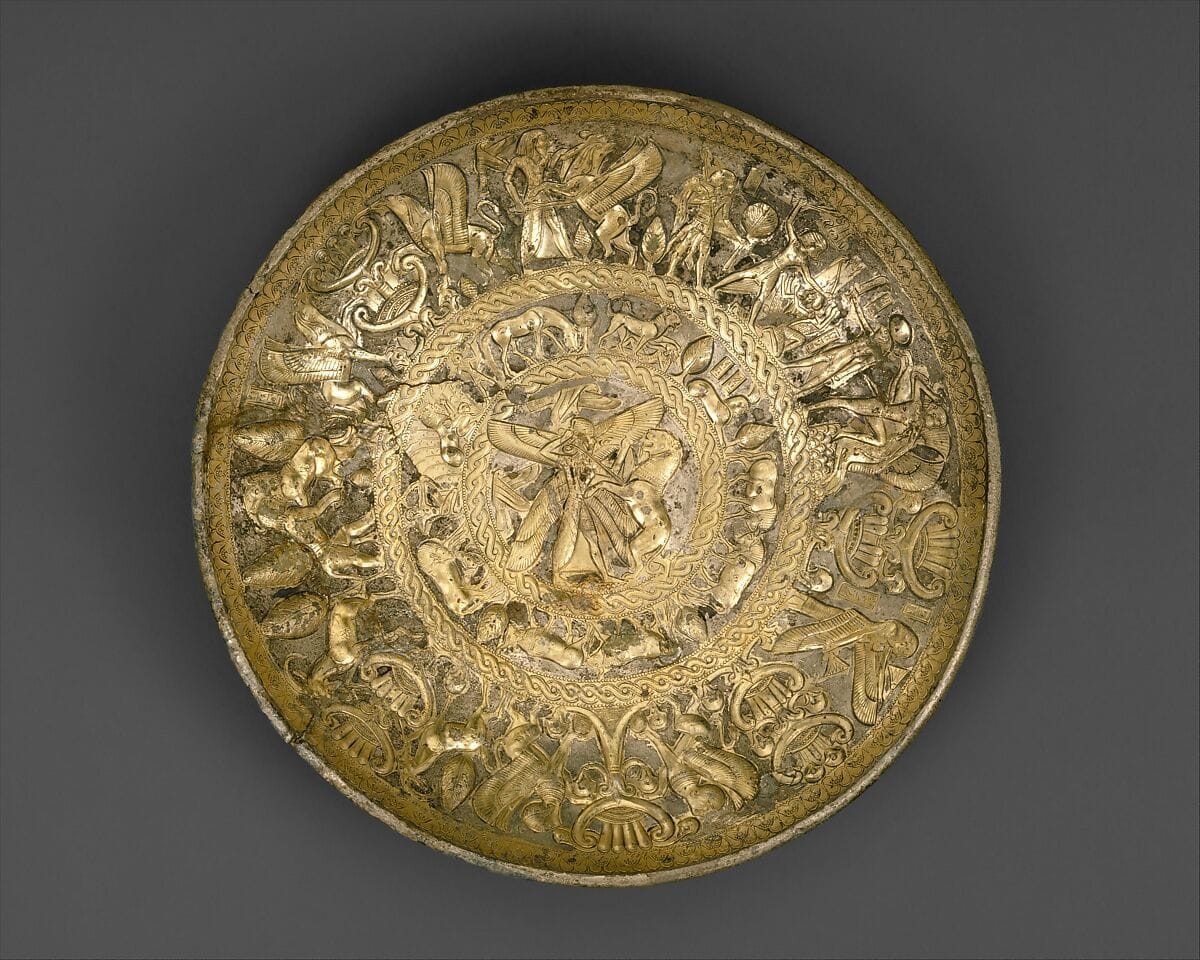
Max Ohnefalsch-Richter: Excavator, Dealer and the Divided Finds of British Cyprus
The German excavator whose finds left British Cyprus lawfully through the division of finds of 1880 to 1895, the patrons he dug for, the sales of 1887 and 1896, and the record he left.
In the compendium
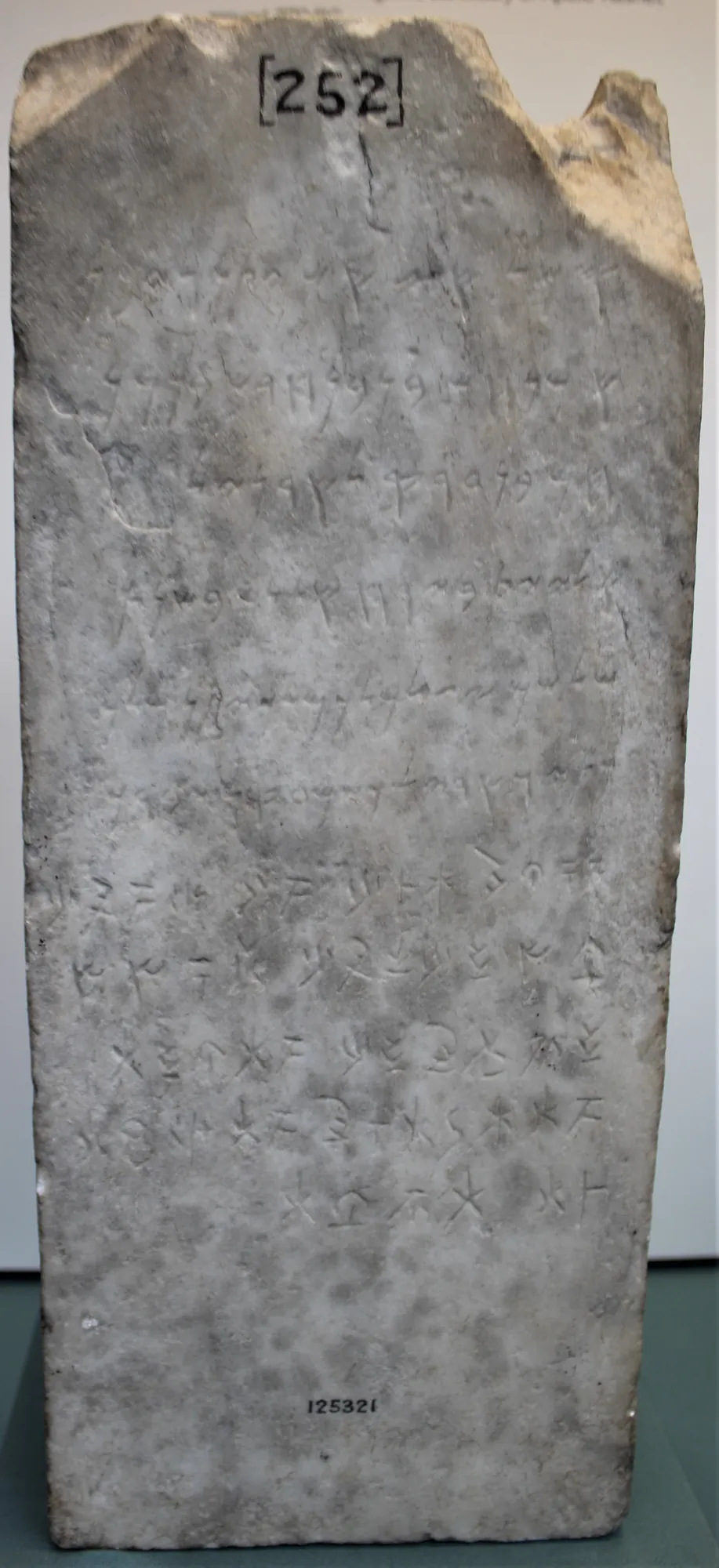
Writing and Literacy in Ancient Cyprus
The scripts of ancient Cyprus, from undeciphered Cypro-Minoan to the Cypriot Syllabary, Eteocypriot, Phoenician and the Greek alphabet, and who used them.

In the compendium
Greek Pottery in Cyprus
Greek painted and black-gloss pottery reached Cyprus from the late tenth century BCE, rising from a few Euboean and Attic cups to a flood of Attic ware by the fifth century.
The period
Cypro-Geometric
The Early Iron Age of Cyprus, c. 1050–750 BCE, of new dromos tombs, early ironworking, the Cypriot Syllabary and the debated origins of the city-kingdoms.