
Conference paper·CAARI Cyprus·2021
Dr Francis Henry Hill Guillemard (1852–1933): Ornithologist, Incidental Antiquarian and Snob
Chapters
About the video
Robert Merrillees examines the Cypriot travels of the Cambridge naturalist and physician Francis Henry Hill Guillemard, whose two ornithological expeditions to the island in 1887 and 1888 led to the creation of the Cyprus Exploration Fund. Sent on behalf of Lord Lilford to collect bird specimens, now in the National Museums of Scotland, Guillemard kept diaries held today in the CAARI archives that record both his daily shooting and skinning of birds and his growing interest in ruins, inscriptions and the purchase of antiquities.
Drawing on these diaries and published accounts, Merrillees follows Guillemard across Cyprus as he bought small sculptures, pots and coins in villages such as Perachorio, watched tomb-robbing at Lapithos, dug briefly near Kourion, and entered a tomb opened for him at Polis with the expatriate entrepreneur John William Williamson. On returning to England, Guillemard pressed for an institutional British expedition. Merrillees argues that Guillemard's primary motive, shared by the Society for the Promotion of Hellenic Studies, was to secure antiquities for the British Museum and other English museums, taking advantage of High Commissioner Henry Bulwer's June 1887 ban on private digging under the 1874 Ottoman antiquities law.
The talk also illustrates Guillemard's social attitudes through his diary remarks on British residents in Cyprus, dismissing Larnaca commissioner Claude Delaval Cobham as "fairly affable, but Oxford and a bit stiff" and looking down on government engineer Samuel Brown for dropping his aitches, while ignoring Max Ohnefalsch-Richter altogether. After reviewing the Fund's first season under David George Hogarth at Leondari Vouno, Palaepaphos and Amargetti, Merrillees notes Guillemard's one scholarly contribution to Cypriot archaeology: demonstrating that the standing monoliths in the countryside were beam posts serving as the fulcrums of levers for olive or wine presses, contra Archibald Henry Sayce's view that they were Phoenician betyls. Guillemard donated his own undocumented first-millennium BC acquisitions to the Fitzwilliam Museum in 1888.
Background
Where to read more on this site before or after watching.
The site
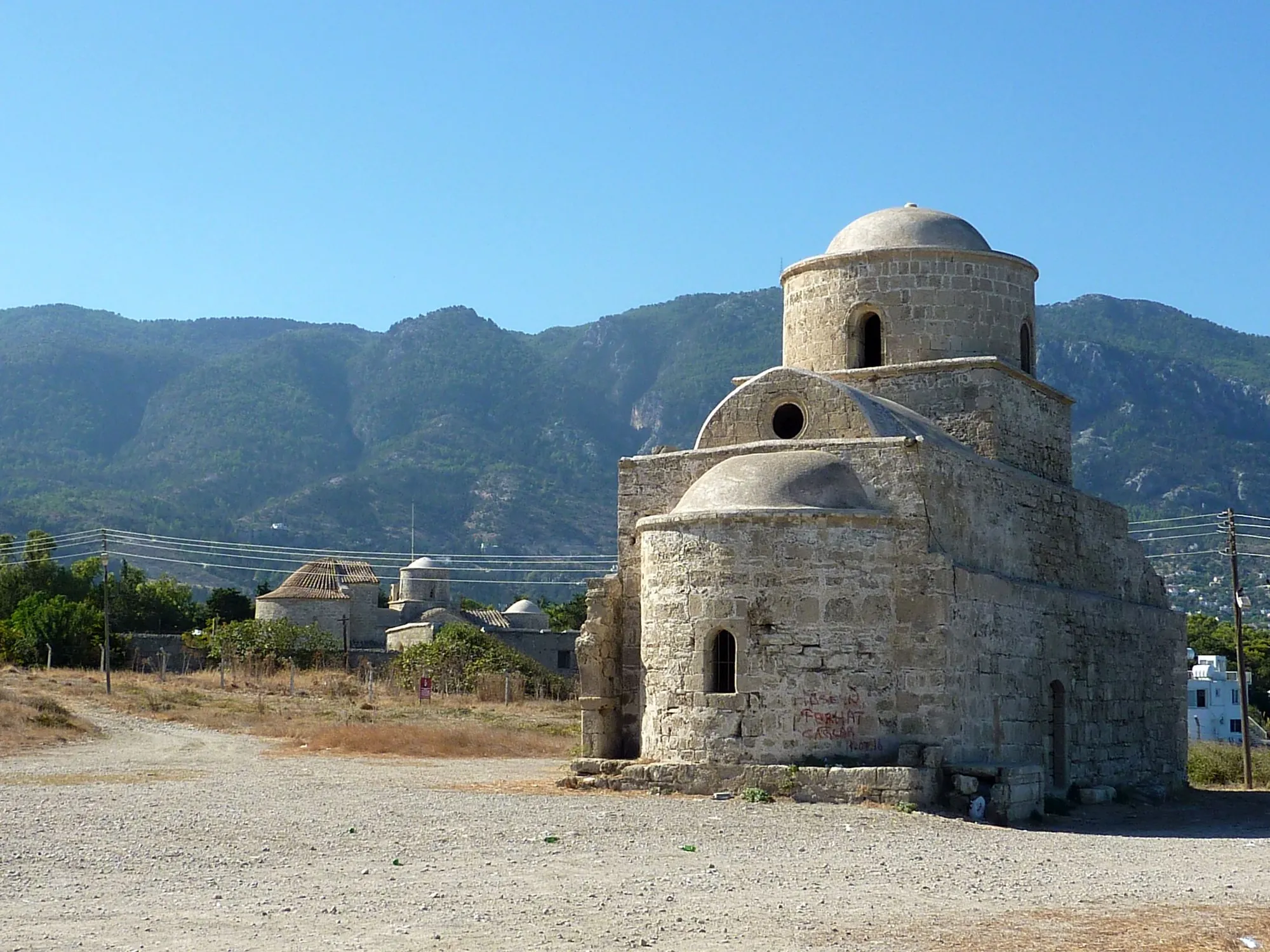
Lapithos
A group of cemeteries and settlement sites around the village of Lapithos on the north coast, below the Kyrenia range. Its Early and Middle Bronze Age cemetery at Vrysi tou Barba has produced about five times as much metal as Vounous, its Cypro-Geometric tombs gave the pottery sequence for that period, and ancient Lapethos was a city-kingdom until 312 BC.
In the compendium
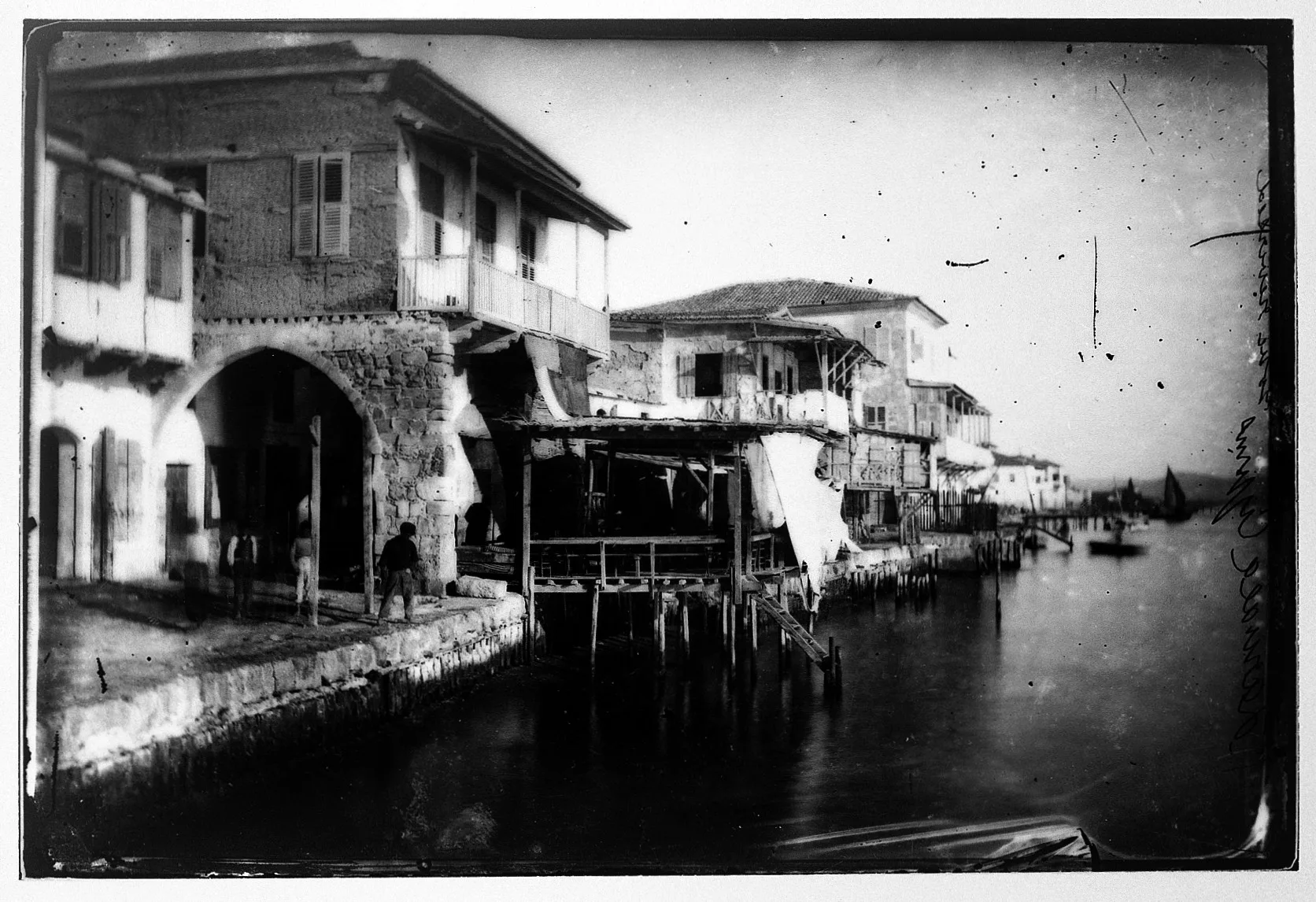
Firmans and Partage: The Lawful Export of Antiquities from Ottoman Cyprus, 1860s to 1905
The firmans, landowners' rights and the division of finds in thirds under which consuls, excavators and museums lawfully exported Cypriot antiquities from the 1860s until the law of 1905.
In the compendium
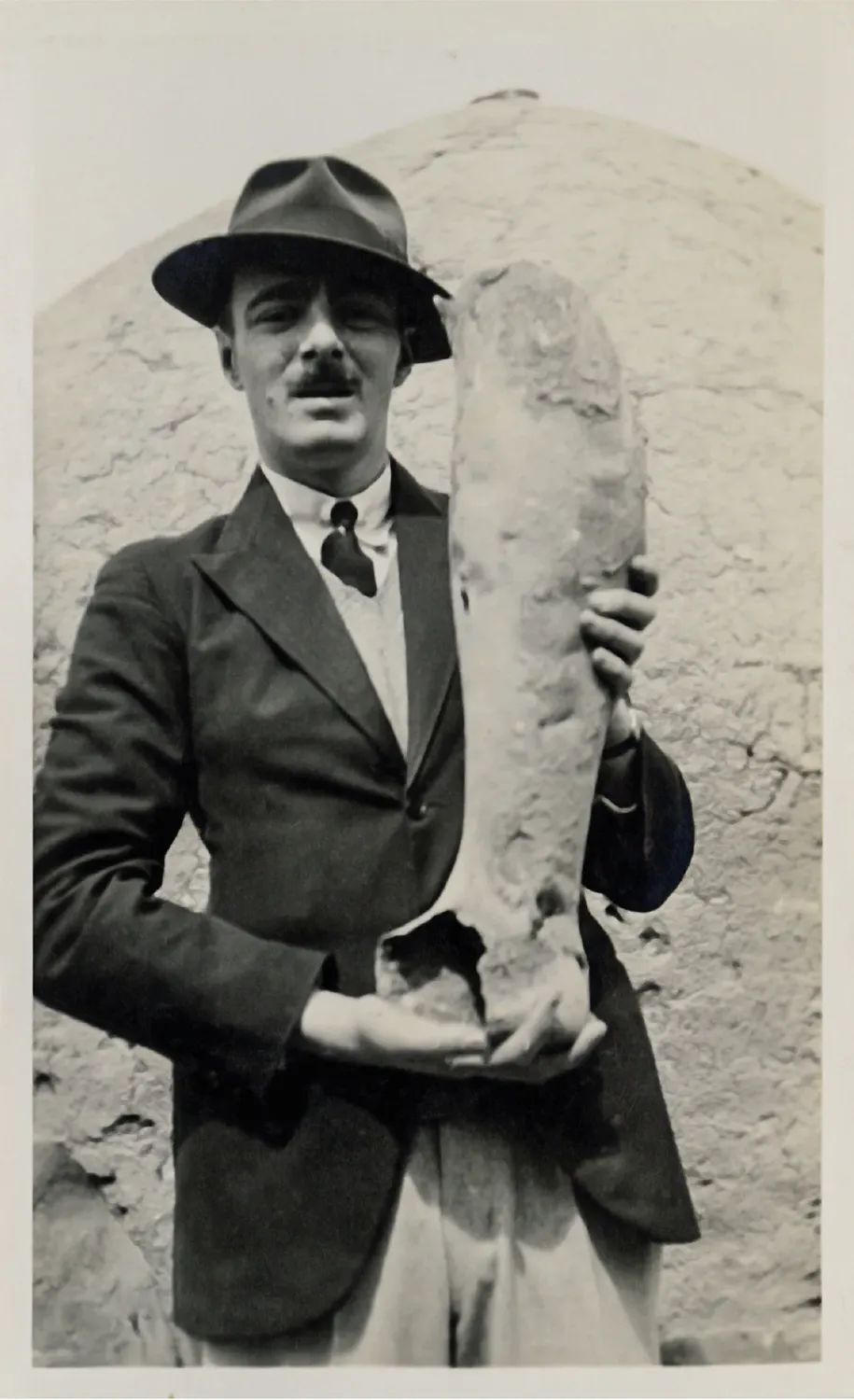
Illicit Digging under British Rule, 1878 to 1960
How unlicensed tomb-digging continued in Cypriot villages under British rule, how the Museum, the police and the Department of Antiquities answered it, and whether the lawful trade encouraged it.
In the compendium
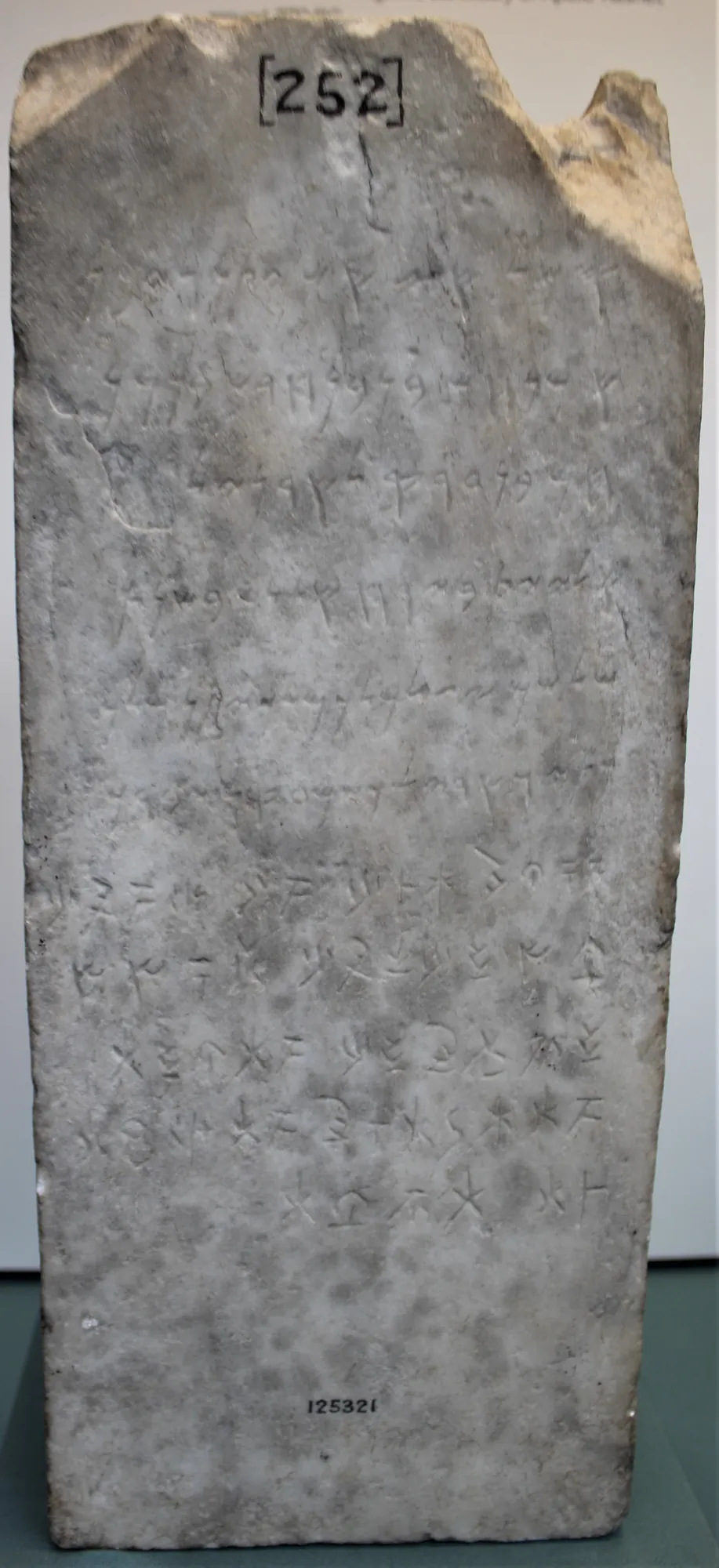
Max Ohnefalsch-Richter: Excavator, Dealer and the Divided Finds of British Cyprus
The German excavator whose finds left British Cyprus lawfully through the division of finds of 1880 to 1895, the patrons he dug for, the sales of 1887 and 1896, and the record he left.
Map of Cyprus
Places discussed in the talk
- Has a page on this site
- Other places
- Ground above 200, 500, 1,000 m
Places
- 1Lapithos
- 2Kourion
- 3Polis
- 4Palaepaphos
- 5Amargetti (approx.)
- 6Leondari Vouno (approx.)