
Conference paper·Archaeological Research Unit - University of Cyprus·2019·In Greek
Palaepaphos 2018: Preliminary data on the archaeo-environment and the builders of the polity of Ancient Paphos
Παλαίπαφος 2018: Προκαταρκτικά δεδομένα για το αρχαιο-περιβάλλον και τους κτιστάδες της πολιτείας της Αρχαίας Πάφου
Chapters
About the video
In this conference paper given in Greek, Maria Iacovou of the University of Cyprus presents the 2018 results of her team's research at Palaepaphos, focusing on the environment, economy and building craft of the ancient polity during the Cypro-Classical and Hellenistic periods.
Iacovou begins with macro-scale landscape findings developed since 2006. She argues that Paphos was founded as a port at the start of the Late Bronze Age, five centuries before its megalithic sanctuary, drawing its wealth from trading copper and timber from its catchment basin rather than from pilgrims. Geophysical surveys in 2007 and 2010 disproved a long-assumed city wall around the sanctuary, redirecting excavation to the plateaus to the north and east. Since 2017 the project has worked from a laboratory in Kouklia provided by the Department of Antiquities, with funding from the A. G. Leventis Foundation.
On the Hadjiabdullah plateau, adjacent to the palace excavated in the 1950s, the team has uncovered 290 square metres of an industrial and storage complex built in the early 5th century BC. Amphorae from Unit 1 show use from the 5th to the late 2nd century BC. In 4th-century BC Unit 2, flotation directed by Dimitra Mylona recovered 275 kilograms of murex shells (over 30,000 individuals, nearly half the deposit), reused here for plasters, alongside sedge and palm phytoliths and incised scapulae used for divination. Fish bones from the workers' diet include picarel, red mullet, pandora and catfish, the last confirming an inland marshy lagoon used as an anchorage.
Across the complex, phytoliths show a complete absence of cereals and a widespread presence of palms and olives. Archaeobotanist Anaya Sarpaki identified olive stones of three types, with grape, almond, fig and caper seeds, while anthracologist Maria Ntinou showed that hearths burned olive prunings and Calabrian pine branches, indicating pine forests grew closer to the coast along the Diarizos river than today. For copper metallurgy, a Paphos Forest survey with Dr Zomeni, Vasiliki Kassianidou and Athos Agapiou mapped twelve slag heaps for lead-isotope comparison with copper-working slag confirmed by Andreas Charalambous on a Unit 3 floor.
Seventy metres away at Laona, a 3rd-century BC tumulus studied by Takis Karkanas covered and preserved to six metres an early 5th-century BC mudbrick fortification. Analyses by Dr Lorenzon and Charalambous show that several teams made standardized mudbricks from slightly different recipes mixed when laid. Consistent with the absence of grain at Hadjiabdullah, the bricks contain no straw, using sand instead as temper.
From our collection
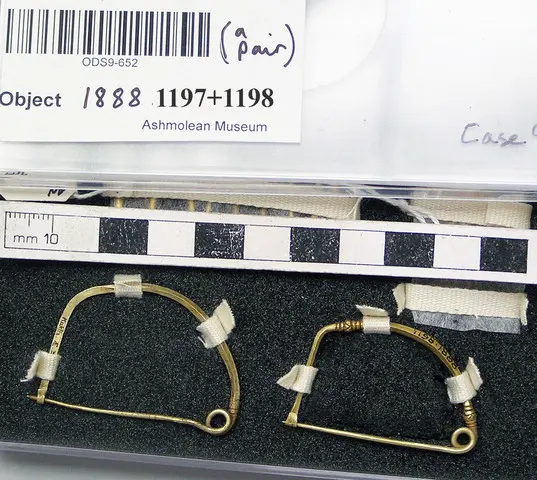
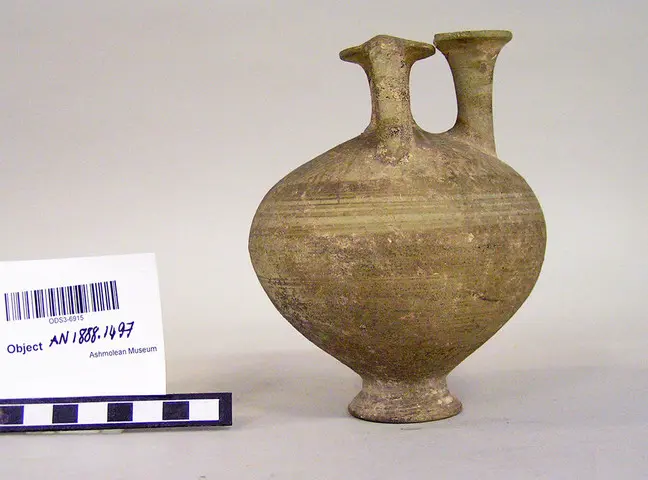
Pieces in the Drakopoulos collection of the kinds and periods this talk covers: Late Cypriot (Late Bronze Age), Hellenistic.
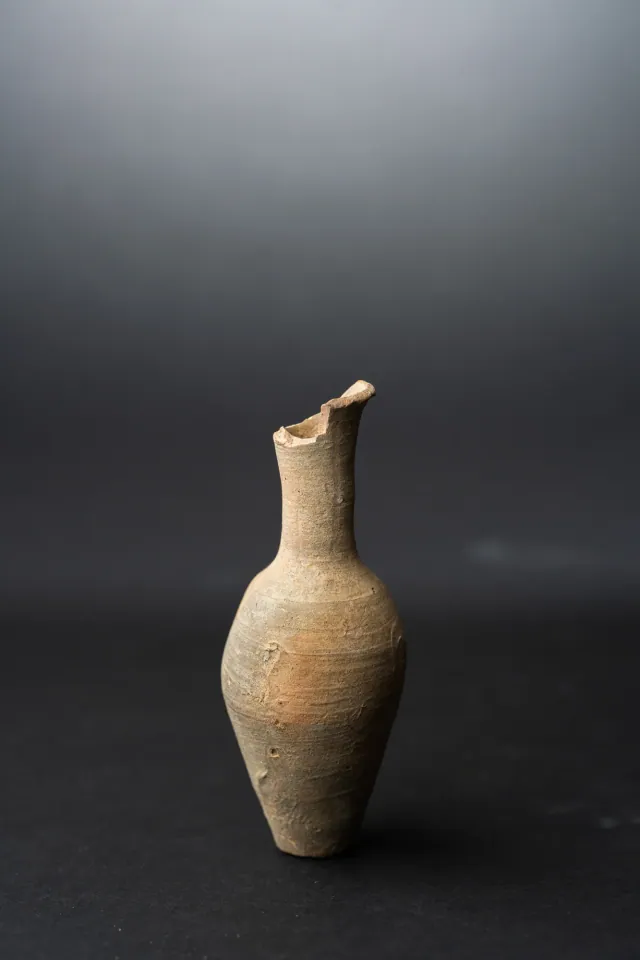
Fusiform Unguentarium
Hellenistic
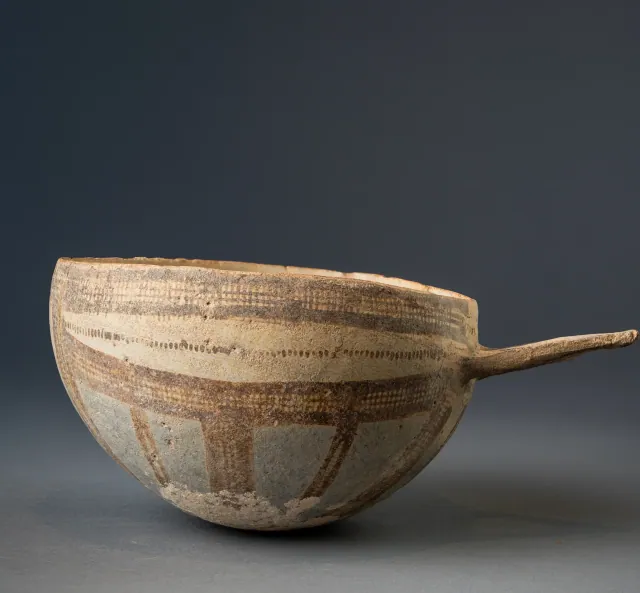
White Slip II Hemispherical Bowl with Wishbone Handle
Late Cypriot (Late Bronze Age)
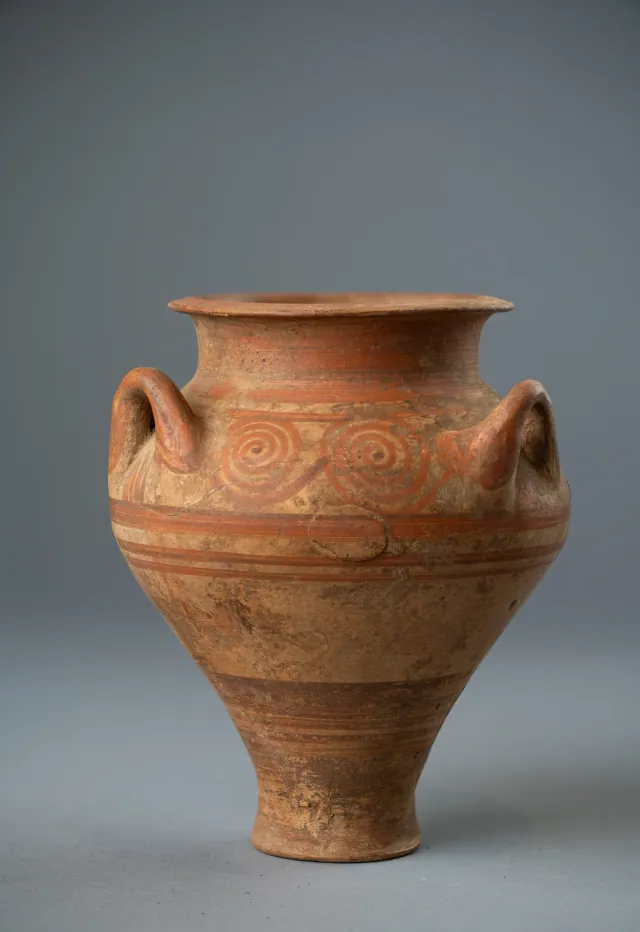
Cypriot Three-Handled Jar in the Mycenaean Style with Running Spirals
Late Cypriot (Late Bronze Age)
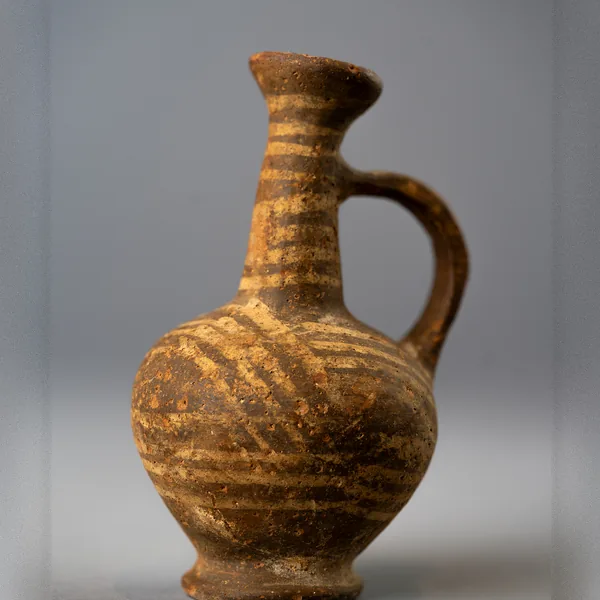
Base Ring II Bilbil Juglet with White-Painted Bands
Late Cypriot (Late Bronze Age)
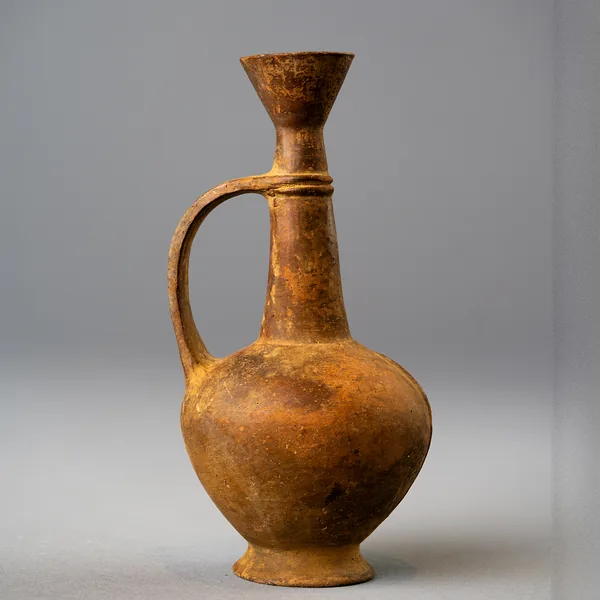
Base Ring Bilbil Juglet with Funnel Mouth and Neck Ridge
Late Cypriot (Late Bronze Age)
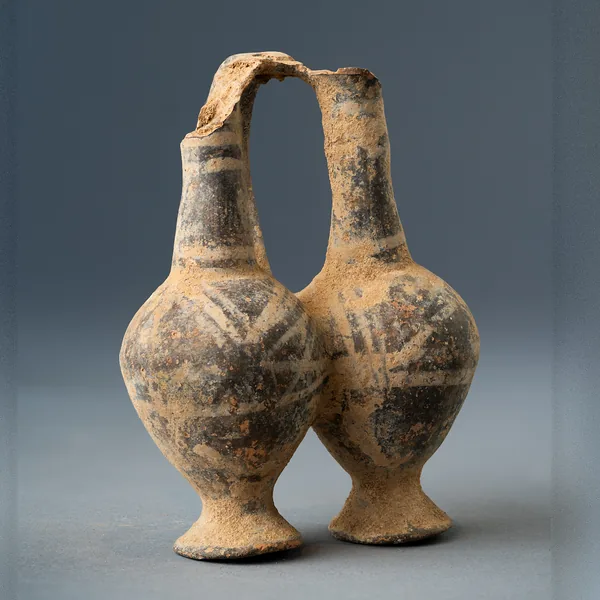
Base Ring II Double Juglet with White-Painted Decoration
Late Cypriot (Late Bronze Age)
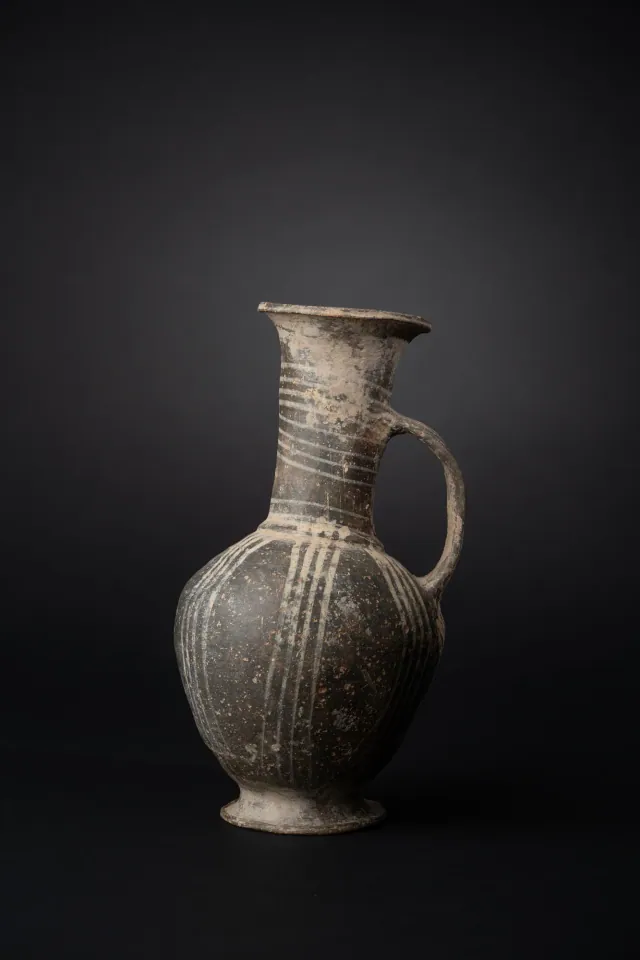
Base Ring II Jug with White-Painted Lattice Bands
Late Cypriot (Late Bronze Age)
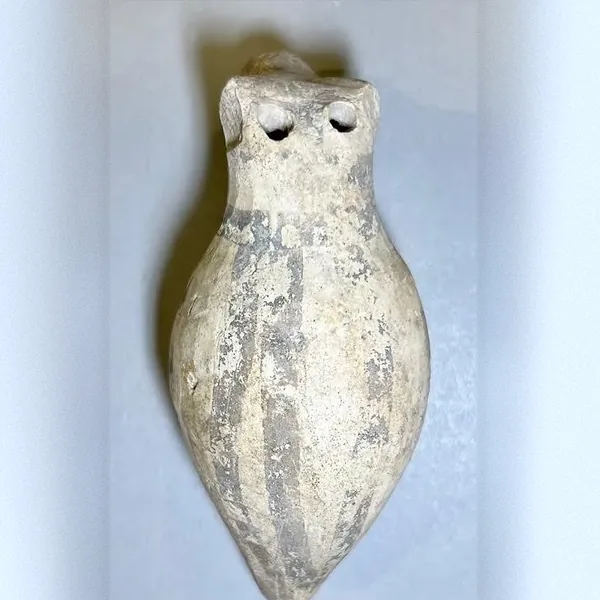
White Painted VI Owl-Headed Rattle
Late Cypriot (Late Bronze Age)
Found at the places discussed
Objects in our catalogue, in museum collections, recorded as found at these sites.


Background
Where to read more on this site before or after watching.
The site
Palaepaphos (Kouklia)
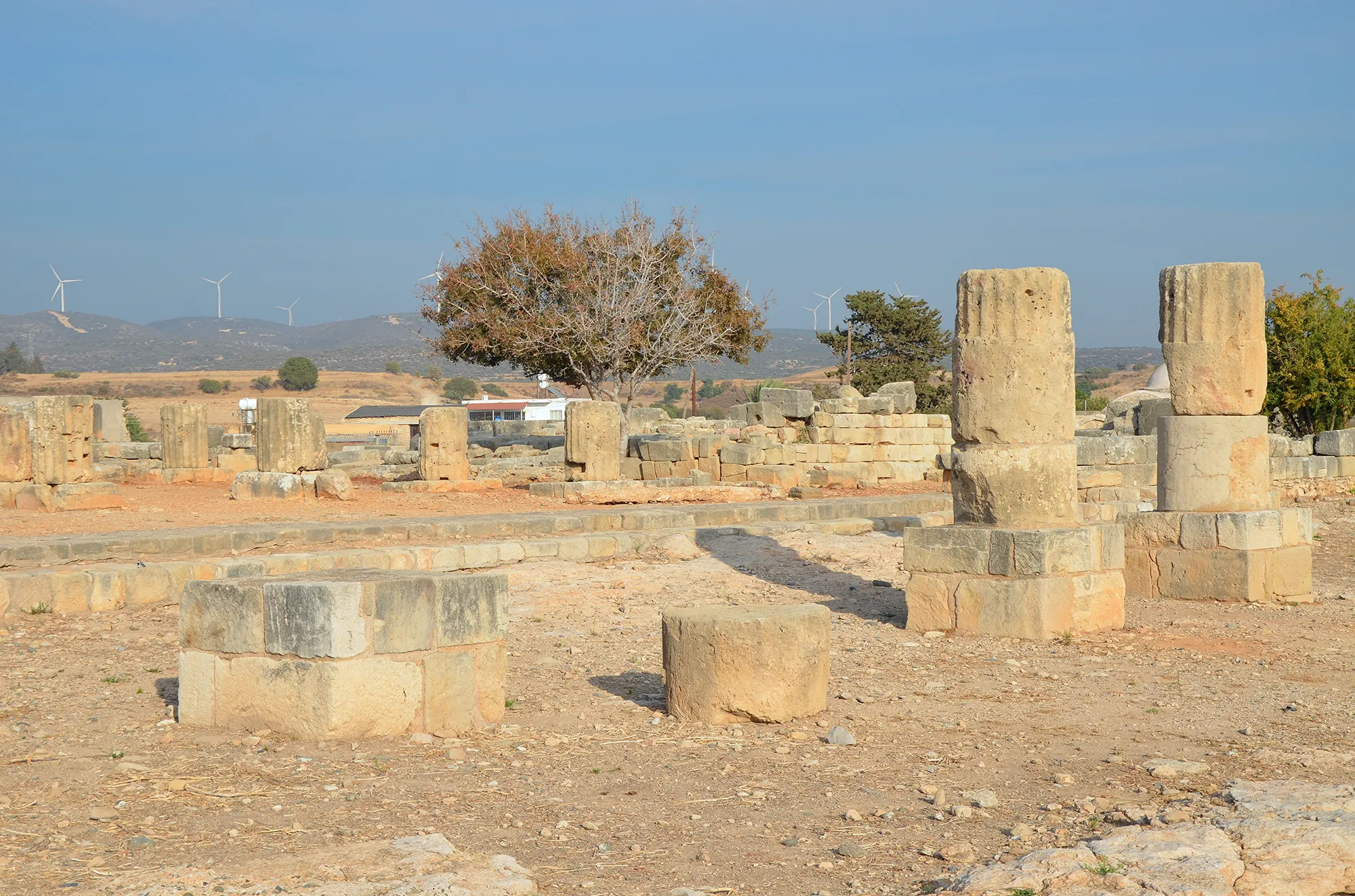
Palaepaphos, Old Paphos, lies under and around the village of Kouklia in western Cyprus. Founded in the Middle Bronze Age, it was the only large town of the south-west until the early Hellenistic period, the seat of the kings of Paphos and the site of the sanctuary of the Paphian goddess, Aphrodite, worshipped here from about 1200 BC to the end of the 4th century AD.
In the compendium
Iron Age Cities and Palaces
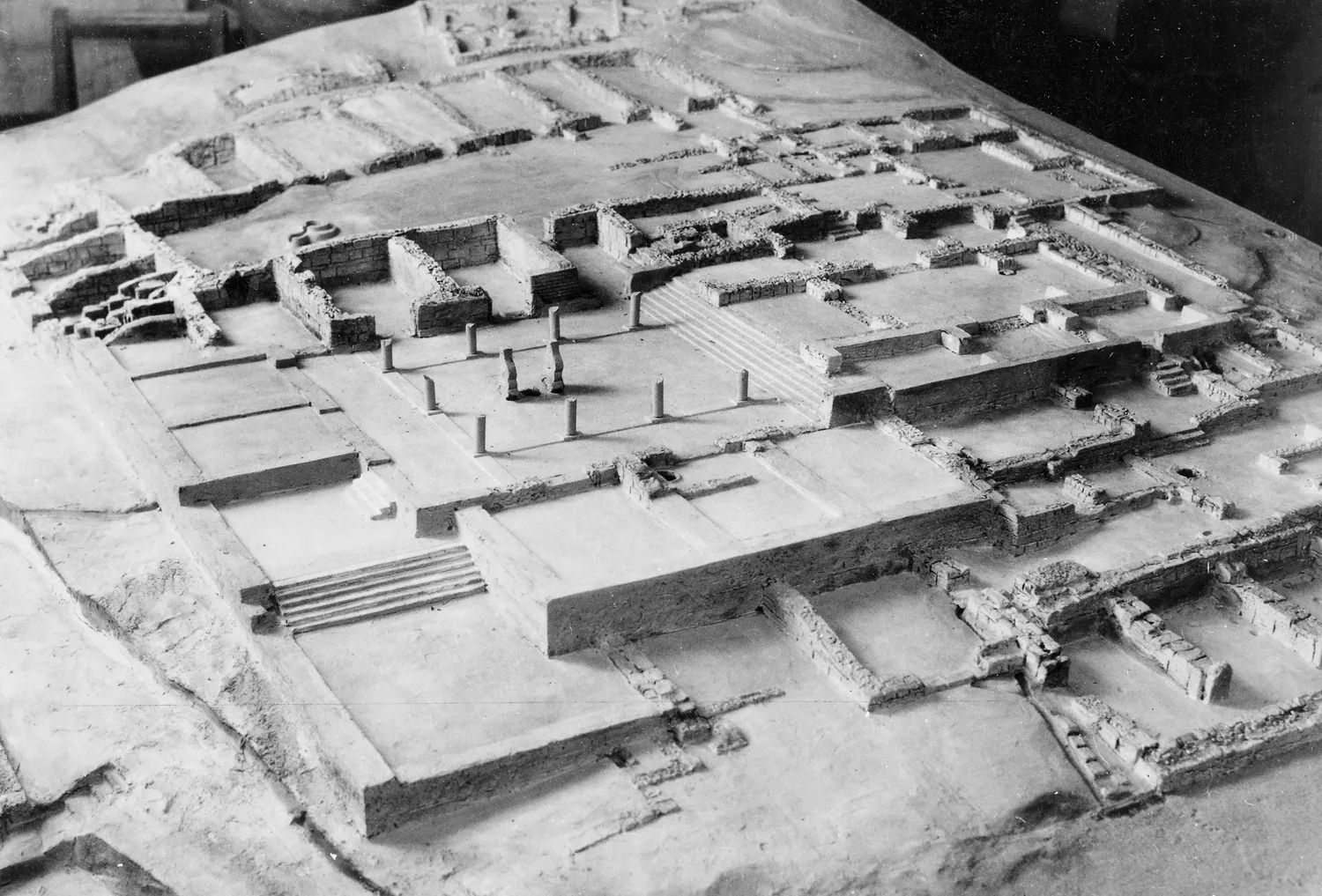
The capitals of the Iron Age kingdoms of Cyprus, their palaces at Vouni, Amathus, Idalion and Palaepaphos, their houses, and the volute and Hathor capitals of the period.
In the compendium
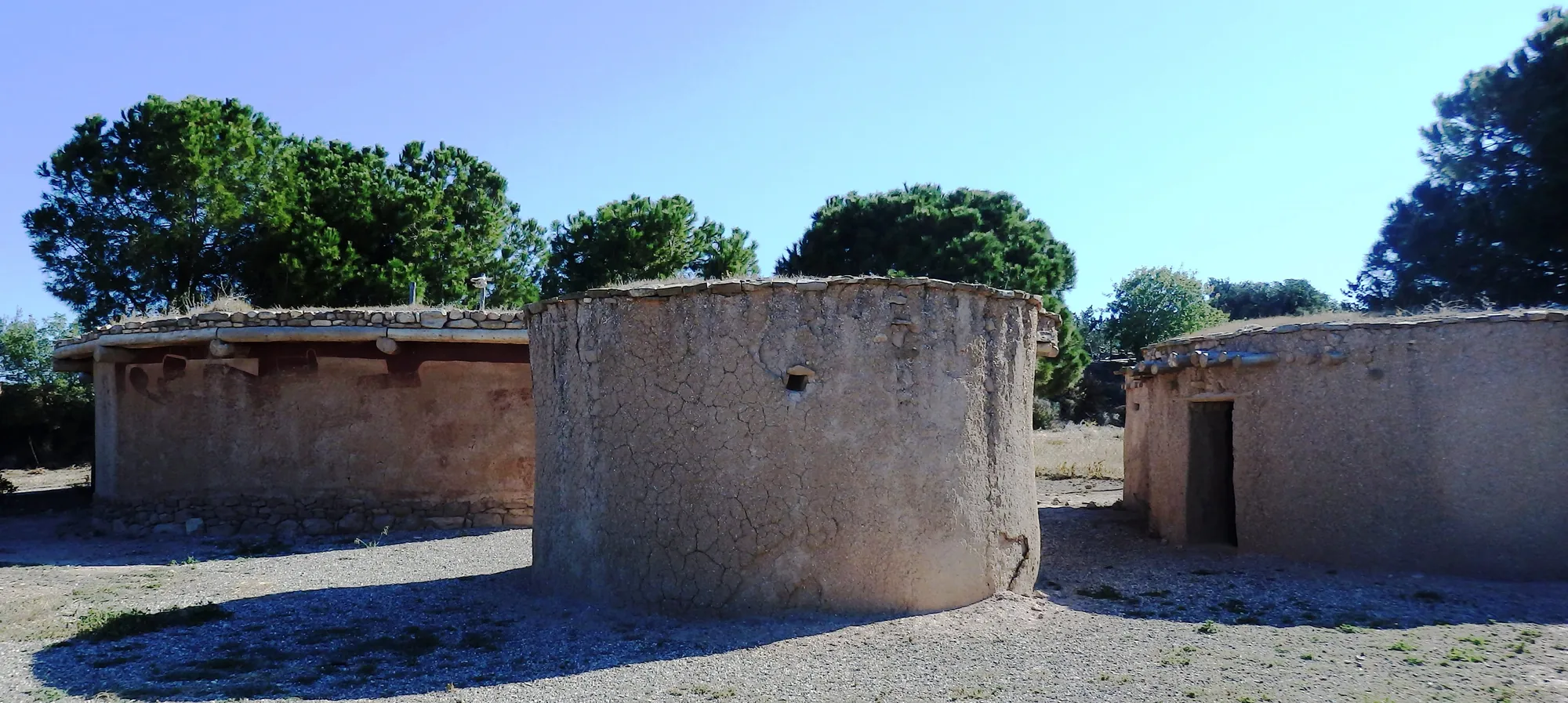
Building Materials and Techniques
Cypriot houses were built of local stone, earth and timber: walls of rubble or mudbrick on stone socles, under flat roofs of beams, brush and packed earth.
In the compendium
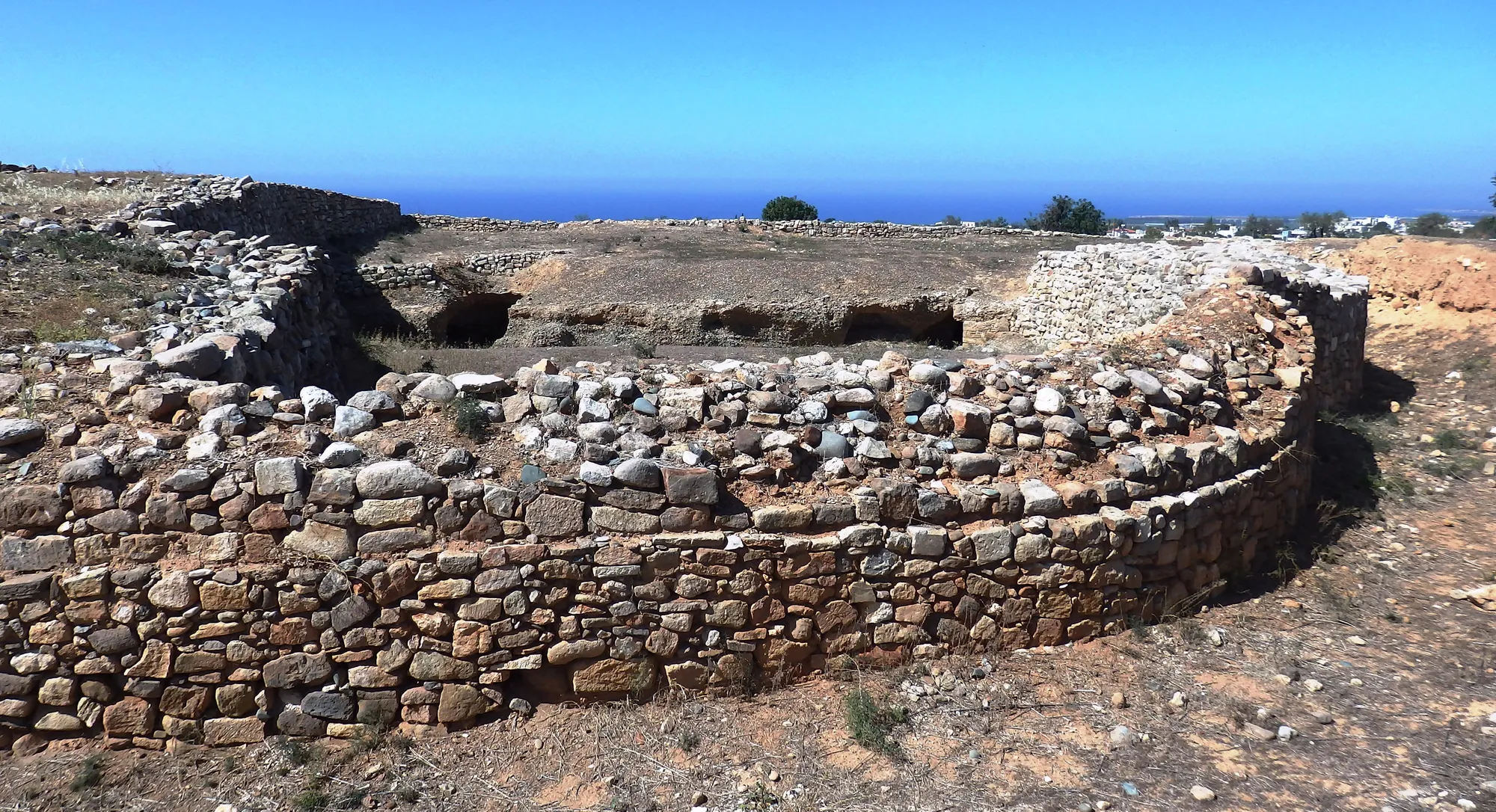
Fortifications in Ancient Cyprus: From Khirokitia to the Siege of Paphos
The walls, forts and enclosures Cypriots built in a few distinct episodes, from Aceramic Khirokitia to the city walls of the Iron Age kingdoms.