
Lecture·Archaeological Research Unit - University of Cyprus·2019
Central Places and Un-Central Landscapes: Political Economies and Natural Resources in the Longue Durée
John Bintliff
Chapters
About the lecture
John Bintliff presents the 2019 volume Central Places and Un-Central Landscapes: Political Economies and Natural Resources in the Longue Durée, edited by Giorgos Papantoniou and Athanasios K. Vionis as a special issue of the journal Land. Growing out of a session at the 2018 International Congress of Classical Archaeology in Cologne and Bonn, the book comprises fourteen papers, which Bintliff reviews in order alongside wider work in landscape archaeology.
He opens with the editors' introduction on Walter Christaller's central place theory, German Landeskunde, the rank-size rule, frontiers, landscape phenomenology, sacred landscapes and political economy, followed by Daniel Knitter and Oliver Nakoinz on centrality as movement and social network analysis. Five papers concern Cyprus. Papantoniou and Vionis present field survey in the Xeros Valley and the late antique secondary settlement at Kofinou. Jenny Webb studies Lapithos in the Early Bronze Age and Middle Bronze Age, arguing that a narrow coastal strip with a small hinterland became central through the copper trade. Louise Steel discusses water and perception of the Cypriot landscape. Papantoniou and Giorgos Bourogiannis use GIS visibility and travel-cost analysis to link the Cypro-Archaic extra-urban sanctuary at Ayia Irini to the kingdom of Soloi rather than Lapithos. Jody Michael Gordon examines Nea Paphos and Salamis in early Roman Cyprus, arguing that coastal ports grew while inland towns declined.
Other chapters cover Etruscan Populonia, Greek marginal lands (eschatia), water harvesting in Egypt and Syria, Marseille and Arles, Roman mining in Moesia Superior, Byzantine bathhouses in Crete, and medieval towns in the Peloponnese. Papantoniou and Vionis close with remarks on bringing Cypriot archaeology into dialogue with wider Mediterranean scholarship.
From our collection
Pieces in the Drakopoulos collection of the kinds and periods this talk covers: Early Cypriot (Early Bronze Age), Cypro-Archaic.
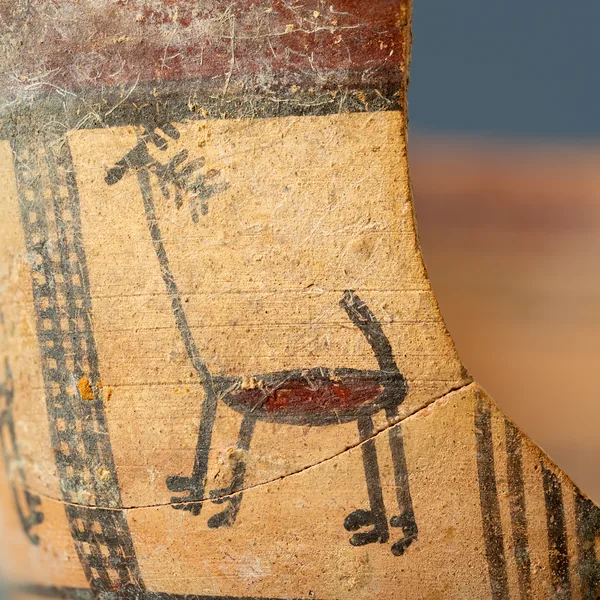
Bichrome Skyphos with Stags in Metopes
Cypro-Archaic
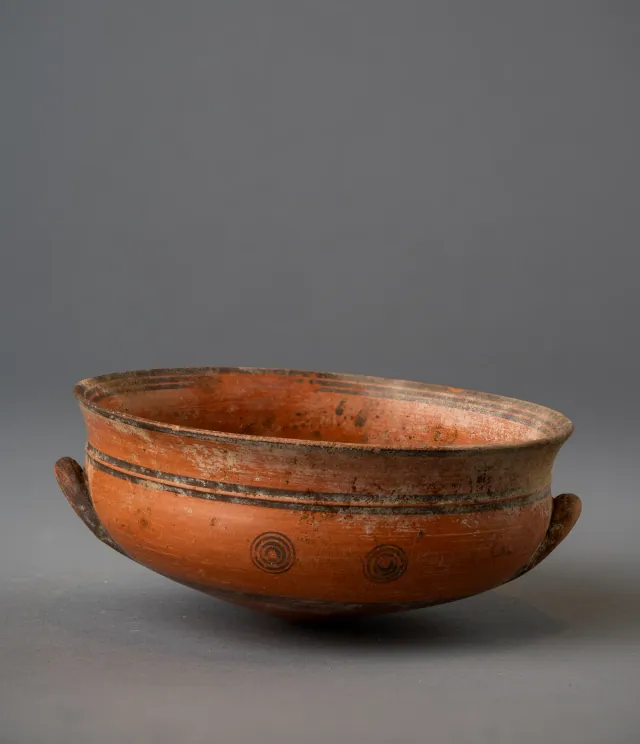
Black-on-Red Two-Handled Bowl with Raised Flaring Rim
Cypro-Archaic
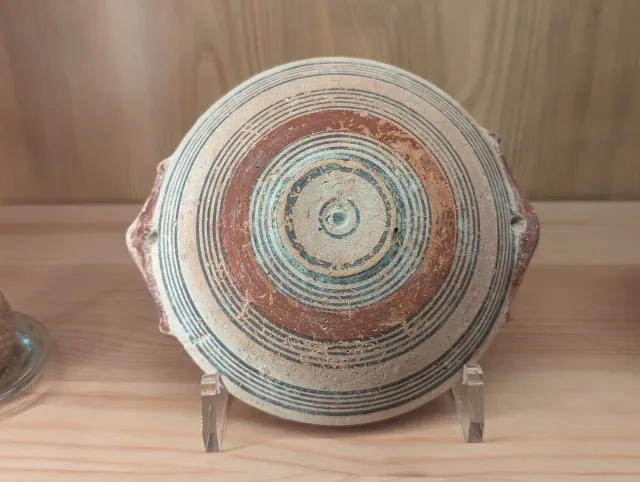
Bichrome IV Bowl with Red-Painted Pierced Lug Handles
Cypro-Archaic
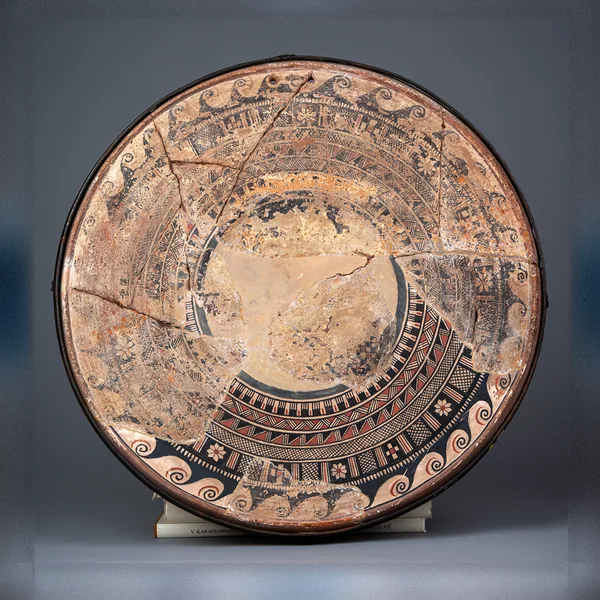
Large Bichrome Plate from Salamis with a Wave Band and Rosette Metopes
Cypro-Archaic
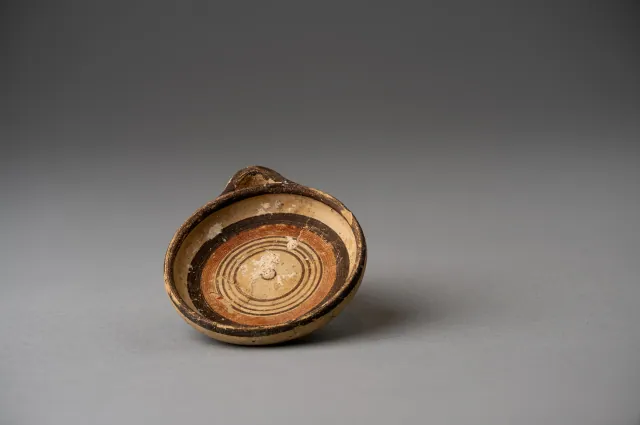
Miniature Bichrome Plate with Concentric Circles
Cypro-Archaic
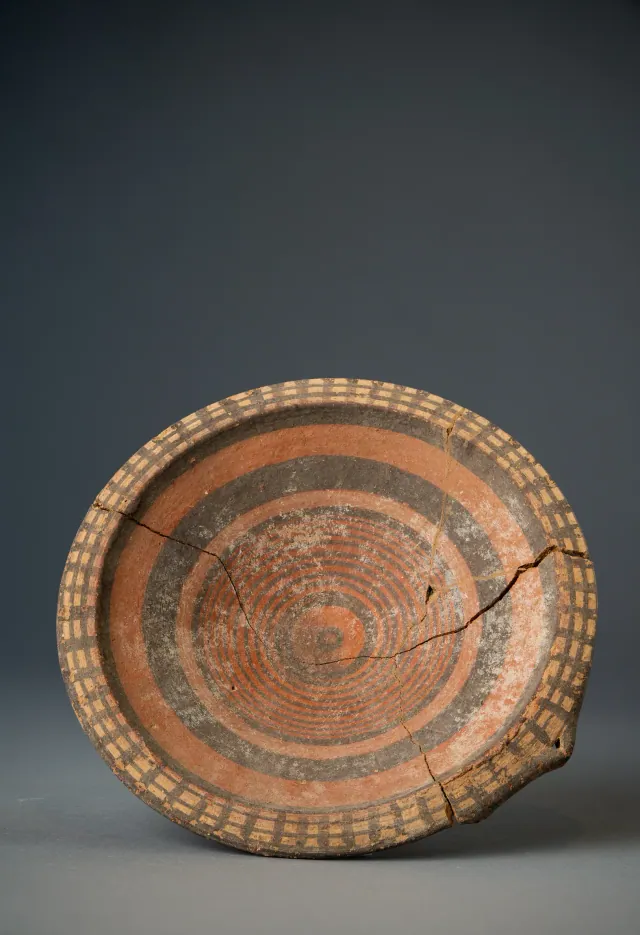
Black-on-Red Plate with Barred Rim and Concentric Circles
Cypro-Archaic
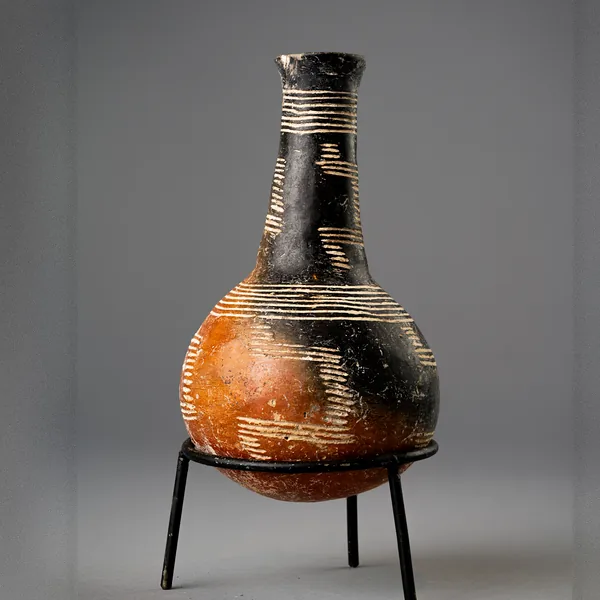
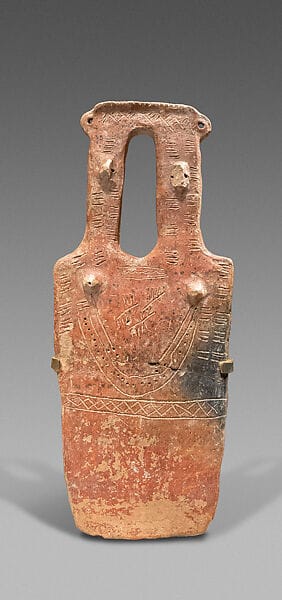
Red Polished Black-Topped Bottle with Stepped Incised Bands
Early Cypriot (Early Bronze Age)
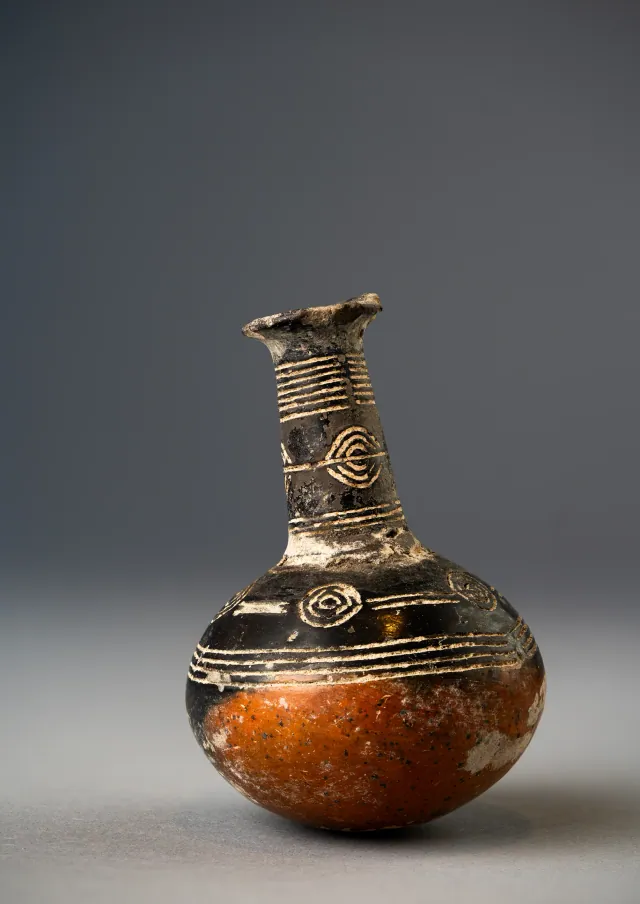
Red Polished Black-Topped Bottle with Incised Concentric Circles
Early Cypriot (Early Bronze Age)
Found at the places discussed
Objects in our catalogue, in museum collections, recorded as found at these sites.



Background
Where to read more on this site before or after watching.
The site
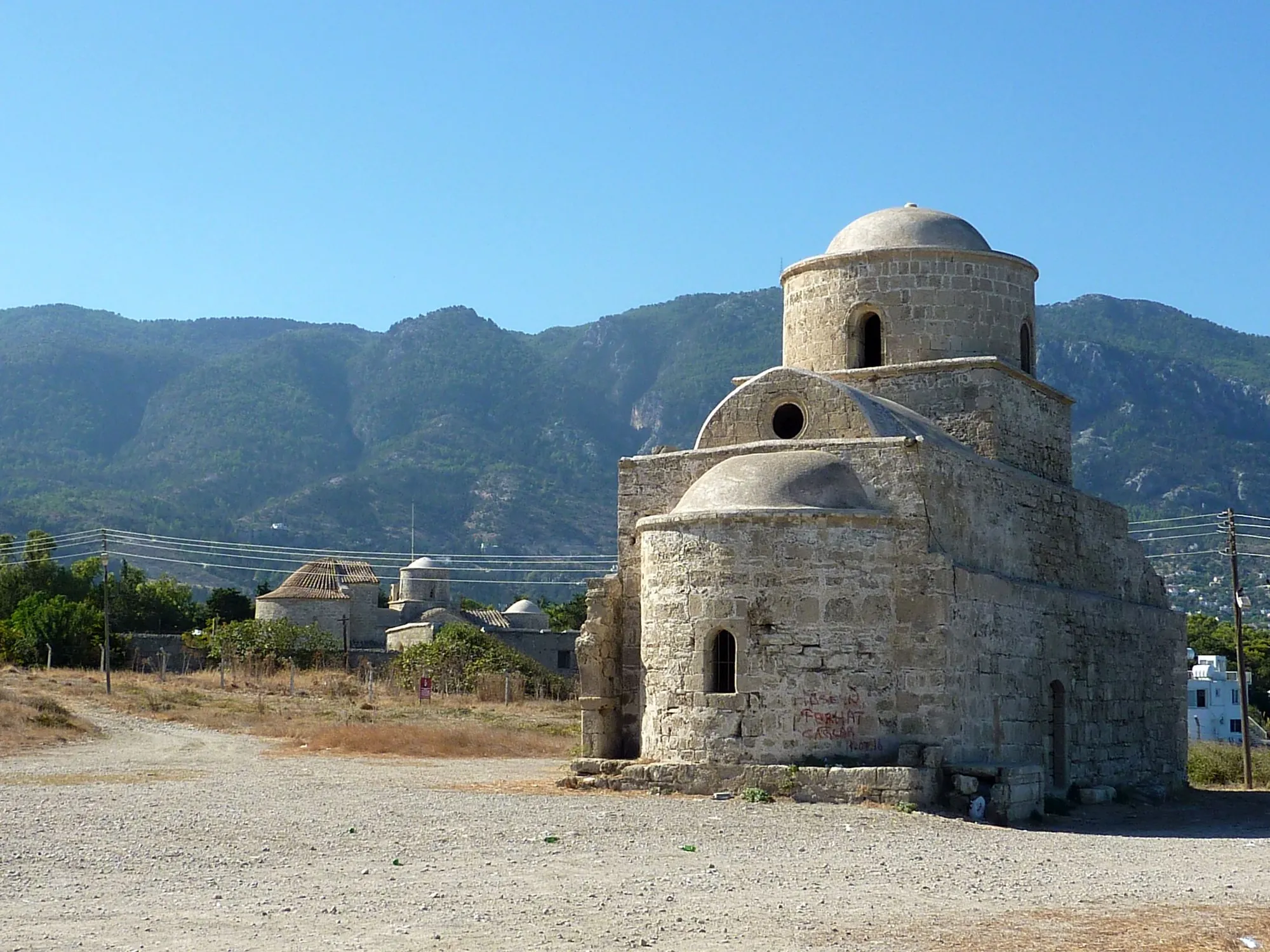
Lapithos
A group of cemeteries and settlement sites around the village of Lapithos on the north coast, below the Kyrenia range. Its Early and Middle Bronze Age cemetery at Vrysi tou Barba has produced about five times as much metal as Vounous, its Cypro-Geometric tombs gave the pottery sequence for that period, and ancient Lapethos was a city-kingdom until 312 BC.
In the compendium
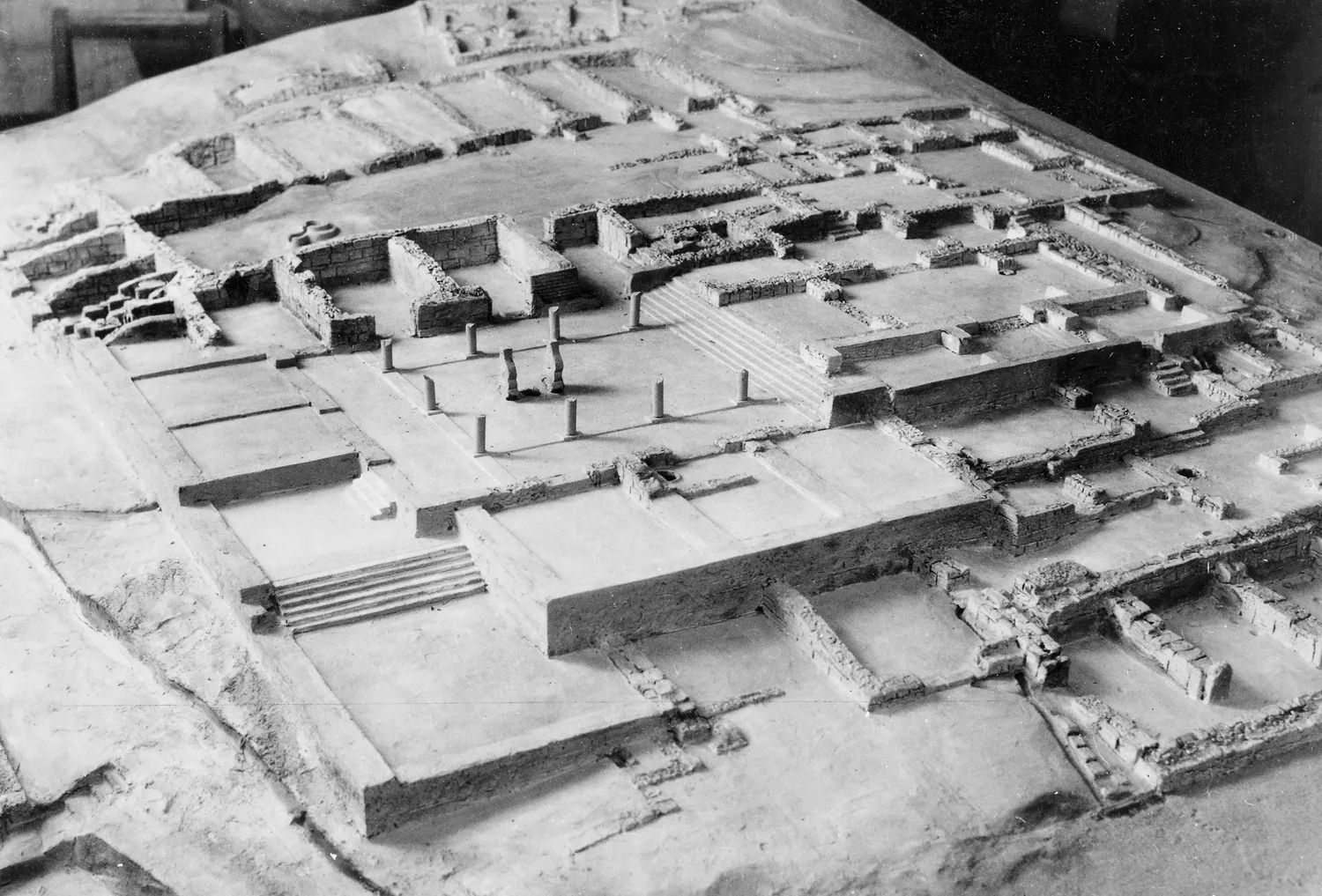
Iron Age Cities and Palaces
The capitals of the Iron Age kingdoms of Cyprus, their palaces at Vouni, Amathus, Idalion and Palaepaphos, their houses, and the volute and Hathor capitals of the period.
In the compendium
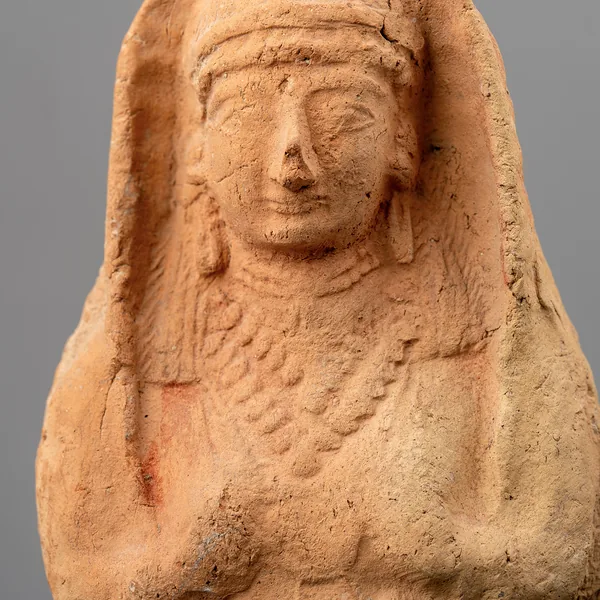
Iron Age Sanctuaries
The Cypriot Iron Age sanctuary was a walled open-air court with an altar, sacred trees and small roofed rooms; Greek-style temples arrived only under Rome.
In the compendium
Climate and Landscape in Ancient Cyprus
What the island's own records show about sea level, coasts, rainfall and forests in Cyprus from the first farmers to the Hellenistic period.
Map of Cyprus
Places discussed in the talk
- Has a page on this site
- Other places
- Ground above 200, 500, 1,000 m