
Museums·Roundup
This Week in Cypriot Archaeology: 12–18 October 2026
Nicosia's Leventis Museum opens an exhibition of 136 coins, CAARI calls for papers for the Swedish Cyprus Expedition centenary, and Malcolm Wiener dies at 91.



A coin exhibition opened in Nicosia on 16 October, CAARI called for papers for the centenary of the Swedish Cyprus Expedition, and the death of the archaeologist and benefactor Malcolm Wiener was announced. Earlier in October, two Byzantine icons came back to the Metropolis of Morphou.
Map of Cyprus
This week's stories
- Research
- Books
- People and events
- Ground above 200, 500, 1,000 m
Sites on this map
- 1Kition
- 2Kourion
- 3Galinoporni-Vasili (approx.)
- 4Kafizin (approx.)
- 5Tombs of the Kings, Paphos
- 6Hala Sultan Tekke
- 7Idalion
- 8Dhali-Agridhi (approx.)
- 9Kalopsidha (approx.)
- 10Maroni
- 11Pyla (approx.)
- 12Kalavasos-Tenta
Museums
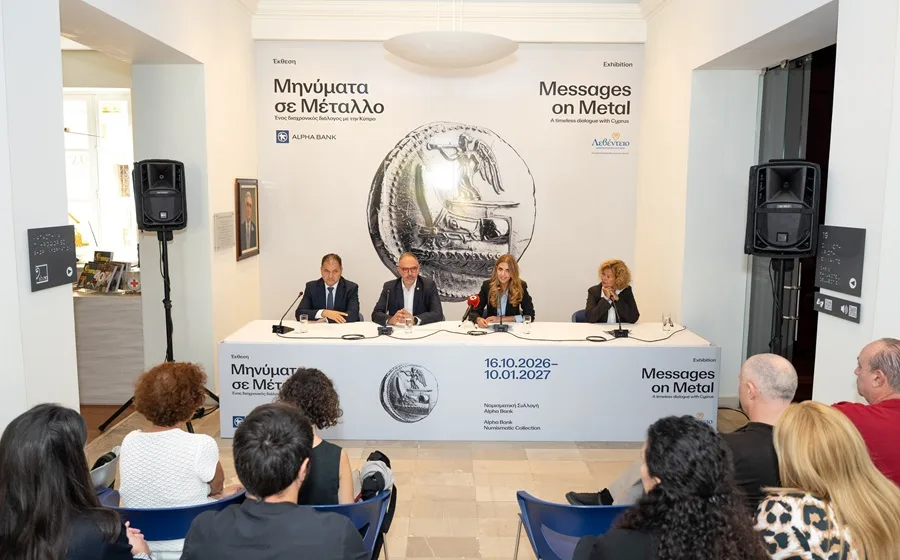
At the Leventis Municipal Museum of Nicosia, "Messages on Metal. A timeless dialogue with Cyprus" opened on 16 October and runs until 10 January 2027. Its 136 coins, from the ancient kings to Catherine Cornaro, come from the museum and from the Alpha Bank Numismatic Collection, part of which the organisers say is shown in Cyprus for the first time.
Aphrodite: The Making of a Goddess opened at the Ashmolean Museum in Oxford on 8 October and runs until 11 April 2027. Curated by Dr Anja Ulbrich and sponsored by the A. G. Leventis Foundation, it follows the goddess from Cypriot sanctuaries into the Greek and Roman worlds, with loans from the Department of Antiquities (our brief).
People
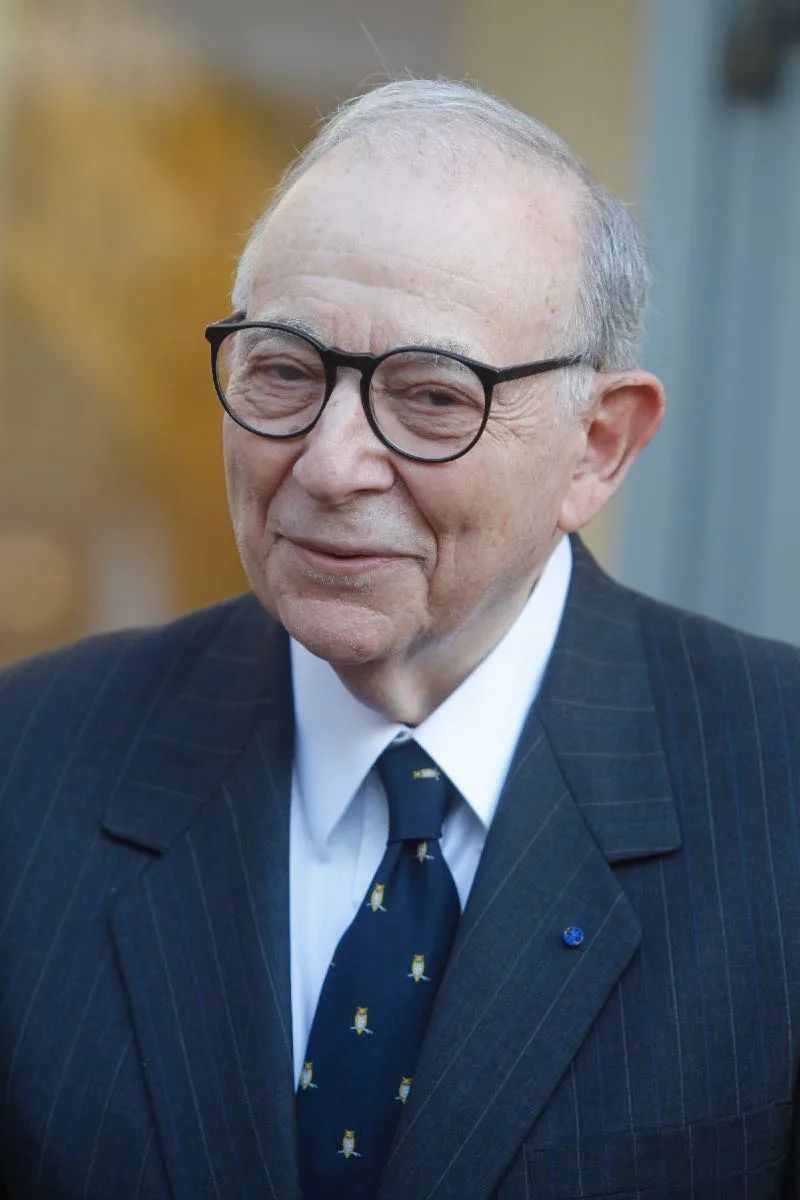
The Archaeological Research Unit of the University of Cyprus announced on 14 October that Malcolm Wiener had died at the age of 91. A specialist in the Minoan and Mycenaean civilisations, he founded the Institute for Aegean Prehistory (INSTAP) in Philadelphia, which funded excavations across the eastern Mediterranean, in Cyprus at Pyla and Maroni among others. INSTAP grants also paid for the drawings and photographs in Hector Catling's 2020 publication of the Late Bronze Age and Early Iron Age tombs at Kouklia (Palaepaphos).
Heritage crime
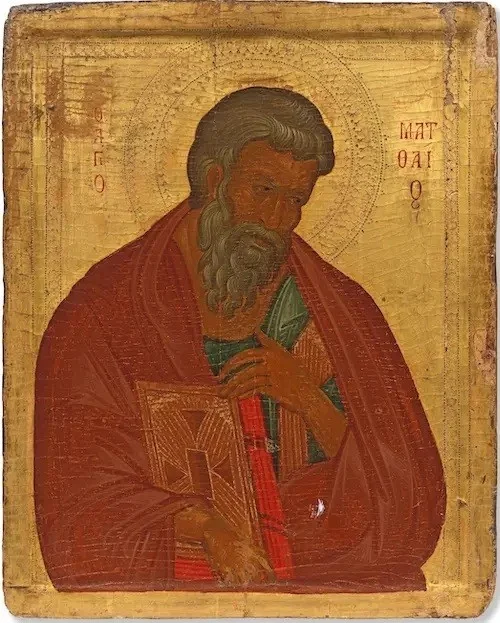
The Metropolis of Morphou announced on 9 October the return of two 14th-century icons of the Evangelists Matthew and Mark, from the church of the Panagia at Asinou. Stolen after the Turkish invasion of 1974 from the palace of the Metropolis of Kyrenia, in the occupied north, they were traced to the United Kingdom, where the Church of Cyprus was recognised as their owner (our brief).
Research
Digital recording in 2024 added 23 possible ship graffiti to those known on the temples at Kition Kathari, mostly on the south façade of Temple 1, according to a study published online in August in The International Journal of Nautical Archaeology. The authors argue that ships went on being cut there through the end of the Late Bronze Age and the start of the Iron Age (our brief).
Carved limestone fragments from Latsithkia, in the countryside of Kourion, may come from an unknown temple of the late 1st century CE, four researchers argued in the American Journal of Archaeology in September (our brief).
A lead isotope synthesis of 752 Late Bronze Age copper ingots, in the Journal of Archaeological Science in September, concludes that unmixed Cypriot copper dominated Mediterranean markets, with small amounts from elsewhere.
In a September paper in TEXTILE, Bülent Kızılduman and four co-authors study the cloth wrapped round the 2014 bronze hoard from Galinoporni-Vasili (Kaleburnu-Kral Tepesi), on the Karpas Peninsula in the area occupied by Turkey since the 1974 invasion: at least 111 bronzes in and around a storage jar set in a rock-cut well. They identified 13–15 tabby cloths and several kinds of cord. It was the second hoard from the spot, after one found in a pithos in 2004.
Published on 16 October in The Annual of the British School at Athens, a paper by Giorgos Papantoniou reads the cult of Arsinoe Philadelphus in Ptolemaic Cyprus as a tie between local communities and the Ptolemaic administration, using evidence that includes the inscriptions from Kafizin.
Books
The first volume of the final publication of the Tombs of the Kings excavations at Paphos was presented in Athens on 30 September (our brief).
In Ritual or Refuse?, volume M162 of the SIMA series from Åström Editions with a 2026 date, Teresa Bürge reads the fills of more than 60 pits, wells and tombs that Swedish teams excavated at Hala Sultan Tekke between 2014 and 2022 as deliberate deposits (our brief).
The 1989 report of the American Expedition to Idalion was released as a free PDF in September (roundup of 14–20 September).
Routledge published Ancient and Preindustrial Ceramics from Cyprus in September, edited by Sergios Menelaou and Edyta Marzec. In one chapter, Laura Gagné argues that small, rough pots from Kalopsidha that Paul Åström assigned to two styles were painted by children imitating the Cross Line Style.
Events
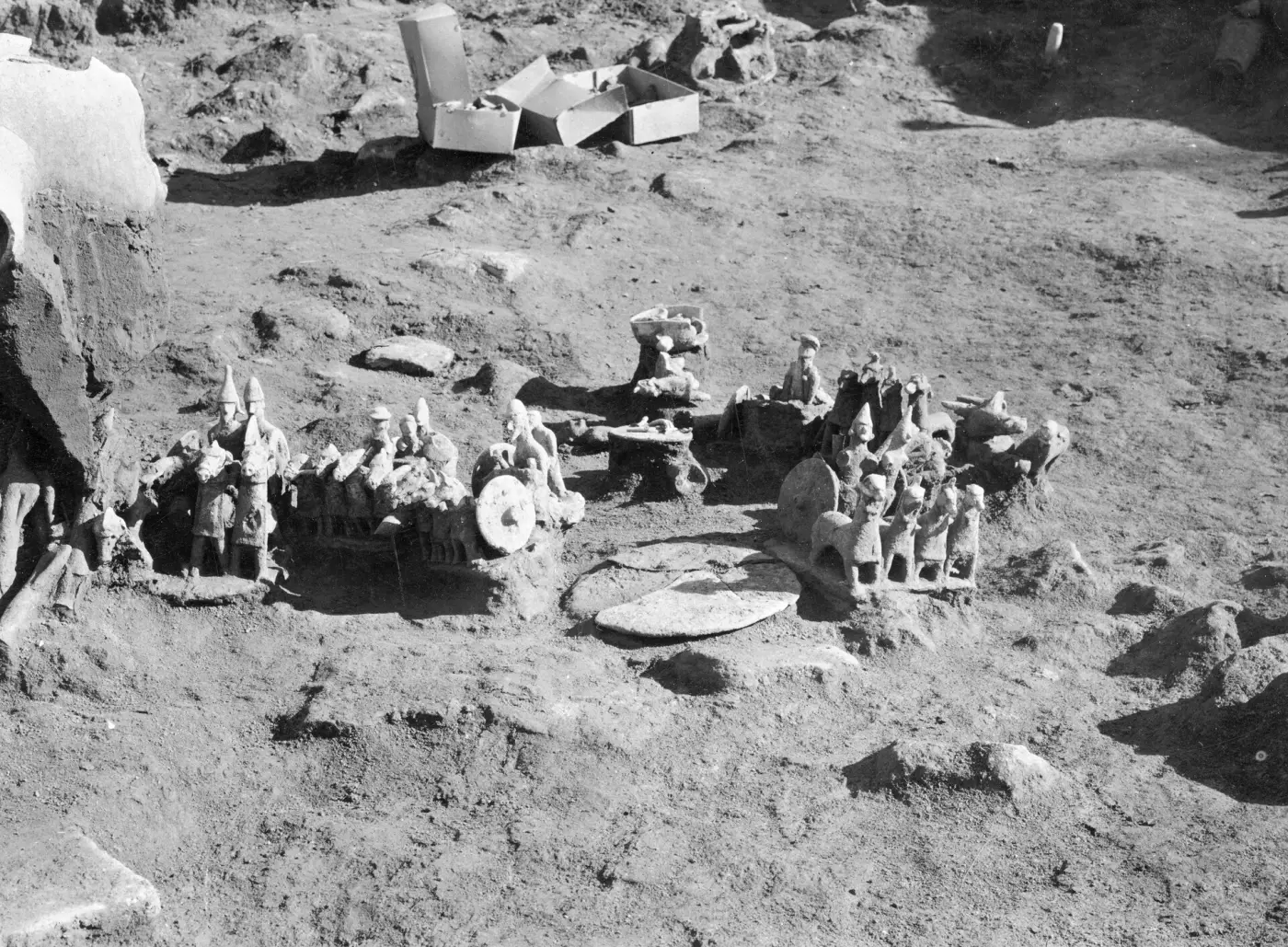
CAARI, the Archaeological Research Unit and the Department of Antiquities have issued a call for papers for a conference in Nicosia on 14–16 October 2027, marking a hundred years since the Swedish Cyprus Expedition began work. Abstracts are due by 31 October 2026 at librarian@caari.org.cy.
On 5 November at 7pm, Dr Anna Reeve of the Institute of Classical Studies, University of London, lectures at CAARI on how Cypriot antiquities reached British museums. On 7 November at 5pm, an evening in the village museum at Kalavasos remembers Ian Todd; Alison South speaks about the Vasilikos Valley Project, whose digs included Tenta.
Original sources
- Leventis Municipal Museum of Nicosia: Messages on Metal
Social media·
- Archaiologia: The Alpha Bank Numismatic Collection travels to Cyprus
Press·
- CAARI: Call for papers, Archaeological legacies of the Swedish Cyprus Expedition: 100 years on
Event·
- Archaeological Research Unit, University of Cyprus: Malcolm Wiener has passed away at the age of 91
Social media·
- Cyprus High Commission in the UK, Culture: Aphrodite: The Making of a Goddess
Social media·
- Cyprus Mail: Two 14th-century icons stolen after Turkish invasion return to Cyprus
Press·
- Orthodox House: Two important Byzantine icons of the Holy Metropolis of Morphou were repatriated to Cyprus
Press·
- The ship graffiti from Late Bronze Age–Early Iron Age Kition, Cyprus: new additions and reconsiderations 40 years later (The International Journal of Nautical Archaeology)
Paper·
- An Unknown Roman Temple in Cyprus? Reading the Architectural Fragments from Latsithkia (American Journal of Archaeology)
Paper·
- Mediterranean Late Bronze Age copper ingots: A new lead isotope-based synthesis (Journal of Archaeological Science)
Paper·
- Textile-Wrapped Wealth: A Late Bronze Age Hoard from Kaleburnu-Kral Tepesi/Galinaporni-Vasili, Cyprus (TEXTILE)
Paper·
- Political economy and imperial integration: the importance of the Arsinoe cult in shaping Ptolemaic power (The Annual of the British School at Athens)
Paper·
- Deputy Ministry of Culture: Presentation of the first volume of the final publication of the Tombs of the Kings excavations
Official release·
- Åström Editions: Ritual or Refuse? Depositional Practices in Wells, Pits and Tombs at Hala Sultan Tekke, Cyprus (SIMA M162)
Book
- The American Expedition to Idalion, Cyprus 1973–1980 (ISAC Data Research Center)
Book·
- Ancient and Preindustrial Ceramics from Cyprus, Introduction (Routledge)
Book·
- Child's play or style? A re-examination of some 'crude' little pots from Kalopsidha, Cyprus (Routledge)
Book·
- CAARI lecture: Ancient Cyprus in UK museums, Dr Anna Reeve
Event·
- CAARI: An Evening of Kalavasos Archaeology in memory of Ian Todd
Social media·
On ancientcyprus.com
- Excavations
- Kral Tepesi/Vasili (Galinoporni-Vasili): the hoard rescue and excavation, Kafizin: the Department of Antiquities excavations, Nea Paphos: the Tombs of the Kings excavation (Hadjisavvas), Hala Sultan Tekke: the New Swedish Cyprus Expedition (2010-), Idalion: the American Expedition to Idalion, Kalopsidha: Myres for the Cyprus Exploration Fund, Vasilikos Valley Project: the survey
- People
- Malcolm H. Wiener, Giorgos Papantoniou, Bülent Kızılduman, Sophocles Hadjisavvas, Teresa Bürge, Lawrence E. Stager, Anita Walker, Sergios Menelaou, Edyta Marzec, Laura Ann Campbell Gagné, Paul Åström, Anja Ulbrich, Anna Holly Reeve, Ian A. Todd, Alison K. South
- Institutions
- Leventis Municipal Museum, Cyprus American Archaeological Research Institute, University of Cyprus, Swedish Cyprus Expedition, Institute for Aegean Prehistory (INSTAP), Ashmolean Museum of Art and Archaeology, A. G. Leventis Foundation, Church of Cyprus, Metropolis of Morphou, Department of Antiquities of Cyprus, Paul Åströms Förlag, Vasilikos Valley Project
- Periods
- Late Bronze Age, Hellenistic, Roman
More in Museums
- Nicosia's €144m new Cyprus Museum will not be delivered before 2028, MPs told
- Aphrodite at the Ashmolean: Cyprus lends a sanctuary figurine of a woman giving birth
- This Week in Cypriot Archaeology: 5–11 October 2026
- This Week in Cypriot Archaeology: 21–27 September 2026
- This Week in Cypriot Archaeology: 24–30 August 2026