
Museums·Roundup
This Week in Cypriot Archaeology: 24–30 August 2026
The Cyprus Museum objects behind familiar logos and souvenirs, a pottery symposium at the Vounous cemetery, and an opera that closed Paphos Castle for five days.



A feature on the Cyprus Museum traced familiar Cypriot logos and souvenirs back to their originals, a researcher in the occupied north announced the eighth pottery symposium at the Early Bronze Age cemetery of Vounous, and the medieval castle at Paphos was closed for five days for an opera.
Map of Cyprus
This week's stories
- Museums
- Events
- Ground above 200, 500, 1,000 m
Sites on this map
Museums
The writer Rebekah Gregoriades walked through the Cyprus Museum in Nicosia in a feature published on 30 August, picking out the objects that reappear on stamps, logos and in souvenir shops. The picrolite figure from Pomos, of around 3000 BCE, is the one most copied as jewellery. The Lady of Lemba, a limestone figure 35 cm tall, comes from Lemba-Lakkous, the Chalcolithic village north of Paphos that Edgar Peltenburg excavated from 1976 to 1983. A limestone plaque of c. 200 BCE from Mathiatis, 51.2 cm tall and bearing the head of Dionysus with small traces of purple and green paint, was for years the logo of the Theatre Organisation of Cyprus (Thoc).
The tour also takes in clay bowl models with human and animal figures, from a tomb in an Early Bronze Age cemetery at Bellapais, and the terracotta figures from the Archaic sanctuary of Ayia Irini, found by the Swedish Cyprus Expedition in 1929: 500 are on show in Nicosia and 1,500 are in Stockholm. Ayia Irini lies in the area occupied by Turkey since the 1974 invasion. The feature closes by recommending a visit to the present building before the new museum opens, which is now not expected before 2028 (our report).
Events
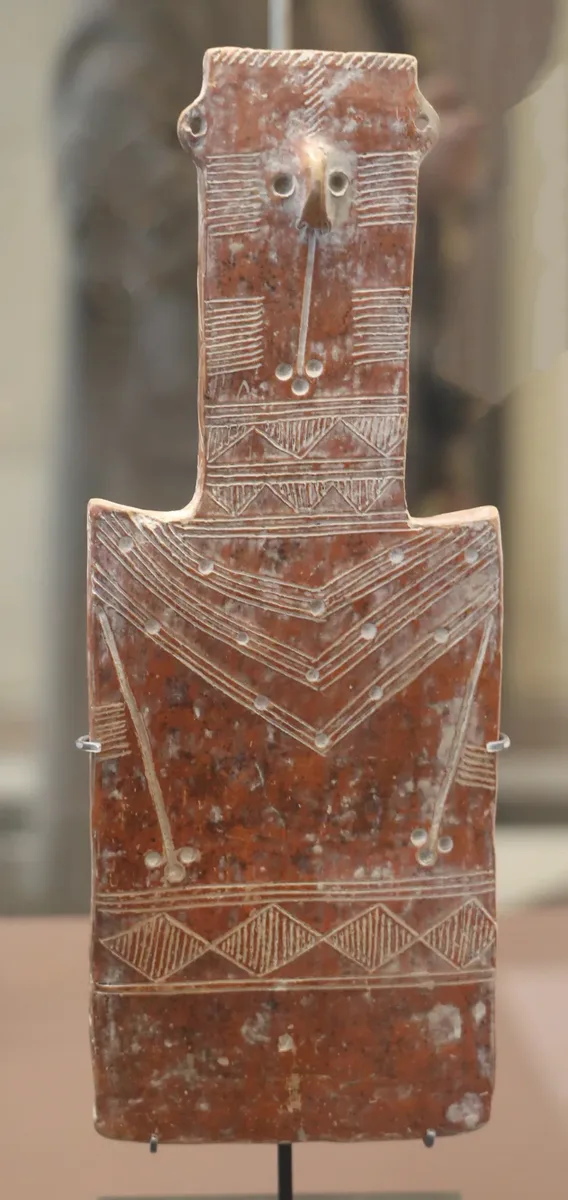
The 8th International Vounous Pottery Symposium was announced on 30 August for 1–16 September at the cemetery of Vounous, near Bellapais in the occupied north. Its organiser is the Turkish Cypriot "Çatalköy-Esentepe Municipality", with a volunteer committee that includes the researcher Rauf Ersenal. More than 80 participants from Cyprus and abroad were expected, the sessions are open to the public, and a ceremony at the site was set for the night of 12 September. A ceramic symposium held near the tombs in 2017 made replicas of Vounous pottery.
In the same interview Ersenal proposed that the excavations left unfinished in the north in 1974 resume, with Greek Cypriot and Turkish Cypriot specialists working alongside foreign universities. Vounous was in use from about 2350 to 1700 BCE. Its 164 excavated tombs were dug in three campaigns: by Porphyrios Dikaios for the Cyprus Museum in 1931–1932, by Claude Schaeffer for the Musées de France in 1933, and by James R. Stewart and Eleanor Stewart for the British School at Athens in 1937–1938. The finds are divided between the Cyprus Museum, the Louvre, the Nicholson Museum in Sydney and museums in Britain. No excavation there has been published since 1974, and the cemetery has been looted repeatedly since then.
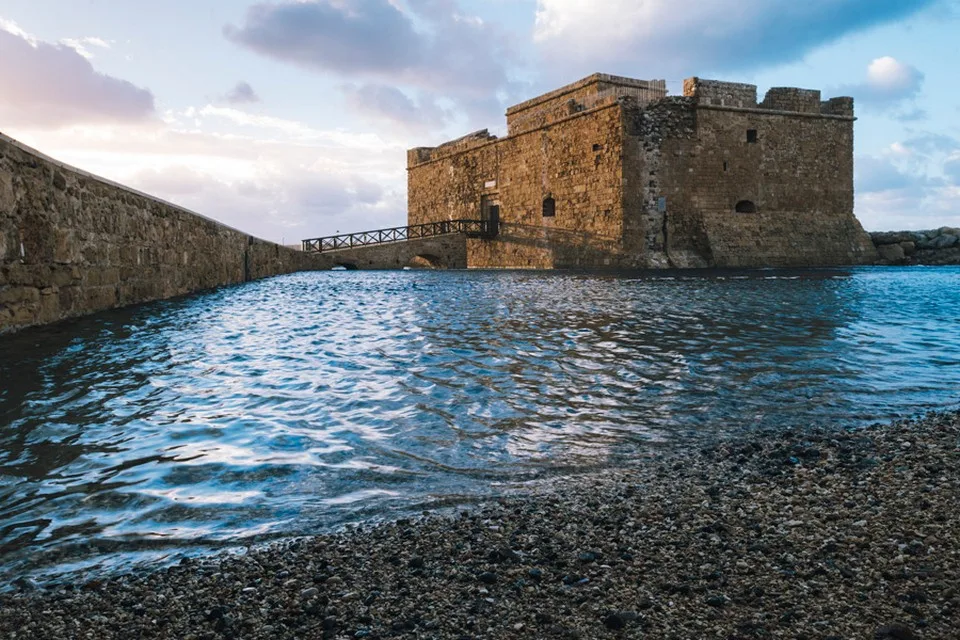
On 28 August the Department of Antiquities announced that the medieval castle on the harbour of Kato Paphos, beside the ancient city of Nea Paphos, would be shut to visitors from Wednesday 2 to Sunday 6 September, while an opera of the Pafos Aphrodite Festival 2026 was staged there.
Original sources
- Department of Antiquities: Pafos Medieval Castle closed to the public from 2 until 6 September 2026
Official release·
- Cyprus Mail: We may be seeing more of ancient Cyprus than we think (Rebekah Gregoriades)
Press·
- Cyprus Inform: Cyprus Museum displays artefacts behind familiar island symbols
Press·
- Yenidüzen: Vounous halkı bizimle seramikler üzerinden konuşuyor
Press·
On ancientcyprus.com
More in Museums
- Nicosia's €144m new Cyprus Museum will not be delivered before 2028, MPs told
- Aphrodite at the Ashmolean: Cyprus lends a sanctuary figurine of a woman giving birth
- This Week in Cypriot Archaeology: 12–18 October 2026
- This Week in Cypriot Archaeology: 5–11 October 2026
- This Week in Cypriot Archaeology: 21–27 September 2026