
Museums·Brief
Aphrodite at the Ashmolean: Cyprus lends a sanctuary figurine of a woman giving birth
The Oxford exhibition runs from 8 October 2026 to 11 April 2027 and follows the goddess through more than 150 objects, from Cyprus to contemporary art and fashion.



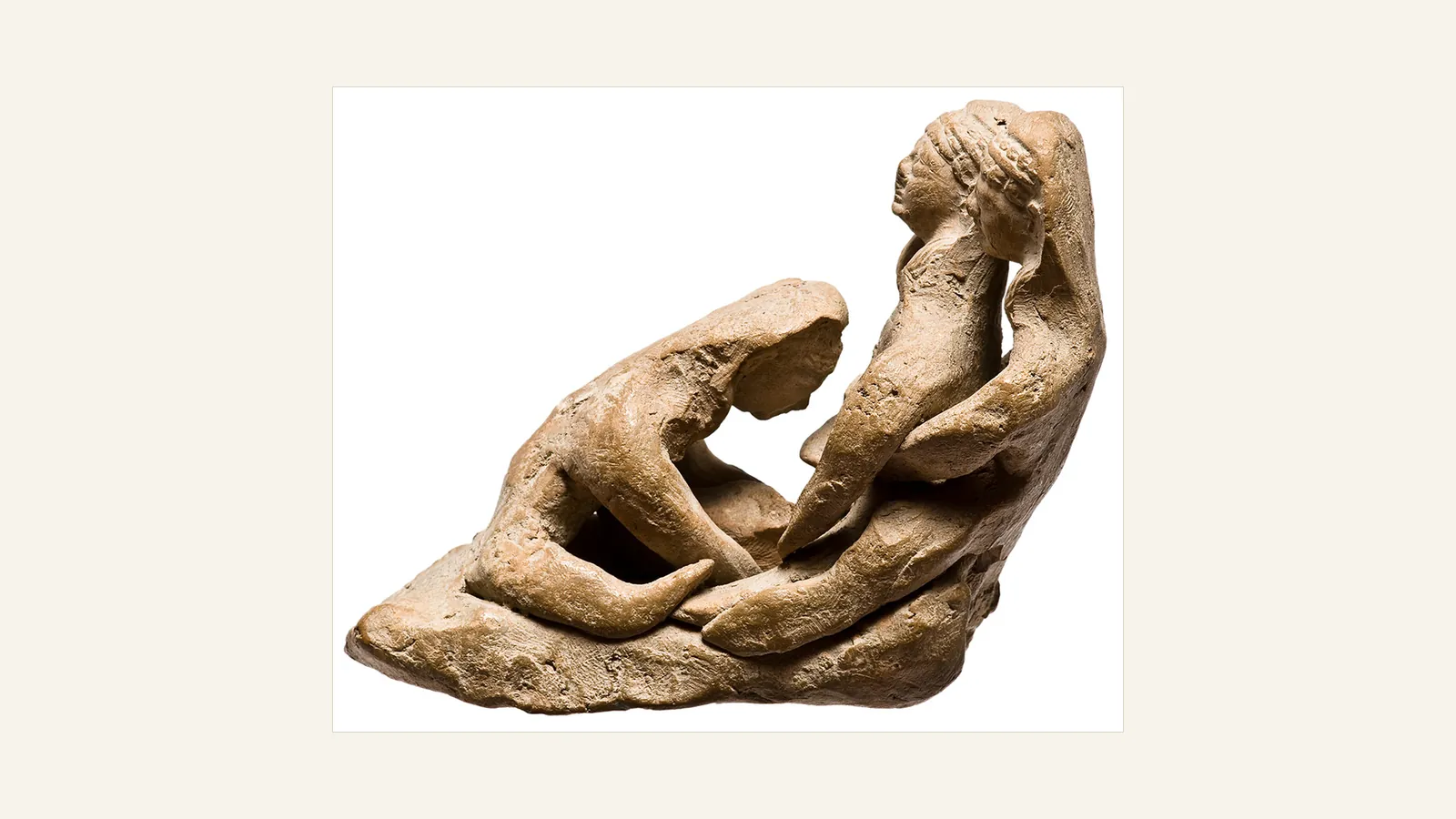
The Ashmolean Museum of the University of Oxford opened Aphrodite: The Making of a Goddess on 8 October 2026, with loans from the Department of Antiquities, Cyprus among its exhibits. In more than 150 objects the exhibition follows the goddess from Cyprus to contemporary art and fashion. The show closes on 11 April 2027.
What has come from Cyprus
One loan from the Department is a votive figurine, dated c. 600–450 BCE, of a woman giving birth attended by two midwives; it was found at a sanctuary of Aphrodite on the island. The High Commission of the Republic of Cyprus in the UK called the Department's loans important.
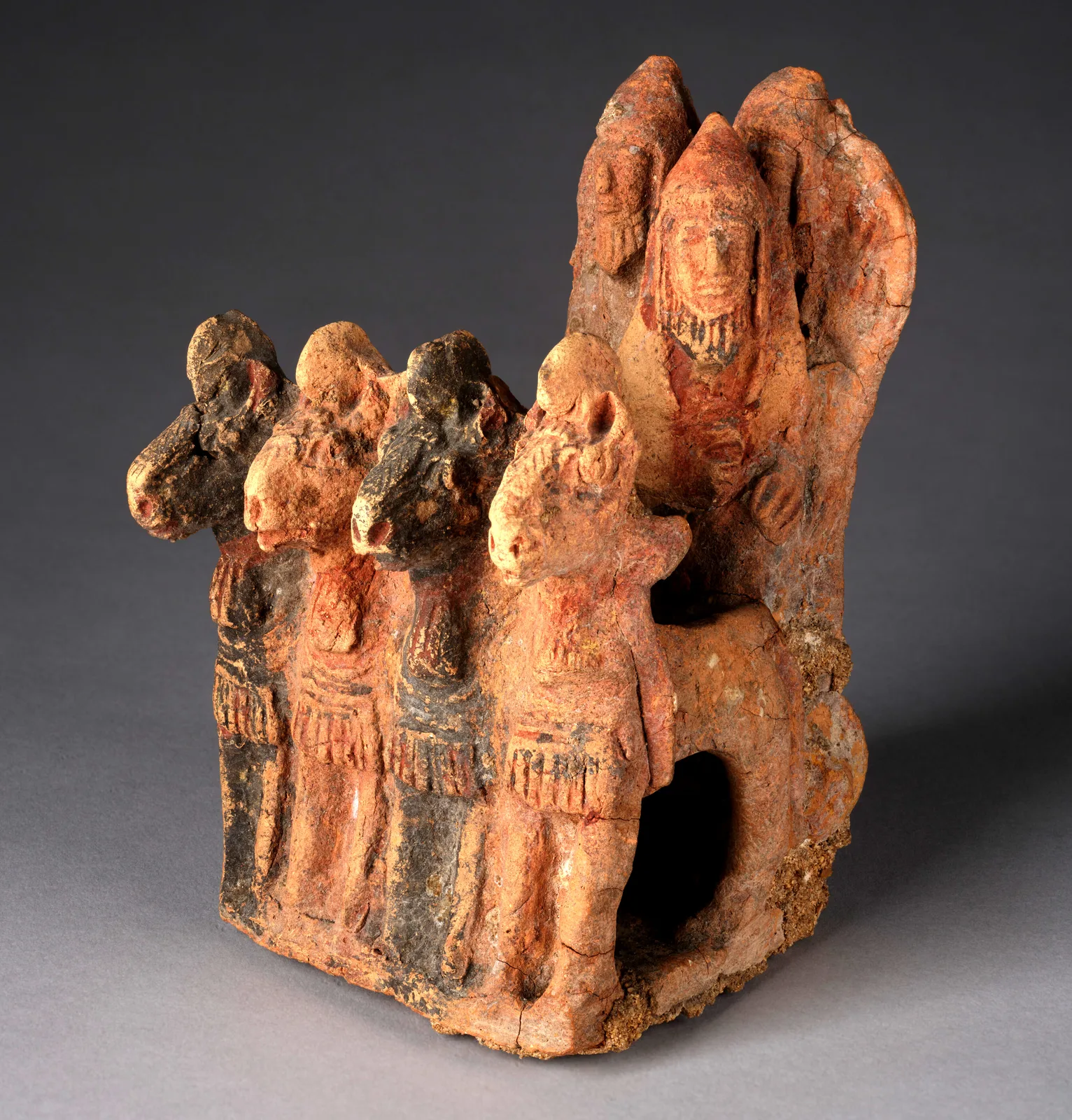
Other Cypriot pieces come from Oxford's own collection and from abroad. The Ashmolean shows a terracotta four-horse chariot carrying three armed warriors, from Cyprus and dated c. 750–600 BCE, and an Attic red-figure lekythos, a slim oil flask, of the 5th century BCE, also from the island, painted with Aphrodite riding a flying swan. The Louvre has lent a limestone capital carved with the head of the Egyptian goddess Hathor, dated 600–475 BCE, from a sanctuary of Astarte on the Bamboula mound at Kition.
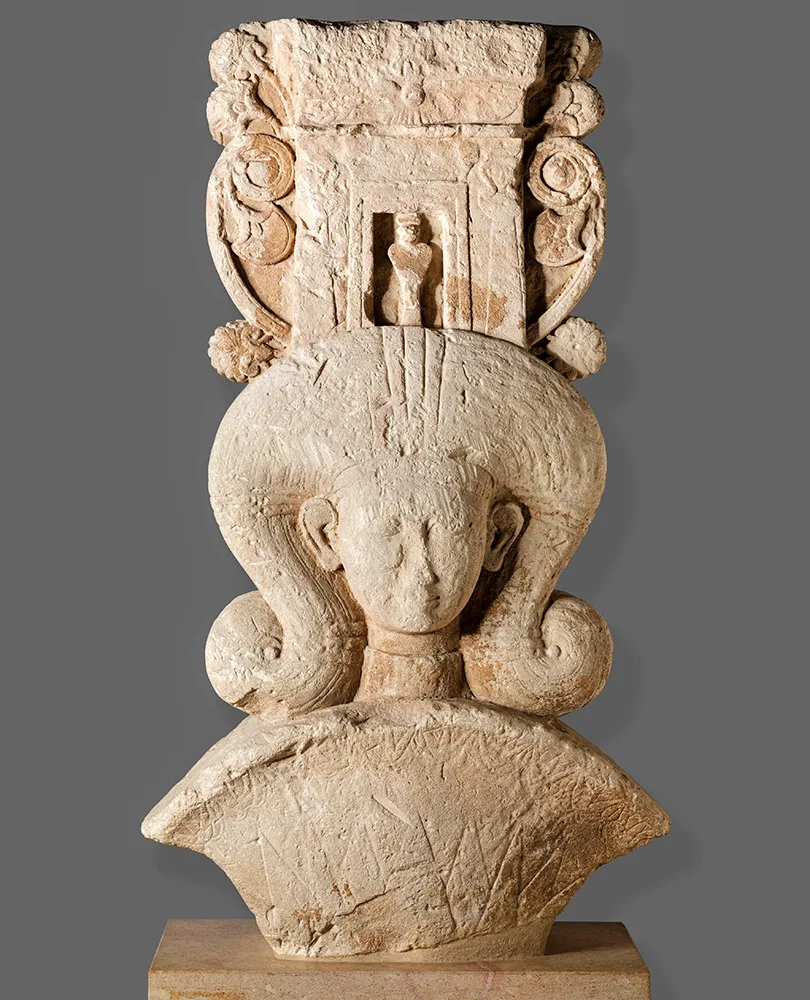
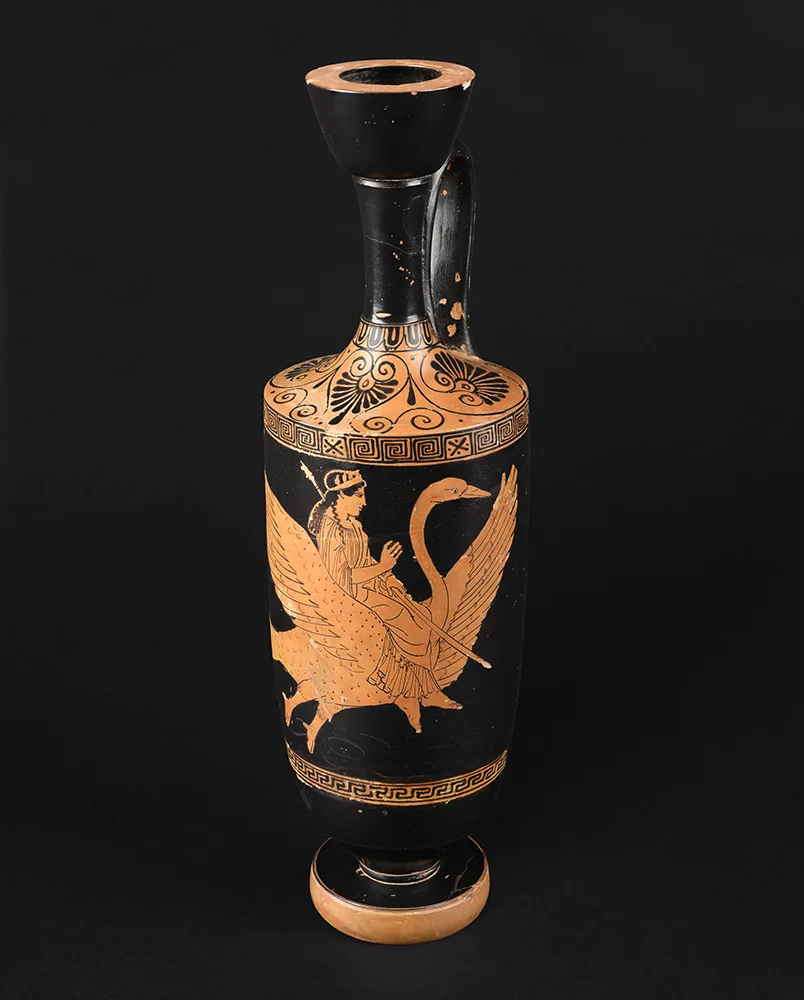
Later works include a Roman marble crouching Venus, a Venus of c. 1490 by Sandro Botticelli and his workshop, and Michelangelo Pistoletto's Venus of the Rags (1974).
The exhibition's curator is Anja Ulbrich, the Ashmolean's A. G. Leventis Curator of the Cypriot collection. Her doctoral book Kypris (2008) studied the sanctuaries and cults of female deities in Archaic and Classical Cyprus. The A. G. Leventis Foundation is the lead supporter, and the High Commission is among the other backers.
The goddess of Paphos
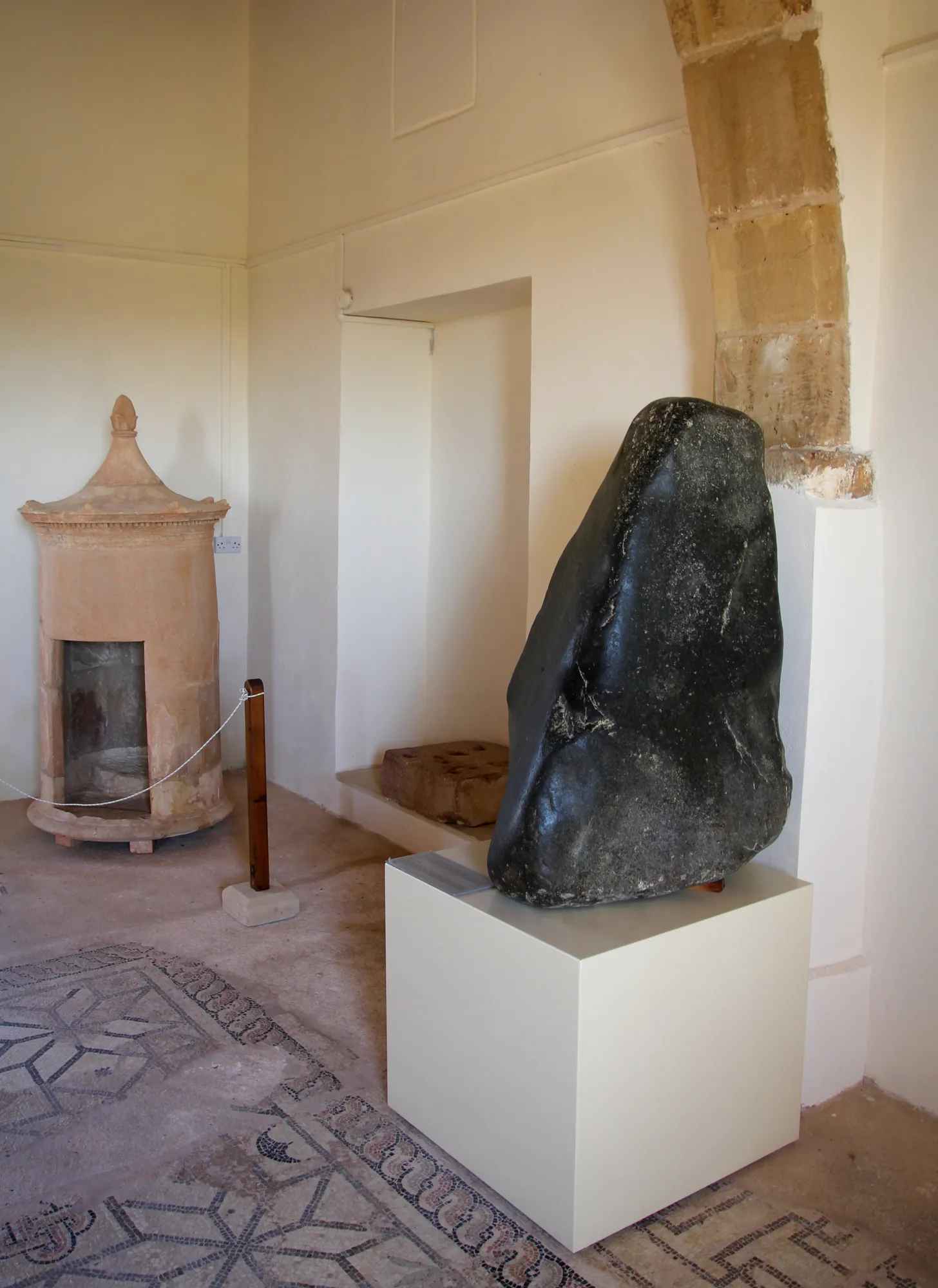
The best known of the island's cults was at Palaepaphos, Old Paphos, under the village of Kouklia, where the Paphian goddess, the Aphrodite of the Greeks, was worshipped from about 1200 BCE to the end of the 4th century CE. In 1888 the Cyprus Exploration Fund mounted the first British excavation there, with D. G. Hogarth among the diggers. About 230 workers cut trenches across most of the sanctuary between February and April, with inconclusive results, and tombs near the town were also opened. That August the finds were shipped to England, to be divided among the British Museum, the Ashmolean and the Fitzwilliam Museum [1, p. 17].
Cyprus in the Ashmolean
Oxford's Cypriot holdings began earlier, with 26 pieces of gold jewellery bought in 1873. In Ulbrich's account the collection now numbers some 7,000 objects, most with a known provenance, gathered through private gifts, exchanges and loans with other museums, shares of finds from excavations (several of them funded or co-funded by the museum) and purchases at auction. In 1874 the trustees of Henry Christy's collection gave 14 votive statuettes, Archaic to Hellenistic, that he had acquired at Idalion (Dali) in 1850 or 1852 [2, p. 26]. About 350 of the most significant pieces have been on display in the A. G. Leventis gallery since the autumn of 2009 [2, p. 27], and the Foundation's support has paid for a full-time curator of the collection, the post Ulbrich holds [3, p. 294].
Original sources
On ancientcyprus.com
References
- 1.Maier, F. G. and Karageorghis, V. (1984). Paphos: History and Archaeology. Nicosia: A. G. Leventis Foundation.
- 2.Ulbrich, A. (2012). The Cypriot Collection at the Ashmolean Museum. In D. Pilides and N. Papadimitriou (eds), Ancient Cyprus: Cultures in Dialogue. Nicosia: Department of Antiquities, Cyprus, 26–27.
- 3.Kiely, T. (2017). Britain and the archaeology of Cyprus II: 1914 to the present day. Cahiers du Centre d'Études Chypriotes 47, 253–310.