
Lecture·Archaeological Research Unit - University of Cyprus·2019
The Consumption of Exotic Raw Materials in the Early Prehistory of Cyprus
Chapters
About the lecture
Theodora Moutsiou of the University of Cyprus presents the results of geochemical and geospatial analyses of carnelian and obsidian found at early prehistoric sites in Cyprus. Setting the study against recent Middle Pleistocene finds on Aegean islands and the traditional view of Cyprus as a marginal island colonised late by Near Eastern farmers, she examines long-distance exchange of exotic stone during the early Holocene and the Aceramic Neolithic.
The first part of the lecture examines carnelian, which appears on Cyprus exclusively as beads, either singly, as at Shillourokambos, or in necklaces alongside shell and picrolite beads, as at Khirokitia. Around fifty specimens are known from four Aceramic Neolithic sites. Non-destructive portable X-ray fluorescence (pXRF) analysis identifies at least two distinct compositional groups, though the lack of geochemically mapped geological sources prevents exact provenance attribution. Two beads previously catalogued as agate and onyx proved to be iron-stained calcite rather than silicate rock; Moutsiou suggests these may represent an exotic material substituting for restricted mainland supplies, or local Cypriot imitations expressing an insular identity.
The second part addresses obsidian, which appears on Cyprus solely as finished blades and bladelets with no cores or manufacturing debris, from the initial Aceramic Neolithic at Ayios Tychonas Klimonas through the Late Aceramic Neolithic. Analysing 670 pieces from across the island, alongside additional testing by Bernard Gratuze, the project sourced the vast majority to Göllü Dağ and Nenezi Dağ in central Anatolia, while a single piece from Shillourokambos was traced to Bingöl B in eastern Anatolia, the first eastern Anatolian obsidian identified on Cyprus.
Using least-cost pathway analysis across distances of 30 to 220 kilometres within the island and 320 to 400 kilometres from the mainland, Moutsiou shows that obsidian circulated along coastal and riverine routes on the island's periphery, entering either directly across the northern sea from central Anatolia or via the Levantine coast to the south. Because local chert sufficed for practical tools, she argues that these brightly coloured or reflective imports functioned as social symbols to maintain mainland ties and build networks among coastal communities.
In the question session, Moutsiou and the audience discuss the distribution of Melian obsidian in the Aegean and Anatolia, the prospect of finding Palaeolithic sites on Cyprus, and the inaccessible assemblage of some five thousand obsidian pieces from Akanthou.
From our collection
Pieces in the Drakopoulos collection of the kinds and periods this talk covers: Neolithic.
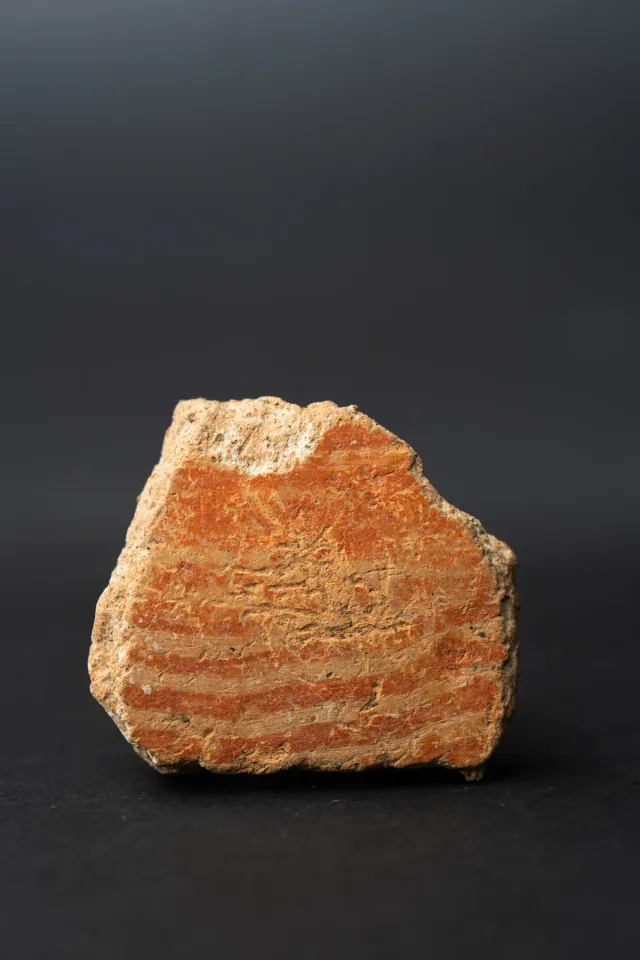
Combed Ware Bowl Fragment with Parallel Bands
Neolithic
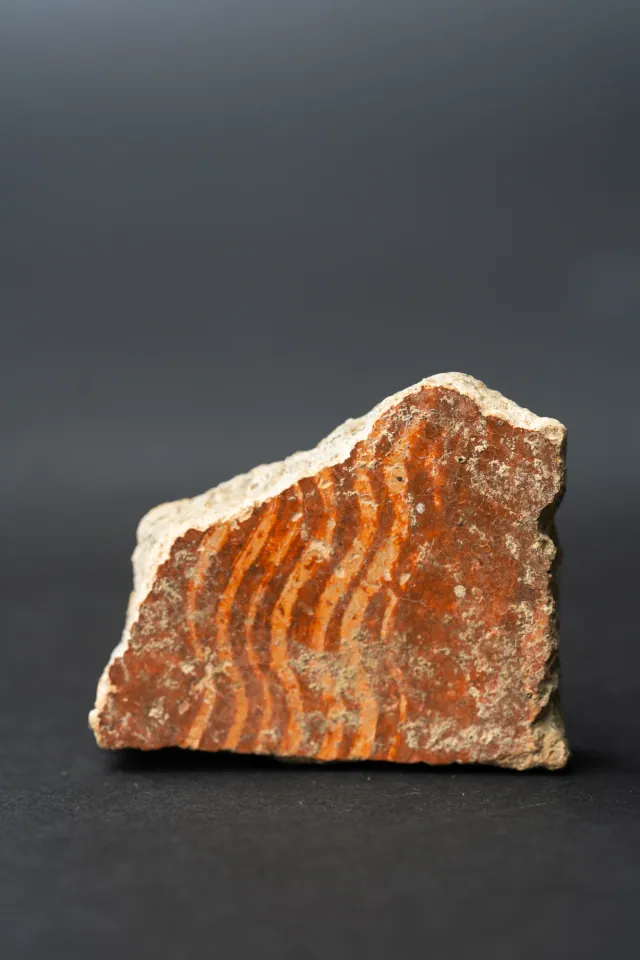
Combed Ware Bowl Fragment with Multiple Wavy Bands
Neolithic
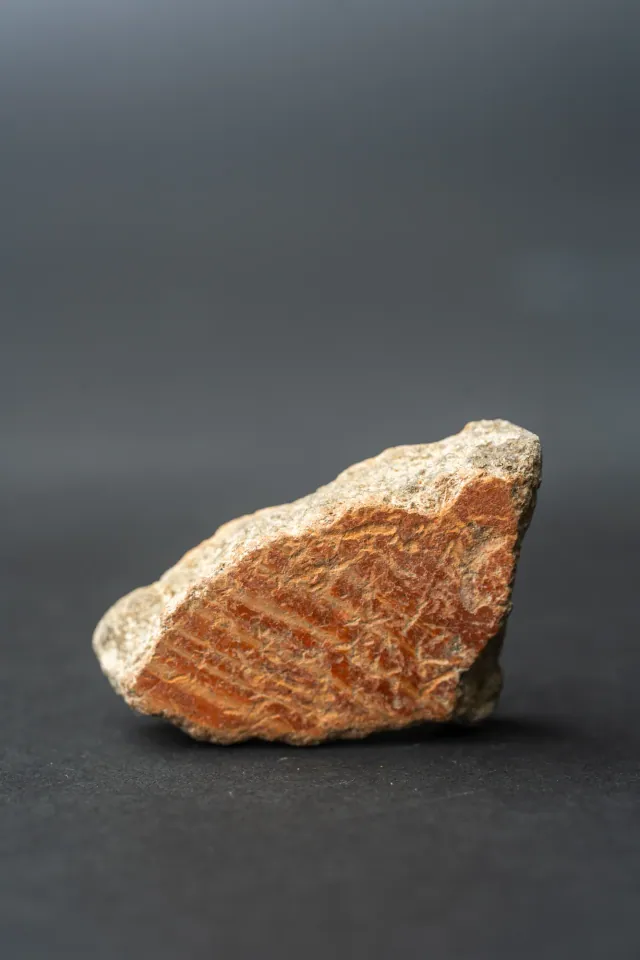
Combed Ware Bowl Fragment with Oblique Bands
Neolithic
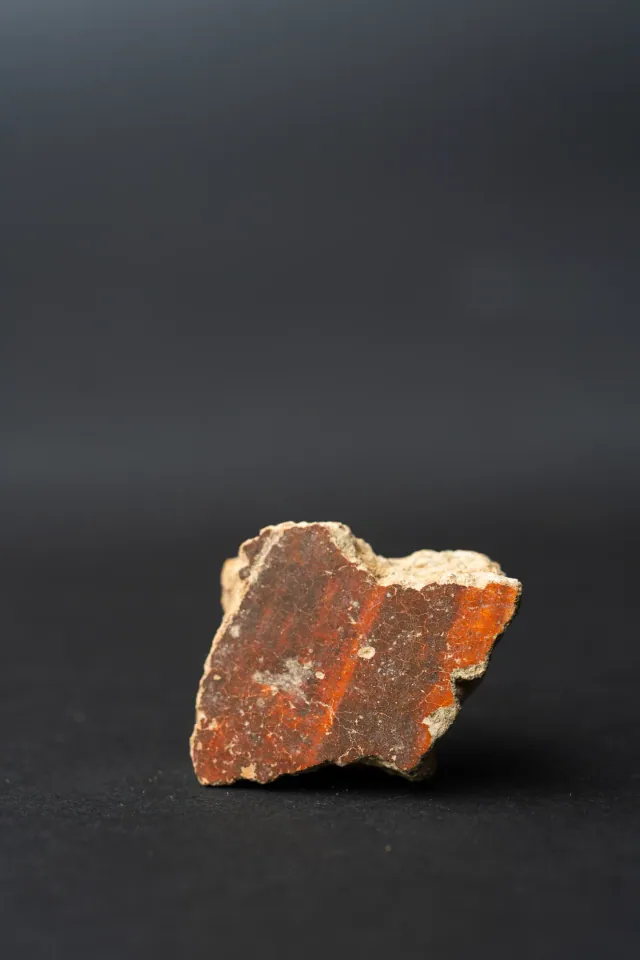
Red Lustrous Ware Body Sherd with Fire-Mottled Slip
Neolithic
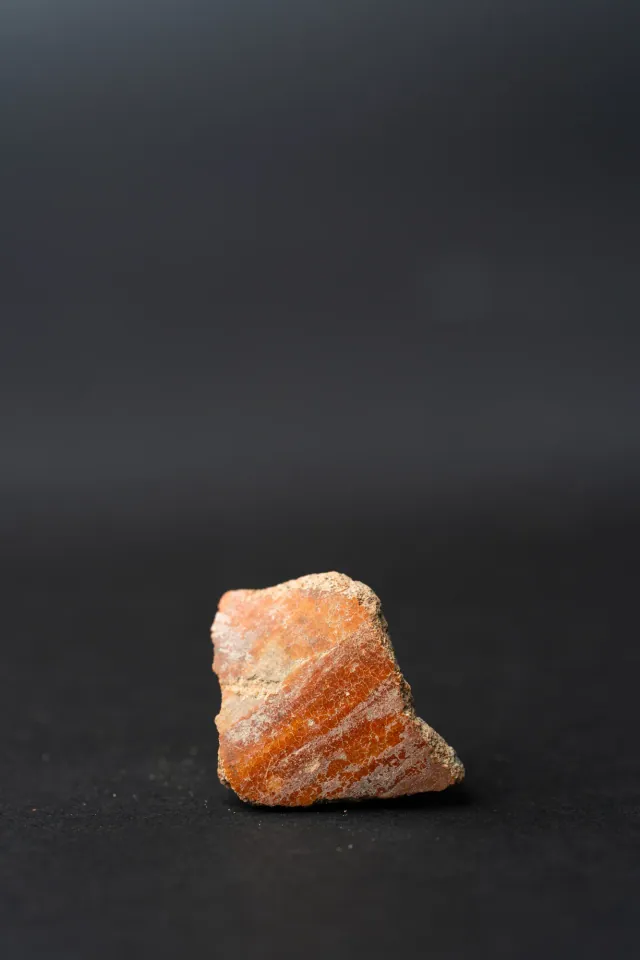
Red Slip Ware Body Sherd with Streaked Slip
Neolithic
Found at the places discussed
Objects in our catalogue, in museum collections, recorded as found at these sites.
Background
Where to read more on this site before or after watching.
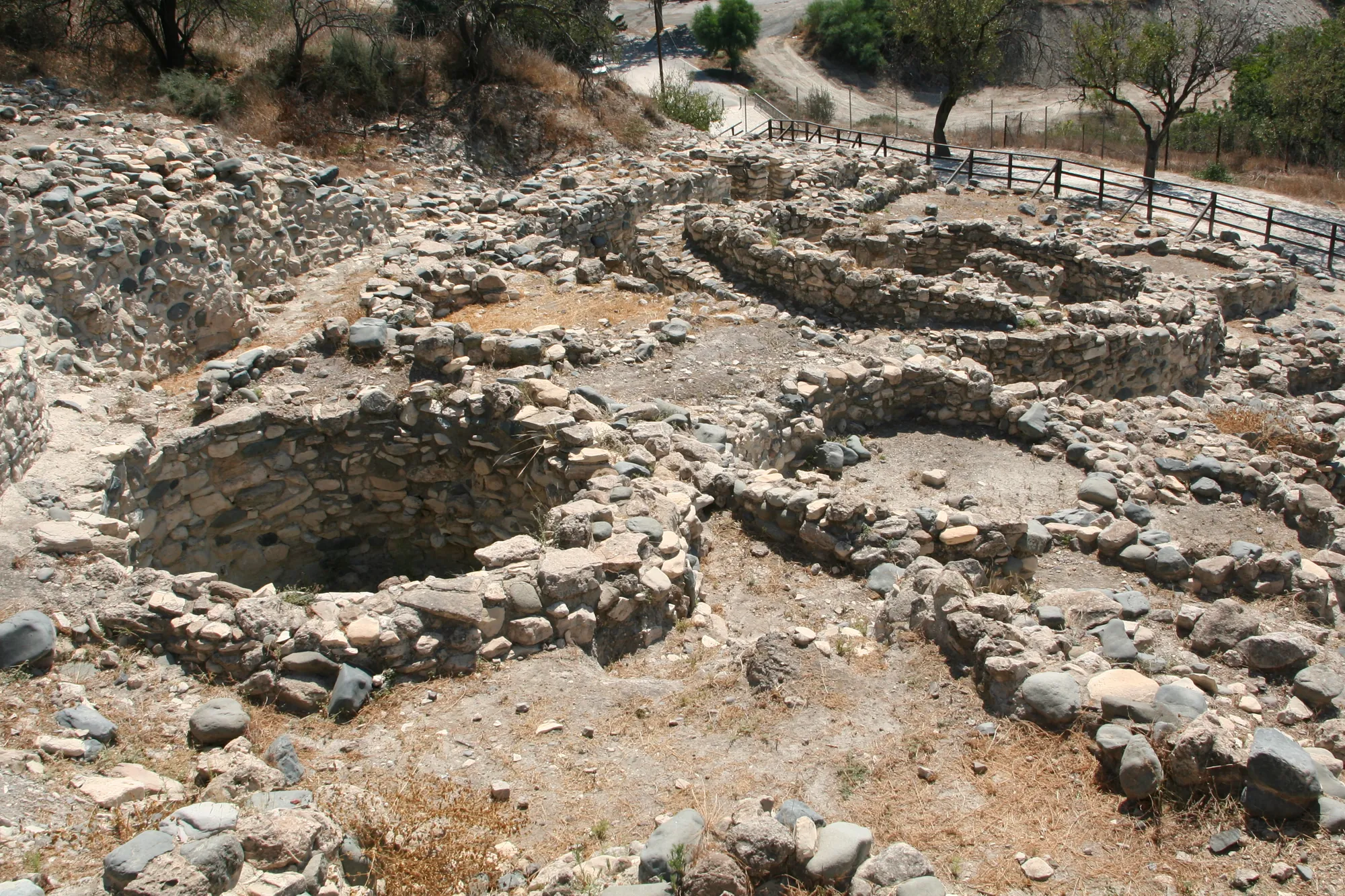
The site
Khirokitia
Khirokitia is a walled village of round stone and earth houses on a hill above the Maroni river, lived in from about 7000 BC to the later 6th millennium BC by farmers who made no pottery. It gave its name to the Khirokitia culture, the last stage of the Aceramic Neolithic in Cyprus, and has been a UNESCO World Heritage Site since 1998.
In the compendium
Stone in Ancient Cyprus
Cypriots worked local chert, igneous rocks, picrolite and limestone from the Neolithic onwards, and imported marble, alabaster and gemstones.
The period
Cyprus Before Humans
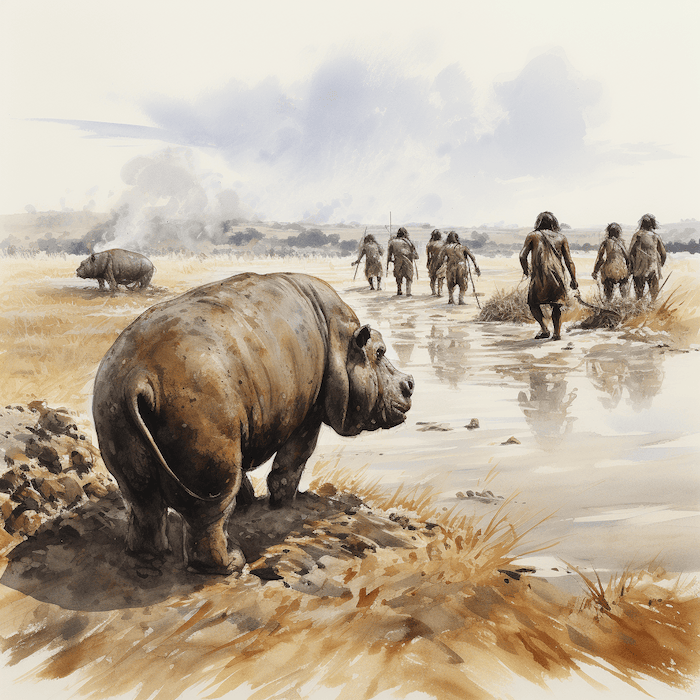
Pleistocene Cyprus, an oceanic island of dwarf hippos, dwarf elephants, a genet and an endemic mouse, and its first human visitors at Akrotiri-Aetokremnos.
Map of Cyprus
Places discussed in the talk
- Has a page on this site
- Other places
- Ground above 200, 500, 1,000 m
Places
- 1Parekklisha-Shillourokambos (approx.)
- 2Khirokitia
- 3Ayios Tychonas-Klimonas (approx.)
- 4Akanthou-Arkosykos (approx.)