
Panel·Archaeological Research Unit - University of Cyprus·2022
1st Graduate Forum for Mediterranean Archaeology: Organic Material Analysis
Ismael Rodriguez Palomo, Maria Rousou, Panagiotis Koulouros and Kyriaki Tsirtsi
Chapters
About the video
This session of the 1st Graduate Forum for Mediterranean Archaeology at the University of Cyprus presents four papers on organic material analysis, following a poster session.
Ismael Rodriguez Palomo from the University of Cambridge speaks on open search proteomics for identifying proteins and their post-translational modifications in archaeological ceramics. After outlining how liquid chromatography and tandem mass spectrometry extract and match peptides from vessel matrices and calcareous incrustations, he explains why conventional closed search strategies identify only 5 to 10 per cent of spectra. He benchmarks the open search software MSFragger and AlphaPept against MaxQuant on 48 previously published ceramic samples up to 8,000 years old from the Mediterranean and Middle East, showing that open search increases peptide identification and detects glycations.
Maria Rousou of the Muséum national d'Histoire naturelle in Paris and the CNRS presents results from her doctoral research on the exploitation of fruit trees during the Pre-Pottery Neolithic in Cyprus. Examining over 11,000 wood charcoal fragments and 6,000 seed and fruit remains from Ayios Tychonas-Klimonas, Parekklisha-Shillourokambos and Khirokitia, she identifies wild pistachio species as dominant, alongside fig, wild olive, rockrose, Greek strawberry tree, deciduous and evergreen oak, pear, hawthorn and almond. Because the plant remains come from secondary rubbish deposits such as pits and wells, she combines contextual evidence like postholes, roof fragments at Khirokitia and burnt cob with branch imprints at Shillourokambos with ethnobotanical data from the Mediterranean and Near East to discuss uses for fuel, food, oil extraction, construction, fodder, basketry, hafting adhesives and leather tanning.
Panagiotis Koulouros of the Cyprus Institute introduces his doctoral research on first-millennium BCE woodland composition and management in Greece and Cyprus through wood charcoal analysis. Explaining the microscopic anatomy of softwoods and hardwoods across three section planes, he presents preliminary results from fourth-century BC to early Roman Corinth, where olive and pine dominate alongside pistachio and grapevine, and from a room fill in Cyprus containing only pine.
Kyriaki Tsirtsi, also of the Cyprus Institute, presents her doctoral study of macrobotanical and microbotanical remains from the Danish-Greek excavations in the plain of Sikyon in the Peloponnese. From 680 flotation samples across Archaic to Hellenistic contexts, she identifies cereals, vetch, olive, grape, pomegranate and almond, applies geometric morphometrics to olive stones from the Classical plain and Roman plateau, examines charred fig-based food lumps under scanning electron microscopy, and extracts wheat, millet and tuber starch granules from cooking and fine wares.
The closing discussion addresses mass-shift equifinality between sheep, goat and cow milk proteins, traditional Cypriot terebinth oil extraction and boxthorn corrals, the limits of vegetable dyes on Neolithic bast fibres, and the impact of Cypriot metallurgy on ancient woodlands.
From our collection
Pieces in the Drakopoulos collection of the kinds and periods this talk covers: Neolithic, Cypro-Archaic, Hellenistic.
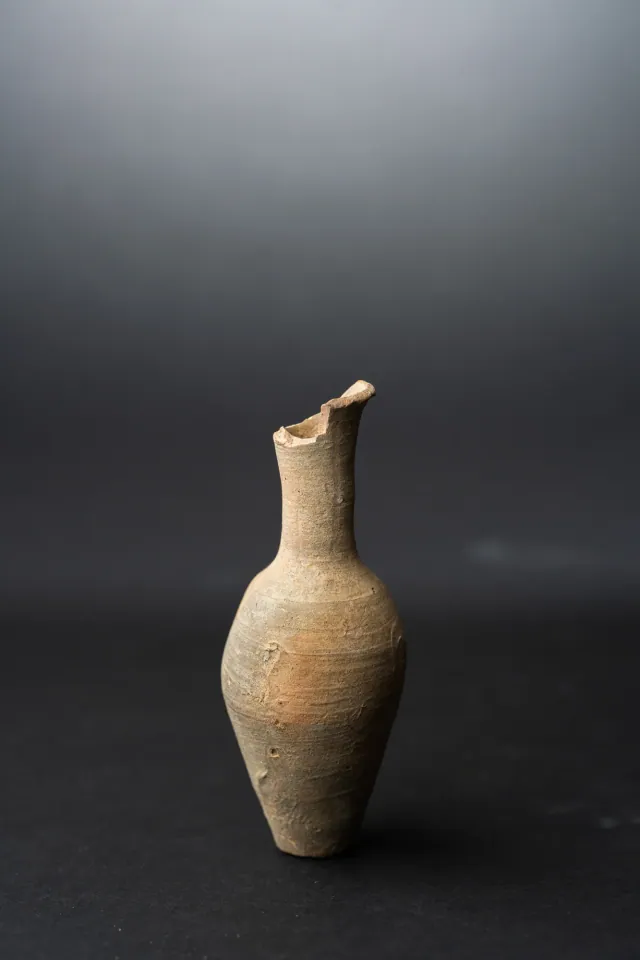
Fusiform Unguentarium
Hellenistic
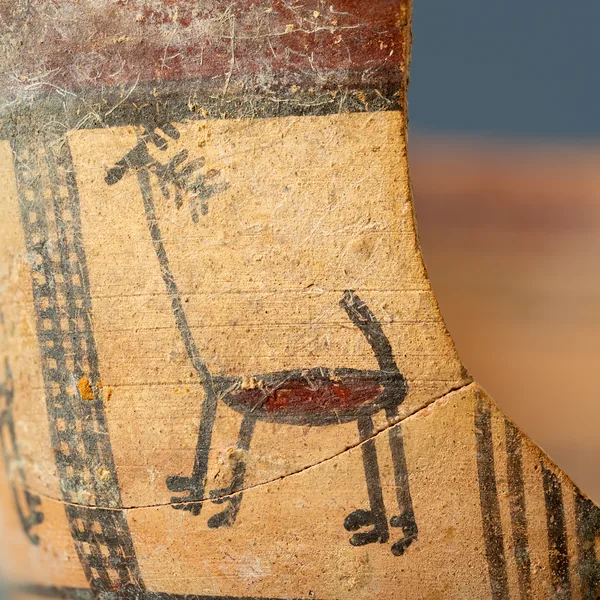
Bichrome Skyphos with Stags in Metopes
Cypro-Archaic
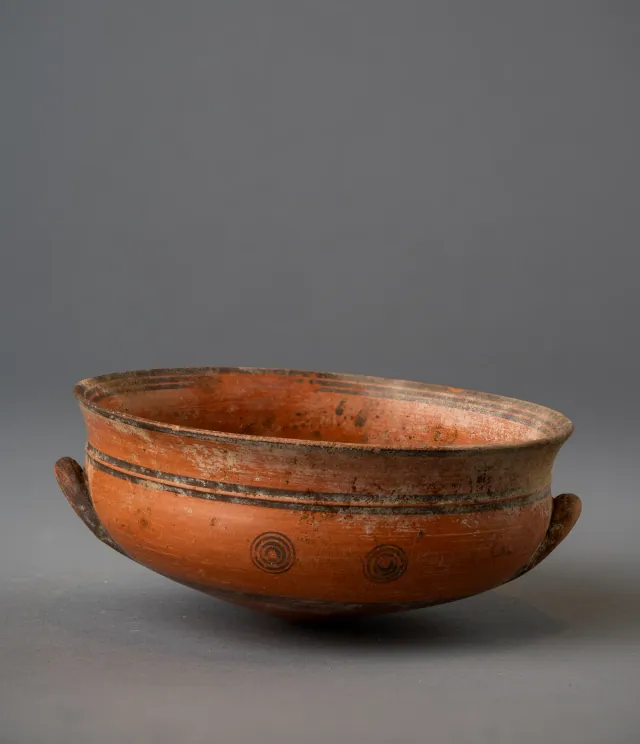
Black-on-Red Two-Handled Bowl with Raised Flaring Rim
Cypro-Archaic
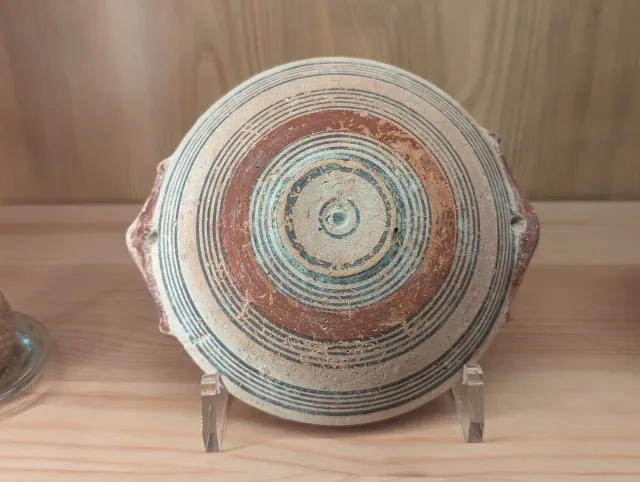
Bichrome IV Bowl with Red-Painted Pierced Lug Handles
Cypro-Archaic
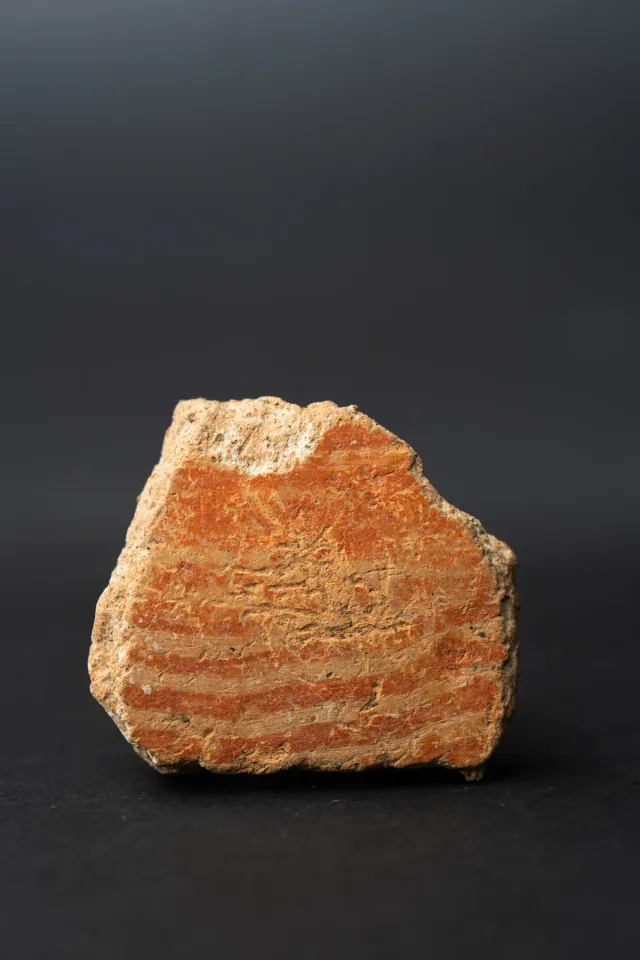
Combed Ware Bowl Fragment with Parallel Bands
Neolithic
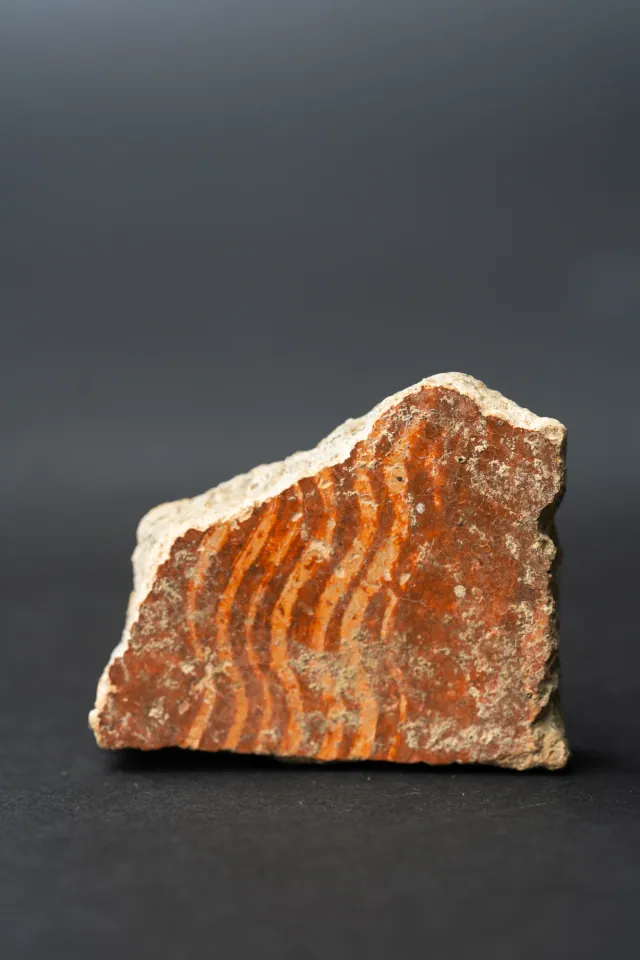
Combed Ware Bowl Fragment with Multiple Wavy Bands
Neolithic
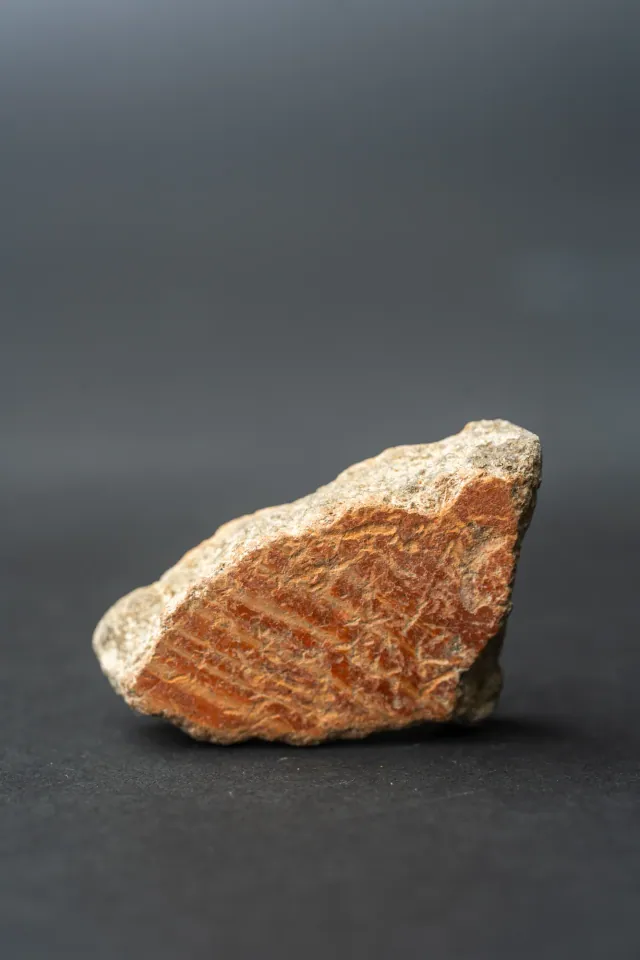
Combed Ware Bowl Fragment with Oblique Bands
Neolithic
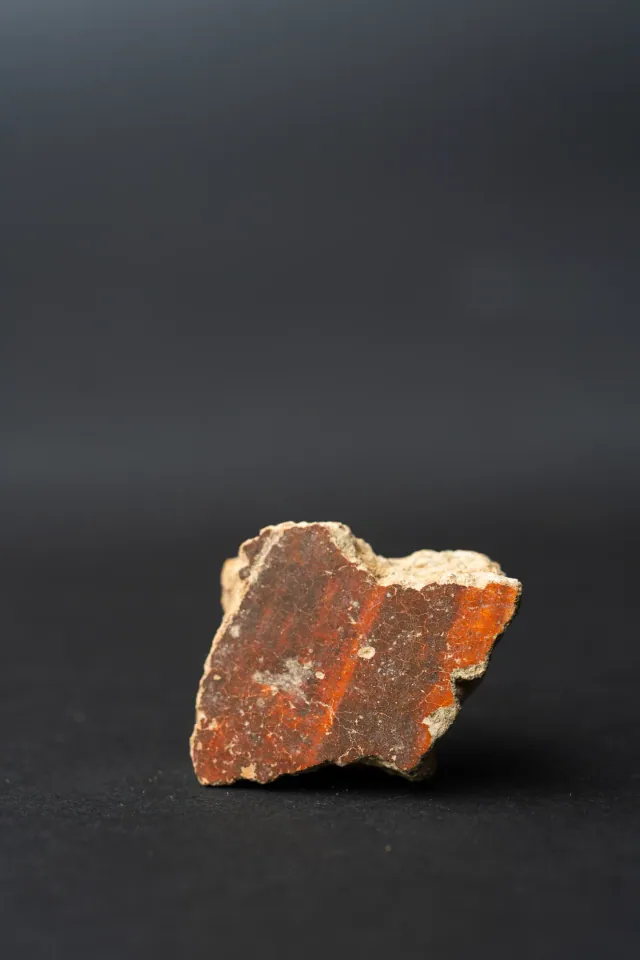
Red Lustrous Ware Body Sherd with Fire-Mottled Slip
Neolithic
Found at the places discussed
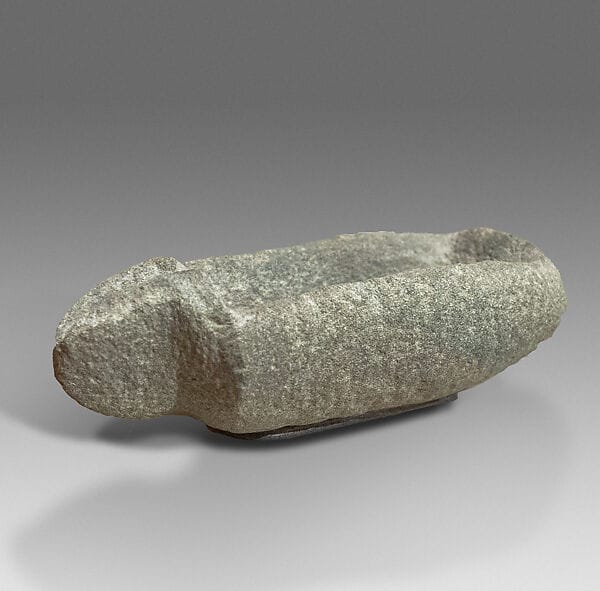
Objects in our catalogue, in museum collections, recorded as found at these sites.
Background
Where to read more on this site before or after watching.
The site
Khirokitia
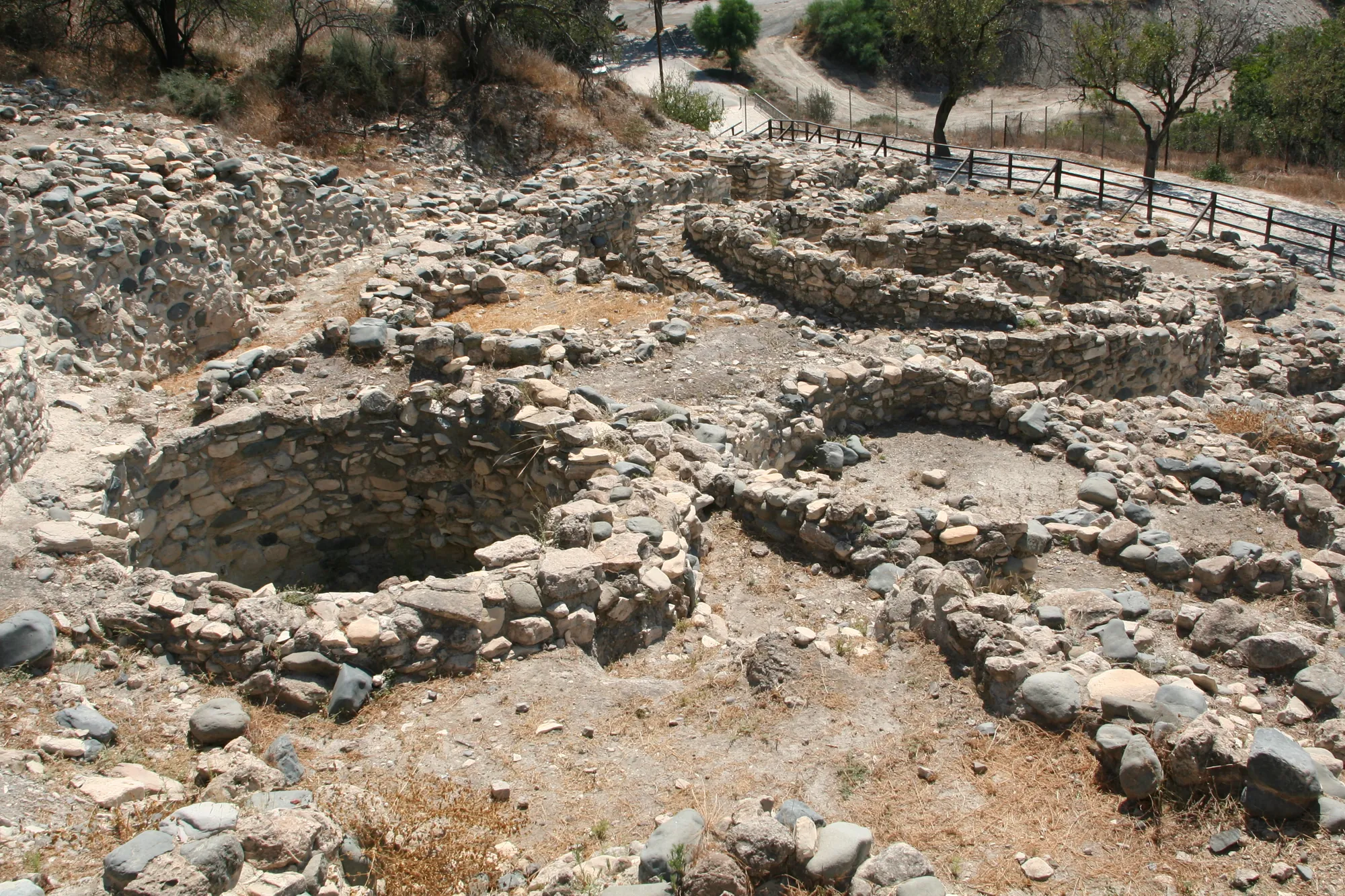
Khirokitia is a walled village of round stone and earth houses on a hill above the Maroni river, lived in from about 7000 BC to the later 6th millennium BC by farmers who made no pottery. It gave its name to the Khirokitia culture, the last stage of the Aceramic Neolithic in Cyprus, and has been a UNESCO World Heritage Site since 1998.
In the compendium
Building Materials and Techniques
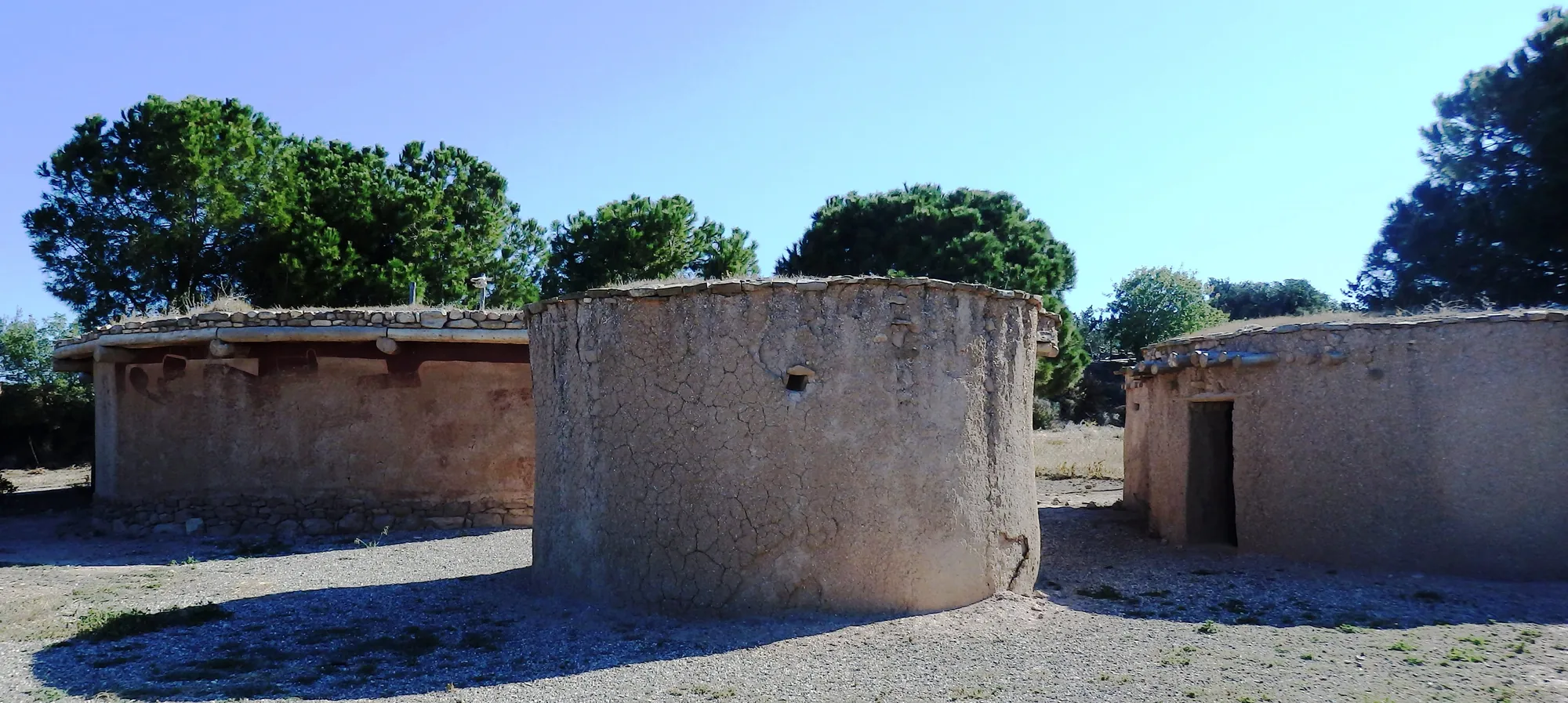
Cypriot houses were built of local stone, earth and timber: walls of rubble or mudbrick on stone socles, under flat roofs of beams, brush and packed earth.
In the compendium
Food and Diet in Ancient Cyprus
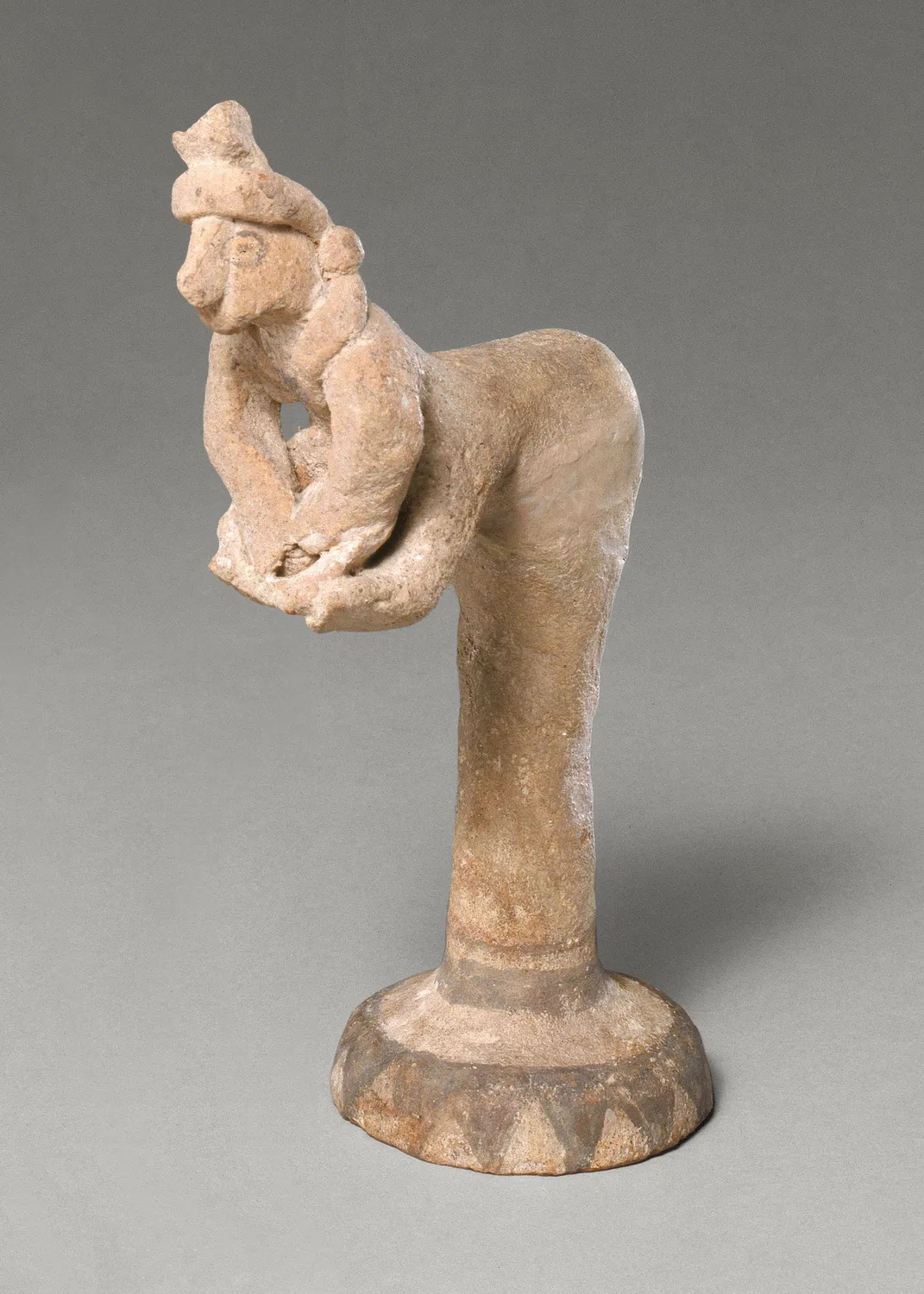
What Cypriots grew, herded, hunted, cooked and drank from the first Neolithic villages to the end of the Cypro-Archaic period.
In the compendium
Climate and Landscape in Ancient Cyprus
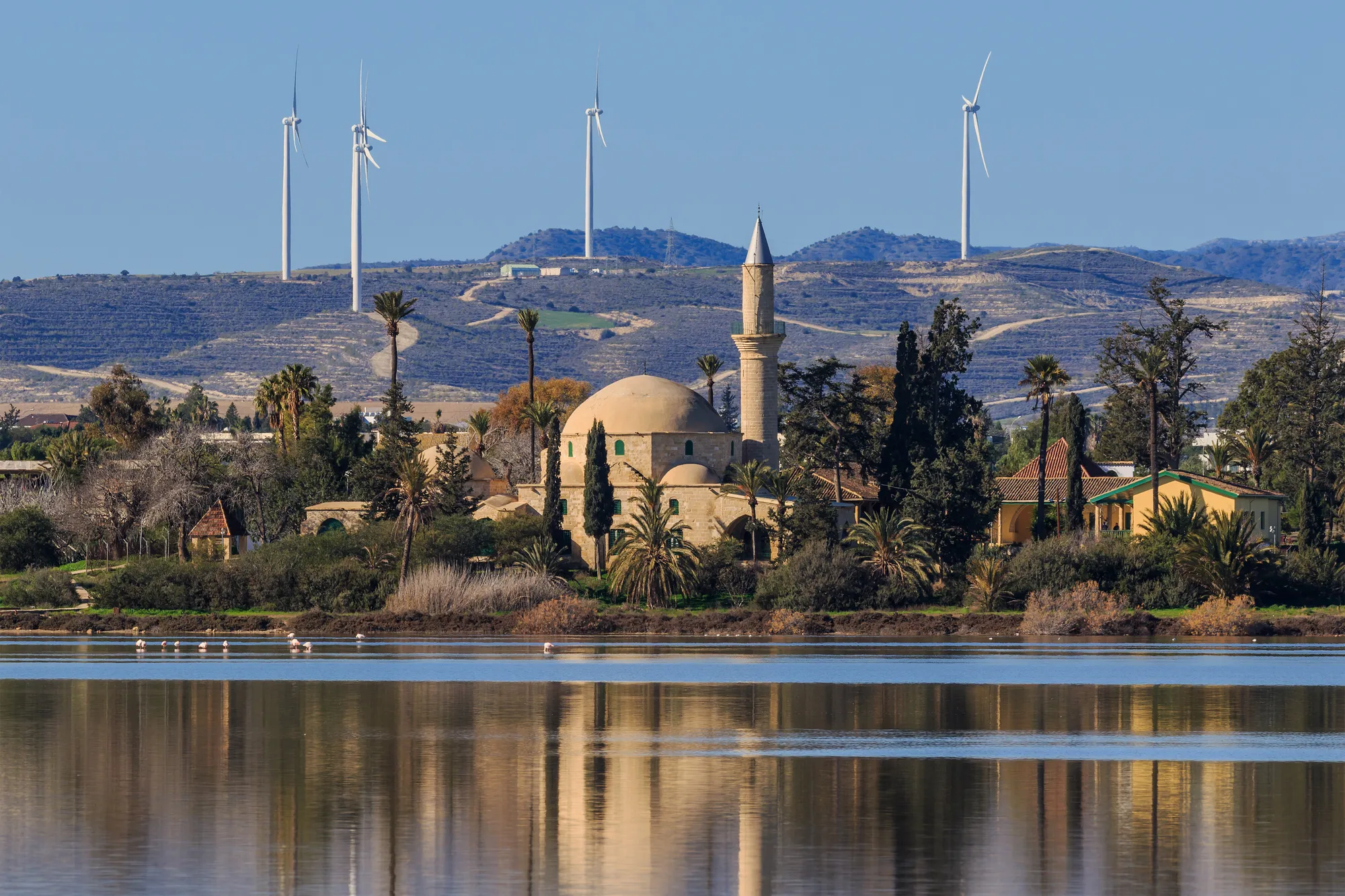
What the island's own records show about sea level, coasts, rainfall and forests in Cyprus from the first farmers to the Hellenistic period.
Map of Cyprus
Places discussed in the talk
- Has a page on this site
- Other places
- Ground above 200, 500, 1,000 m
Places
- 1Ayios Tychonas-Klimonas (approx.)
- 2Parekklisha-Shillourokambos (approx.)
- 3Khirokitia