
Lecture·CAARI Cyprus·2021
Leonardo da Vinci's Alleged Visit to Cyprus in 1481 AD and Its Link to Lefkara
Leonardo da Vinci's legendary visit to Cyprus in 1481 A.D. and its link to Lefkara
Chapters
About the lecture
Robert Merrillees examines the popular story that Leonardo da Vinci visited Cyprus in 1481 during the reign of Queen Caterina Cornaro and bought an altar cloth at Lefkara for Milan Cathedral. Although the tale has appeared on a 1981 Cypriot stamp issue and in official tourism literature, Merrillees shows that there is no contemporary evidence that Leonardo ever visited the island.
The talk first reviews what Leonardo wrote and drew regarding Cyprus. In his notebooks of c. 1508 to 1510, under the heading "Sito di Venere", Leonardo describes Cyprus south of Cilicia as the island of Venus, with pleasant hills and a northern shore covered in shipwrecks. Merrillees argues that the accompanying sketch for a water garden and fountain has no connection with the sanctuary of Aphrodite at Palaepaphos (Kouklia), which remained poorly known in Europe until the 18th century, and that the shipwreck passage reflects Leonardo's late-life interest in storms. Sketch maps in the Codex Atlanticus (c. 1493 to 1494) and two later globes show Cyprus in the north-eastern Mediterranean, drawn from Italian charts and written accounts rather than personal observation. Printed Italian sources available in the 1480s included Santo Brasca's 1481 account of his 1480 pilgrimage, which records Venetian galleys taking marble columns and blocks from the ruins at Paphos as ballast to sell in Venice, Bartolommeo dalli Sonetti's Isolario, and Sir John Mandeville's Travels.
Turning to the lace tradition, Merrillees compares the "Leonardo da Vinci" zigzag motif of Lefkara with the blue-embroidered bands on the tablecloth in Leonardo's Last Supper at Santa Maria delle Grazie in Milan. The painted cloth features heraldic peacocks, trees of life and rosettes in blue stitching, unrelated to geometric Lefkaritika, and any borrowing during the Venetian period would have run from Italian fabrics to Cyprus. Early 20th-century reports by George Jeffery and Menelaos Markides of the Cyprus Museum note Lefkara lace merchants travelling to Europe and carrying on illicit antiquities trading, without mentioning Leonardo.
Merrillees traces the 1481 date to a gap in Leonardo's recorded movements between September 1481 and April 1483, noted by McCurdy in 1928. Governor Ronald Storrs first listed an alleged 1481 visit in his 1930 chronology of Cyprus, and his private secretary Rupert Gunnis added the purchase of Lefkara lace for Milan Cathedral in his 1936 book Historic Cyprus to promote tourism and an indigenous Cypriot craft identity against the Greek Cypriot movement for enosis. A discussion follows on 19th-century stone removal laws, the Lefkara pattern and how museums and guides address popular legends.
Background
Where to read more on this site before or after watching.
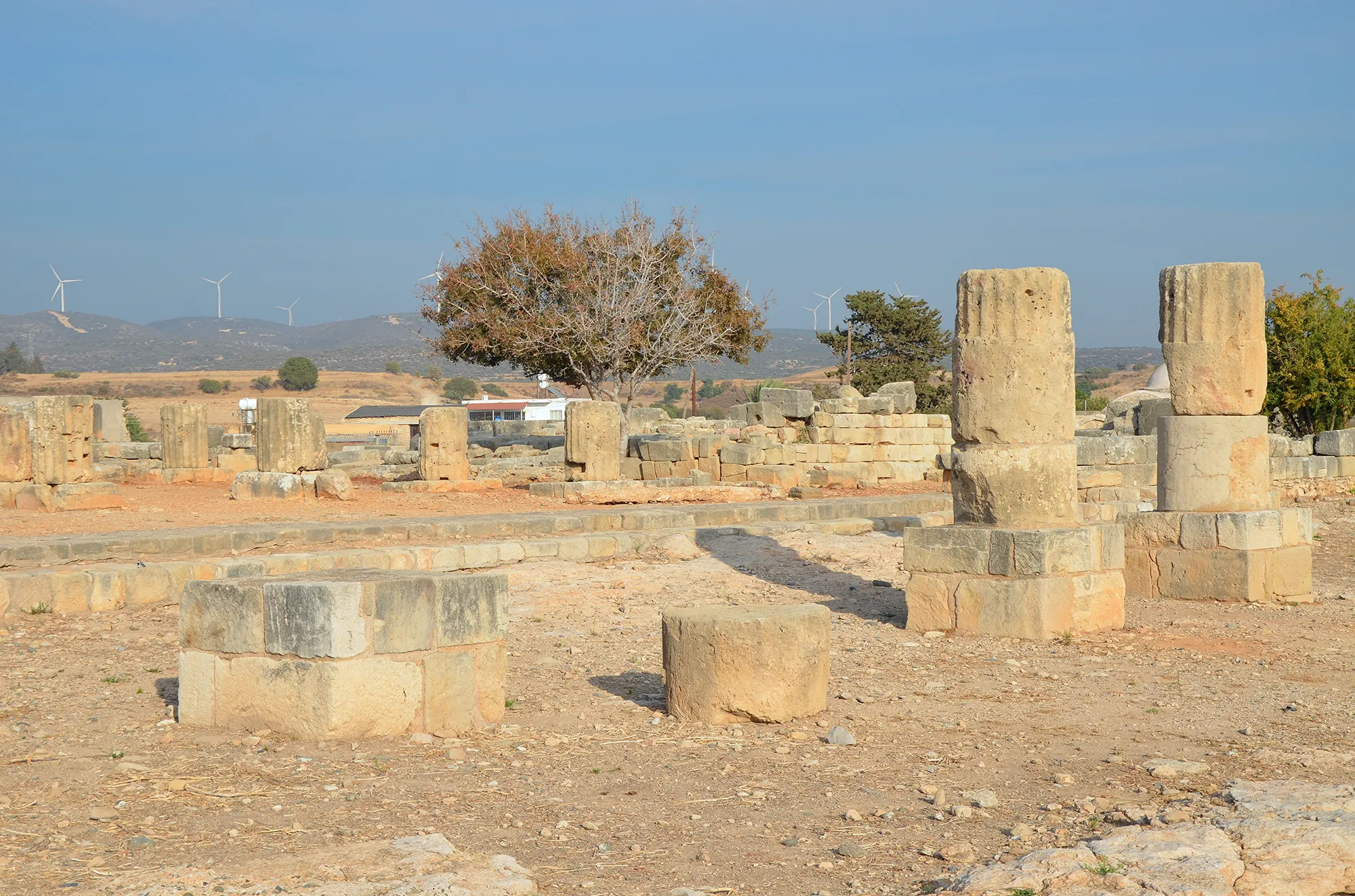
The site
Palaepaphos (Kouklia)
Palaepaphos, Old Paphos, lies under and around the village of Kouklia in western Cyprus. Founded in the Middle Bronze Age, it was the only large town of the south-west until the early Hellenistic period, the seat of the kings of Paphos and the site of the sanctuary of the Paphian goddess, Aphrodite, worshipped here from about 1200 BC to the end of the 4th century AD.
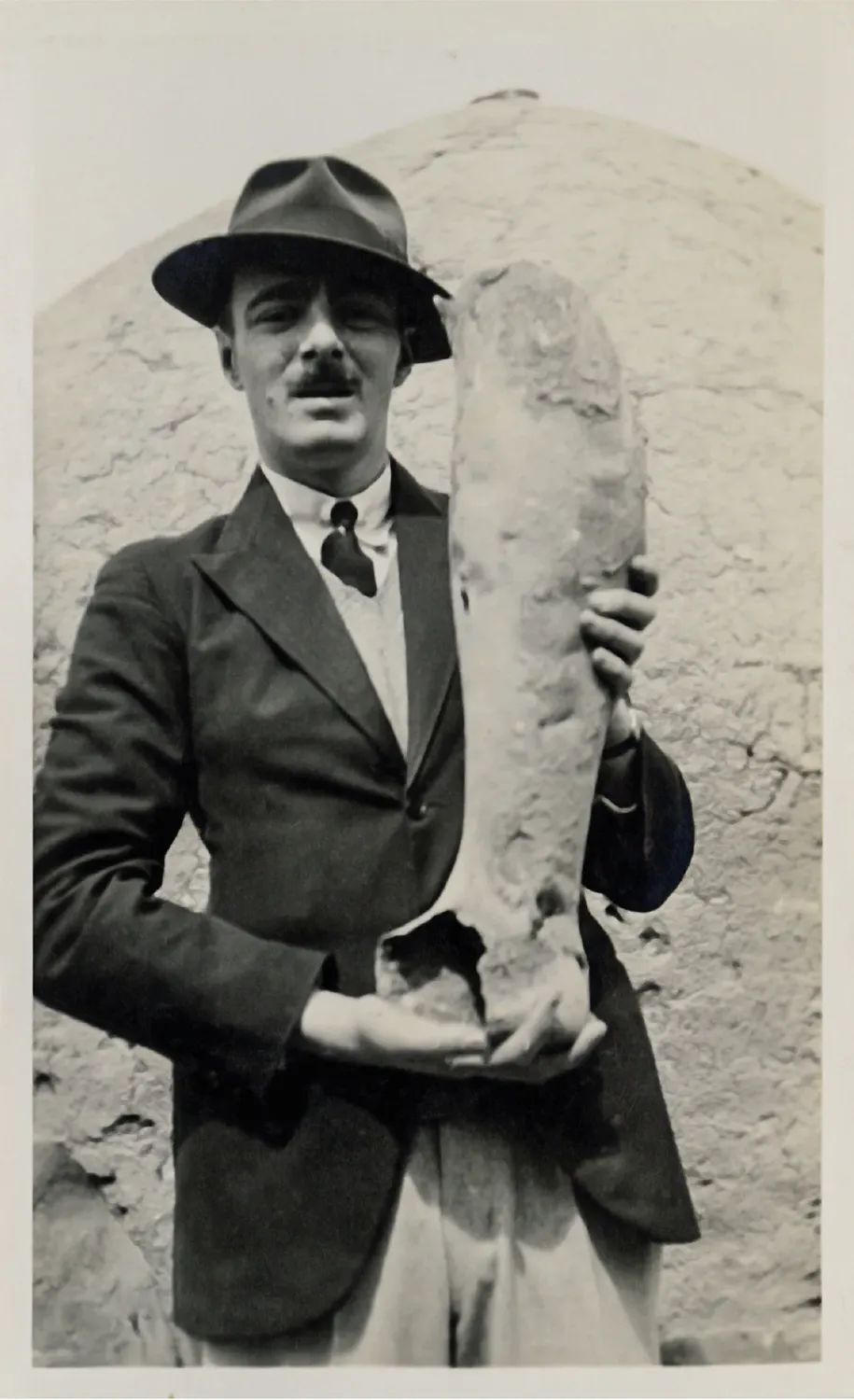
In the compendium
Illicit Digging under British Rule, 1878 to 1960
How unlicensed tomb-digging continued in Cypriot villages under British rule, how the Museum, the police and the Department of Antiquities answered it, and whether the lawful trade encouraged it.