
Conference paper·Archaeological Research Unit - University of Cyprus·2017·In Greek
Study Day on Book 23 of the Iliad: Lines 570–897, Homeric Similes, and Death in Battle
ΗΜΕΡΙΔΑ ΑΦΙΕΡΩΜΕΝΗ ΣΤΗΝ 23 ΡΑΨΩΔΙΑ ΤΗΣ ΙΛΙΑΔΑΣ
Vassos Karageorghis, Michalis Pieris, Antonis Tsakmakis and Maria Ypsilanti
Chapters
About the video
This is the concluding session of a study day in Greek on Book 23 of Homer's Iliad, bringing together philologists and archaeologists at the University of Cyprus.
The session opens with a reading of lines 570 to 897 of Book 23 in D. N. Maronitis's translation, performed by Michalis Pieris and members of the University of Cyprus Theatre Workshop (THEPAK). The passage covers the reconciliation of Menelaus and Antilochus after the chariot race and the remaining funeral games for Patroclus: boxing, wrestling, the footrace, armed combat, throwing the iron mass, archery, and the spear-throw. Vassos Karageorghis interjects archaeological commentary linking Homeric arms and armour to Cypro-Geometric and Cypro-Archaic finds from Cyprus. On the silver-studded sword (xiphos argyroelon) awarded to Diomedes, once compared only to gold-riveted Mycenaean blades, he shows a seventh-century BC sword with silver rivets and hilt-band from Tomb 3 at Salamis, alongside two examples from Tamassos in the Metropolitan Museum of Art. He contrasts the Mycenaean body-shield carried by chariot-borne warriors with the small eighth-century BC round shield found at Palaepaphos, notes the 90-centimetre sword and baldric from Salamis Tomb 3, illustrates Early and Late Geometric bronze helmets from Kouklia, and closes with a bronze spear from Salamis Tomb 3 preserved with its wooden shaft to a length of 2.18 metres.
Antonis Tsakmakis then speaks on Homeric similes and cognitive poetics. Noting the 431 similes in the Iliad and eight extended ones in Book 23, he reviews linguistic arguments that they belong to a younger stratum of the epic tradition and examines how oral poetry uses visualization to hold an audience's attention. Moving beyond Aristotelian models that treat similes as static parentheses of similarity, he applies conceptual blending theory and cognitive framing to two similes from Book 23: the comparison of the wrestlers Ajax and Odysseus to roof rafters fitted by a builder, where the permanence of a house creates tension with the expected end of a match and foreshadows a draw, and the comparison of Antilochus's chariot lead to a youth's discus throw, which complicates the audience's moral judgment of his foul manoeuvre.
Maria Ypsilanti follows with a paper on death in battle in Homer. She examines the imagery of liquidity and vaporization at death, as blood and organs flow downward to the earth while the soul flies away and darkness pours over the warrior's eyes, and considers the paradox of Patroclus's soul descending underground like smoke in Book 23. She then traces the linked duels in which Sarpedon falls to Patroclus, Patroclus to Hector, and Hector to Achilles: four heroes loved by Zeus whose deaths involve divine intervention, parental care for the corpse with ambrosia, and a combination of fate and personal choice that anticipates Greek tragedy.
In the closing assessment and discussion, Karageorghis reflects on the collaboration between philology and archaeology from his excavations at Salamis in the 1960s to his work on the cemeteries of Palaepaphos, and participants discuss interdisciplinary teaching and the humanities.
From our collection
Pieces in the Drakopoulos collection of the kinds and periods this talk covers: Cypro-Geometric, Cypro-Archaic.
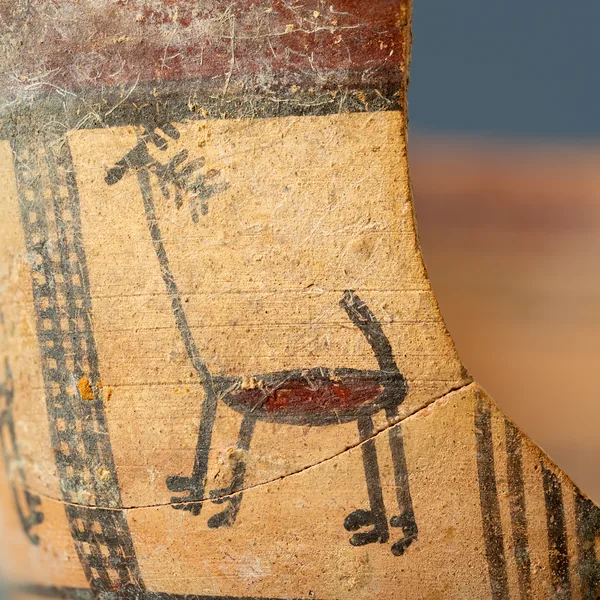
Bichrome Skyphos with Stags in Metopes
Cypro-Archaic
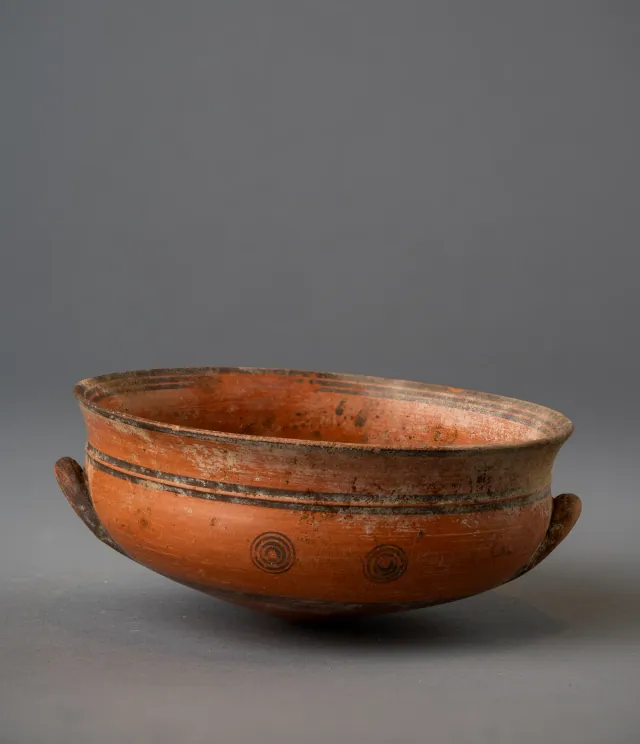
Black-on-Red Two-Handled Bowl with Raised Flaring Rim
Cypro-Archaic
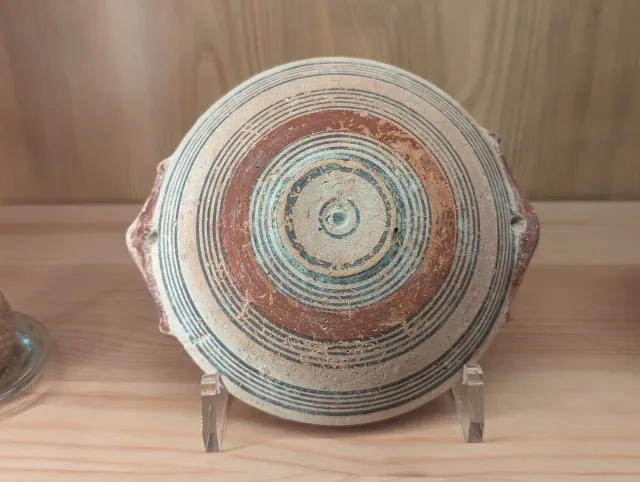
Bichrome IV Bowl with Red-Painted Pierced Lug Handles
Cypro-Archaic
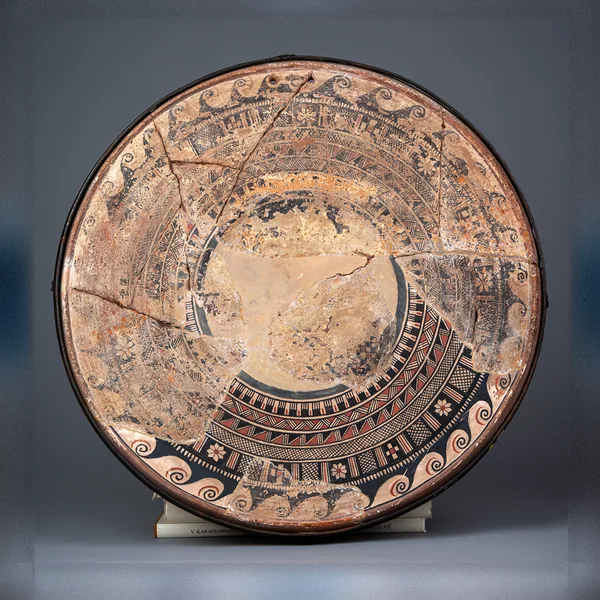
Large Bichrome Plate from Salamis with a Wave Band and Rosette Metopes
Cypro-Archaic
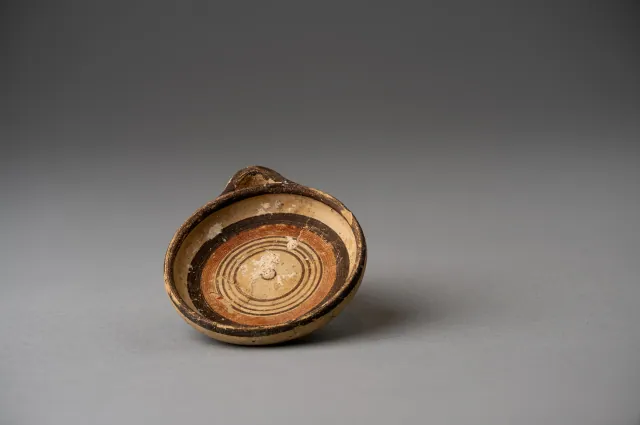
Miniature Bichrome Plate with Concentric Circles
Cypro-Archaic
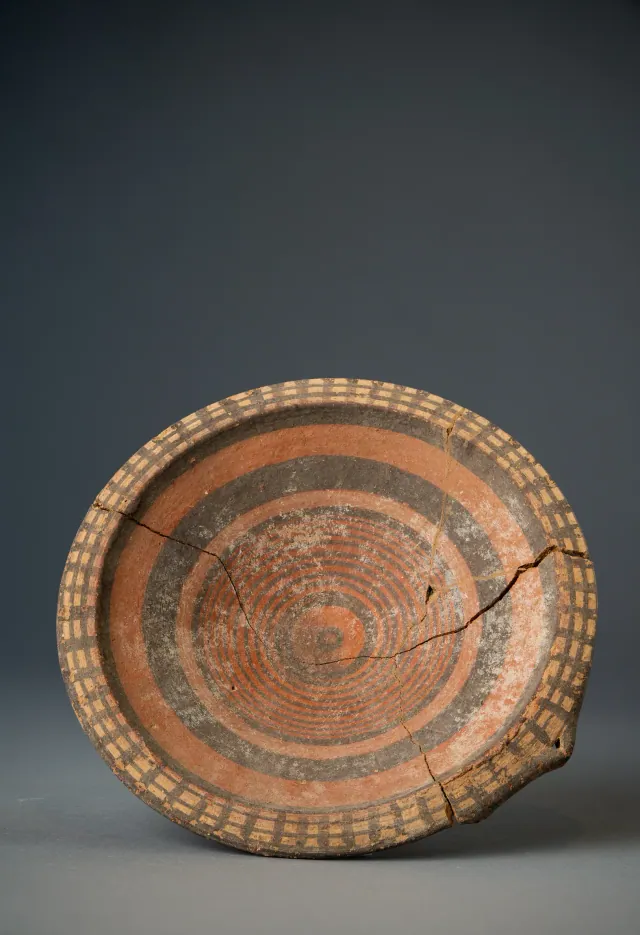
Black-on-Red Plate with Barred Rim and Concentric Circles
Cypro-Archaic
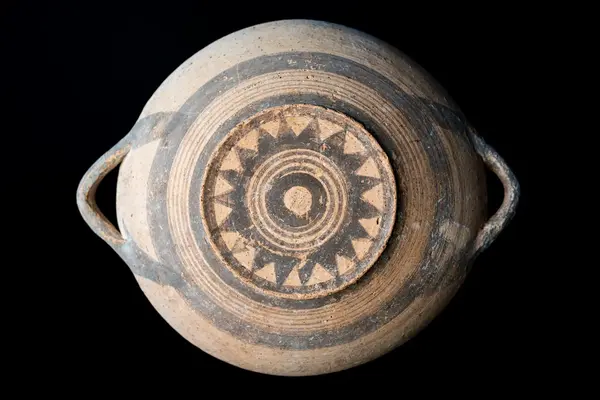
White Painted Plate with a Sawtooth Star on the Underside
Cypro-Geometric
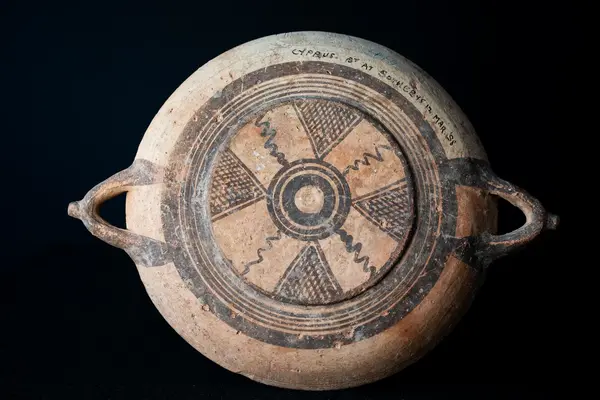
White Painted Plate with Latticed Triangles and Wavy Lines on the Underside
Cypro-Geometric
Found at the places discussed
Objects in our catalogue, in museum collections, recorded as found at these sites.


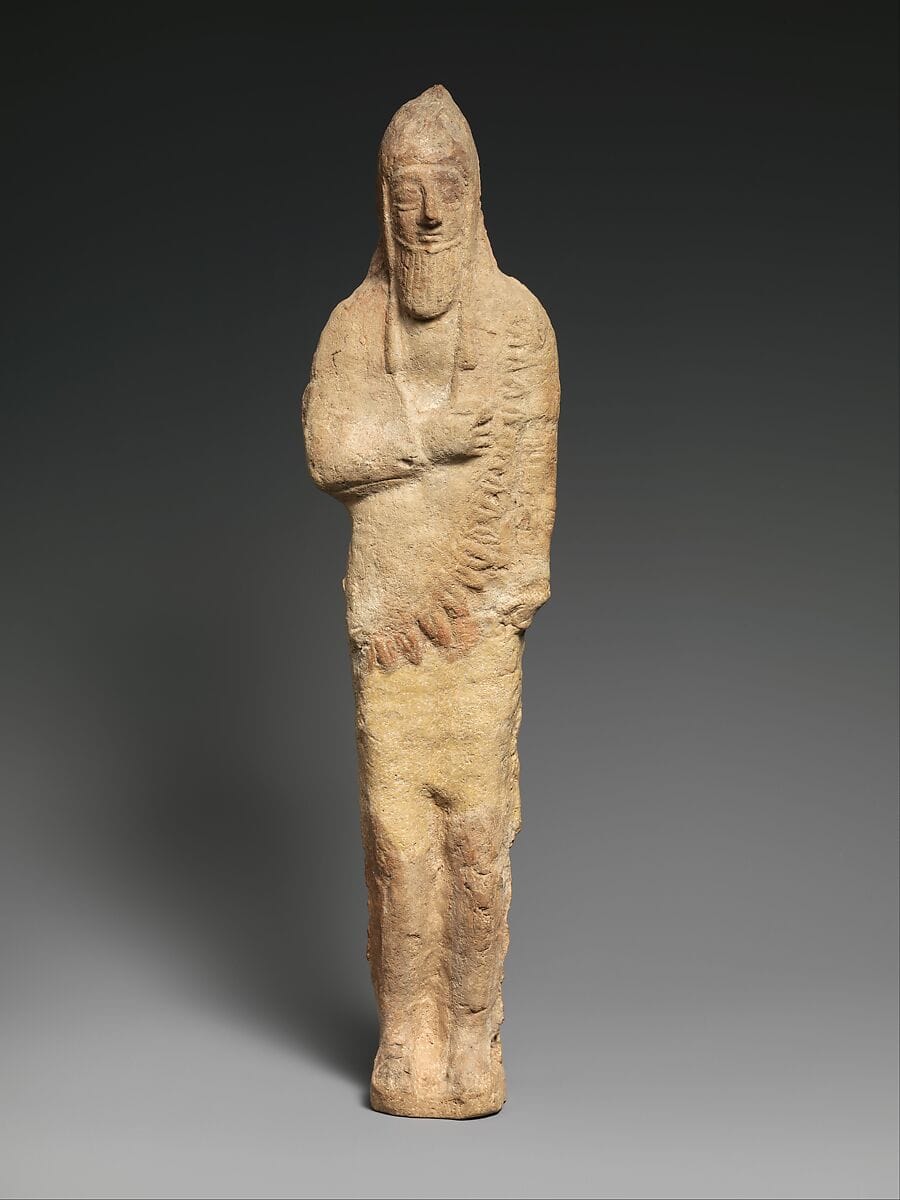

Background
Where to read more on this site before or after watching.
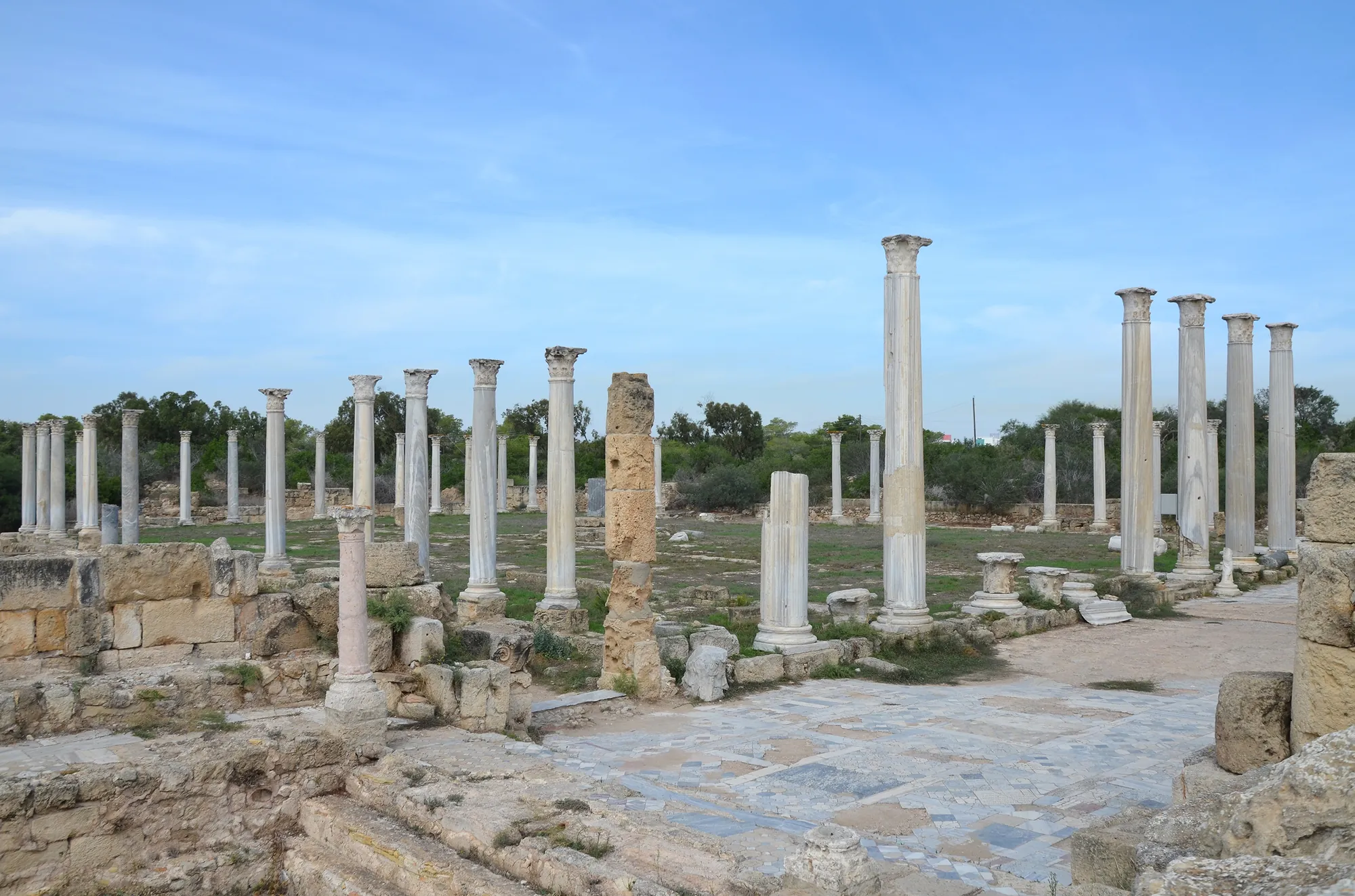
The site
Salamis
A city on the east coast of Cyprus at the mouth of the Pedieos river, founded in the 11th century BC and one of the leading city-kingdoms of the island until 311/310 BC. It is known for the Royal Tombs with their sacrificed horses and chariots, for its Roman gymnasium, baths and theatre, and as Constantia, seat of the bishops of Cyprus from the 4th century AD. The site lies in the north of the island; the Cypriot and French excavations stopped in 1974.
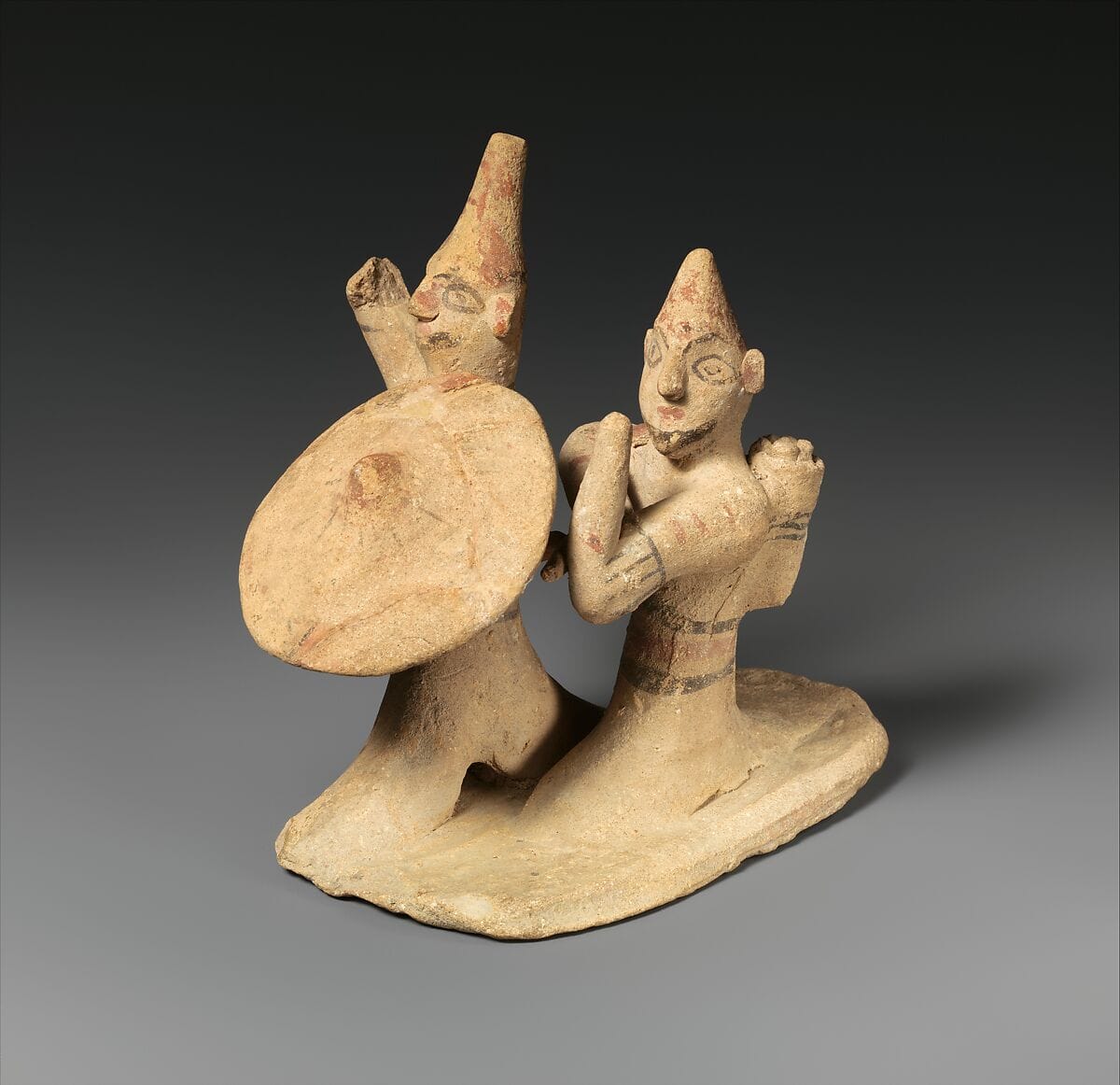
In the compendium
Arms and Armour of Iron Age Cyprus
The iron and bronze weapons, armour and chariots of Cyprus from the first iron daggers of c. 1100–1050 BCE to the end of the city-kingdoms around 310 BCE.
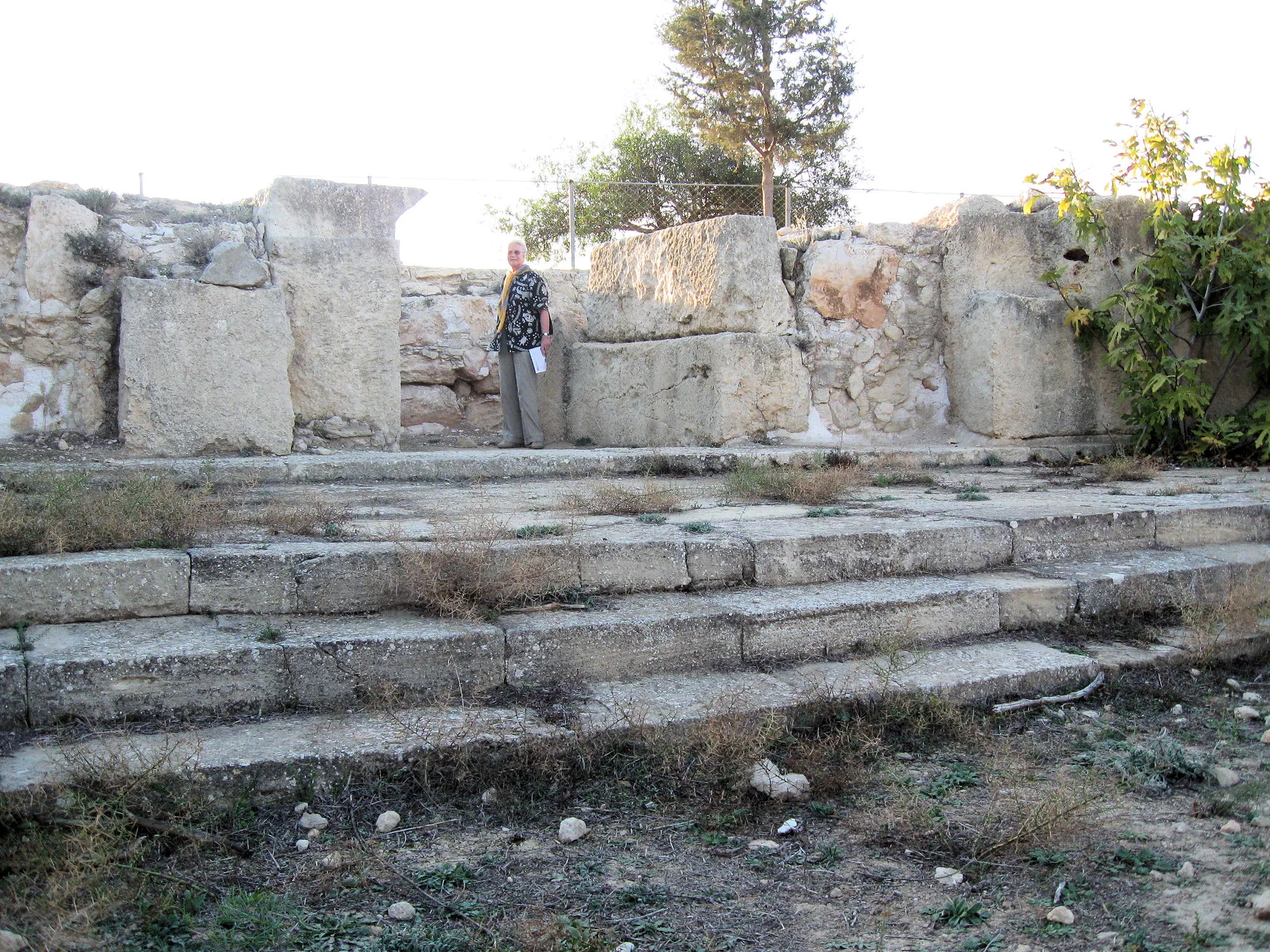
In the compendium
Royal and Built Tombs
Tombs built of cut stone in Cyprus, from the ashlar tombs under Late Bronze Age houses at Enkomi to the royal tombs of Salamis and Tamassos and the rock-cut courts of Nea Paphos.
In the compendium
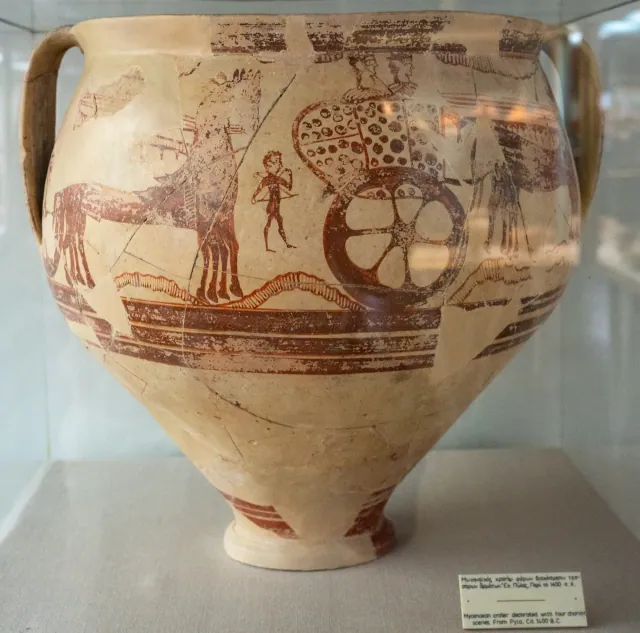
The Mycenaeans and Cyprus
The palatial Late Bronze Age societies of mainland Greece, whose pottery flooded Cypriot coastal towns in the 14th and 13th centuries BCE.
Map of Cyprus
Places discussed in the talk
- Ground above 200, 500, 1,000 m
Places