
Lecture·Archaeological Research Unit - University of Cyprus·2018·In Greek
The Aegean and Cyprus in the Maritime Trade of the Second Millennium BC
Το Αιγαίο και η Κύπρος στο θαλάσσιο εμπόριο της 2ης χιλιετίας π.χ.
Chapters
About the lecture
Speaking in Greek, Nikolas Papadimitriou of the Museum of Cycladic Art examines the maritime exchange networks connecting the Aegean, Cyprus, the Levant and Egypt during the second millennium BC. He begins by questioning what "trade" meant in pre-monetary societies, distinguishing commercial profit-driven transactions, attested in archives from Kültepe and Ugarit, from royal gift exchange and diplomatic reciprocity documented in the 14th-century BC Amarna letters.
Dividing the millennium into four phases based on Aegean political history, Papadimitriou compares the distribution of Aegean and Cypriot pottery across the eastern Mediterranean. During the Minoan Protopalatial and Neopalatial periods, from the 19th to the 16th century BC, Aegean ceramic exports to the east were rare and consisted mostly of open tableware, with only a small group found at Toumba tou Skourou. By contrast, Cyprus began exporting hundreds of juglets containing perfumed oils to the Syro-Palestinian coast and Egypt at the end of the Middle Bronze Age, expanding further in the 15th and 14th centuries BC.
This picture changed in the late 14th and 13th centuries BC with the rise of the Mycenaean palaces. Over 6,500 Aegean vessels of this phase have been found in the eastern Mediterranean, mostly closed shapes such as stirrup jars and flasks for oil and wine, alongside Argive pictorial kraters made for export. Many Aegean pots found in Cyprus and the Levant bear post-firing Cypro-Minoan marks, studied by Nicolle Hirschfeld, indicating that Cypriot merchants or ports handled their distribution. In Egypt, where such marks are rare on Aegean vessels, trade may have been direct as Cypriot imports declined amid tensions between Egypt and the Hittite Empire.
Papadimitriou then turns to non-ceramic imports at Enkomi, Hala Sultan Tekke and Kition, Bronze Age shipwrecks, and textual evidence. Contrasting the mixed royal cargo of the Uluburun wreck with single-cargo wrecks such as Cape Gelidonya, Point Iria and Pseira, he argues that high-level exchanges of copper, tin, silver, glass and ivory operated largely separately from the trade in packaged oils and pottery until the late 14th century BC. He suggests that Lavrion silver, attested by lead-isotope analysis on silver ingots from Pyla, was the primary raw material the Aegean offered in return, and concludes that Cyprus acted both as the main partner for the Mycenaean economy and as a political filter between the Aegean and Hittite-controlled Syria. A substantial discussion follows on textiles in the Kültepe archives, sailing distances and winds, the Philistines, Minoan sealings on Samothrace, and the Thera eruption.
From our collection
Pieces in the Drakopoulos collection of the kinds and periods this talk covers: Mycenaean pottery, Middle Cypriot (Middle Bronze Age), Late Cypriot (Late Bronze Age).
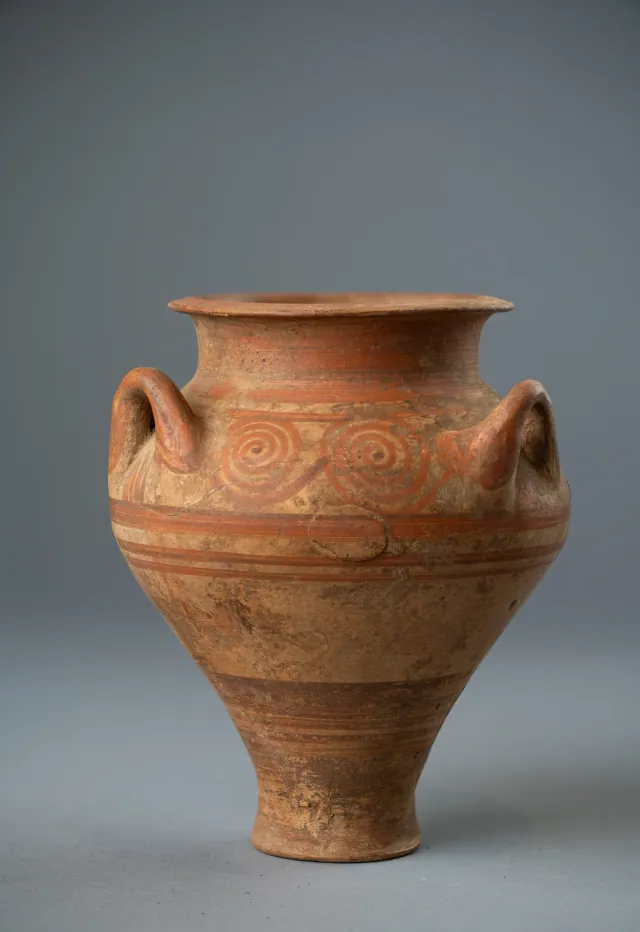
Cypriot Three-Handled Jar in the Mycenaean Style with Running Spirals
Mycenaean pottery
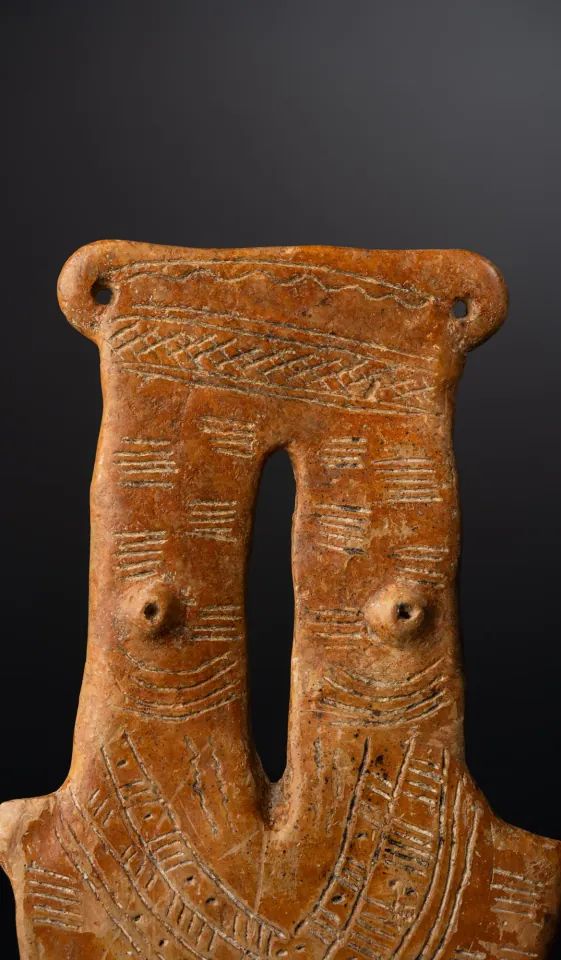
Red Polished Two-Necked Plank Figure
Middle Cypriot (Middle Bronze Age)
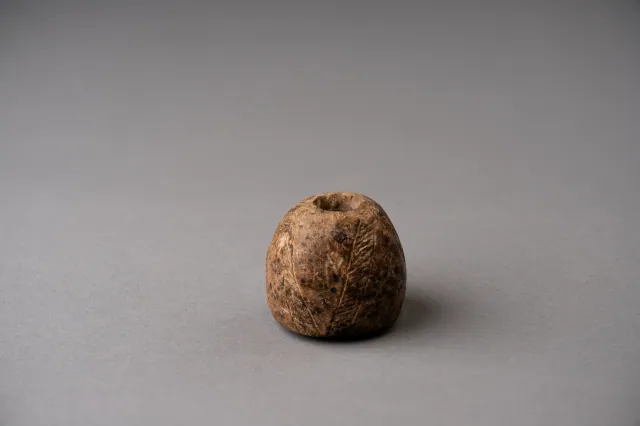
Spindle Whorl with Incised Herringbone Bands
Middle Cypriot (Middle Bronze Age)
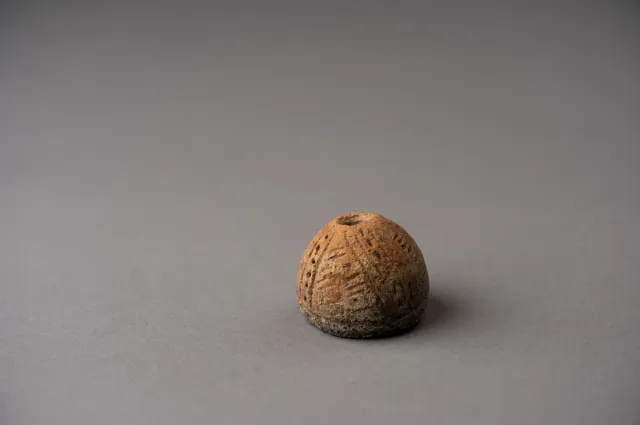
Red Polished Spindle Whorl with Incised Lattice and Dotted Bands
Middle Cypriot (Middle Bronze Age)
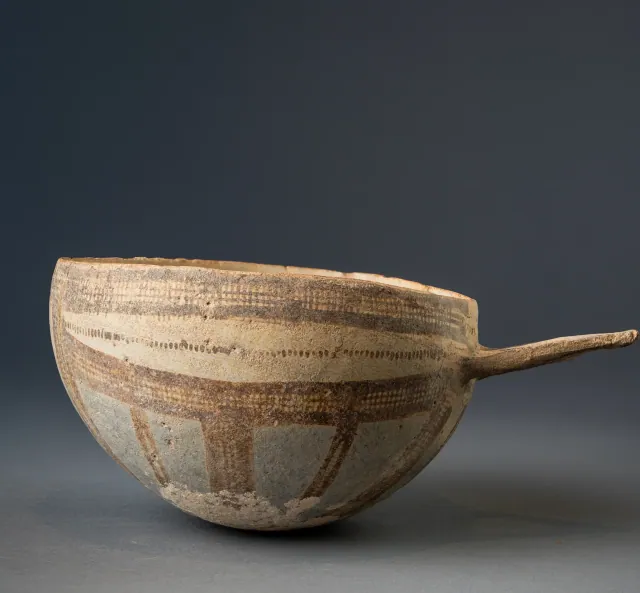
White Slip II Hemispherical Bowl with Wishbone Handle
Late Cypriot (Late Bronze Age)
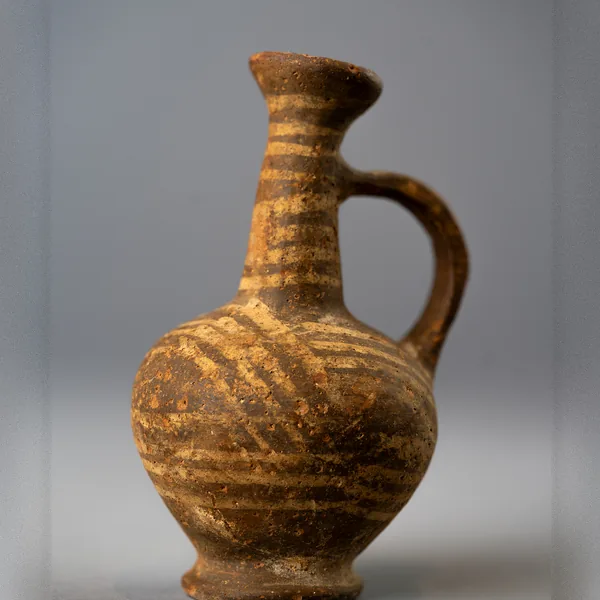
Base Ring II Bilbil Juglet with White-Painted Bands
Late Cypriot (Late Bronze Age)
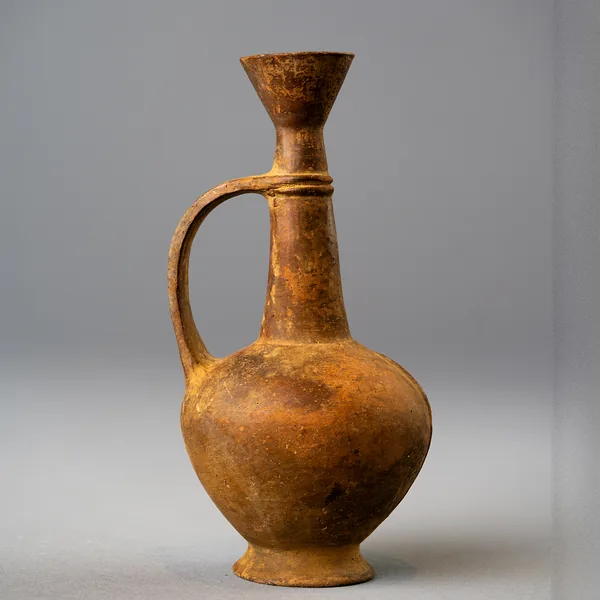
Base Ring Bilbil Juglet with Funnel Mouth and Neck Ridge
Late Cypriot (Late Bronze Age)
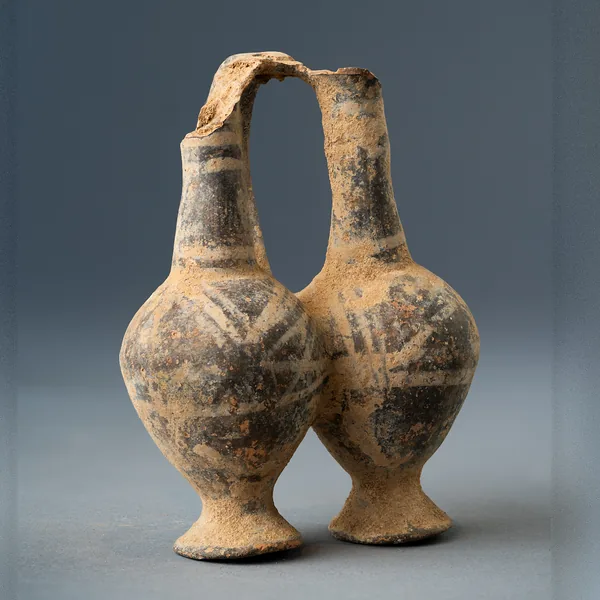
Base Ring II Double Juglet with White-Painted Decoration
Late Cypriot (Late Bronze Age)
Found at the places discussed
Objects in our catalogue, in museum collections, recorded as found at these sites.
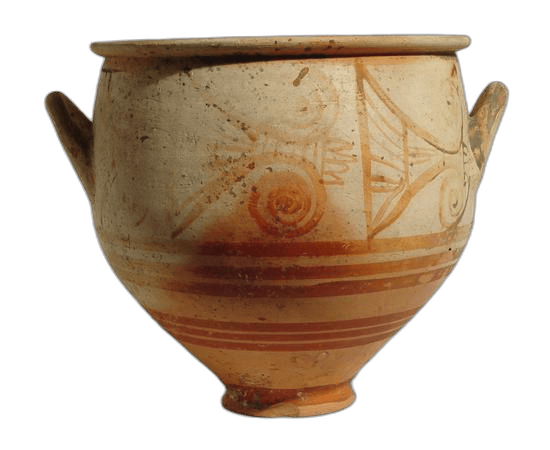
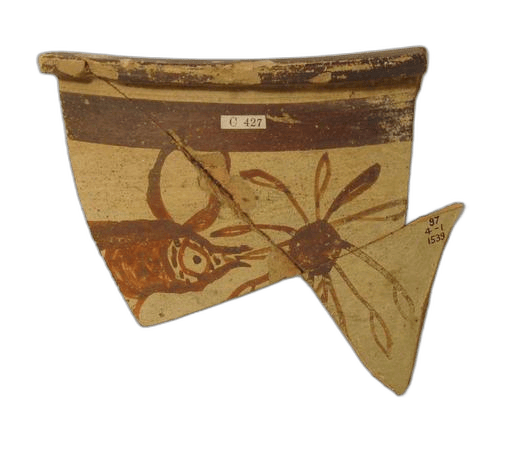
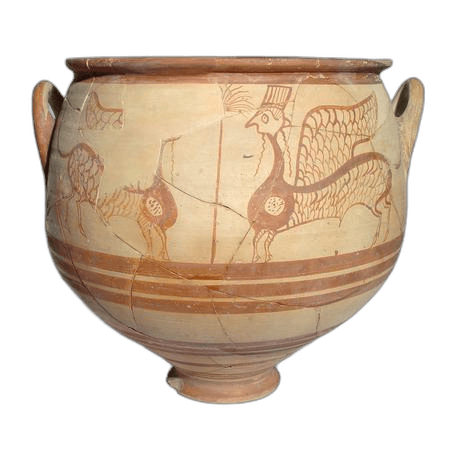
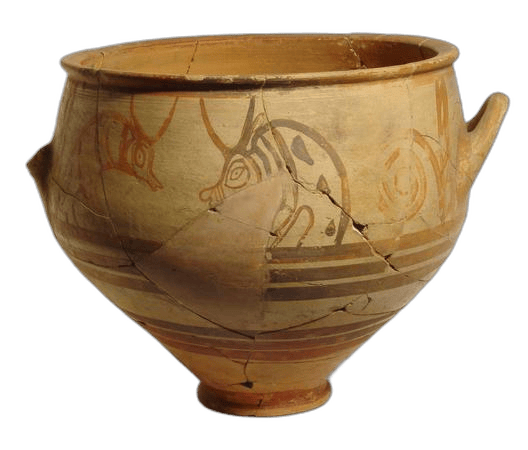
Background
Where to read more on this site before or after watching.
The site
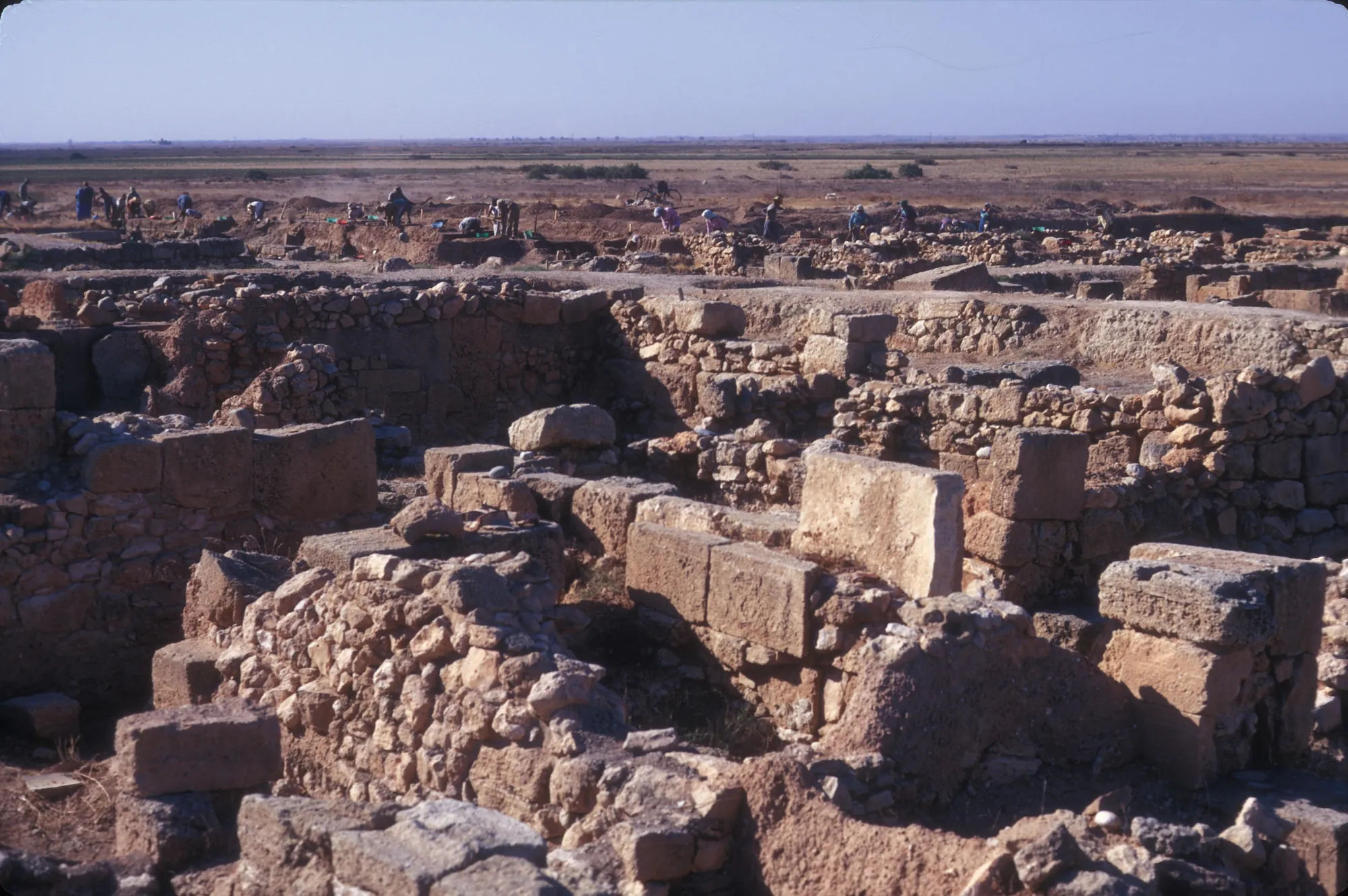
Enkomi
Enkomi is a walled Late Bronze Age town near the mouth of the Pedieos river on the bay of Famagusta, lived in from about 1650 BC until it was gradually abandoned for nearby Salamis. It was a port for Cypriot copper, and its excavations produced metal workshops, sanctuaries with bronze cult statues, rich tombs and the largest group of Cypro-Minoan inscriptions on the island.
In the compendium
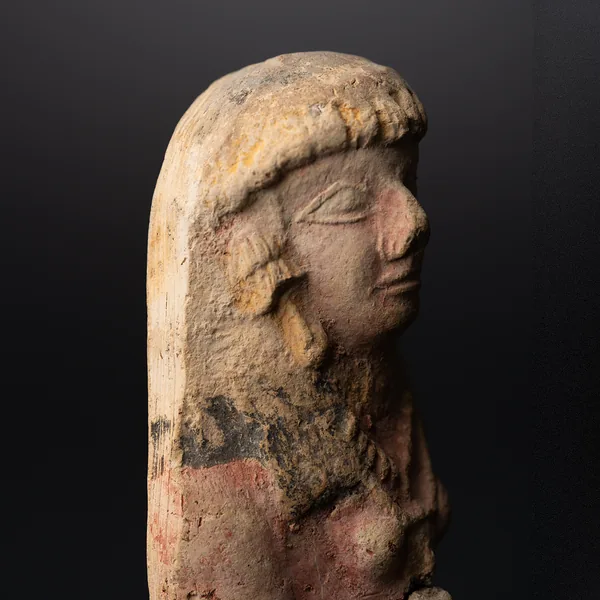
Egypt
Ancient Egypt, Cyprus's partner in copper, pottery and prestige goods from the Middle Kingdom to the Ptolemies, who annexed the island.
In the compendium
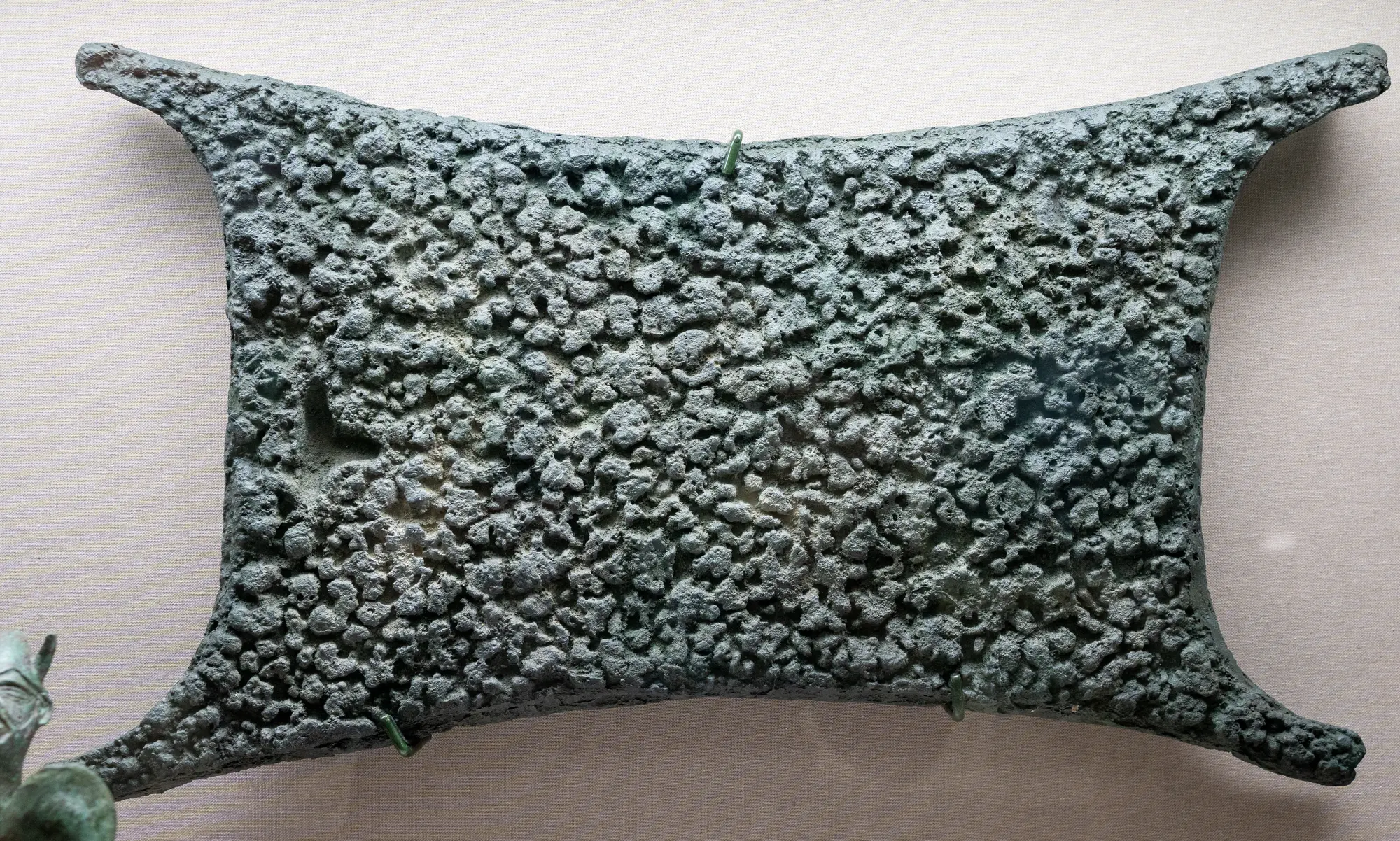
Hittite Empire and Cyprus
The Late Bronze Age Anatolian empire that claimed Alashiya as a tributary but left almost no material trace on Cyprus.
In the compendium
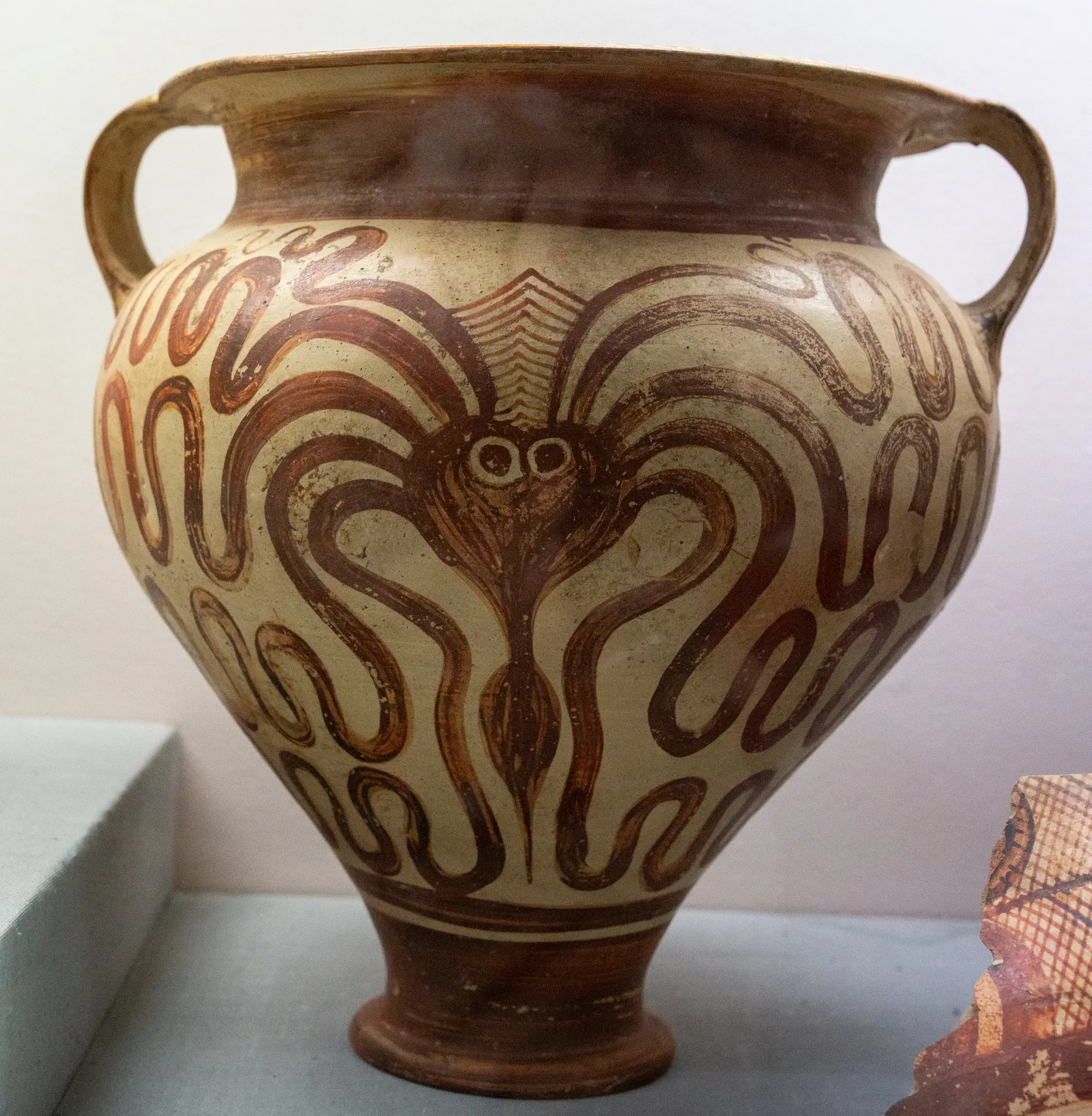
The Minoans
The palatial Bronze Age civilization of Crete, which took Cypriot copper and passed writing to Cyprus in the early Late Bronze Age.
Map of Cyprus
Places discussed in the talk
- Has a page on this site
- Other places
- Ground above 200, 500, 1,000 m