
Conference paper·Archaeological Research Unit - University of Cyprus·2017·In Greek
Innovative Educational Programmes in Museums: Bank of Cyprus Cultural Foundation, Leventis Gallery and Concluding Remarks
Καινοτόμα Εκπαιδευτικά Προγράμματα και Δραστηριότητες σε Μουσεία, Ερευνητικά Ιδρύματα και άλλους Φορείς Πολιτισμού
Ioanna Hadjicosti, Despo Pasia, Katerina Stephanidou and Theodora Demetriou
Chapters
About the video
This is the fifth and final part of a study day given in Greek on educational programmes and activities in museums, research institutes, and cultural organisations, held at the University of Cyprus in November 2017.
The recording opens during a paper by Ioanna Hadjicosti on the educational work of the Bank of Cyprus Cultural Foundation. She reviews past exhibitions, art workshops with Maria Loizidou in the George and Nefeli Giabra Pierides Collection, and early digital tools such as a 2010 numismatic application and the interactive sherd installation "Speira". After summarising international research on how children learn in museums through object-based play, dialogue, and family participation, she introduces the Foundation's new programme series for 2017–2018, titled "It Is Not a School" (Δεν Είναι Σχολείο). The eight school programmes cover modern and Cypriot art, world music with the British Council, hands-on archaeology with Elisavet Stefani and the Department of History and Archaeology of the University of Cyprus, the Homeric world with University College London, ancient Cypriot food and diet in collaboration with the Cyprus Food and Nutrition Museum, and 20th-century economic history using the Bank of Cyprus Historical Archive.
Despo Pasia then presents a new programme developed for the Foundation's Museum of the History of Cypriot Coinage for ages 11 to 14. Drawing on a survey of museum education in Cyprus carried out with Chrystalla Antoniou, she explains how the team, including numismatist Evangeline Markou, engineer Grigoris Nikolaou, and archaeologist Despina Catapoti, uses the coin collection to examine wider concepts of value and collective identity, incorporating augmented reality to make small coins legible and 3D printing so students can mint their own designs. A brief intervention from the floor clarifies the structure of the ancient food programme.
Katerina Stephanidou and Theodora Demetriou next present the educational programmes of the A. G. Leventis Gallery, which opened in Nicosia in 2014 housing Cypriot, Greek, and European art collections formed by Anastasios G. Leventis. They describe the creation of their dedicated creative learning spaces and their approach to balancing digital tools inside the galleries with personal human interaction and Howard Gardner's theory of multiple intelligences. Using the primary-school programme "Little Creators" as an example, they show how children engage with marine paintings through non-verbal movement, sensory imagination, and painting, before outlining family Sundays, museum sleepovers, light-painting photography, and animation workshops on the Cypriot collection.
Following a discussion on gender balance in creative workshops and the role of school visits, Nikos Papadimitriou of the Museum of Cycladic Art delivers the concluding remarks of the conference. He synthesises the day's twenty papers around the shift from objects to dynamic knowledge, social inclusion, the risks of commercialising museum entertainment, qualitative evaluation, and the impact of digital communication. Vasiliki Kassianidou closes the event.
Background
Where to read more on this site before or after watching.
In the compendium
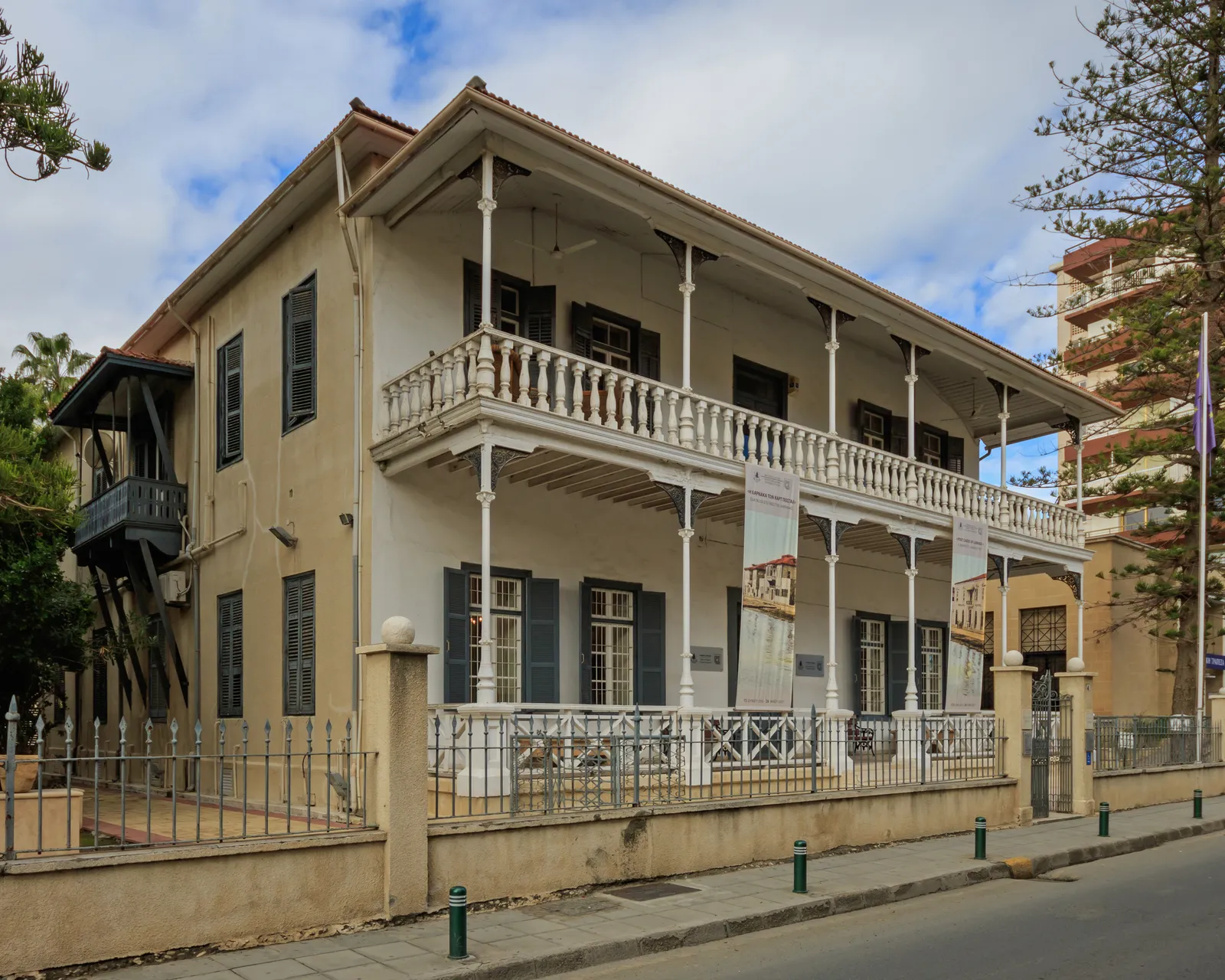
The Island Collections: Private Collections Formed on Cyprus and What Became of Them
The registered private collections formed on Cyprus (Pierides, Giabra Pierides, Severis, Phylactou, Lyssarides, Hadjiprodromou, Hadjiloizides, Palma), how they were formed, and their present homes.
In the compendium
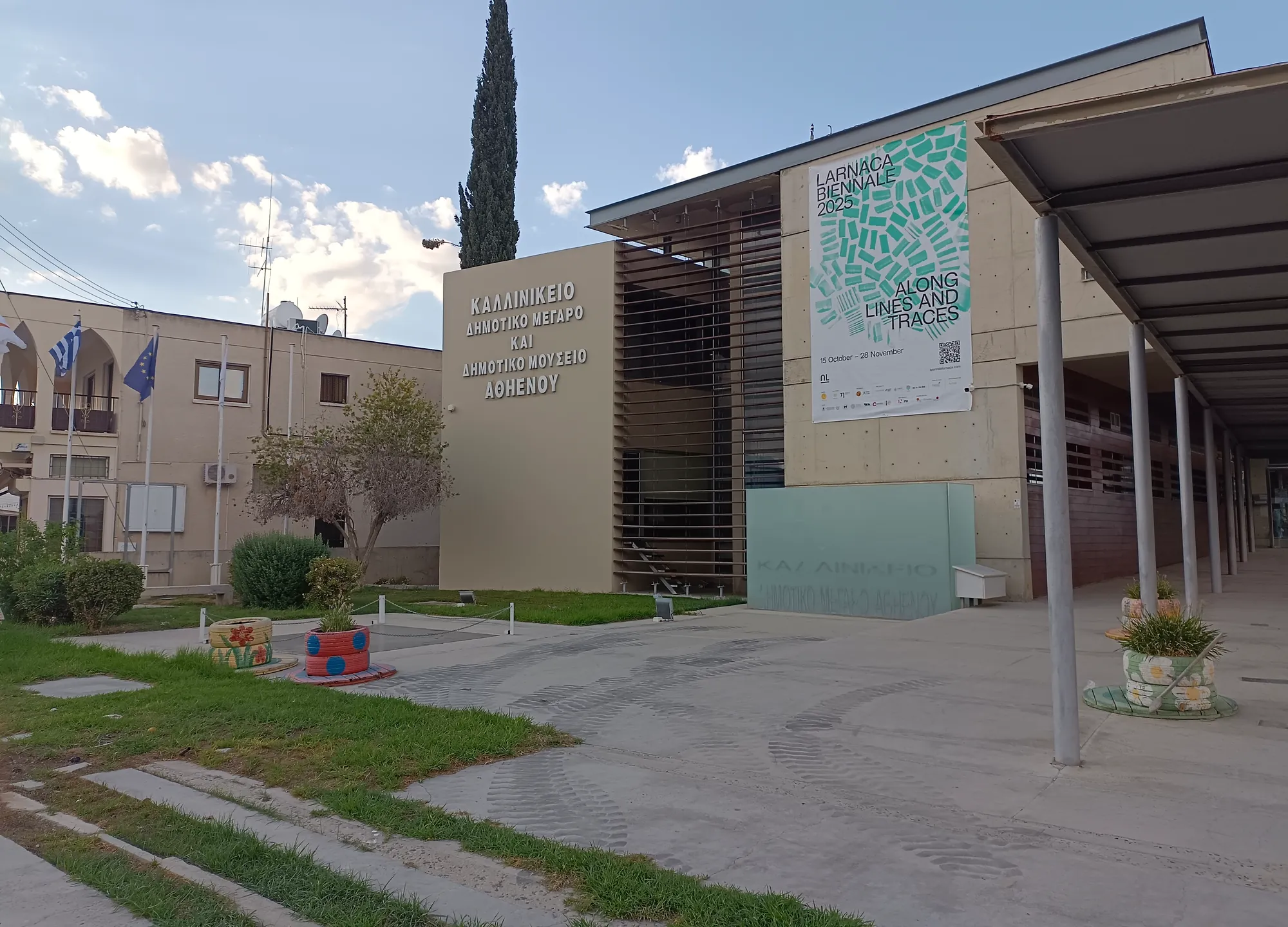
Collections That Became Museums: Private Collections on Cyprus and Their Public Homes after 1974
How the island's private collections became public after 1974, by gift, loan, foundation and purchase, in date order, under the law on declared possession.
In the compendium
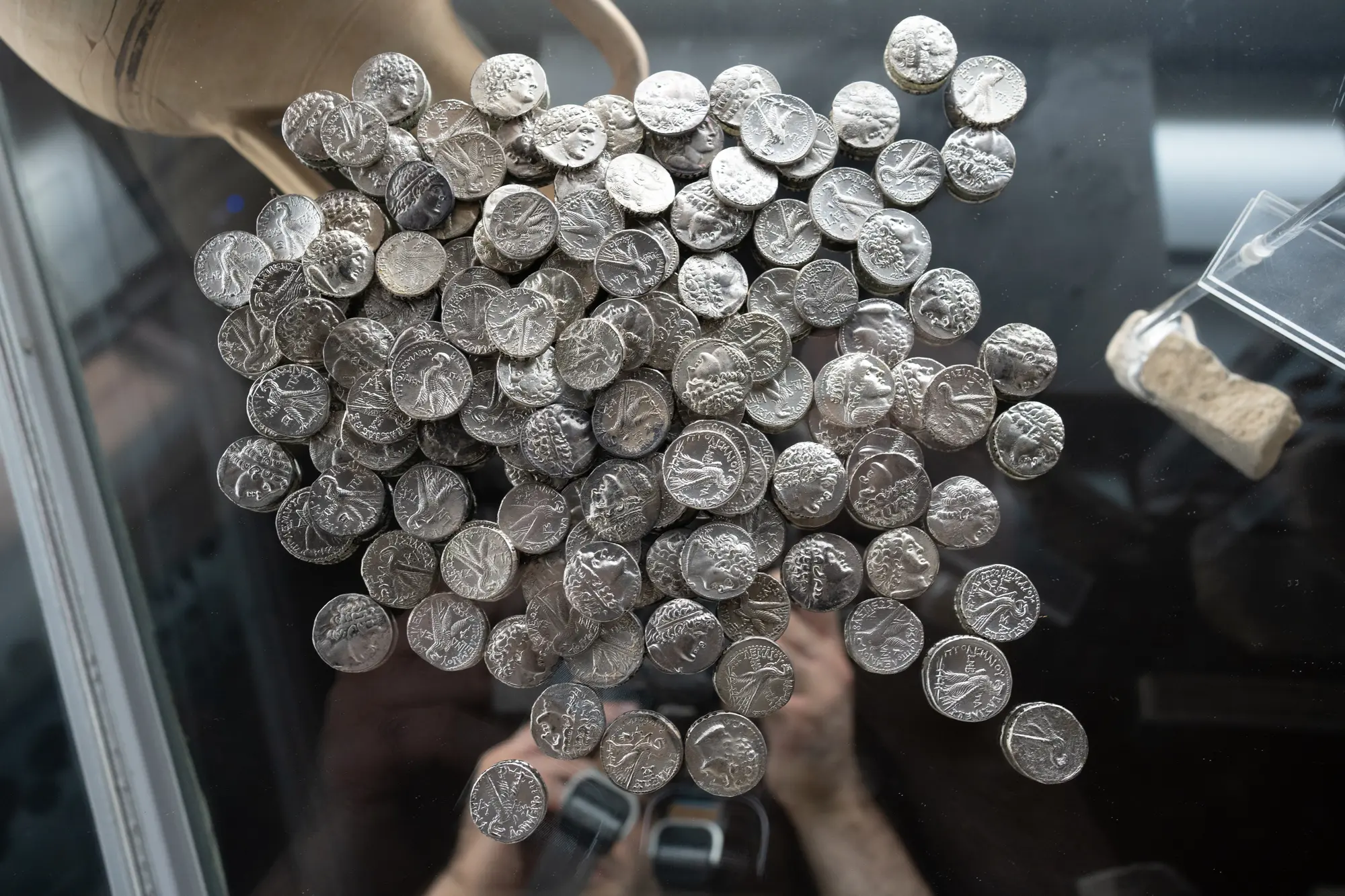
Coins of Ancient Cyprus
The coins struck in Cyprus from the late sixth century BCE by the city-kingdoms, then by Alexander, the Ptolemies and Rome, and what they record.