
Conference paper·CAARI Cyprus·2021
Cypriot Antiquities in the Antipodes: The Diaspora of Cypriot Material Culture to Australia during the Era of British Colonialism
Chapters
About the video
Craig Barker of the University of Sydney examines the movement of Cypriot antiquities to Australia during the British colonial period and sets the growth of Cypriot archaeology at Sydney against colonial attitudes to Indigenous Australian history.
Barker begins with British settlement in New South Wales in 1788 on Gadigal land and notes how nineteenth-century colonial society imported classical architecture and Mediterranean antiquities while marginalizing First Nations people and ignoring Indigenous archaeology. Following the British occupation of Cyprus in 1878, Australian newspapers reported regularly on the island. An 1879 Adelaide newspaper cited Cyprus's antiquities as a justification for British control, and regional papers over subsequent decades covered the Cyprus Exploration Fund at Palaepaphos, the Swedish Cyprus Expedition, and the discovery of the bronze statue of Septimius Severus now in the Cyprus Museum.
Barker contrasts this appetite for Mediterranean archaeology with the views of Charles Nicholson, who founded the Nicholson Museum at the University of Sydney, and Arthur Dale Trendall. After World War II, Australian institutions exchanged Aboriginal artefacts with European museums for prehistoric and Egyptian material, while James Stewart and Alexander Cambitoglou later opposed the teaching of Aboriginal archaeology at Sydney.
The second half of the paper traces how the Nicholson Collection, now part of the Chau Chak Wing Museum and catalogued by Jenny Webb, acquired more than 2,500 Cypriot objects. The earliest Cypriot antiquity known to have reached Australia is an alabaster-shaped jar donated by Nicholson in 1860. In the 1920s the museum purchased twenty-four objects from the Cesnola collection deaccessioned by the Metropolitan Museum of Art, documented by a 1927 price list in Melbourne. When Trendall established Sydney's Department of Archaeology after World War II, with financial support from Walter Beasley, he recruited Stewart, who had excavated at Vounous in 1937 and 1938 with his first wife Eleanor. With Stewart's appointment came the 1947 Cambridge loan, arranged between Trendall and A. W. Lawrence: six cases containing at least 160 objects from the Fitzwilliam Museum and the Museum of Archaeology and Anthropology, including material from Tamassos, Henry Bulwer, F. H. H. Guillemard, the Ransom family, and the Cyprus Exploration Fund.
Background
Where to read more on this site before or after watching.
The site
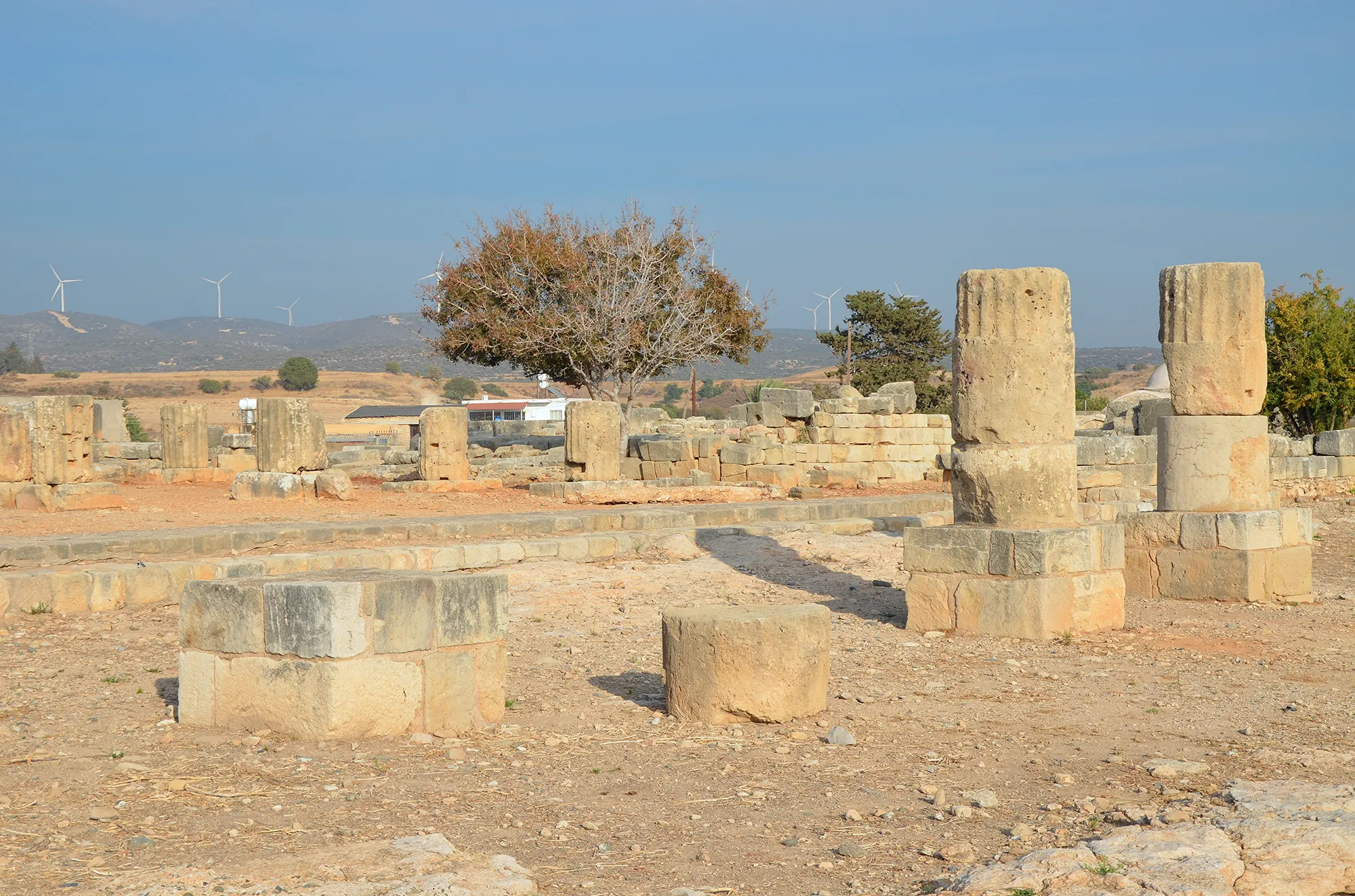
Palaepaphos (Kouklia)
Palaepaphos, Old Paphos, lies under and around the village of Kouklia in western Cyprus. Founded in the Middle Bronze Age, it was the only large town of the south-west until the early Hellenistic period, the seat of the kings of Paphos and the site of the sanctuary of the Paphian goddess, Aphrodite, worshipped here from about 1200 BC to the end of the 4th century AD.
In the compendium
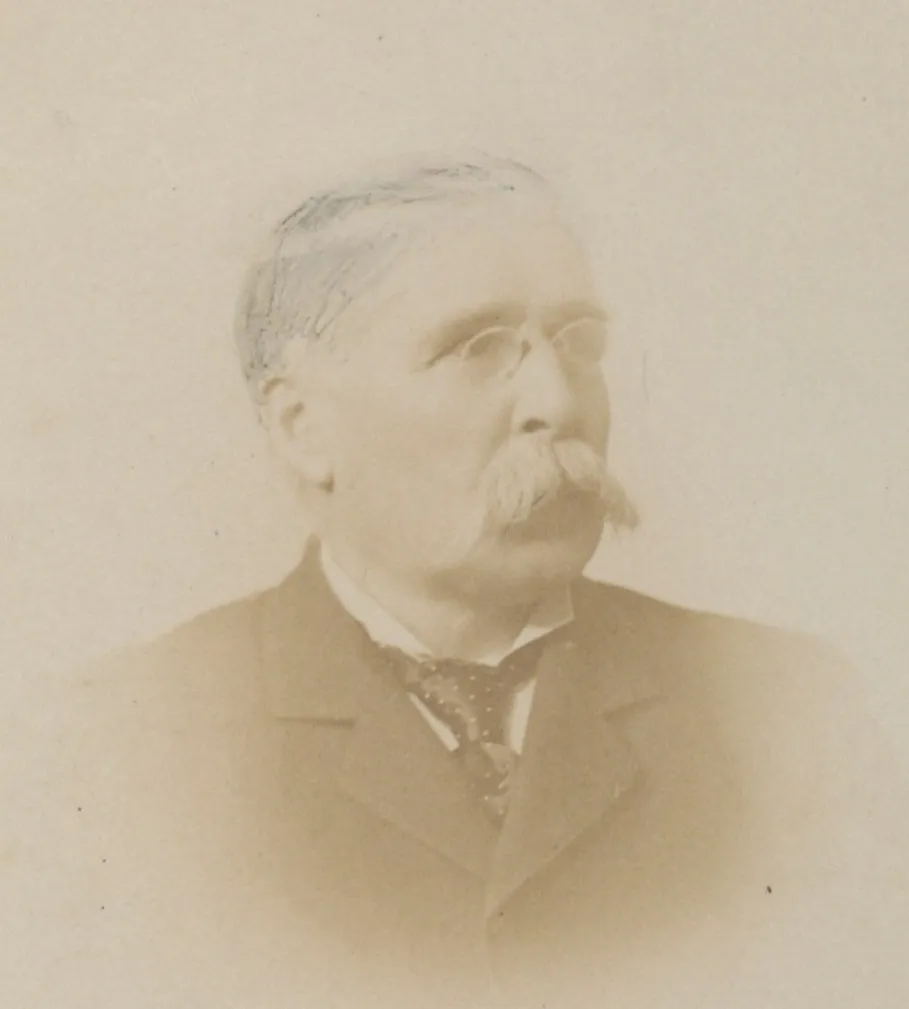
Luigi Palma di Cesnola: The Largest Export of Cypriot Antiquities
The American consul whose roughly 35,000 objects left Cyprus under Ottoman firmans for the Metropolitan Museum, and what his digging and sales mean for the trade.
In the compendium
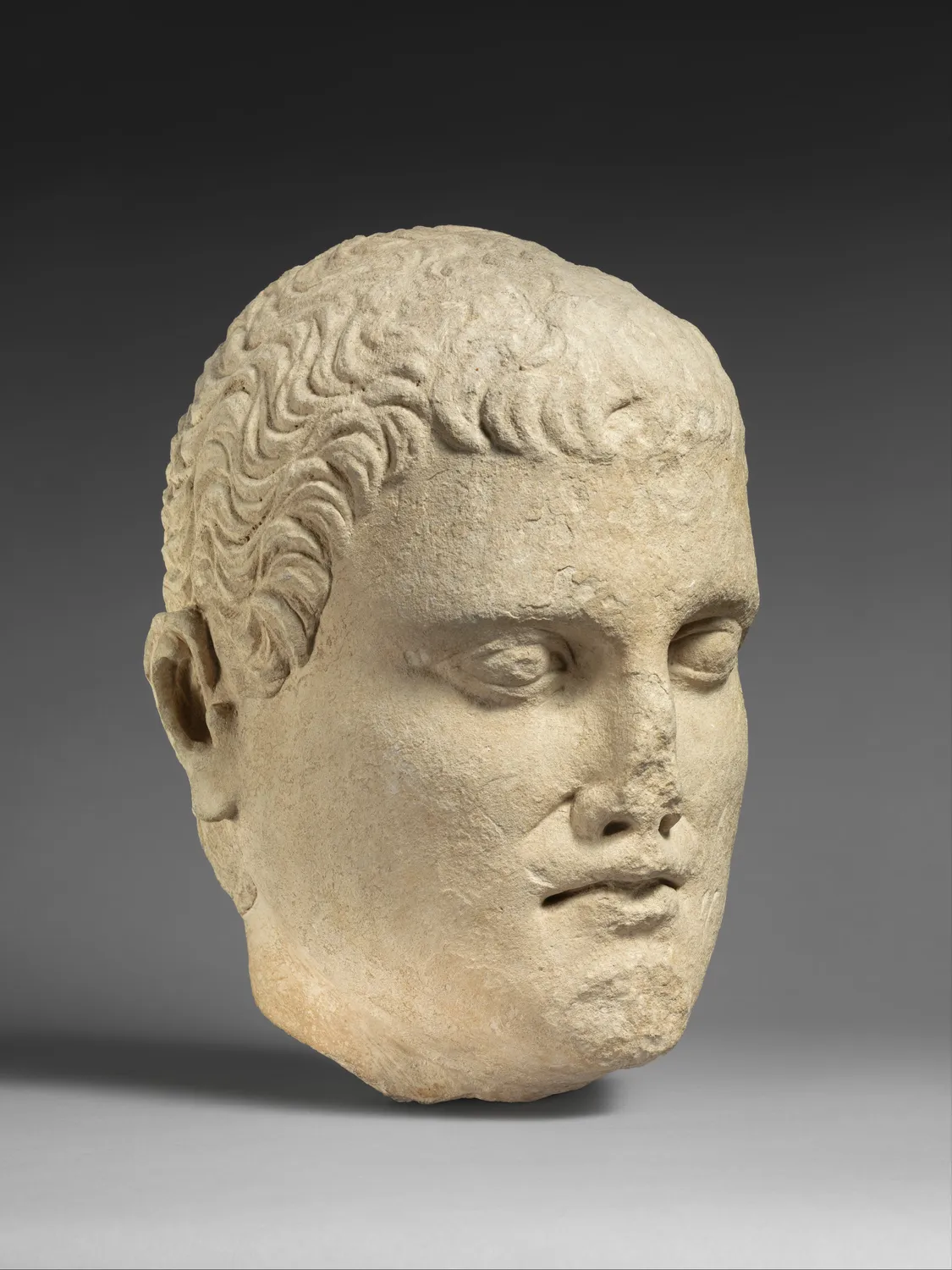
Museums as Sellers: Deaccessioned Cypriot Antiquities on the Market
Museums as a lawful source of Cypriot antiquities on the market, from the Met's Cesnola duplicates of 1928 to the deaccessions of 2016 and 2023, and why such pieces are among the best documented.
Map of Cyprus
Places discussed in the talk
- Ground above 200, 500, 1,000 m
Places
- 1Palaepaphos
- 2Vounous (approx.)
- 3Tamassos