
Topic
Architecture
How Cypriots built houses, sanctuaries, tombs and walls, from round Neolithic dwellings to the ashlar buildings of the Late Bronze Age towns.
20 entries in 6 sections
Weapons and Armour
1 entrySection overview
Cultures
1 entrySection overview
Architecture
13 entriesSection overview
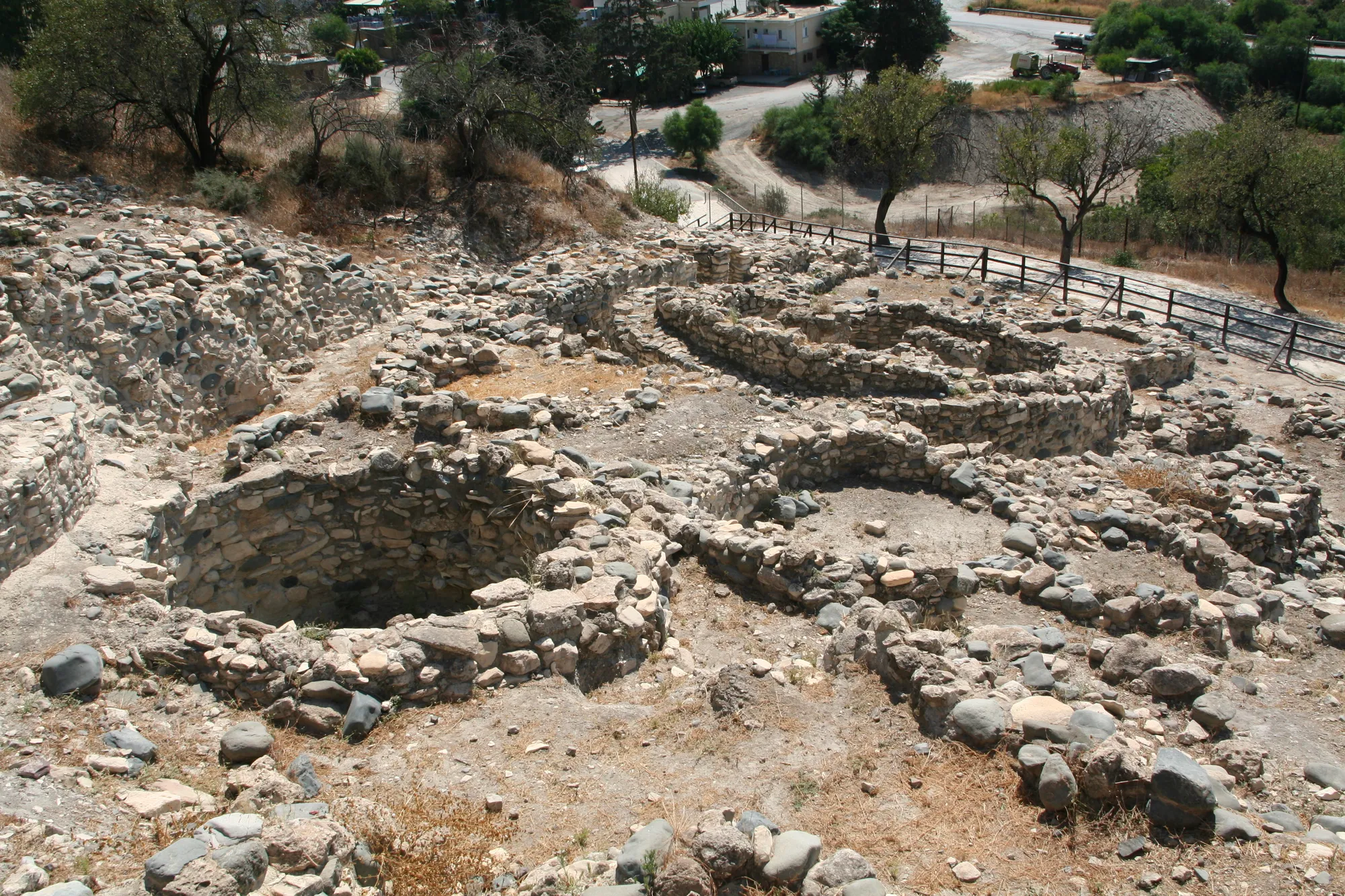 Neolithic Round HousesThe circular buildings of Cyprus's first farming villages, from Klimonas and Tenta to Khirokitia, and the rounded houses of the Ceramic Neolithic.Neolithic
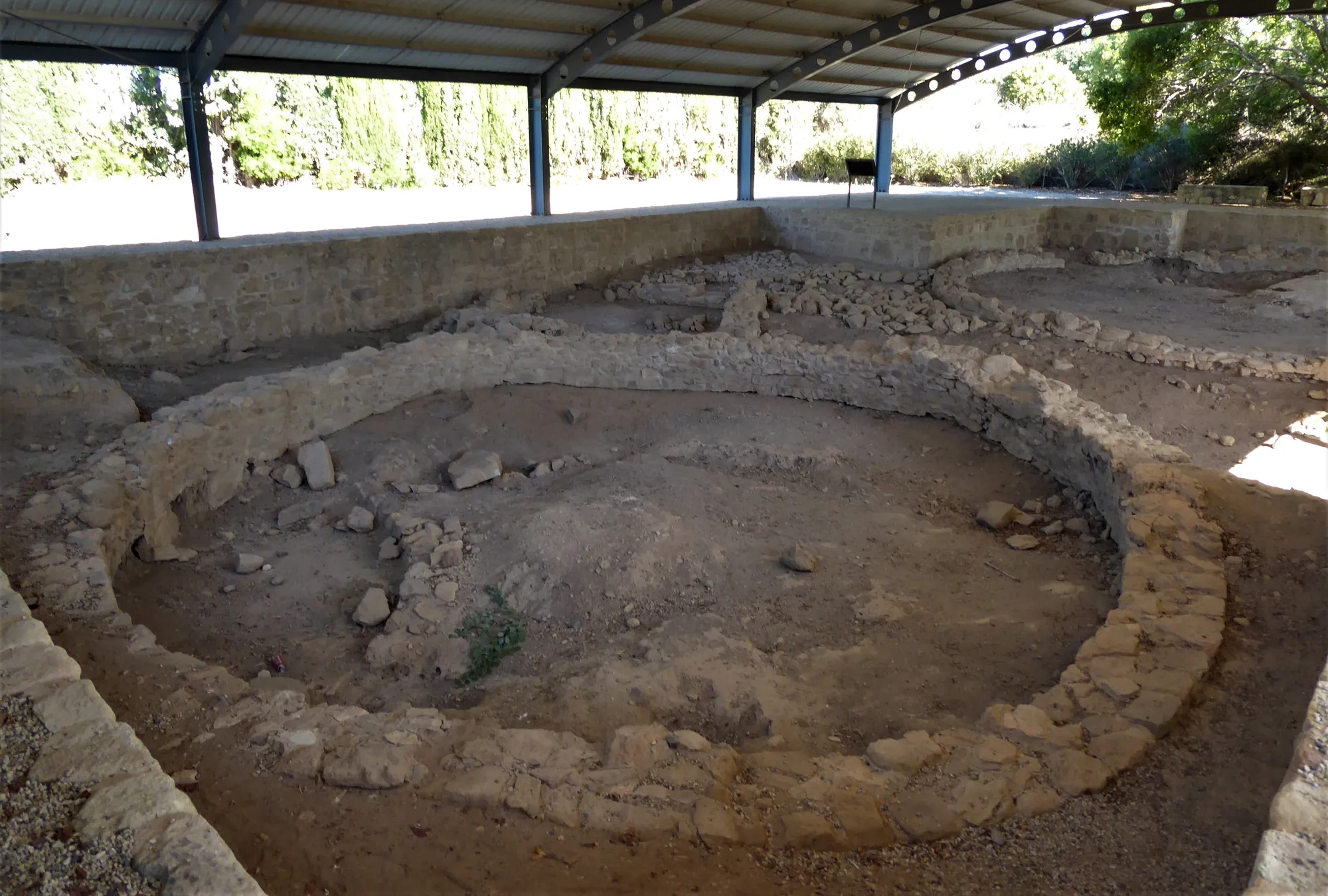 Chalcolithic Round HousesThe free-standing circular house of Chalcolithic Cyprus, from timber post rings to stone-footed great houses, and the Kissonerga building model.Chalcolithic
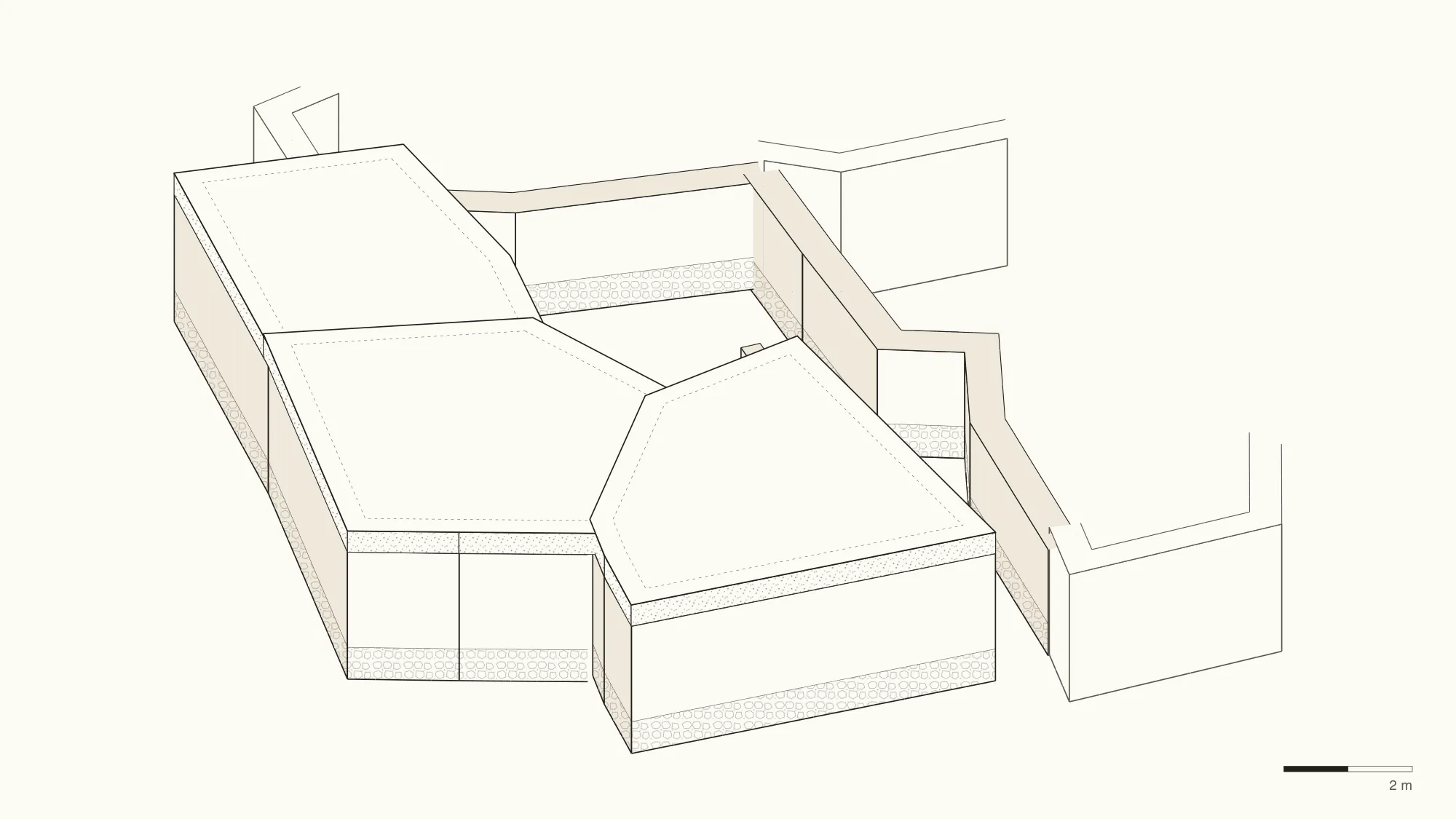 Early and Middle Bronze Age HousesFrom about 2400 BC Cypriot villagers built rectangular, multi-roomed houses, usually a walled courtyard with two or three roofed rooms behind it.Early Bronze AgeMiddle Bronze Age
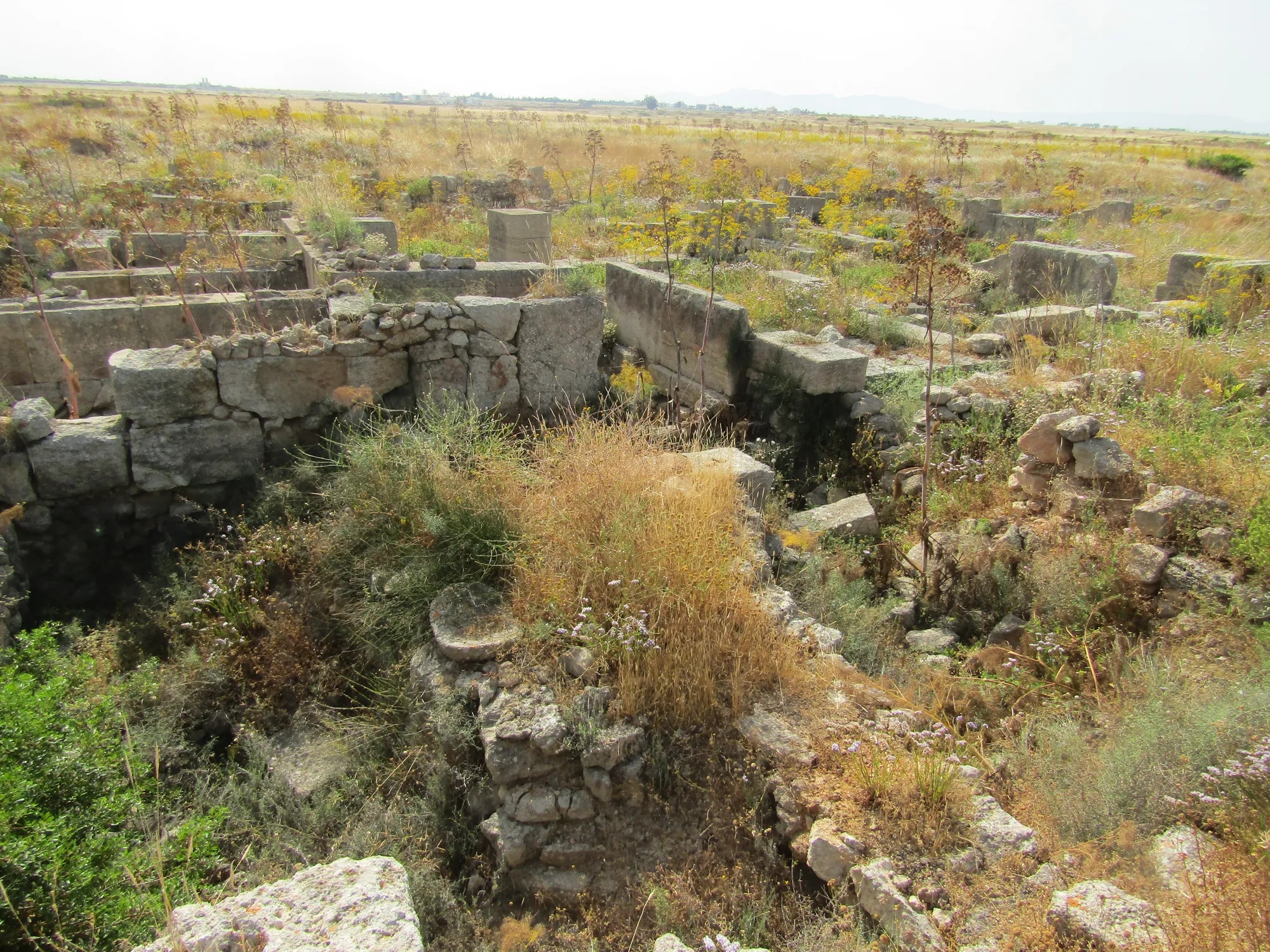 Late Bronze Age Towns and BuildingsHow Late Bronze Age Cyprus built its first towns: street grids, large ashlar buildings with storage halls, courtyard houses, and the short-lived settlements of the twelfth century.Middle Bronze AgeLate Bronze Age
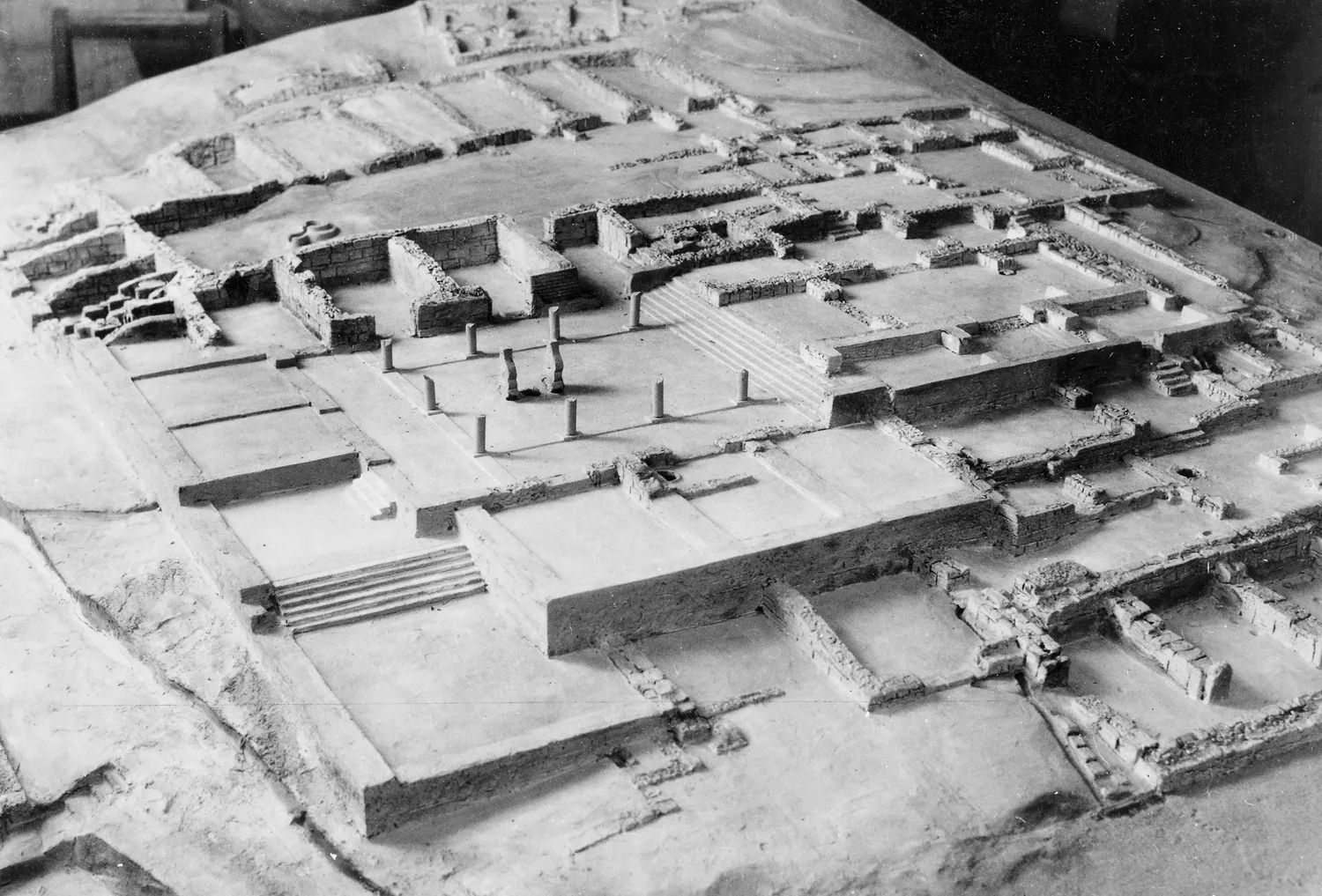 Iron Age Cities and PalacesThe capitals of the Iron Age kingdoms of Cyprus, their palaces at Vouni, Amathus, Idalion and Palaepaphos, their houses, and the volute and Hathor capitals of the period.Cypro-GeometricCypro-ArchaicCypro-Classical
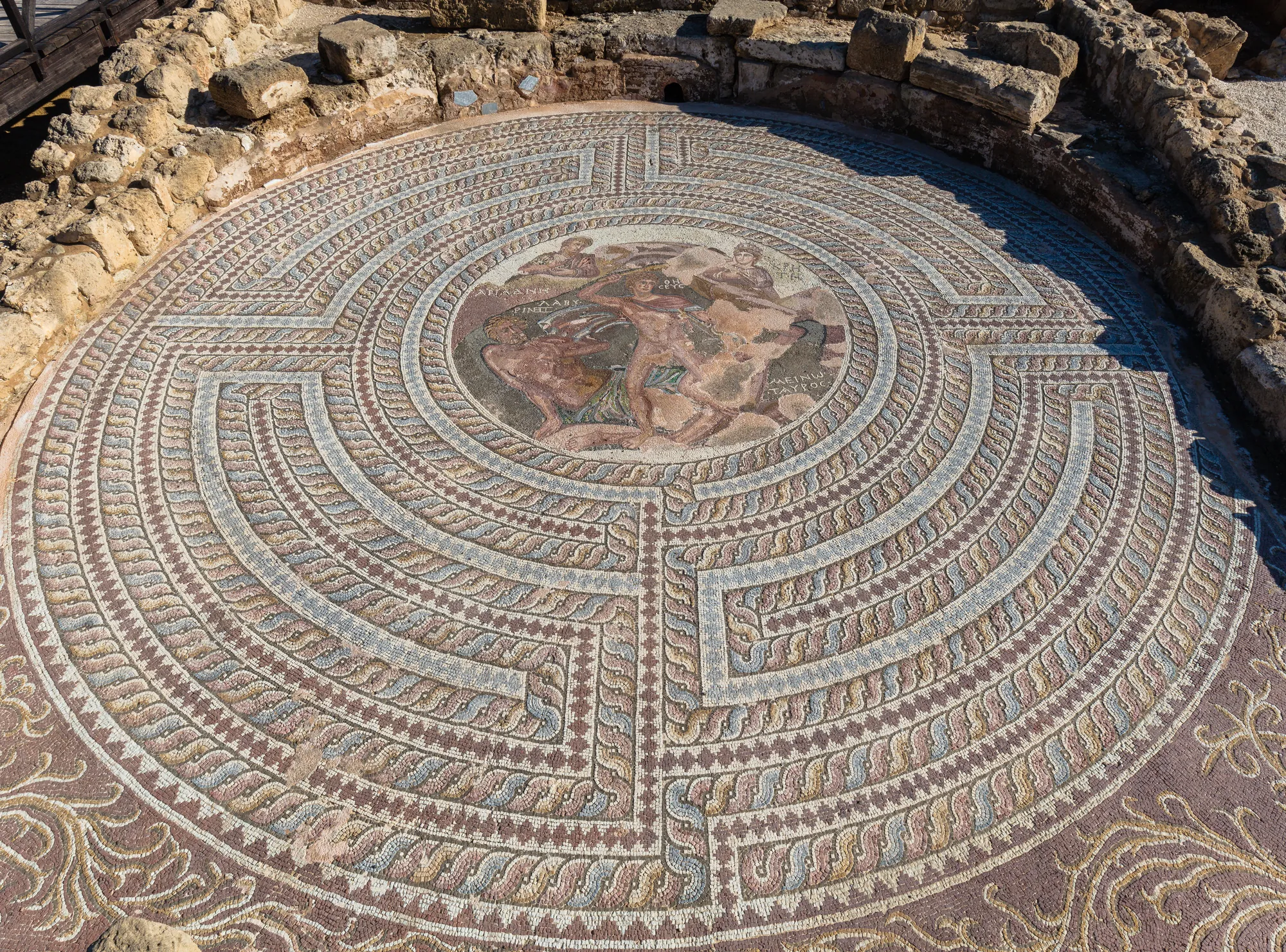 Hellenistic and Roman HousesTown houses on Cyprus from the founding of Nea Paphos in the late 4th century BC to the earthquakes of the 4th century AD, from mosaic-floored peristyle houses to a mudbrick house at Kourion.HellenisticRoman
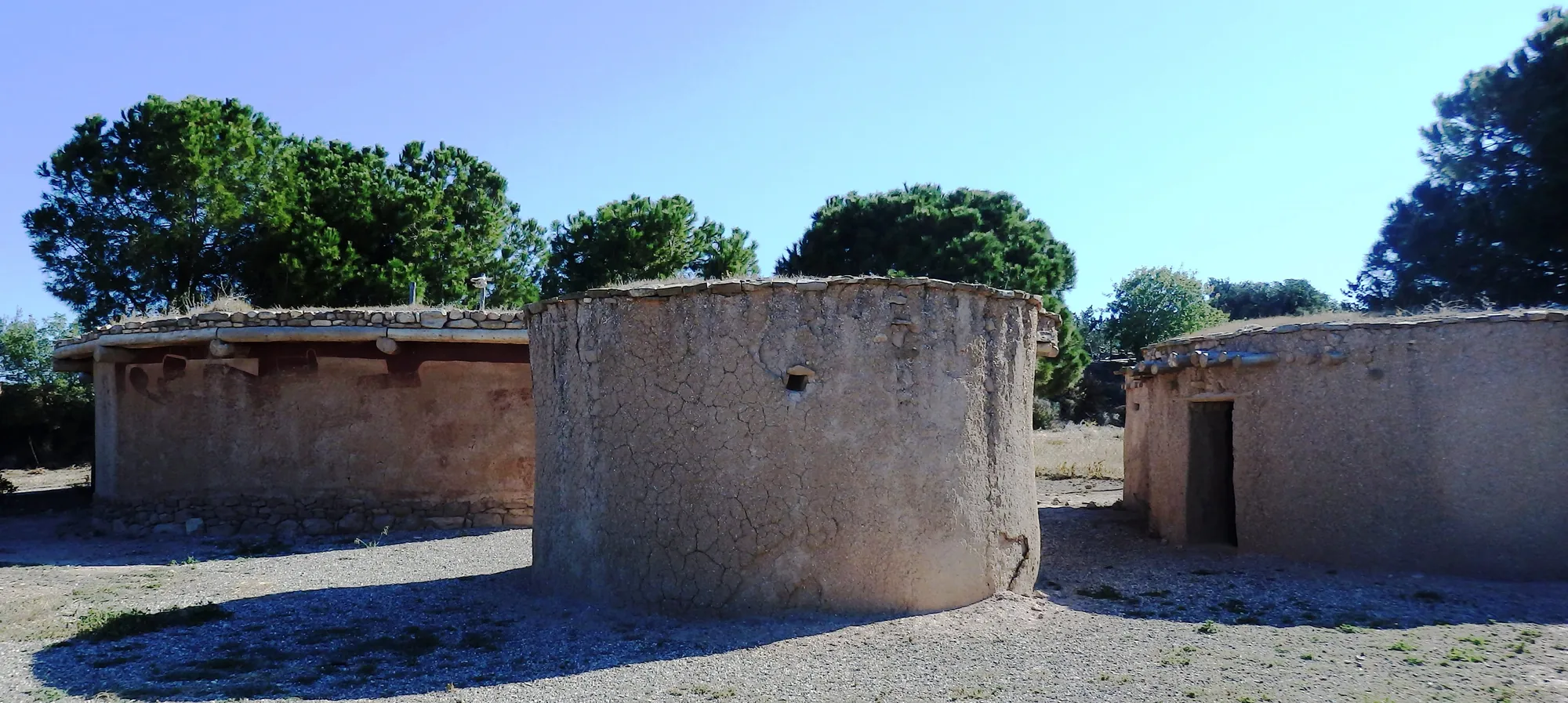 Building Materials and TechniquesCypriot houses were built of local stone, earth and timber: walls of rubble or mudbrick on stone socles, under flat roofs of beams, brush and packed earth.NeolithicChalcolithicEarly Bronze AgeMiddle Bronze AgeRoman
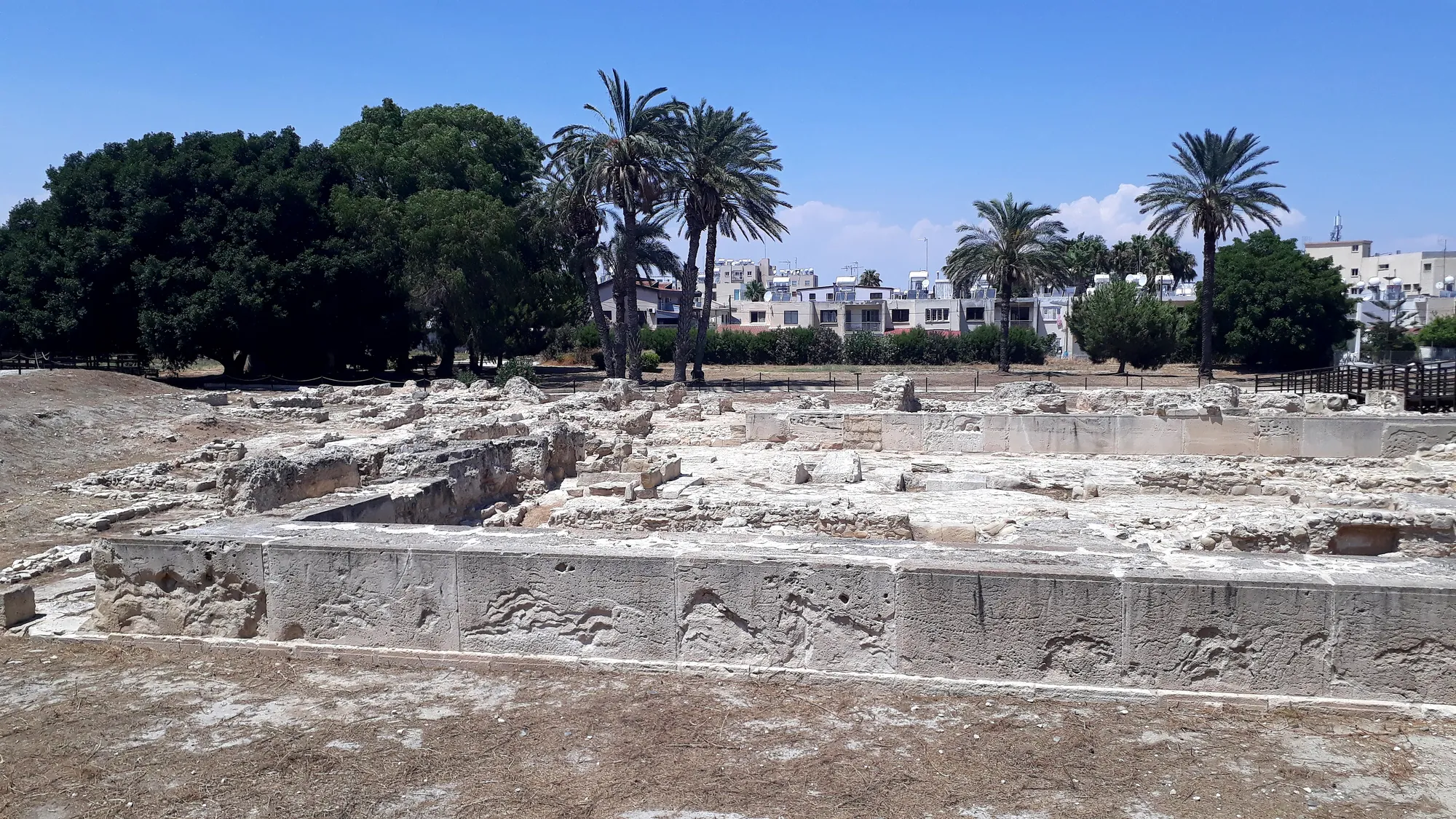 Ashlar MasonrySquared, dressed stone used on Cyprus from about 1500 BC for gateways, tombs and the largest buildings of the Late Bronze Age towns, set below walls of mudbrick.Late Bronze AgeCypro-GeometricCypro-Archaic
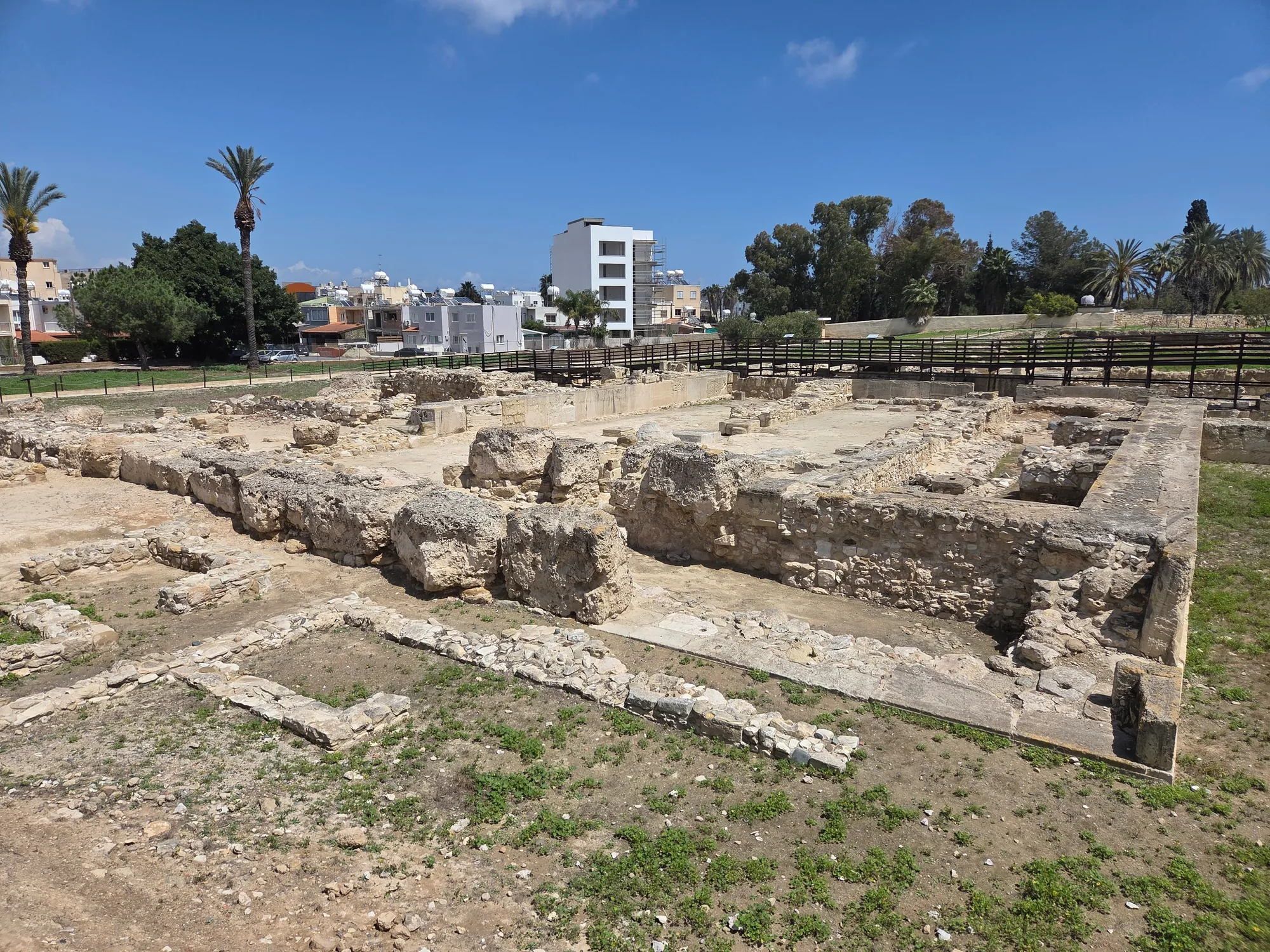 Bronze Age Sanctuaries and TemplesCypriot cult buildings of the Bronze Age, from the clay sanctuary model of Vounous to the walled courts, altars and inner rooms of the Late Cypriot temples.Early Bronze AgeMiddle Bronze AgeLate Bronze Age
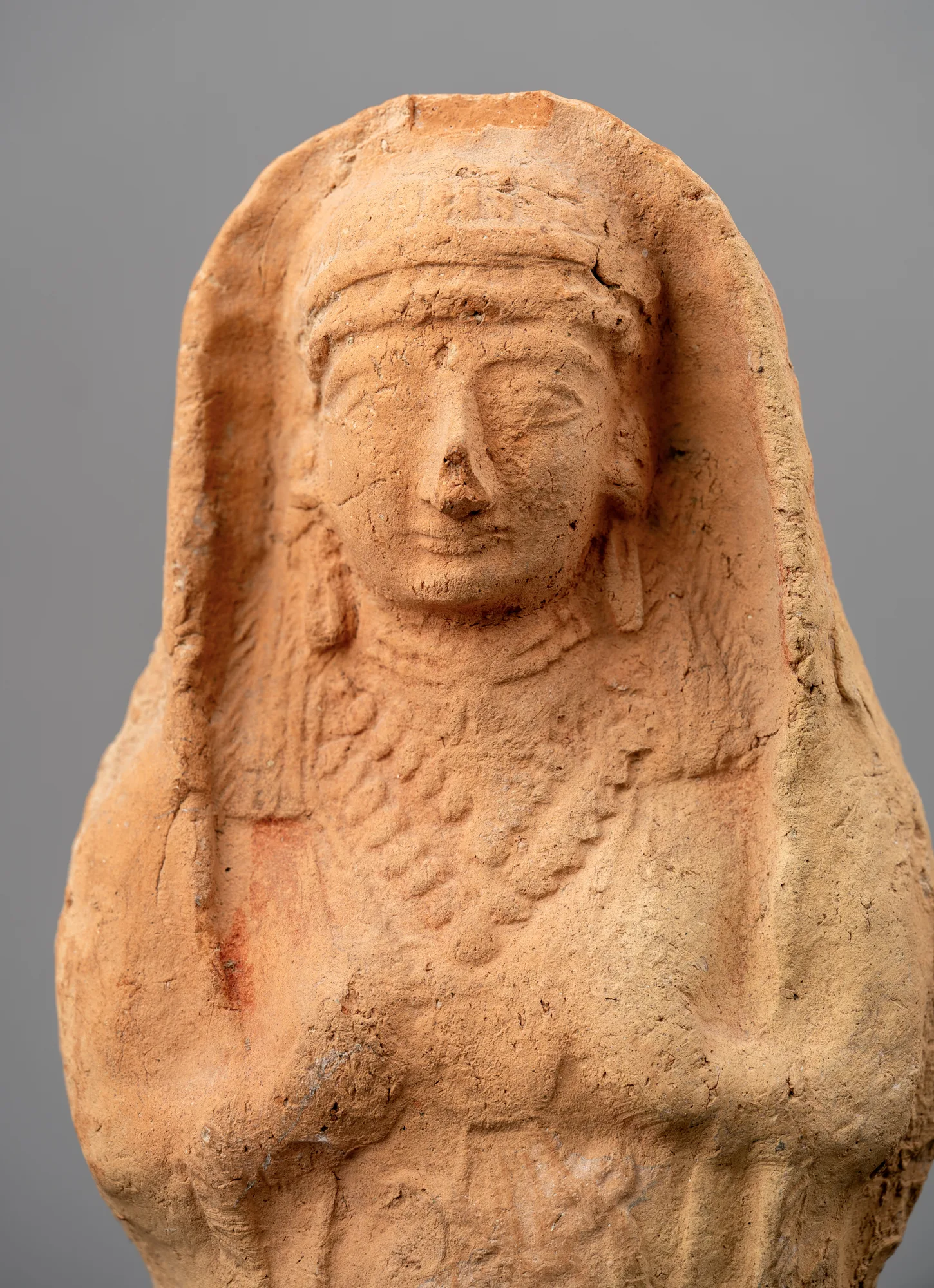 Iron Age SanctuariesThe Cypriot Iron Age sanctuary was a walled open-air court with an altar, sacred trees and small roofed rooms; Greek-style temples arrived only under Rome.Cypro-GeometricCypro-ArchaicCypro-ClassicalHellenisticRoman
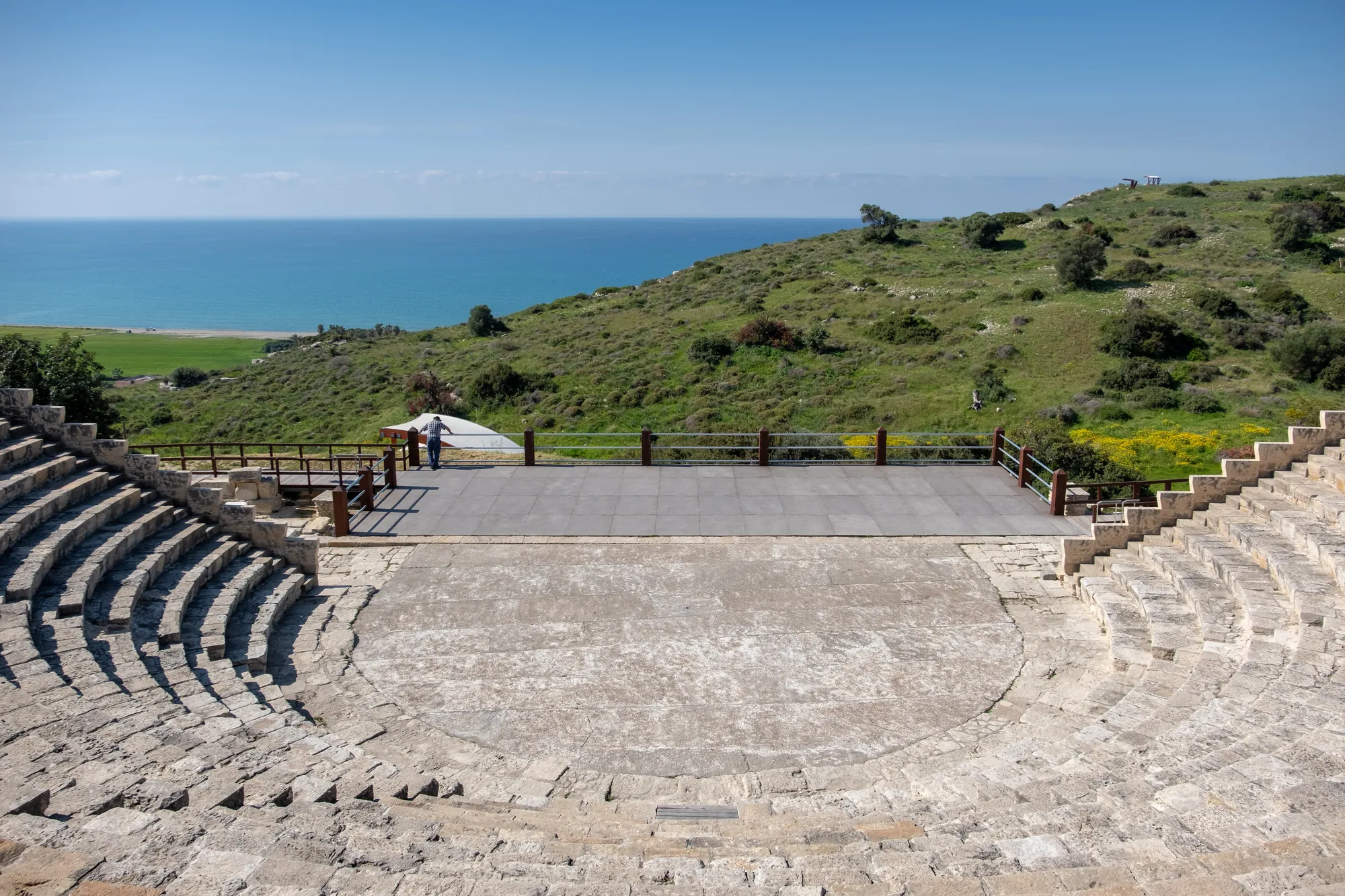 Theatres, Baths and Public BuildingsThe public buildings of Hellenistic and Roman Cyprus: theatres, an odeion, agoras, the Salamis gymnasium, the Kourion stadium and heated baths, mostly rebuilt after AD 76/77.HellenisticRoman
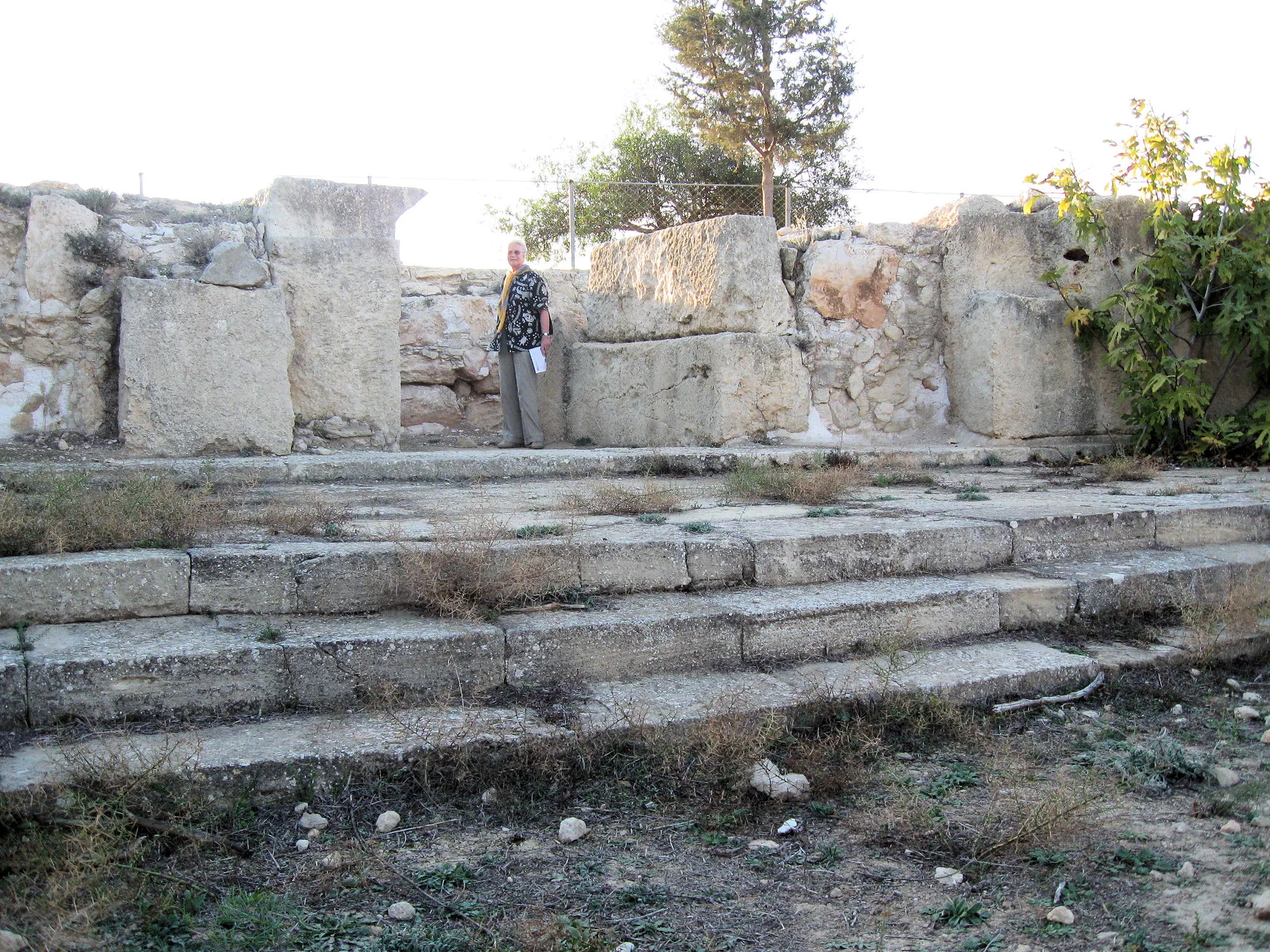 Royal and Built TombsTombs built of cut stone in Cyprus, from the ashlar tombs under Late Bronze Age houses at Enkomi to the royal tombs of Salamis and Tamassos and the rock-cut courts of Nea Paphos.Late Bronze AgeCypro-GeometricCypro-ArchaicCypro-ClassicalHellenistic
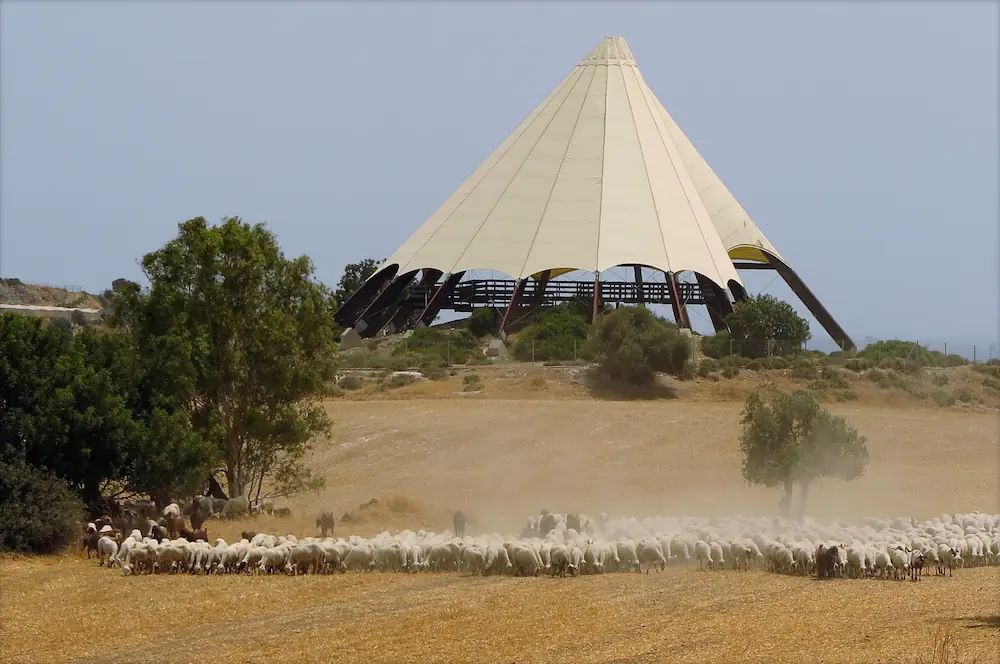 Architectural Transformations in Ancient CyprusSectionThe built environment of ancient Cyprus, from Neolithic round houses to Bronze Age rectilinear villages, ashlar buildings and Iron Age sanctuaries.NeolithicChalcolithicEarly Bronze AgeMiddle Bronze AgeLate Bronze AgeCypro-GeometricCypro-ArchaicHellenisticRoman
Mortuary Practices
2 entriesSection overview
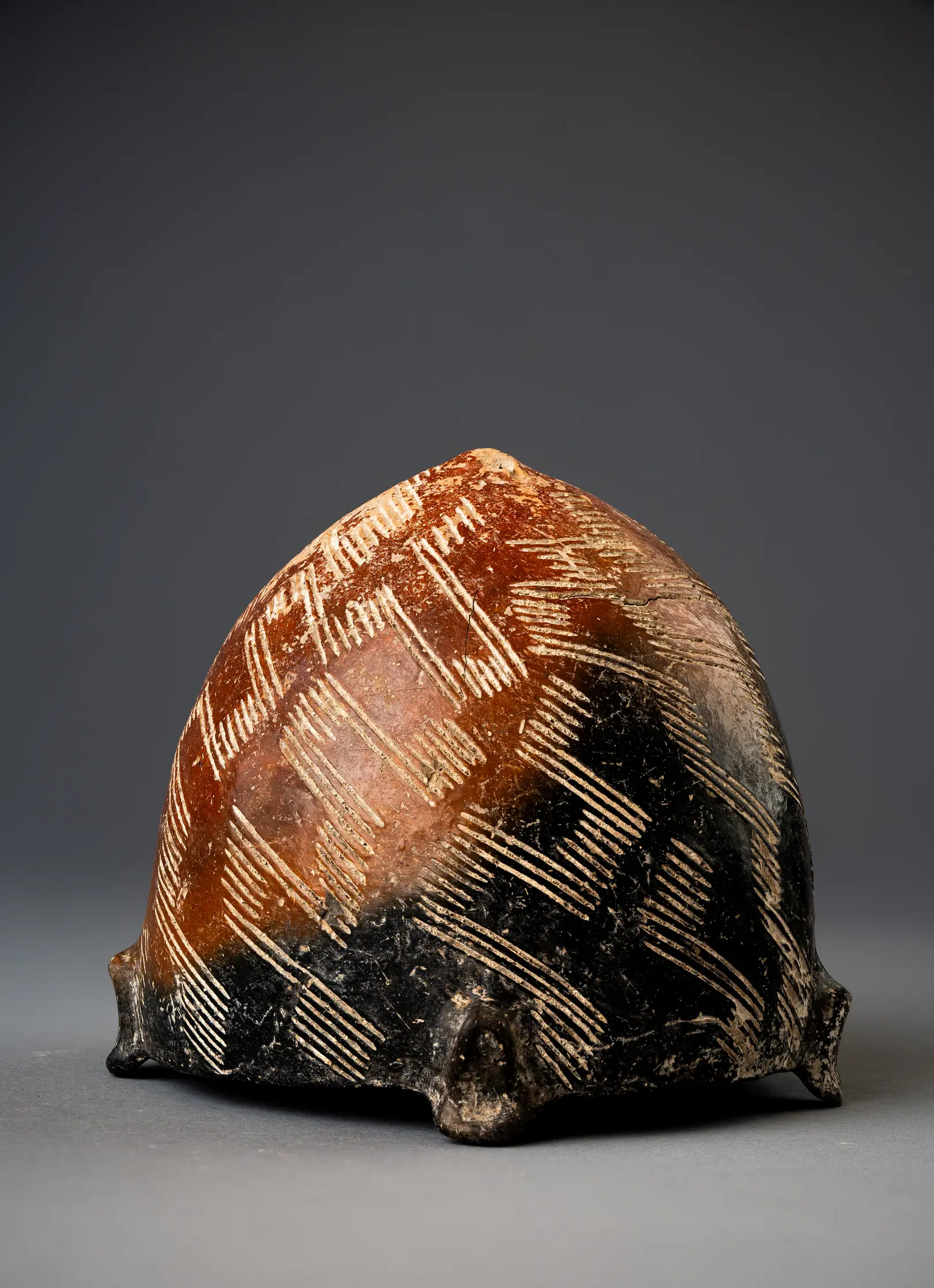 Bronze Age Chamber TombsRock-cut chambers entered by a dromos and reopened for successive burials were the standard Cypriot grave from the Philia phase to the end of the Bronze Age.Early Bronze AgeMiddle Bronze AgeLate Bronze Age
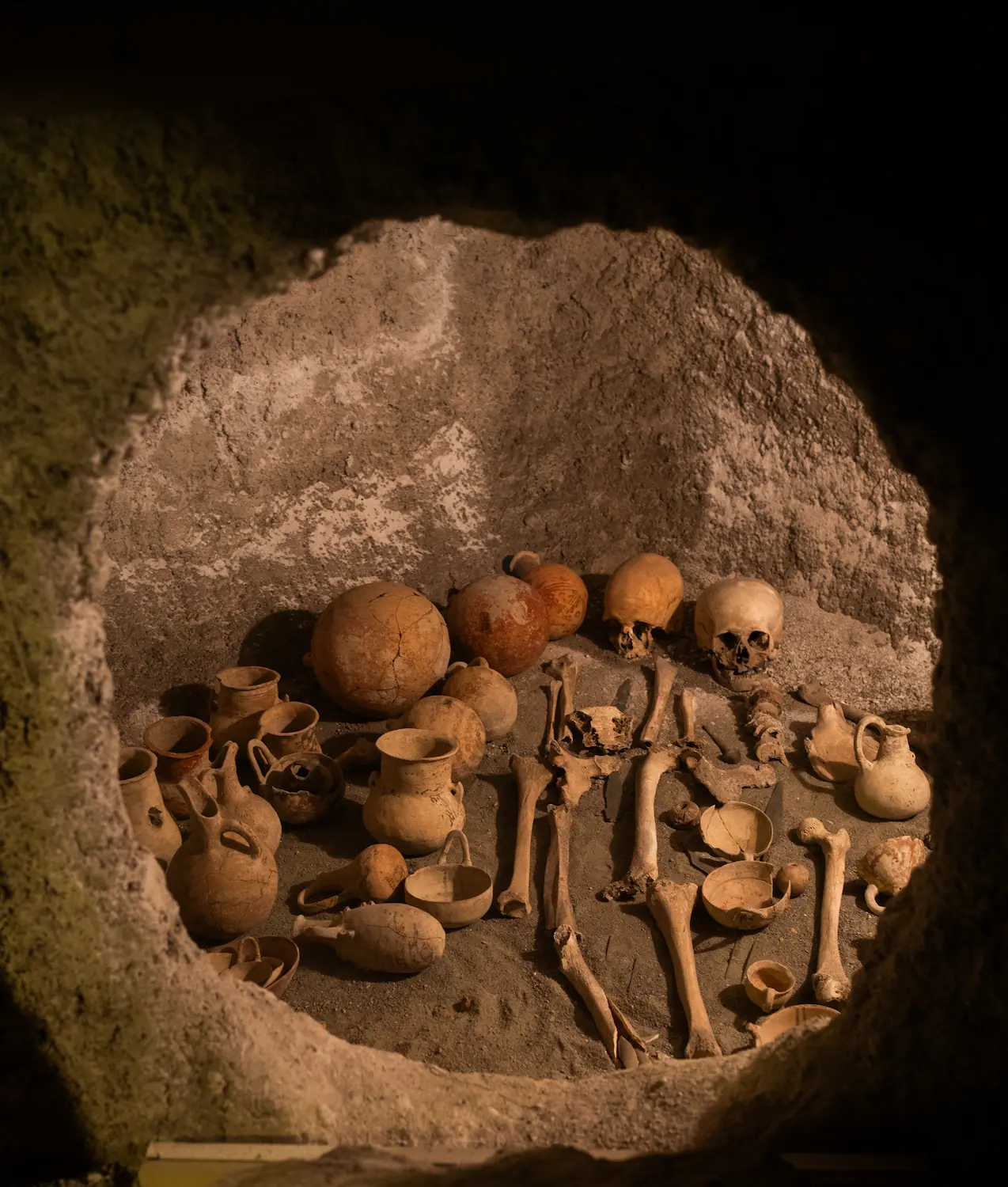 Society, Ritual, and Identity in Ancient Cypriot Mortuary PracticeSectionHow the people of ancient Cyprus buried and remembered their dead, from graves beneath Neolithic houses to rock-cut chamber tombs and Iron Age royal tombs.NeolithicChalcolithicEarly Bronze AgeMiddle Bronze AgeLate Bronze AgeCypro-Geometric
Daily Life
1 entrySection overview
Chronology
2 entriesSection overview
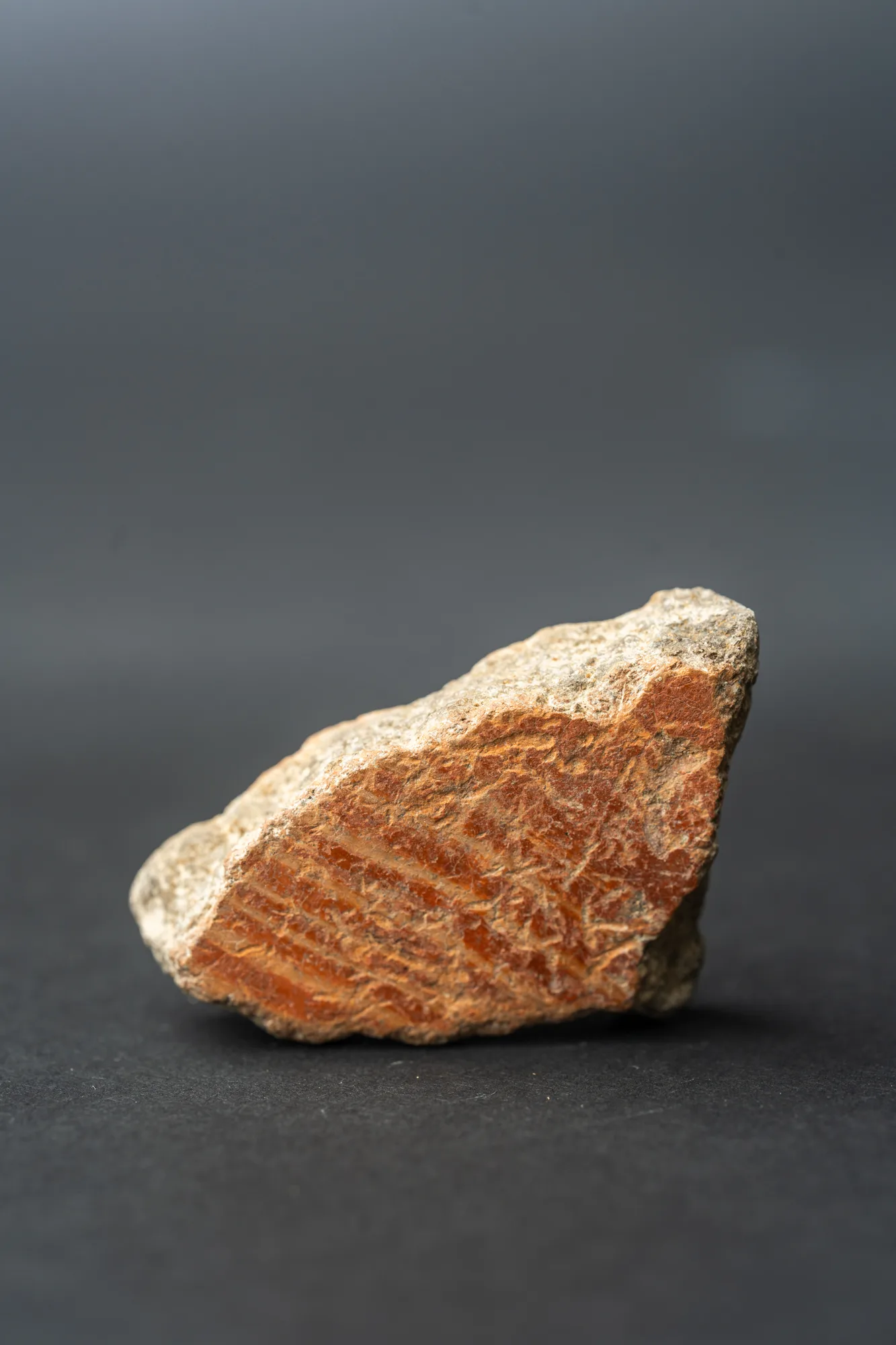 Neolithic CyprusThe period c. 9000–3900 BCE in which farmers from the mainland settled Cyprus, built villages of circular houses, and later adopted pottery.Neolithic
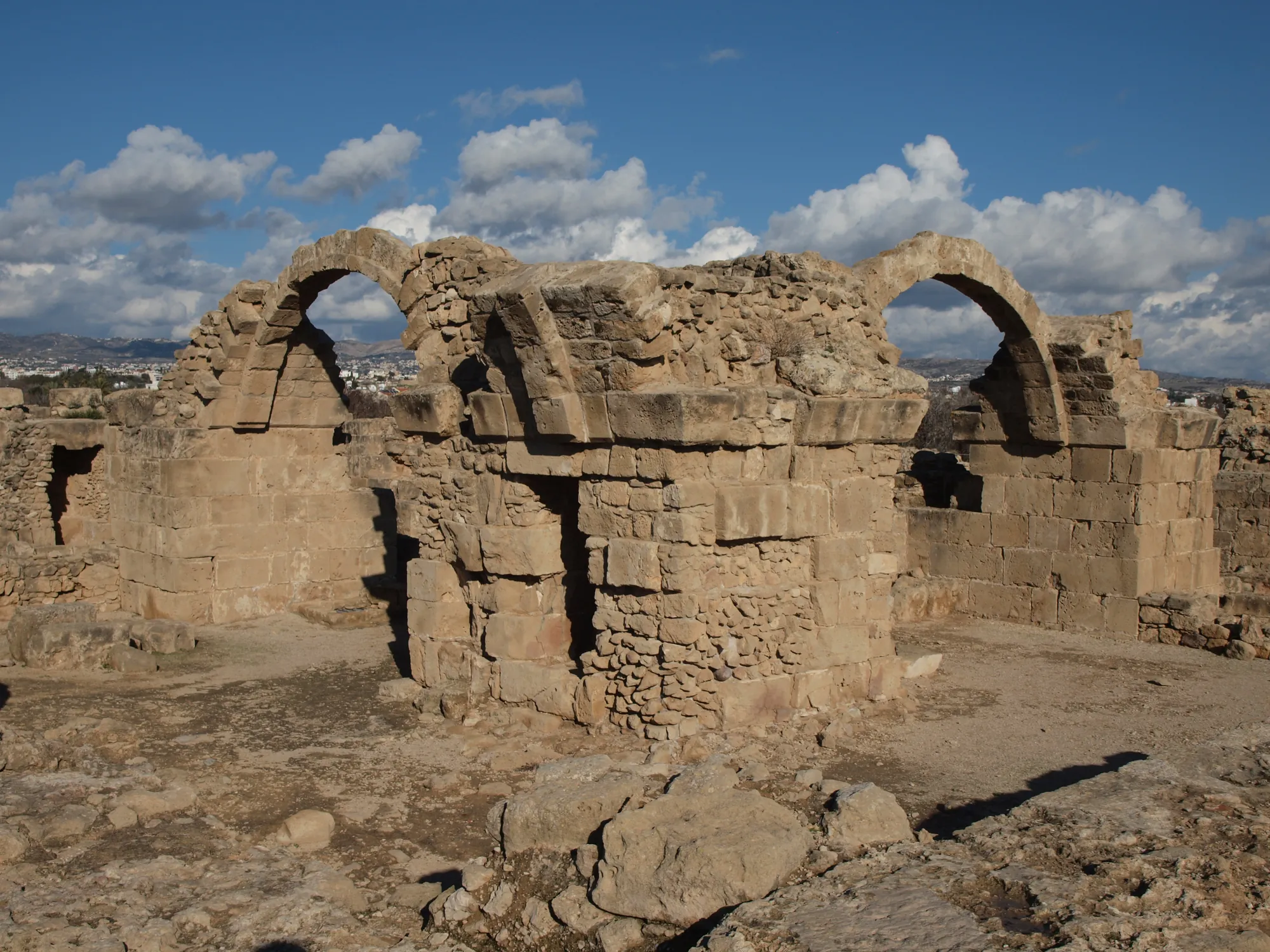 Byzantine and Medieval CyprusCyprus from the seventh century to the Ottoman conquest of 1570-71, under Byzantine, Lusignan and Venetian rule, and its glazed sgraffito pottery.