
Conference paper·Archaeological Research Unit - University of Cyprus·2018·In Greek
Obsidian, carnelian and picrolite in the Aceramic Neolithic of Cyprus
Chapters
About the video
Speaking in Greek at the annual review of the archaeological work of the University of Cyprus for 2017, postdoctoral researcher Theodora Moutsiou reports on the completion of the European-funded PRINCE project, coordinated with Vasiliki Kassianidou. The project examines social networks between Cyprus and the wider eastern Mediterranean during the Aceramic Neolithic through three rare stone raw materials: imported obsidian and carnelian, and local picrolite.
In 2017 the team used portable X-ray fluorescence (pXRF) to analyse roughly one thousand objects from ten Aceramic Neolithic sites held in museums across Cyprus, alongside geological sampling in the Troodos mountains and riverbeds with Andreas Charalambous and colleagues from the Geological Survey Department to distinguish sub-sources of picrolite. Against expectations, imported obsidian formed the majority of the analysed archaeological assemblage. The pXRF data indicate that both the picrolite and the 33 carnelian artefacts derive from at least two distinct sub-sources each.
For obsidian, principal component analysis of material from four early sites shows that the assemblage at Ais Giorkis comes from a single geological source, whereas Shillourokambos, Mylouthkia and Kalavasos-Tenta each used two to three sources. Comparing her data with published pXRF studies, Moutsiou identifies Göllü Dağ in central Anatolia as the main source for Cypriot obsidian, while smaller groups approach Nenezi Dağ or belong to other, still unidentified sources. Although the total quantity across the Aceramic Neolithic is small, around 600 pieces weighing under three kilograms, the use of multiple sources persisted throughout the period. Moutsiou argues that maritime transport of these materials required organisation and risk, and that obsidian and carnelian were moved for their symbolic and social value rather than utilitarian need. She closes with a brief note on the new MEDSTAG project.
In the discussion that follows, Maria Iacovou asks about an unpublished report of 5,000 obsidian pieces from Akanthou-Arkosykos, which Moutsiou could not include because access is not permitted, having analysed only four pieces from a 1930s surface collection. Further questions address the earliest two obsidian finds at Ayios Tychonas-Klimonas and why obsidian functioned as a token of distant relationships alongside abundant local chert.
From our collection
Pieces in the Drakopoulos collection of the kinds and periods this talk covers: Neolithic.
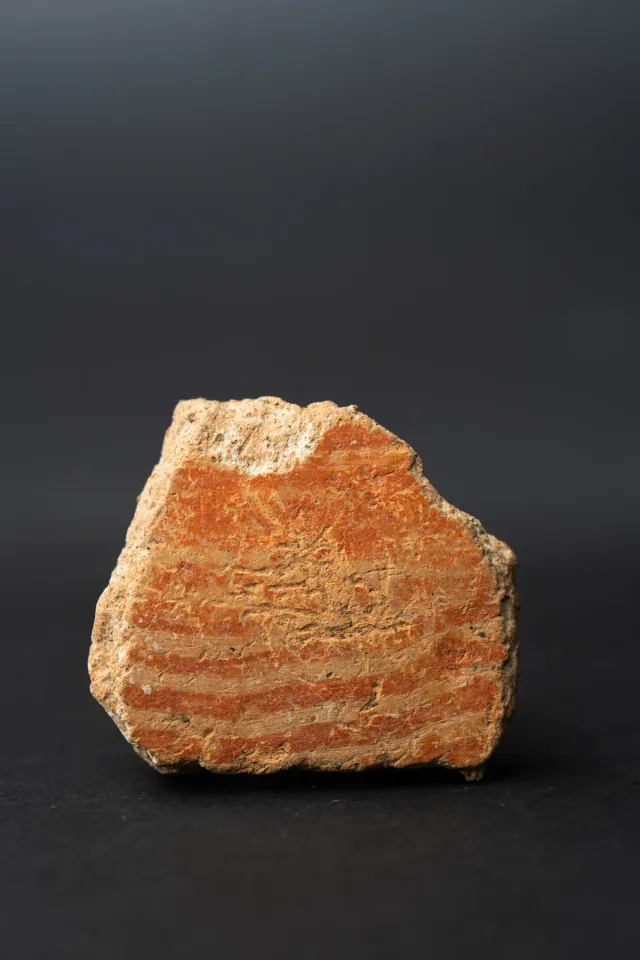
Combed Ware Bowl Fragment with Parallel Bands
Neolithic
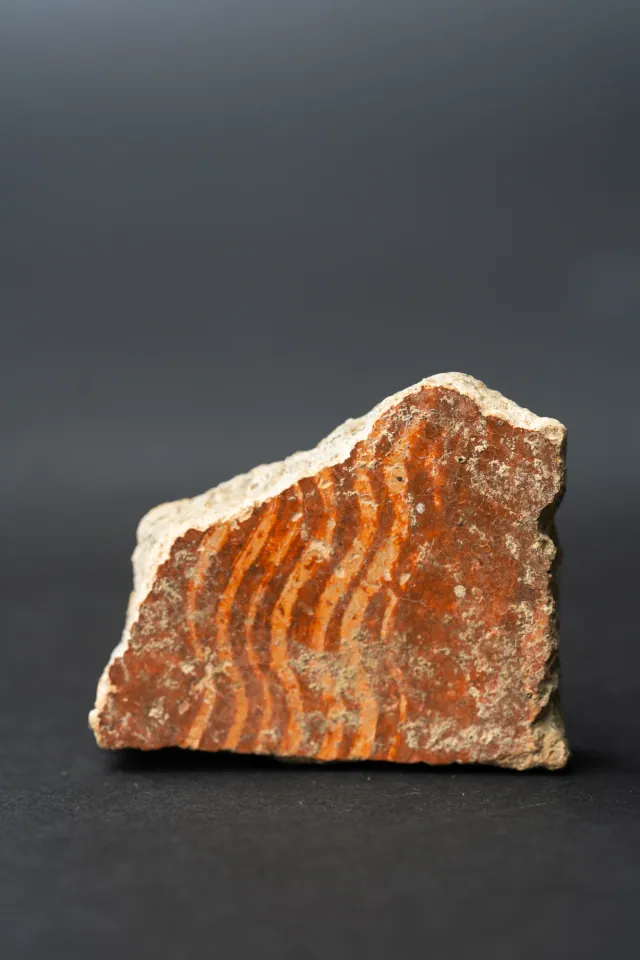
Combed Ware Bowl Fragment with Multiple Wavy Bands
Neolithic
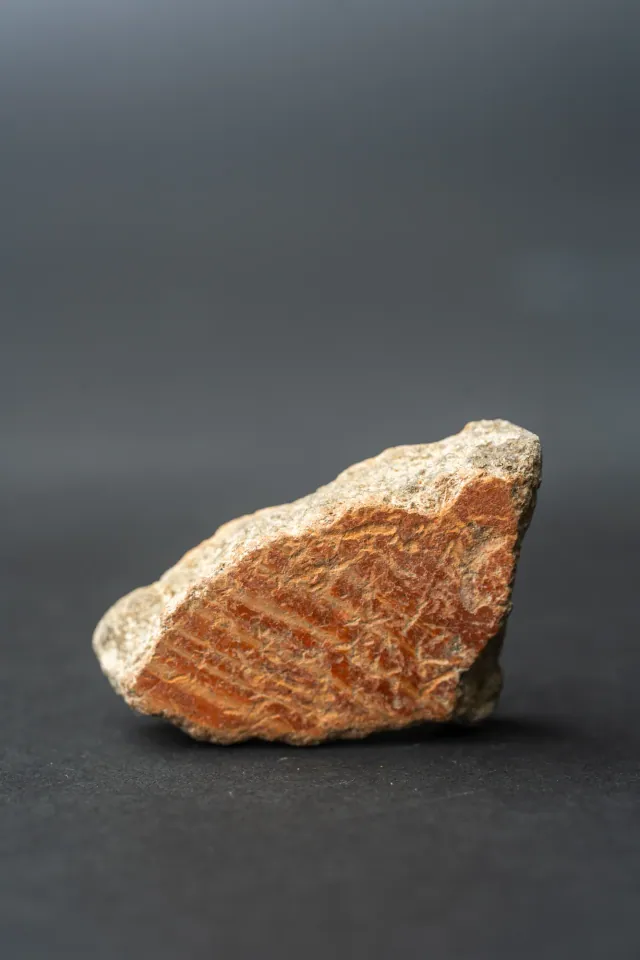
Combed Ware Bowl Fragment with Oblique Bands
Neolithic
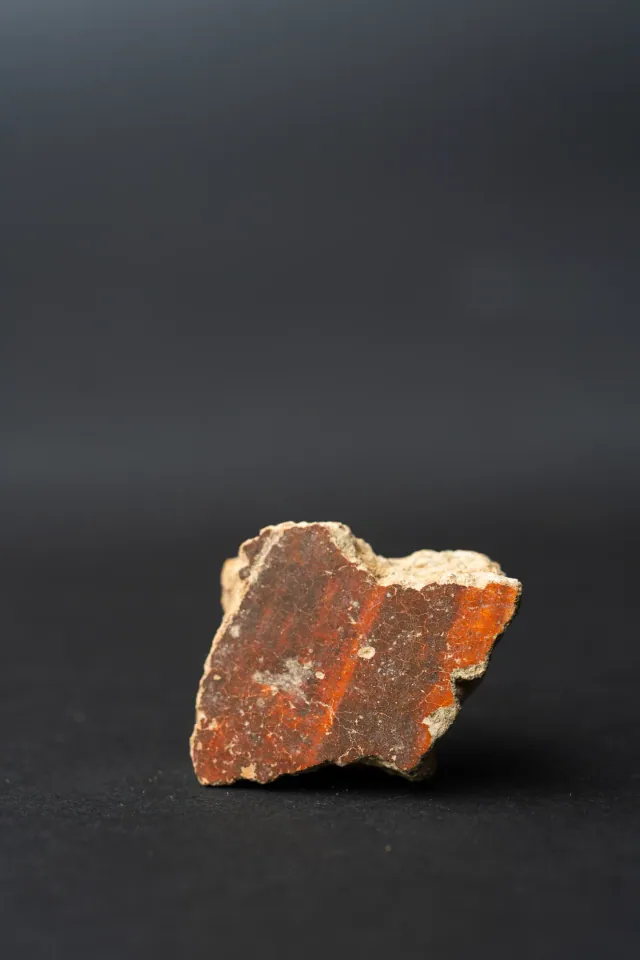
Red Lustrous Ware Body Sherd with Fire-Mottled Slip
Neolithic
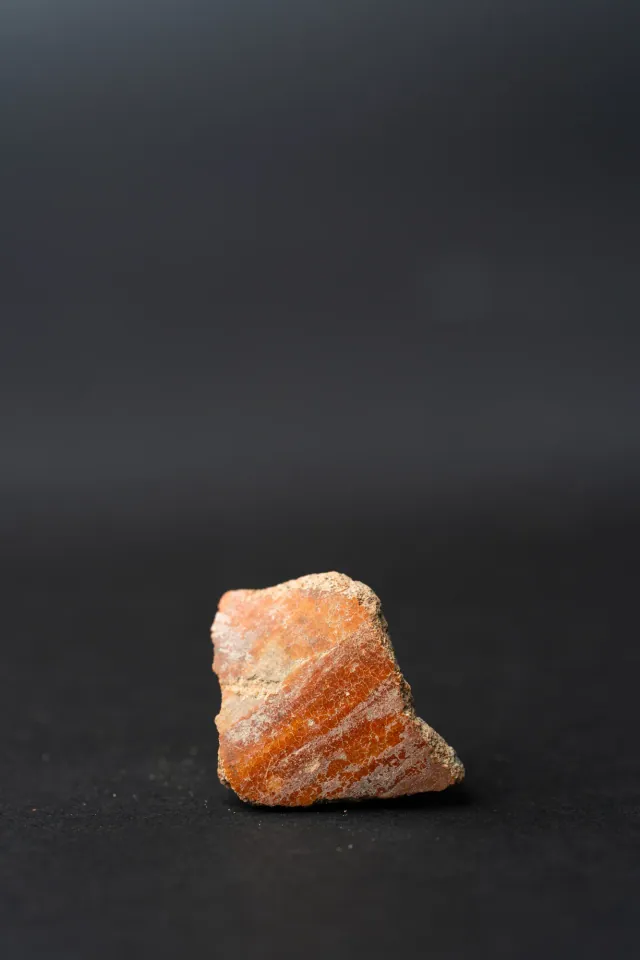
Red Slip Ware Body Sherd with Streaked Slip
Neolithic
Background
Where to read more on this site before or after watching.
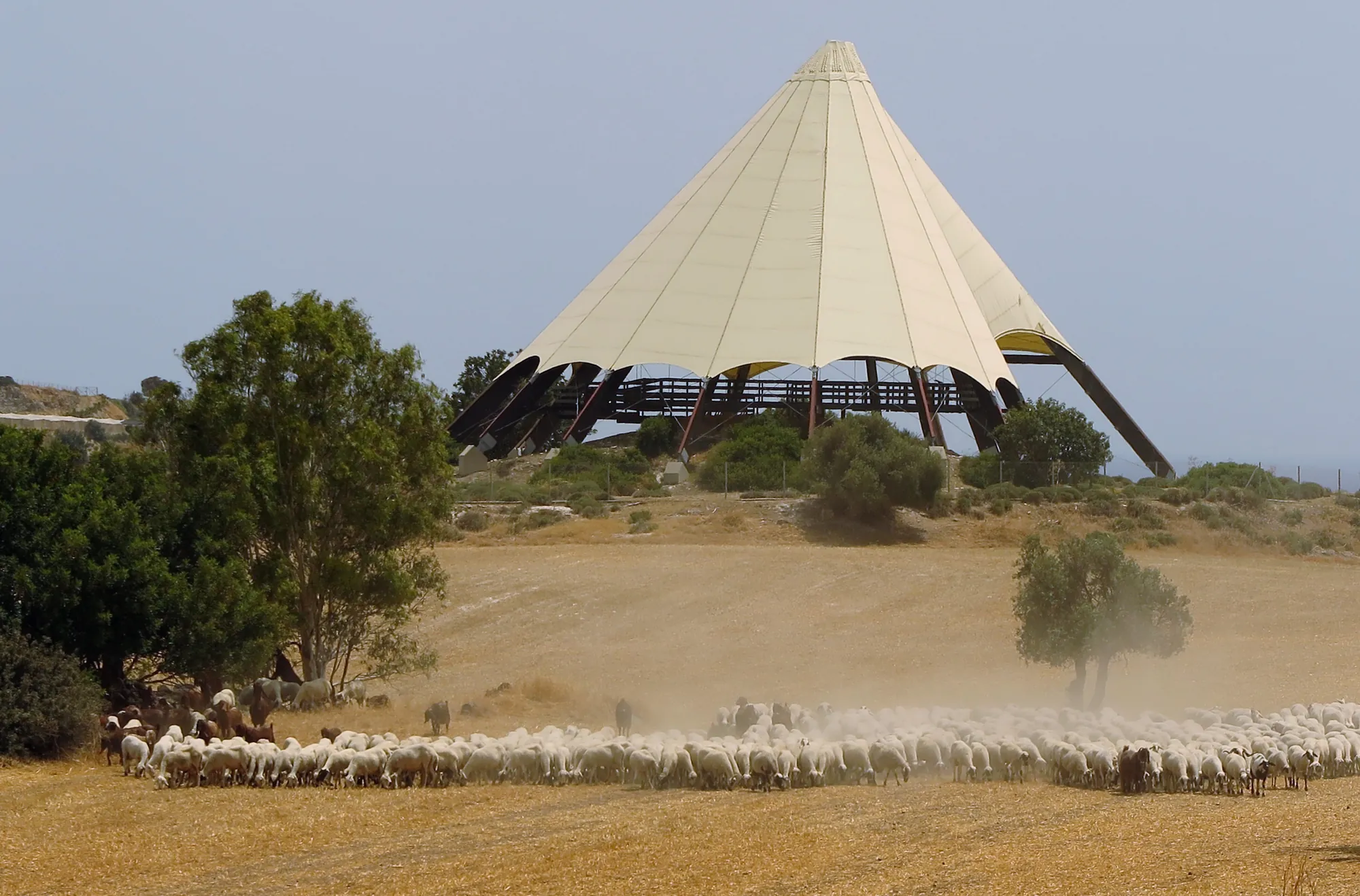
The site
Kalavasos-Tenta
An Aceramic Neolithic village on a small hill in the lower Vasilikos valley, lived in from the 9th millennium BC into the 7th and excavated by the Vasilikos Valley Project from 1976. Its round houses stood inside an enclosure wall and ditch, and the pier of one of them carries the only Neolithic wall painting known on Cyprus.
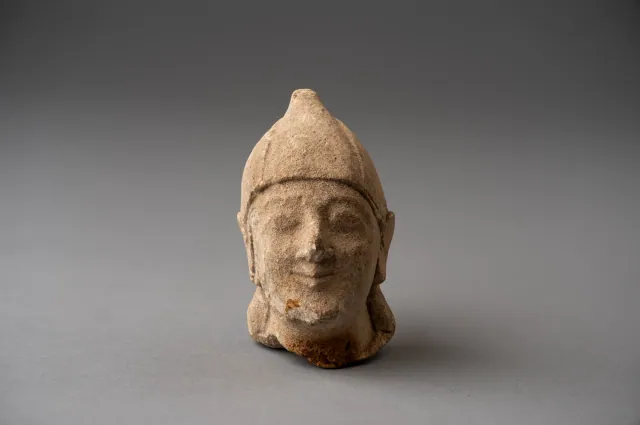
In the compendium
Stone in Ancient Cyprus
Cypriots worked local chert, igneous rocks, picrolite and limestone from the Neolithic onwards, and imported marble, alabaster and gemstones.
The period
Neolithic
The period c. 9000–3900 BCE in which farmers from the mainland settled Cyprus, built villages of circular houses, and later adopted pottery.
Map of Cyprus
Places discussed in the talk
- Has a page on this site
- Other places
- Ground above 200, 500, 1,000 m
Places
- 1Kissonerga-Mylouthkia (approx.)
- 2Shillourokambos (approx.)
- 3Kalavasos-Tenta
- 4Ais Giorkis
- 5Akanthou-Arkosykos (approx.)
- 6Ayios Tychonas-Klimonas (approx.)