
Topic
Collecting
The collectors, dealers and excavators who assembled Cypriot antiquities from the nineteenth century onward, and how their collections formed and dispersed.
73 entries in 3 sections
Pottery
4 entriesSection overview
 Greek Pottery in CyprusGreek painted and black-gloss pottery reached Cyprus from the late tenth century BCE, rising from a few Euboean and Attic cups to a flood of Attic ware by the fifth century.Cypro-GeometricCypro-ArchaicCypro-Classical
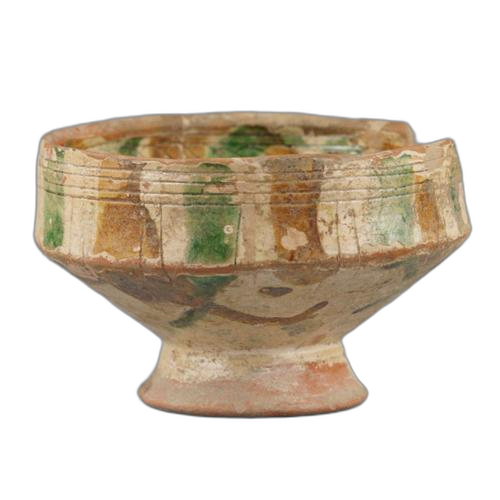 Medieval Glazed Sgraffito WareWheel-made red-clay tableware coated in white slip, incised through the slip and lead-glazed, made in Cypriot workshops from the 13th to the 16th century AD.
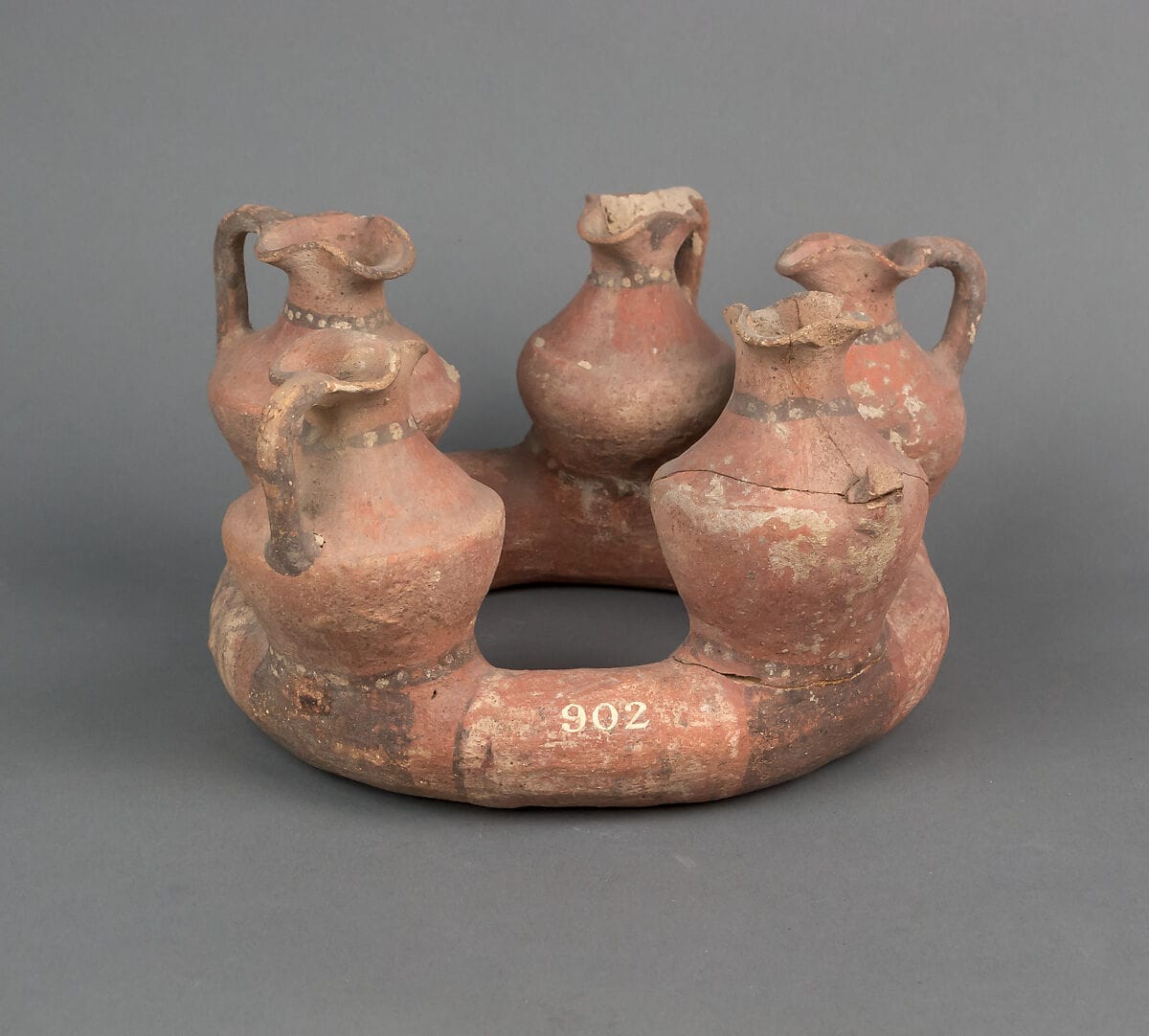 Complex VesselsComposite, multiple and ring vessels built by multiplying or joining ordinary shapes, mostly Bronze Age tomb pieces, plus figure vases, arm-vessels, incense burners, stands and miniatures.ChalcolithicEarly Bronze AgeMiddle Bronze AgeLate Bronze AgeCypro-GeometricCypro-ArchaicCypro-ClassicalHellenistic
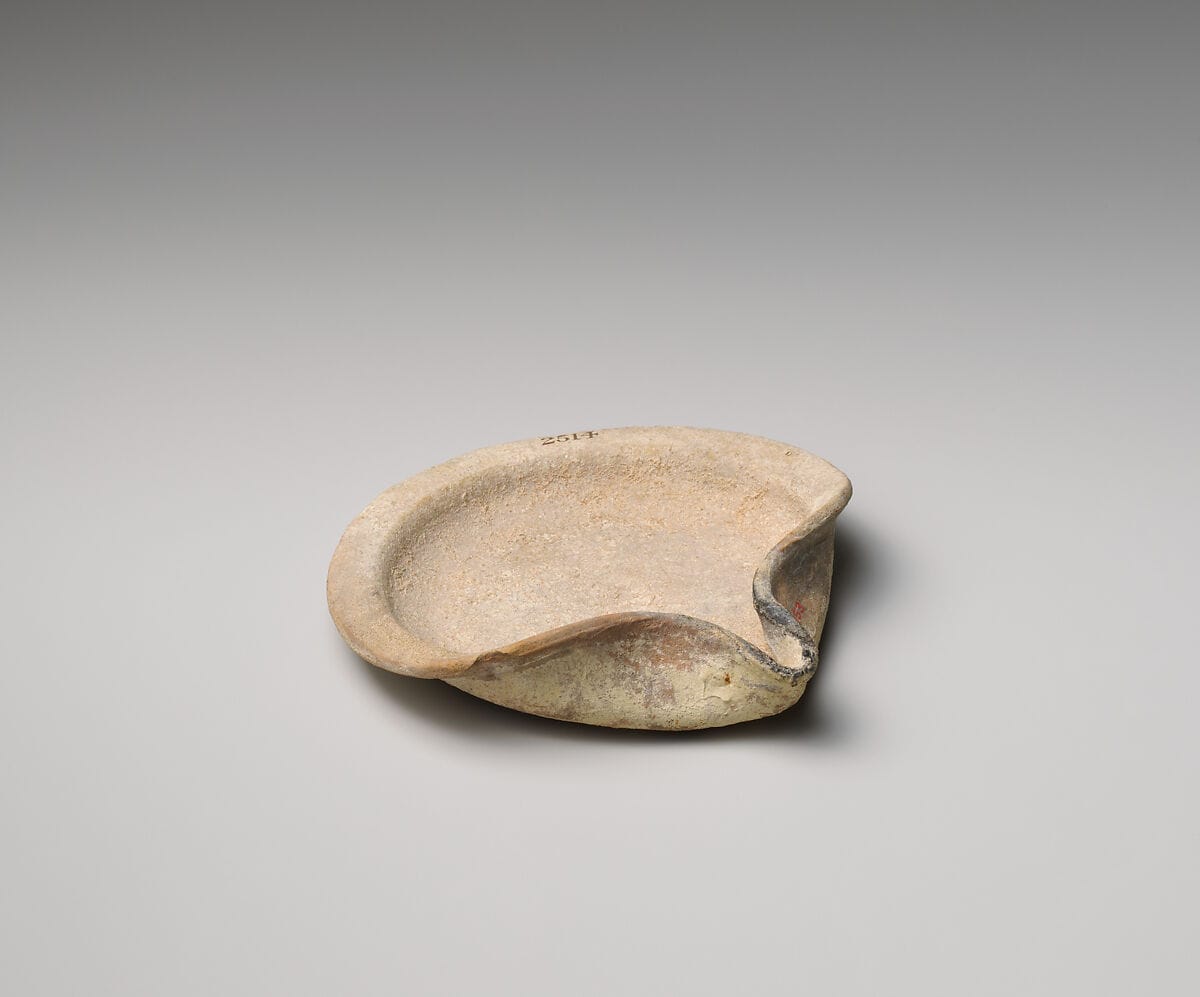 LampsA small hand-held vessel that burned oil or fat on a wick, made in Cyprus as an open saucer from the Late Bronze Age and as a closed lamp from the Hellenistic period.Late Bronze AgeCypro-GeometricCypro-ArchaicCypro-ClassicalHellenisticRoman
Statues
2 entriesSection overview
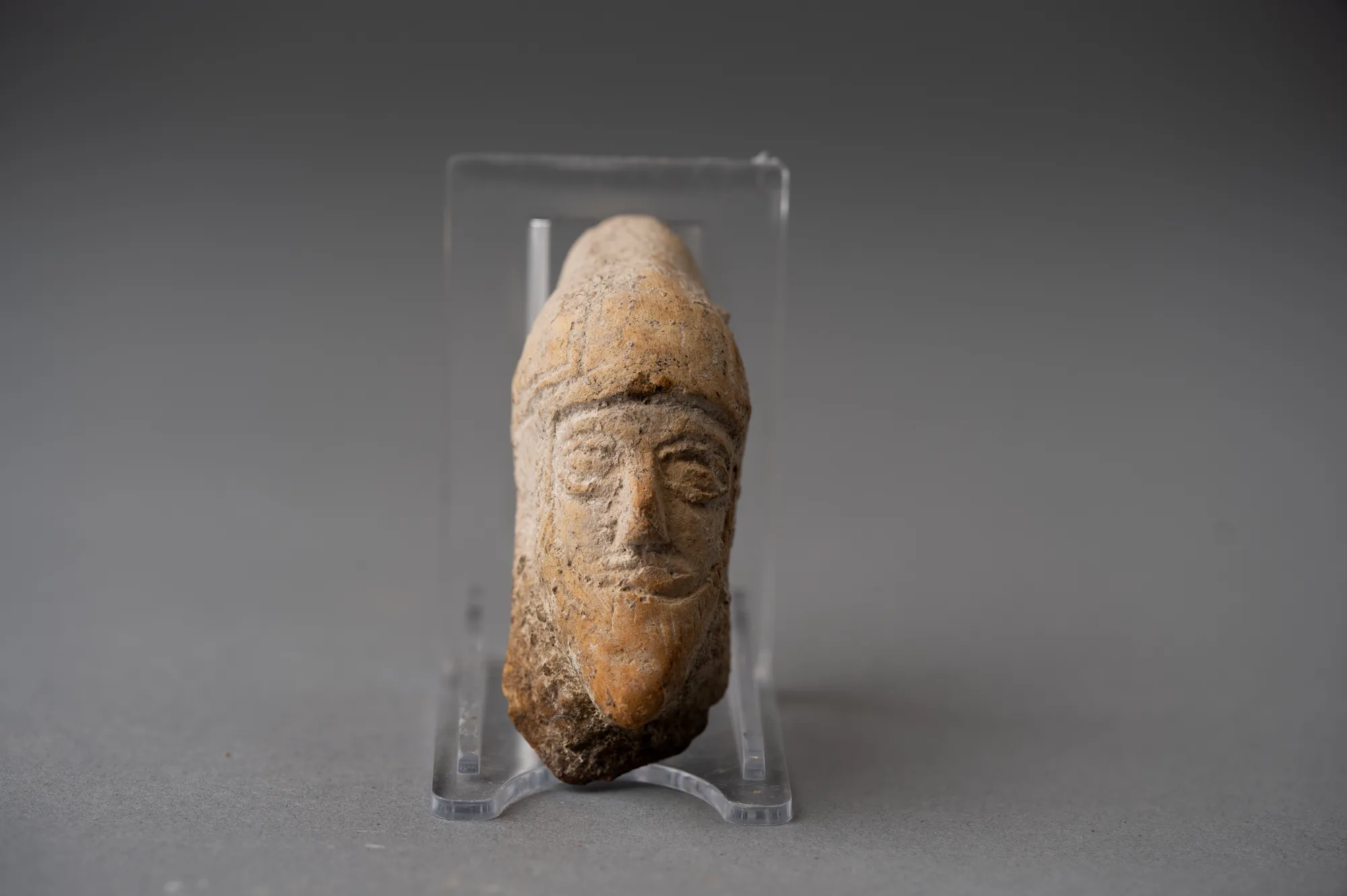 How Cypriot Figurines Are ClassifiedThe overlapping systems that classify Cypriot figurines and statues, from Winkelmann's N and C numbers to Karageorghis's Coroplastic Art and Gjerstad's styles.NeolithicChalcolithicEarly Bronze AgeMiddle Bronze AgeLate Bronze AgeCypro-GeometricCypro-Archaic
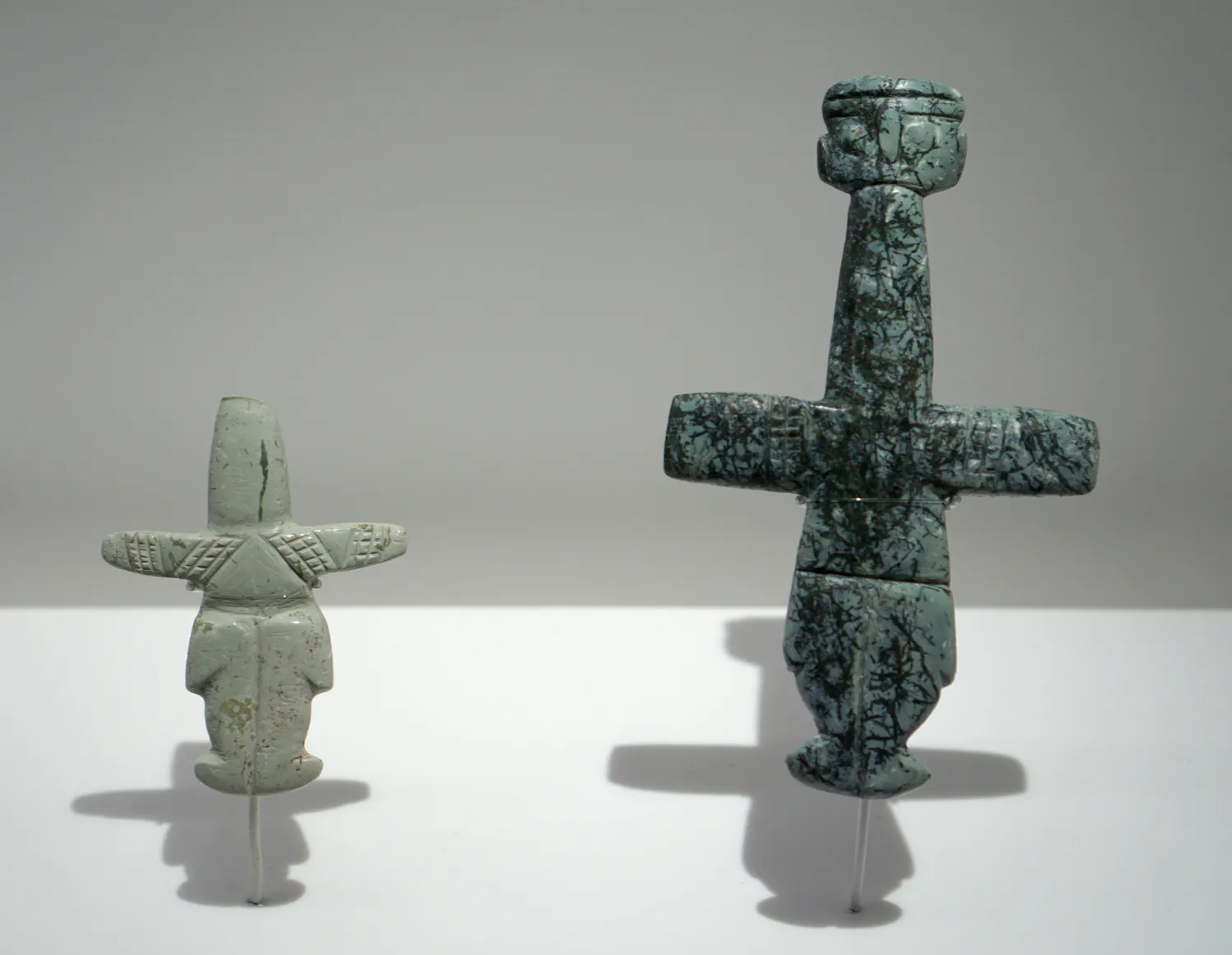
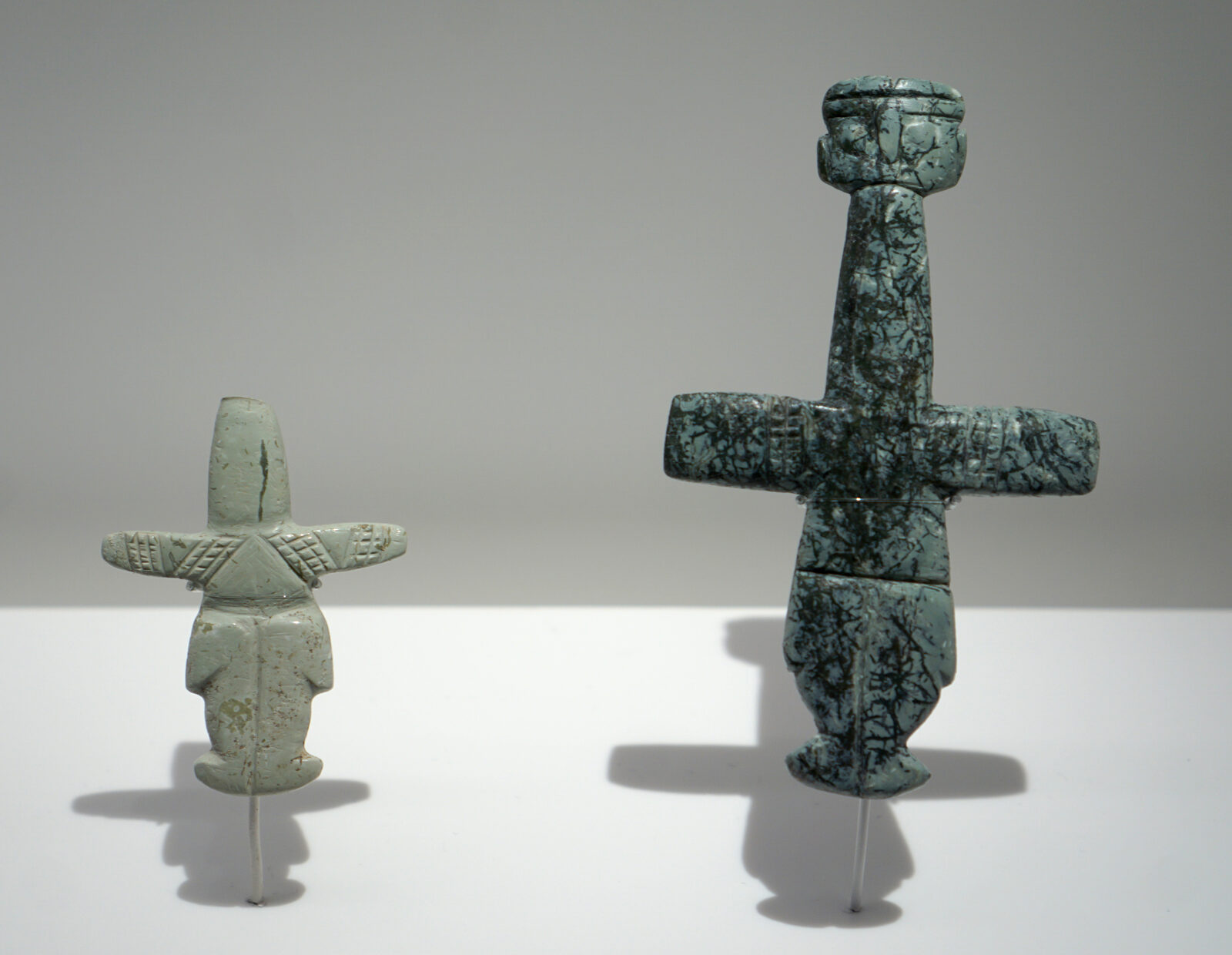
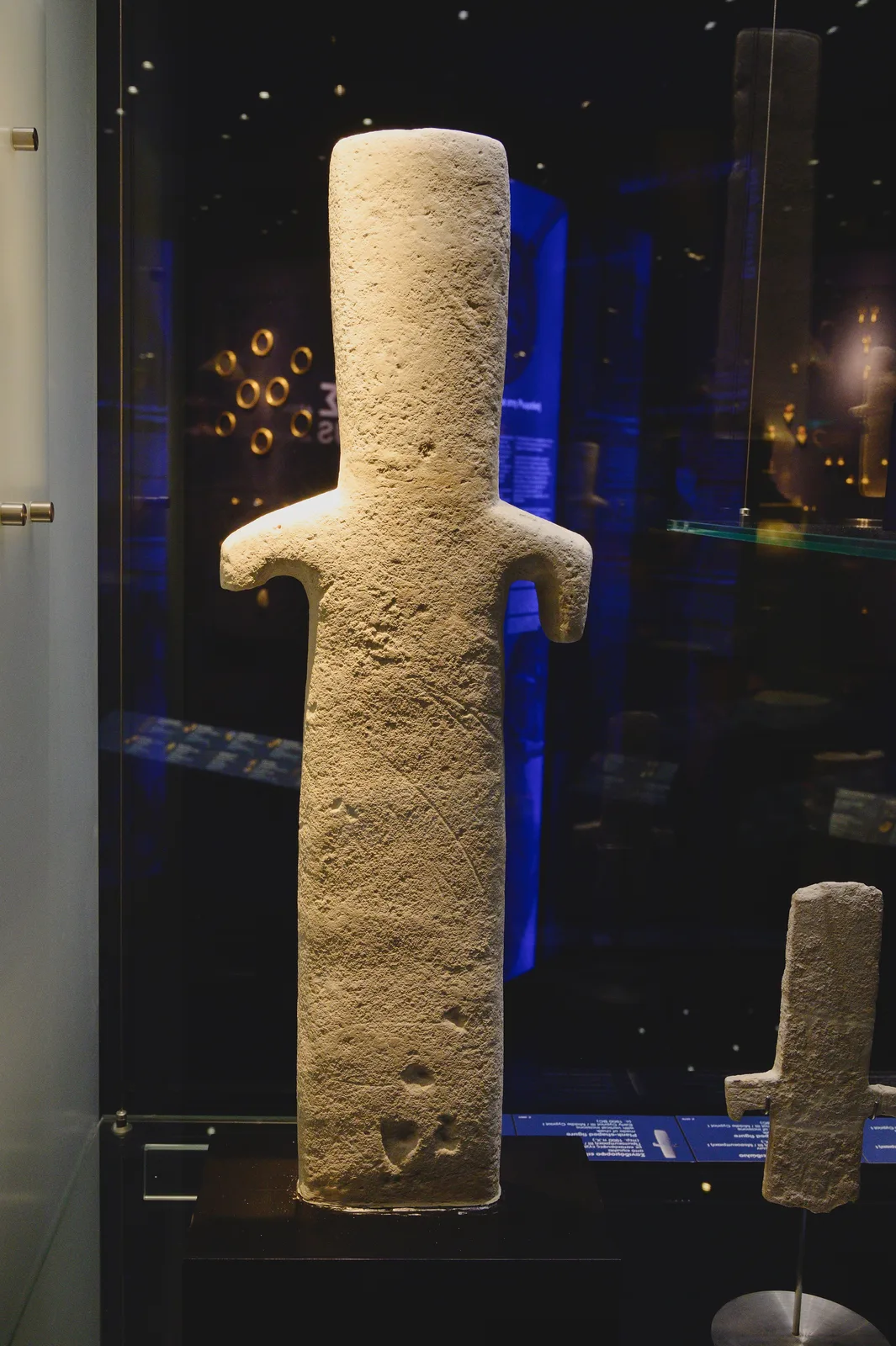 Stone Plank FiguresA rare class of about fourteen Bronze Age Cypriot plank figures carved in gypsum, chalk or limestone, most of them without a recorded find-spot.Early Bronze AgeMiddle Bronze Age
Antiquities Trade
67 entriesSection overview
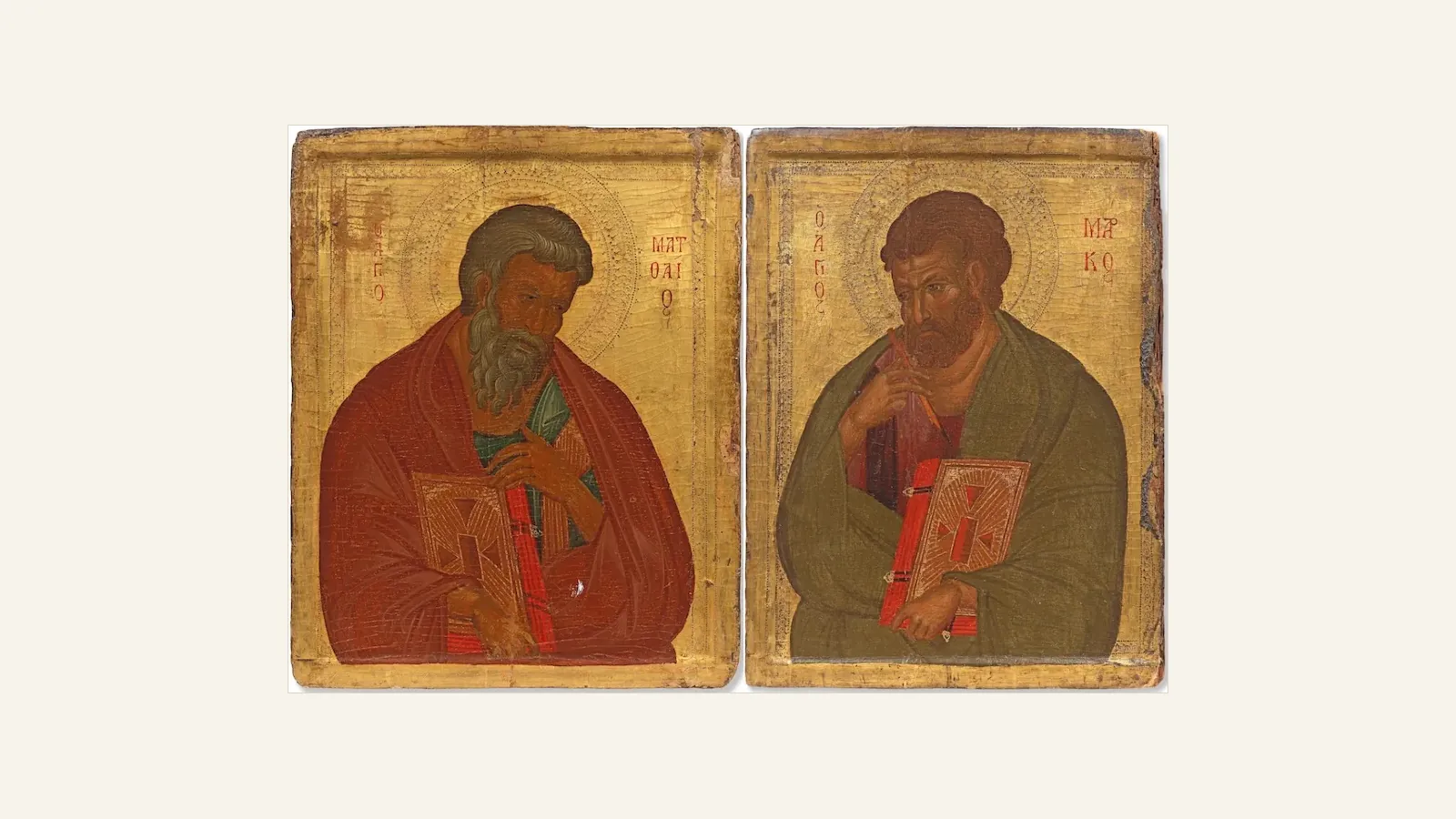 Aydın Dikmen and the Church Art of the Occupied NorthThe part Aydın Dikmen played in the Lysi, Kanakaria, Antiphonitis and Munich cases, as courts, police records and the Church of Cyprus describe it, and what he handled besides church art.
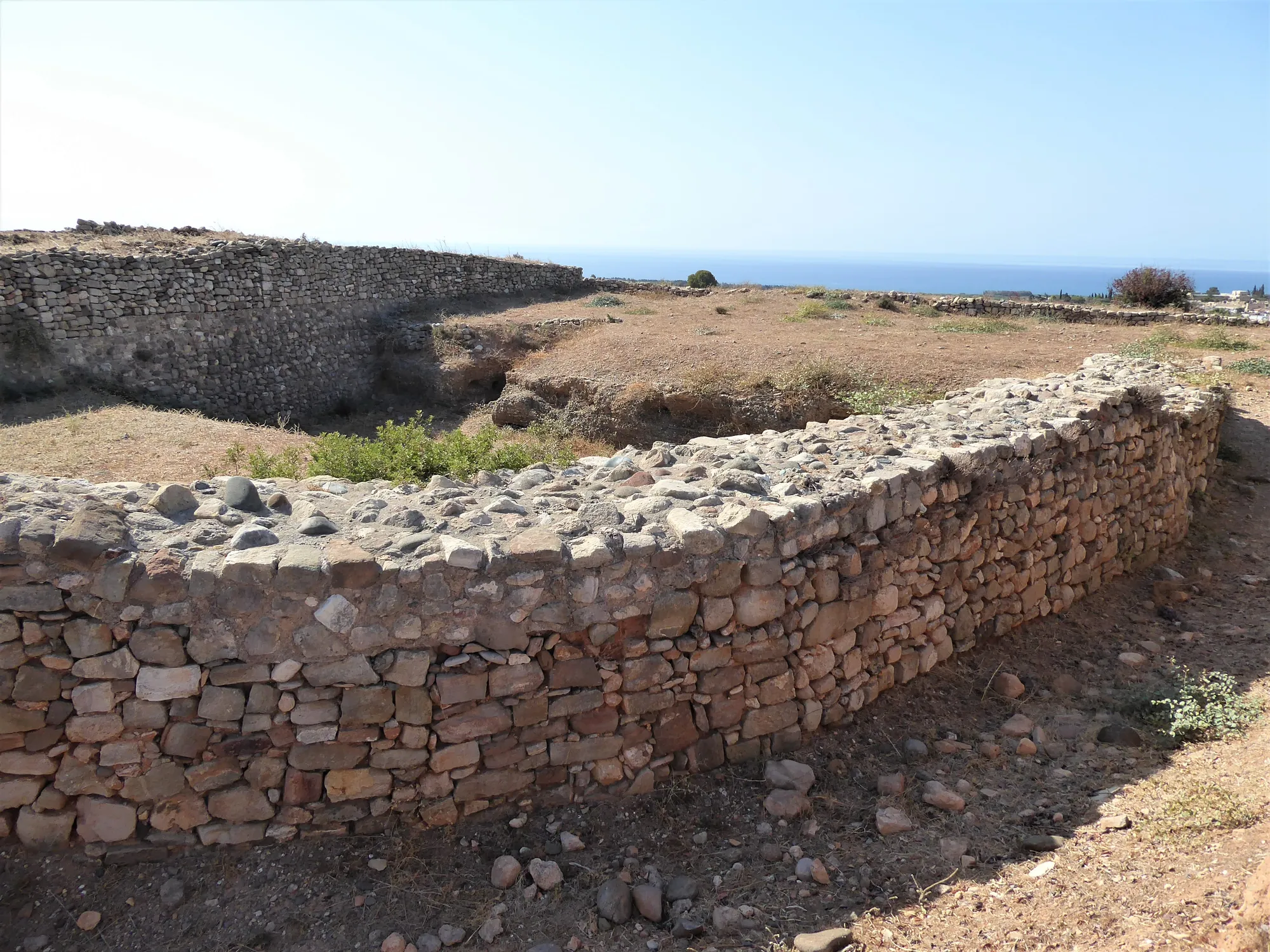 Chance Finds and Opportunistic Digging in the Republic of Cyprus after 1974Chance finds, tomb robbing and metal-detecting in the south after 1974, the finder's duties under Cap. 31, the 2012 to 2017 case figures, and what they show.
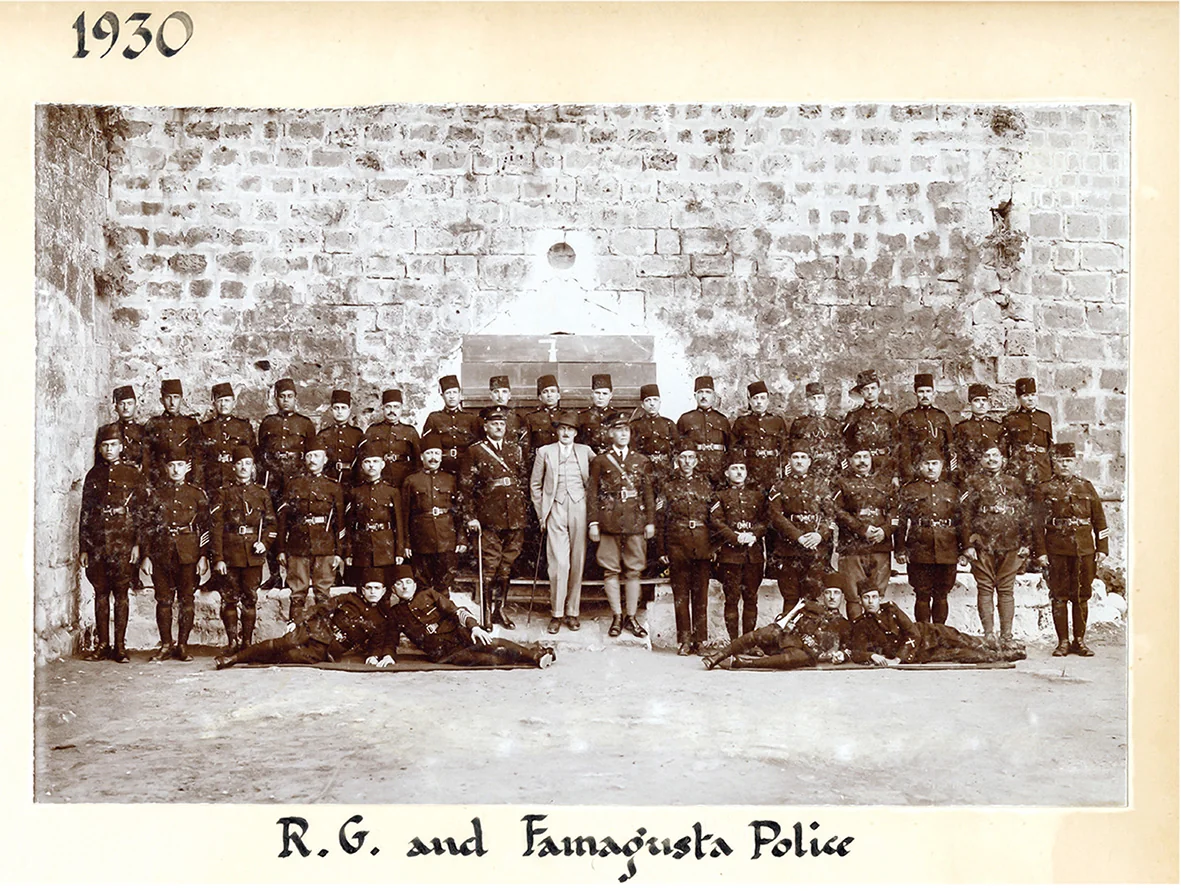 How Much Was Taken? The Loss Figures for Cyprus and Where They Come FromThe loss figures quoted for Cyprus, traced to their first printing, with what each counts, how it was reached and what it leaves out.
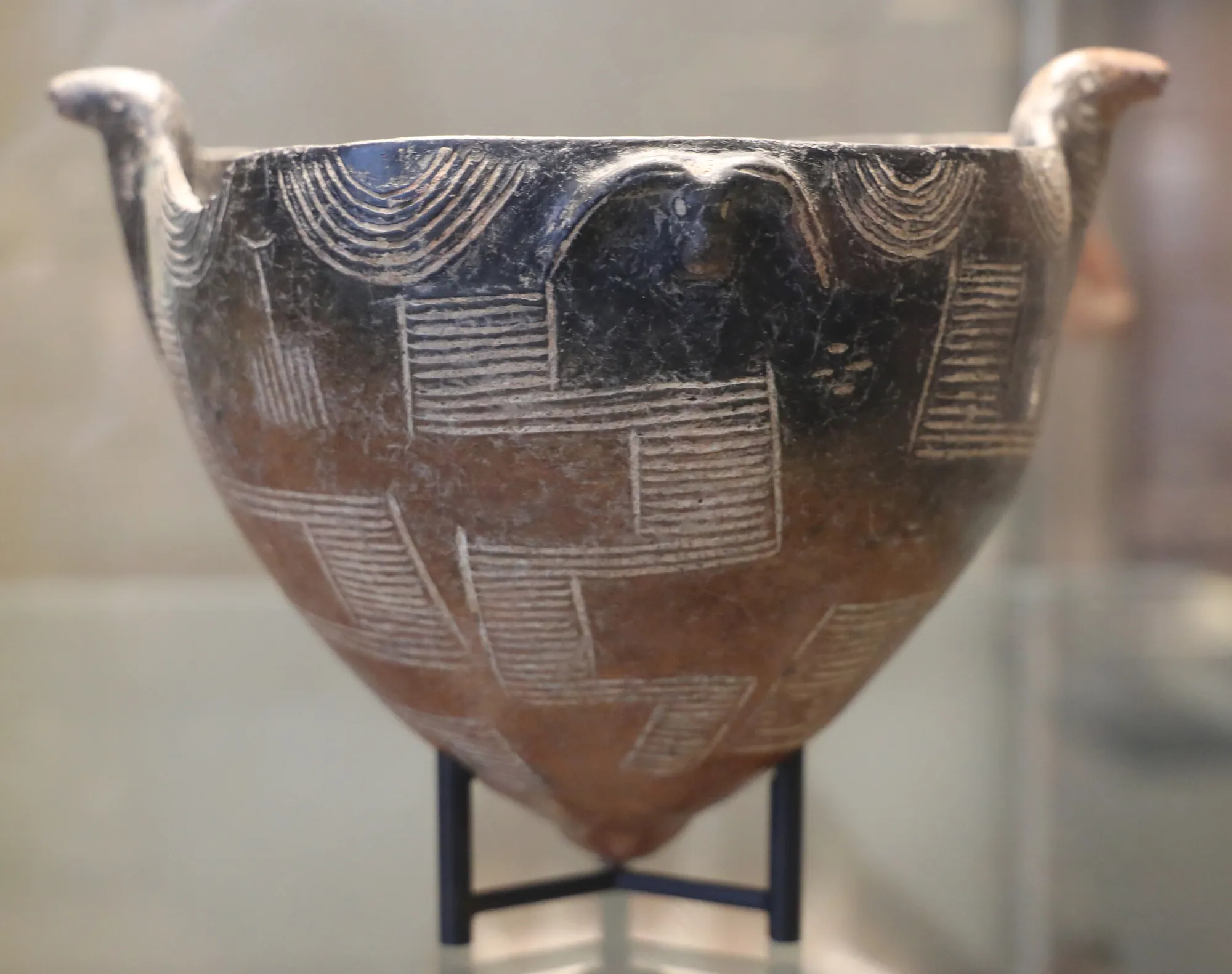 Northern Types with Lawful Histories: Vounous, Lapithos, Enkomi and Salamis Material AbroadWhy an object of a northern type, such as a Vounous or Lapithos pot, is not evidence of looting after 1974, which lawful channels took such objects abroad, and what record distinguishes them.
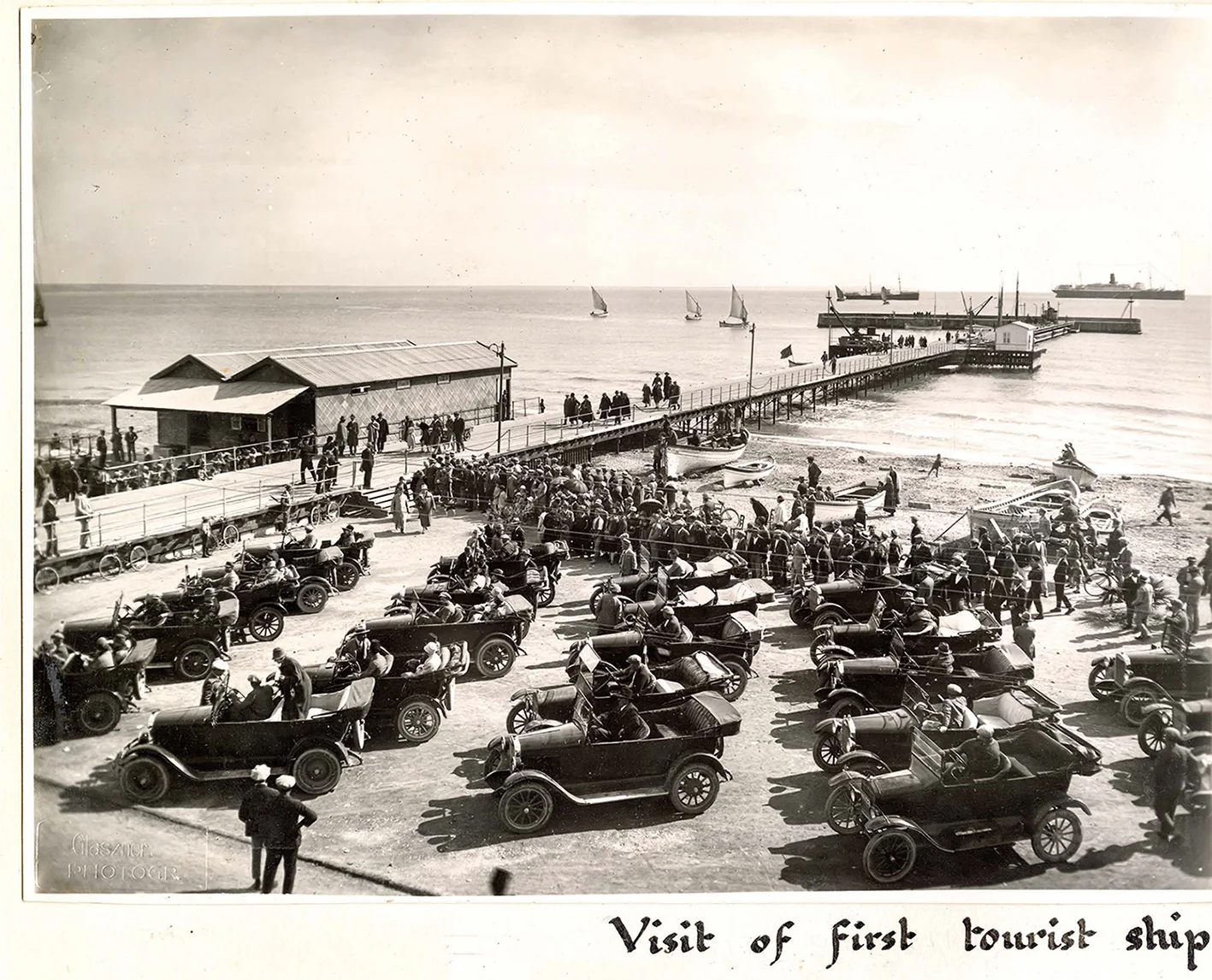 Reading the Evidence on Looting and the Lawful TradeSectionThe numbers, documents, prices and dates behind every claim about looted and lawfully exported Cypriot antiquities.
 Register of Antiquities Bought by the Cyprus Museum, the Leventis Foundation and the ChurchA searchable register of 99 published purchases of antiquities by Cypriot public bodies and their partners, 1935 to 2024, each with its seller, inventory number, stated reason and source.
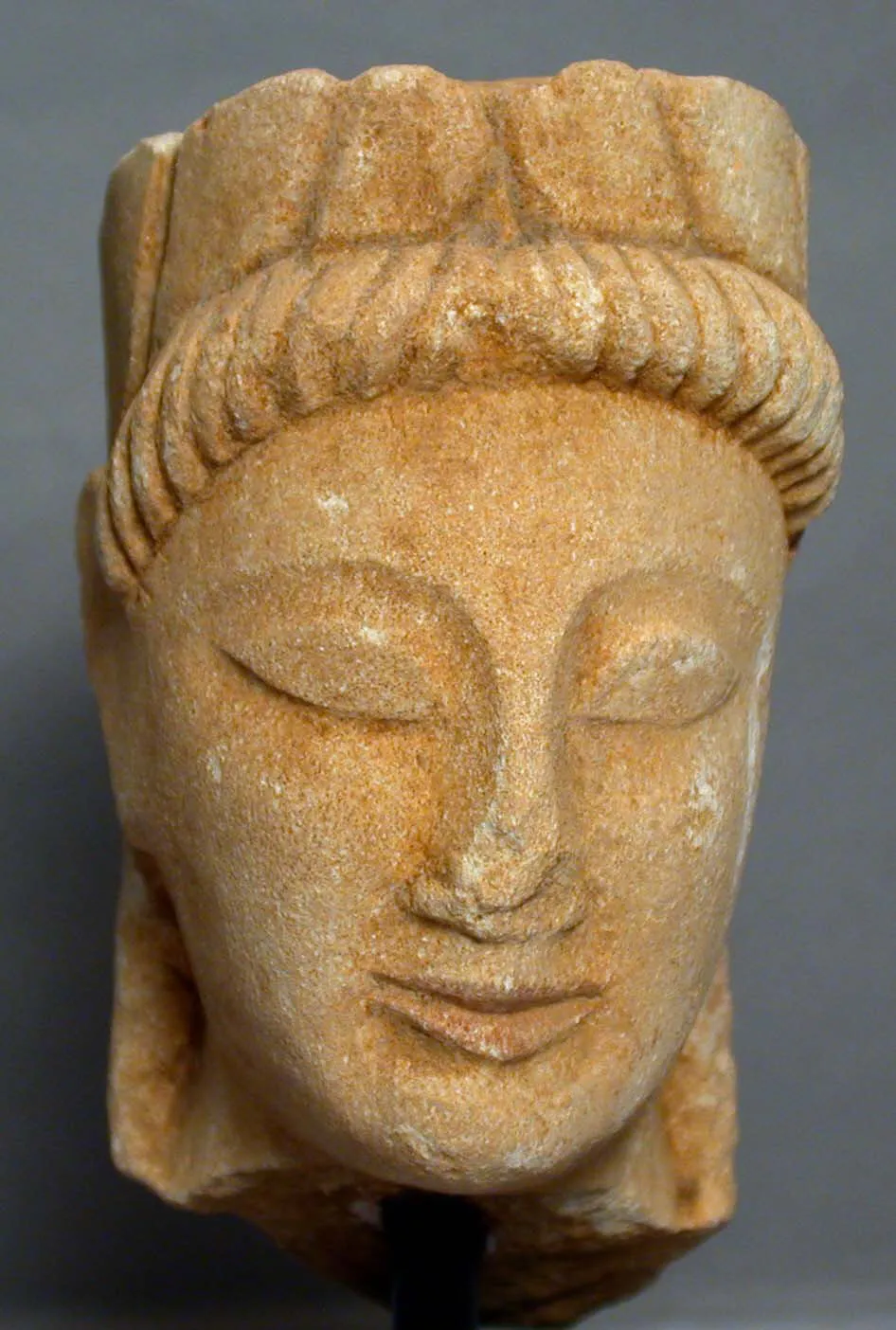 The Trade in Cypriot Antiquities since 1996: The Twenty-First-Century MarketSince 1996 no new lawful supply has left Cyprus, so the trade abroad re-sells old stock, sorted by documented history between the major houses and the cheap venues.
 Tomb-Digging in Ottoman Cyprus, 1860s to 1878Village tomb-digging before 1878, from the Dali rush of 1868 to the consuls' gangs and the Larnaca buyers, and why it was a wage trade rather than organised crime.
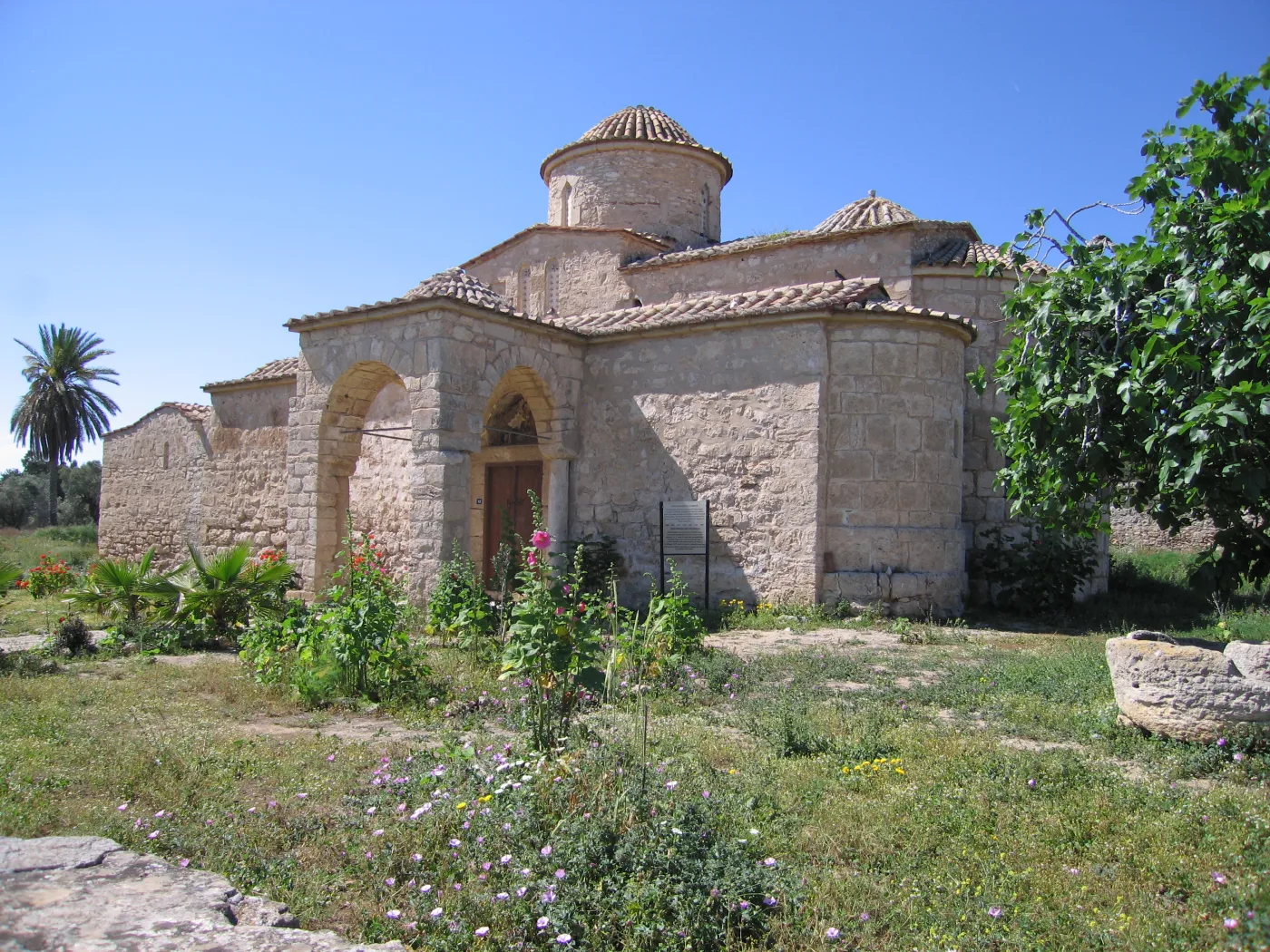 UNESCO 1970 and the Hague Convention: The International Law on Cypriot AntiquitiesThe Hague Convention and Protocols, UNESCO 1970, UNIDROIT 1995 and the Nicosia Convention as they apply to Cyprus: when each state joined, what they protect, what they leave alone.
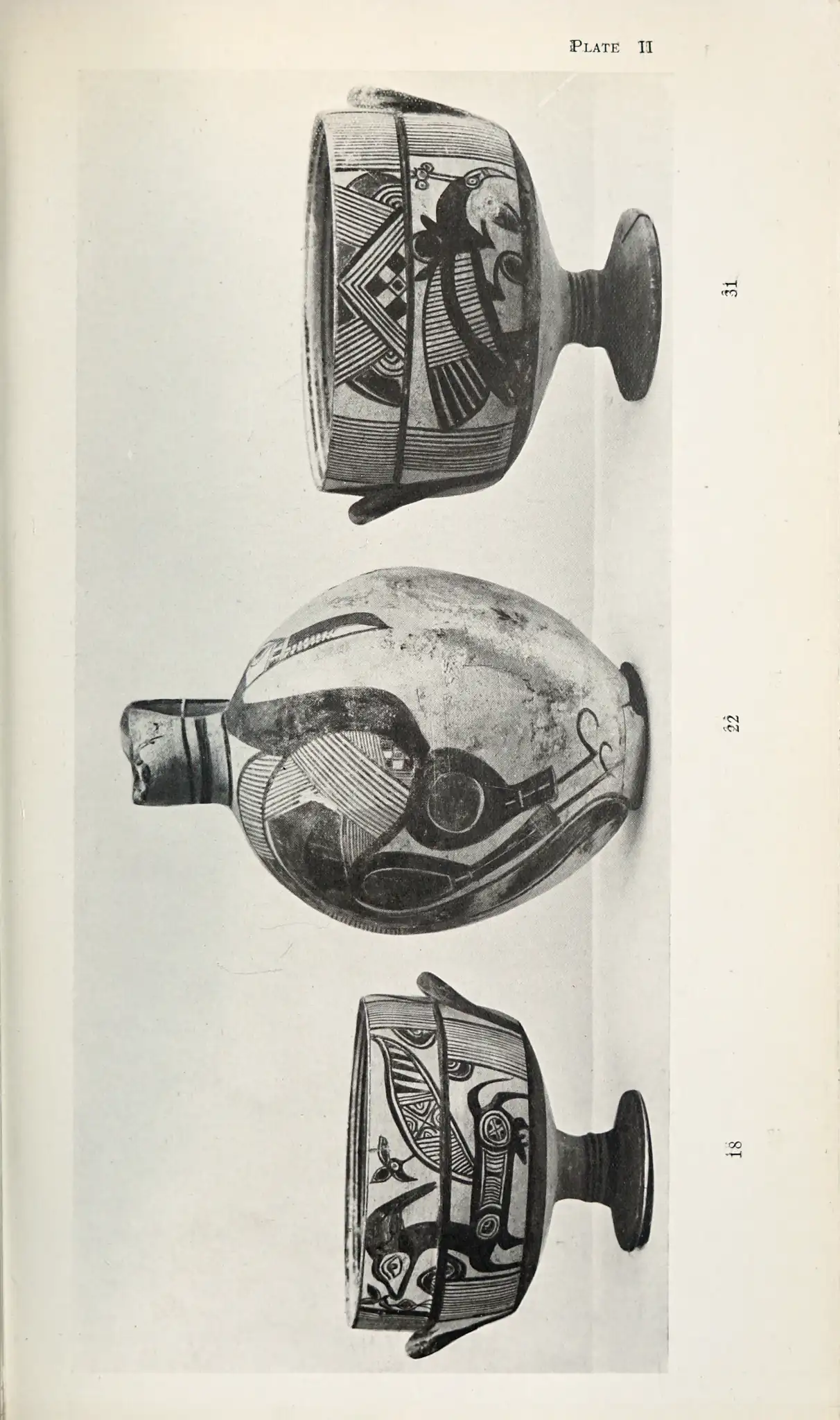 Cypriot Antiquities in the Internet Era: Online Sales, Platforms and Checking a History OnlineHow online selling moved undocumented Cypriot pieces and fakes to the cheapest venues, and how digitised catalogues, museum collections and the Department's archive made lawful histories checkable.
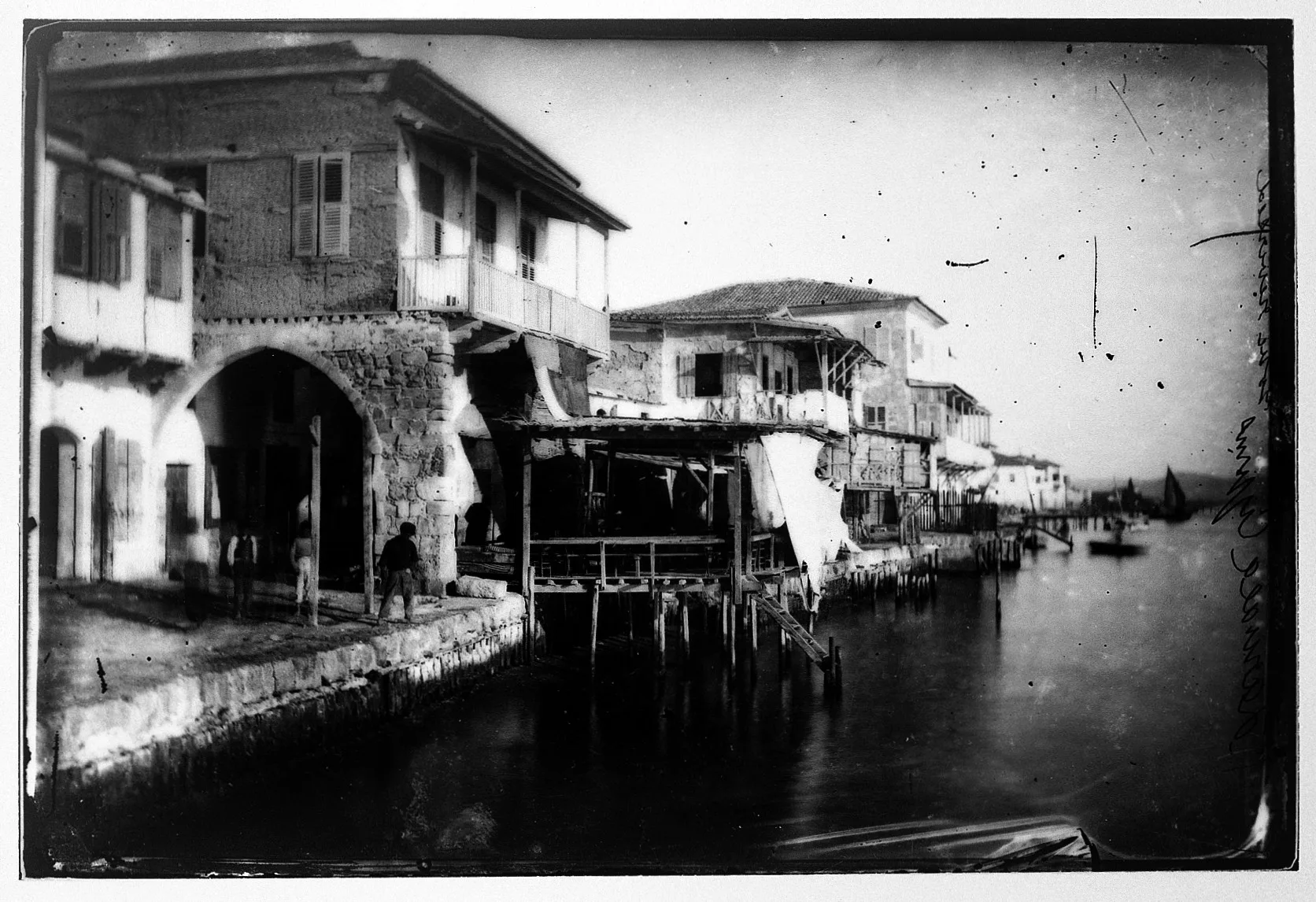 Firmans and Partage: The Lawful Export of Antiquities from Ottoman Cyprus, 1860s to 1905The firmans, landowners' rights and the division of finds in thirds under which consuls, excavators and museums lawfully exported Cypriot antiquities from the 1860s until the law of 1905.
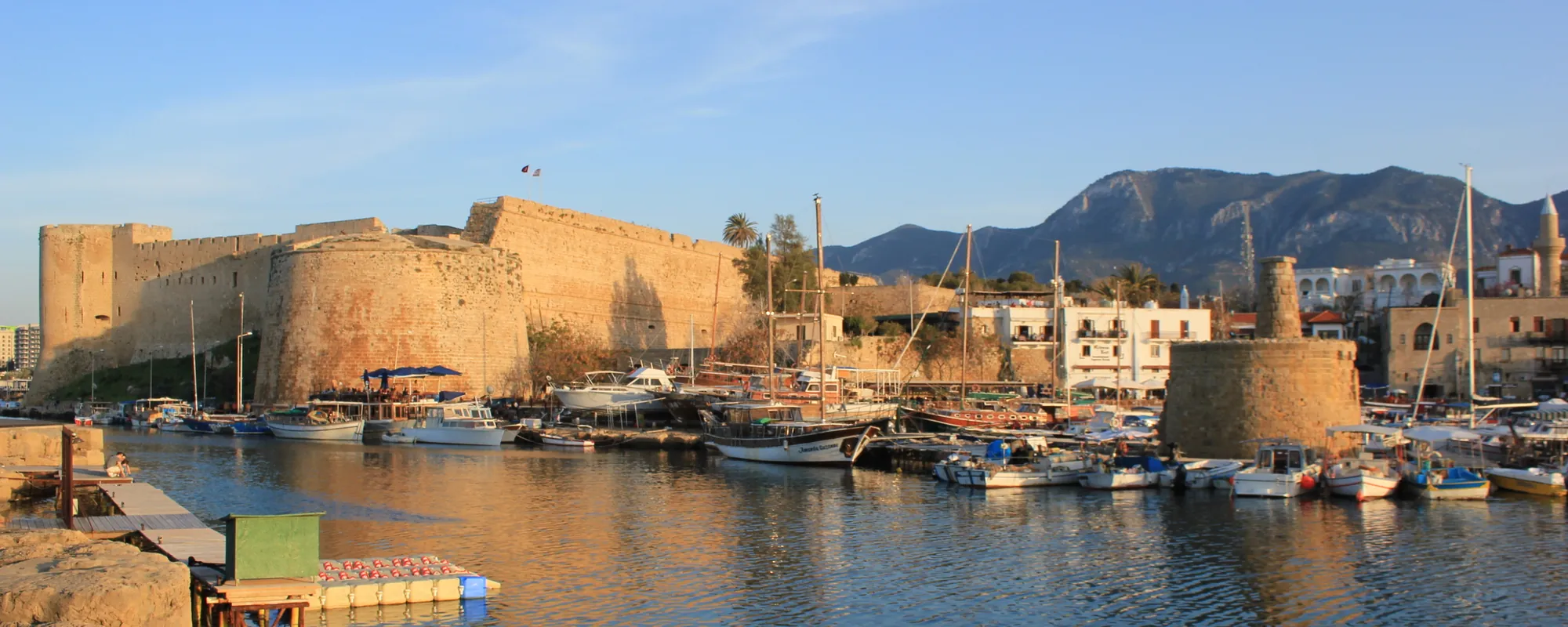 Mehmet Ali İlkman and the Network inside the Occupied NorthThe local side of the illicit trade in the occupied north, through Mehmet Ali İlkman, called its "local boss" in 1989 and never charged, and the people named in 1975 to 1982.
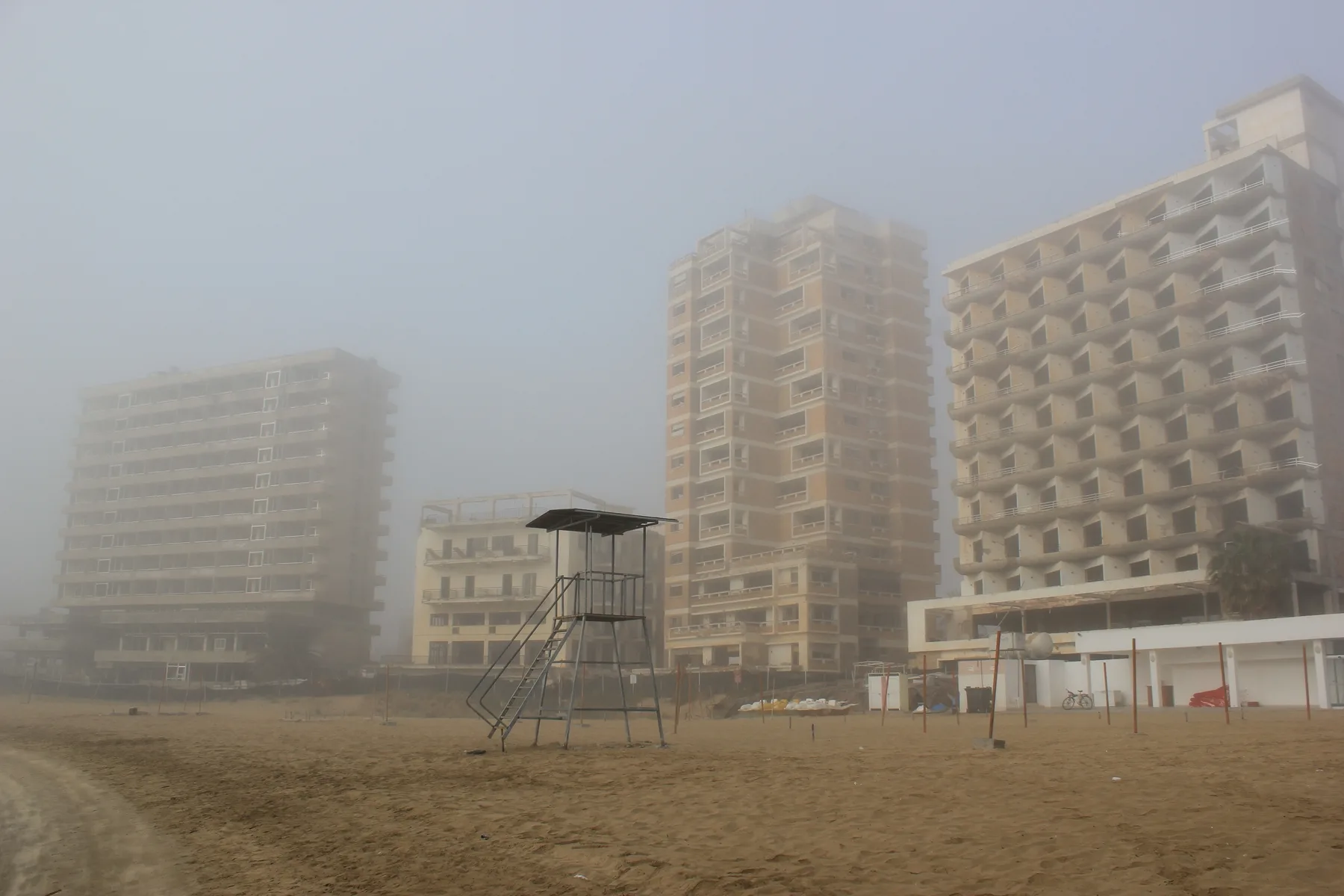 Opportunist Raids in the Occupied North, 1974 to 1977The looting of antiquities in the occupied north in the unsettled years after the Turkish invasion: the documented cases, the generic claims, and the lawful export that continued.
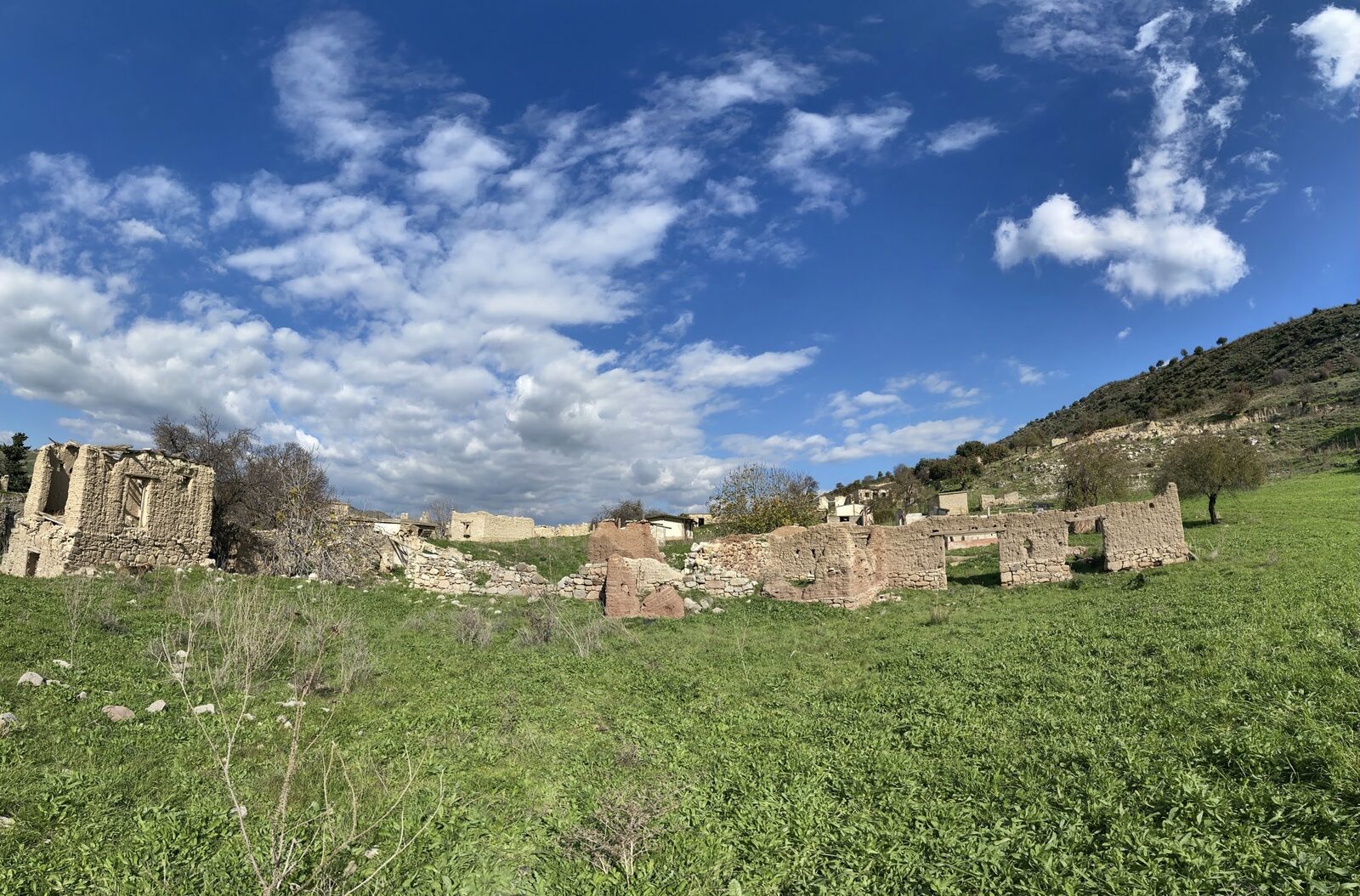 Organised Cases in the South: Souskiou, the Limassol Ring of 2010, Peyia and Operation PandoraThe few organised cases of illicit digging and dealing in the south after 1974, each told as an event, and why they are the exception.
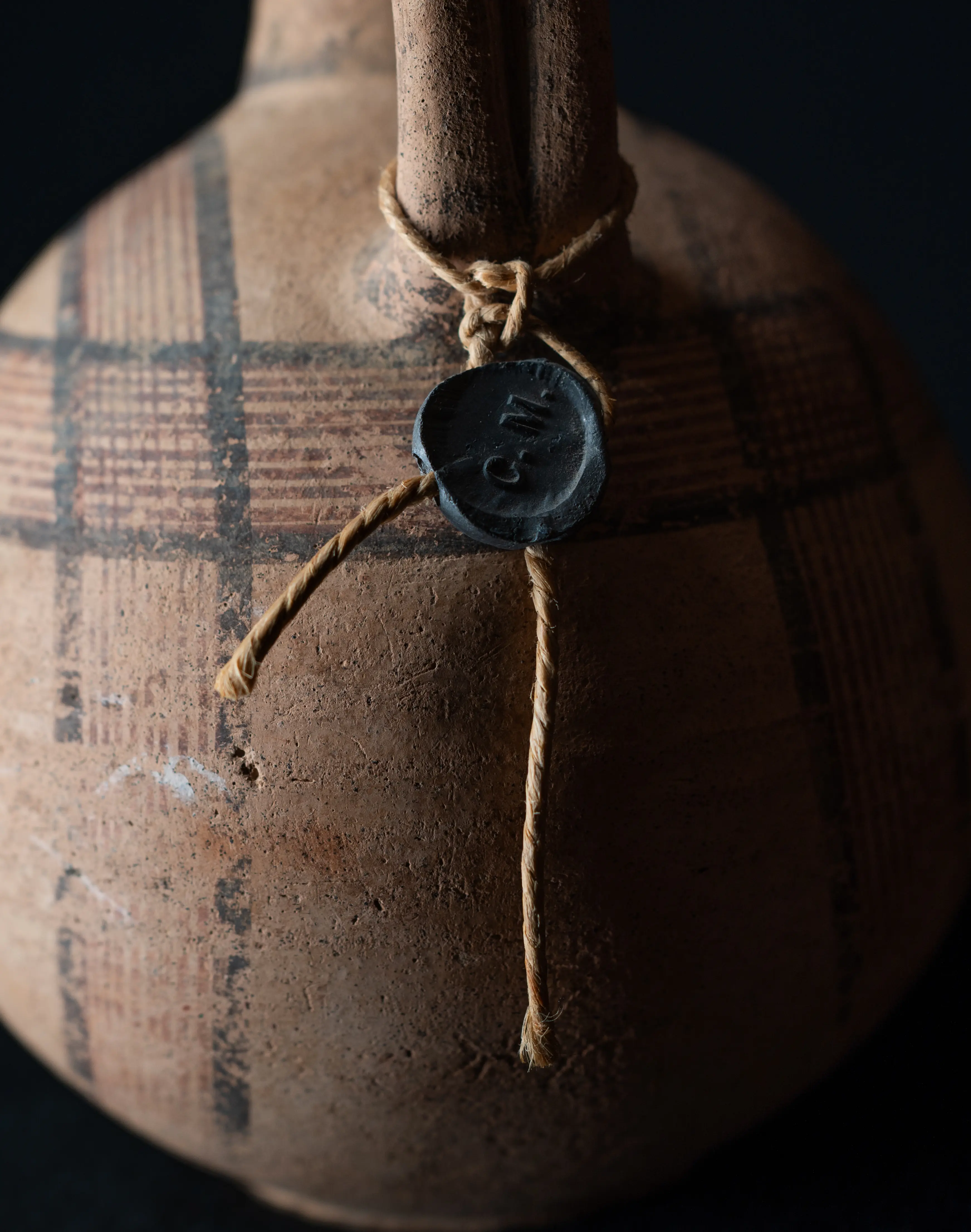 The 1974 Presumption: Why Cypriot Antiquities Are Treated as Guilty Until Proven InnocentWhy an undocumented Cypriot antiquity is now presumed looted after 1974, though most left the island lawfully, and what evidence rebuts the presumption.
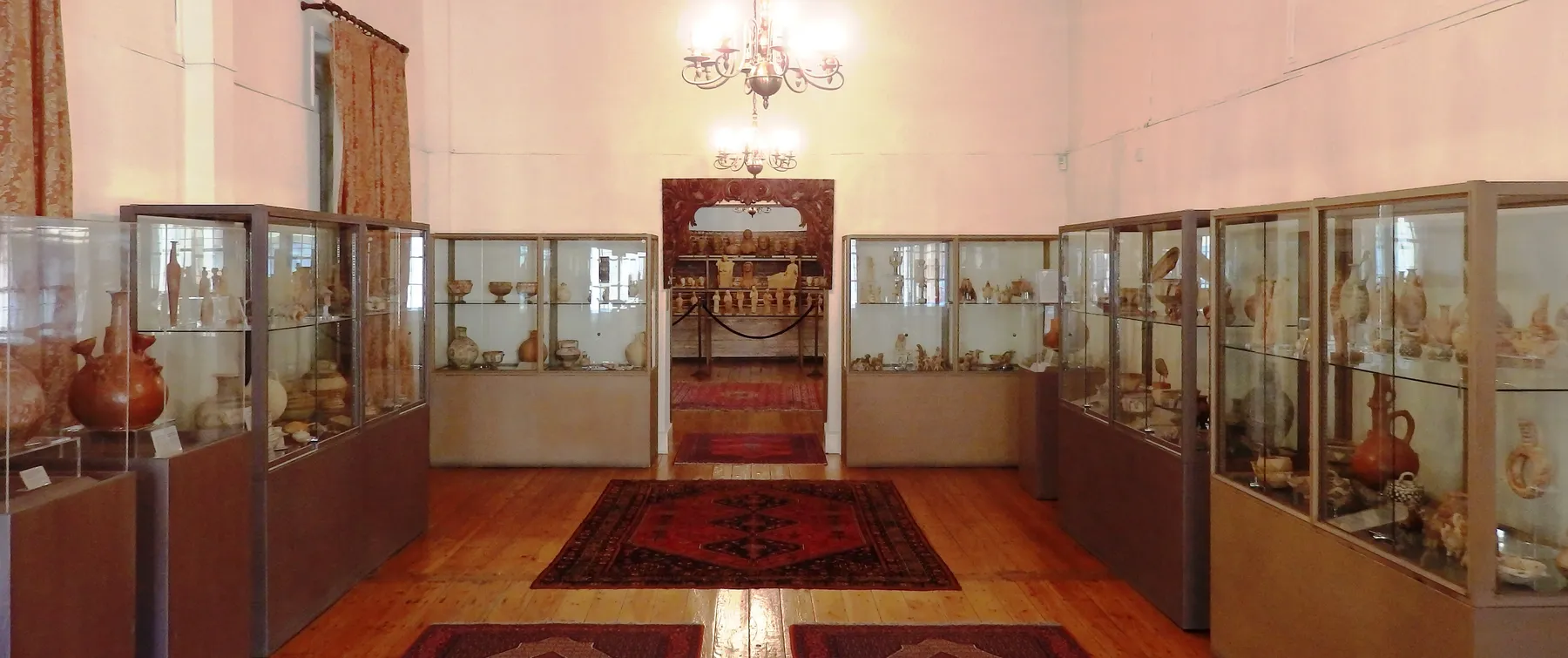 The State as Buyer: How the Cyprus Museum, Its Partners and the Church Bought Cypriot AntiquitiesFor decades the Cyprus Museum and its partners bought Cypriot antiquities on the open market, from licensed dealers, collectors, finders and London shops.
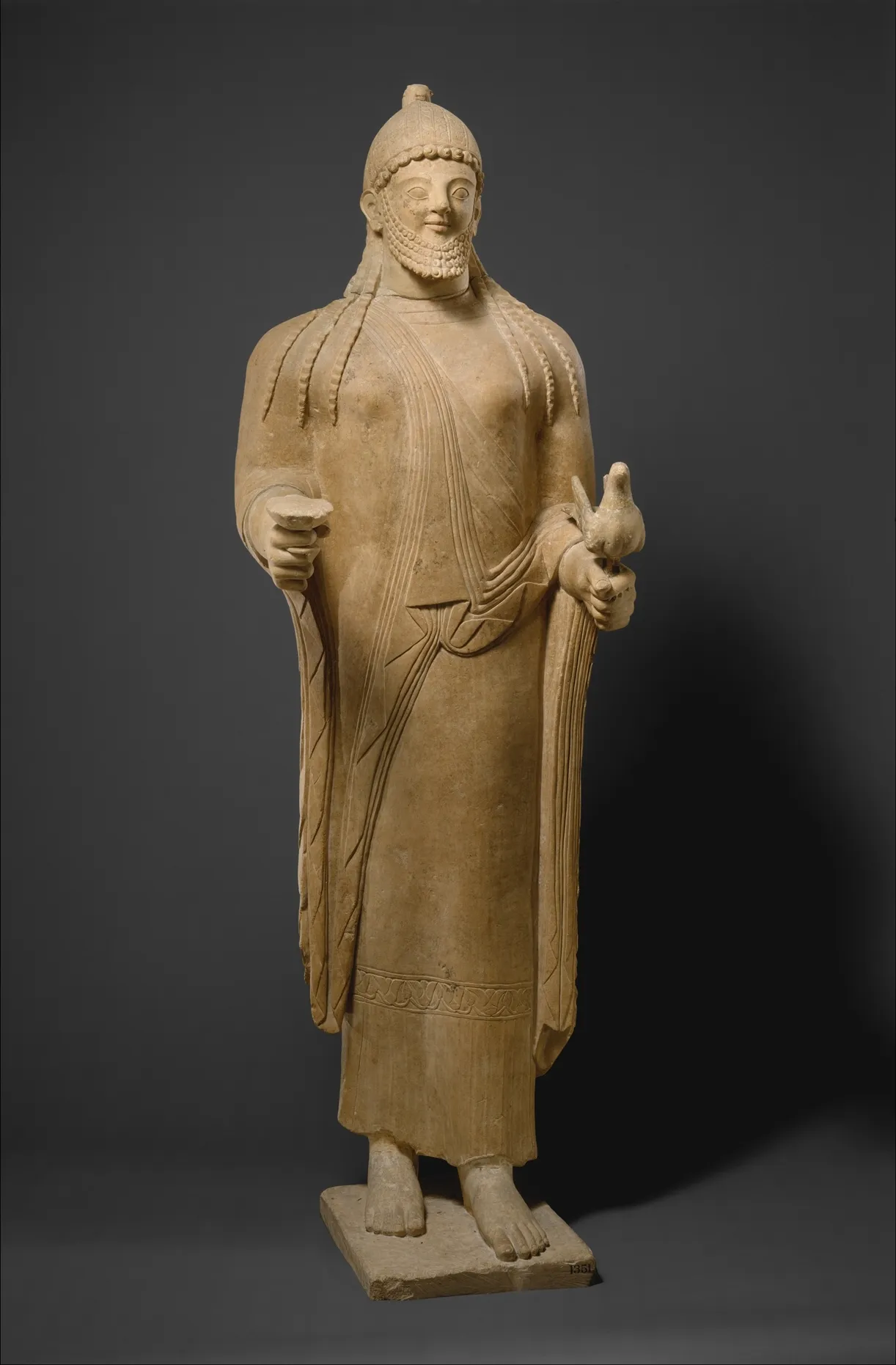 The US Memorandum with Cyprus and the Designated List: American Import Restrictions on Cypriot AntiquitiesHow the US restricts the import of Cypriot material since 1999 and 2002, what the Designated List covers, and why the date an object left Cyprus decides.
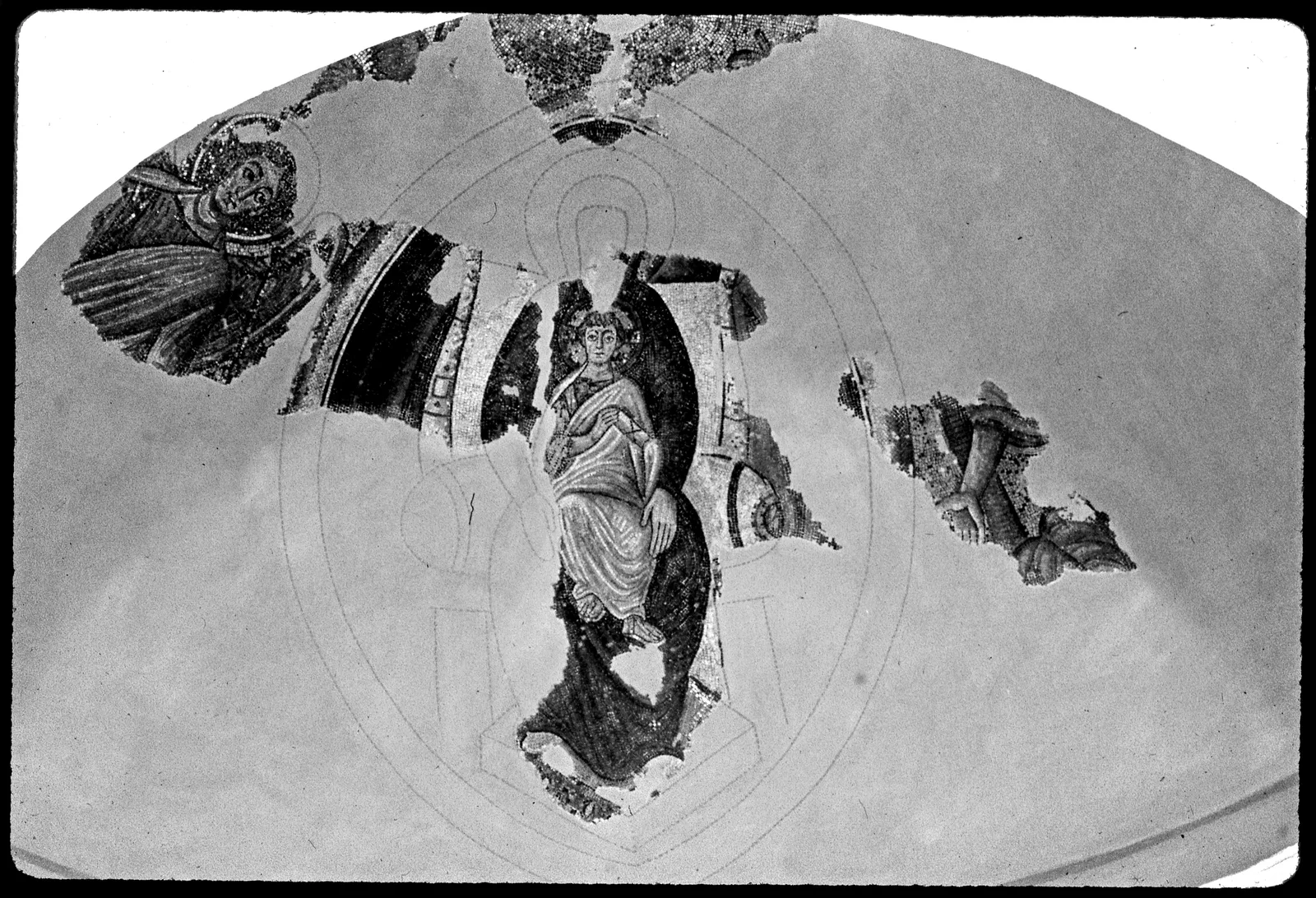 Church Art and Antiquities: Two Trades from the Occupied NorthChurch art and archaeology left the occupied north as different objects in different markets, partly through the same network; the loss figures often merge them.
 Digging and the Lawful Trade in Cyprus before 1974SectionIllicit digging across the island before 1974, set beside the firmans, laws, saleroom, licensed dealers and registered collections through which most Cypriot antiquities lawfully changed hands.
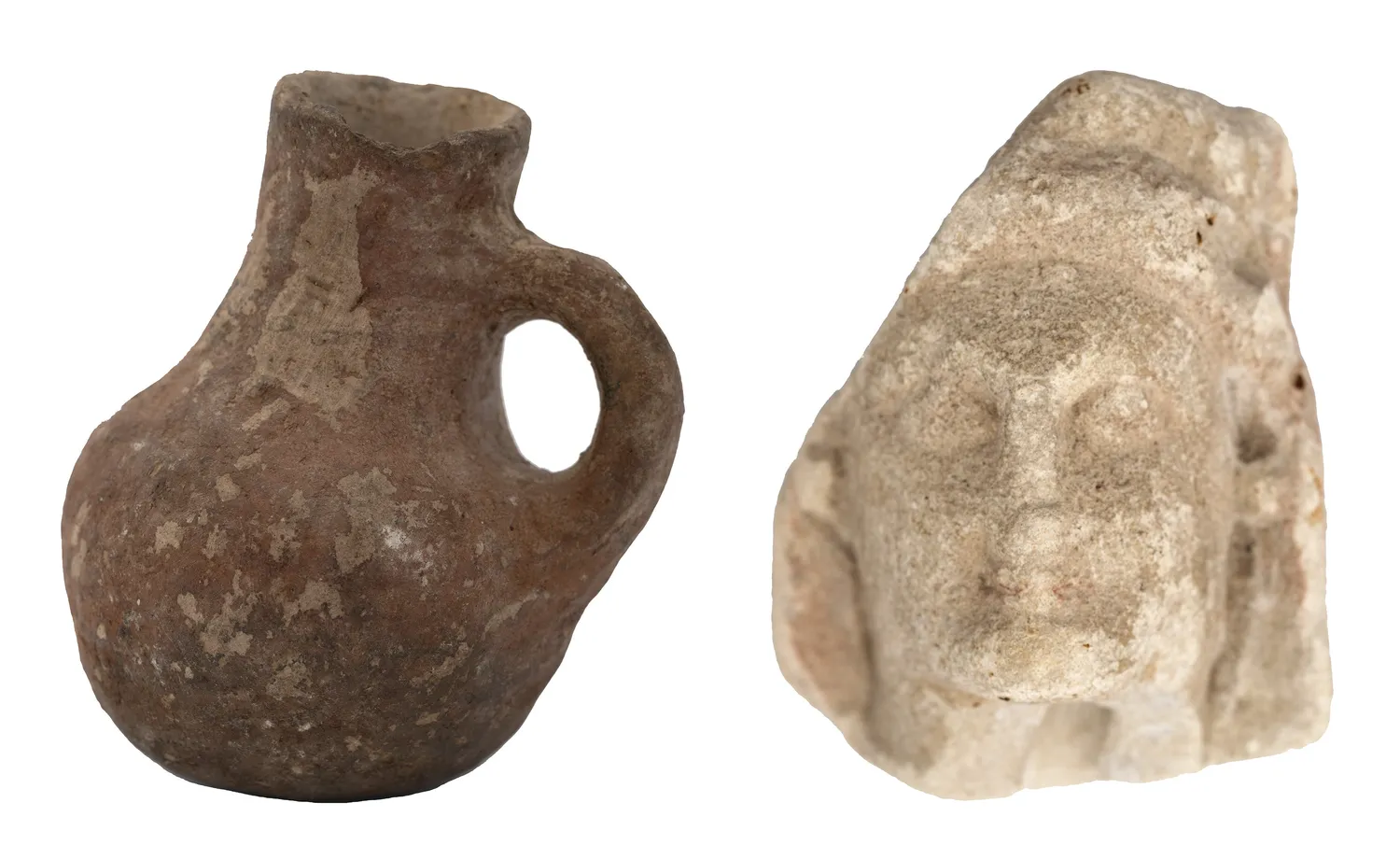 EU and UK Rules for Cypriot Antiquities: Export, Import and Return in Europe TodayThe EU, UK and Swiss rules a Cypriot antiquity meets today, what each asks about the date and lawfulness of its export, and how old Cypriot paperwork answers them.
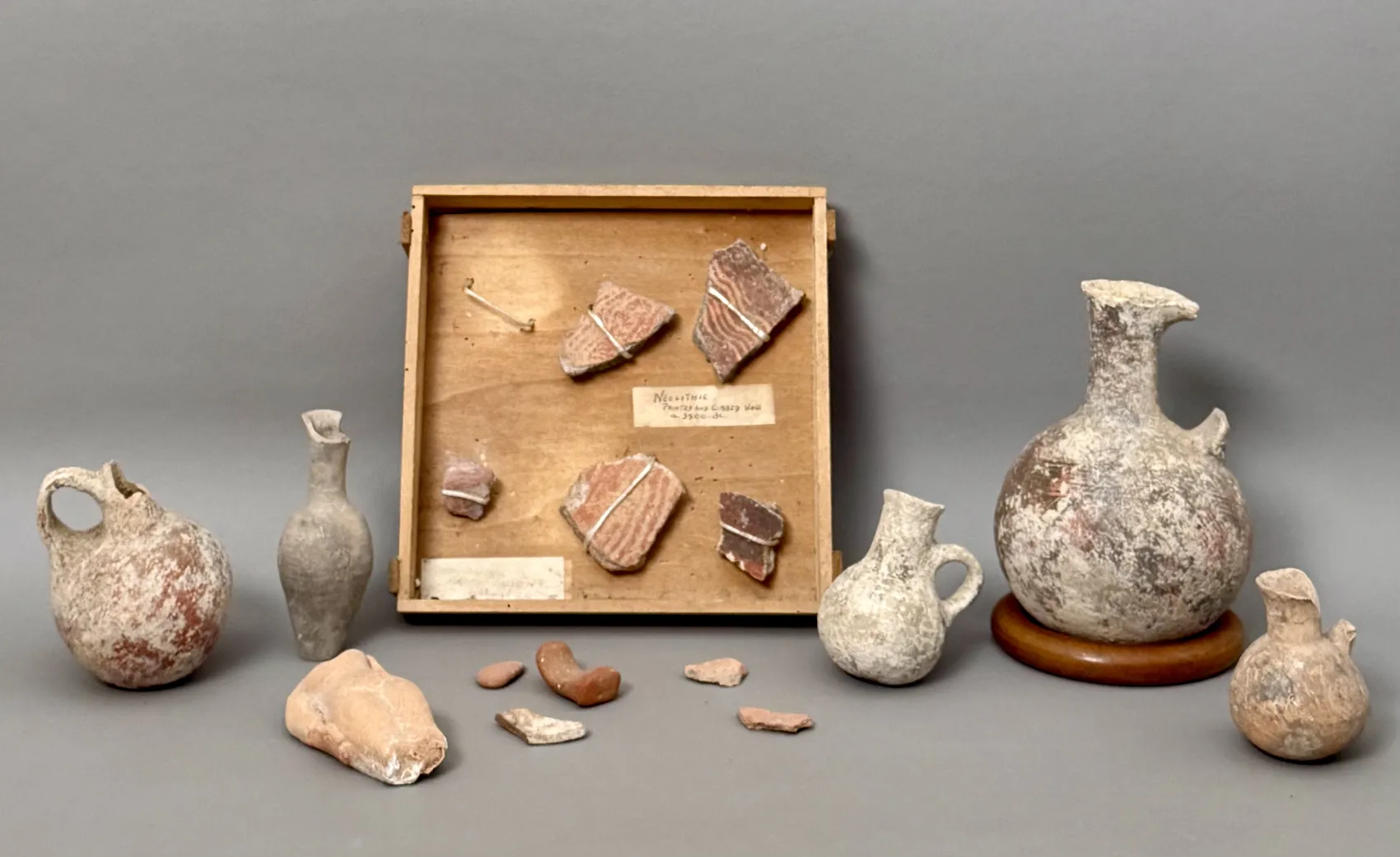 Heirs and Old Collections: Where the Cypriot Antiquities on Today's Market Come FromSince 1996 no lawful export has left Cyprus, so the market abroad lives on old stock from estates and old collections; how it surfaces, why it lacks paper, and the loot that hides in the same stream.
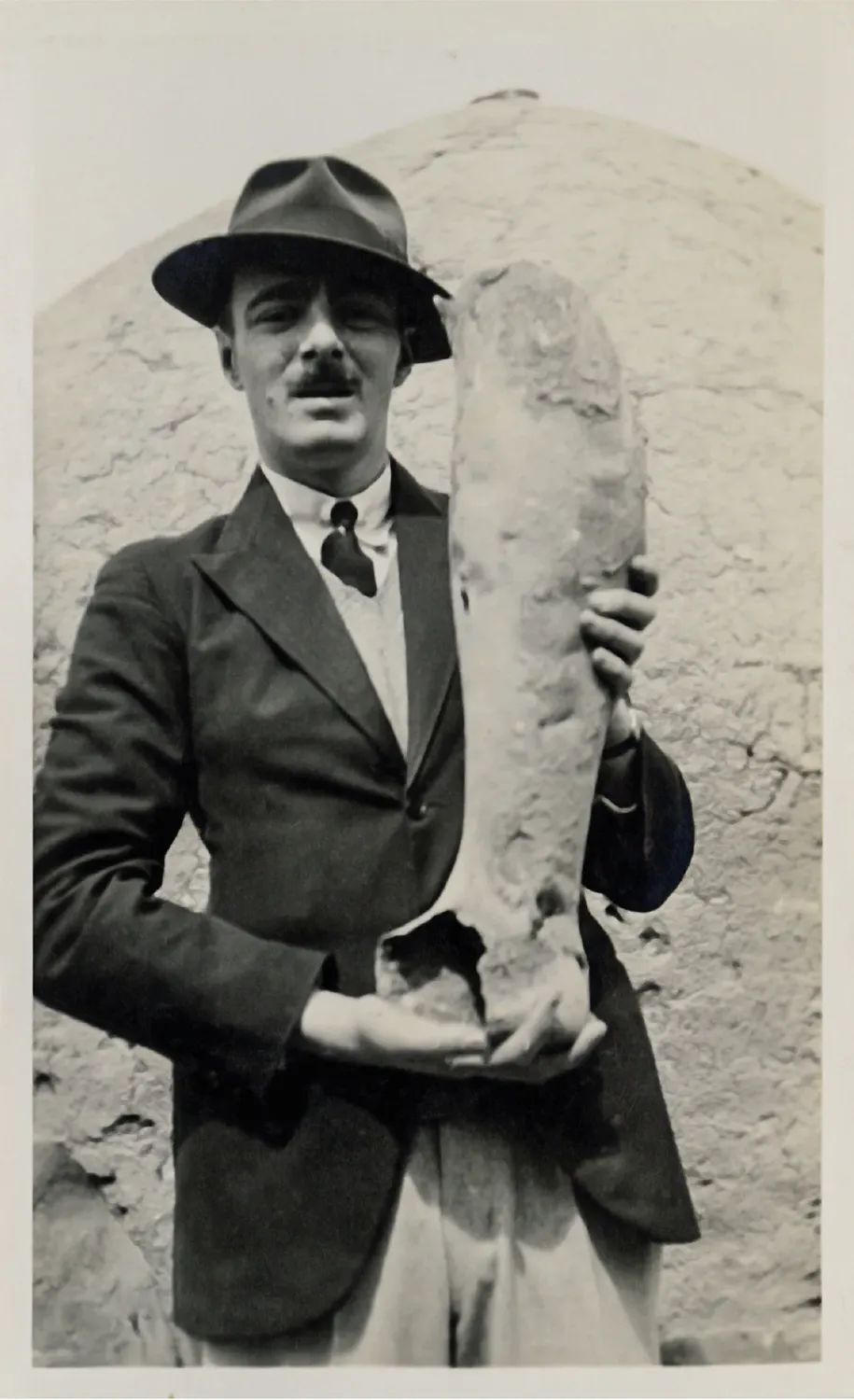 Illicit Digging under British Rule, 1878 to 1960How unlicensed tomb-digging continued in Cypriot villages under British rule, how the Museum, the police and the Department of Antiquities answered it, and whether the lawful trade encouraged it.
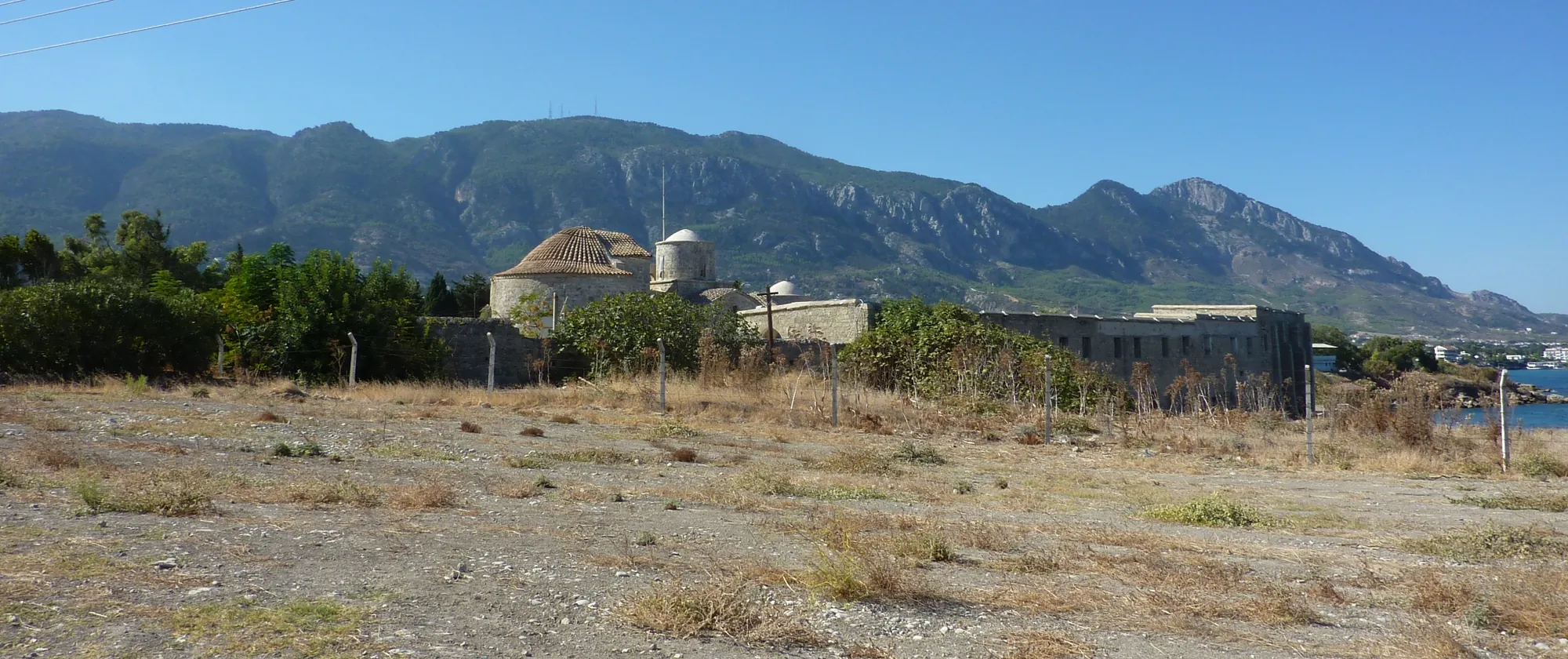 Michel van Rijn and the Recovery of Church Art from CyprusThe Dutch icon dealer who arranged the 1988 sale of the Kanakaria mosaics and later brought Cypriot church art back as an informant, with the court's and the Church's figures for what he was paid.
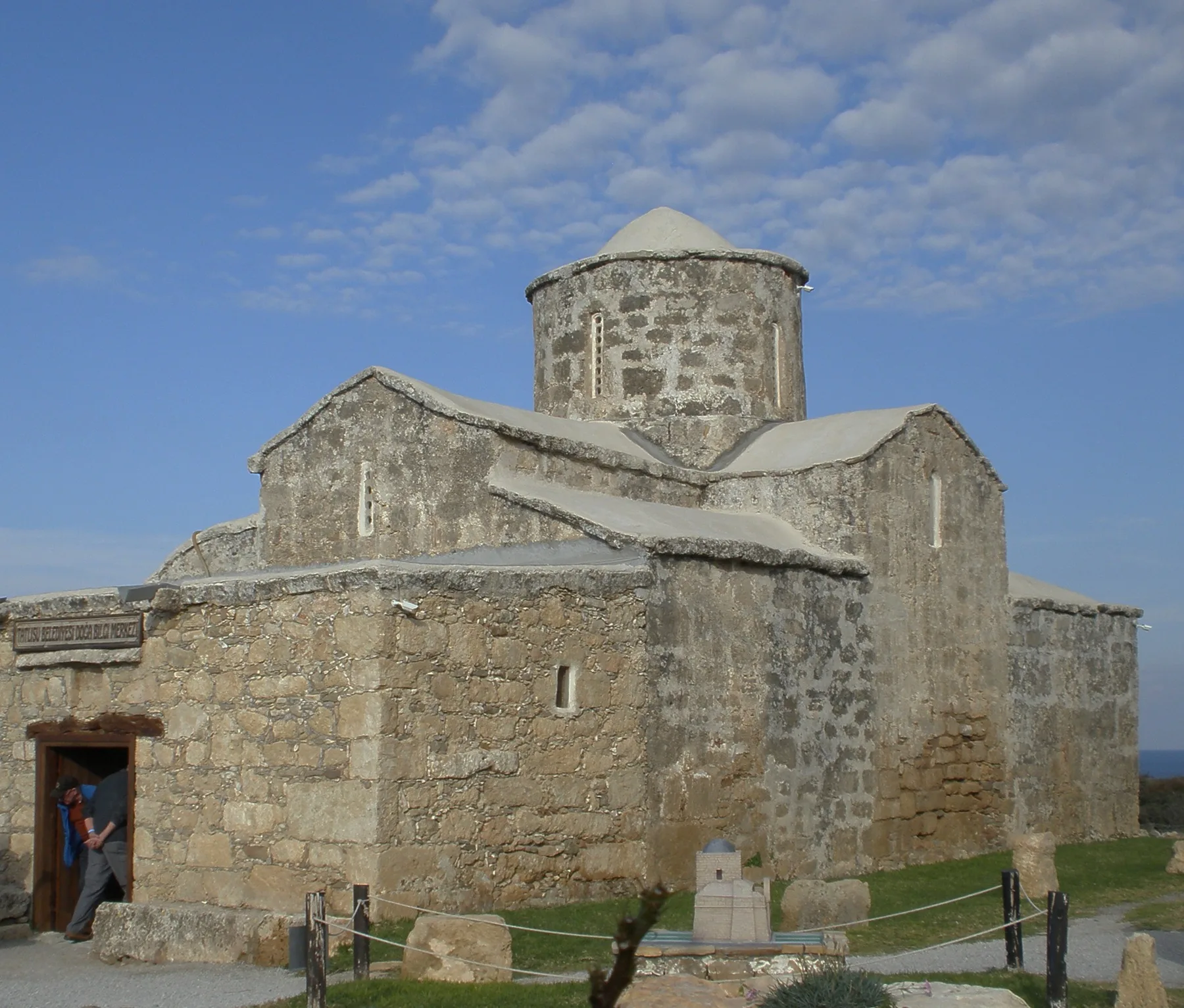 Organised Looting in the Occupied North, 1977 to 1982The organised looting of 1977 to 1982 in the occupied north: why it was mostly church art, what the small antiquities seizures show, and why the period ends in 1982.
 Policing and Monitoring: How the Republic of Cyprus Polices Antiquities and Watches the Market AbroadThe Republic's antiquities police office, national committee and online monitoring, the 2024 to 2026 withdrawals and returns, the penalties of Cap. 31, and what the monitoring catches.
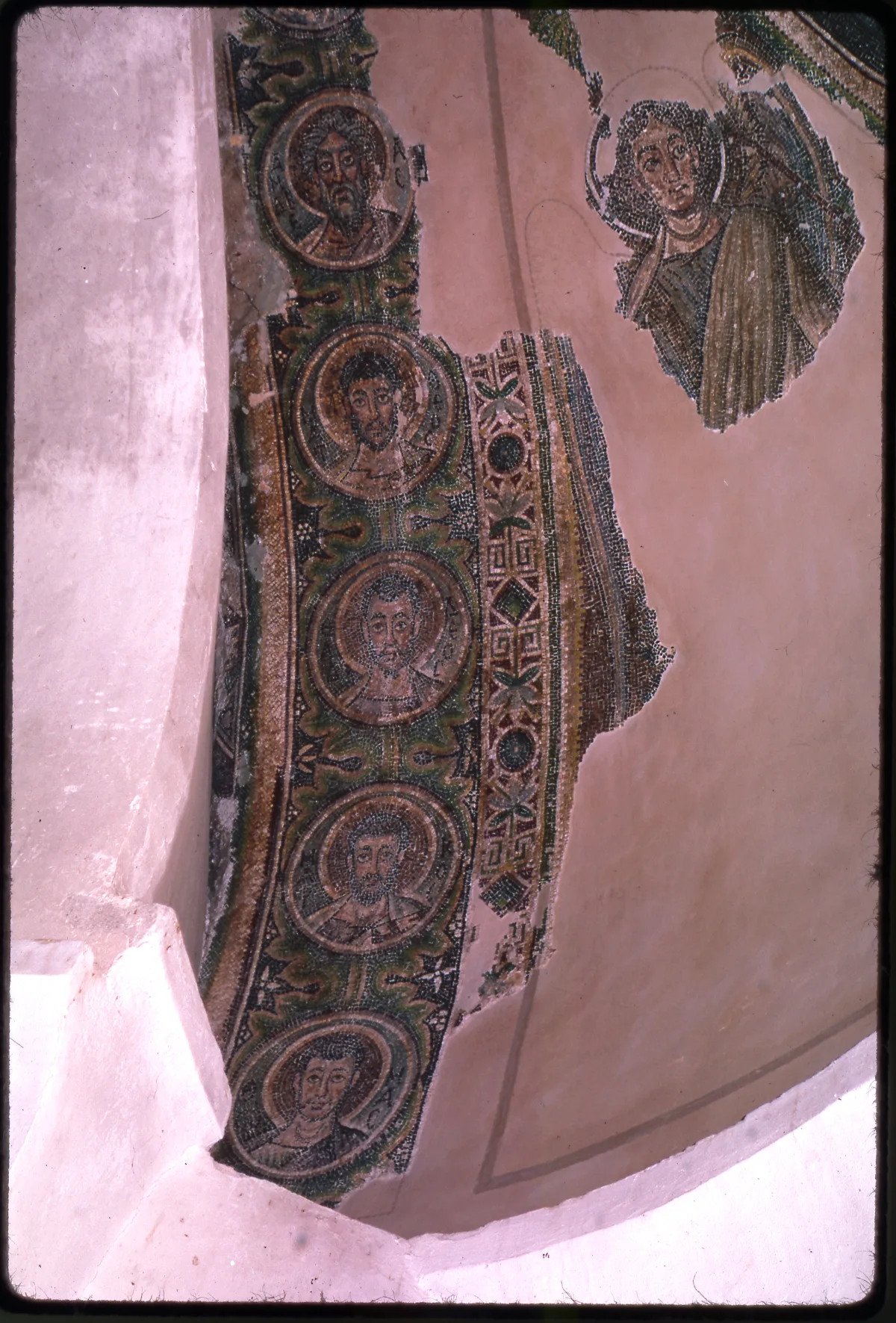 The Kanakaria Mosaics: Theft, Sale in Geneva and ReturnHow the Kanakaria apse mosaic was cut from its church after 1974, sold in Geneva in 1988 and recovered through an American court and later returns, with the court's figures for who was paid what.
 Antiquities and Church Art in the Occupied North after 1974SectionThe looting of antiquities and church art in the occupied north after 1974, set beside the northern objects that left Cyprus lawfully before it.
 Autocephalous Church of Cyprus v. Goldberg: The Kanakaria Case in the American CourtsHow a federal court in Indianapolis and the Seventh Circuit awarded four stolen fragments of the Kanakaria mosaic to the Church of Cyprus, and what the judgments still require of a buyer.
 Buying Back: Recovering Cypriot Antiquities and Church Art by Purchase Instead of in CourtFrom 1970 the Department, the Leventis Foundation and the Church bought back Cypriot objects that could not be claimed in court. The policy, the court cases and the critique.
 Does Looting Cyprus Pay? The Economics of Illicit Cypriot AntiquitiesAuction prices, the size of the lawful stock and the money records show that looting ordinary Cypriot antiquities pays the digger very little.
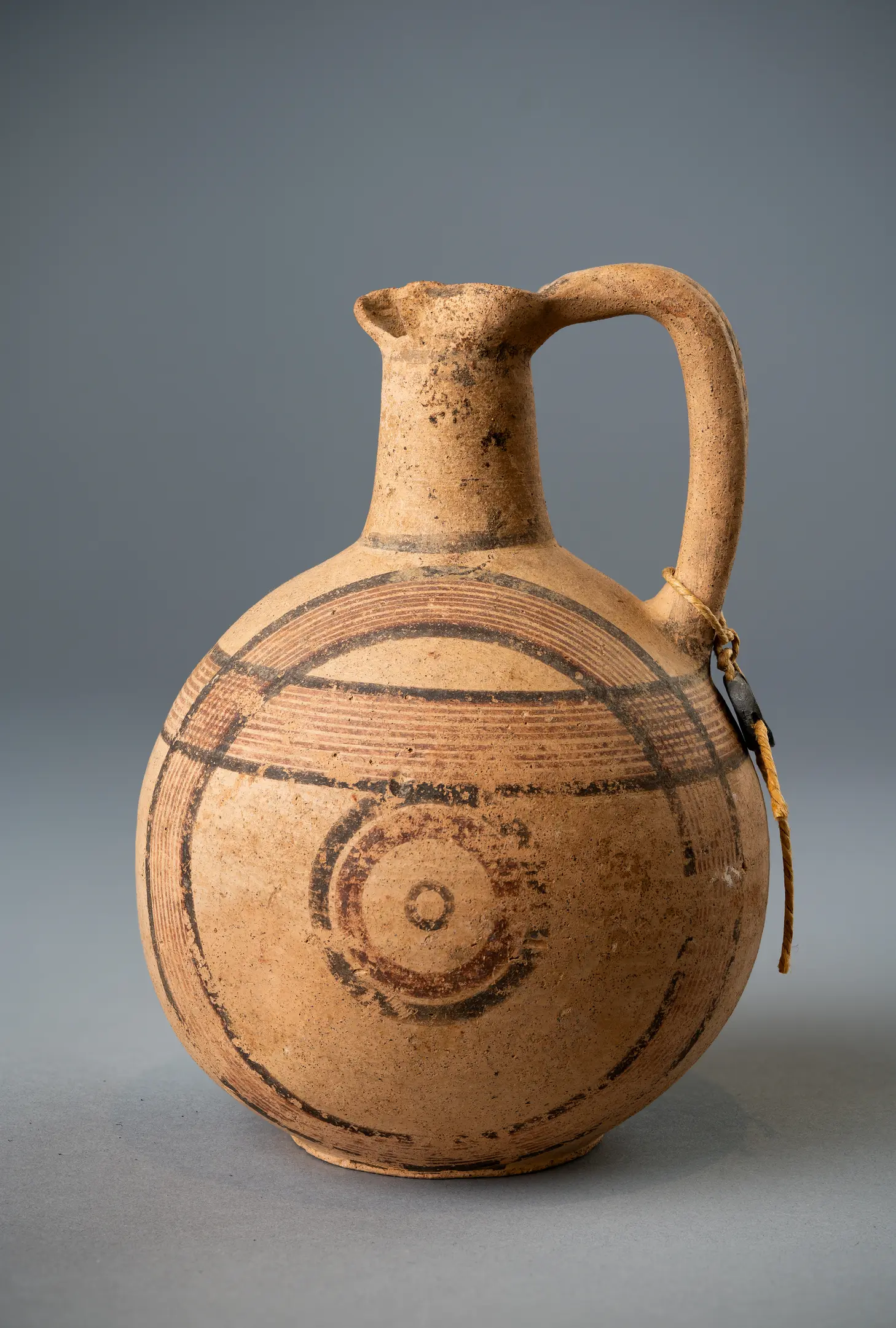 Licensed Export from the Republic of Cyprus, 1974 to 1996Licensed export from the Republic between the invasion and the 1996 amendment, its paperwork and its limits, and what a licence of those years proves today.
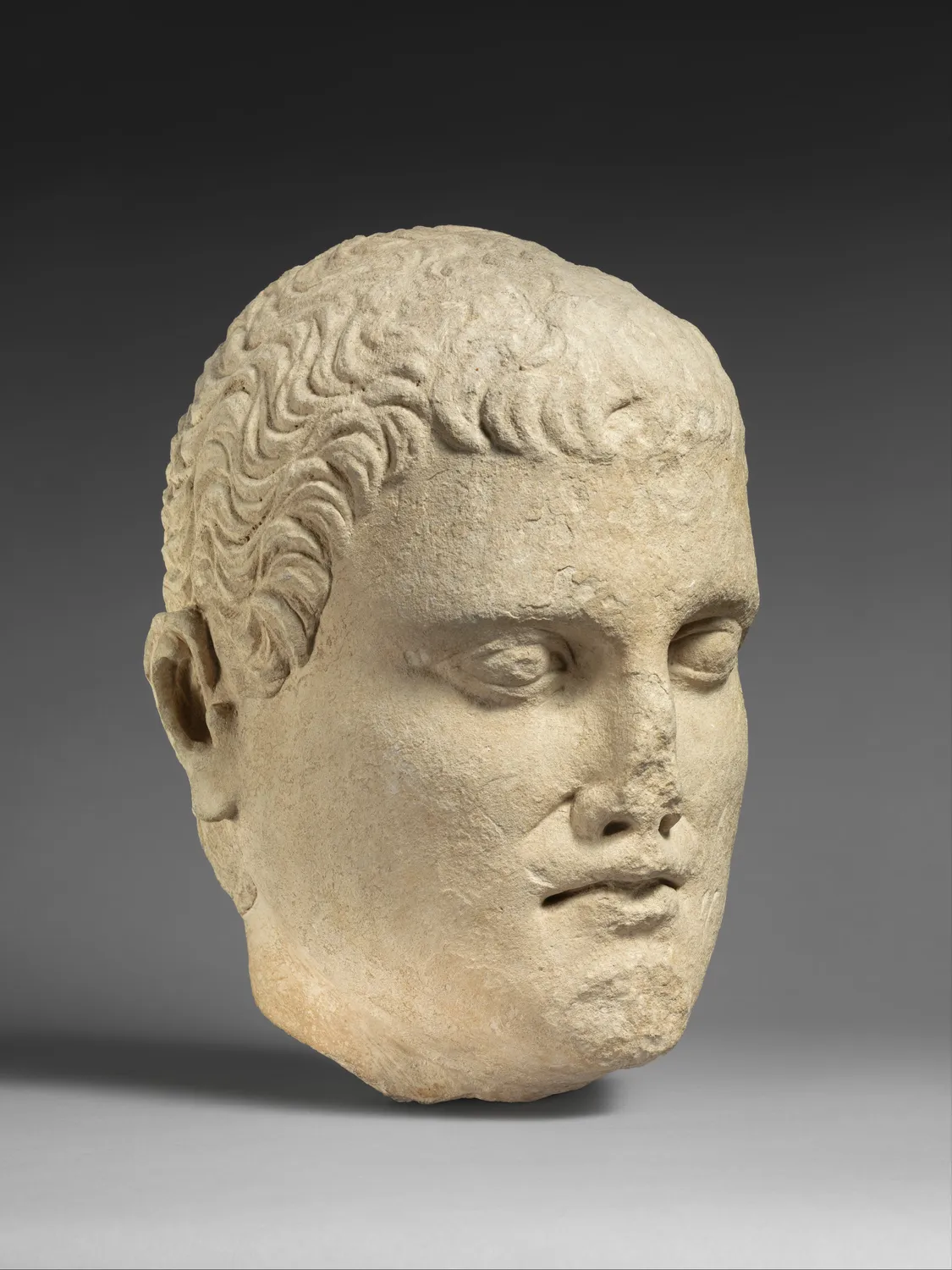 Museums as Sellers: Deaccessioned Cypriot Antiquities on the MarketMuseums as a lawful source of Cypriot antiquities on the market, from the Met's Cesnola duplicates of 1928 to the deaccessions of 2016 and 2023, and why such pieces are among the best documented.
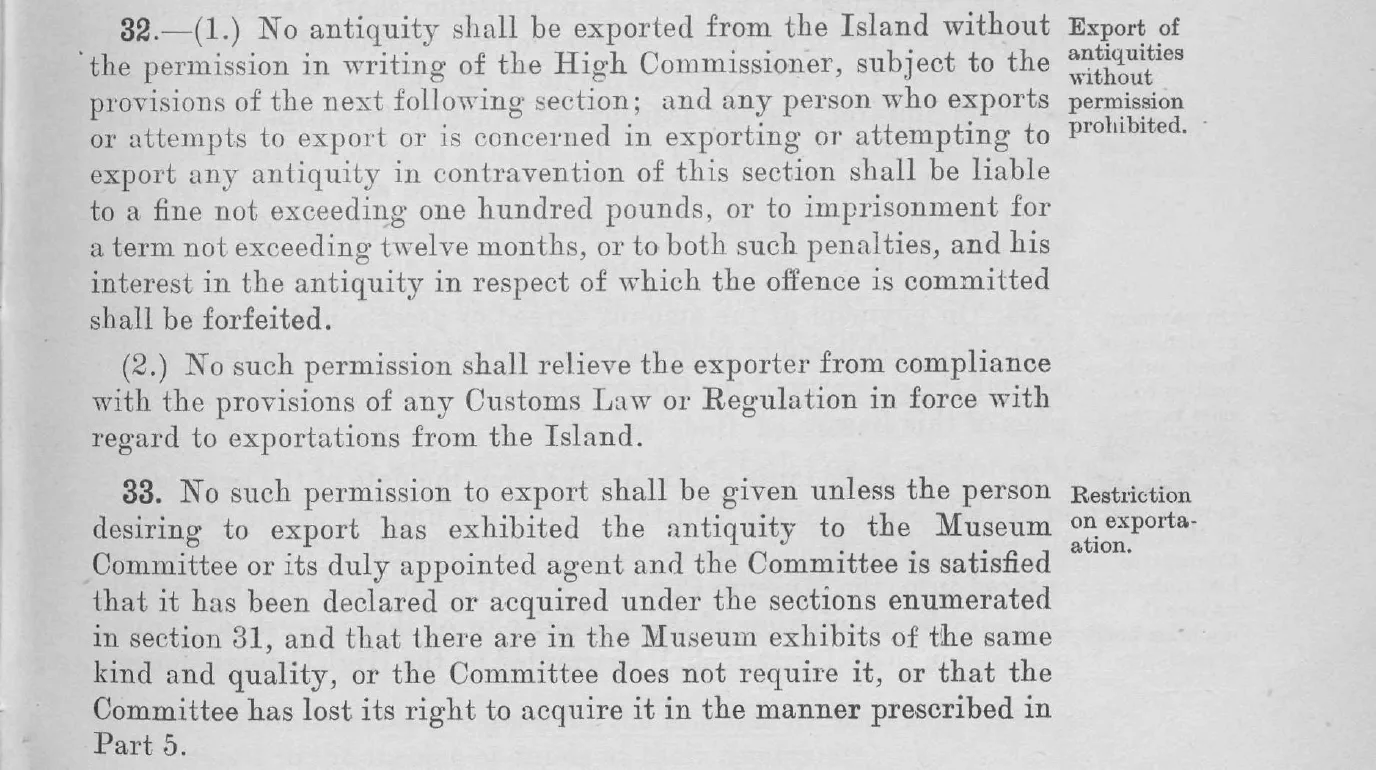 The Antiquities Laws of 1905 and 1935What the Antiquities Laws of 1905 and 1935 said about ownership, finds, excavation, dealing, collections and export, and how they were amended up to 1996.
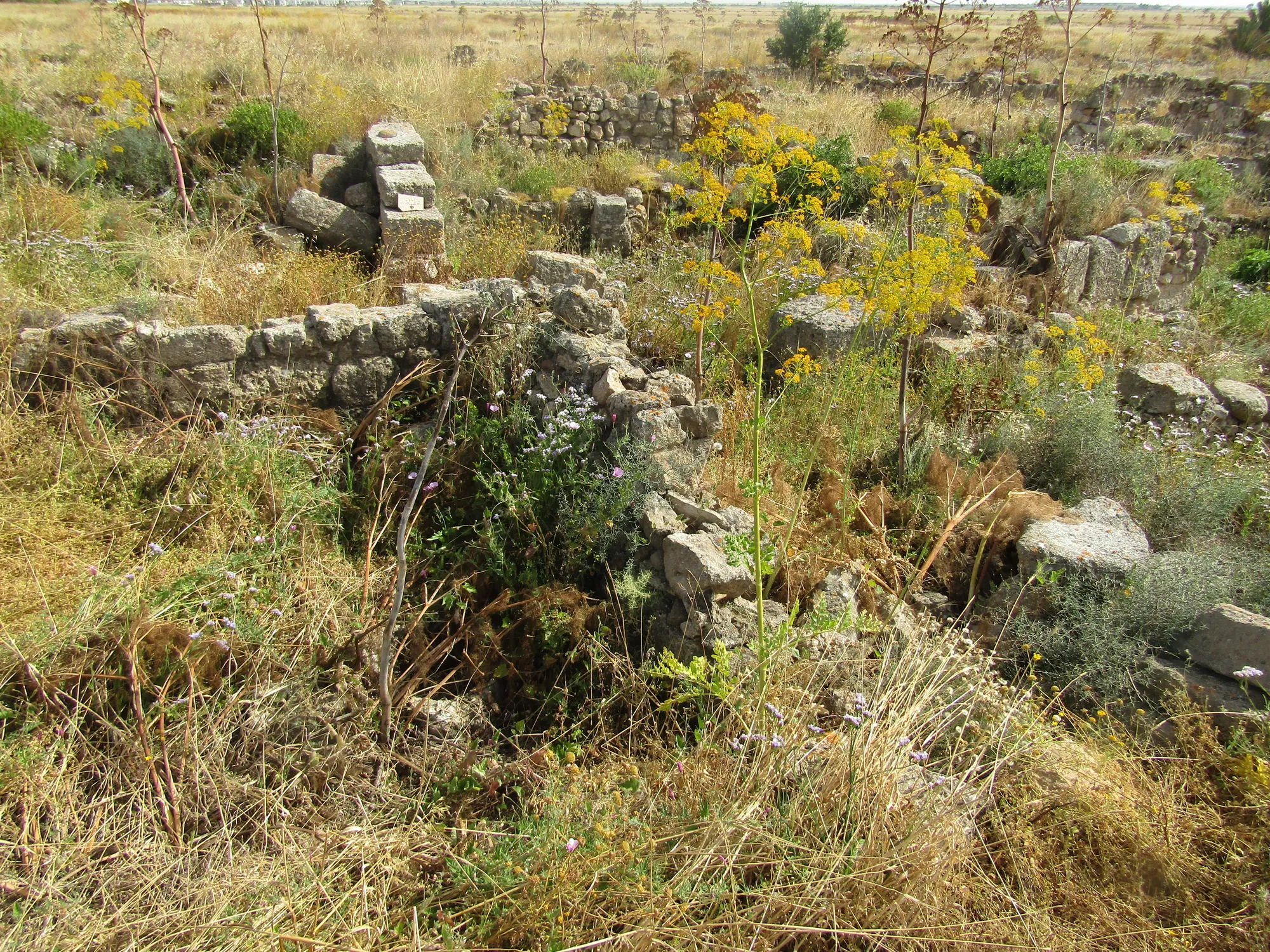 The Decline after 1997: the End of the Northern Network and the Cases That FollowedHow the organised removal of church art and antiquities from the occupied north faded after the Munich seizure of 1997, which cases followed, and what the record of 2006 to 2024 shows.
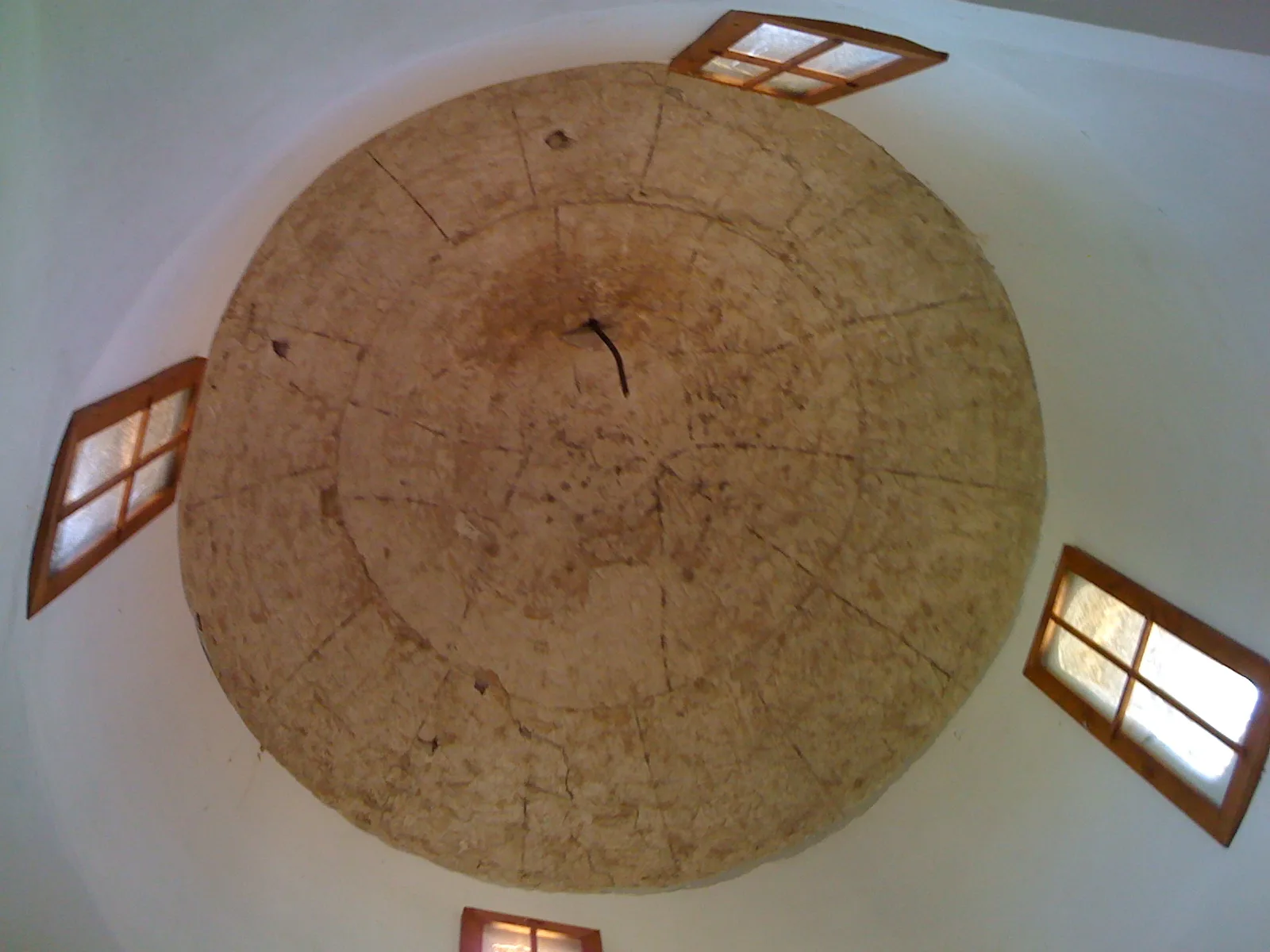 The Lysi Frescoes: Bought to Be ReturnedHow the stripped murals of a chapel near Lysi were bought in Munich by the Menil Foundation with the owner's consent, restored and shown in Houston, and returned to Cyprus in 2012.
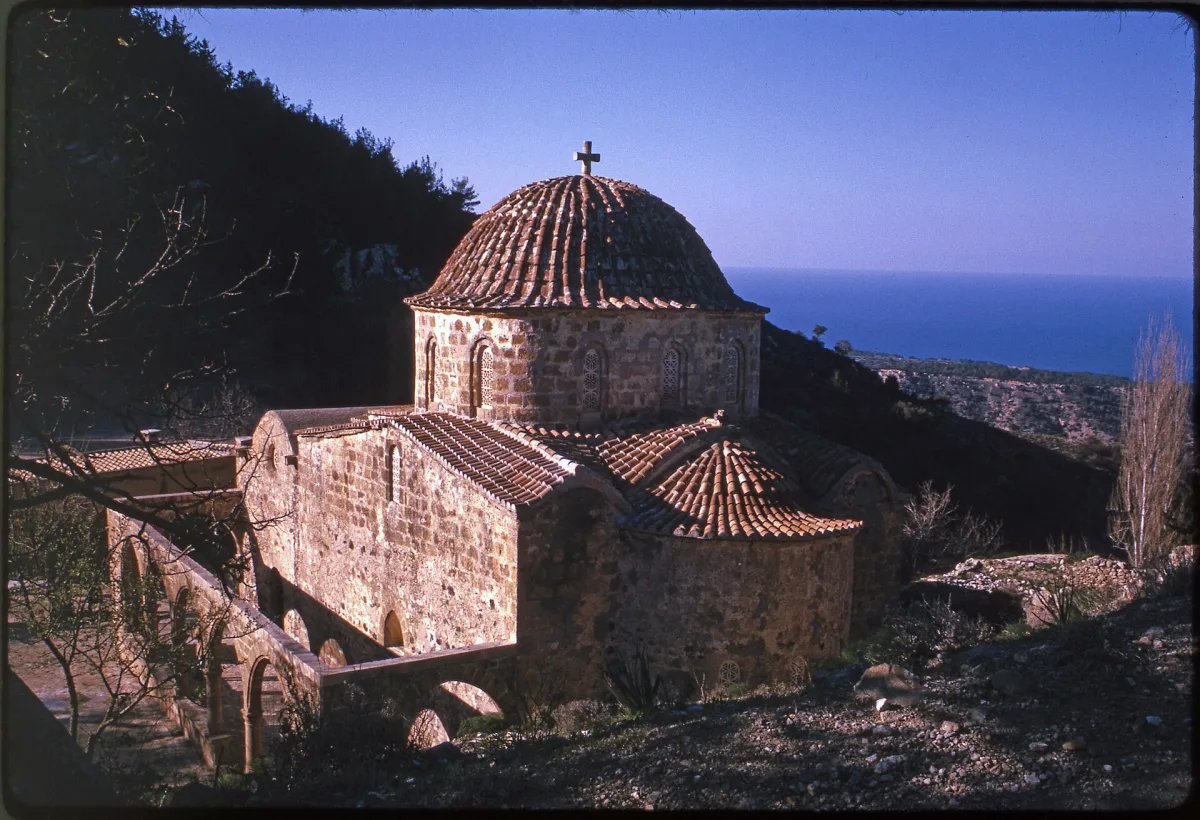 Christ Antiphonitis: The Frescoes and Icons of a Kyrenia Range Church after 1974The frescoes and iconostasis icons taken from Christ Antiphonitis after 1974, and how they came back through a buy-back, Munich, a Dutch case and Zurich.
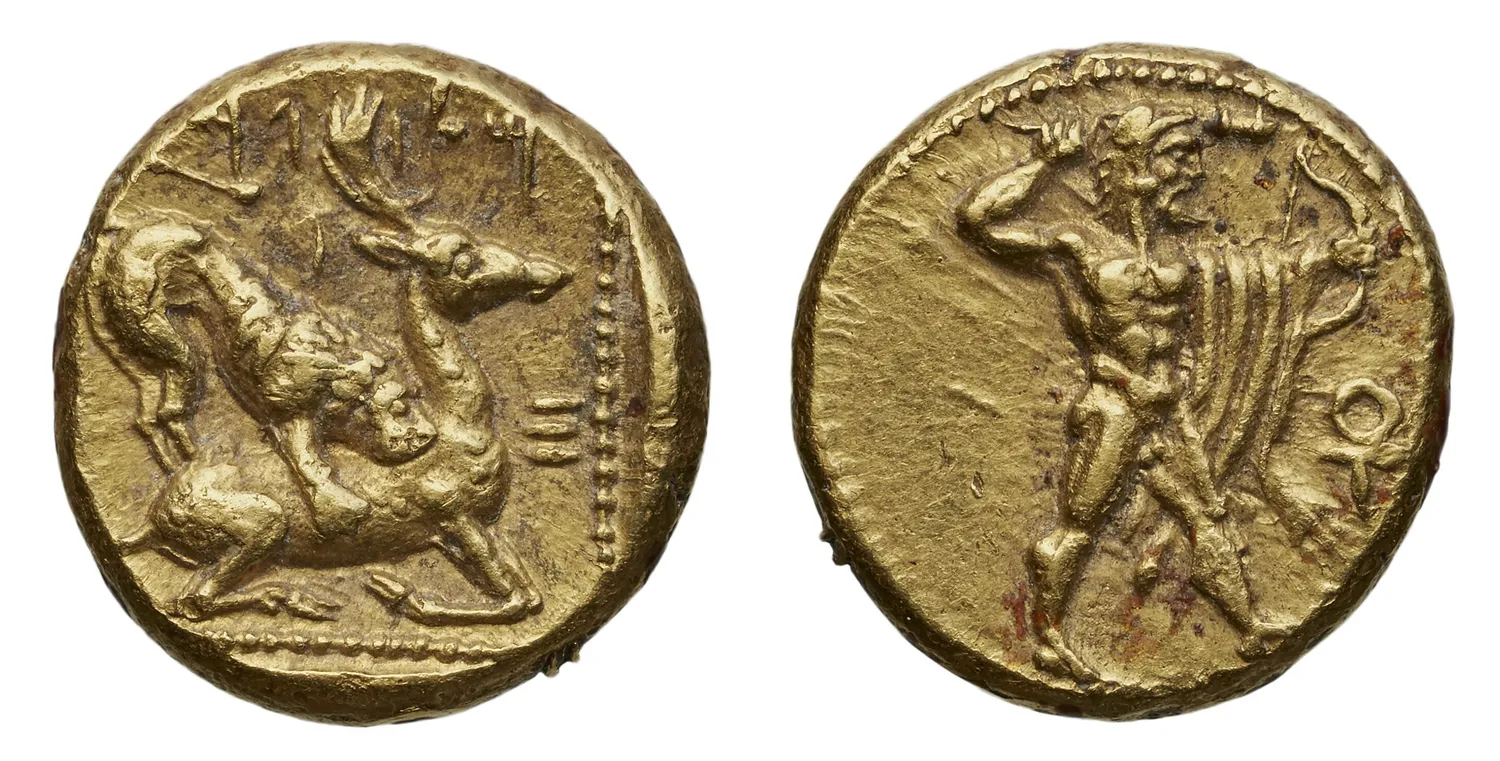 Coins and Metal-Detected Finds: The Small-Find Trade in Cypriot AntiquitiesCoins and detector finds are small, portable and hard to trace, so looting can still pay for them; beside them stands a very large lawful stock of coins from old hoards and collections.
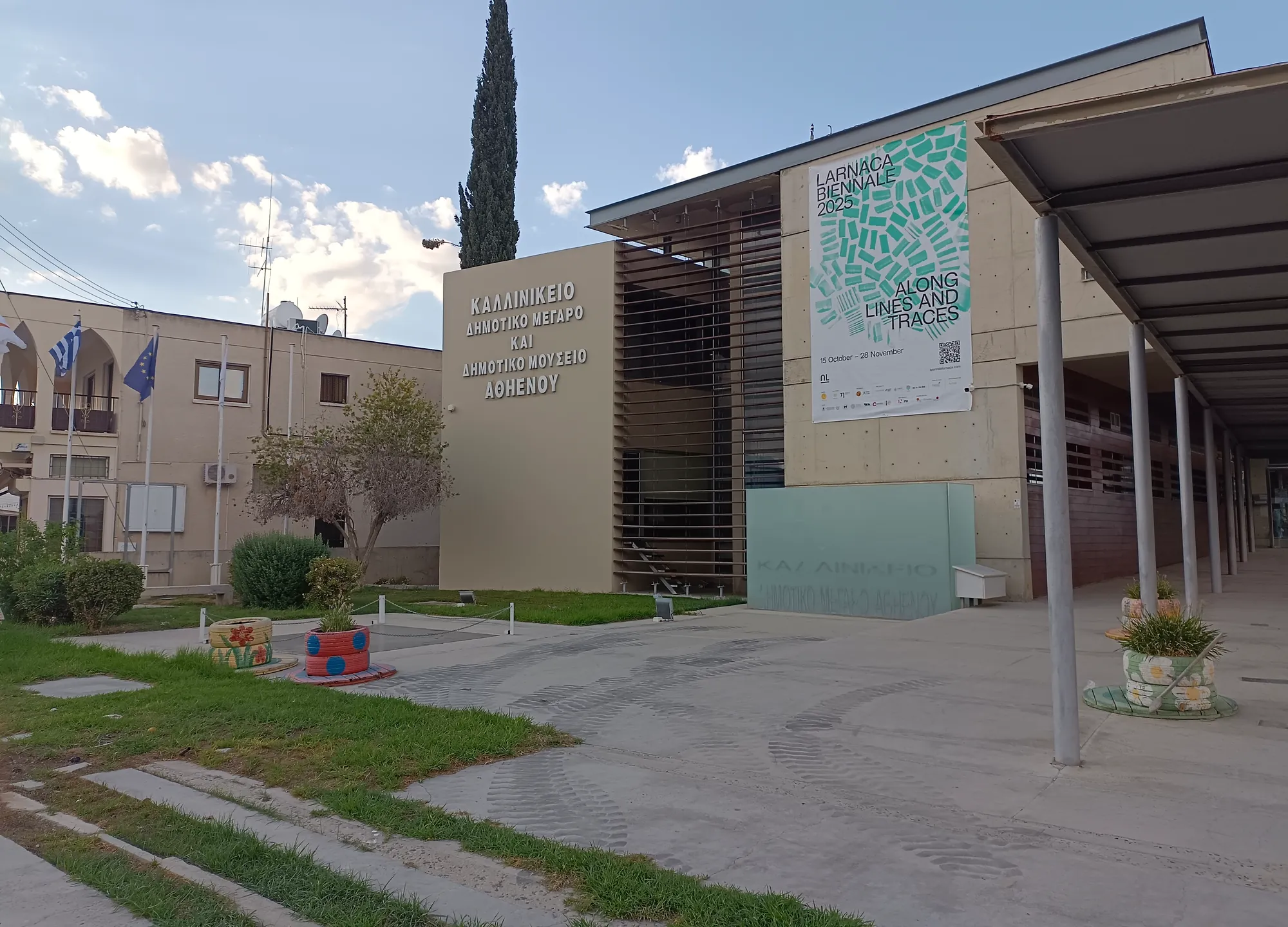 Collections That Became Museums: Private Collections on Cyprus and Their Public Homes after 1974How the island's private collections became public after 1974, by gift, loan, foundation and purchase, in date order, under the law on declared possession.
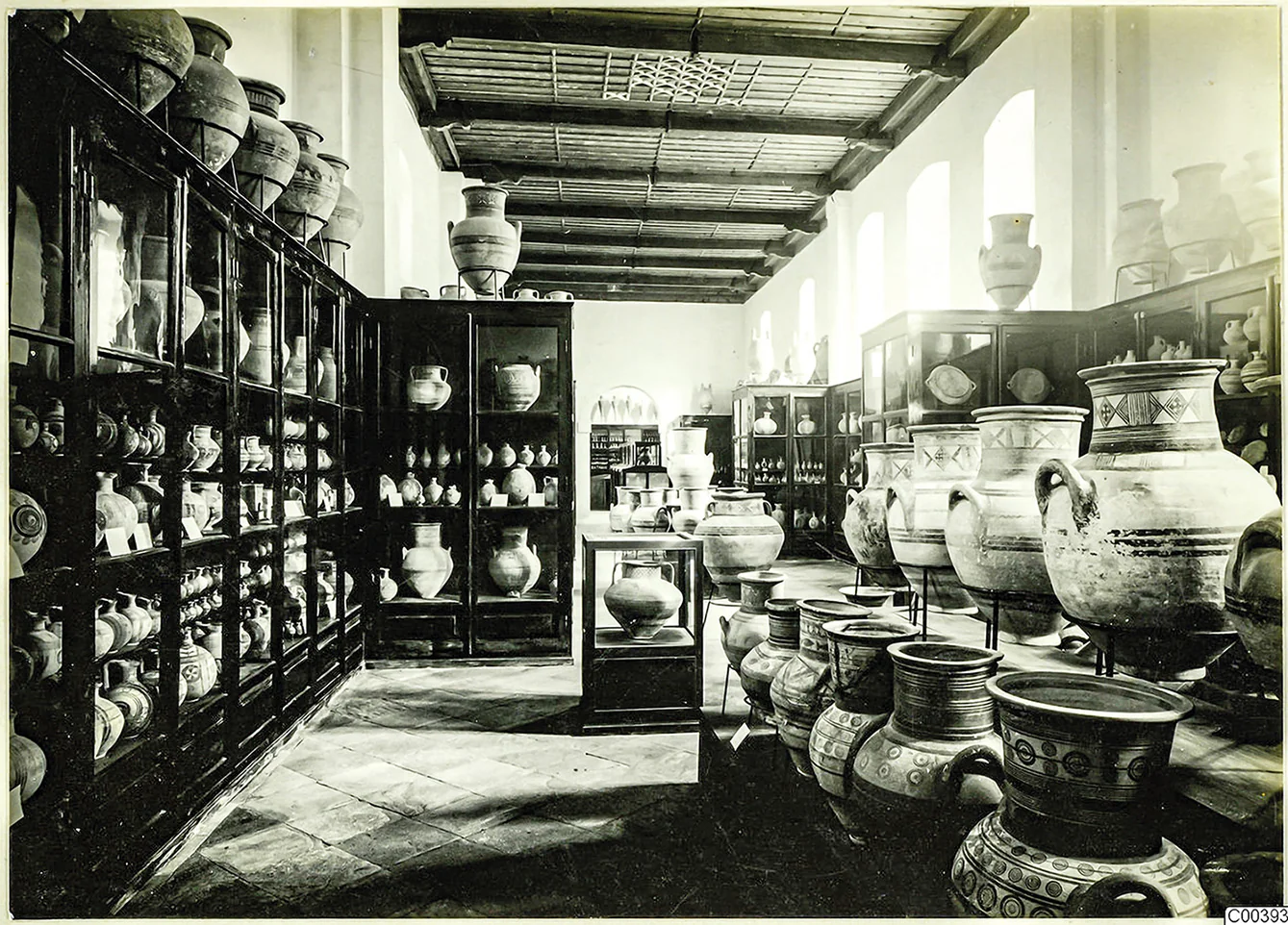 How Many Cypriot Antiquities Left the Island Lawfully?The lawful channels by which Cypriot antiquities left the island between the 1860s and 1996, with the published figure or best estimate for each.
 Illicit Digging and the Lawful Trade in the Republic of Cyprus after 1974SectionIllicit digging, organised cases and policing in the Republic-controlled south after 1974, set beside licensed export to 1996 and the collections that became museums.
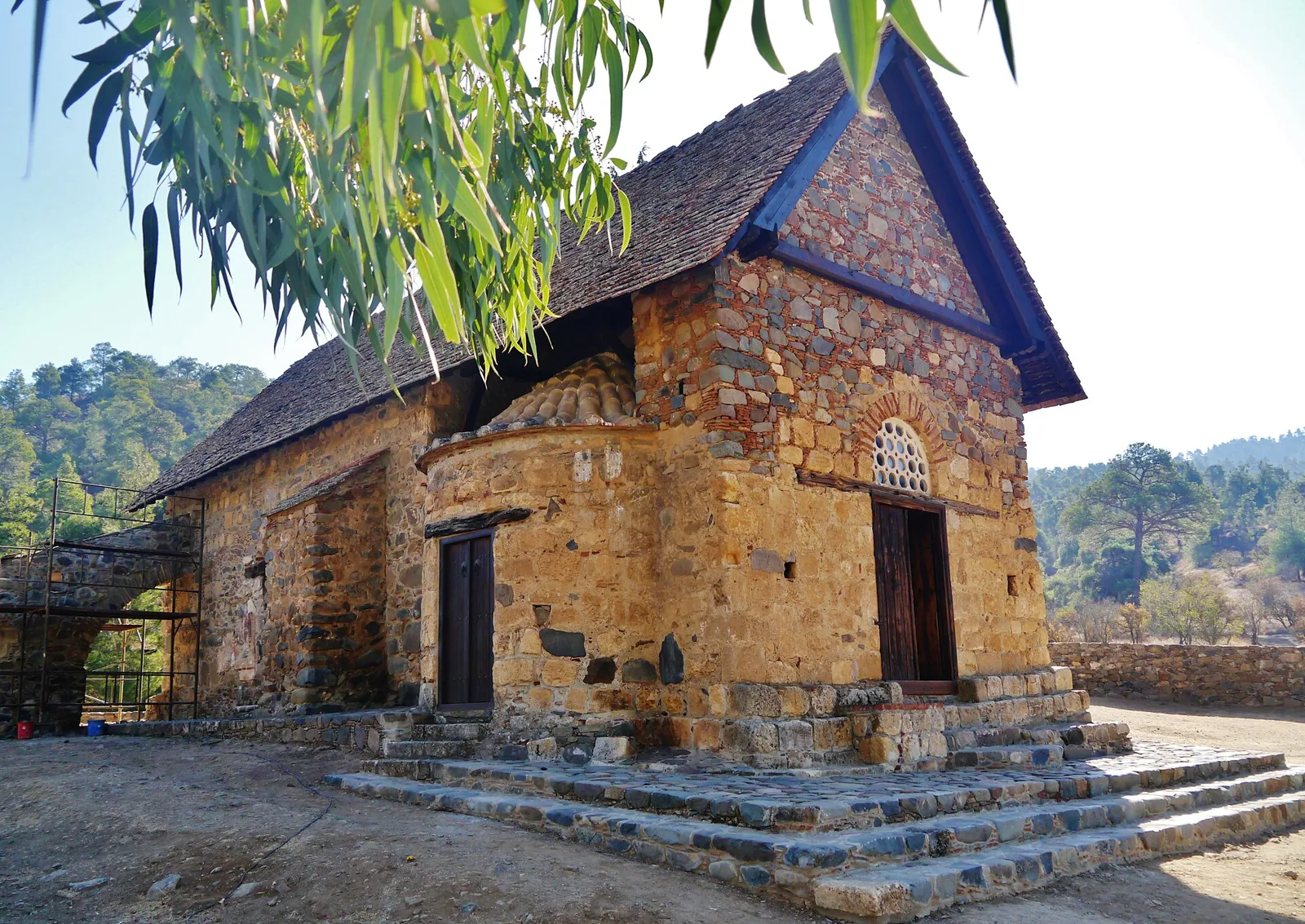 Repatriations, 2023 to 2026: The Returns of Cypriot Antiquities and Church Art Read as a Body of CasesAbout twenty-two announced returns to Cyprus from 2023 to 2026, grouped by route, with what each announcement says about origin and how few carry a theft record.
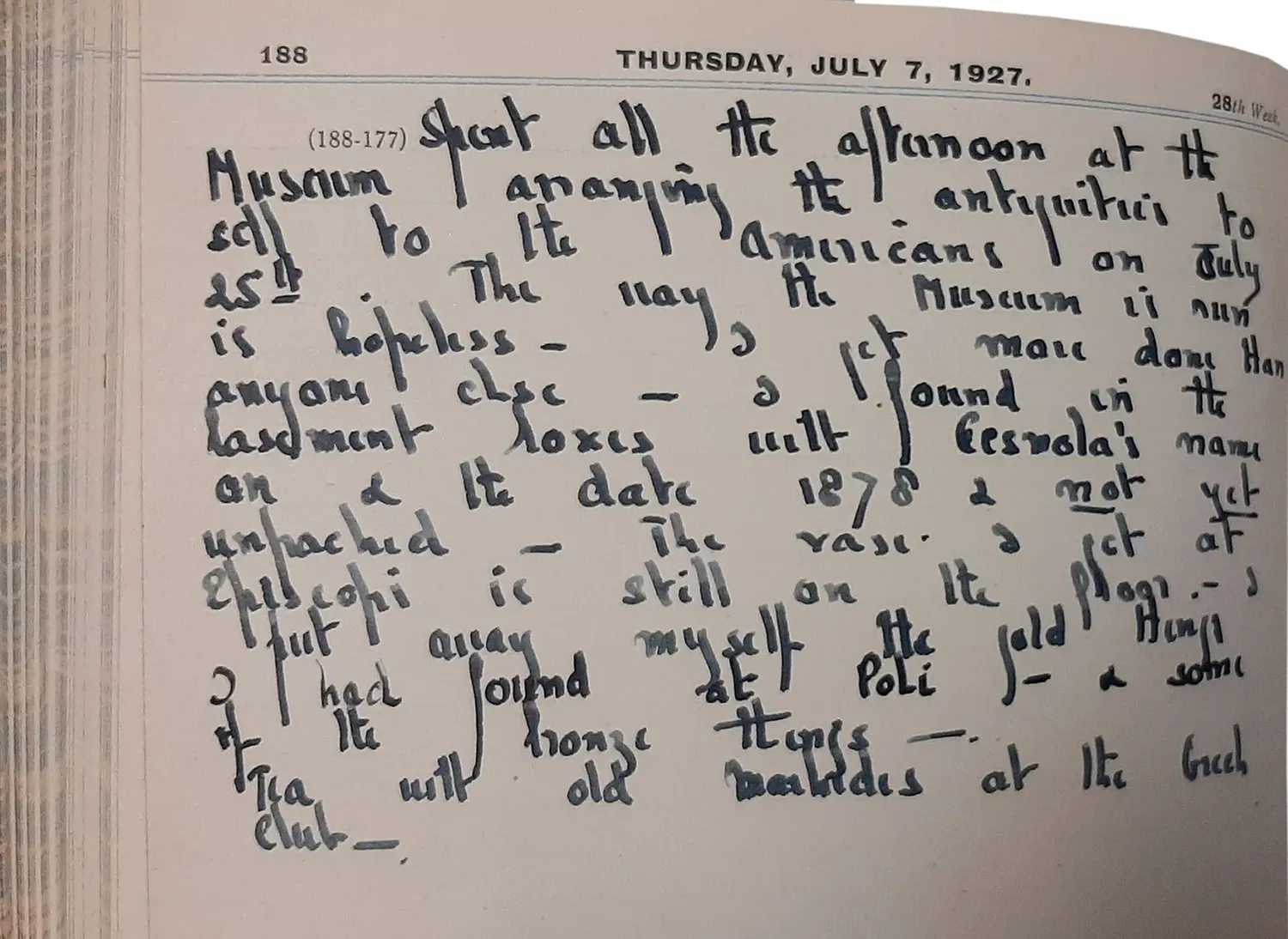 The Cyprus Museum Saleroom: The State's Own Sales of 'Duplicate' Antiquities, 1920s to 1991The Cyprus Museum's sales of "duplicate" antiquities from the courtyard saleroom of the 1920s to the Sales Register and abolition in 1991, for and against.
 Collecting under the Silent Accord, 1963 to 1973The "silent accord" of 1963 to 1973, under which collectors bought antiquities dug in the enclaves and declared them by December 1973, and the evidence for and against it.
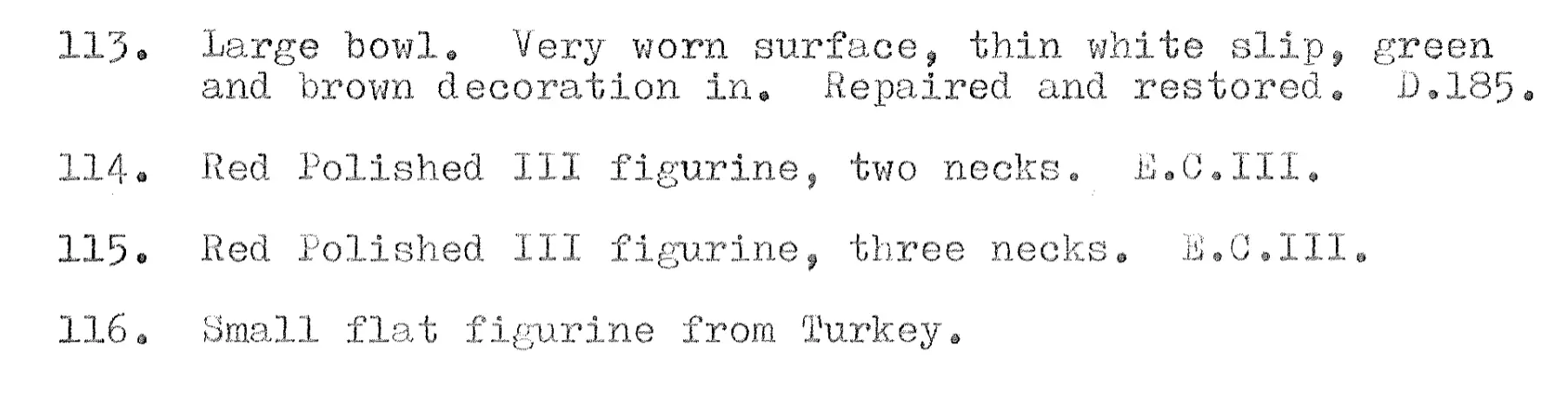 Documenting a Lawful History: How to Show a Cypriot Antiquity Left the Island LawfullyHow to document that a Cypriot antiquity left the island lawfully: which evidence counts, where to find it, what to do when none survives, and how laundered histories are built.
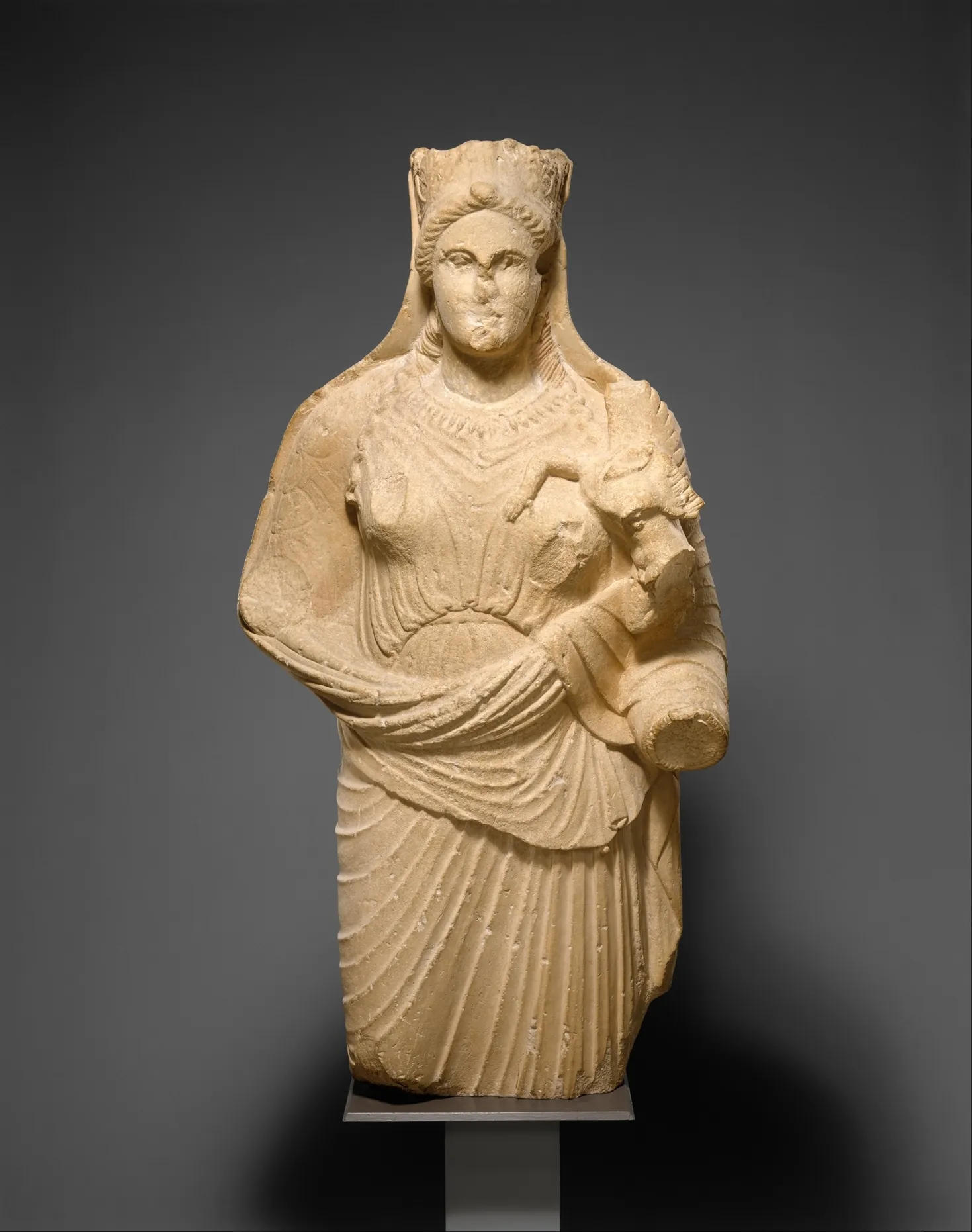 Fakes, Replicas and Restoration in the Trade in Cypriot AntiquitiesHow restored, assembled, copied and forged pieces entered the trade in Cypriot antiquities from the 1860s to today, and why they raise the value of a documented old-collection piece.
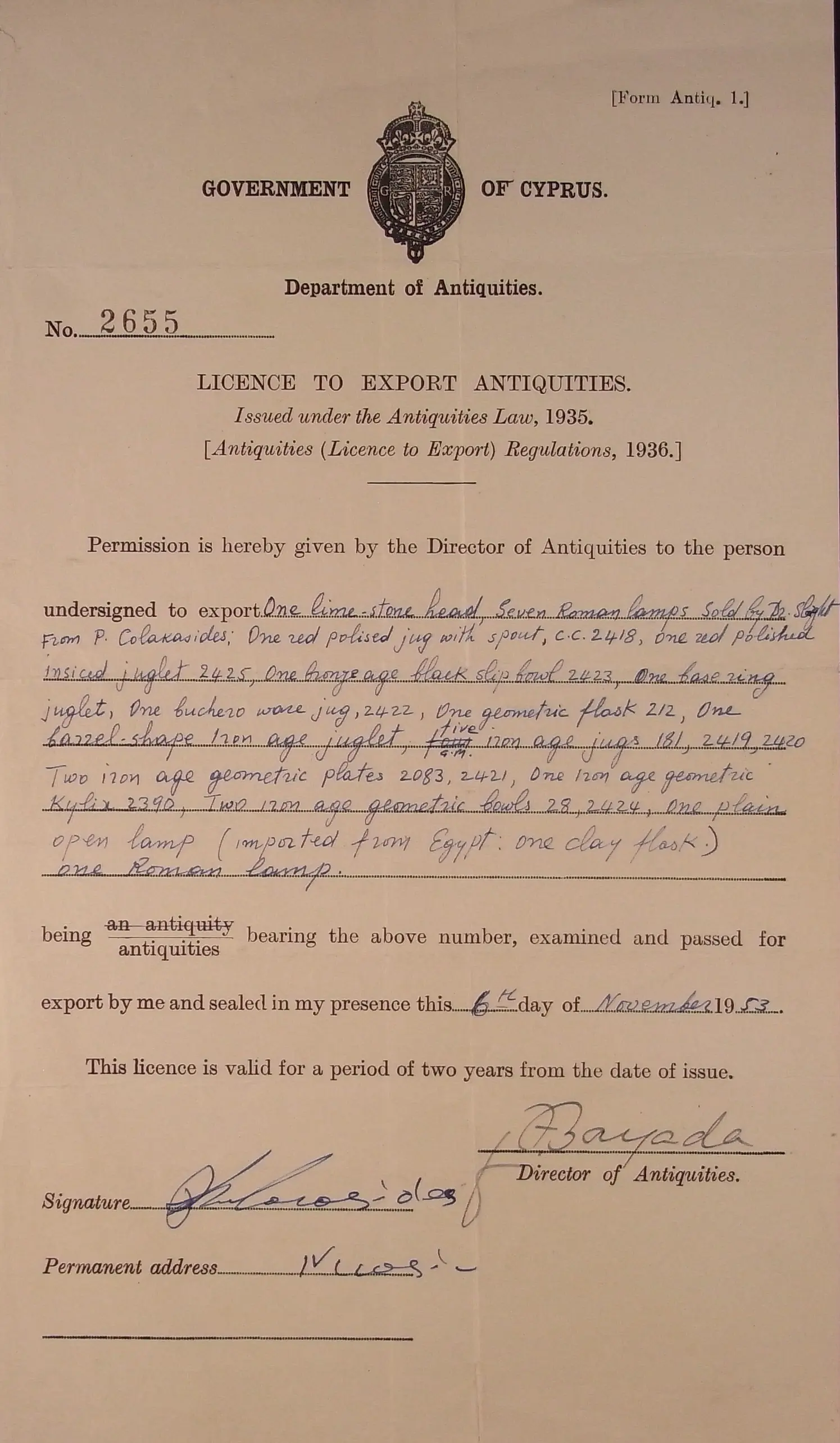 Lawful and Illicit in the Record: What Each History Leaves on PaperThe papers left by the lawful export of Cypriot antiquities and by their looting, what each kind of document proves, and where each falls short.
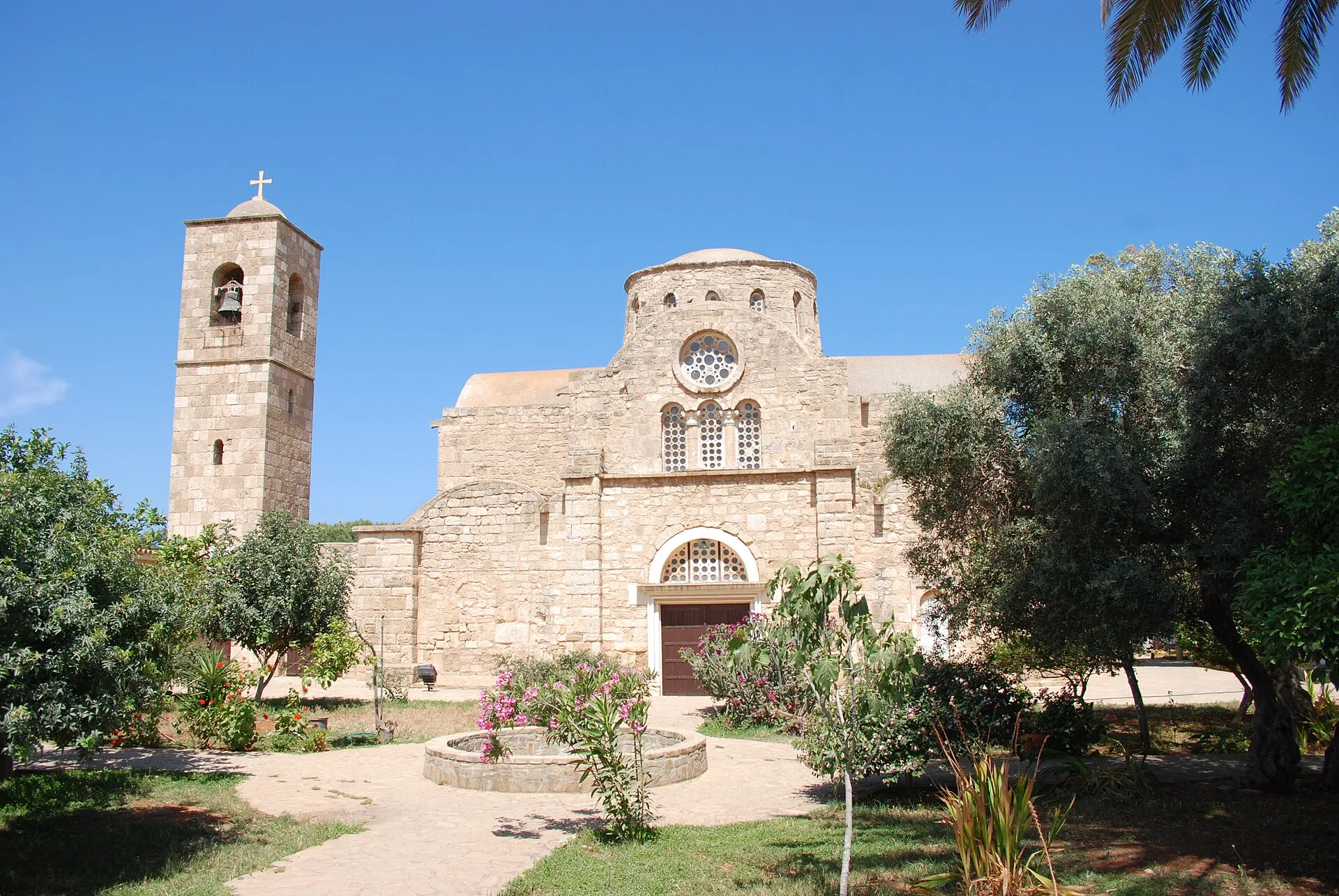 St Barnabas Monastery near Salamis: Its Icons after 1974 and the Museum in the ChurchWhat happened to the icons of the monastery of St Barnabas near Salamis after 1974, from the theft of 1980 and the Ankara chests of 1981 to the icon museum in the church today.
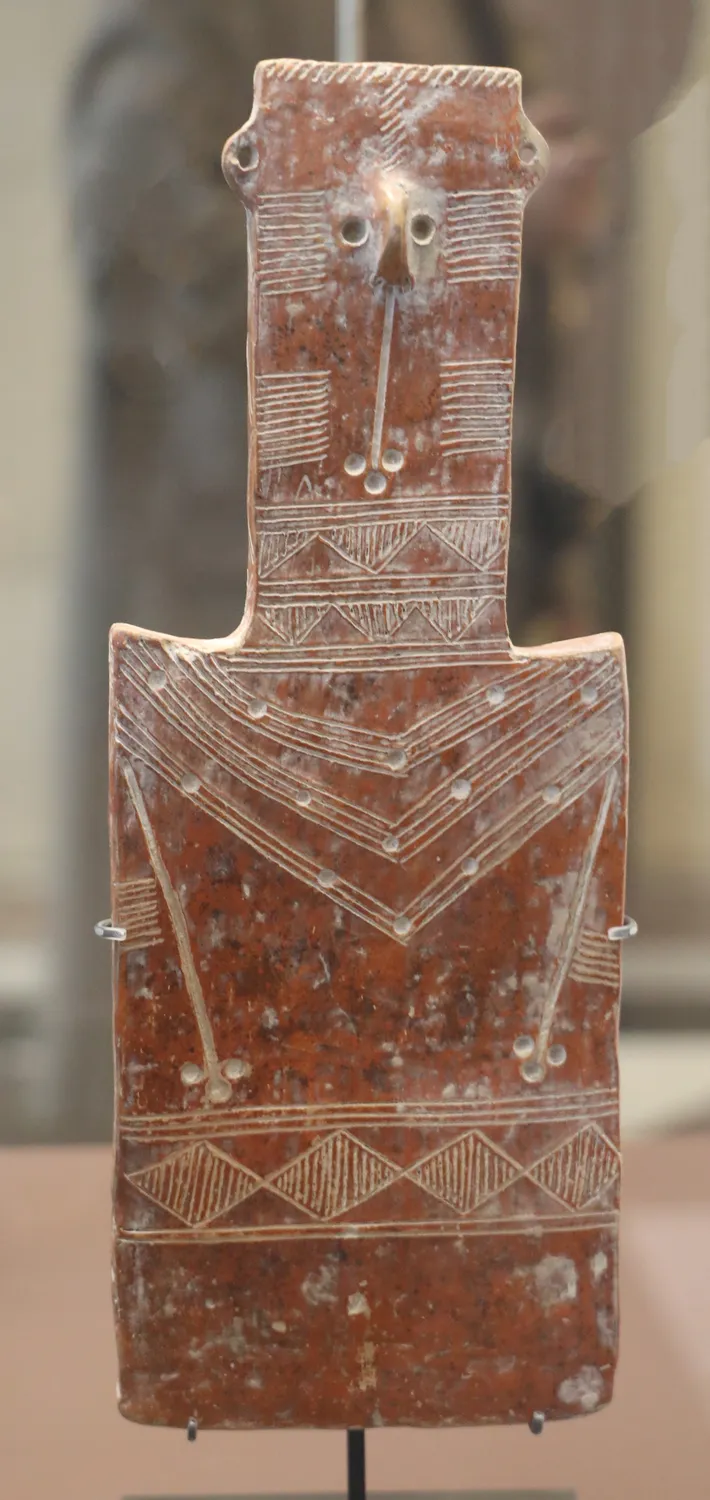
 The Hadjiprodromou Collection: A Registered Famagusta Collection Looted after 1974A registered Famagusta collection looted after 1974, offered at Christie's in 1976, partly bought back for the Cyprus Museum, and mostly still missing.
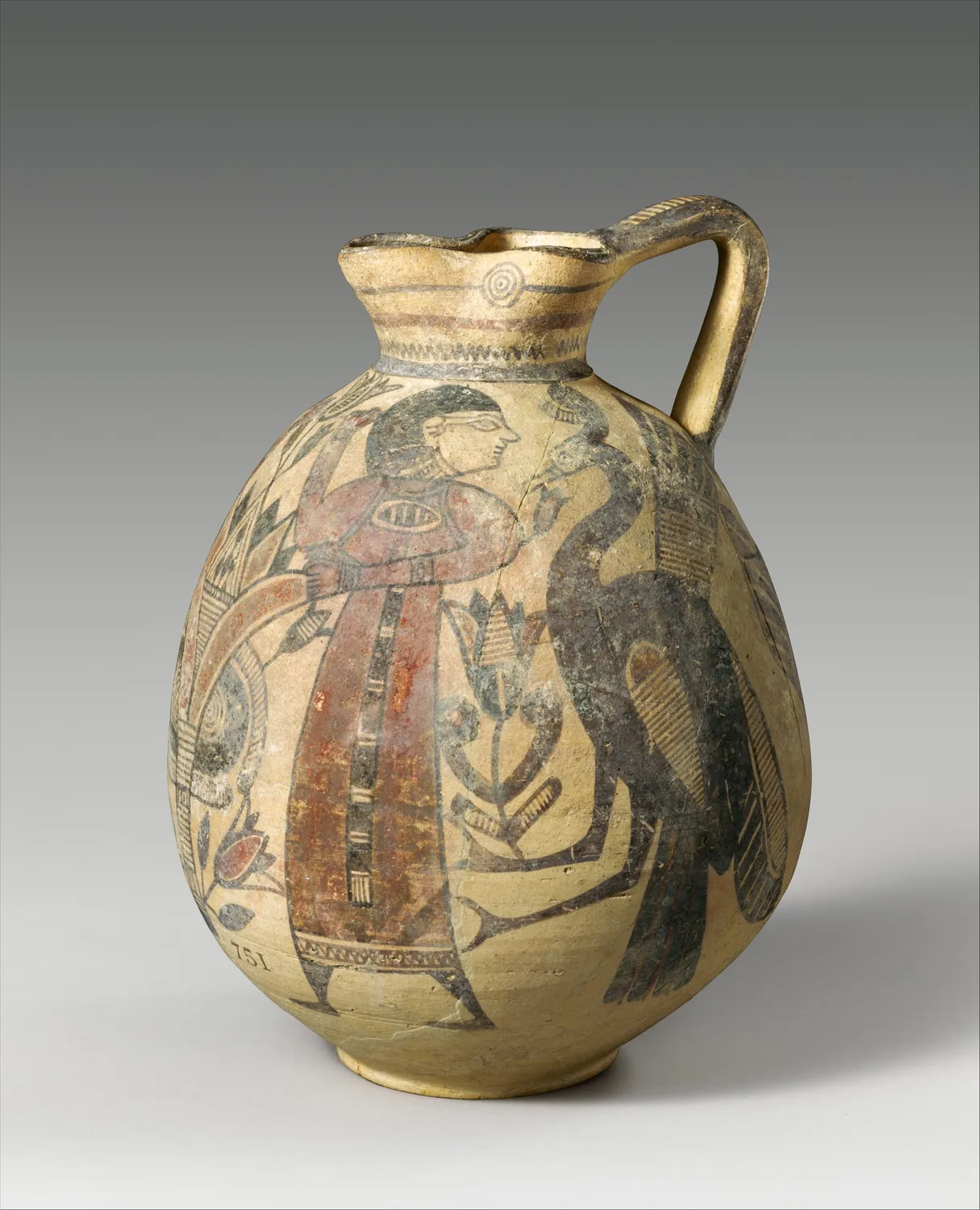
 The Symes Returns of 2025: Cypriot Antiquities from a London Dealer's StockThe Manhattan District Attorney's return of twelve antiquities to Cyprus in March 2025, two of them linked to the London dealer Robin Symes, read for what it shows and what it does not.
 The Trade in Cypriot Antiquities since 1996SectionThe modern market in Cypriot antiquities, which lives on objects exported long ago, set beside the illicit pieces, coins and fakes that reach its lower end.
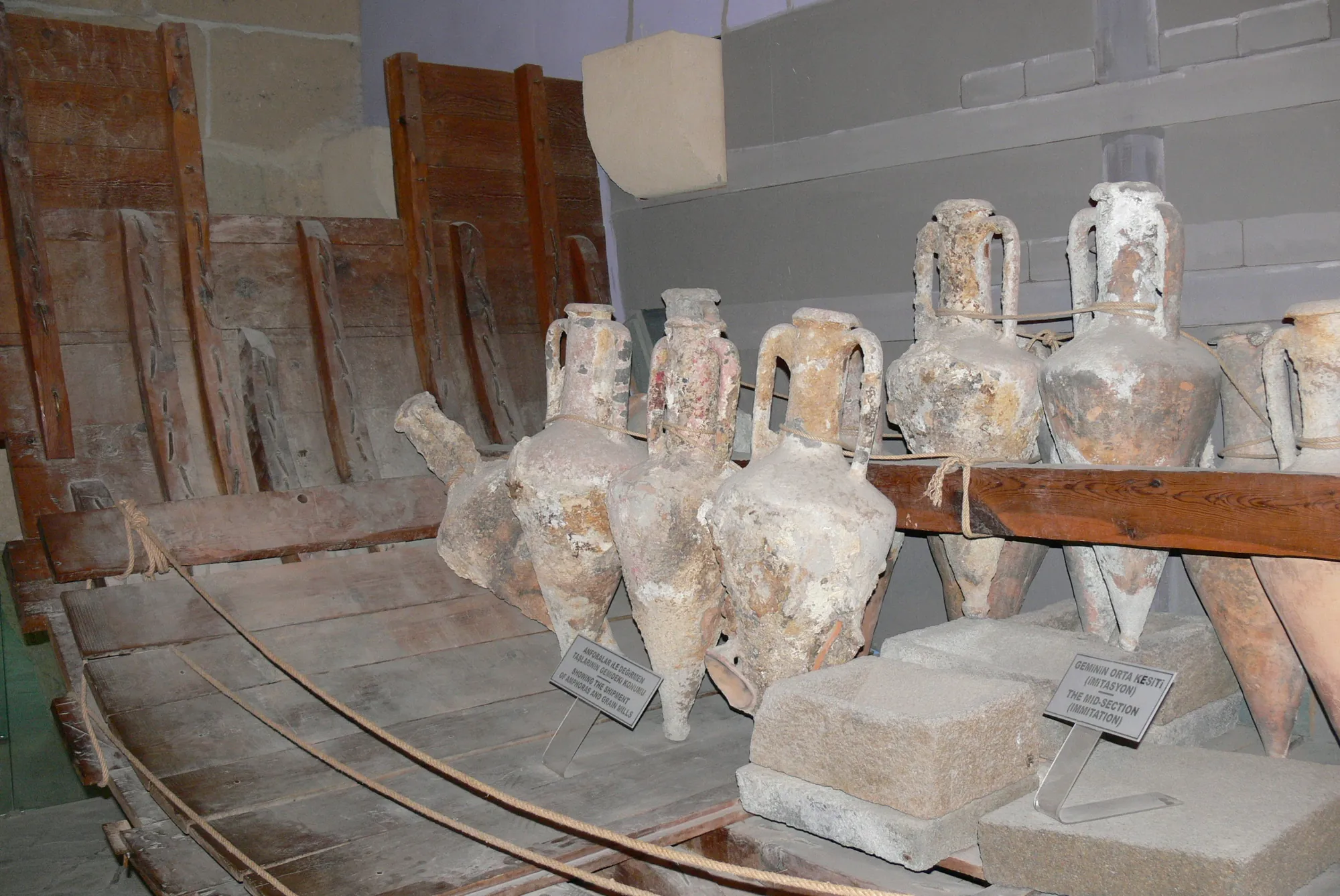 Antiquities from the Sea: Amphorae, Wrecks and Divers off CyprusFinds at sea under the Antiquities Law, Cyprus and the 2001 UNESCO convention, the few cases of removal and seizure, sea-found amphorae on the market, and the lawful work beside them.
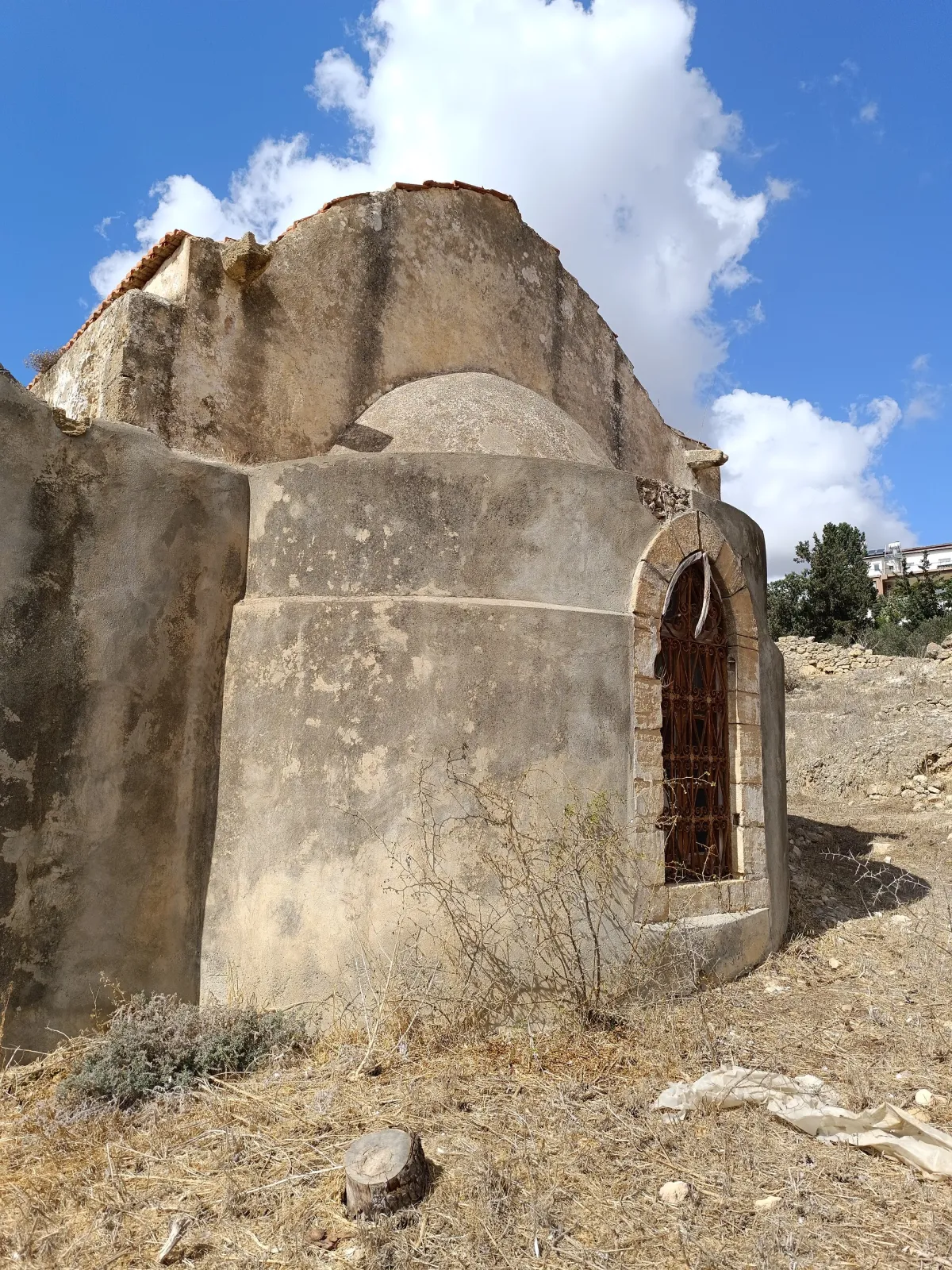 Ayios Yeorgios at Kalo Chorio (Kapouti): Wall Paintings Stolen and Handed Back in the NorthAyios Yeorgios at Kalo Chorio near Morphou, whose stolen wall paintings were handed back in the north for a suspect's release, as reported in 1989.
 Licensed Dealers and Registered Collections: The 1935 System and Its Record, to 1974The 1935 licensed-dealer regime and register of declared collections, the named dealers, the December 1973 registration cards, and what registration proves.
 Looting and the Lawful Trade in Cyprus: A Parallel Timeline, 1860s to 2026Looting and lawful export of Cypriot antiquities set year by year in two columns, from the Ottoman firmans of the 1860s to the auction withdrawals of 2026.
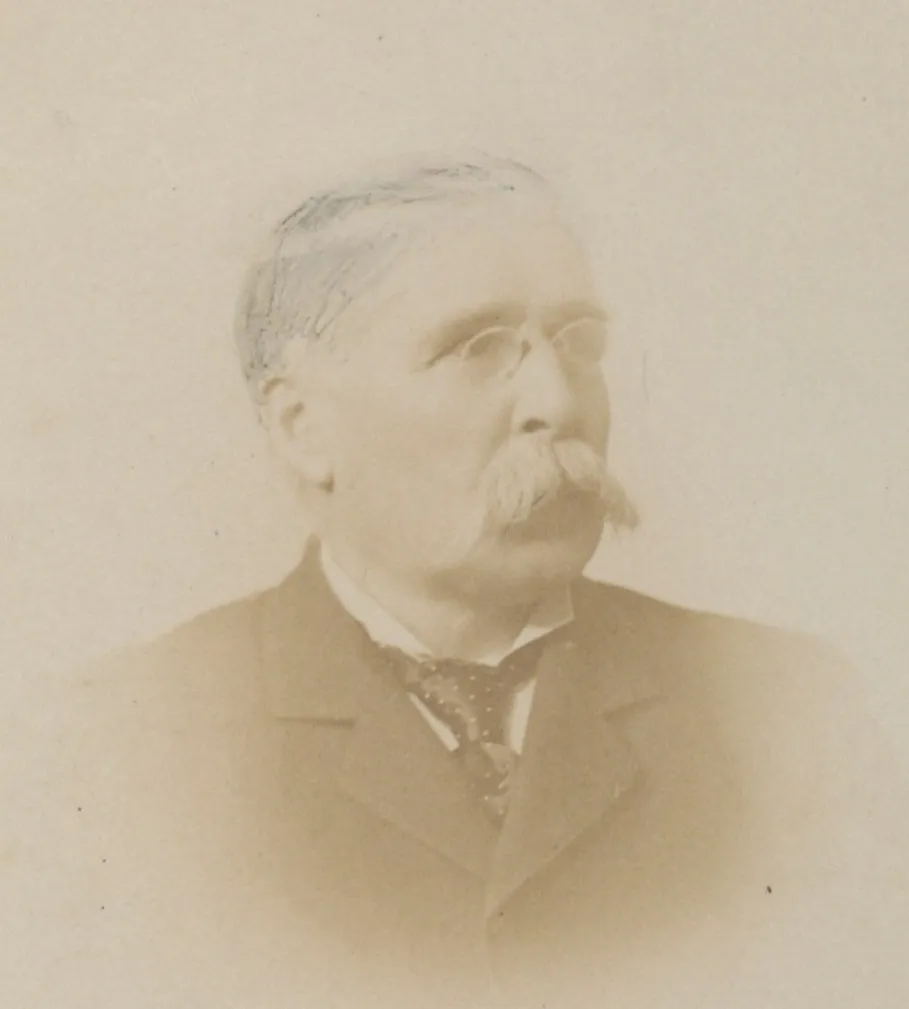 Luigi Palma di Cesnola: The Largest Export of Cypriot AntiquitiesThe American consul whose roughly 35,000 objects left Cyprus under Ottoman firmans for the Metropolitan Museum, and what his digging and sales mean for the trade.
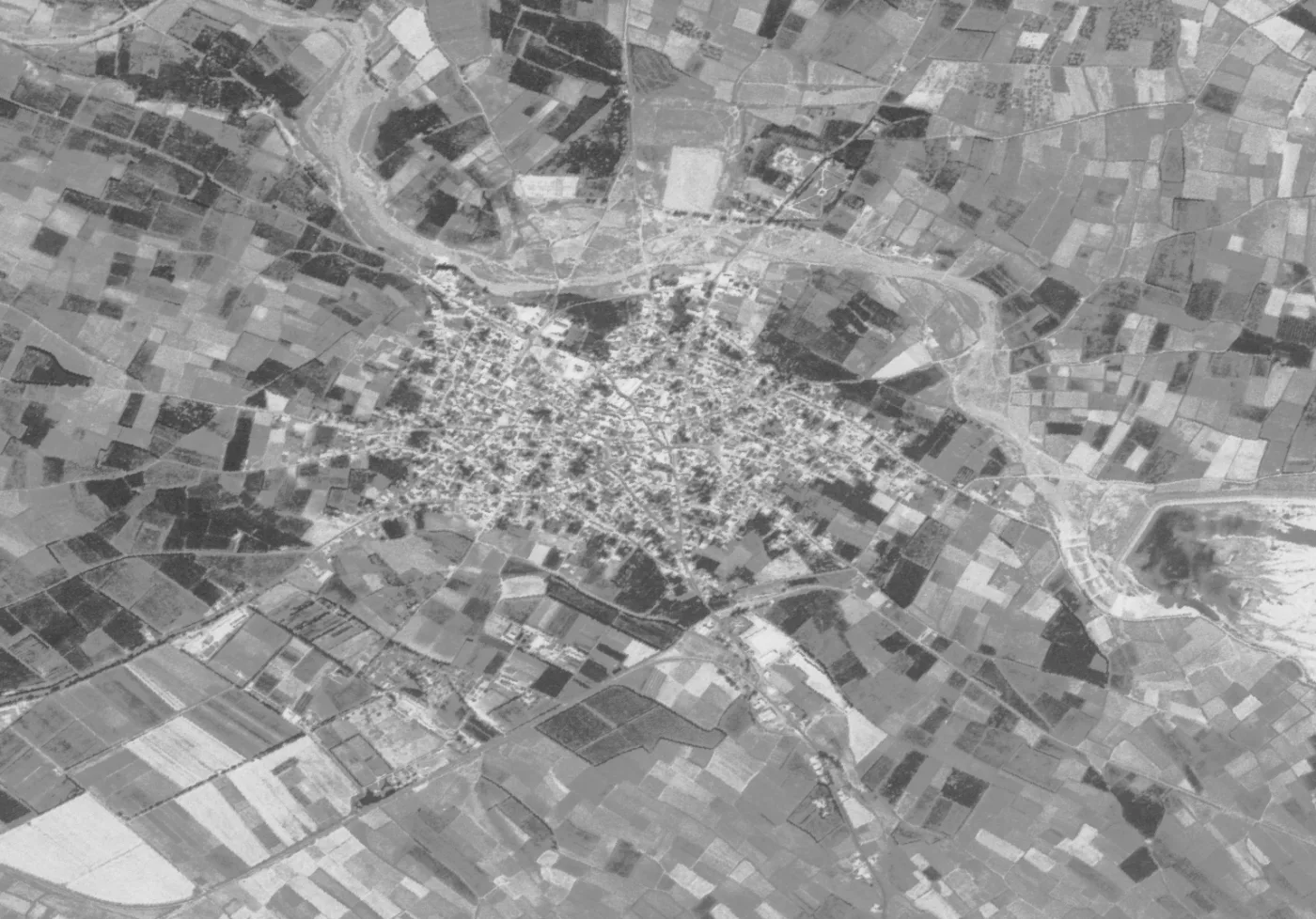 The Morphou Mayor's Shop: The Hadjiloizides Collection and the Seizures of 1975The 217 antiquities seized in 1975 from the Morphou mayor's shop, identified by their marks as Hadjiloizides objects, the 72 found at his house, and what is known of them.
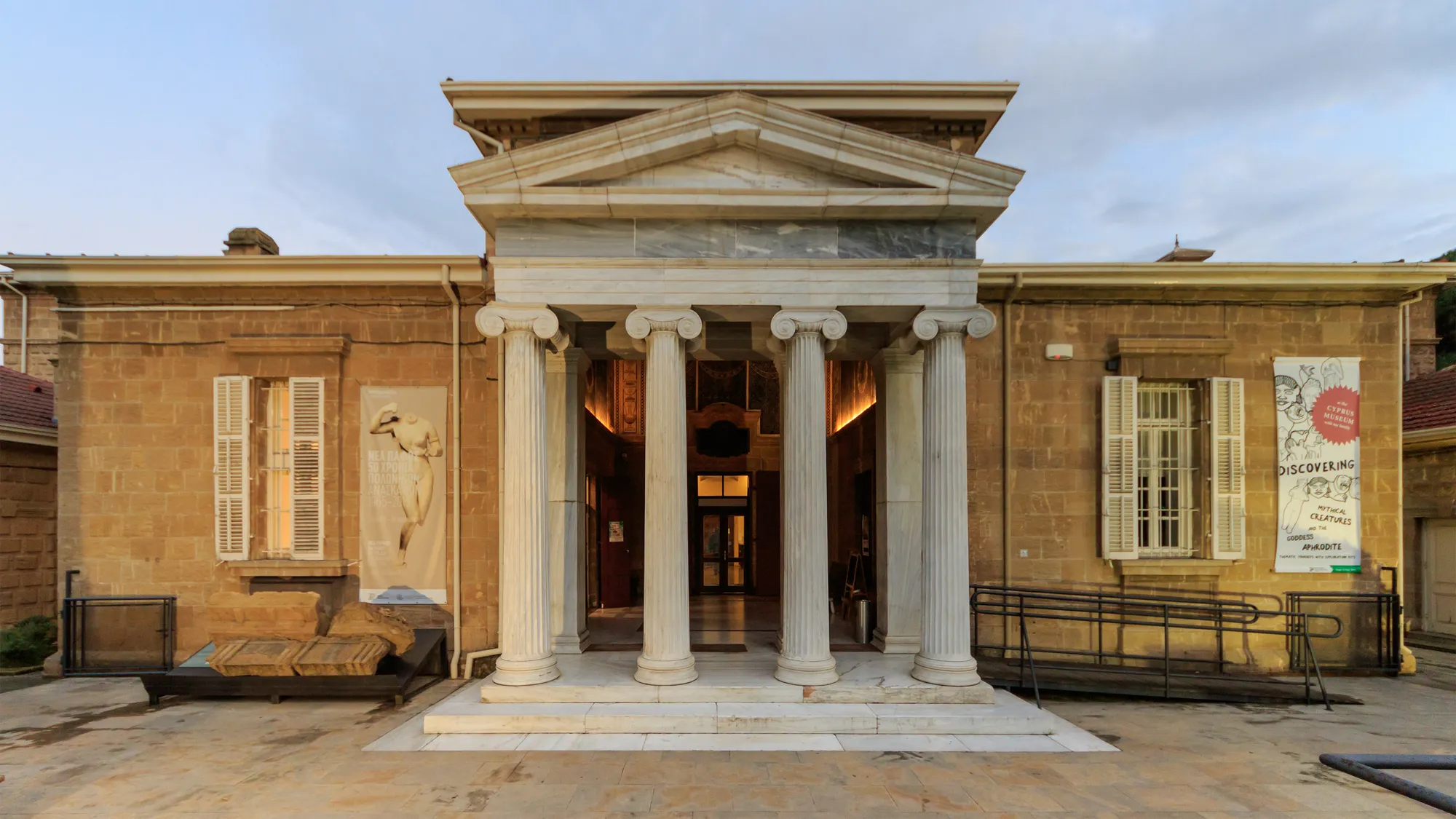 The State and Foundations as Buyers of Cypriot AntiquitiesSectionA register of every published purchase of antiquities by the Cyprus Museum, the Department of Antiquities, the Leventis Foundation and the Church, with the story of why they bought.
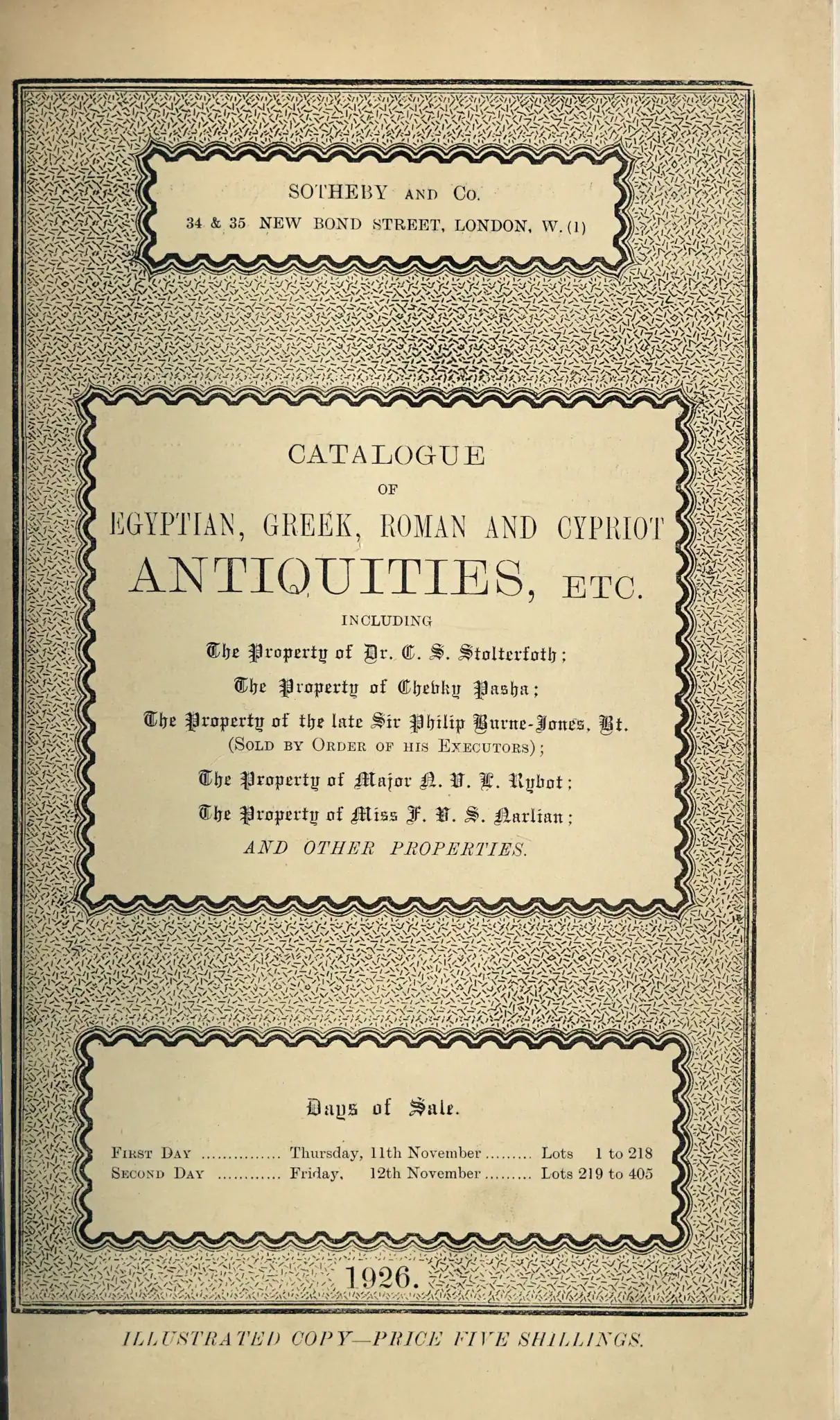 Law and Provenance for Cypriot AntiquitiesSectionThe conventions, import rules and recovery policies that apply to Cypriot antiquities today, and how an owner documents a lawful history.
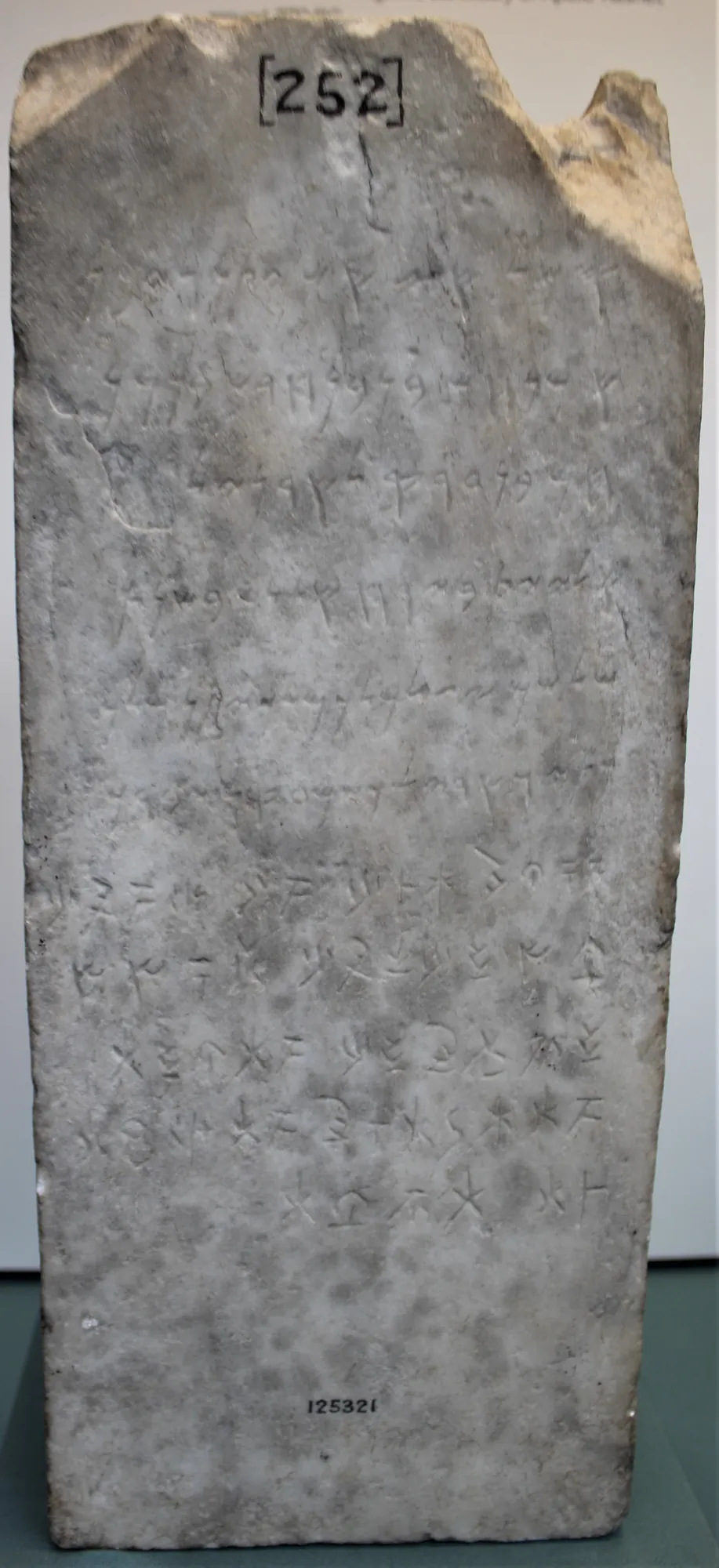 Max Ohnefalsch-Richter: Excavator, Dealer and the Divided Finds of British CyprusThe German excavator whose finds left British Cyprus lawfully through the division of finds of 1880 to 1895, the patrons he dug for, the sales of 1887 and 1896, and the record he left.
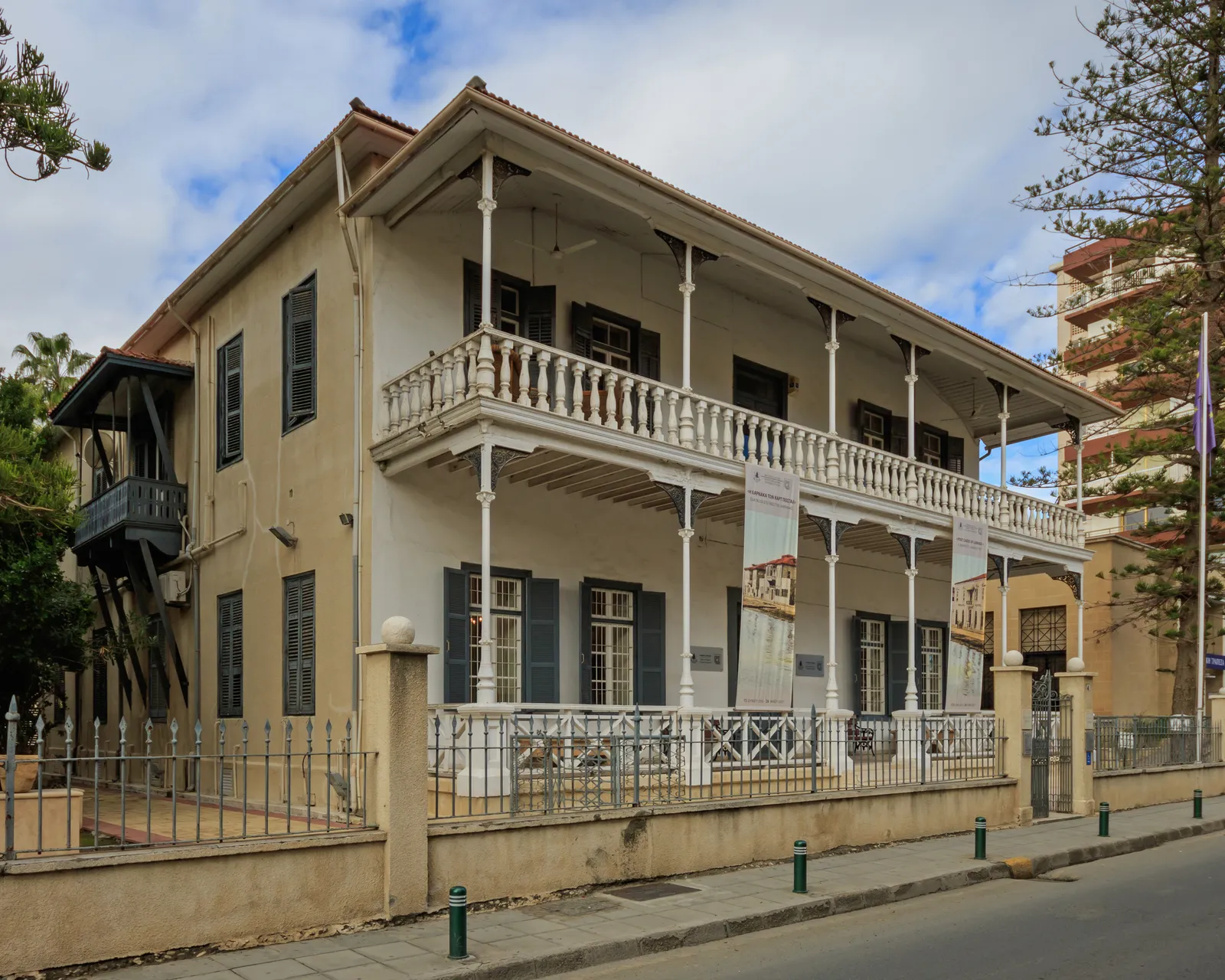 The Island Collections: Private Collections Formed on Cyprus and What Became of ThemThe registered private collections formed on Cyprus (Pierides, Giabra Pierides, Severis, Phylactou, Lyssarides, Hadjiprodromou, Hadjiloizides, Palma), how they were formed, and their present homes.
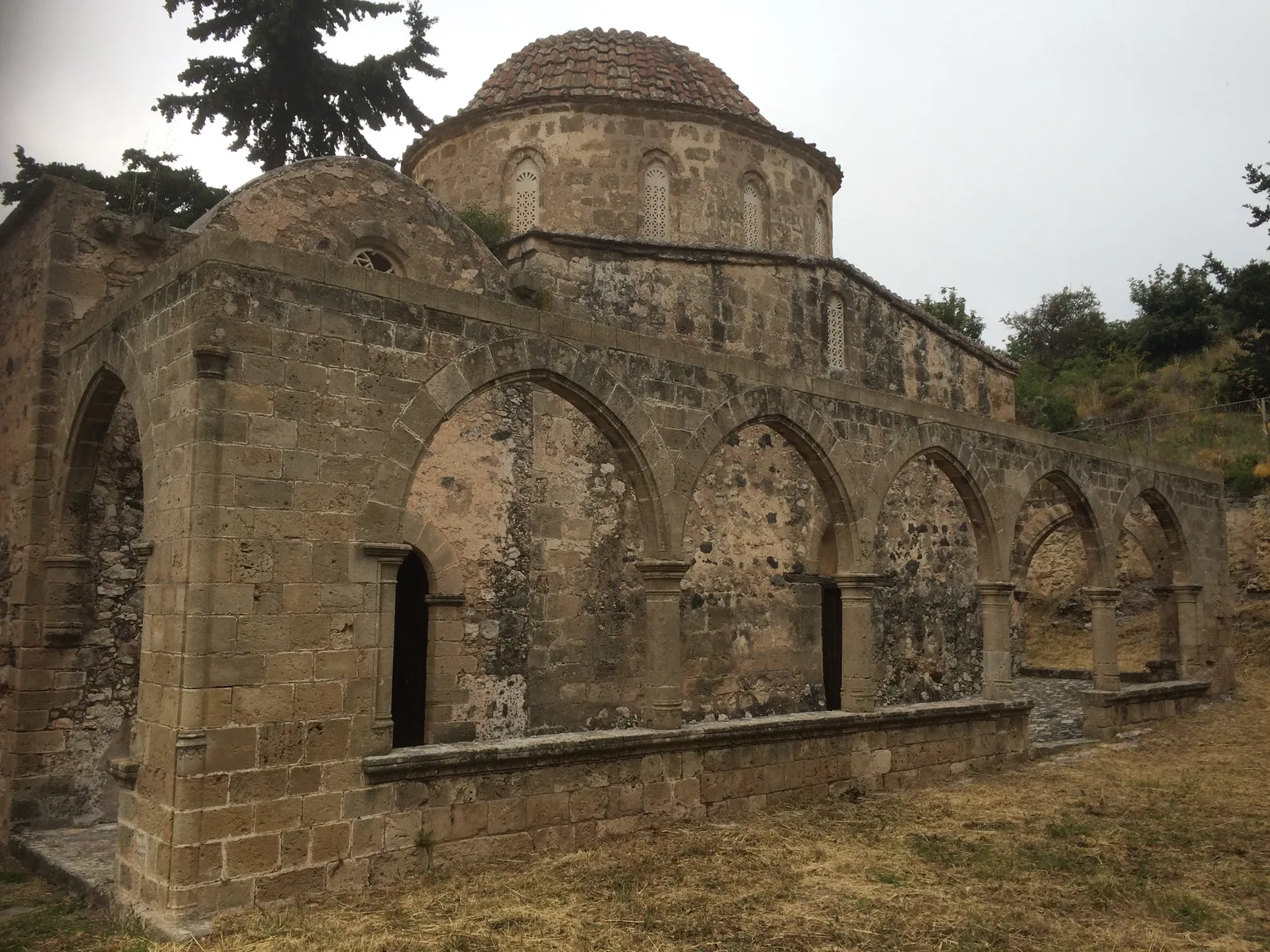 People and Networks in the Trade in Cypriot AntiquitiesSectionThe dealers, intermediaries and court cases of the illicit trade after 1974, set beside the excavators and licensed dealers of the lawful trade.
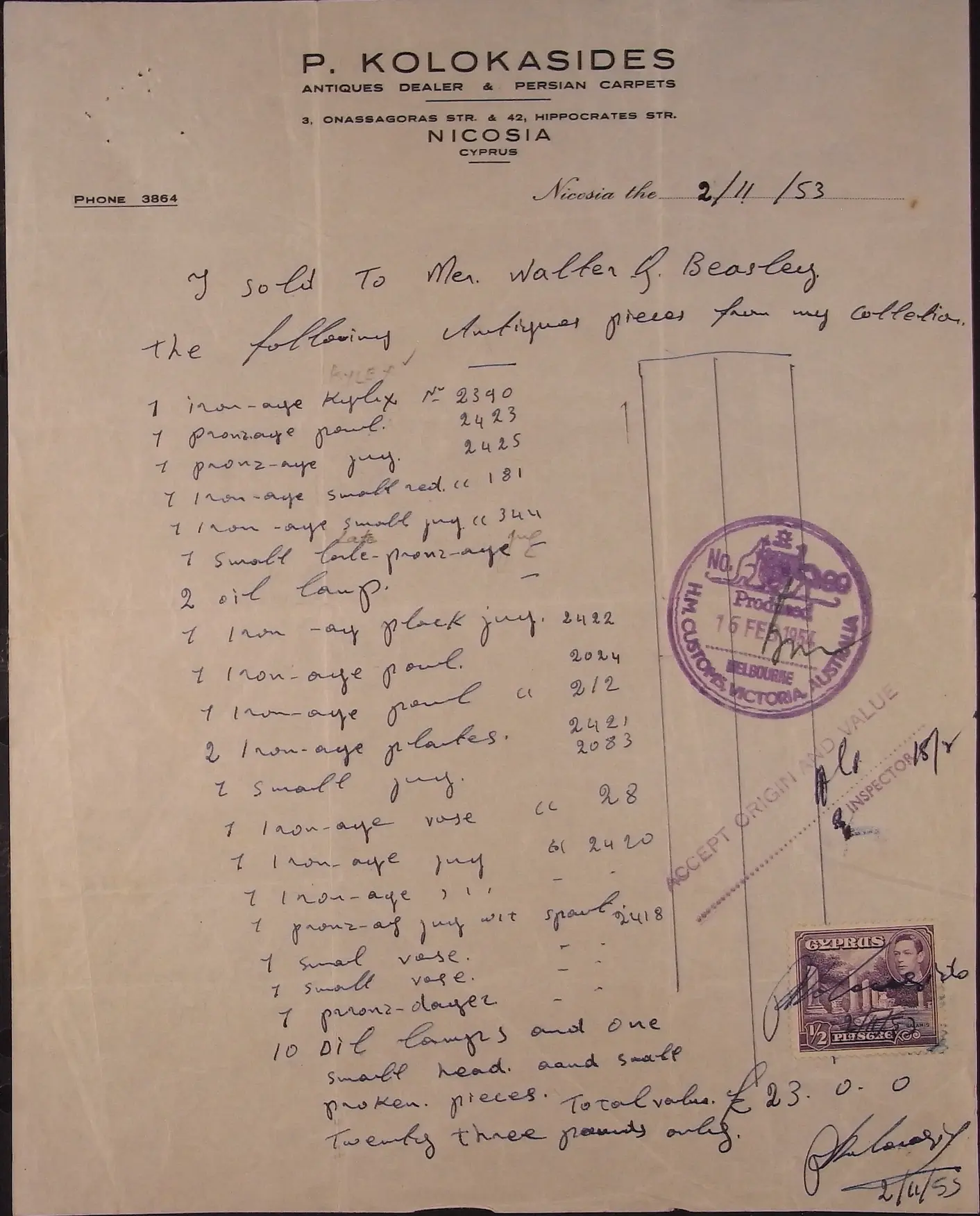
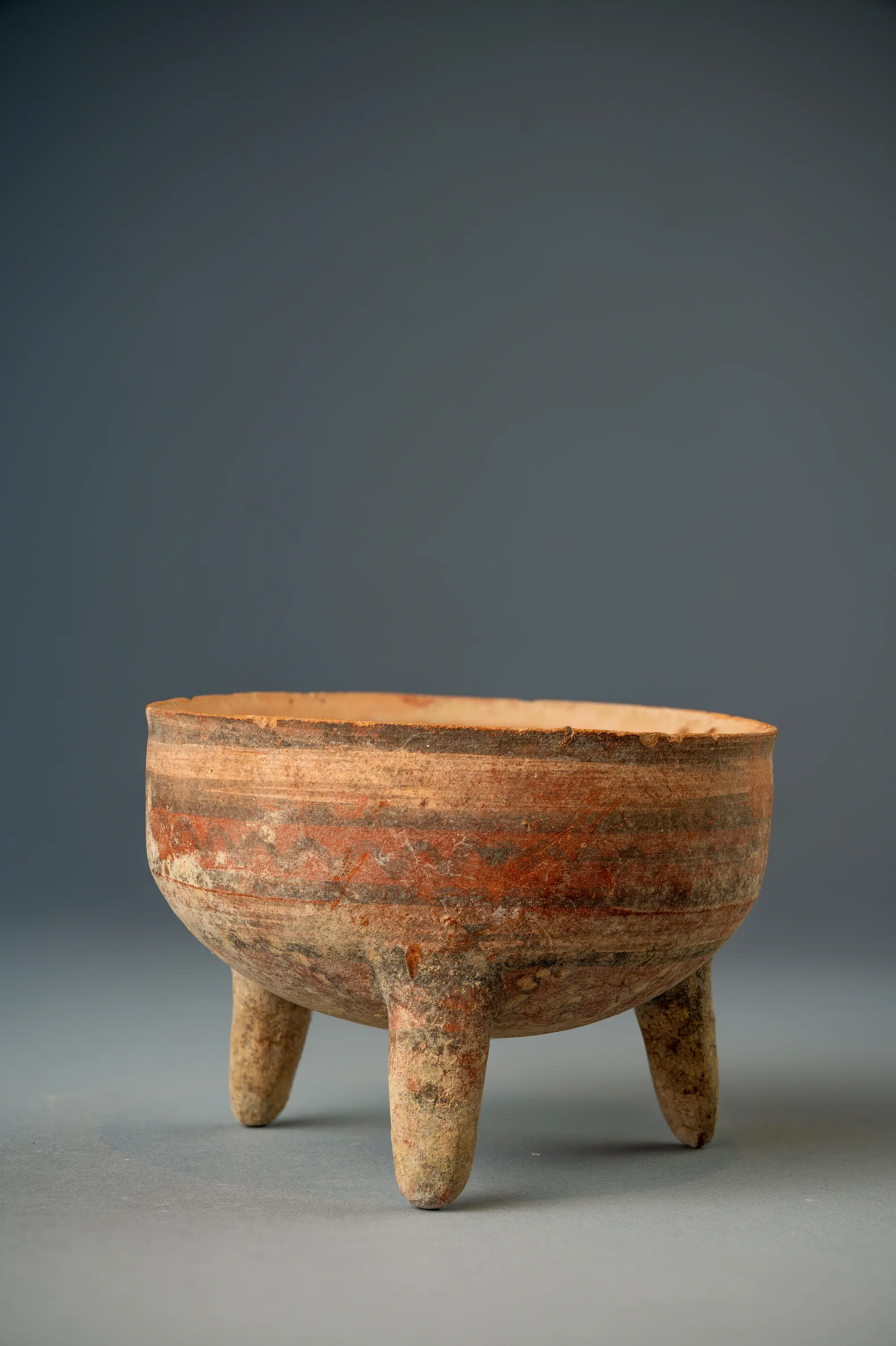 Petros Kolokasides: A Licensed Dealer in NicosiaThe licensed Nicosia dealer Petros Kolokasides as the record shows him, his buyers from the Cyprus Museum to Université Laval, the spellings of his name, and what his paperwork proves.
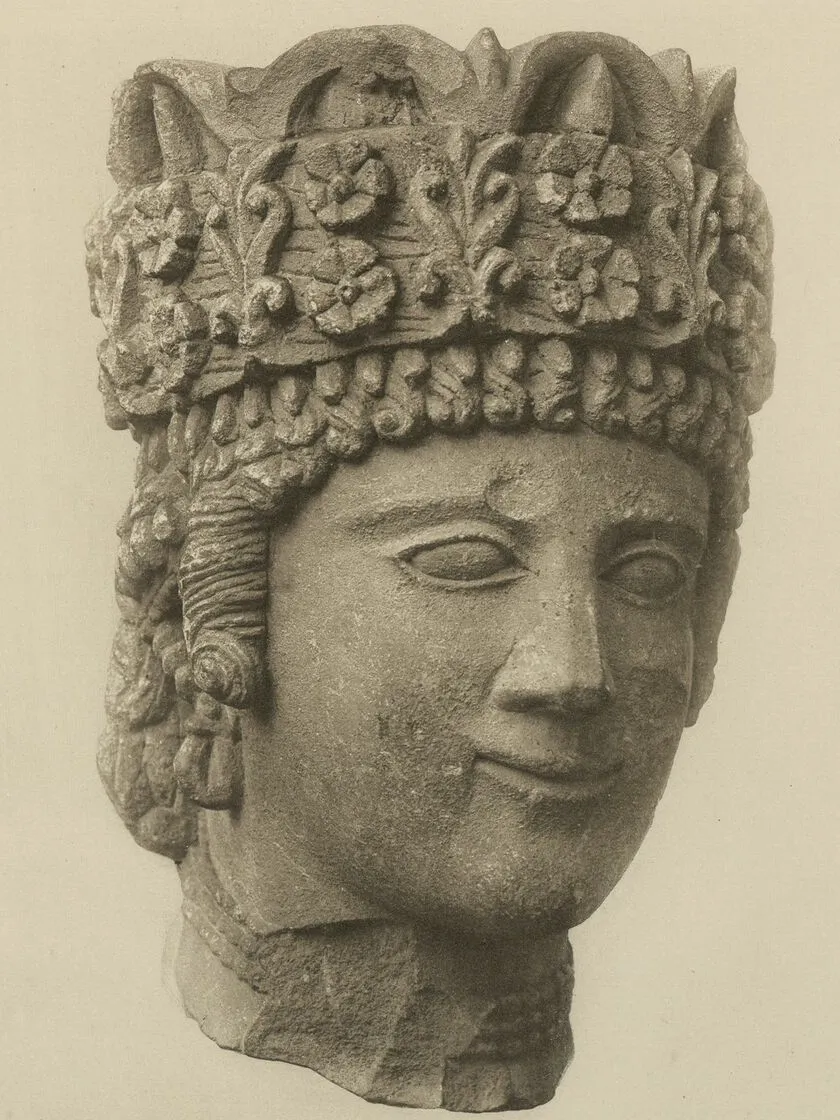 Nicolas Koutoulakis and the De Clercq Collection: A Paris Dealer's Cypriot StockHow the Paris and Geneva dealer Nicolas Koutoulakis put the Cypriot residue of the de Clercq collection back on the market after 1967, and what his name means on a Cypriot object today.
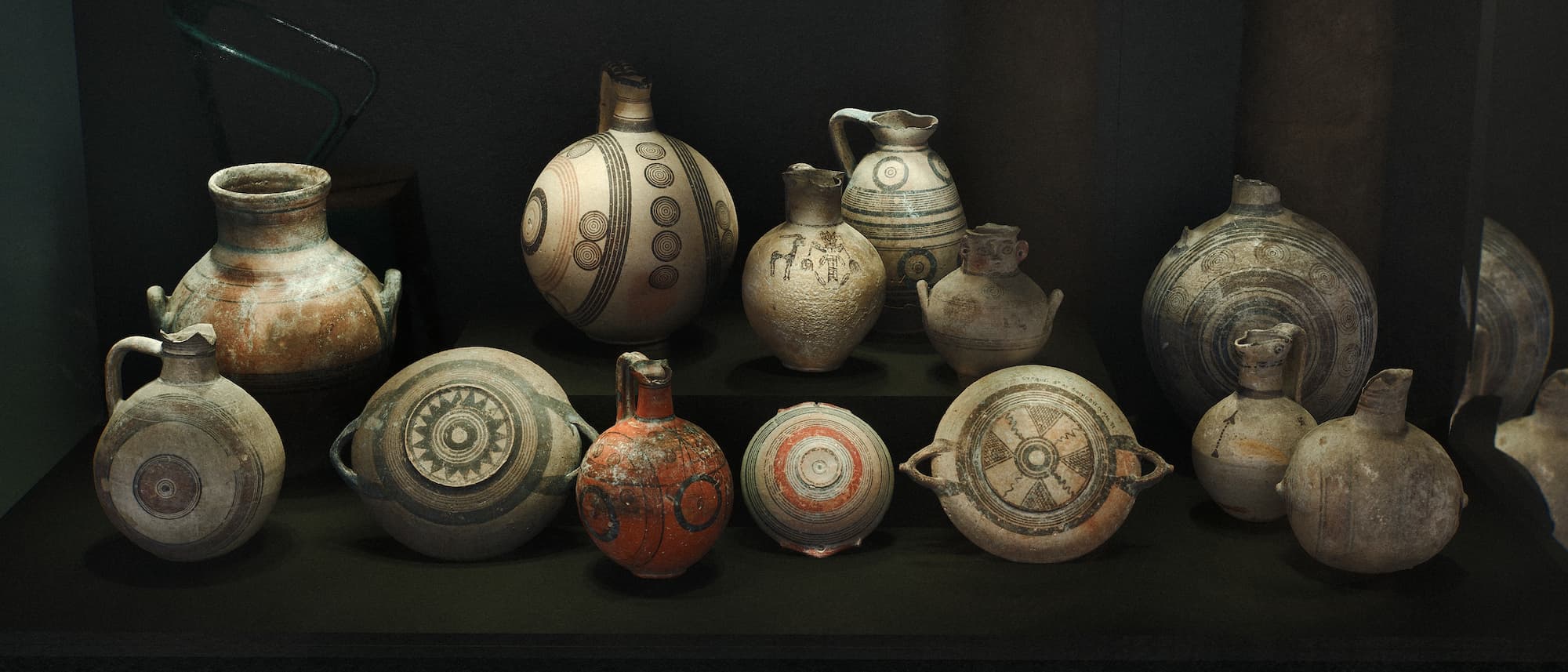 Collecting Cypriot Antiquities Today: Law, Provenance and Due DiligenceThe law, provenance checks and market that govern owning and buying Cypriot antiquities outside Cyprus as of 2026.
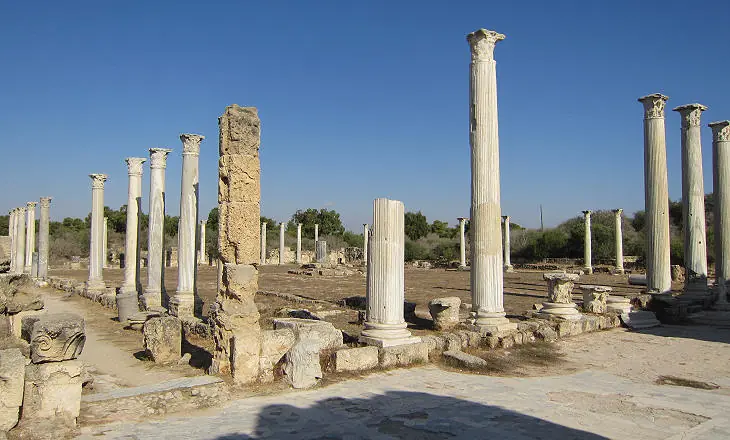 Looting in Occupied Northern Cyprus after 1974The removal of icons, frescoes, mosaics and antiquities from the occupied north of Cyprus after the Turkish invasion of 1974, and the recoveries that followed.
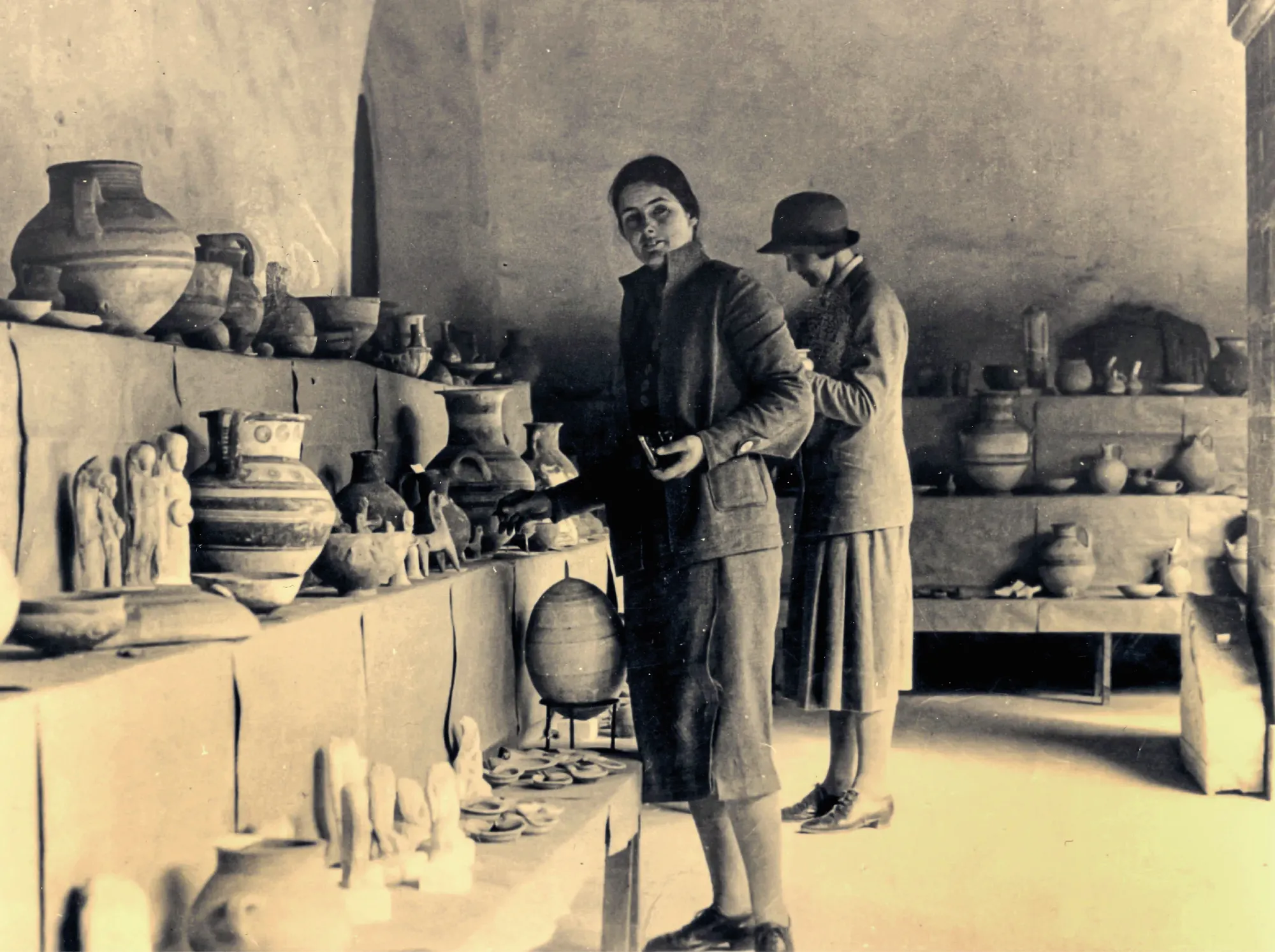 The Antiquities Trade and CyprusSectionHow Cypriot antiquities left the island lawfully, what the looting of the south and the occupied north amounted to, and what the record means for owners today.
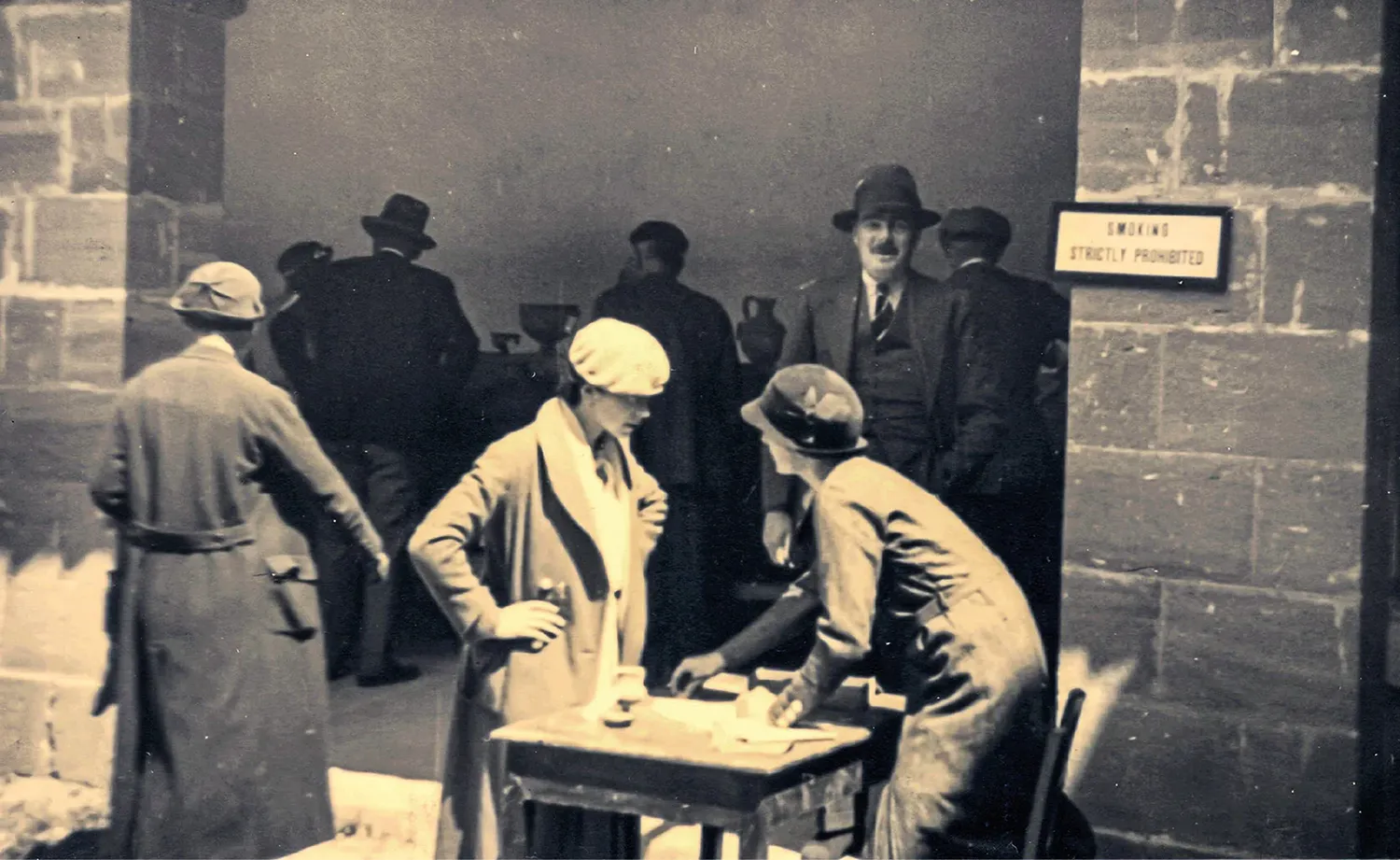 The Legal Export of Cypriot AntiquitiesThe succession of Ottoman, colonial and Republic laws under which Cypriot antiquities lawfully left the island until licensed export ended in 1996.