Reading the Evidence
Almost every statement about looted Cypriot antiquities rests on a handful of figures, dates and documents. The entries in this part of the section set them out one at a time: how much is said to have been taken and who counted it, how the Turkish invasion of 1974 became the date-line against which every object is now judged, why church art and archaeology are two different trades, what a looted Cypriot object is actually worth, how many objects left the island lawfully, and what paper each kind of history leaves behind.
How to use these entries
Each entry deals with one kind of evidence and is paired with its counterpart, so that a figure for looting is read beside the record of lawful export for the same years. The parallel timeline sets the two histories side by side from the nineteenth century to the present. The later parts of the section, on the years before 1974, the south, the occupied north, the people involved, the law and the purchases made by the state and its partners, refer back to these entries for their numbers.
For the lawful channels themselves, see the legal export of Cypriot antiquities; for what a collector can own today, see collecting Cypriot antiquities today.
Reading the evidence
How Much Was Taken? The Loss Figures for Cyprus and Where They Come From
Every headline figure for looted Cypriot antiquities and church art since 1974: the 60,000...
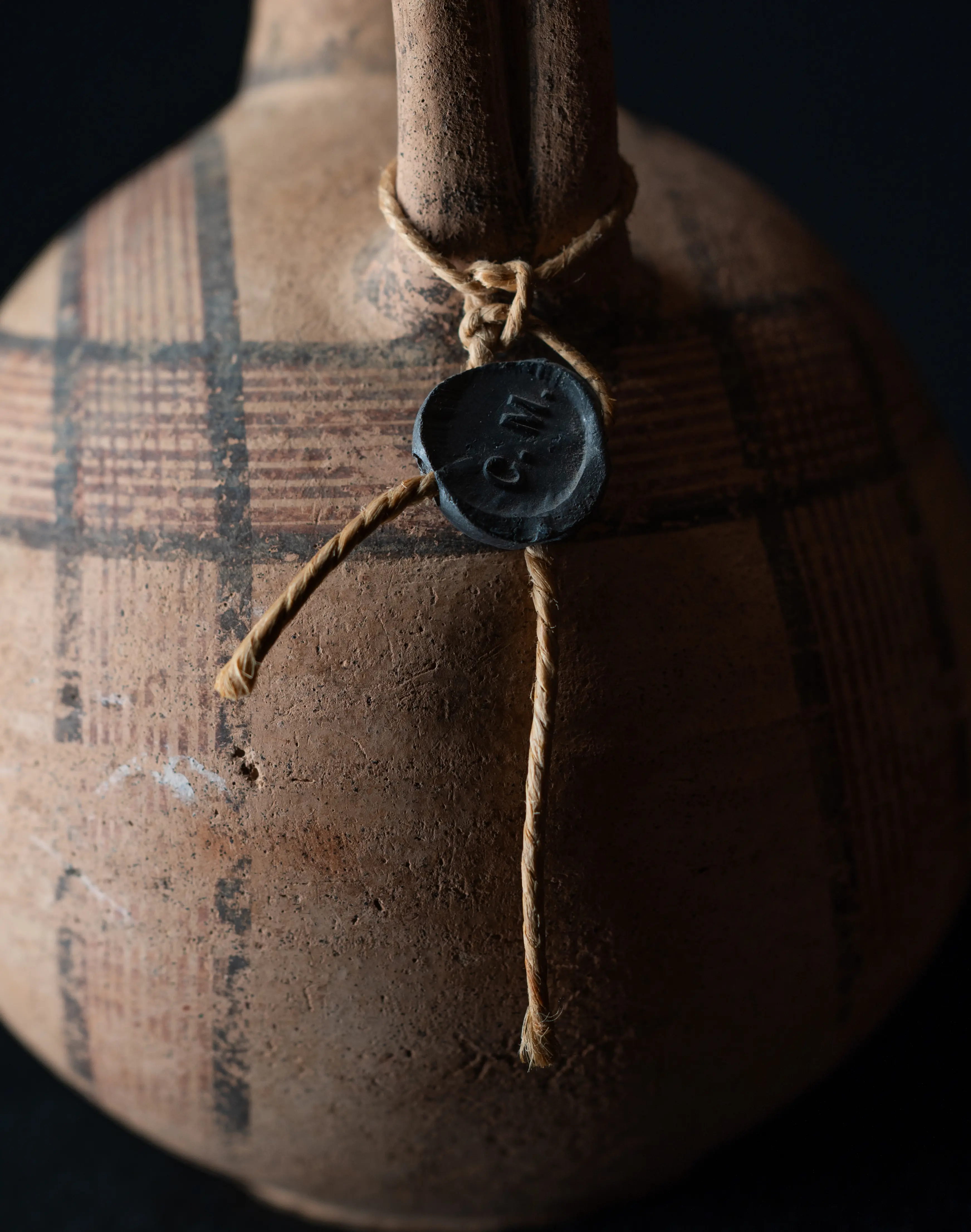
The 1974 Presumption: Why Cypriot Antiquities Are Treated as Guilty Until Proven Innocent
How the Turkish invasion of 1974 became the date-line for Cypriot antiquities, what the presumption...
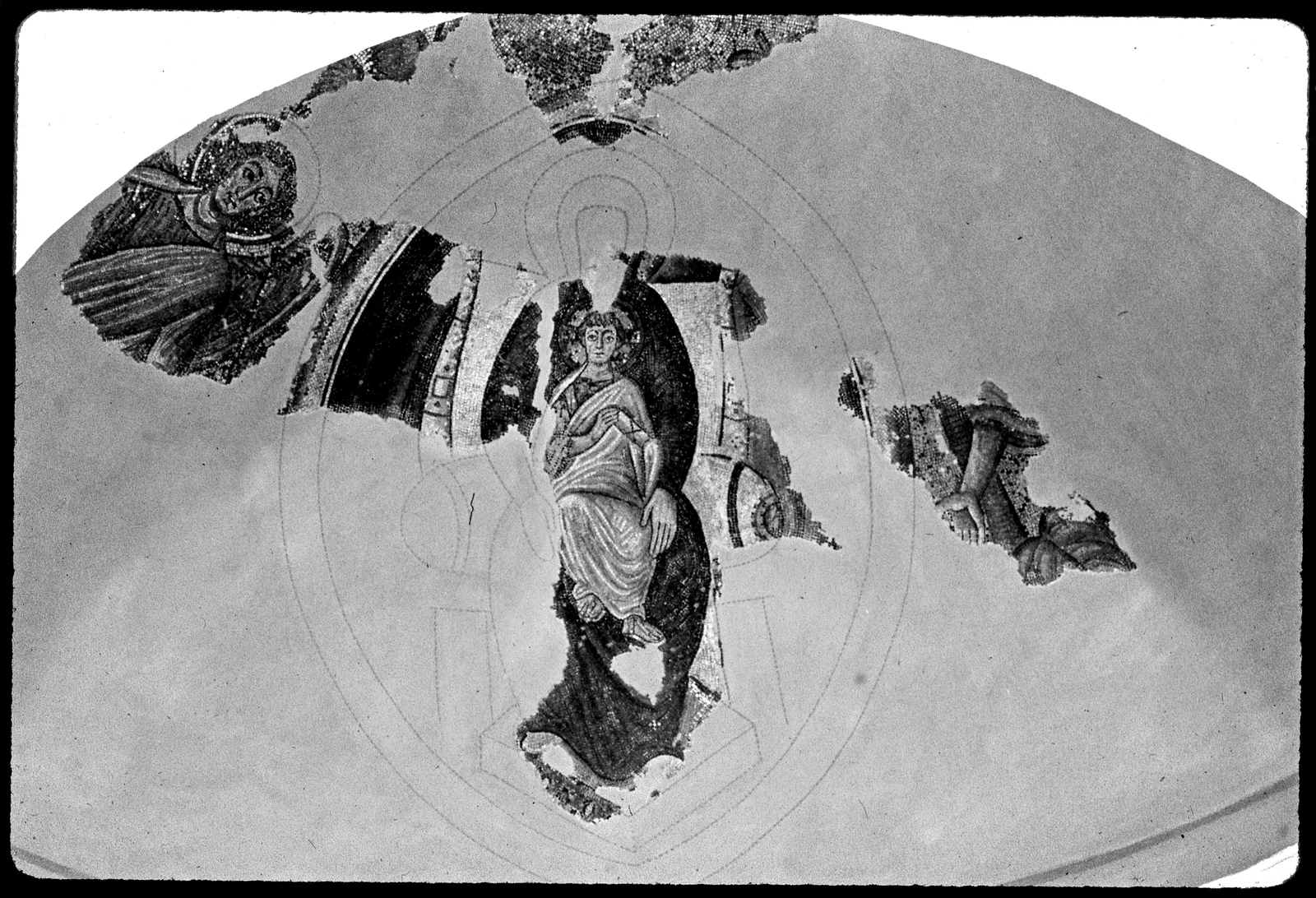
Church Art and Antiquities: Two Trades from the Occupied North
Why the icons, frescoes and mosaics taken from churches in occupied northern Cyprus after 1974 were...
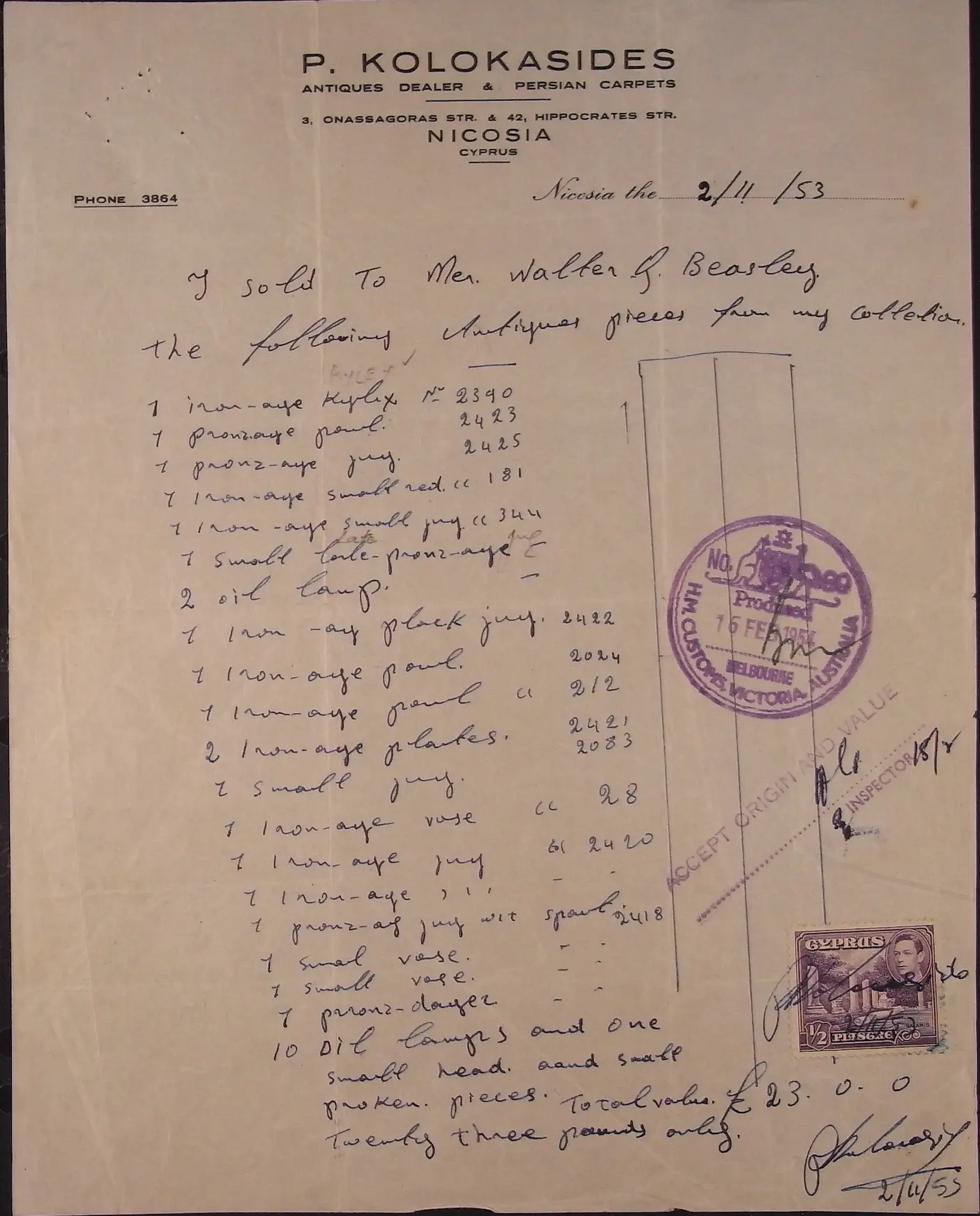
Does Looting Cyprus Pay? The Economics of Illicit Cypriot Antiquities
What Cypriot antiquities actually sell for, why the lawful supply keeps prices low, who receives...
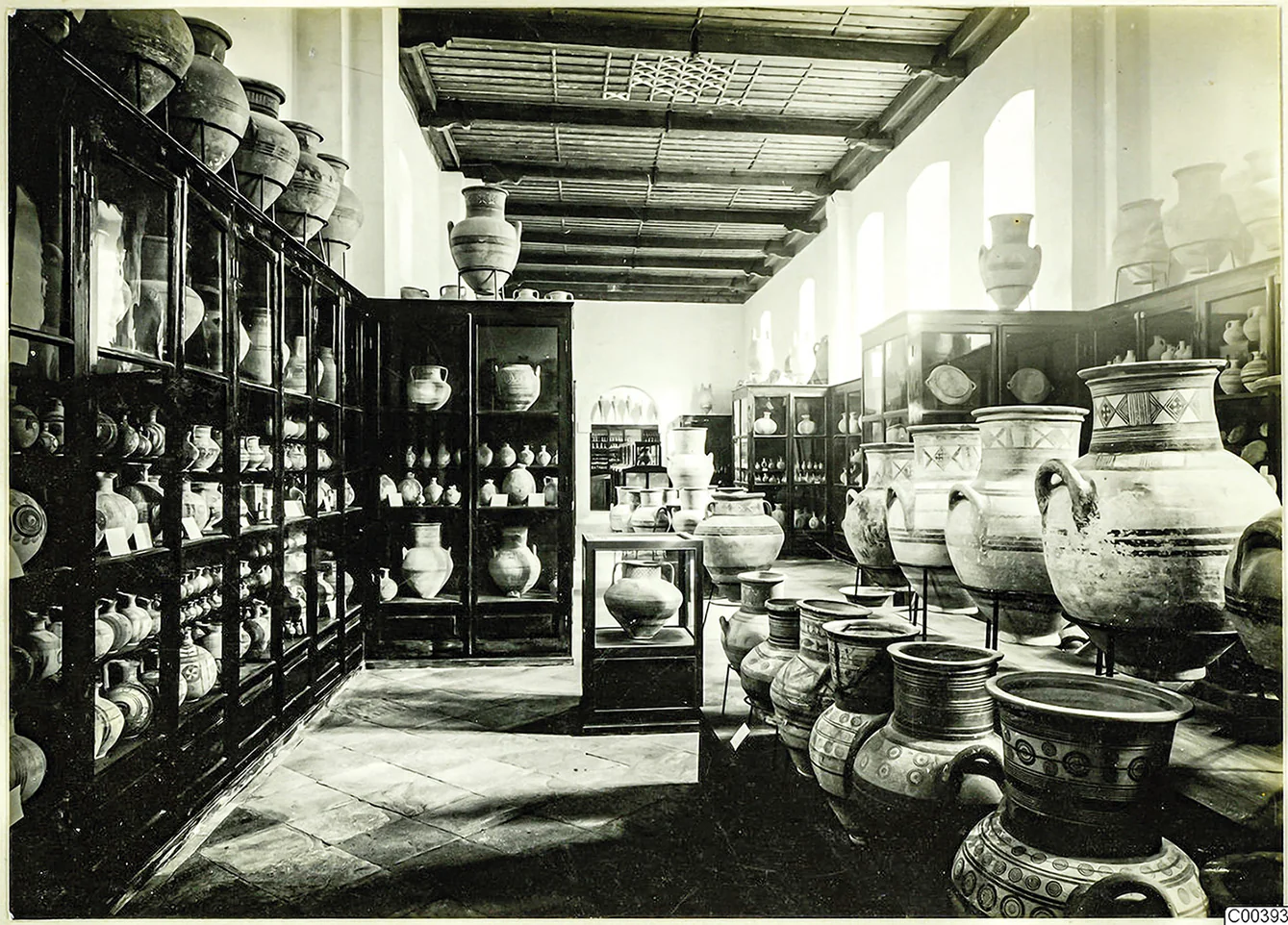
How Many Cypriot Antiquities Left the Island Lawfully?
Lawful export of Cypriot antiquities channel by channel, from Cesnola and the 1874 partage to the...
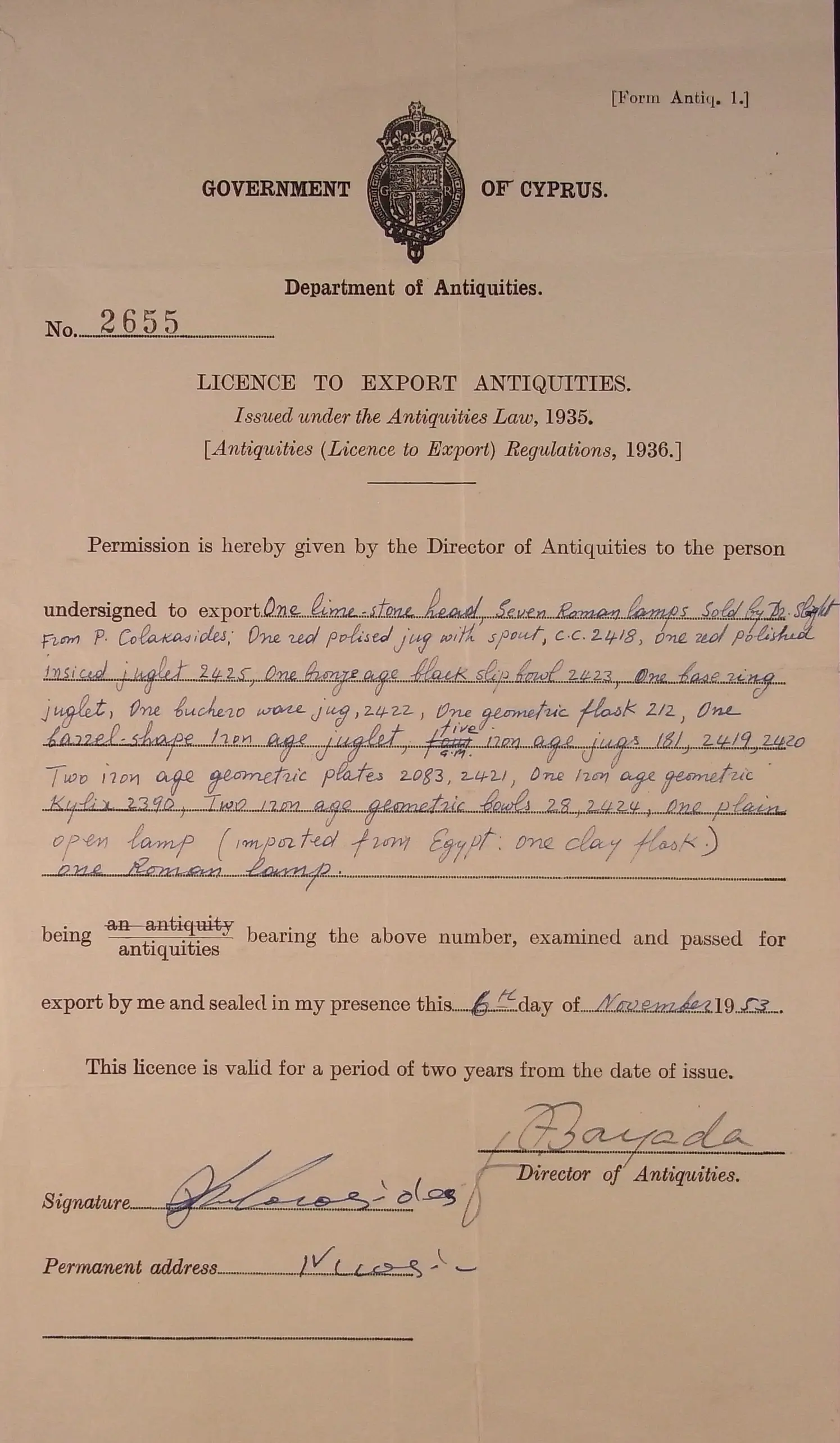
Lawful and Illicit in the Record: What Each History Leaves on Paper
The documents a lawful Cypriot antiquity carries (partage lists, saleroom labels, lead seals,...
Looting and the Lawful Trade in Cyprus: A Parallel Timeline, 1860s to 2026
A dated, sourced timeline setting the looting and illicit trade in Cypriot antiquities beside their...