
The Antiquities Trade and Cyprus
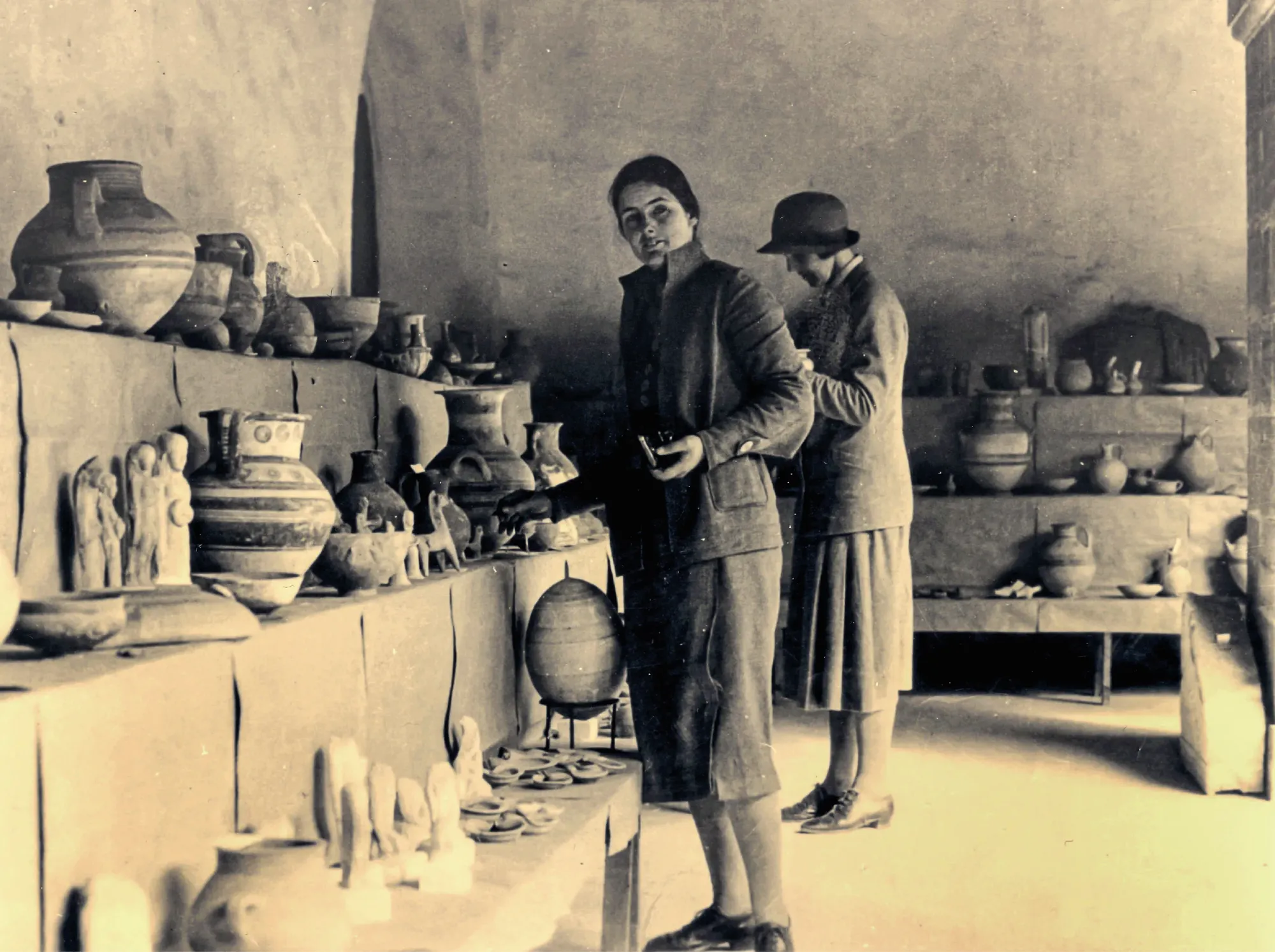
Cypriot antiquities fill museums from Stockholm to New York, and most of them left the island lawfully. This section sets out how that happened, what changed when the north of the island was cut off in 1974, and what the record means for anyone who owns or studies Cypriot objects today.
The Cesnola Collection at the Metropolitan Museum of Art runs to some 35,000 objects. The Swedish Cyprus Expedition shipped about two thirds of its 18,000 finds to Stockholm between 1930 and 1931 under a division agreed with the colonial government [2]. The British Museum, the Louvre, the Kunsthistorisches Museum in Vienna, the Ashmolean and dozens of smaller collections hold Cypriot material acquired in the same decades. None of this was smuggled. For a century and a quarter the island had a lawful channel for the export of antiquities, and the channel was used on a scale that no other Mediterranean country matched in proportion to its size.
The channel took different forms in different eras. Under the Ottomans there was at first no antiquities statute at all: a foreigner dug under a personal Imperial firman, and a well-drafted firman exempted the finds from customs, which is to say it licensed their export [1]. The Ottoman regulation of 1874 introduced the principle of partage, the division of a licensed excavation's finds into thirds between the state, the excavator and the landowner, and Britain kept that regulation in force when it took over the administration of Cyprus in 1878 [1]. The colonial Antiquities Law of 1905 required the High Commissioner's written permission for export; the law of 1935 created the Department of Antiquities and replaced permission with a licence issued by its Director. From the 1920s to 1991 the Cyprus Museum ran its own saleroom, disposing of surplus tomb pottery to visitors and, later, through a Sales Register that the Director in 1983 described as encouraging exports to universities and museums [3; 5, p. 17]. Licensed dealers such as Petros Kolokasides traded openly in Nicosia until the licences lapsed in the 1970s, and private collections formed in the Republic between 1963 and 1973 were registered card by card with the Department's knowledge [4]. The lawful trade in private antiquities finally closed with the amendment of 1996 [6]. The entry on the legal export of Cypriot antiquities traces each of these regimes and tabulates the dates.
The hinge in the story is July 1974. The Turkish invasion and the occupation that followed removed roughly a third of the island from the reach of the Department of Antiquities: Salamis, Enkomi, Lapithos, Vounous, Soli, Vouni, the district museum at Famagusta, the castle at Kyrenia, and several hundred churches with their icons, frescoes and mosaics [8]. A regulated trade with registers and licences became, north of the line, no trade at all in the legal sense, and the objects that began to surface abroad in the following years had no paperwork because there was no authority left to issue any. The best-known case reached an American courtroom: the sixth-century mosaics stripped from the church of the Panagia Kanakaria in the Karpas were bought in 1988 by an Indianapolis dealer and returned to the Church of Cyprus after a federal trial in 1989 and an appeal in 1990 [7]. The entry on looting in occupied northern Cyprus follows the sites, the cases and the recoveries.
The two histories meet in the present, on the desk of anyone deciding whether an object may be bought, published or kept. The date line that matters for Cypriot material is not really the 1970 UNESCO convention but 1974, because the classes of object most exposed to the occupation, the north-coast Bronze Age cemeteries and the ecclesiastical art of the Karpas and the Kyrenia range, are also among the classes most sought after. An object whose history can be traced to a firman, a partage division, a colonial permission, a 1935 licence or a Cyprus Museum sale is a lawful object, and there are tens of thousands of them. An object with no history before 1974 deserves the questions that the entry on collecting Cypriot antiquities today sets out, together with the case for what a documented private collection can do: photograph, publish, scan and lend, as this site's own collection tries to.
The articles on how Cyprus's past was sold, private collecting of Cypriot antiquities and UNESCO 1970 and the ethics of modern collections tell parts of this story at length; the entries below are the reference versions.
Antiquities Trade
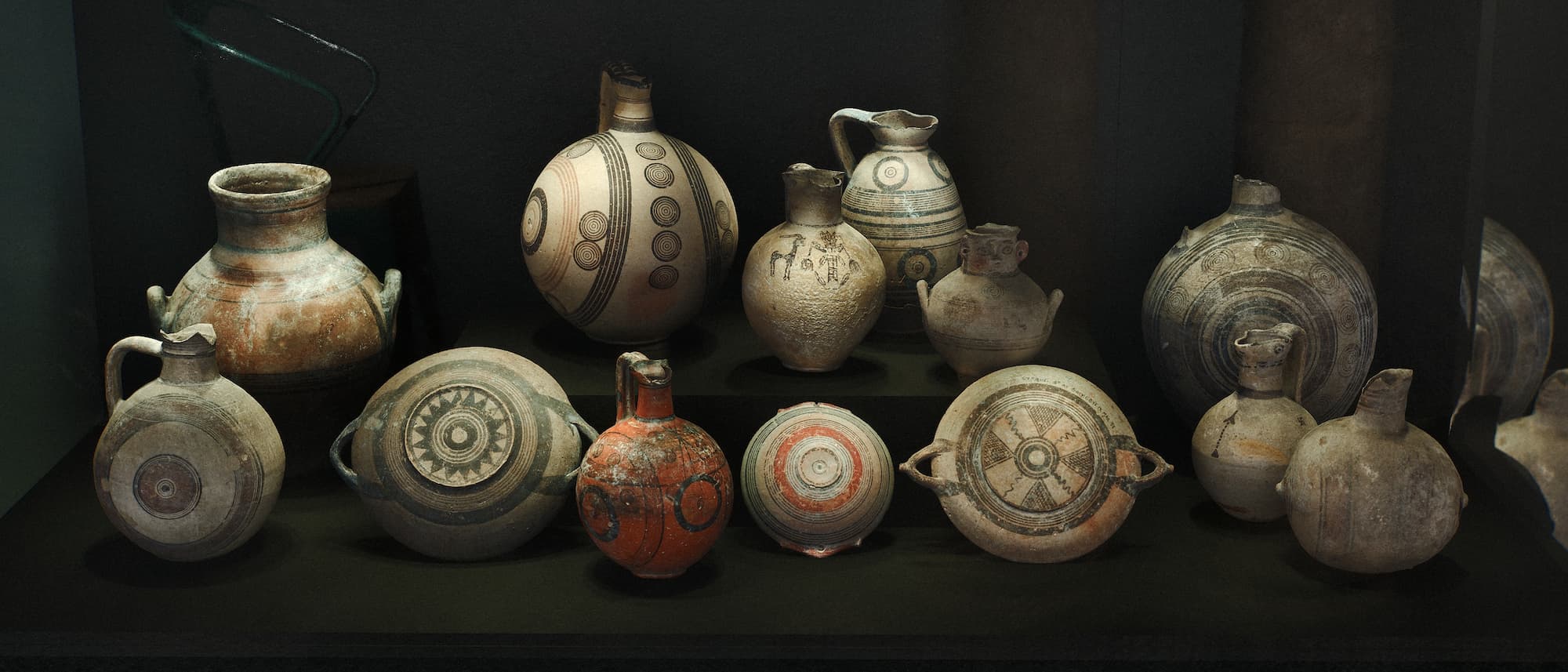
Collecting Cypriot Antiquities Today: Law, Provenance and Due Diligence
A practical reference on owning and buying Cypriot antiquities today: what the law in Cyprus, the...
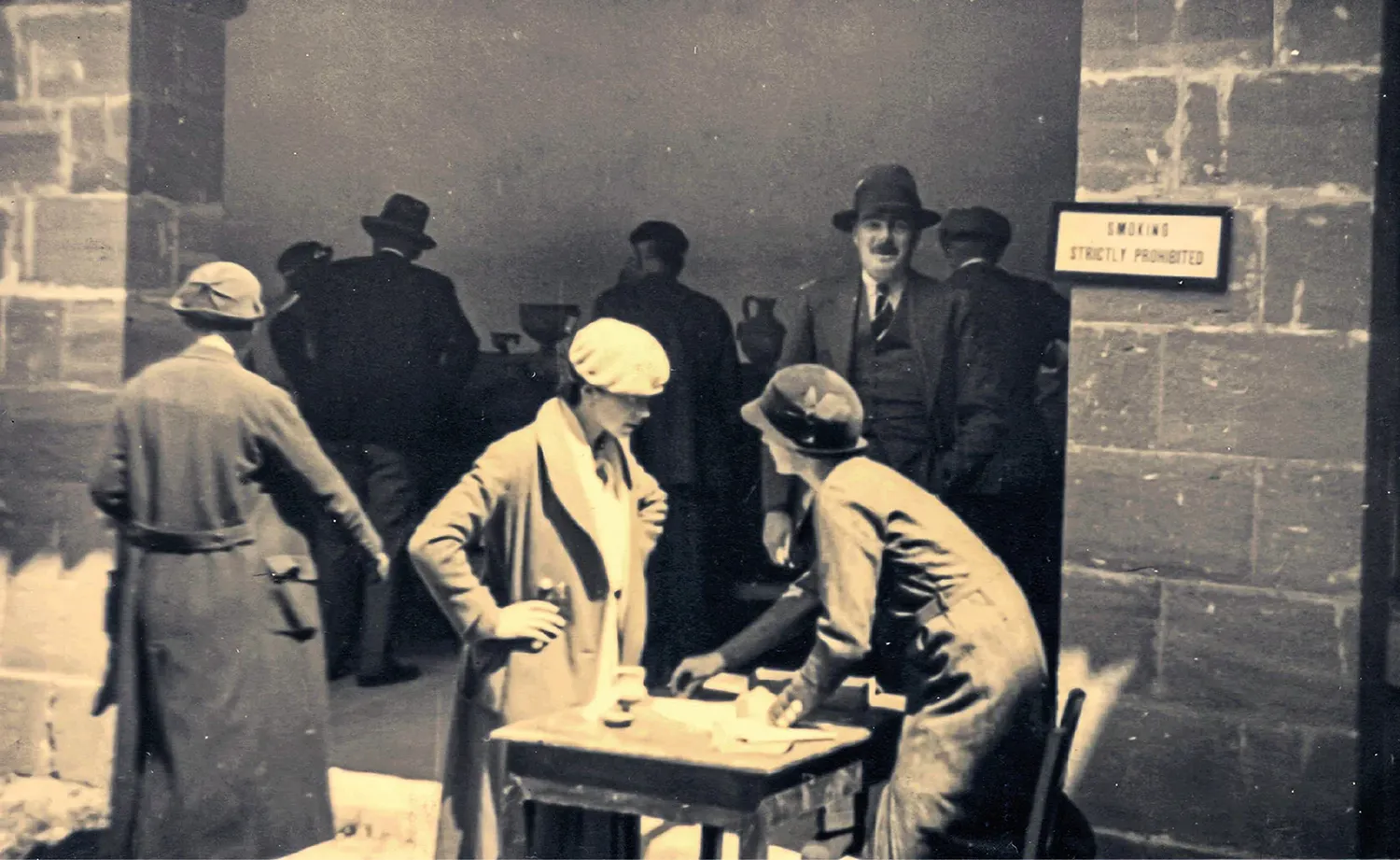
The Legal Export of Cypriot Antiquities
A reference history of how antiquities lawfully left Cyprus, from Ottoman firmans and the 1874...
References
- 1.Stanley-Price, N. (2001). The Ottoman law on antiquities (1874) and the founding of the Cyprus Museum. In V. Tatton-Brown (Ed.), Cyprus in the 19th century AD: Fact, fancy and fiction. Papers of the 22nd British Museum Classical Colloquium, December 1998 (pp. 267-275). Oxbow Books.
- 2.Göransson, K. (2012). The Swedish Cyprus Expedition: The Cyprus collections in Stockholm and the Swedish excavations after the SCE. In A. Georgiou (Ed.), Cyprus: An island culture. Society and social relations from the Bronze Age to the Venetian period (pp. 399-408). Oxbow Books.
- 3.Stanley-Price, N. (2025). Illicit excavation and the sale of 'duplicate' antiquities: Rupert Gunnis and the Cyprus Museum, 1926-1932. Cahiers du Centre d'Études Chypriotes, 55, 269-301. https://doi.org/10.4000/151c2
- 4.Karageorghis, V. (1974). The illicit sale of Cypriot antiquities [Letter]. Antiquity, 48.
- 5.Herscher, E. (1983). The antiquities market: News and commentary on the illicit traffic in antiquities. Journal of Field Archaeology, 10(3), 349-369. https://doi.org/10.1179/009346983791504327
- 6.Alphas, E. (2017). From a Bronze Age tomb in Cyprus to the estate of a gentleman in Sussex: Measures taken and problems faced in the investigations on the illicit trade of antiquities. In D. Pilides & M. Mina (Eds.), Four decades of hiatus in archaeological research in Cyprus: Towards restoring the balance. Department of Antiquities, Cyprus.
- 7.Autocephalous Greek-Orthodox Church of Cyprus v. Goldberg & Feldman Fine Arts, Inc., 717 F. Supp. 1374 (S.D. Ind. 1989), aff'd 917 F.2d 278 (7th Cir. 1990).
- 8.Jansen, M. (2005). War and cultural heritage: Cyprus after the 1974 Turkish invasion (Minnesota Mediterranean and East European Monographs 14). University of Minnesota.