Topic
History of Archaeology
The people and expeditions that uncovered ancient Cyprus, from nineteenth-century diggers to the systematic excavations of the twentieth century.
42 entries in 5 sections
Pottery
2 entriesSection overview
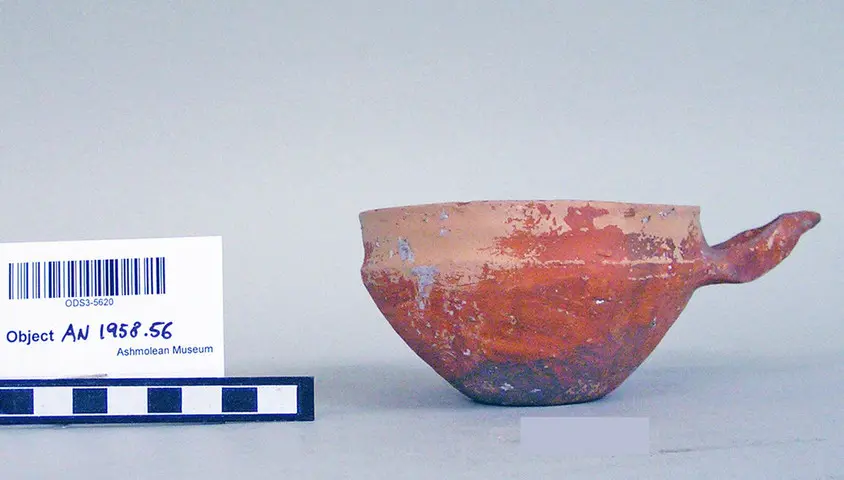 Monochrome WareAn undecorated, handmade Late Cypriot ware with a red to brown slip, best known from small carinated bowls with wishbone handles found at Enkomi and across the Levant.Late Bronze Age
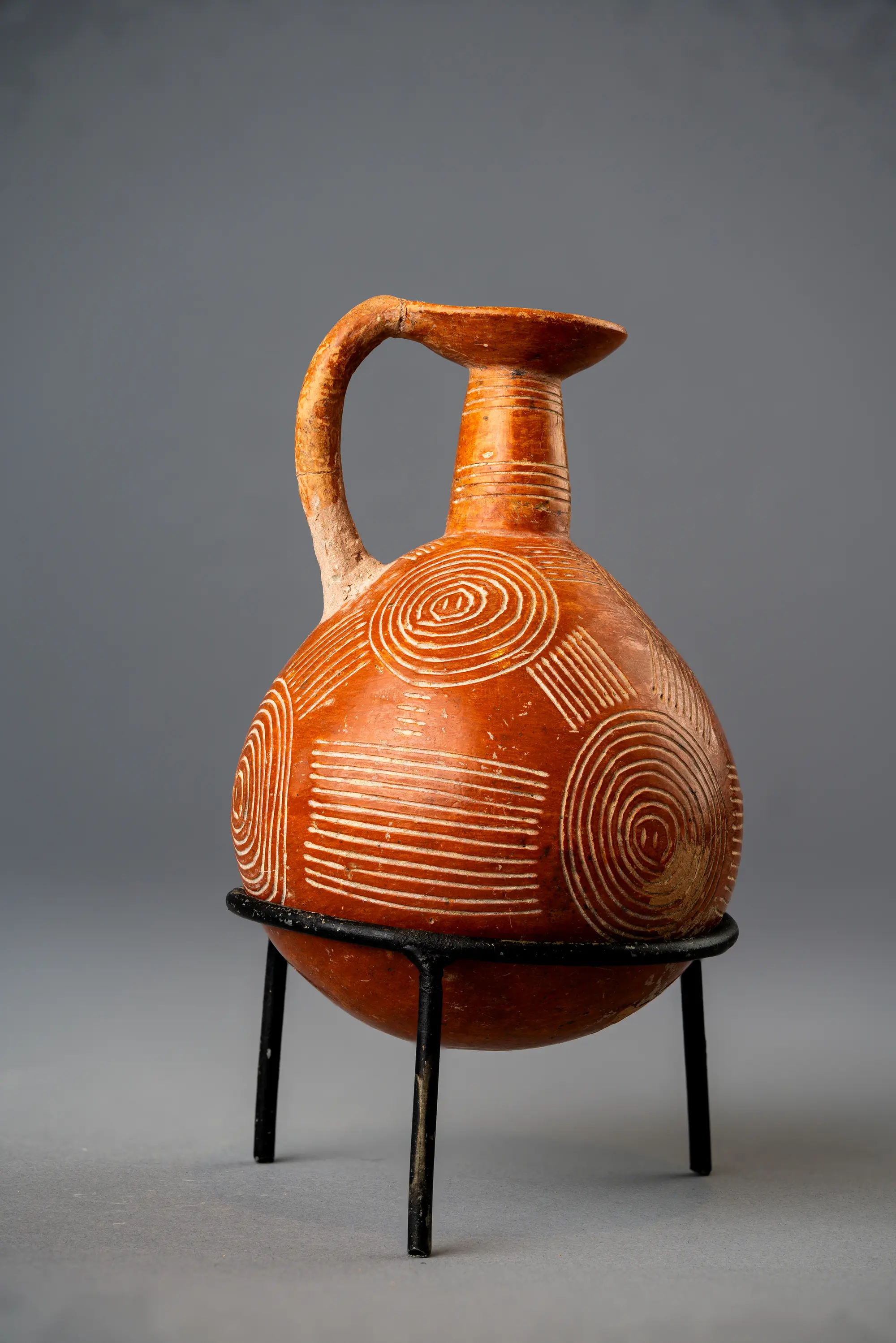 Types of WareSectionThe families of Cypriot pottery, grouped by clay, surface finish and decoration, from Neolithic Combed ware to Iron Age Black-on-Red.NeolithicChalcolithicEarly Bronze AgeMiddle Bronze AgeLate Bronze AgeCypro-GeometricCypro-ArchaicCypro-Classical
Statues
1 entrySection overview
Daily Life
1 entrySection overview
Antiquities Trade
37 entriesSection overview
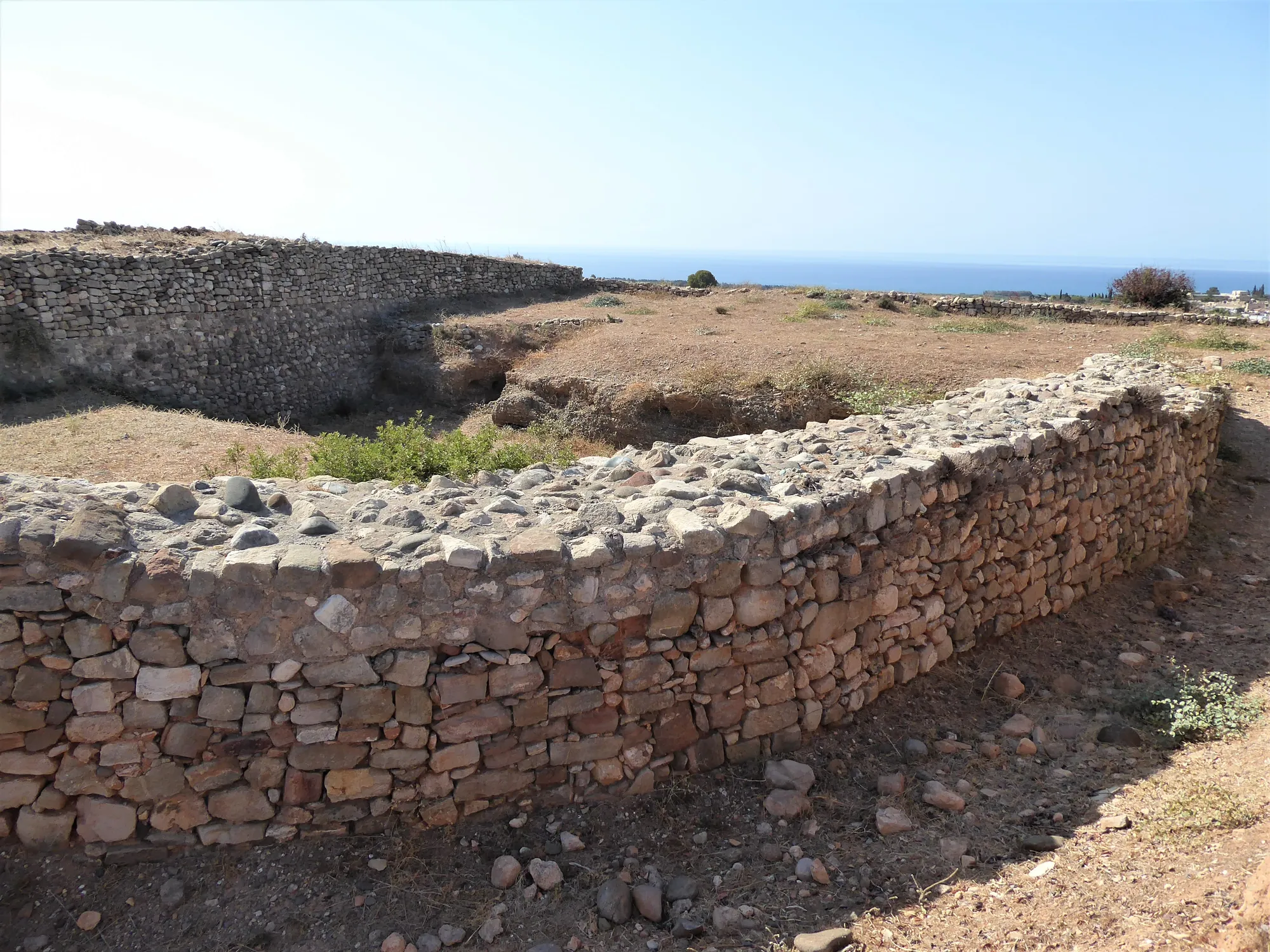 Chance Finds and Opportunistic Digging in the Republic of Cyprus after 1974Chance finds, tomb robbing and metal-detecting in the south after 1974, the finder's duties under Cap. 31, the 2012 to 2017 case figures, and what they show.
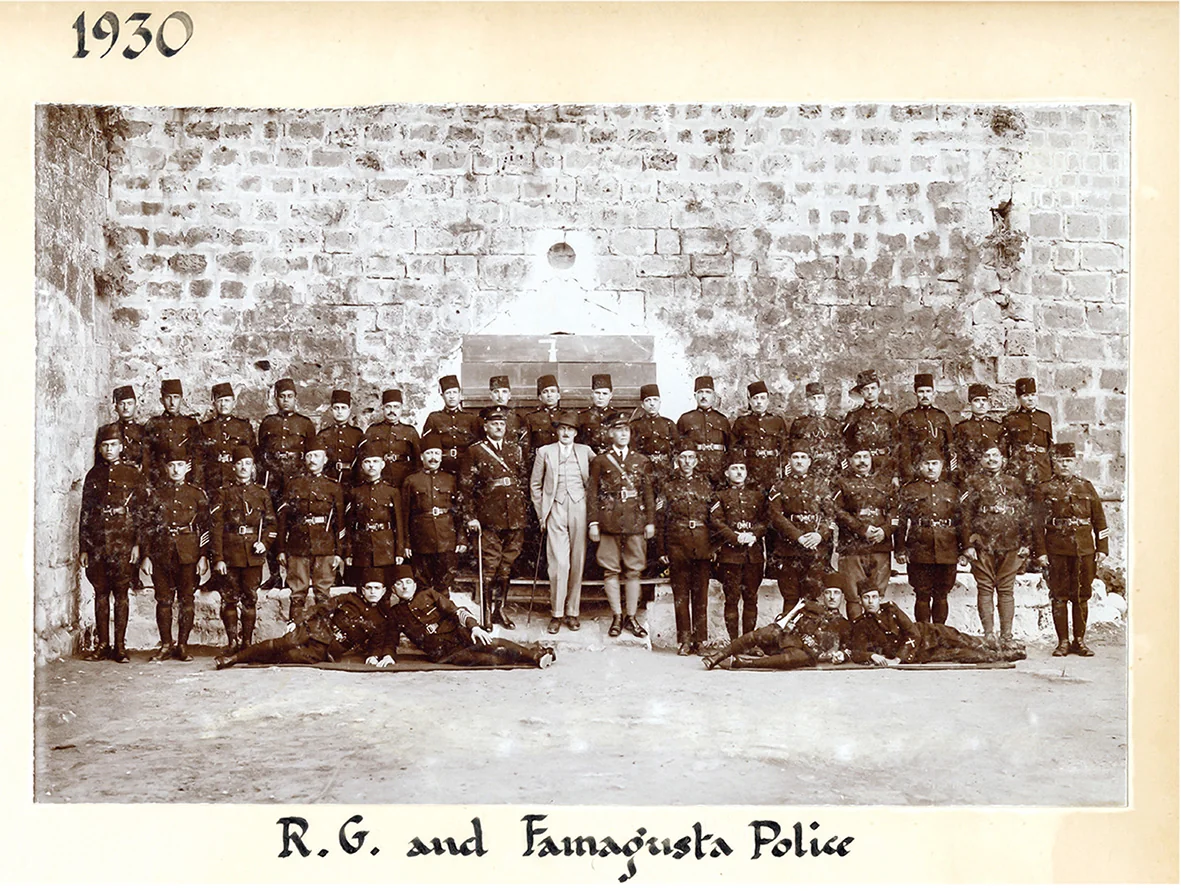 How Much Was Taken? The Loss Figures for Cyprus and Where They Come FromThe loss figures quoted for Cyprus, traced to their first printing, with what each counts, how it was reached and what it leaves out.
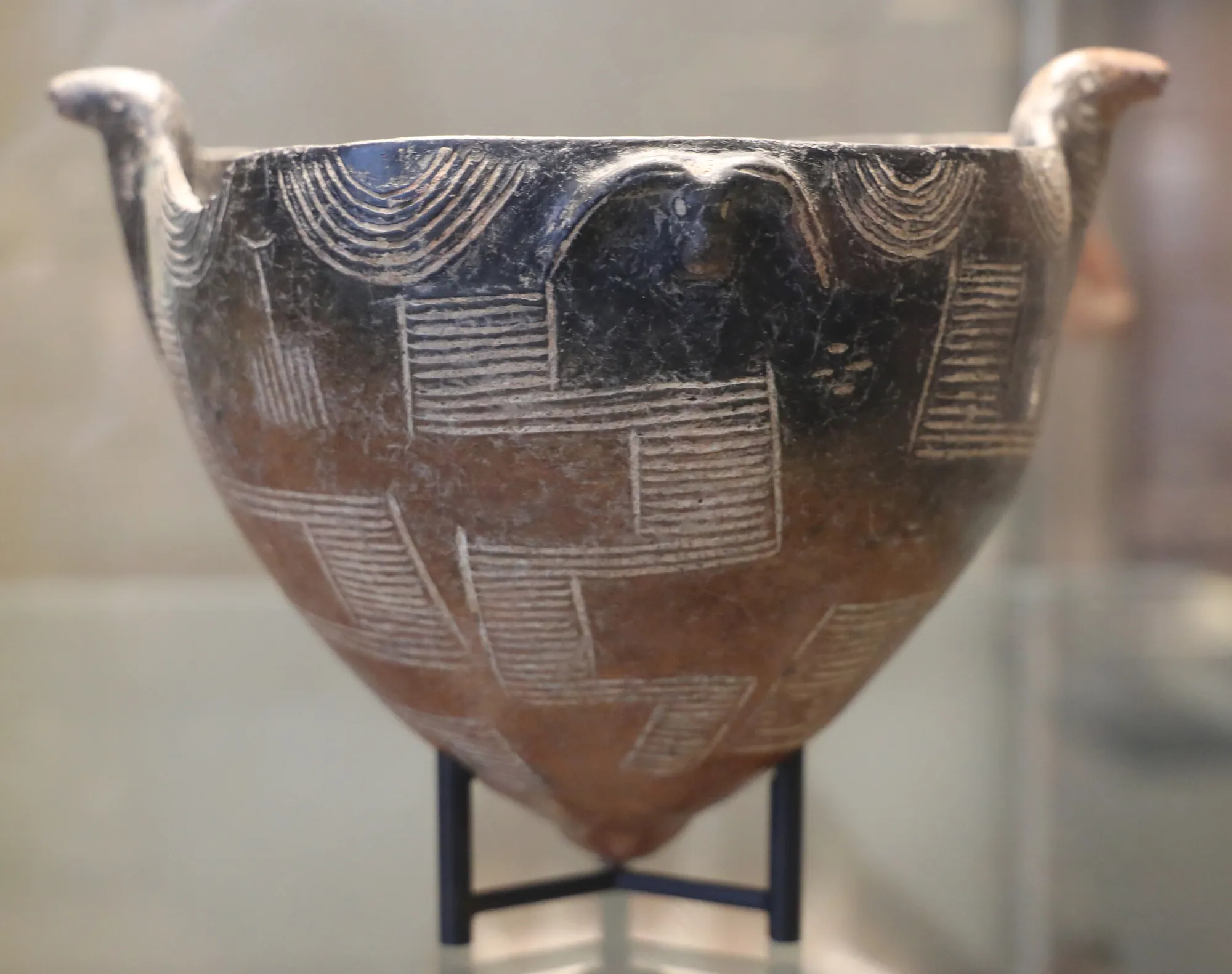 Northern Types with Lawful Histories: Vounous, Lapithos, Enkomi and Salamis Material AbroadWhy an object of a northern type, such as a Vounous or Lapithos pot, is not evidence of looting after 1974, which lawful channels took such objects abroad, and what record distinguishes them.
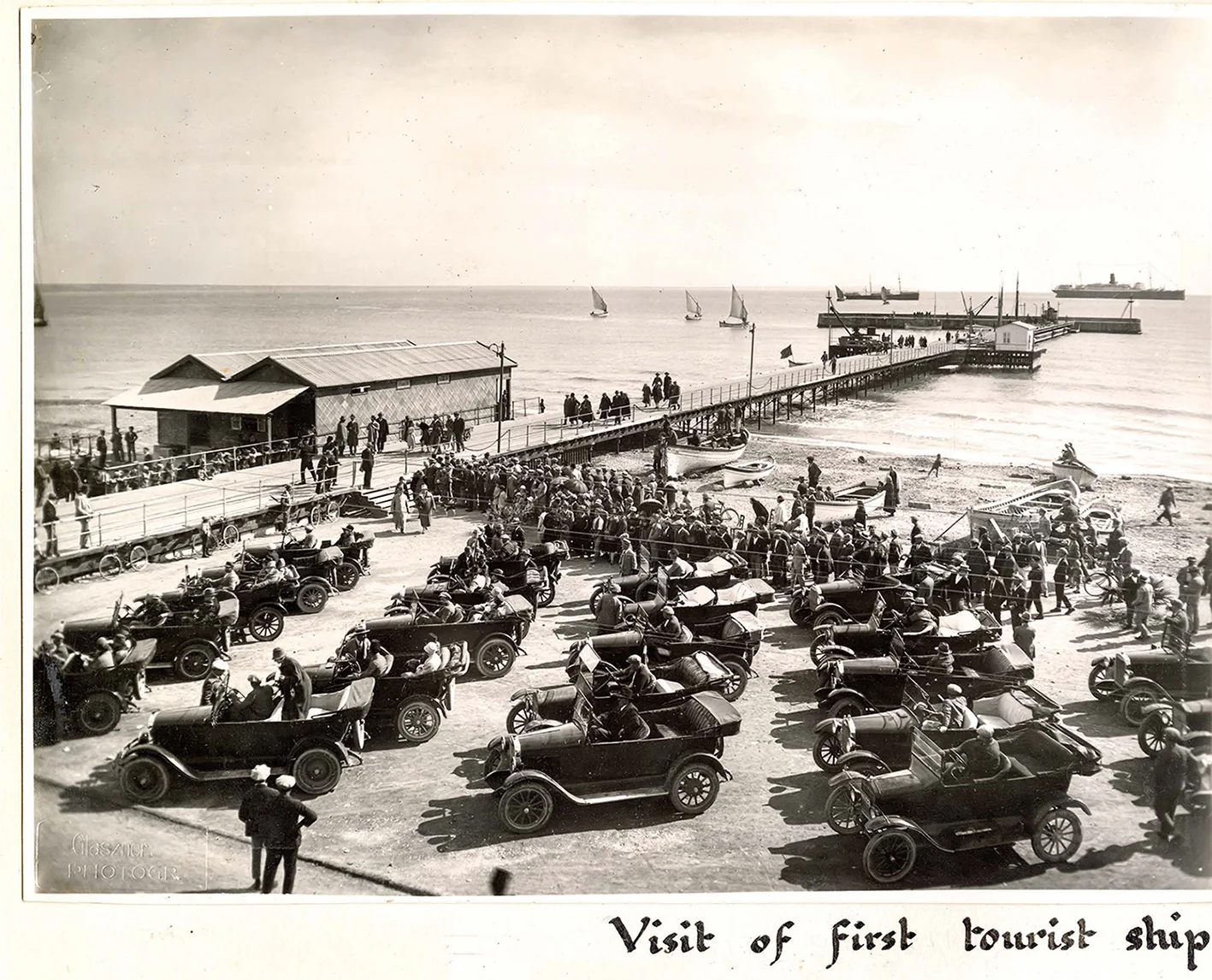 Reading the Evidence on Looting and the Lawful TradeSectionThe numbers, documents, prices and dates behind every claim about looted and lawfully exported Cypriot antiquities.
 Tomb-Digging in Ottoman Cyprus, 1860s to 1878Village tomb-digging before 1878, from the Dali rush of 1868 to the consuls' gangs and the Larnaca buyers, and why it was a wage trade rather than organised crime.
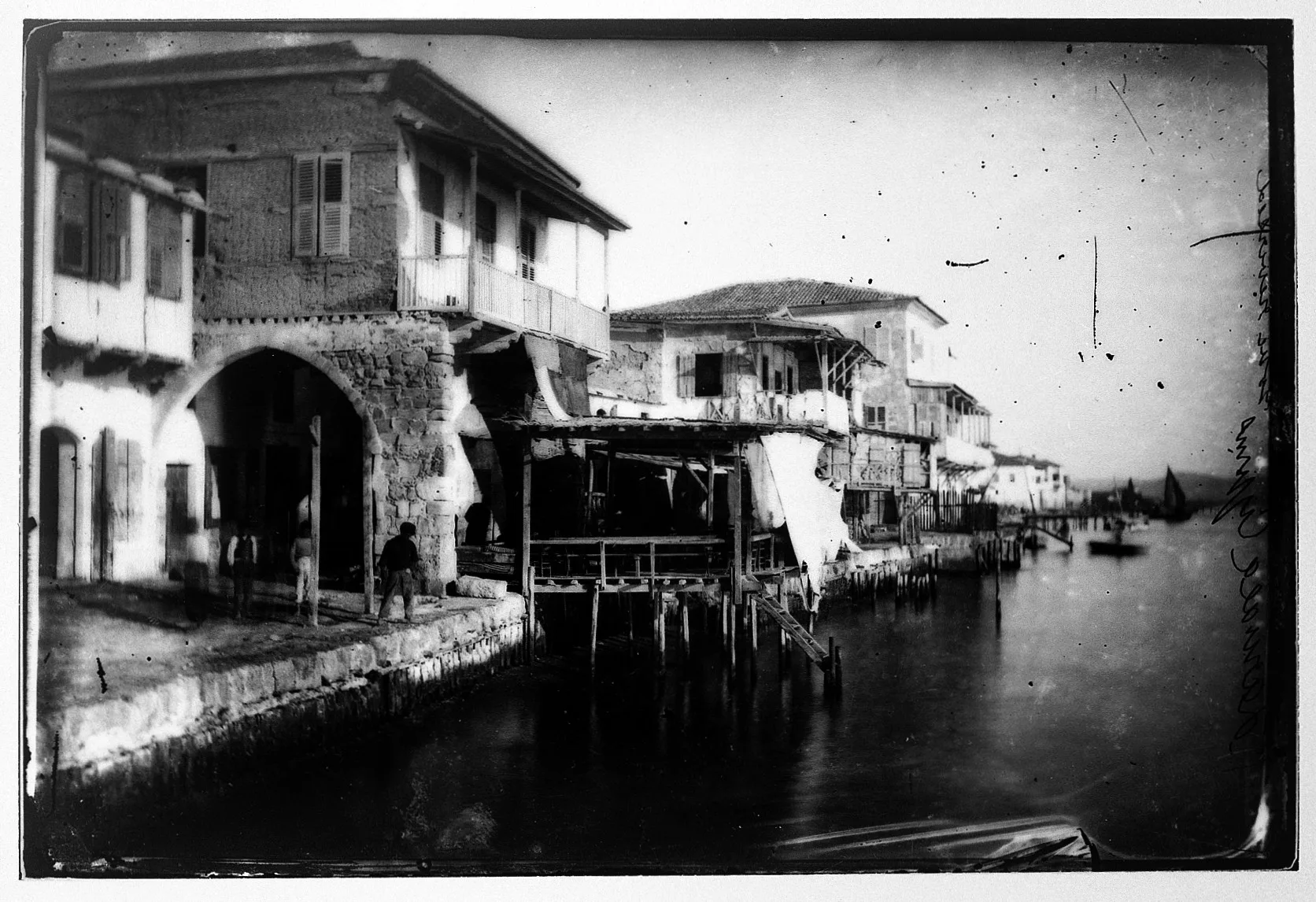 Firmans and Partage: The Lawful Export of Antiquities from Ottoman Cyprus, 1860s to 1905The firmans, landowners' rights and the division of finds in thirds under which consuls, excavators and museums lawfully exported Cypriot antiquities from the 1860s until the law of 1905.
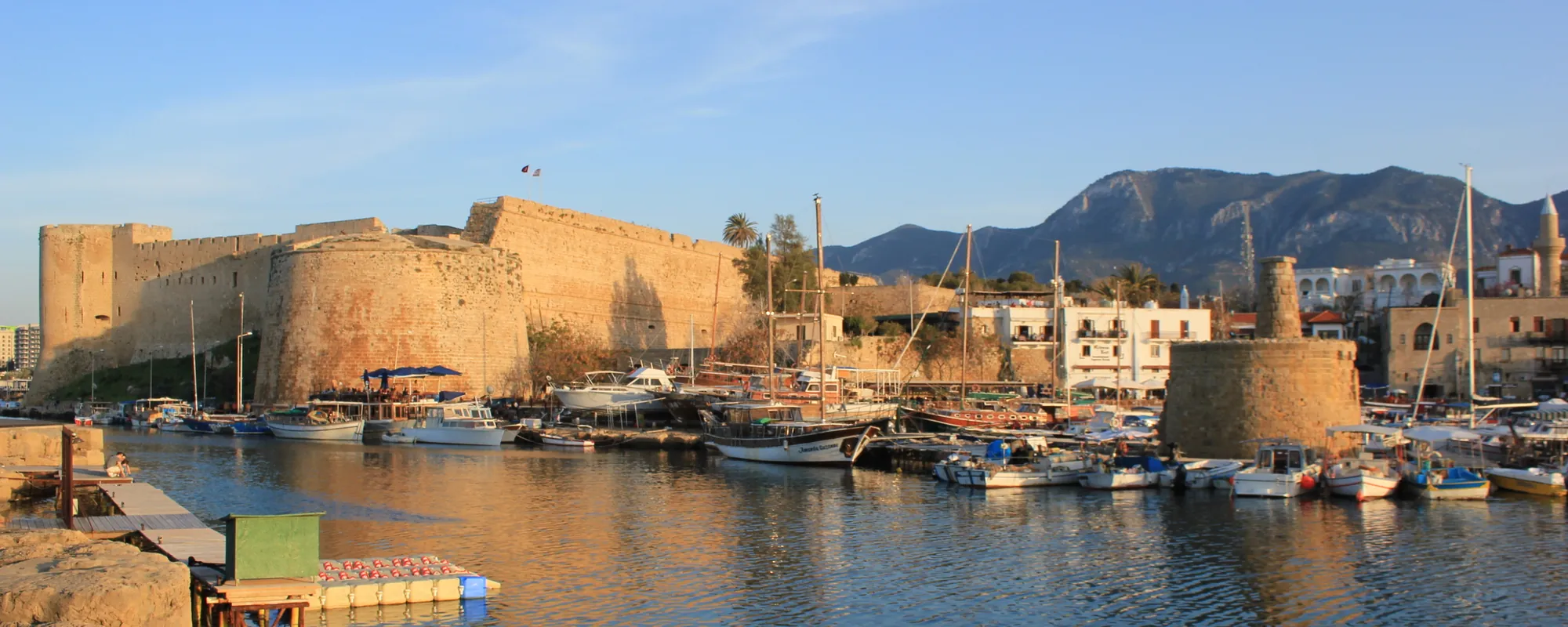 Mehmet Ali İlkman and the Network inside the Occupied NorthThe local side of the illicit trade in the occupied north, through Mehmet Ali İlkman, called its "local boss" in 1989 and never charged, and the people named in 1975 to 1982.
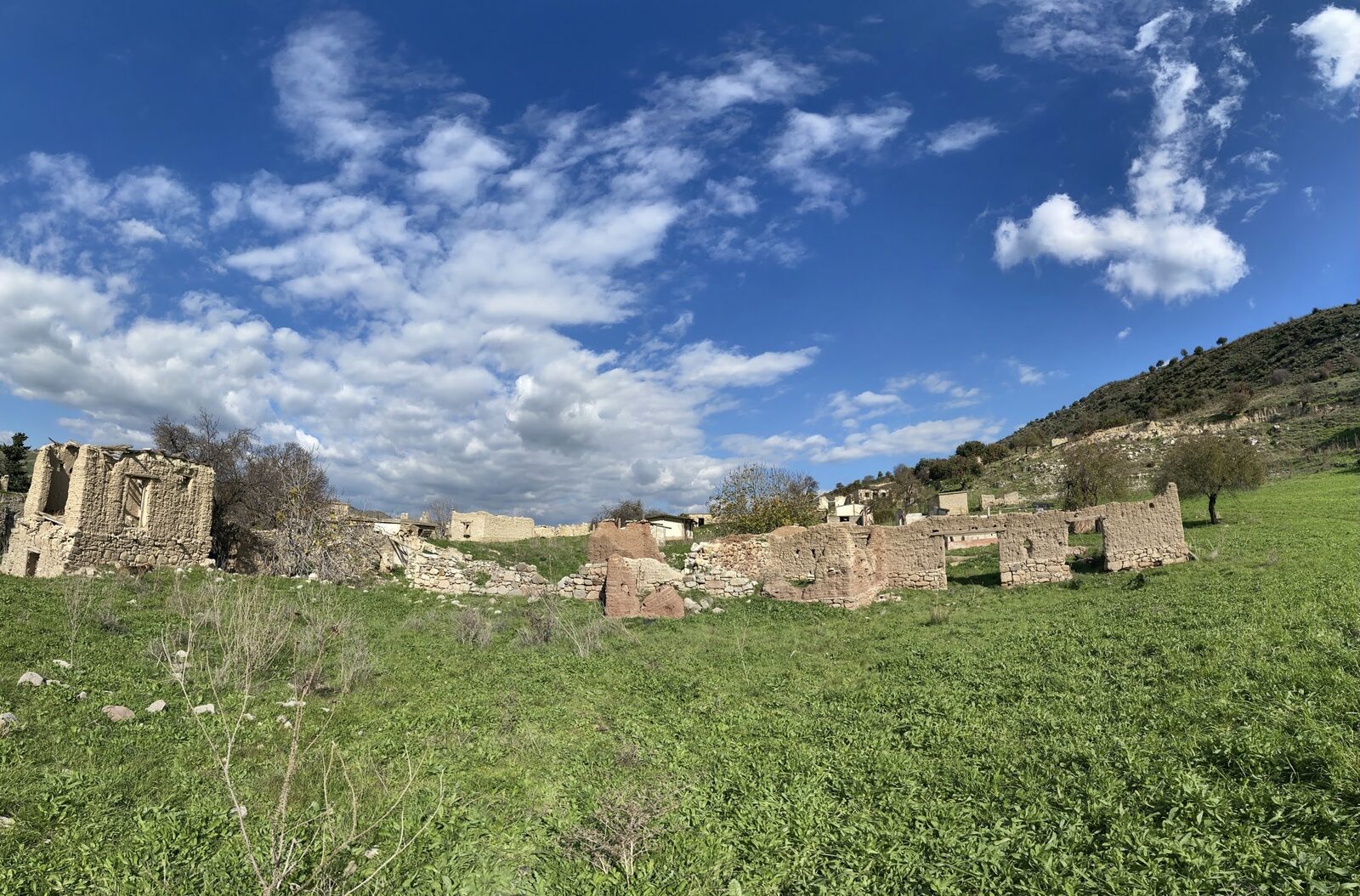 Organised Cases in the South: Souskiou, the Limassol Ring of 2010, Peyia and Operation PandoraThe few organised cases of illicit digging and dealing in the south after 1974, each told as an event, and why they are the exception.
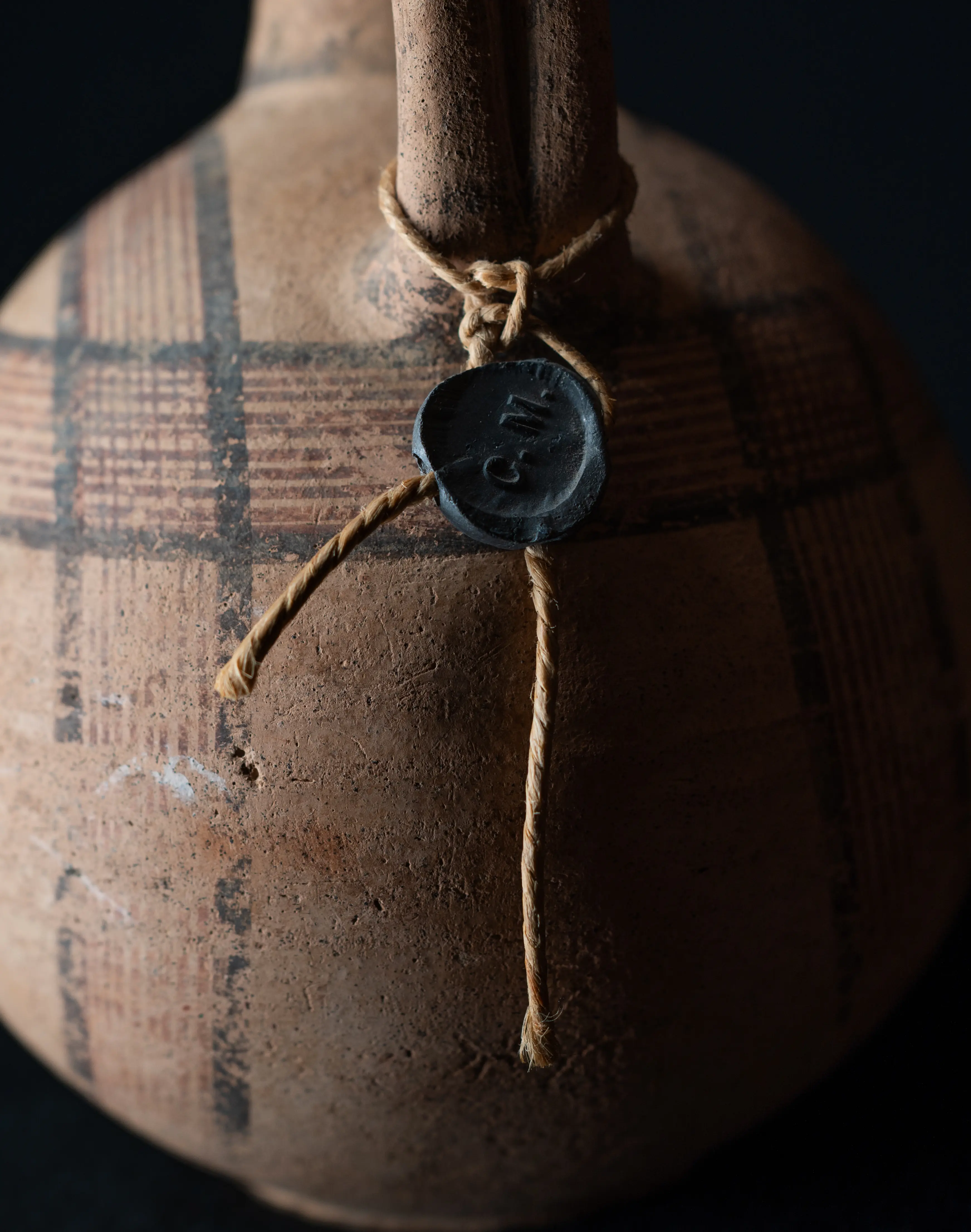 The 1974 Presumption: Why Cypriot Antiquities Are Treated as Guilty Until Proven InnocentWhy an undocumented Cypriot antiquity is now presumed looted after 1974, though most left the island lawfully, and what evidence rebuts the presumption.
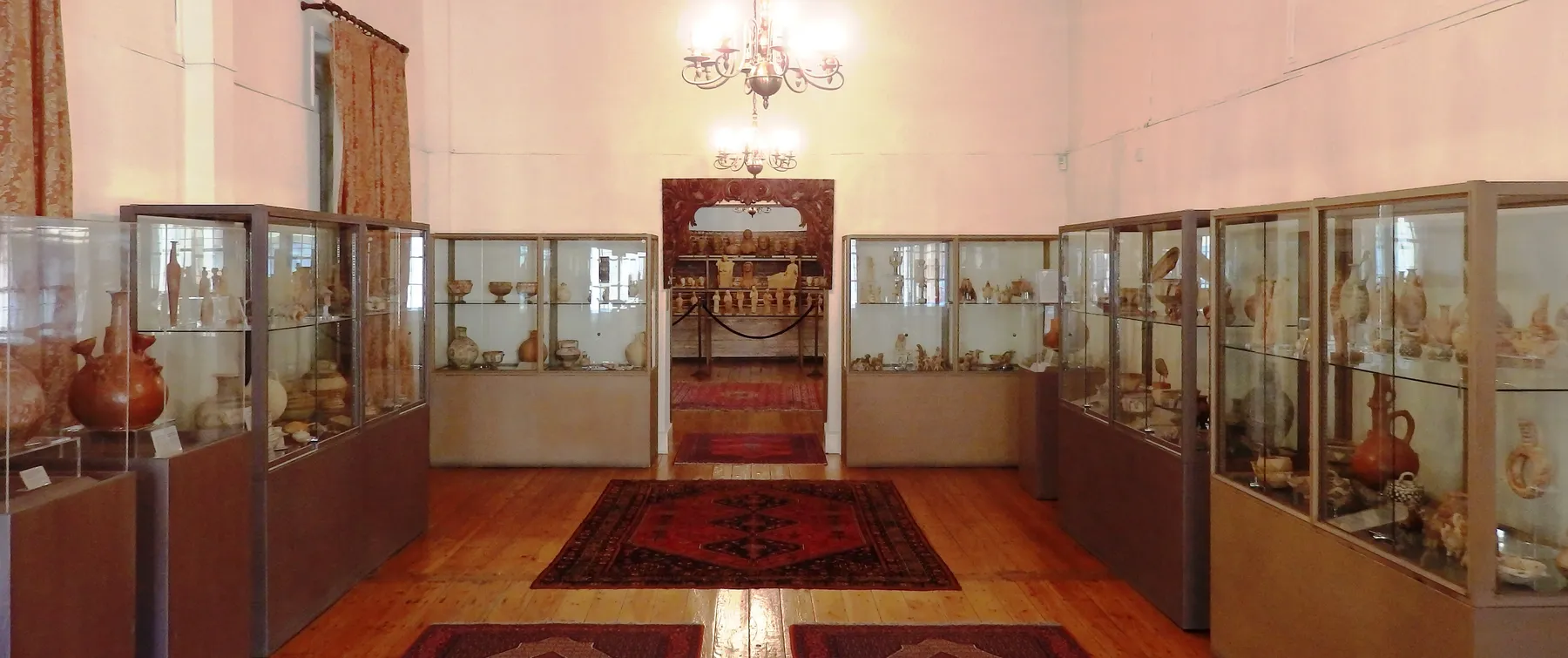 The State as Buyer: How the Cyprus Museum, Its Partners and the Church Bought Cypriot AntiquitiesFor decades the Cyprus Museum and its partners bought Cypriot antiquities on the open market, from licensed dealers, collectors, finders and London shops.
 Digging and the Lawful Trade in Cyprus before 1974SectionIllicit digging across the island before 1974, set beside the firmans, laws, saleroom, licensed dealers and registered collections through which most Cypriot antiquities lawfully changed hands.
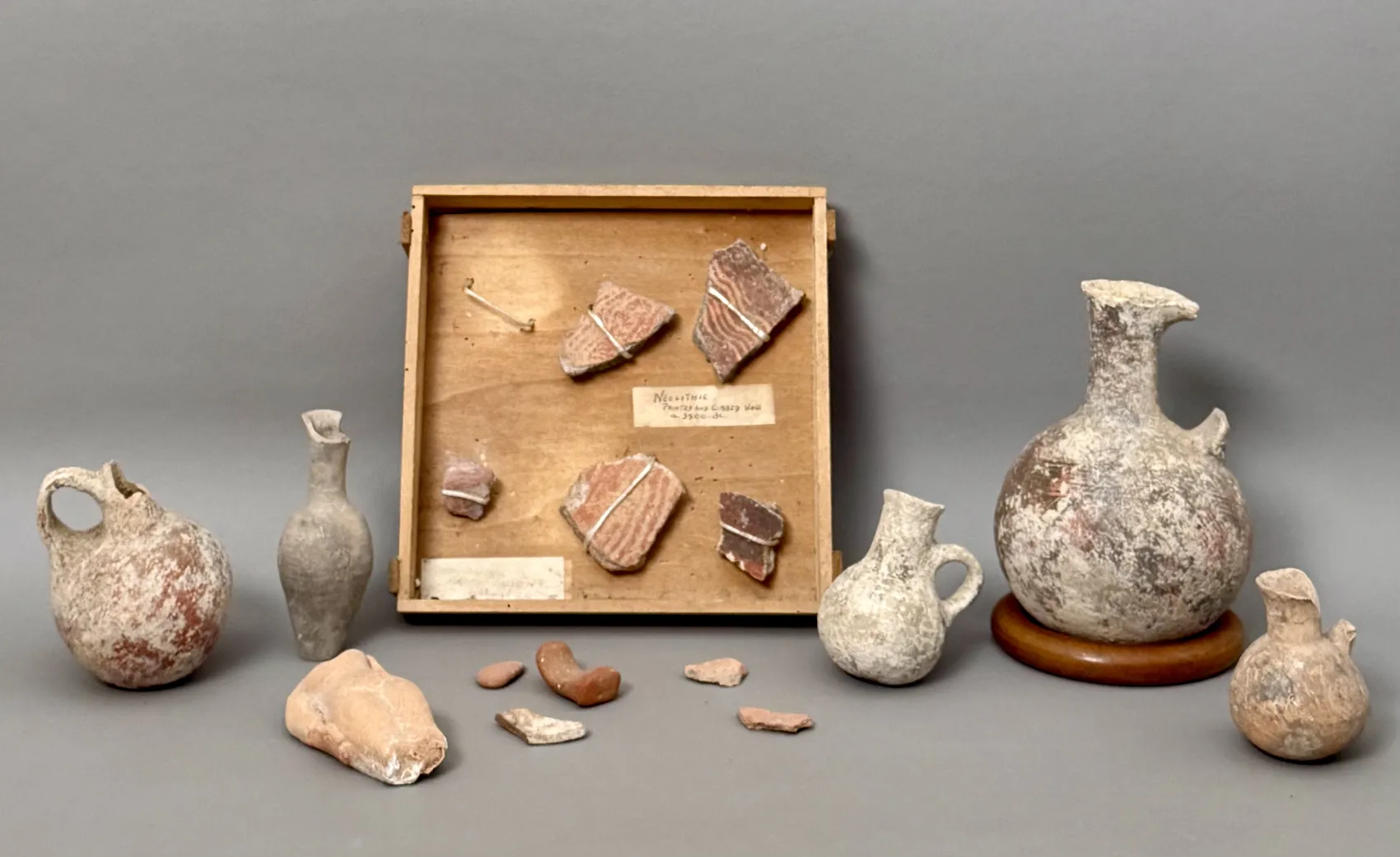 Heirs and Old Collections: Where the Cypriot Antiquities on Today's Market Come FromSince 1996 no lawful export has left Cyprus, so the market abroad lives on old stock from estates and old collections; how it surfaces, why it lacks paper, and the loot that hides in the same stream.
 Illicit Digging under British Rule, 1878 to 1960How unlicensed tomb-digging continued in Cypriot villages under British rule, how the Museum, the police and the Department of Antiquities answered it, and whether the lawful trade encouraged it.
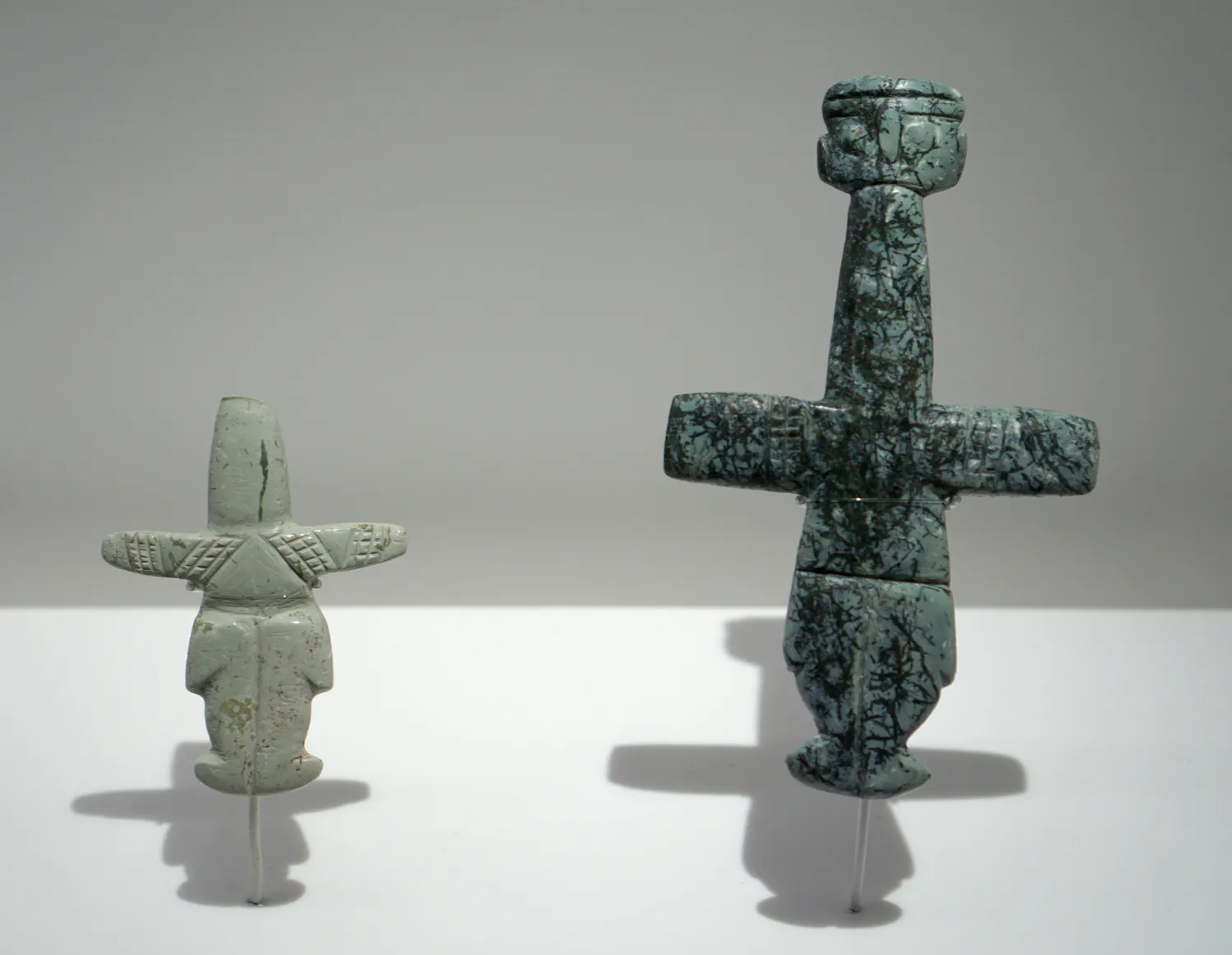 Buying Back: Recovering Cypriot Antiquities and Church Art by Purchase Instead of in CourtFrom 1970 the Department, the Leventis Foundation and the Church bought back Cypriot objects that could not be claimed in court. The policy, the court cases and the critique.
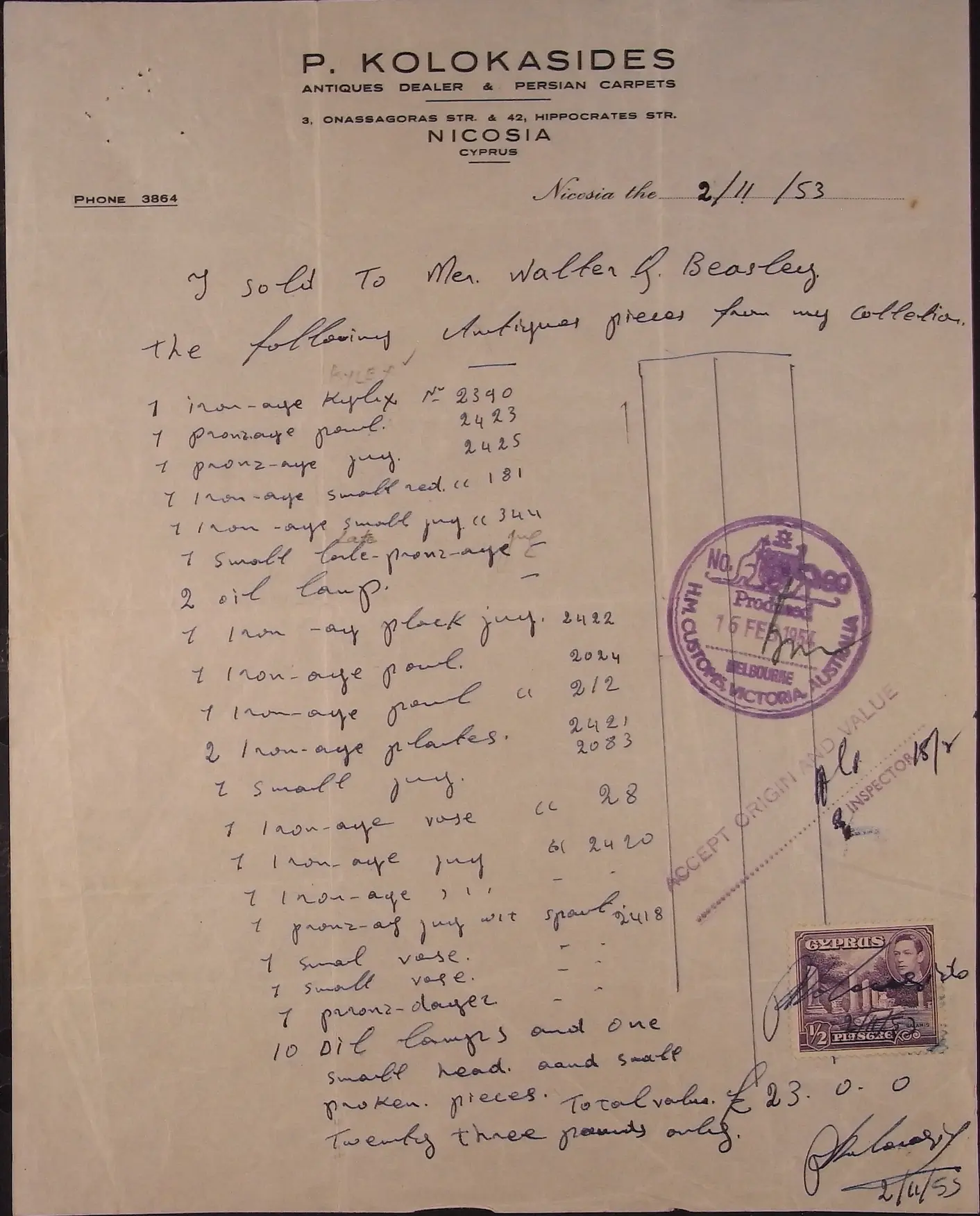 Does Looting Cyprus Pay? The Economics of Illicit Cypriot AntiquitiesAuction prices, the size of the lawful stock and the money records show that looting ordinary Cypriot antiquities pays the digger very little.
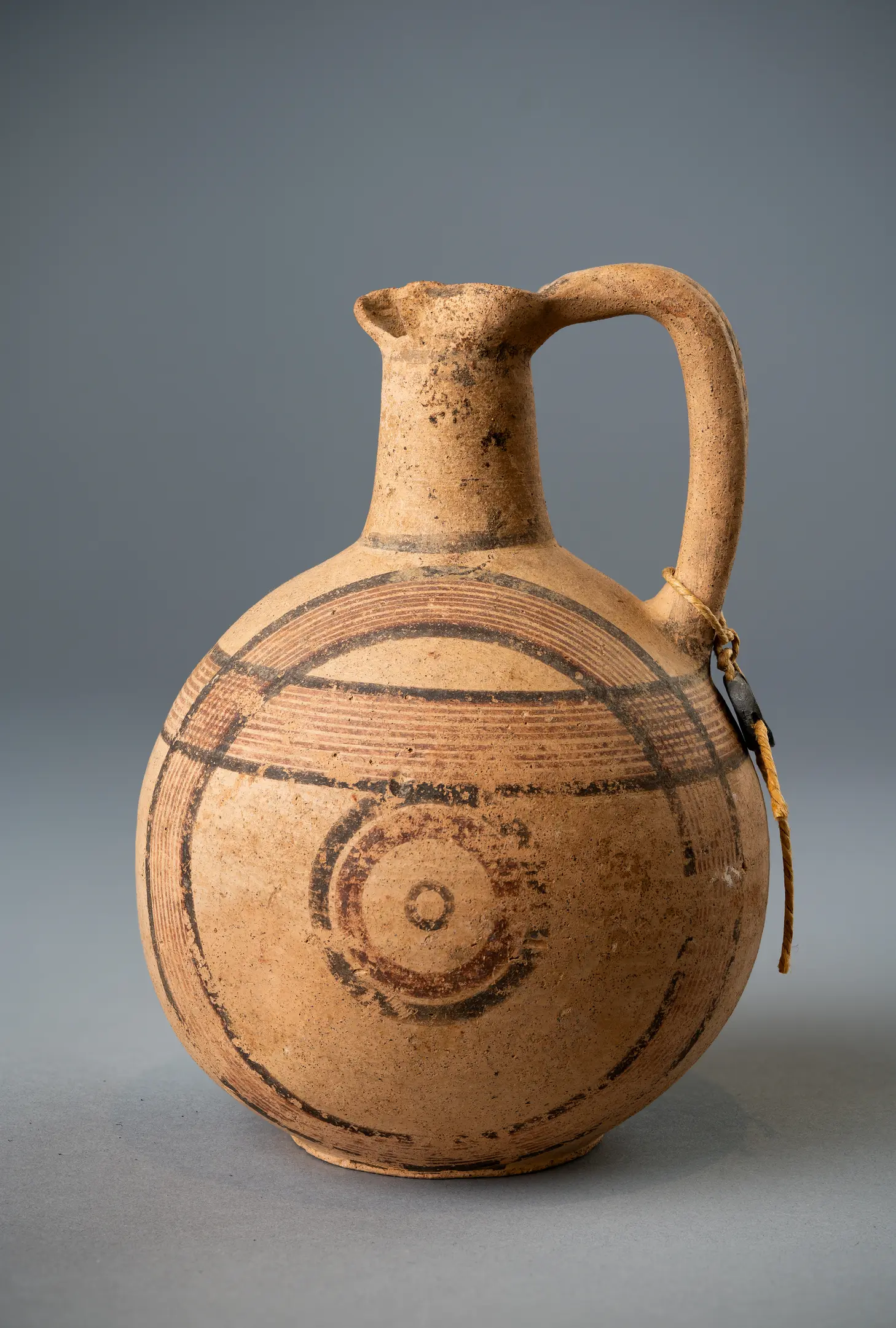 Licensed Export from the Republic of Cyprus, 1974 to 1996Licensed export from the Republic between the invasion and the 1996 amendment, its paperwork and its limits, and what a licence of those years proves today.
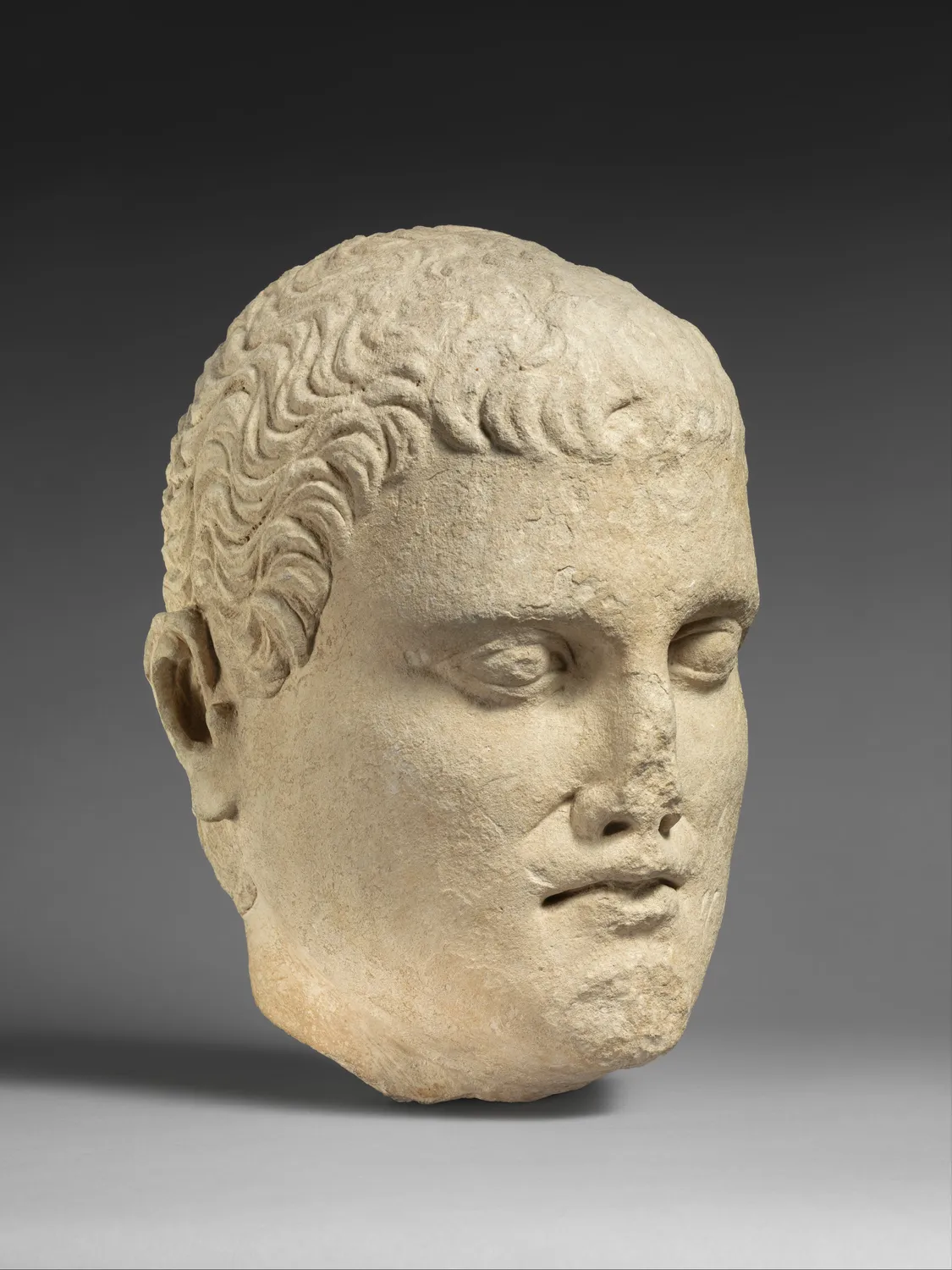 Museums as Sellers: Deaccessioned Cypriot Antiquities on the MarketMuseums as a lawful source of Cypriot antiquities on the market, from the Met's Cesnola duplicates of 1928 to the deaccessions of 2016 and 2023, and why such pieces are among the best documented.
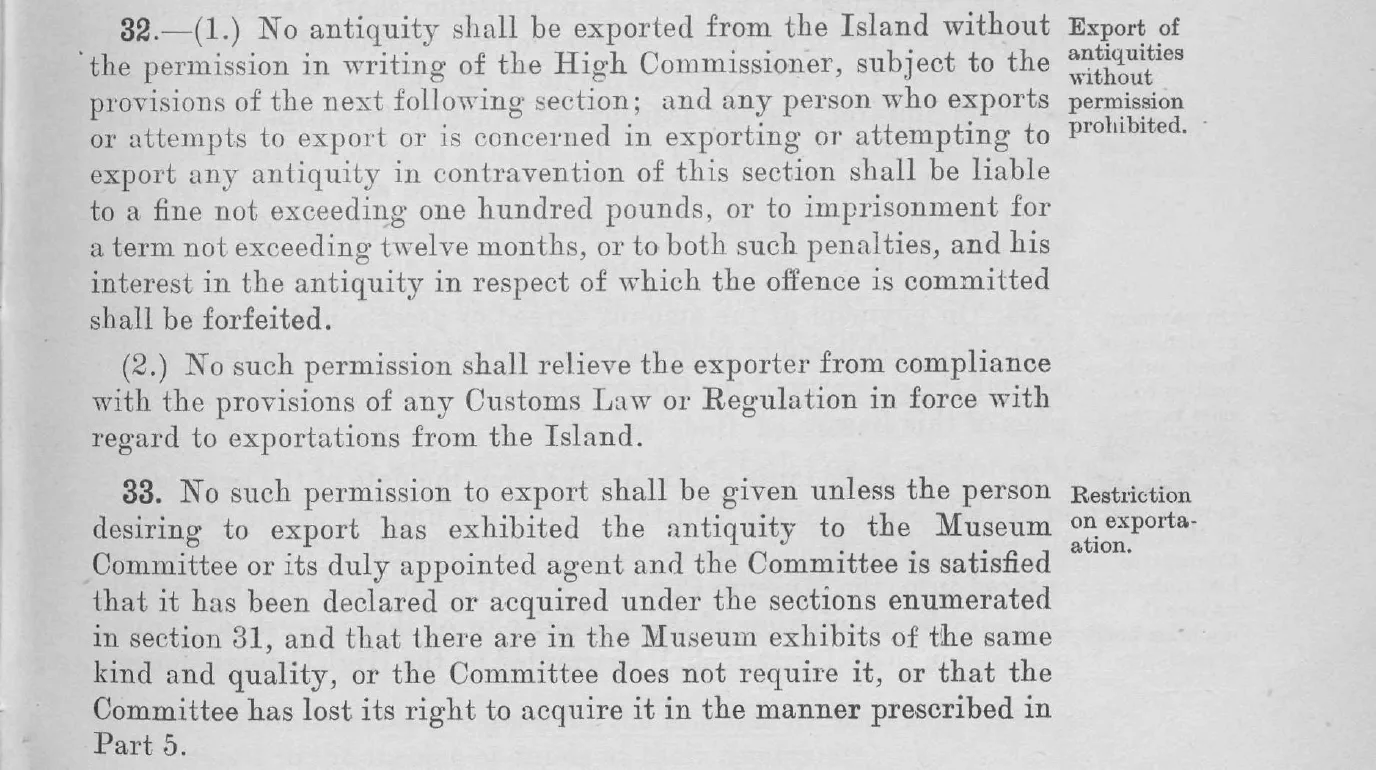 The Antiquities Laws of 1905 and 1935What the Antiquities Laws of 1905 and 1935 said about ownership, finds, excavation, dealing, collections and export, and how they were amended up to 1996.
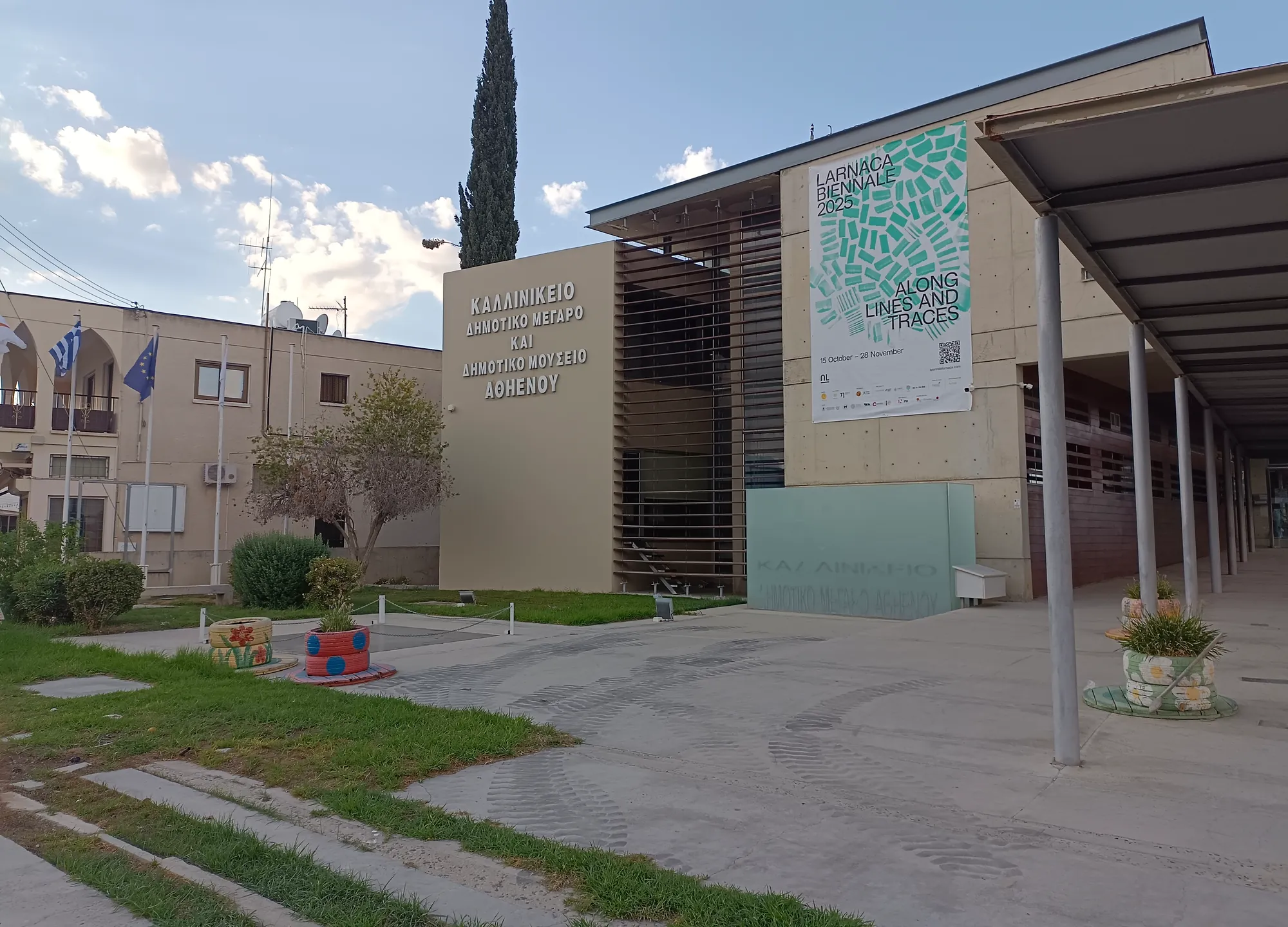 Collections That Became Museums: Private Collections on Cyprus and Their Public Homes after 1974How the island's private collections became public after 1974, by gift, loan, foundation and purchase, in date order, under the law on declared possession.
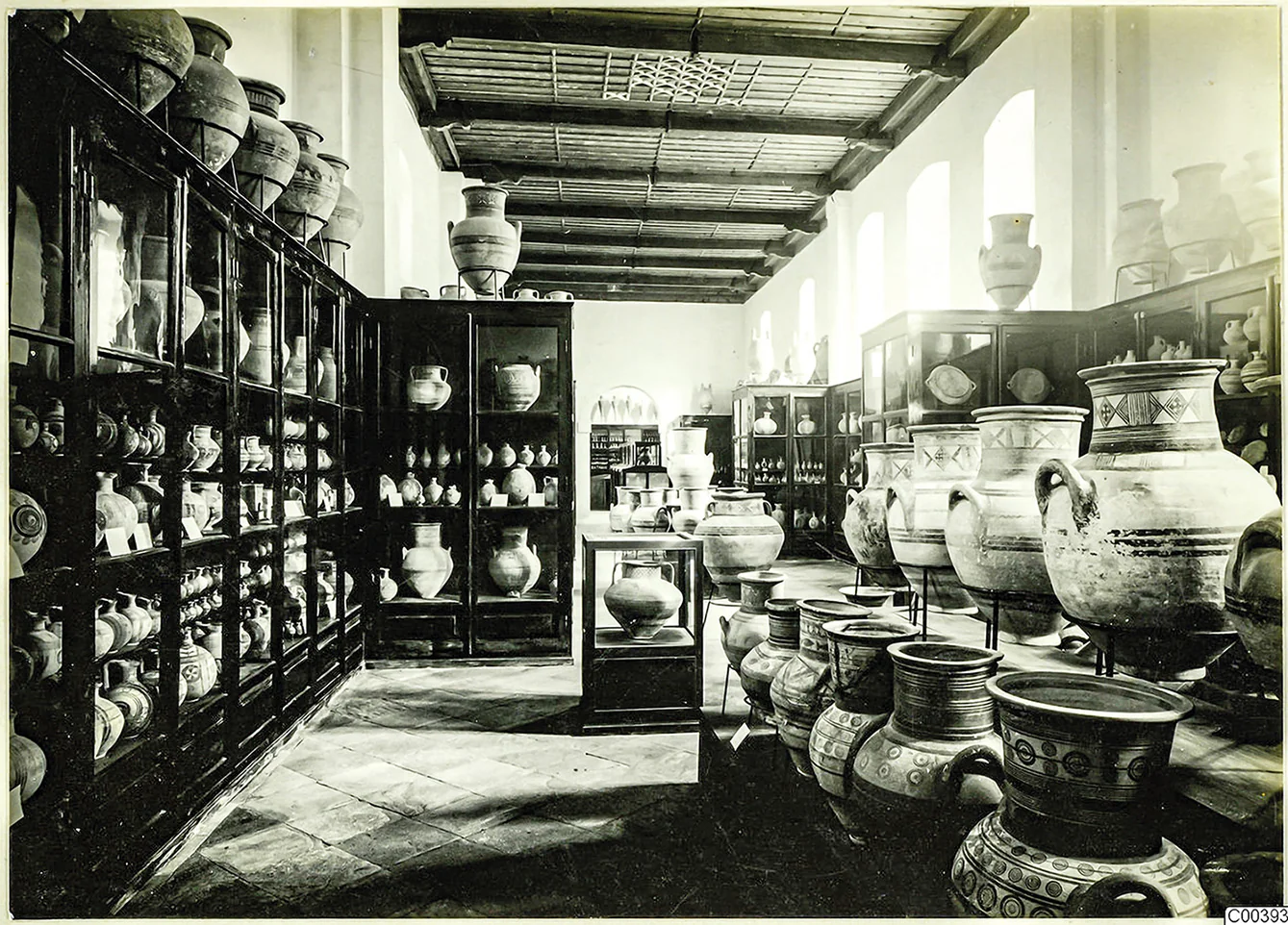 How Many Cypriot Antiquities Left the Island Lawfully?The lawful channels by which Cypriot antiquities left the island between the 1860s and 1996, with the published figure or best estimate for each.
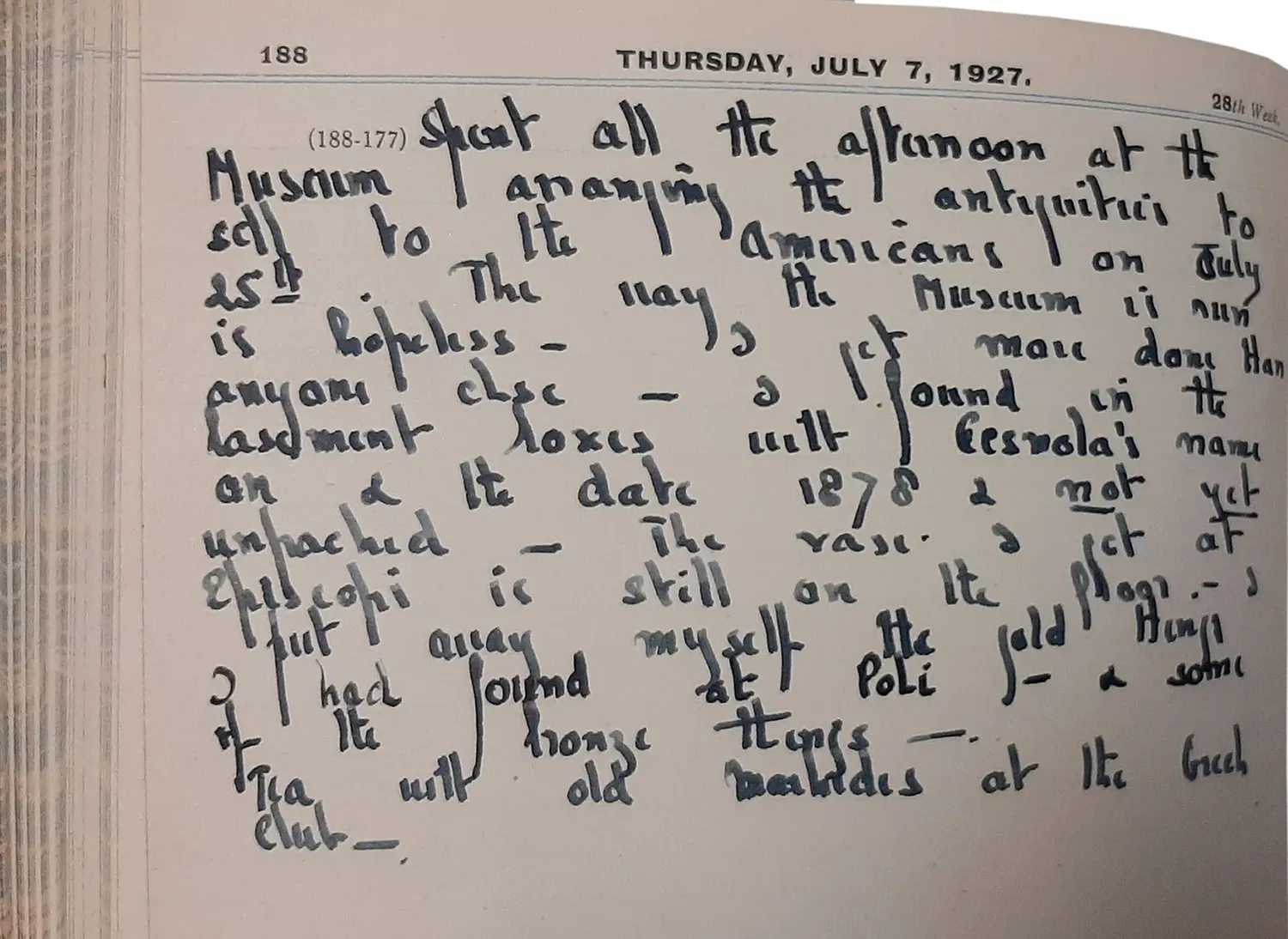 The Cyprus Museum Saleroom: The State's Own Sales of 'Duplicate' Antiquities, 1920s to 1991The Cyprus Museum's sales of "duplicate" antiquities from the courtyard saleroom of the 1920s to the Sales Register and abolition in 1991, for and against.
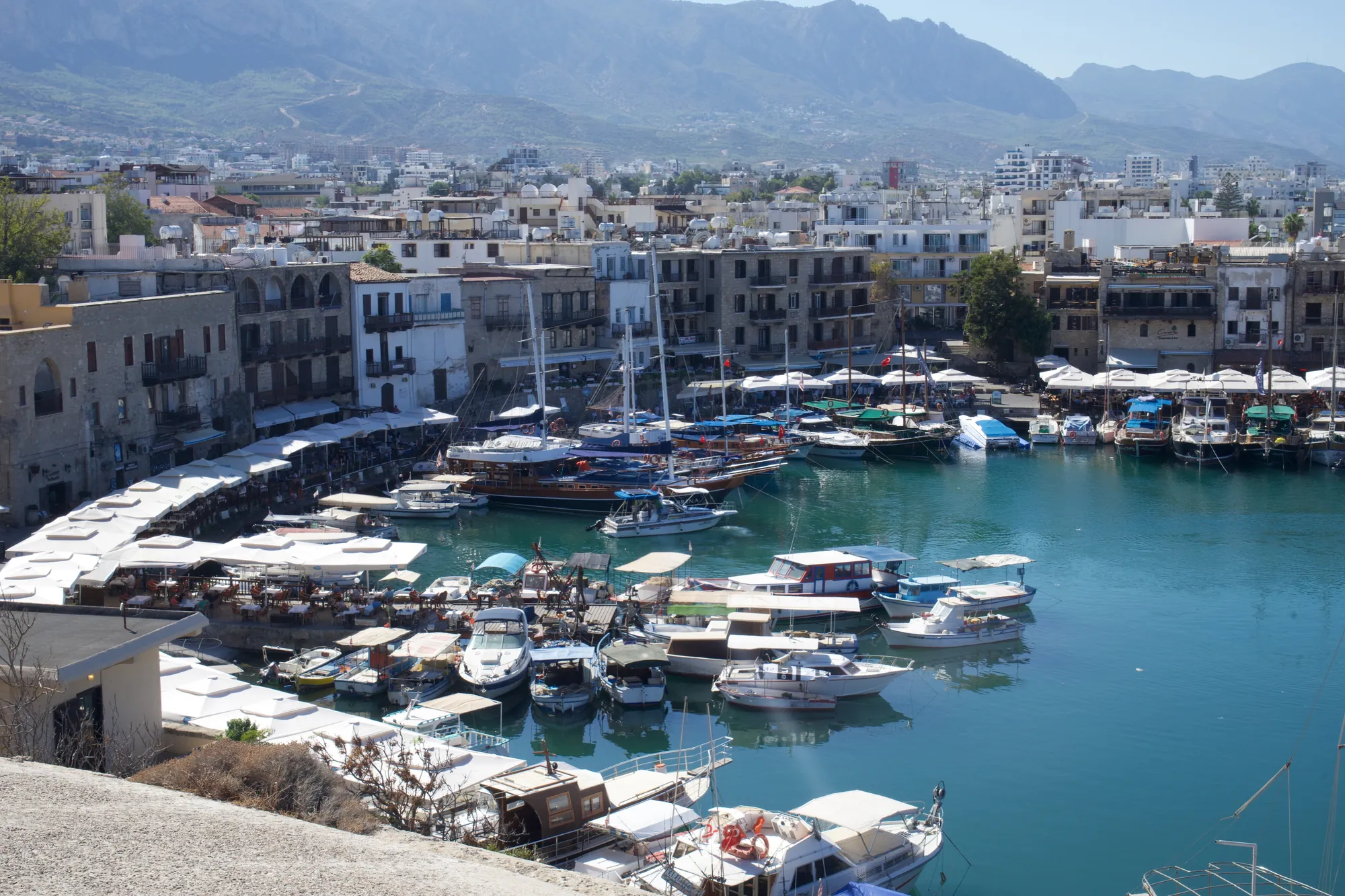 Turkish Cypriot Accounts of Looting in the Occupied NorthThe record of looting and smuggling in the occupied north written from inside it, by Turkish Cypriot journalists, antiquities officials, archaeologists and deputies, from 1982 to 2024.
 Collecting under the Silent Accord, 1963 to 1973The "silent accord" of 1963 to 1973, under which collectors bought antiquities dug in the enclaves and declared them by December 1973, and the evidence for and against it.
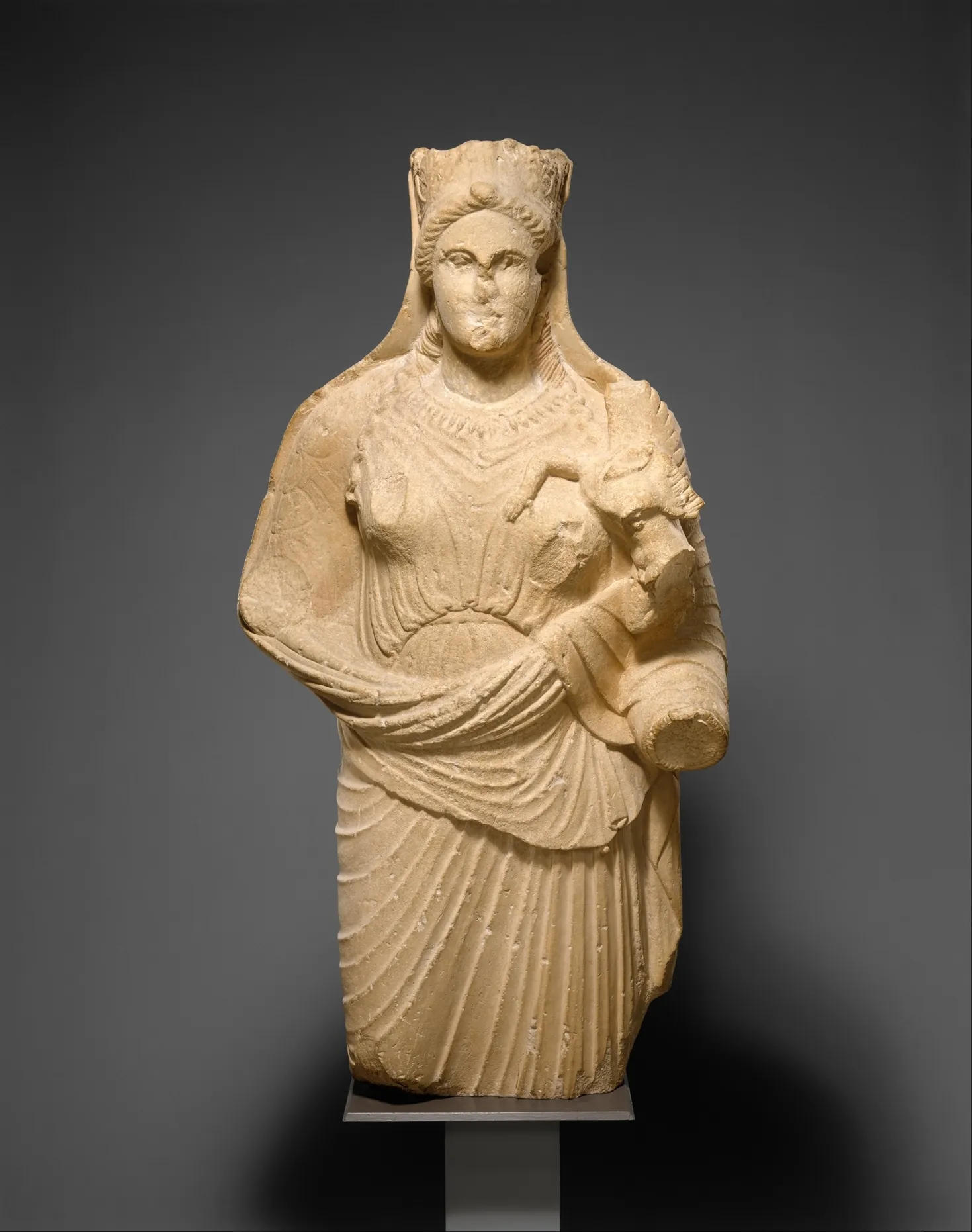 Fakes, Replicas and Restoration in the Trade in Cypriot AntiquitiesHow restored, assembled, copied and forged pieces entered the trade in Cypriot antiquities from the 1860s to today, and why they raise the value of a documented old-collection piece.
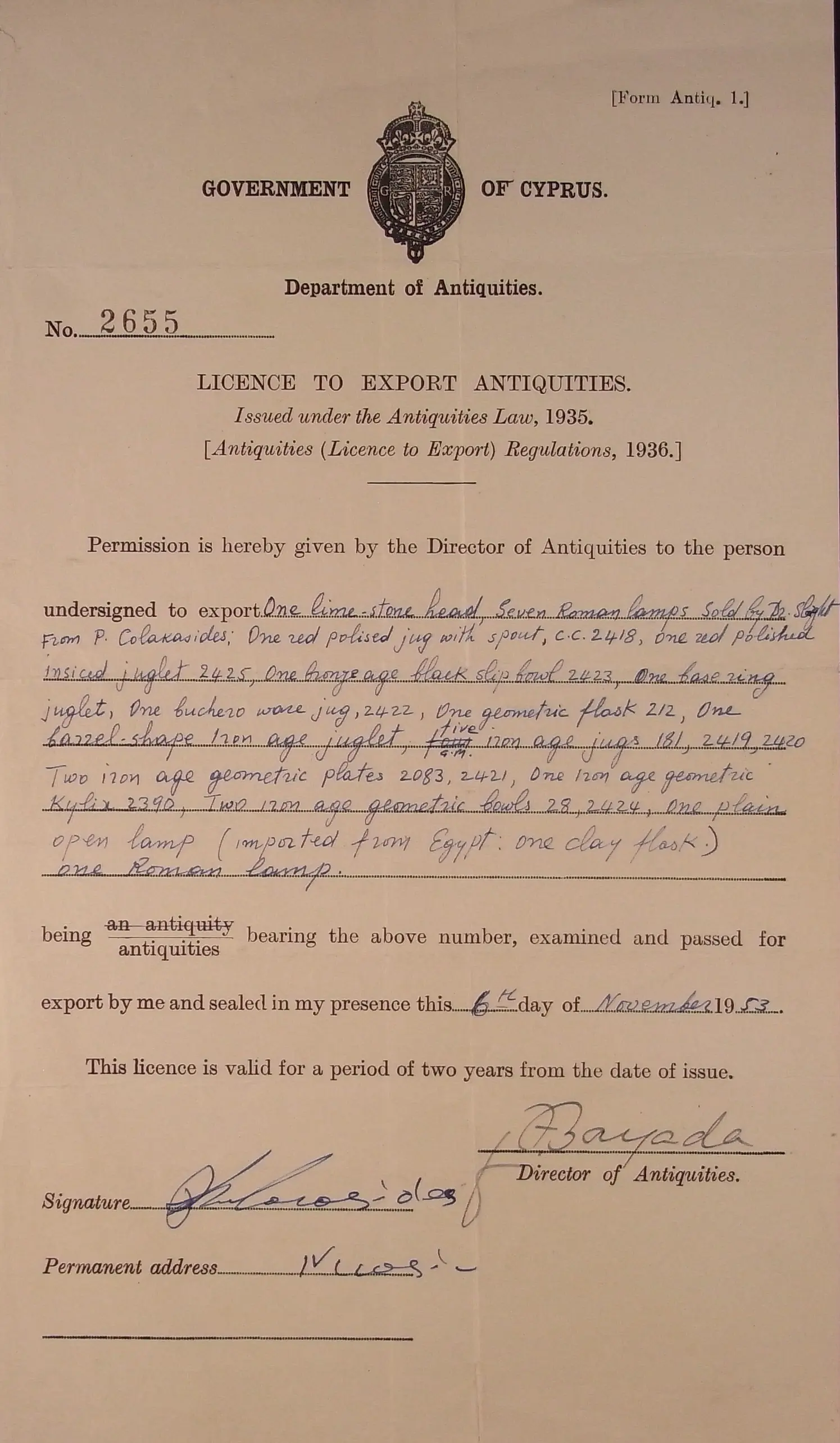 Lawful and Illicit in the Record: What Each History Leaves on PaperThe papers left by the lawful export of Cypriot antiquities and by their looting, what each kind of document proves, and where each falls short.
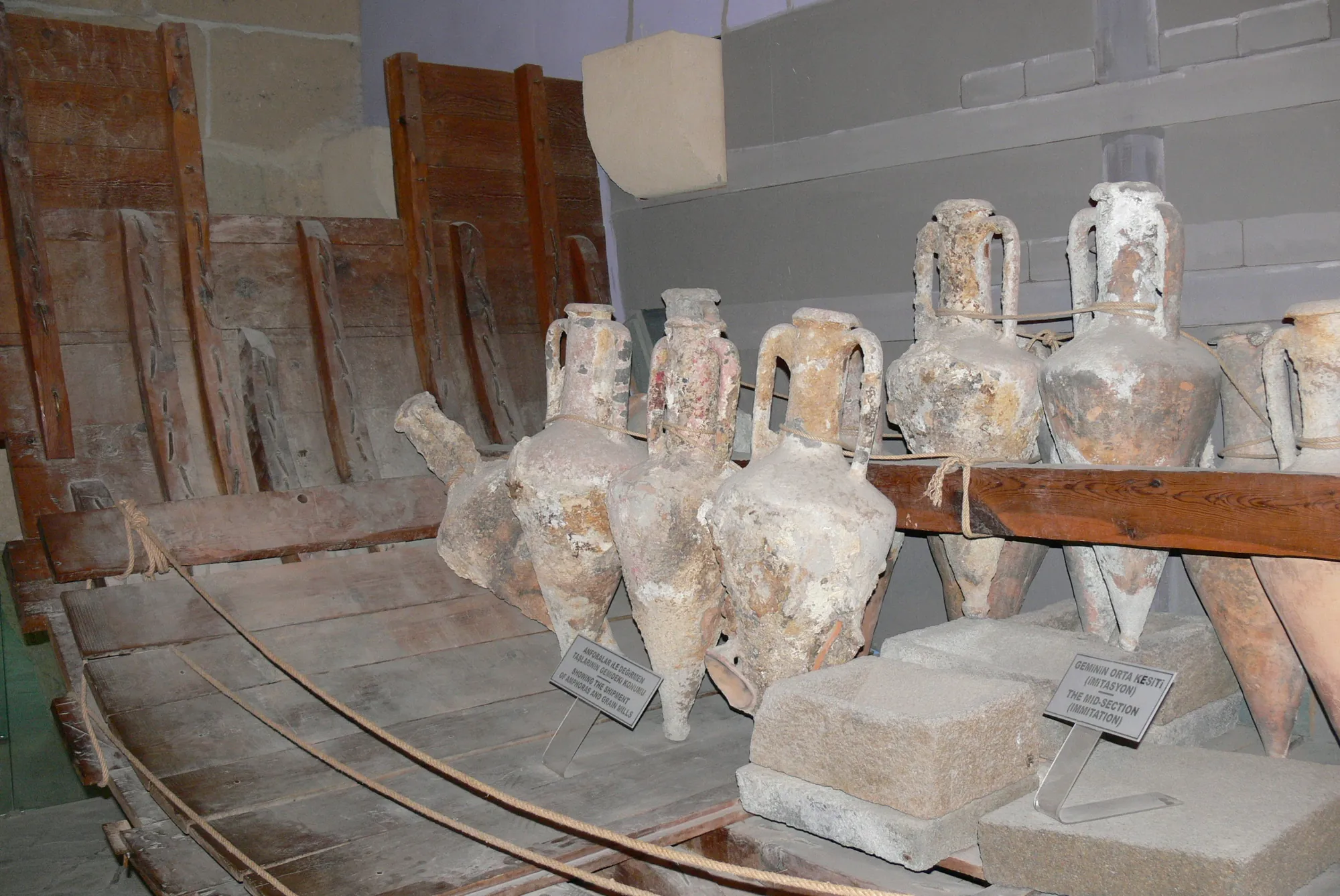 Antiquities from the Sea: Amphorae, Wrecks and Divers off CyprusFinds at sea under the Antiquities Law, Cyprus and the 2001 UNESCO convention, the few cases of removal and seizure, sea-found amphorae on the market, and the lawful work beside them.
 Licensed Dealers and Registered Collections: The 1935 System and Its Record, to 1974The 1935 licensed-dealer regime and register of declared collections, the named dealers, the December 1973 registration cards, and what registration proves.
 Looting and the Lawful Trade in Cyprus: A Parallel Timeline, 1860s to 2026Looting and lawful export of Cypriot antiquities set year by year in two columns, from the Ottoman firmans of the 1860s to the auction withdrawals of 2026.
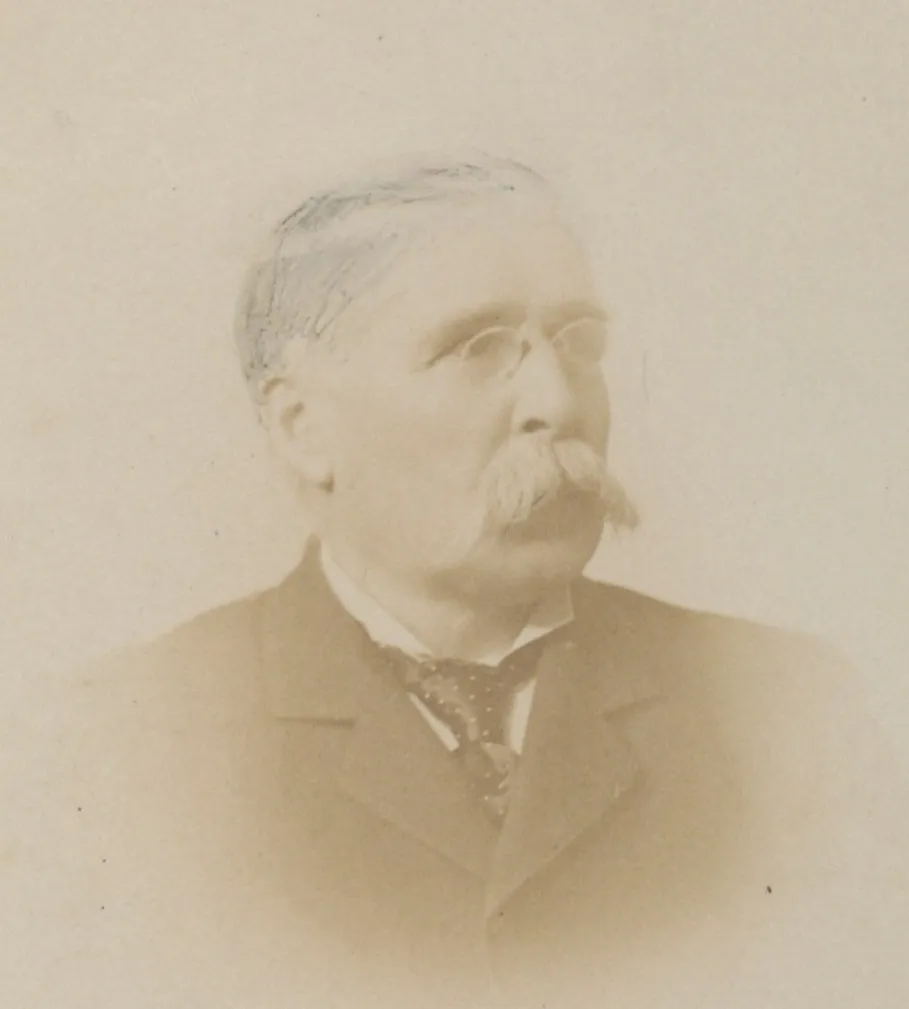 Luigi Palma di Cesnola: The Largest Export of Cypriot AntiquitiesThe American consul whose roughly 35,000 objects left Cyprus under Ottoman firmans for the Metropolitan Museum, and what his digging and sales mean for the trade.
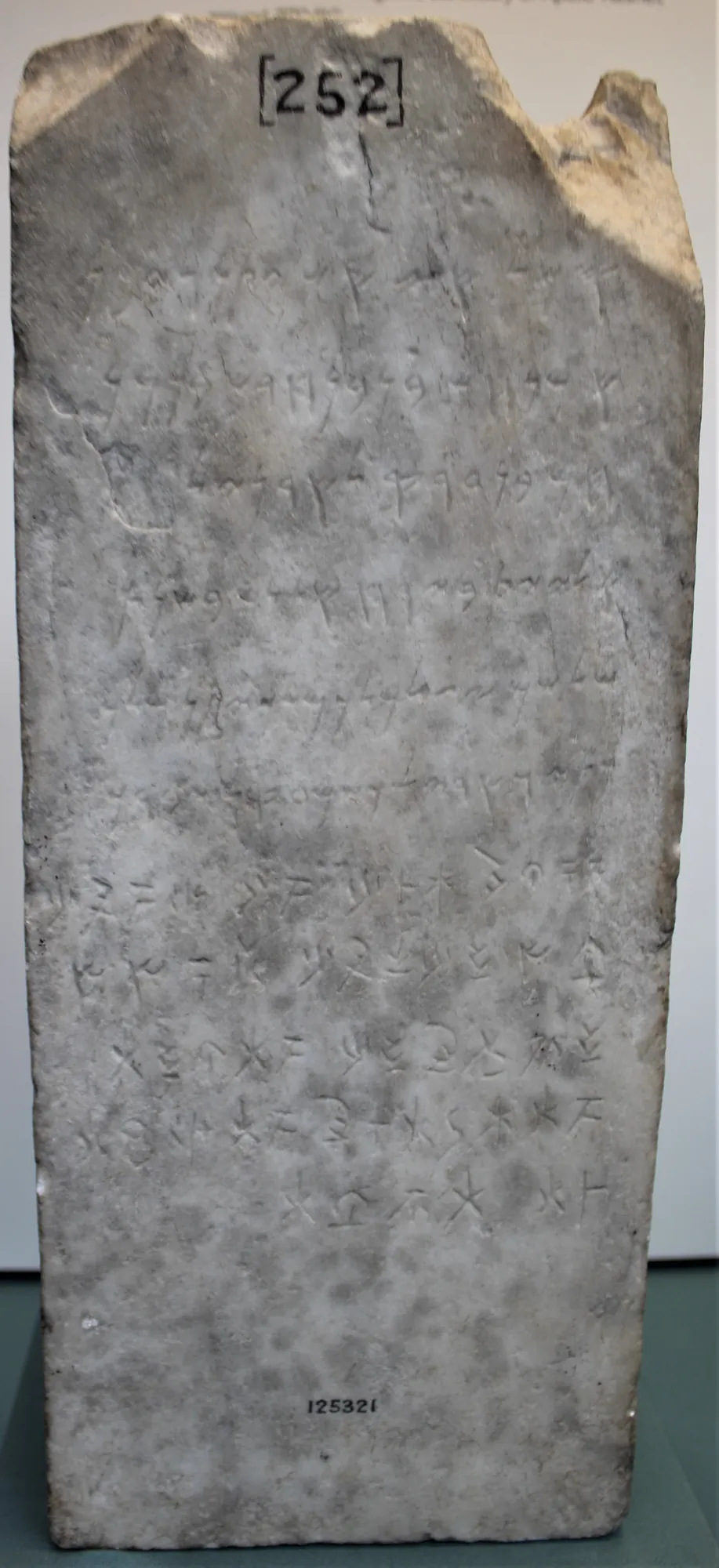 Max Ohnefalsch-Richter: Excavator, Dealer and the Divided Finds of British CyprusThe German excavator whose finds left British Cyprus lawfully through the division of finds of 1880 to 1895, the patrons he dug for, the sales of 1887 and 1896, and the record he left.
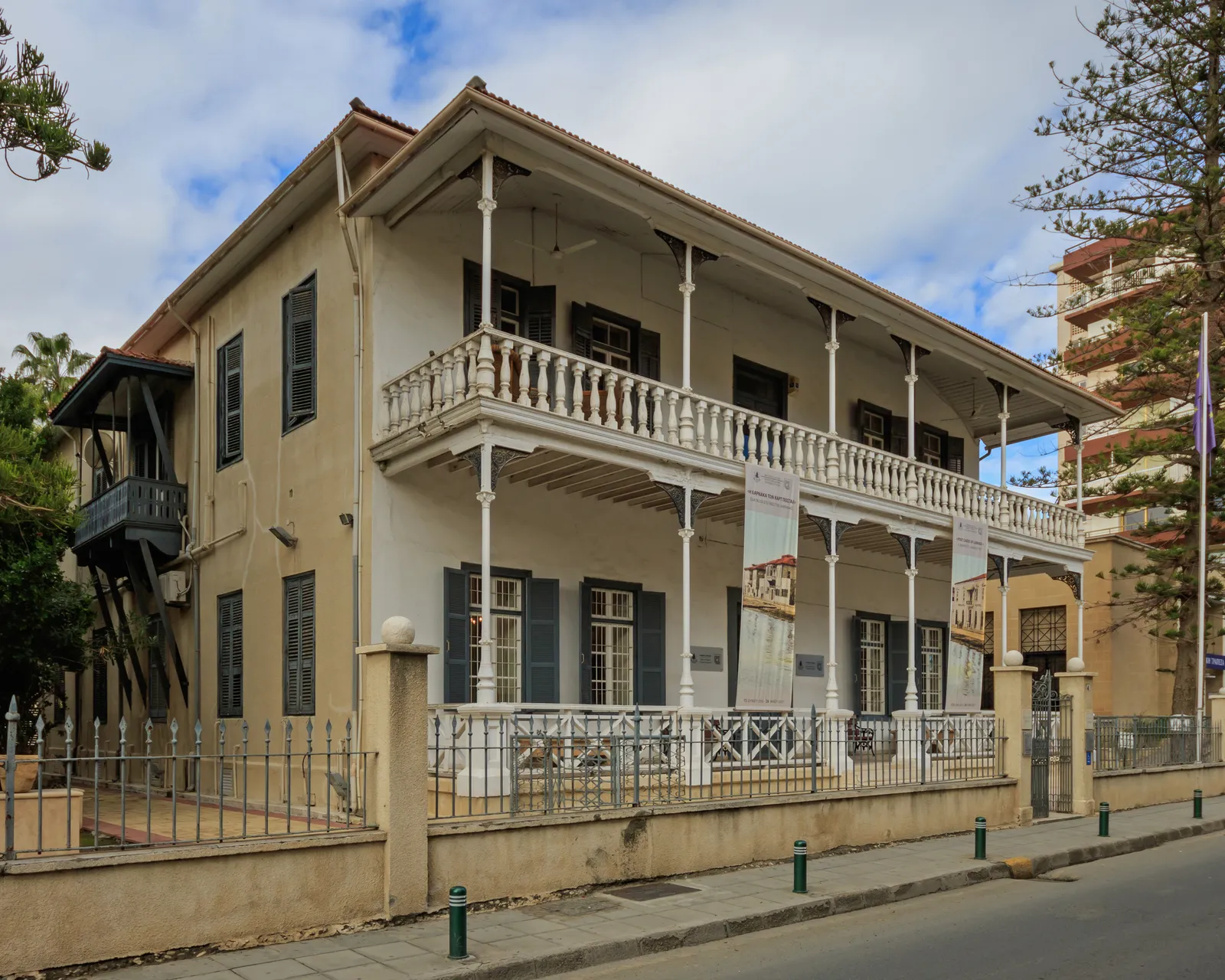 The Island Collections: Private Collections Formed on Cyprus and What Became of ThemThe registered private collections formed on Cyprus (Pierides, Giabra Pierides, Severis, Phylactou, Lyssarides, Hadjiprodromou, Hadjiloizides, Palma), how they were formed, and their present homes.
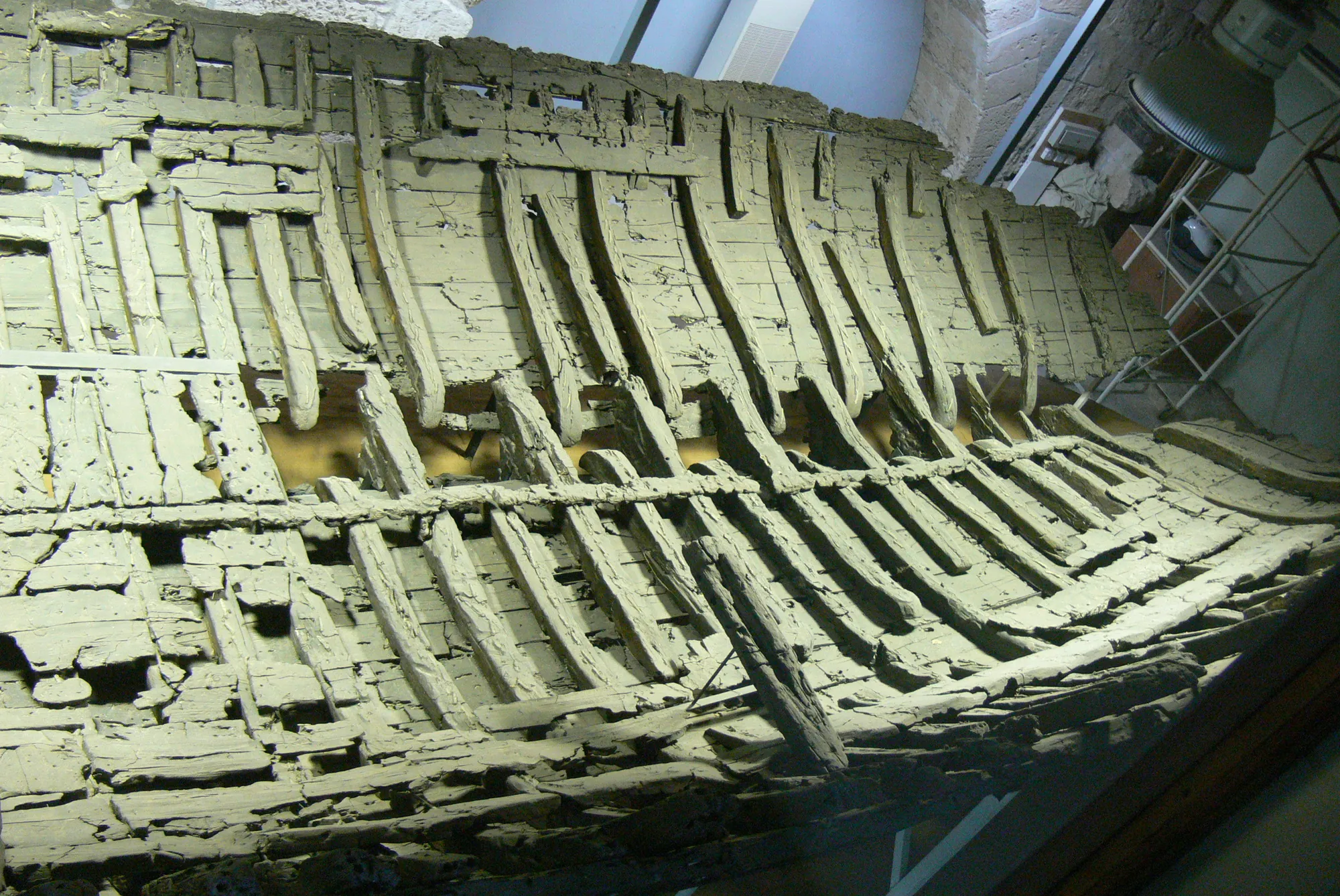 Museums and Excavation Stores in the Occupied North: What They Held in 1974 and What Is Known of Their FateWhat the museums and excavation stores of the occupied north held in 1974, which of their losses are documented, and what stayed in place and is on show today.
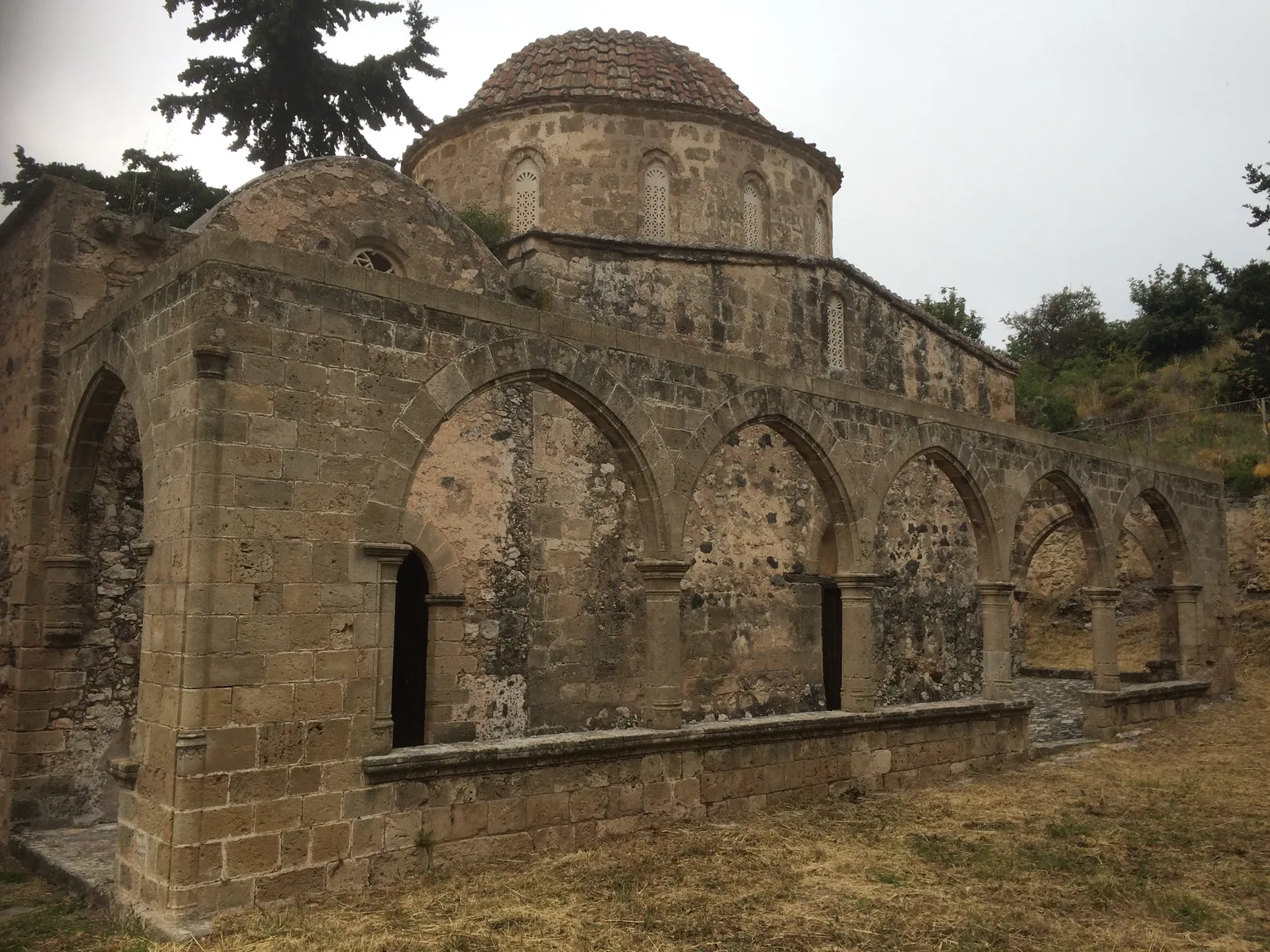 People and Networks in the Trade in Cypriot AntiquitiesSectionThe dealers, intermediaries and court cases of the illicit trade after 1974, set beside the excavators and licensed dealers of the lawful trade.
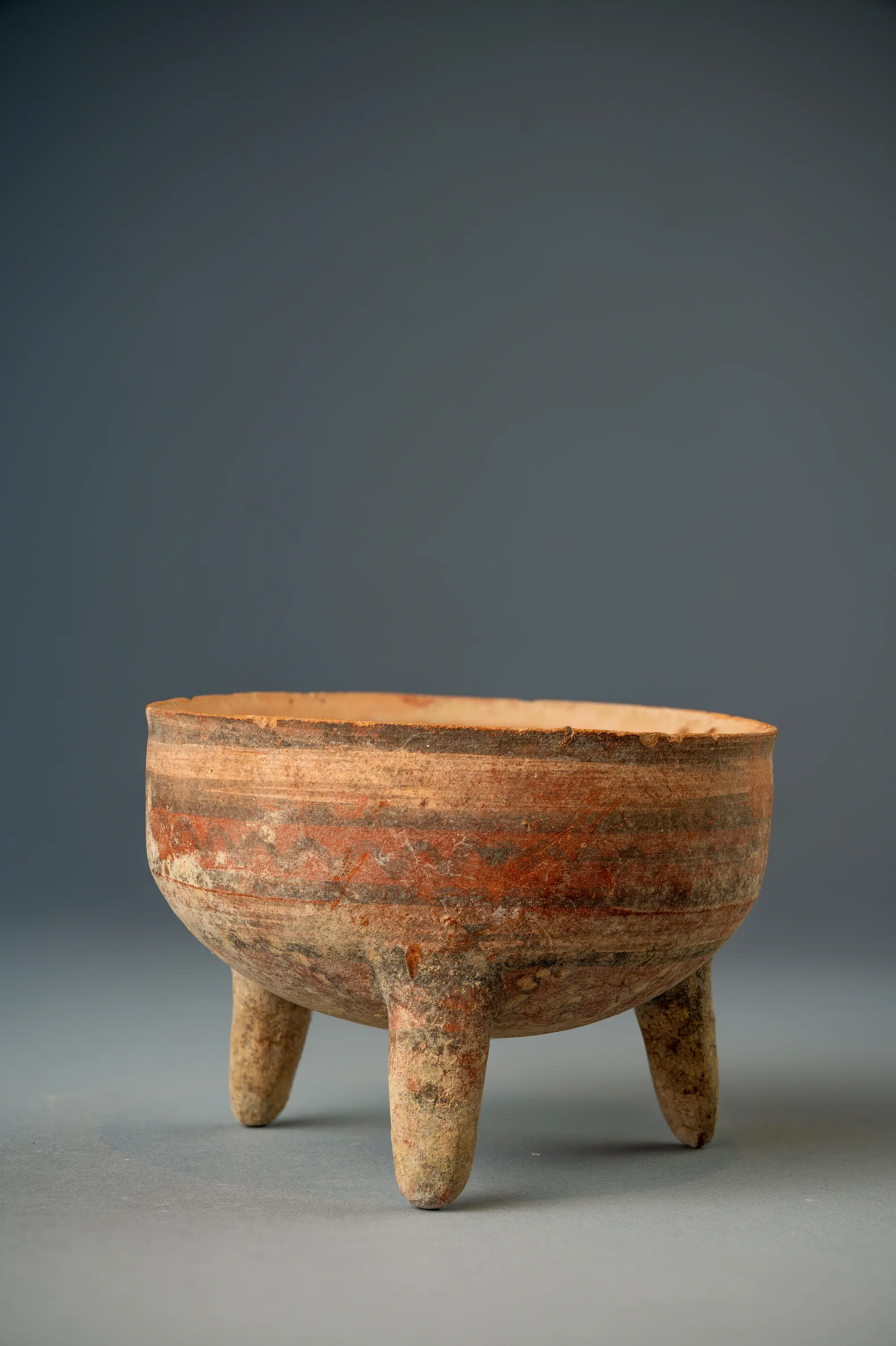 Petros Kolokasides: A Licensed Dealer in NicosiaThe licensed Nicosia dealer Petros Kolokasides as the record shows him, his buyers from the Cyprus Museum to Université Laval, the spellings of his name, and what his paperwork proves.
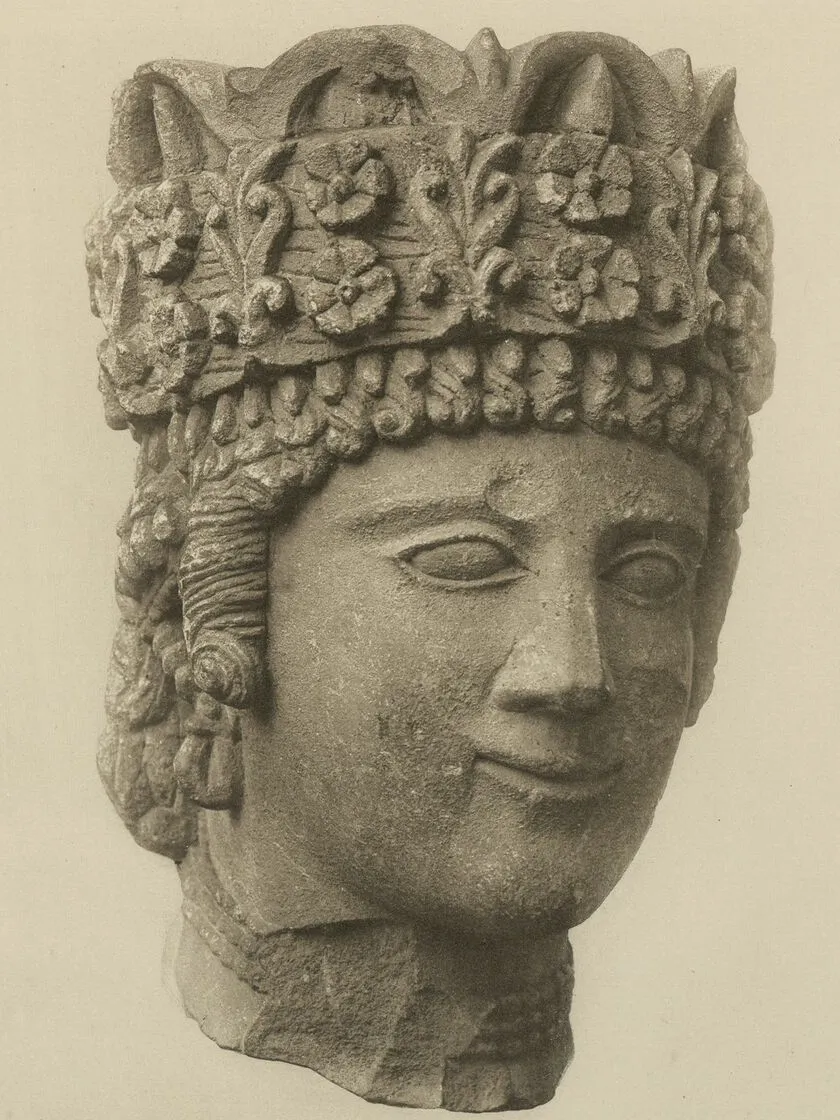 Nicolas Koutoulakis and the De Clercq Collection: A Paris Dealer's Cypriot StockHow the Paris and Geneva dealer Nicolas Koutoulakis put the Cypriot residue of the de Clercq collection back on the market after 1967, and what his name means on a Cypriot object today.
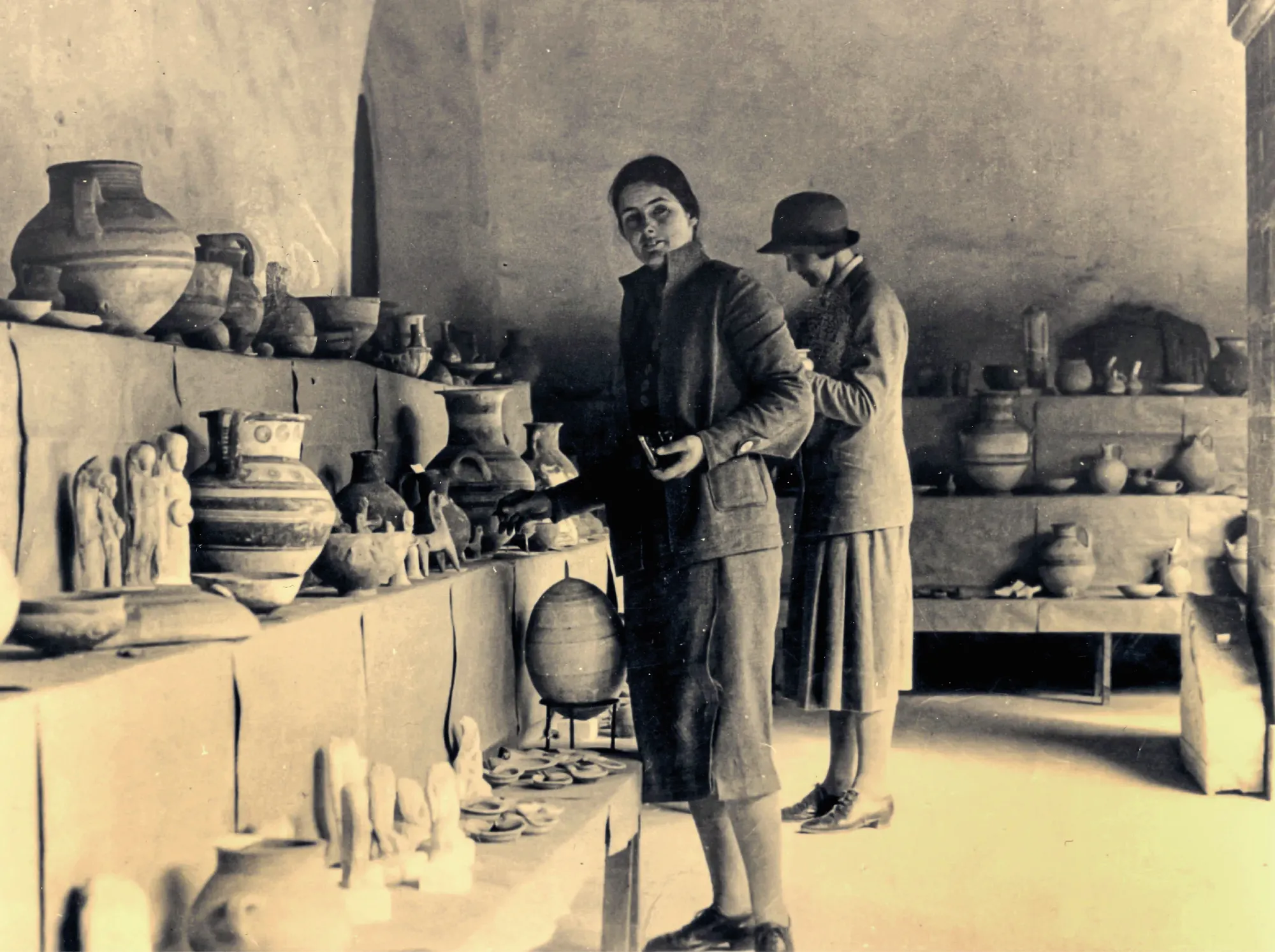 The Antiquities Trade and CyprusSectionHow Cypriot antiquities left the island lawfully, what the looting of the south and the occupied north amounted to, and what the record means for owners today.
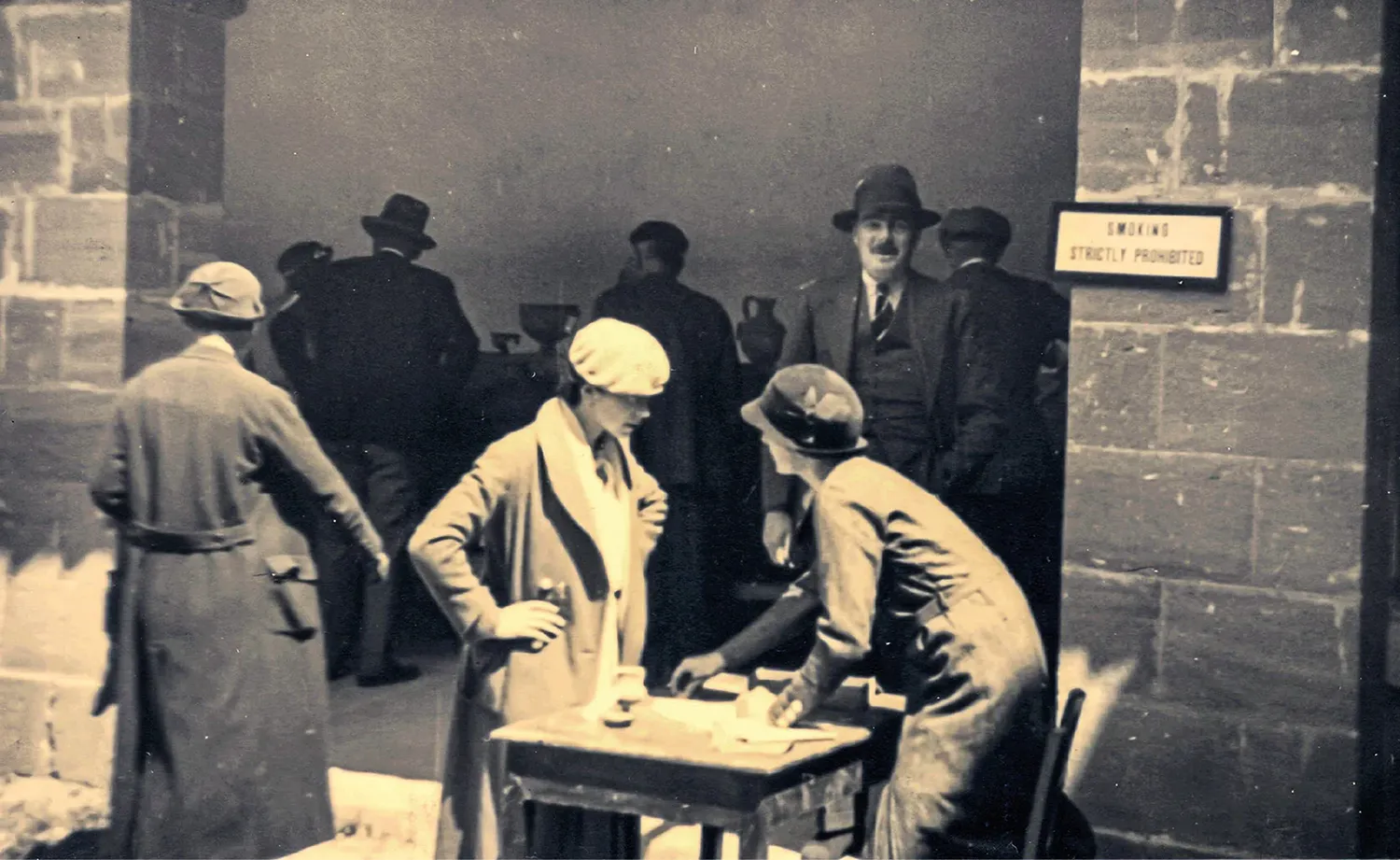 The Legal Export of Cypriot AntiquitiesThe succession of Ottoman, colonial and Republic laws under which Cypriot antiquities lawfully left the island until licensed export ended in 1996.
Chronology
1 entrySection overview