
Fieldwork·In brief
Heritage committee to restore Maronite churches and an Armenian monastery in the occupied north
Christodoulides and Erhürman agreed the work on 9 November; the same committee will share archival material, and two new crossing points are to open.


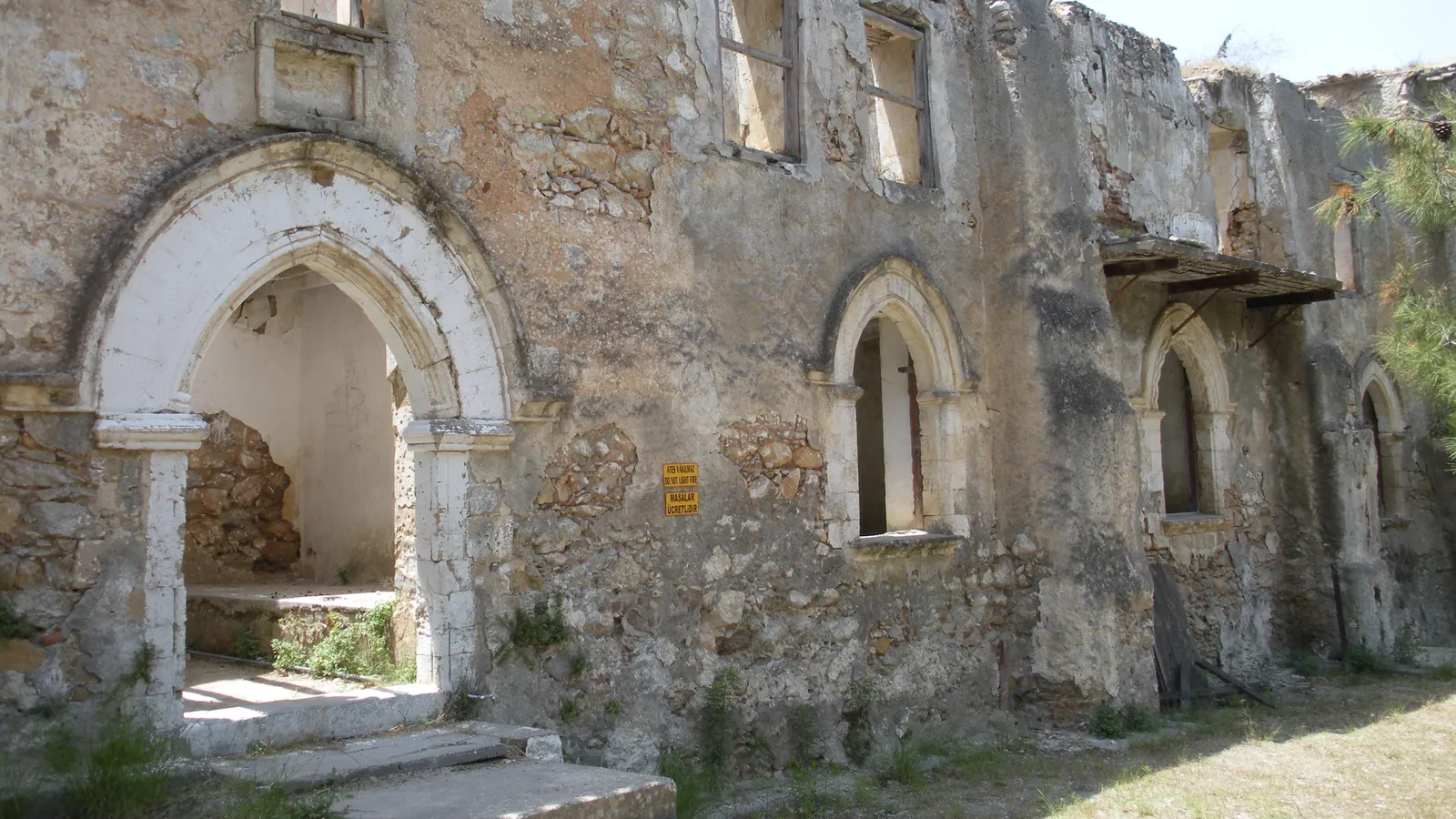
President Nikos Christodoulides and the Turkish Cypriot leader Tufan Erhürman agreed on 9 November that the bicommunal Technical Committee on Cultural Heritage will restore selected Maronite churches and one Armenian monastery, the United Nations announced after they met the UN envoy María Ángela Holguín in the UN Protected Area in Nicosia. The committee is also to handle a sharing of archival material, and crossing points at Louroujina and Karavostasi are to open at the same time.
Which churches, and which monastery, has not been announced. On 20 October the two leaders had agreed an exchange of cultural artefacts.
The north of the island has been illegally occupied by Turkey since the 1974 invasion. Its Greek Orthodox, Maronite and Armenian congregations were then forced south, and many of their churches were stripped. The committee's programme has included one Armenian monastery before: in 2018 the UN Development Programme, which carries out its EU-funded works, sought designs for Sourp Magar at Halevga (Alevkayası), with a first phase capped at about €300,000 to stabilise the ruins and conserve the small chapel for worship.
Petros Nacouzi, the Maronites' representative in the House, who has no vote, welcomed the decision and asked for access to Ayia Marina and Asomatos. "It is not enough to restore our churches. We must also be able to visit them, hold religious services within them and keep them alive," he said.
The leaders are next to meet the Secretary-General, with Holguín, in the coming weeks.
Original sources
On ancientcyprus.com
- Institutions
- Technical Committee on Cultural Heritage, United Nations
More in Fieldwork
- French team finds 8th–7th century BC walls beneath Classical stone robbing at Kition
- Geophysical survey searches for buried remains at Agia Marina Xyliatou, a Roman copper-smelting site
- Karavas churches of 1804 and 1854 restored by Greek Cypriot and Turkish Cypriot conservators
- New Central Prisons at Agios Sozomenos to be kept apart from the Bronze Age site
- Iconostasis and monk-painted walls restored at the monastery of Saint Barnabas near Salamis