
Conference paper·Archaeological Research Unit - University of Cyprus·2022
1st Graduate Forum for Mediterranean Archaeology: Medieval Tombstones, Museum Display, 19th-Century Prehistory and Underwater Heritage Law
Savvas Mavromatis, Ayşe Güçlü, Katerina Argyropoulou and Andreas Georgalis
Chapters
About the video
This recording presents the closing session of the 1st Graduate Forum for Mediterranean Archaeology at the Archaeological Research Unit of the University of Cyprus, with four papers on heritage reception, museum technology, historiography, and law, two of which examine Cyprus.
Savvas Mavromatis traces the history of Cypriot medieval funerary slabs from the Lusignan and Venetian periods to their modern display. Set horizontally into church floors and made of local stone or reused ancient marble, the tombstones initially commemorated the Frankish ruling class before being adopted by wealthy Syrian and Greek families. Under Venetian rule, French inscriptions disappeared, relief carving adopted Italian Renaissance ideals of modesty, and slabs from demolished extramural churches in Nicosia were reused as building material in the new city walls, including the Paphos Gate. During the Ottoman period, slabs in converted churches were turned over, defaced, or covered with carpets. Nineteenth-century European scholars such as Louis de Mas Latrie, Tankerville Chamberlayne, and George Jeffery recorded the inscriptions and debated creating a medieval museum, a project the British colonial administration took up in the 1930s to emphasize the island's Western past. Mavromatis concludes by introducing a digital guide under development with the Department of Antiquities for the Cyprus Medieval Museum in Limassol.
Ayşe Güçlü presents a study of the Faces of Juliopolis exhibition in Ankara and Izmir, which used fan holograms, levitation displays, 3D tomb models, and facial reconstructions to build local awareness and counter looting at the Hellenistic, Roman, and Byzantine necropolis of Juliopolis. Katerina Argyropoulou examines how nineteenth-century Greek archaeology perceived prehistory, tracing how early antiquarians dismissed pre-classical remains as primitive or Oriental until excavations at Mycenae, Phylakopi on Melos, and in the Cyclades by Heinrich Schliemann and Christos Tsountas integrated the Aegean prehistoric past into Greek national identity.
Andreas Georgalis surveys the legal framework protecting underwater cultural heritage in Cyprus following the discoveries of the Kyrenia shipwreck in 1967 and the Mazotos wreck in 2006. He compares the United Nations Convention on the Law of the Sea and the 2001 UNESCO Convention with the Cypriot Antiquities Law as amended in 2014 and the 2016 regulations, which extend state ownership and protection zones across the Exclusive Economic Zone and continental shelf without formal ratification of the UNESCO treaty. He also reviews the 2015 Supreme Court case concerning the search of the vessel Odyssey Explorer and the seizure of antiquities taken from Lebanese waters.
In the discussion that follows, the speakers address stone reuse and social status on Cypriot medieval slabs, local reporting of looting at Juliopolis, the place of Minoan Crete in nineteenth-century Greek historiography, and why the Republic of Cyprus has not ratified the 2001 UNESCO Convention.
From our collection
Pieces in the Drakopoulos collection of the kinds and periods this talk covers: Stone.
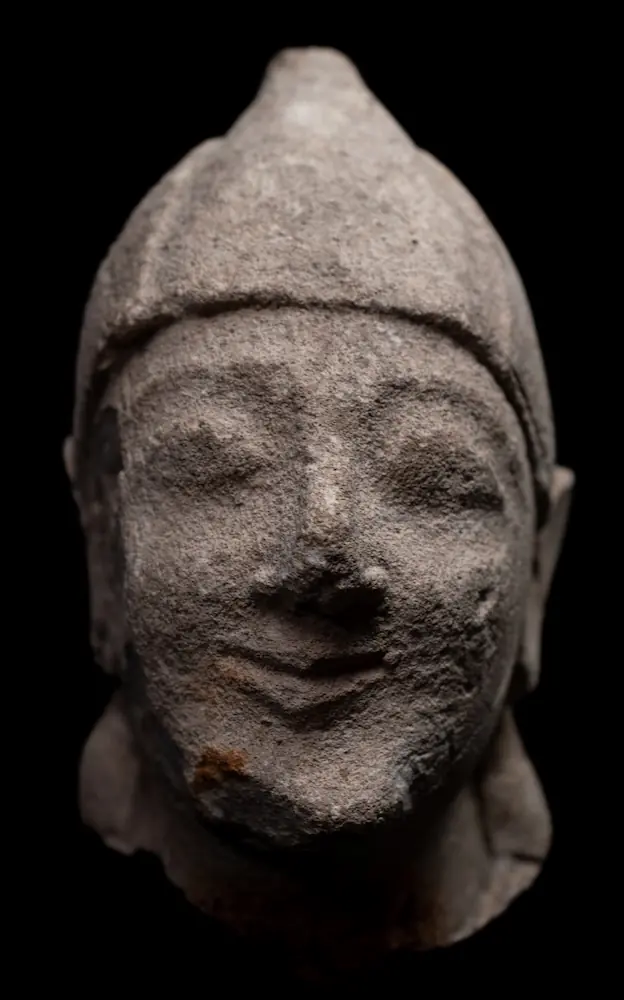
Limestone Head of a Beardless Votary in a Conical Helmet
Stone
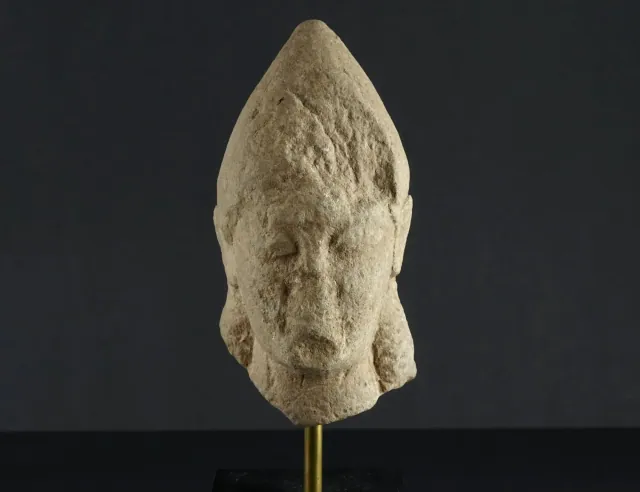
Weathered Limestone Head of a Votary in a Tall Pointed Cap
Stone
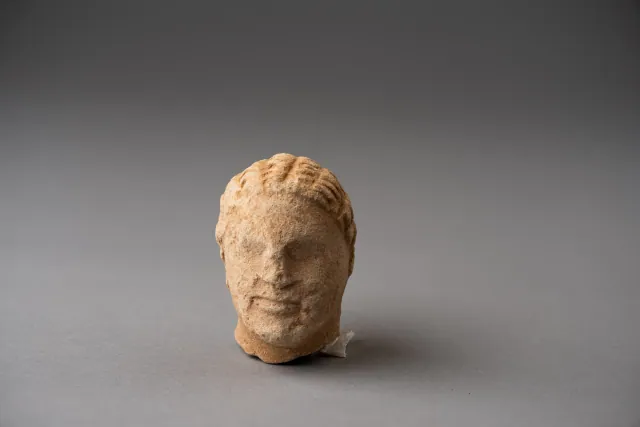
Limestone Head of a Boy, probably from a Temple Boy Statuette
Stone
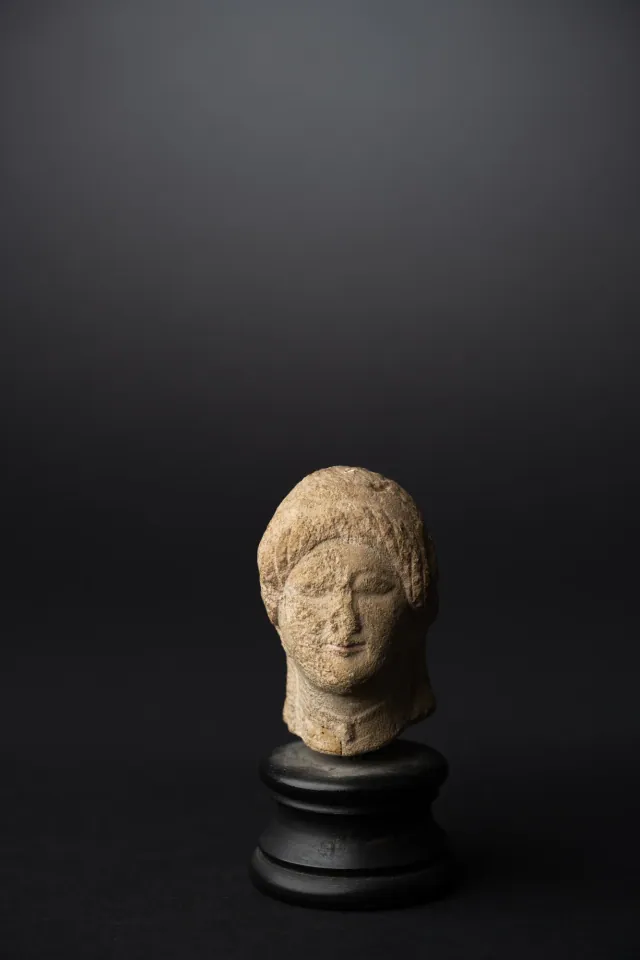
Limestone Head of a Votary with a Wreath
Stone
Background
Where to read more on this site before or after watching.
The site
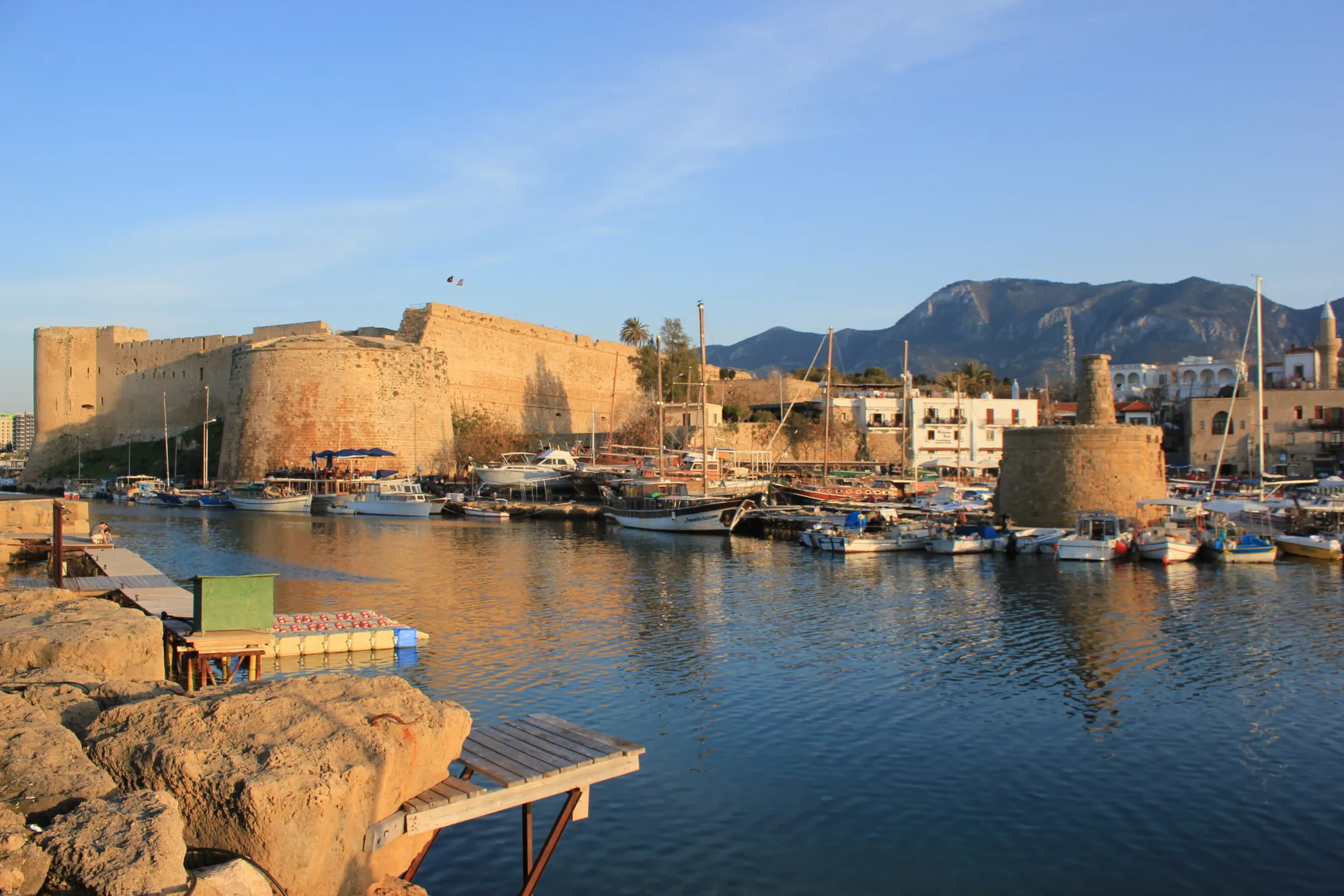
Kyrenia
Ancient Keryneia lies under the old town of Kyrenia (Girne) round its small harbour on the north coast. The town was never excavated: it is known from tombs cleared in the 1960s and early 1970s, from a few texts and inscriptions, and from the merchant ship that sank off it around 300 BC, now shown in Kyrenia Castle.
In the compendium
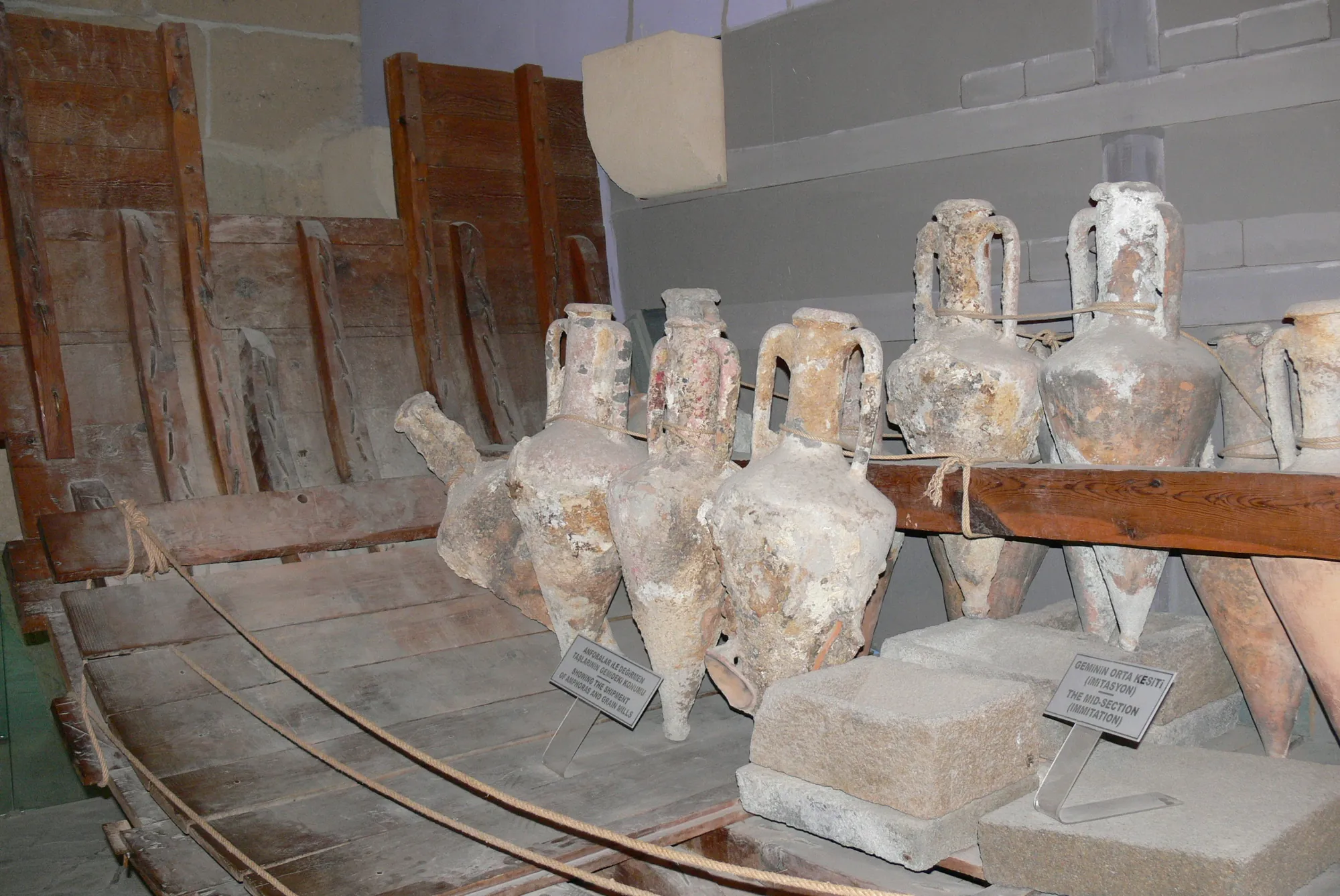
Antiquities from the Sea: Amphorae, Wrecks and Divers off Cyprus
Finds at sea under the Antiquities Law, Cyprus and the 2001 UNESCO convention, the few cases of removal and seizure, sea-found amphorae on the market, and the lawful work beside them.
In the compendium
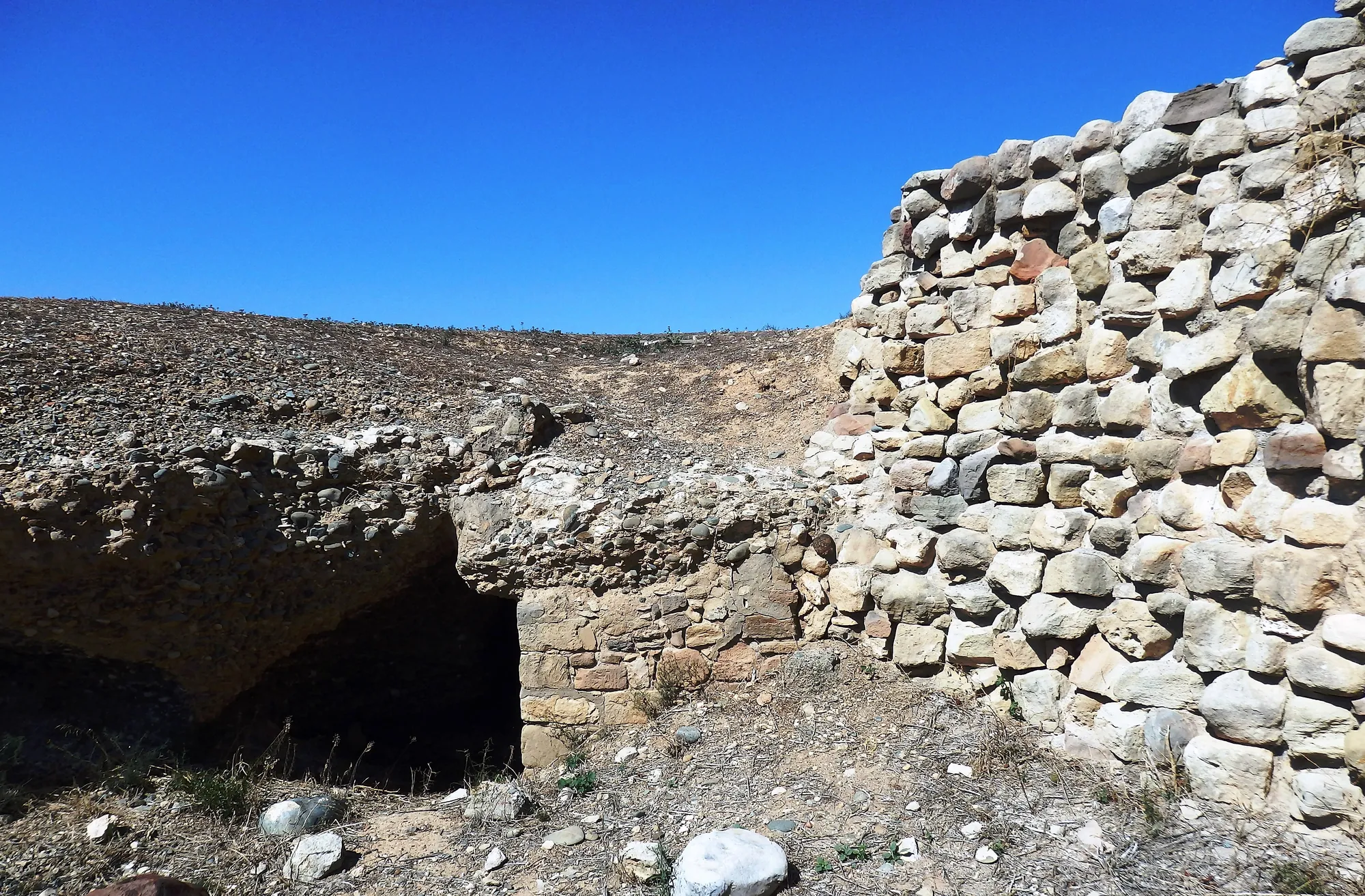
Policing and Monitoring: How the Republic of Cyprus Polices Antiquities and Watches the Market Abroad
The Republic's antiquities police office, national committee and online monitoring, the 2024 to 2026 withdrawals and returns, the penalties of Cap. 31, and what the monitoring catches.
In the compendium
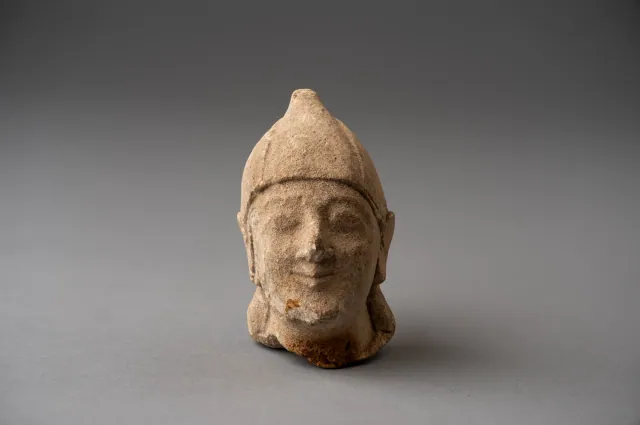
Stone in Ancient Cyprus
Cypriots worked local chert, igneous rocks, picrolite and limestone from the Neolithic onwards, and imported marble, alabaster and gemstones.
Map of Cyprus
Places discussed in the talk
- Has a page on this site
- Other places
- Ground above 200, 500, 1,000 m
Places
- 1Limassol (approx.)
- 2Kyrenia
- 3Mazotos (approx.)