
Lecture·Archaeological Research Unit - University of Cyprus·2021
Maritime connectivity, pilgrimage and the Ambrosiana map of late medieval Cyprus
Ourania Perdiki
Chapters
About the lecture
Ourania Perdiki of the Archaeological Research Unit at the University of Cyprus examines how maritime connectivity shaped Christian pilgrimage on Cyprus during the medieval period. The lecture presents work from the SPAMAPCY project, which documents the spatiality and materiality of pilgrimage on the island from the 11th to the 16th century and its place within eastern Mediterranean religious networks.
Perdiki begins with the history of Christian pilgrimage to Cyprus, from fourth-century visitors such as Saint Paula of Rome to the growth of maritime traffic after the Seljuk advance into Anatolia in 1071, the First Crusade, and the 13th-century Mamluk conquest of Syria and Palestine. As the last Christian territory on the sea route to the Holy Land, Cyprus became a regular supply stop and developed its own shrines with relics, miraculous icons, and holy springs.
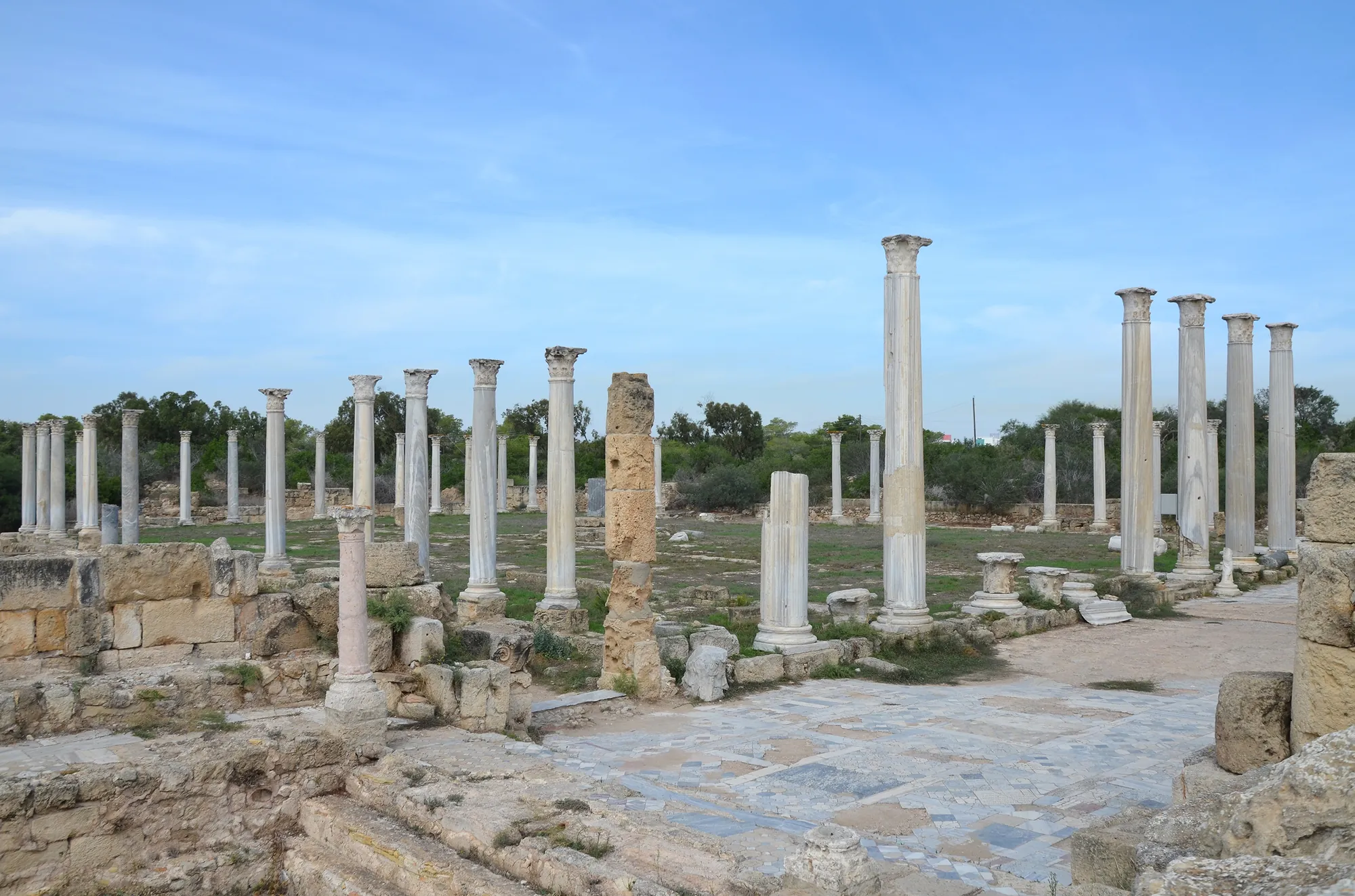
The core of the lecture re-examines the Ambrosiana map, a schematic freehand map of Cyprus drawn on the final leaf of a mid-14th-century Greek medical manuscript produced in Constantinople and taken to southwestern Asia Minor before reaching Cyprus. The map records sixteen mostly coastal toponyms alongside Nicosia, giving visual prominence to Stavrovouni, the basilica of Agios Epiphanios at Salamis, and Agios Auxibios near Soli. A seven-line note above the drawing records that an anonymous donor, probably a physician, gave two medical books, scales, a glass jar, and medical implements to the monk Germanos at Kykkos Monastery, possibly after the fire of 1365, where the manuscript was then copied into the Marciana codex. Perdiki argues that rather than recording a personal itinerary, the Ambrosiana map was copied from a shipboard chart for sailors or early portolan.
In the final section, Perdiki surveys coastal pilgrimage shrines tied to sea routes and sailors, using accounts by Ludolph of Sudheim and James of Verona alongside shipboard prayers and 16th-century graffiti in churches between Famagusta and Larnaca. Sites discussed include the underground chapel of Saint Mary of the Cave at Famagusta, Ayia Napa, Apostolos Andreas in the Karpas, Agios Nikolaos ton Gaton at Akrotiri, and Agios Lazaros in Larnaca, many of which supplied fresh and holy water and accommodated both Greek and Latin worshippers.
Background
Where to read more on this site before or after watching.
Map of Cyprus
Places discussed in the talk
- Has a page on this site
- Other places
- Ground above 200, 500, 1,000 m