
Classical
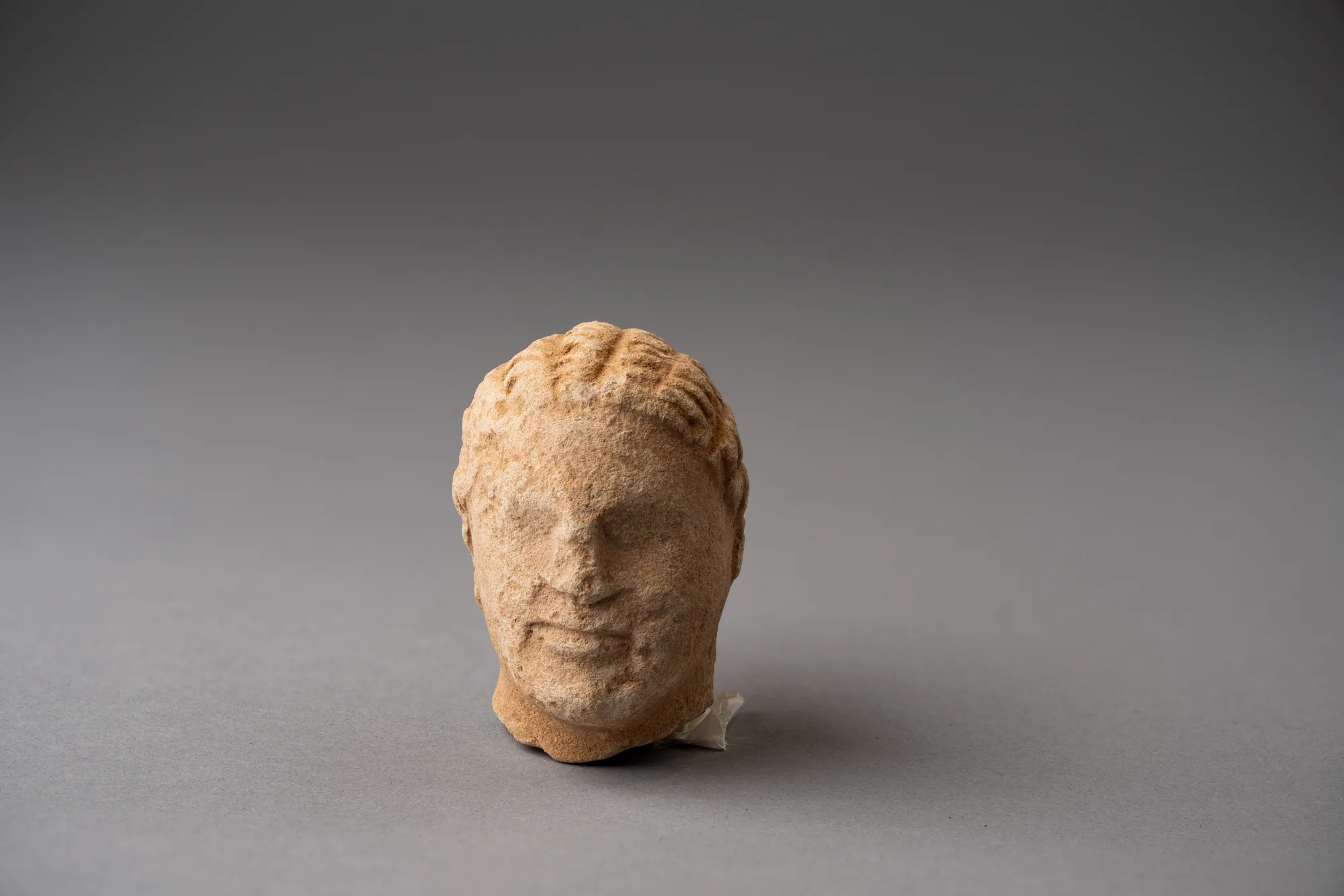
Limestone Head of a Boy, probably from a Temple Boy Statuette
Cypro-Classical head of a young boy with short hair carved as rows of comma-shaped curls, probably from a temple boy votive statuette.
Date
450 - 300 BC
Accession No.
STA-AR-010
Collection
Alexis Drakopoulos
Provenance
- 1960s–2025, The Goodman Collection (acquired 1965–1969)
- 2025–present, Alexis Drakopoulos, London
Cypro-Classical, c. 450–300 BCE · Limestone (probably) · Carved
A small head of a child, broken at the neck, in a fine stone with a warm pinkish-buff surface. The face is broad and rounded, with full cheeks, a small rounded chin and a wide mouth that turns up slightly at the corners. The nose is straight and the eyes have worn almost smooth, leaving soft hollows under the brow. A scrap of modern paper adheres to the neck break.
The hair is the best-preserved part. It is cut close to the skull as rows of short comma- and crescent-shaped locks in relief, set in overlapping tiers over the crown and curling forward around the temples and down over the sides of the head, where they cover the ears. In profile the curls are deeply cut and crisp at the back, while the face has lost most of its surface.
Commentary
The round, soft face and the cap of short curls mark this as the head of a young boy, and the likeliest source is a statuette of the so-called temple boy class. Temple boys are seated or crouching children, often shown with a cord of amulets across the chest and holding a bird or small animal, dedicated in Cypriot sanctuaries from about 450 BCE through the 4th century [1][5]. The largest groups come from Kourion (sanctuary of Apollo Hylates), Golgoi, Idalion and Tamassos, and several dozen temple-boy heads are known from Golgoi alone [1]. The old name rests on a discarded idea that they showed boys serving in the temple; they are now read as dedications by families placing a young child under divine protection, perhaps at a rite of passage or after a vow [1].
The date follows from the style. Short Greek-style hair belongs to the Classical votive repertoire: in the 5th and 4th centuries BCE Cypriot votaries adopt contemporary short Greek hairstyles, replacing the long Archaic hair and eastern headdresses [2]. The closest visual parallel is a limestone head of a child from Golgoi in the Louvre (AM 3206), with the same round smiling face and short hair, dated 425–375 BCE [3]. The Metropolitan Museum's temple boy from Kourion (74.51.2756), dated to the second half of the 5th century BCE, is carved in hard limestone with a pink surface much like the tone of this head [1]. The same child type was also made in clay: a mould-made terracotta head of a boy in the Metropolitan Museum (74.51.1452), probably from a temple-boy figure and dated about 325–300 BCE, has short hair rendered in thin grooves [4]. A range of c. 450–300 BCE covers the class, and the head offers no detail that narrows it further.
Two points remain uncertain. The material appears to be limestone from the photographs and the pink-toned surface matches Kourion temple boys, but a well-fired buff terracotta cannot be excluded without handling. And although the child's face argues strongly for a temple boy, a head of this kind could also come from a standing youthful votary; rows of curled locks occur on some late Archaic adult heads too, but there the face is that of a man.
References
- 1.Hermary, A. and Mertens, J.R. (2014) The Cesnola Collection of Cypriot Art: Stone Sculpture. New York: The Metropolitan Museum of Art, Temple Boys, cat. 252–272; cat. 252 (74.51.2756).
- 2.Ulbrich, A. (2020) 'Adoption and Adaptation of Greek Iconography in Cypriot Votive Sculpture of the Late Archaic and Classical Periods.' In M. Christidis, A. Hermary, G. Koiner and A. Ulbrich (eds), Classical Cyprus (Kypriaka 5). Vienna: Holzhausen, section 'Male and Female Votaries'.
- 3.Musée du Louvre, Paris, AM 3206, limestone head of a child from Golgoi (Athienou), Cypro-Classical, 425–375 BCE (collection record).
- 4.Karageorghis, V., Merker, G.S. and Mertens, J.R. (2016) The Cesnola Collection of Cypriot Art: Terracottas. New York: The Metropolitan Museum of Art, cat. 338 (74.51.1452).
- 5.Beer, C. (1994) Temple-Boys: A Study of Cypriote Votive Sculpture. Part 1. Catalogue. Studies in Mediterranean Archaeology 113. Jonsered: Paul Åströms Förlag.
More from the Catalogue
Browse related objects
Horse and rider figurine
Archaic II
Seated female figurine of the dea gravida type
Archaic II
Terracotta rattle in the form of a pig
Hellenistic
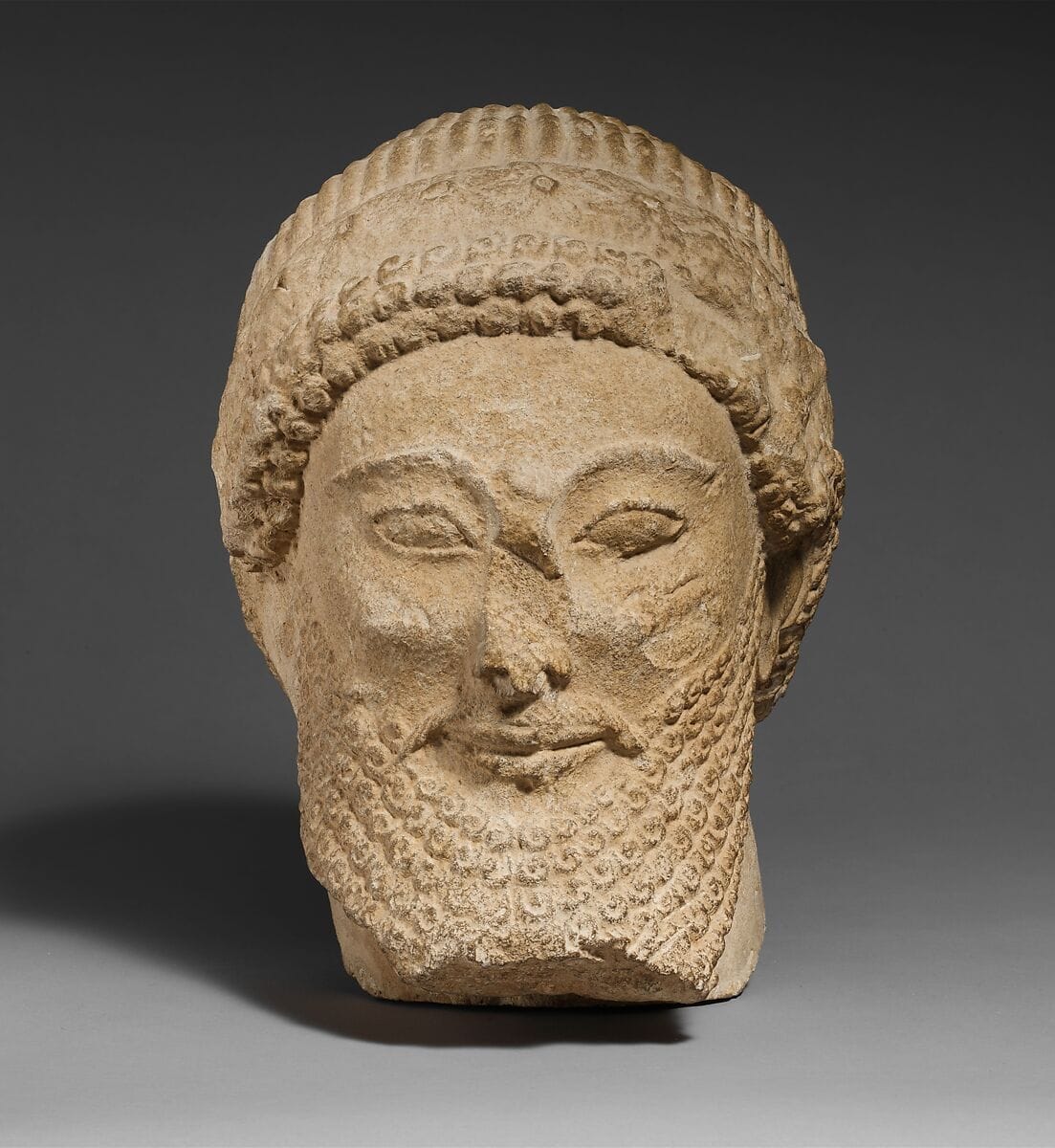
Limestone head of a bearded male with a wreath of flowers
Archaic II
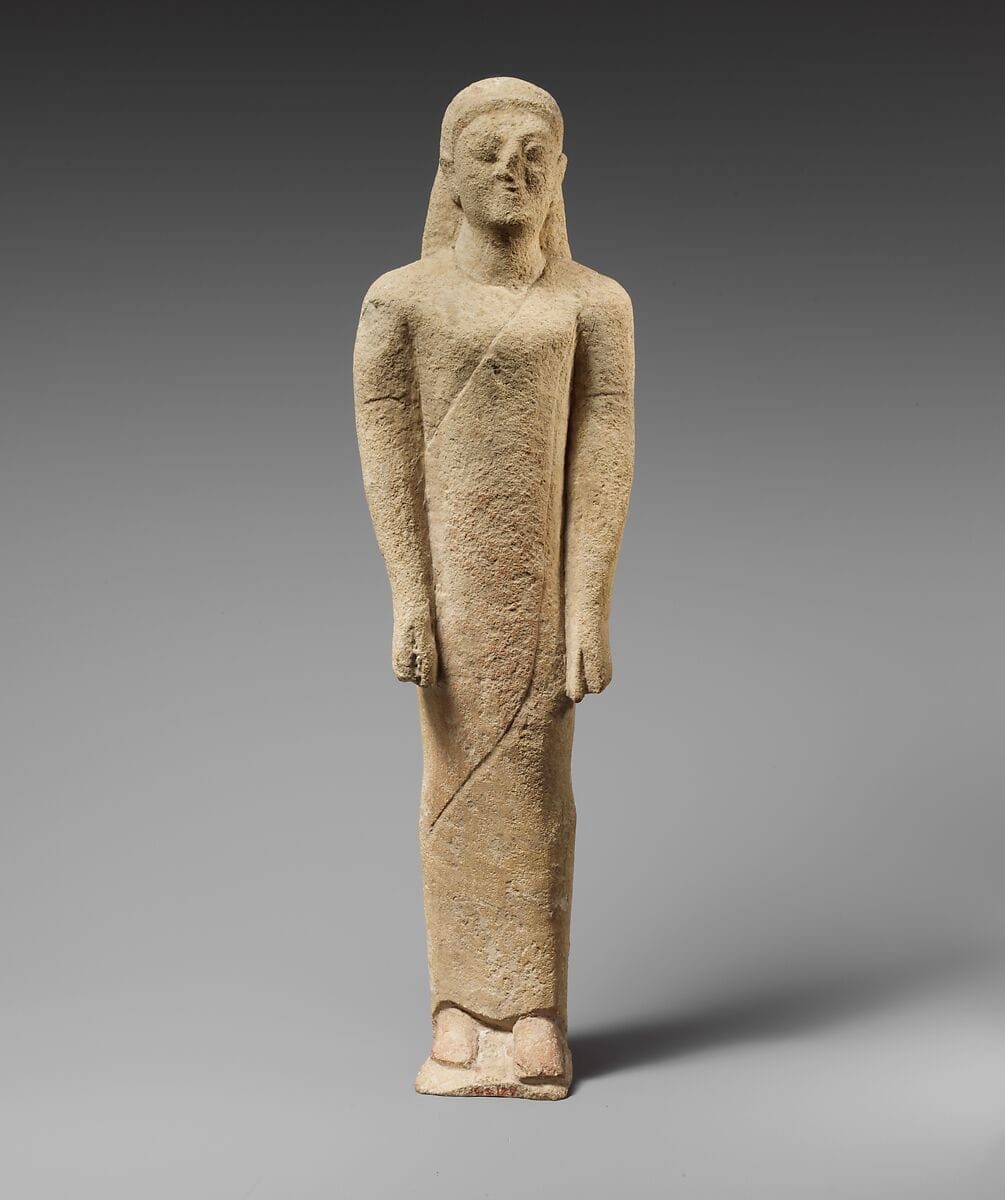
Limestone statuette of a beardless male votary in Greek dress
Archaic II
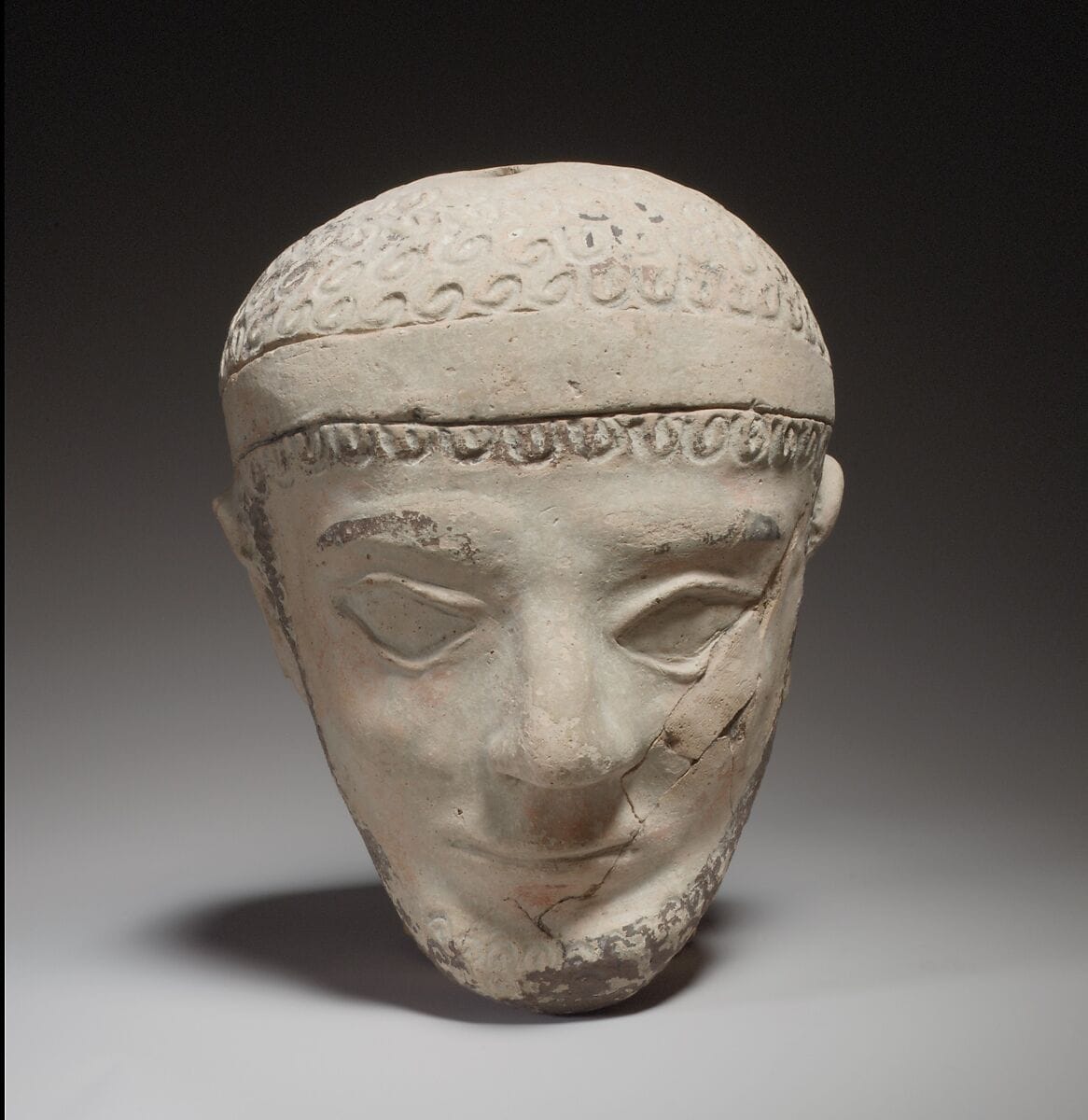
Terracotta head of a man
Archaic II
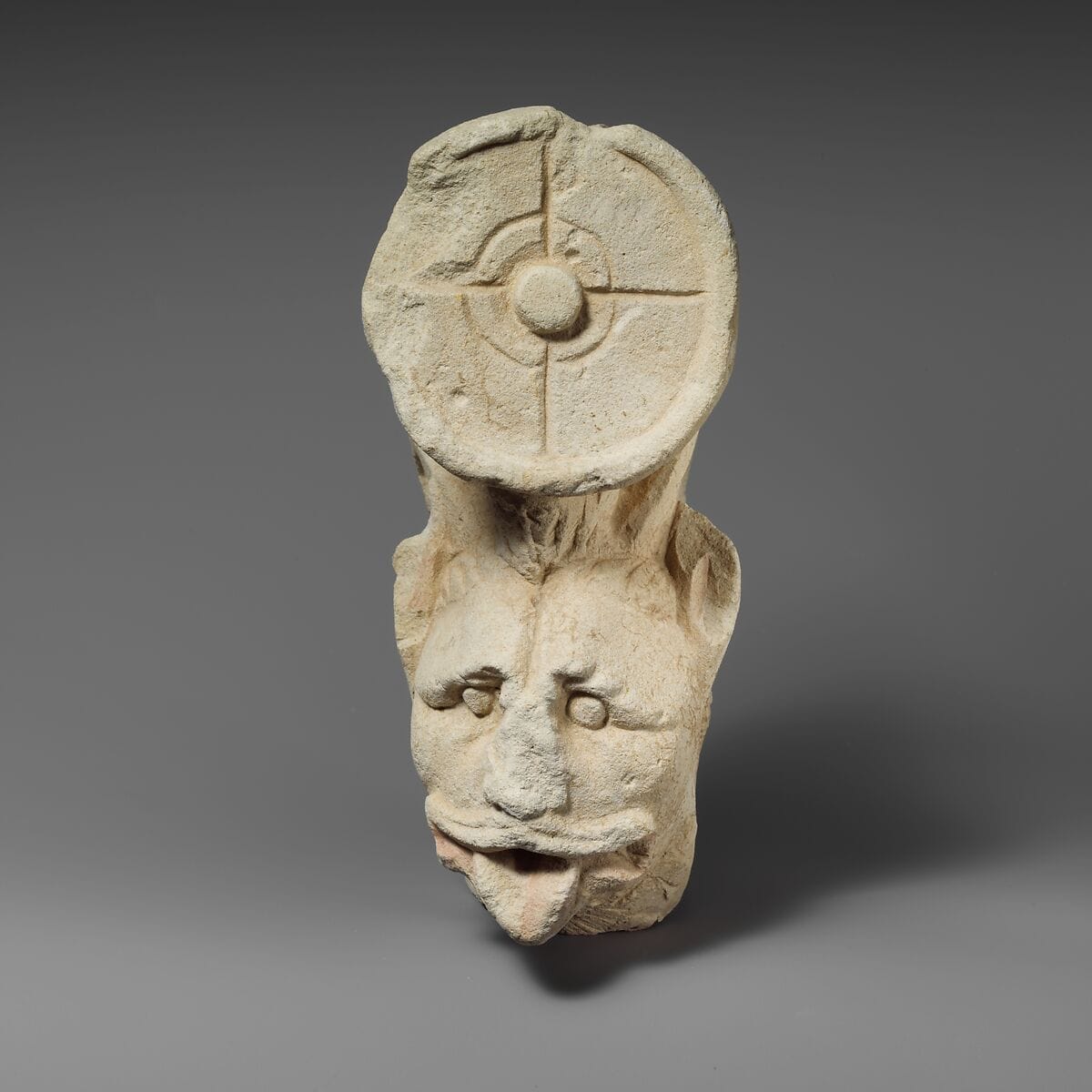
Fragment of a limestone throne (?) with the head of a horned lion
Roman
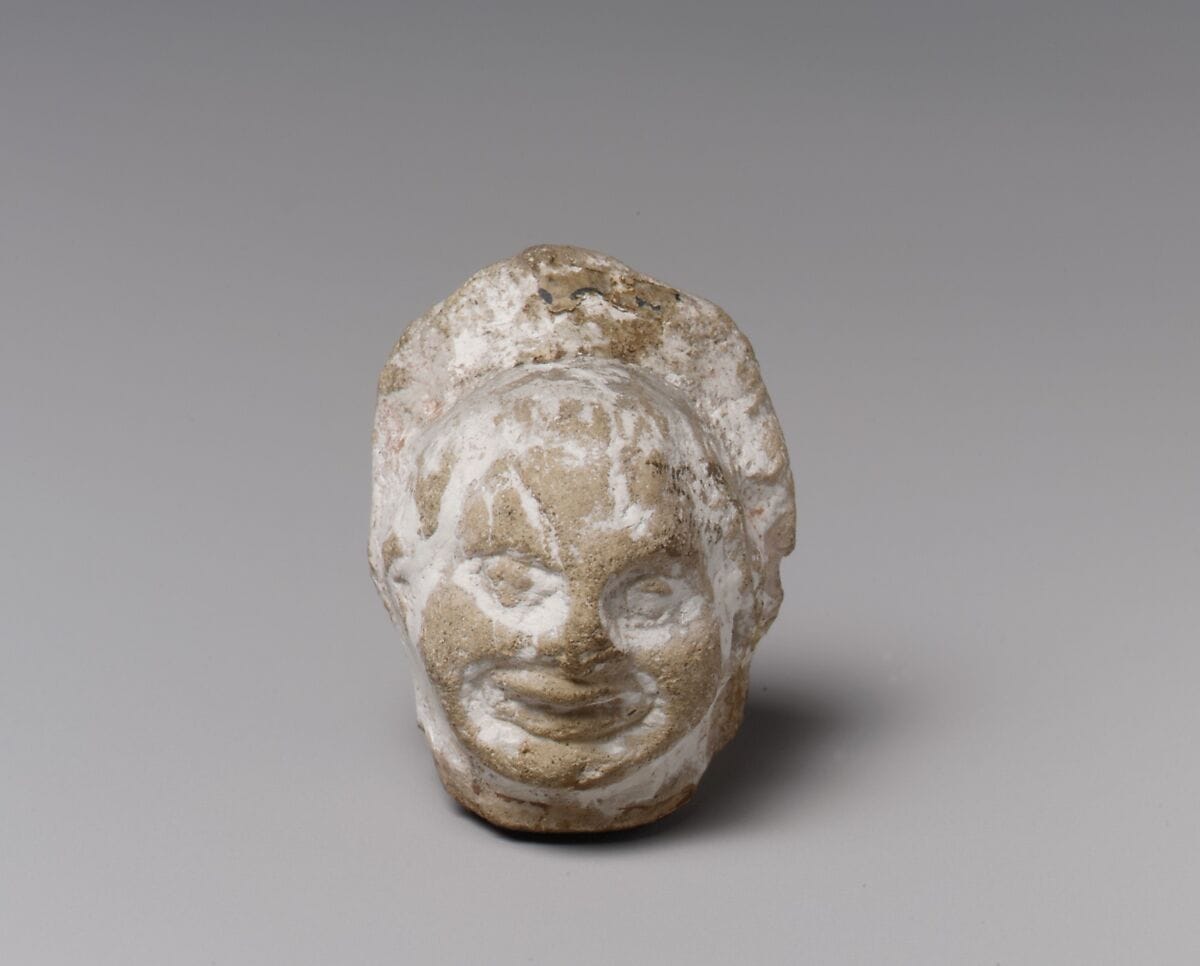
Head of a comic figurine
Hellenistic
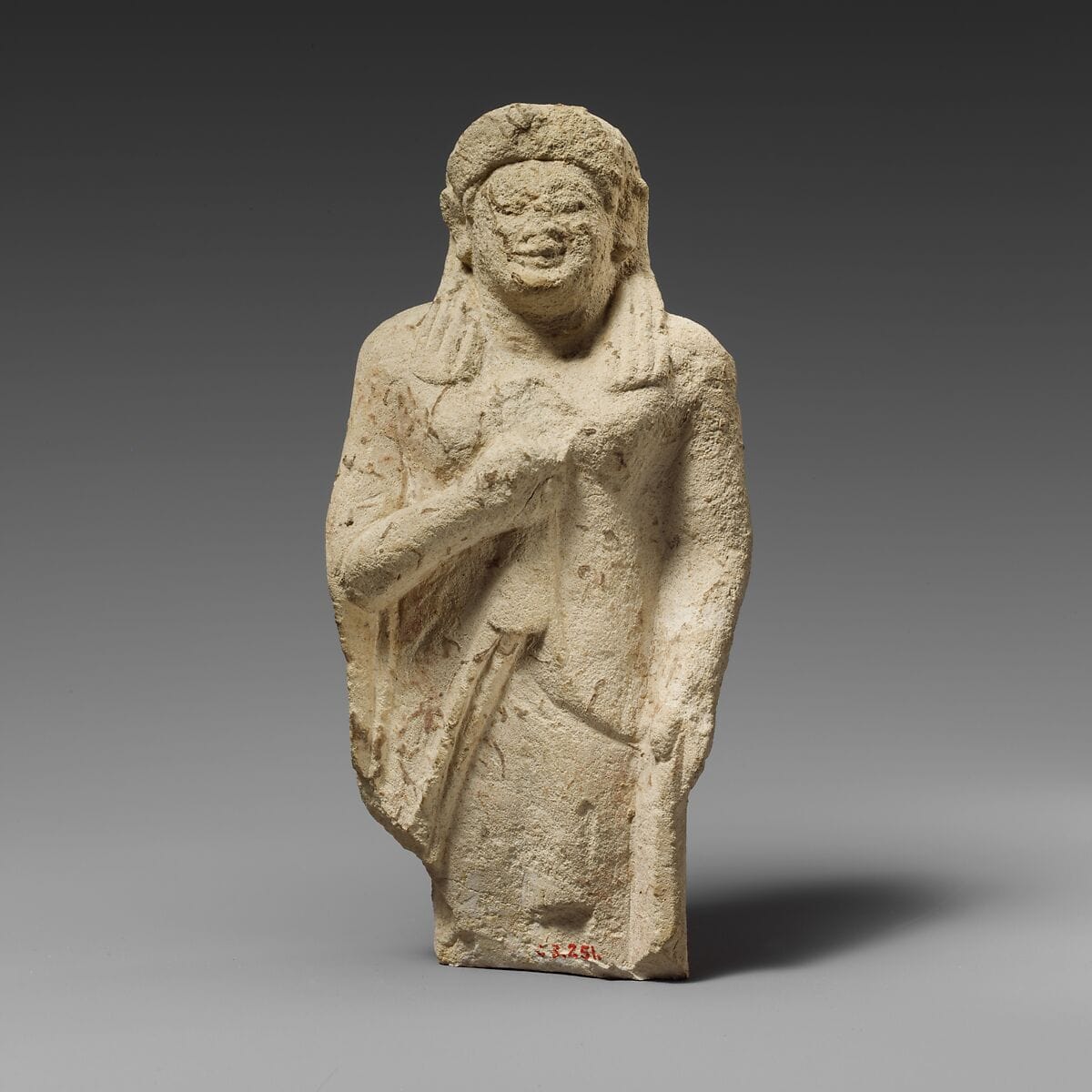
Limestone statuette of a female votary of the kore type
Archaic II
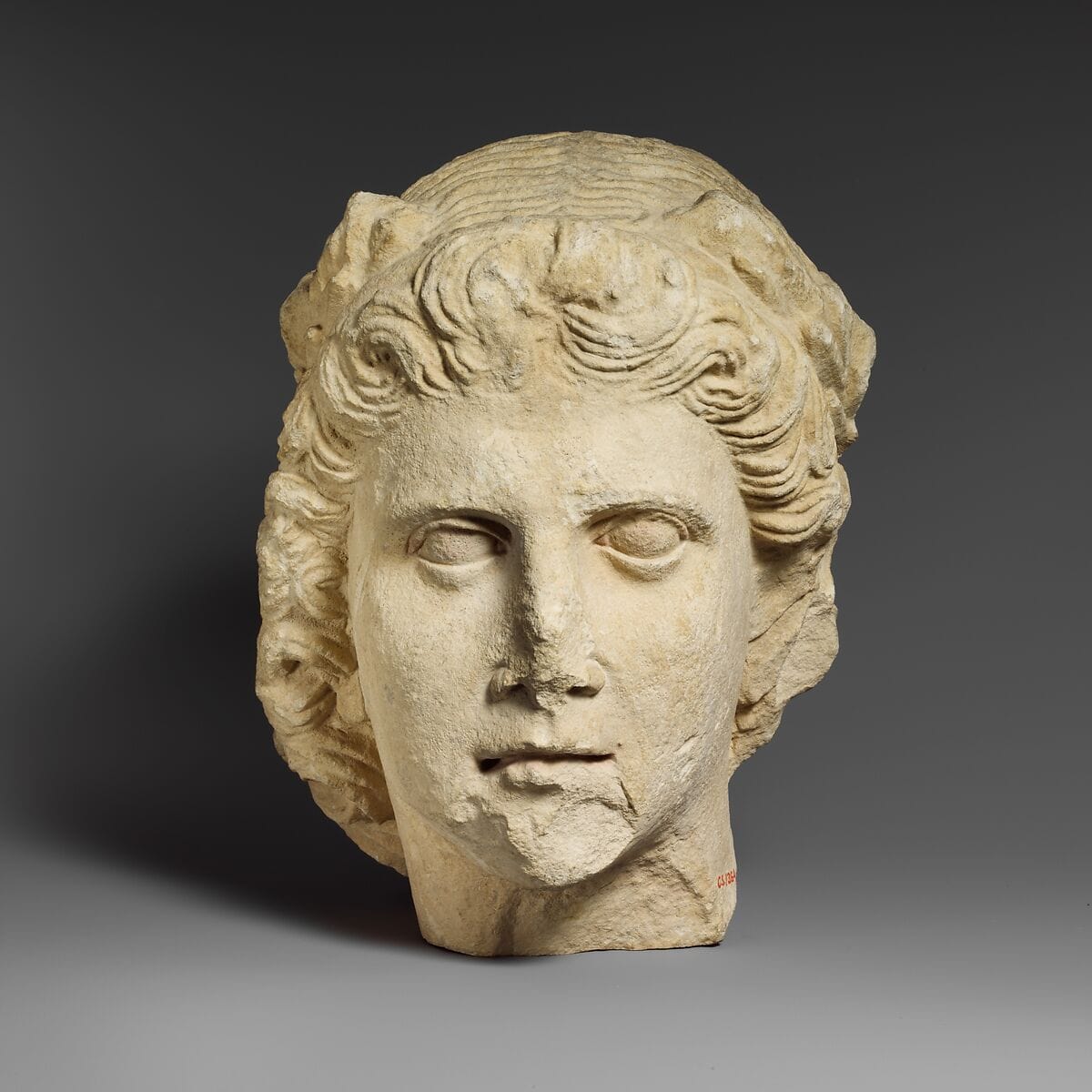
Limestone head of Apollo
Hellenistic
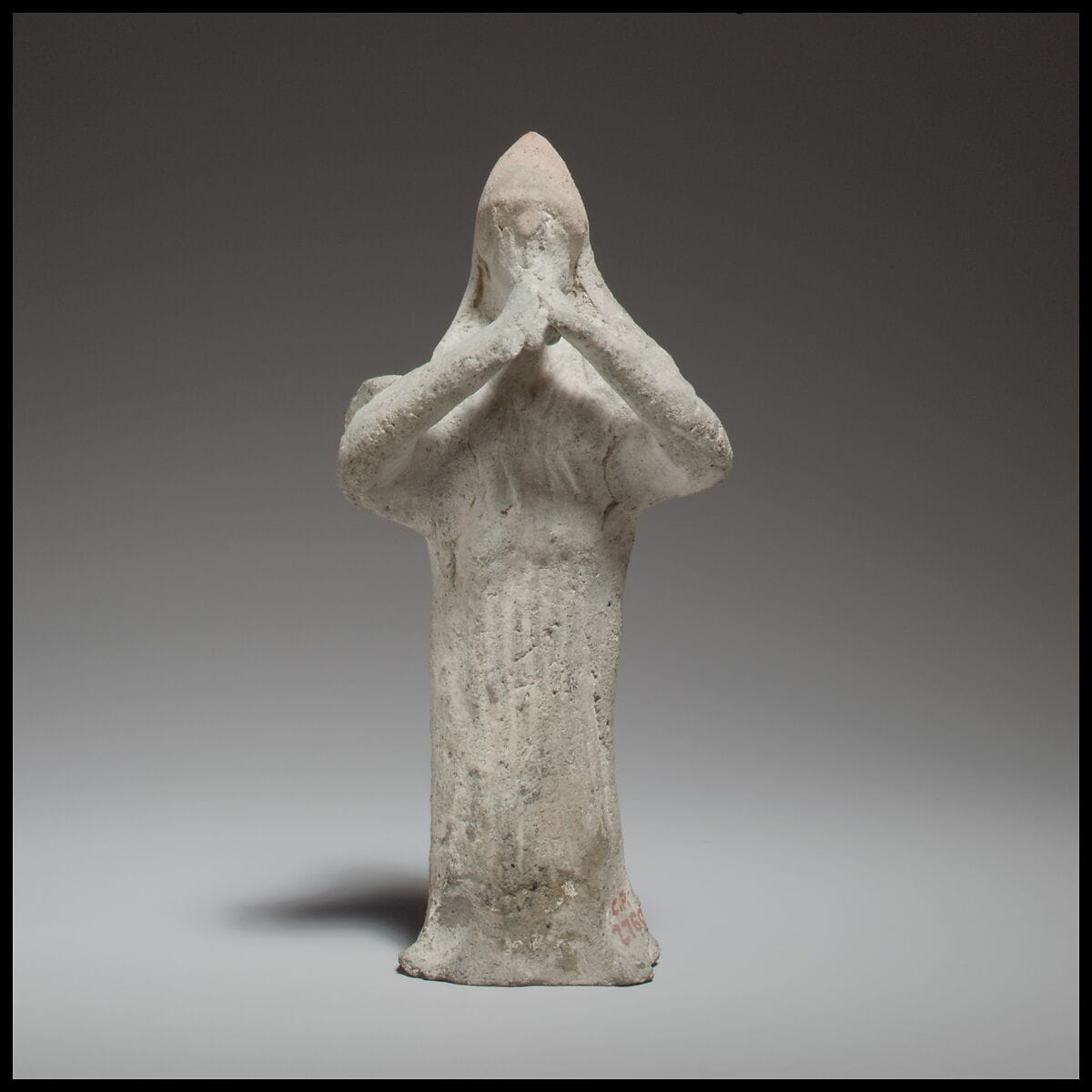
Standing female flute player
Classical
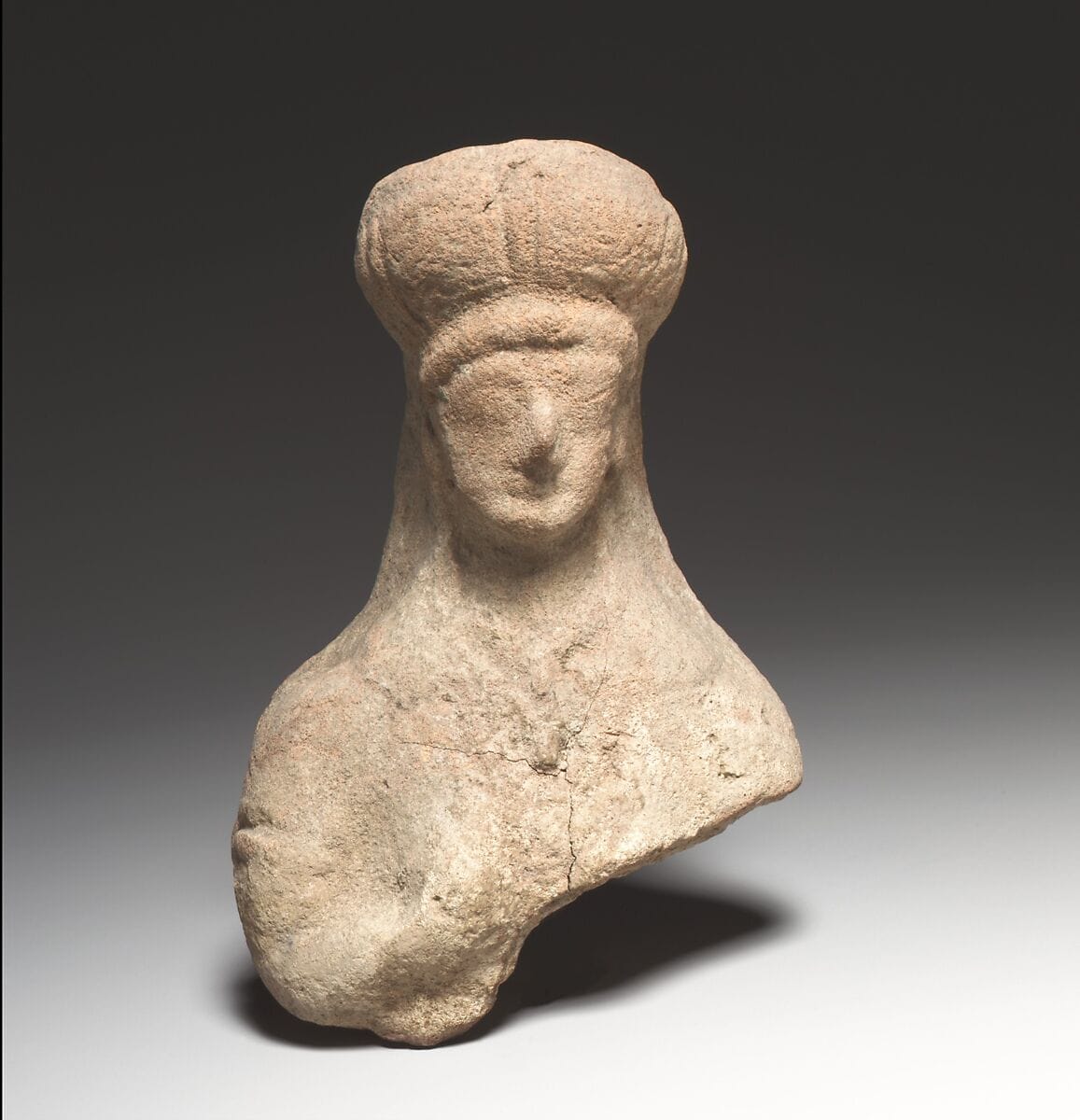
Standing female figurine
Archaic II
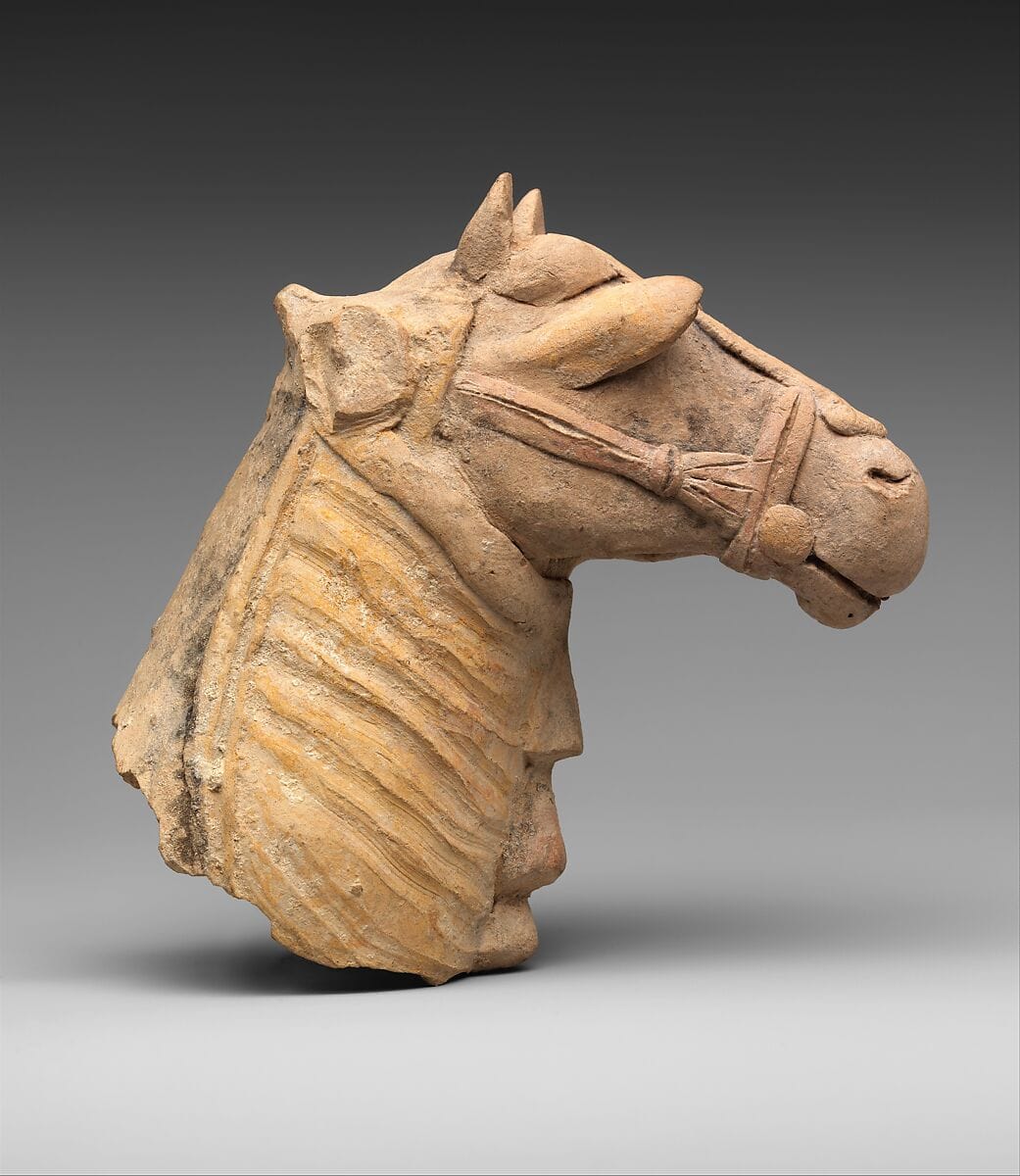
Horse's head with harness
Archaic II
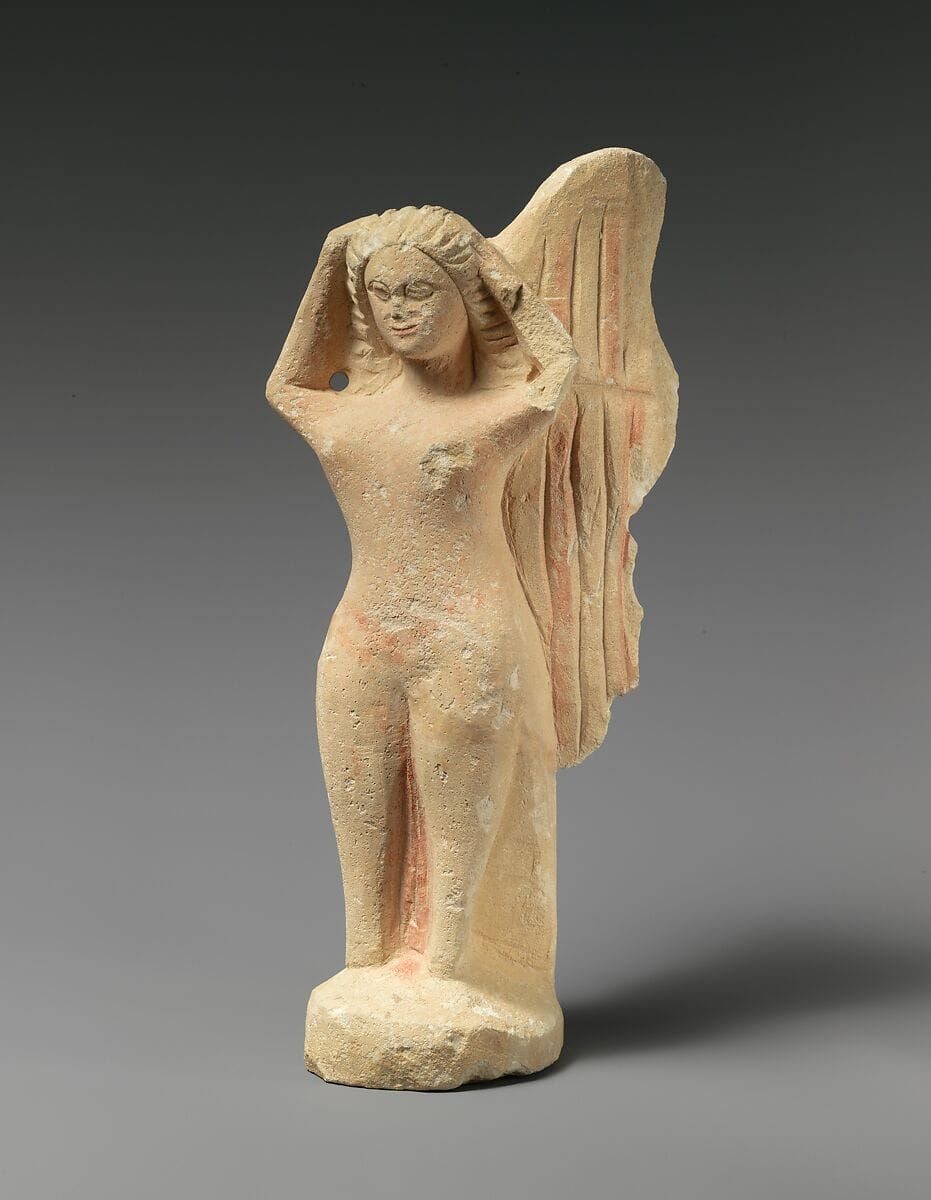
Limestone statuette of a mourning siren
Hellenistic
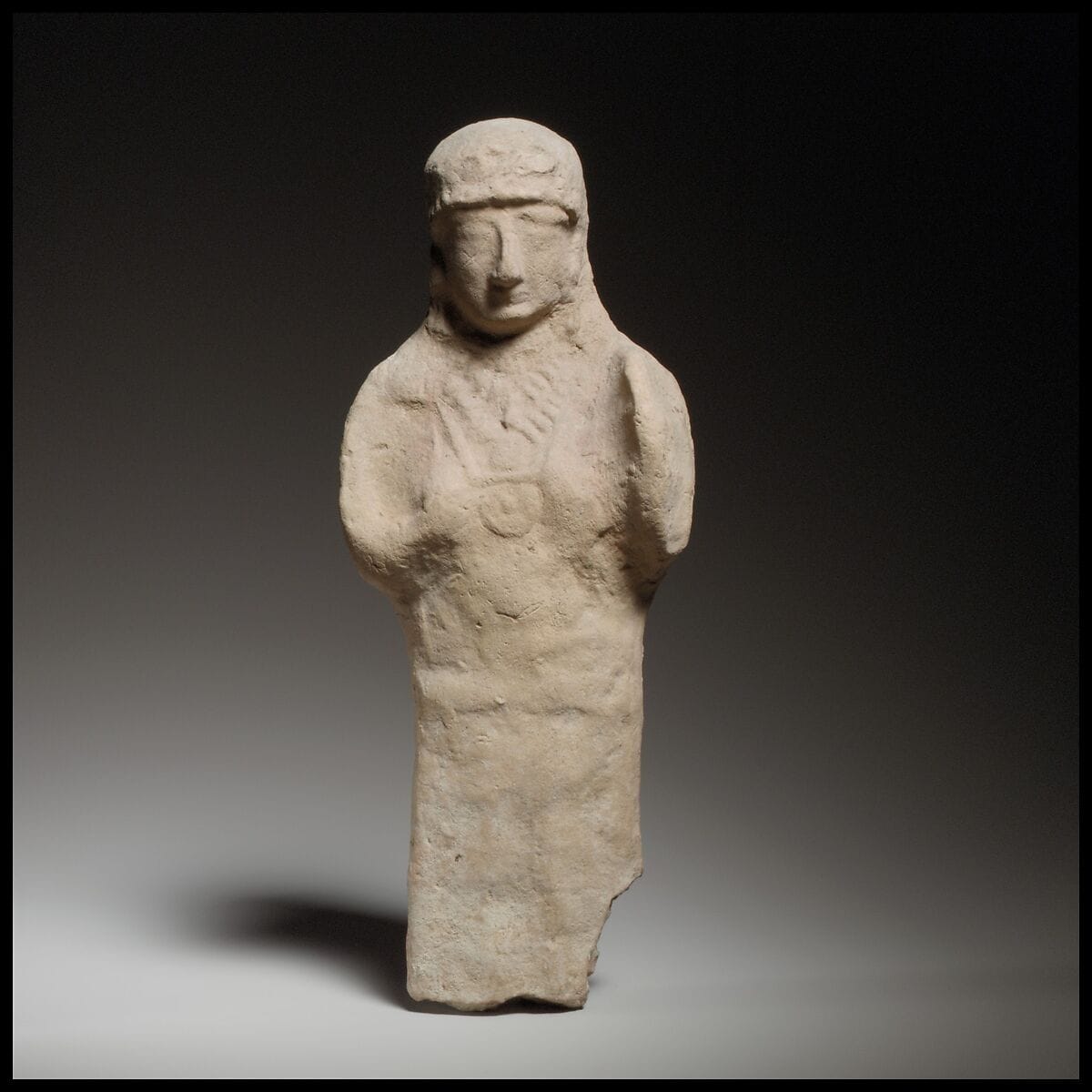
Standing female figurine
Archaic II
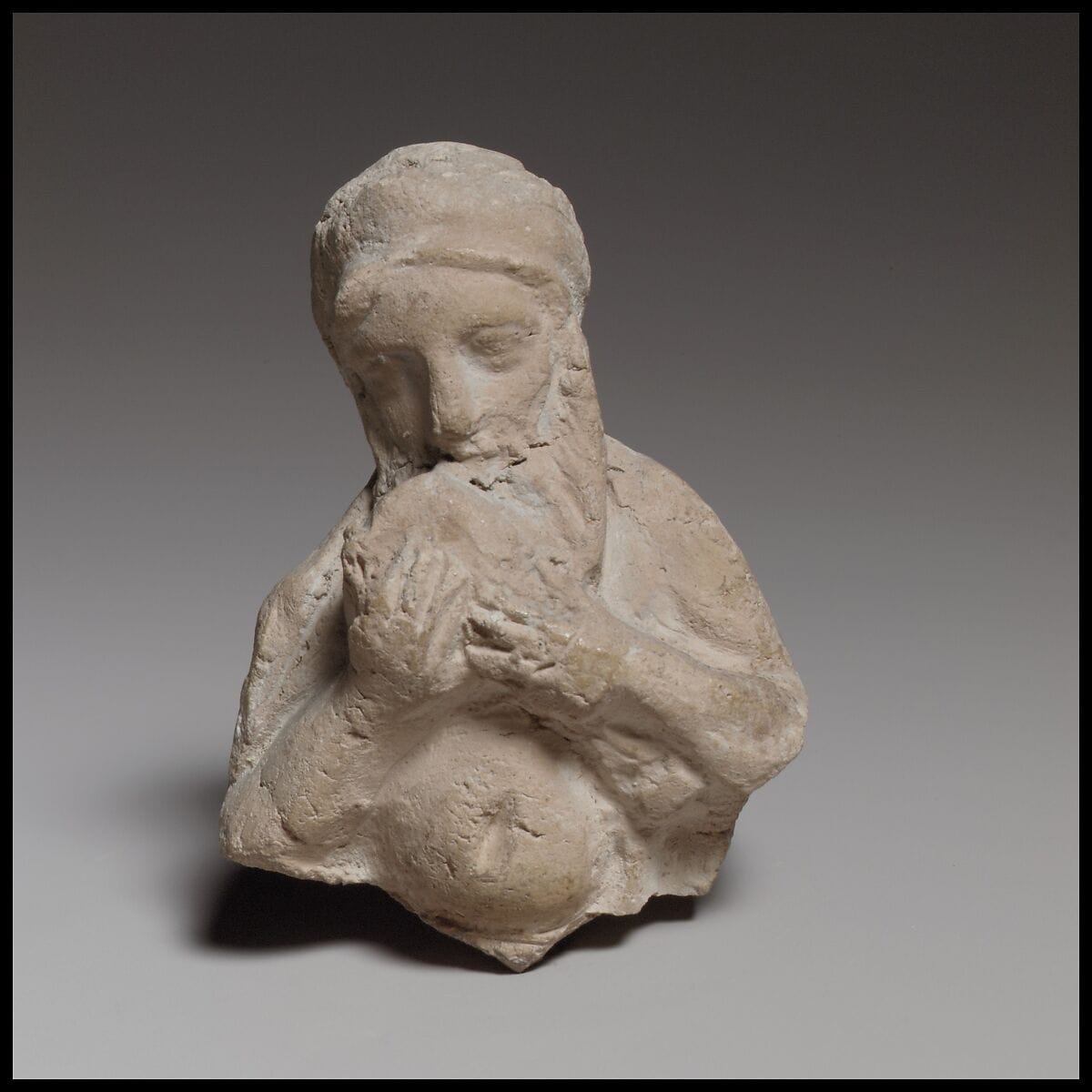
Terracotta statuette of Silenos (?) drinking
Hellenistic
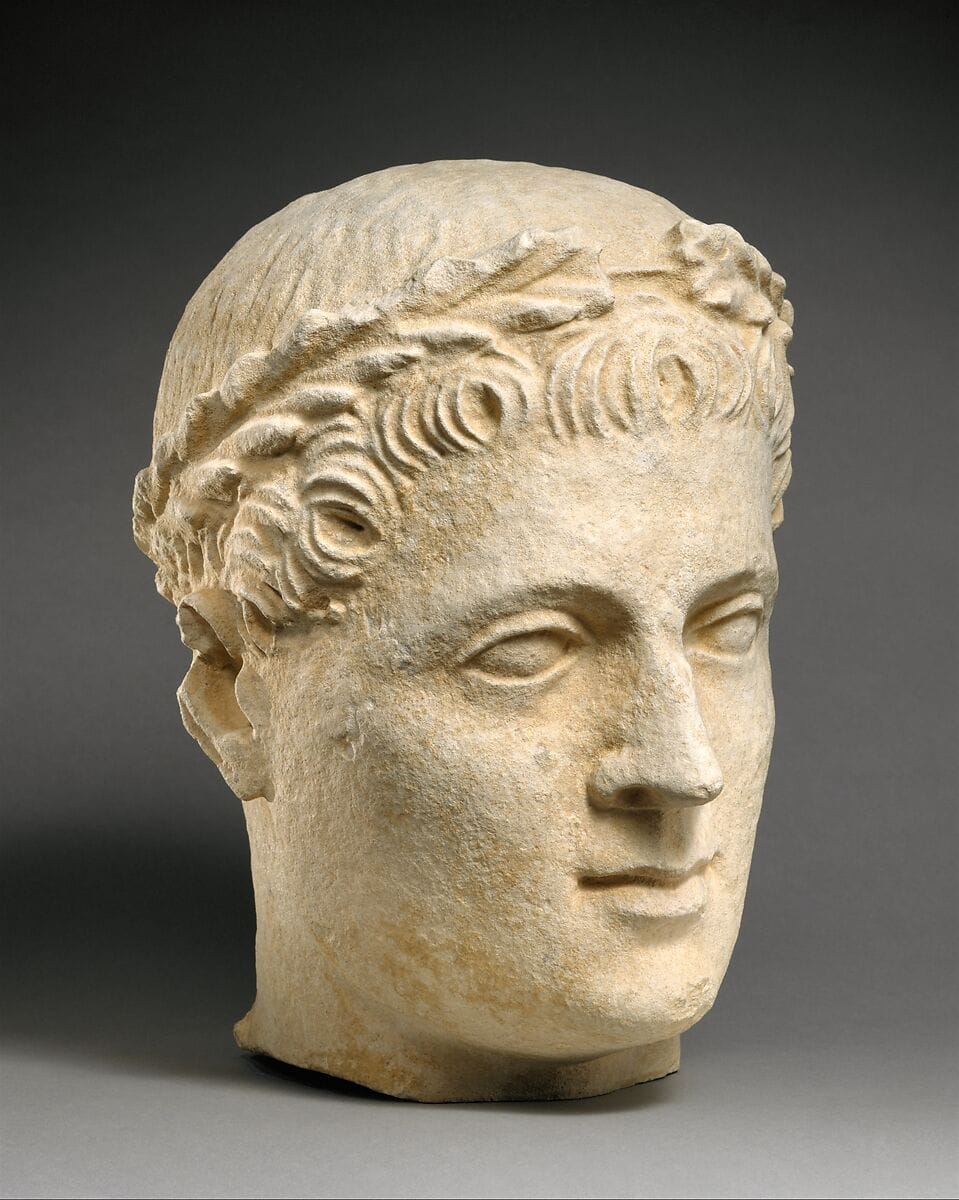
Limestone head of beardless male votary with wreath of leaves
Hellenistic
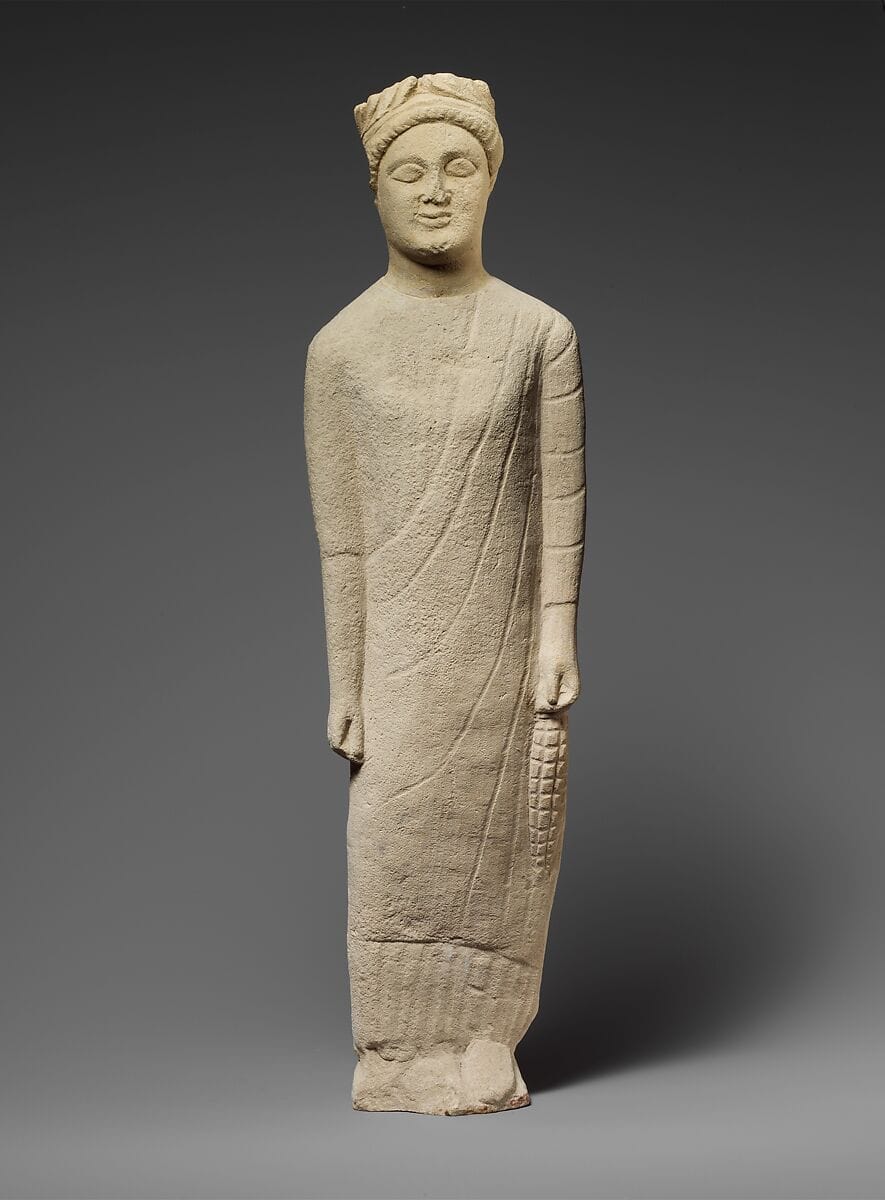
Limestone statuette of a beardless male votary with a wreath of leaves
Classical