
Lecture·Archaeological Research Unit - University of Cyprus·2021
Mapping Shipwreck Archaeologies in the Eastern Mediterranean: The Sites, the People and the Environment
Anna Demetriou
Chapters
About the lecture
Anna Demetriou presents the aims and methodology of SHARE (Mapping Shipwreck Archaeologies in the Eastern Mediterranean: The Sites, the People and the Environment), a postdoctoral project at the University of Cyprus coordinated by Stella Demesticha and funded by the Onassis Foundation. The project traces the development of shipwreck archaeology across the Aegean and Levantine seas from the 1960s onwards, examining sites from prehistory to the 19th century AD through their archaeological, intellectual and social contexts.
Drawing on her doctoral catalogue of 741 wrecks in the Eastern Mediterranean, Demetriou first reviews the archaeological evidence. Only 70 result from ritual deposition or abandonment; the rest are accidental wrecks. Twenty-eight date to the Bronze Age, and 44 of the 113 excavated wrecks preserve hull structure in anoxic conditions. Most are merchant vessels known through their cargoes.
She then outlines the history of the discipline in the region, from Honor Frost and George Bass's 1960 Cape Gelidonya excavation to the Institute of Nautical Archaeology in Turkey, French work in Egypt, and projects by Greek, Israeli and Turkish institutions. In Cyprus, the University of Cyprus's Maritime Archaeological Research Laboratory began work in the 2000s, excavating the Classical Mazotos wreck, partially excavating the Ottoman Nisia wreck, and documenting the Roman site at Protaras.
Finally, Demetriou examines the social context of underwater sites, drawing on ethnographic research around three wrecks in Cyprus, including Kyrenia and Mazotos. She discusses how the physical constraints of diving shape divers' attachment to sites and the practices of maritime archaeologists, before outlining SHARE's student collaborations, oral history interviews with archaeologists and Cypriot volunteer divers, and open-access database.
From our collection
Pieces in the Drakopoulos collection of the kinds and periods this talk covers: Cypro-Classical.
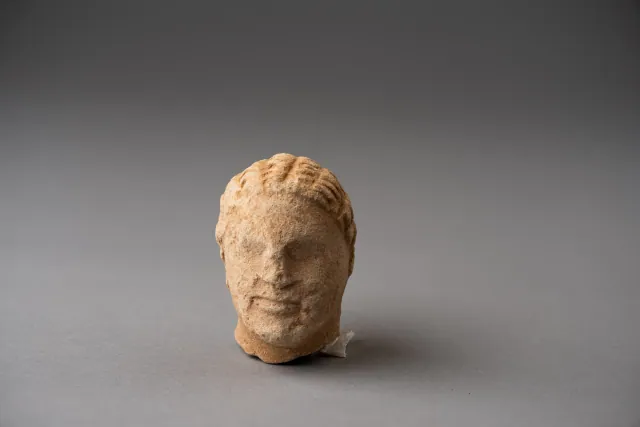
Limestone Head of a Boy, probably from a Temple Boy Statuette
Cypro-Classical
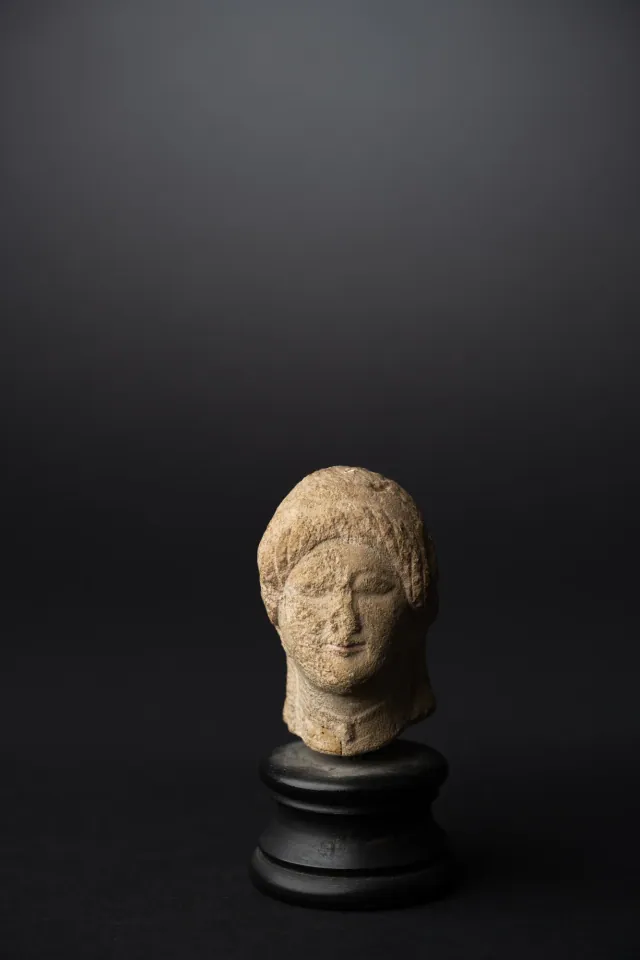
Limestone Head of a Votary with a Wreath
Cypro-Classical
Background
Where to read more on this site before or after watching.
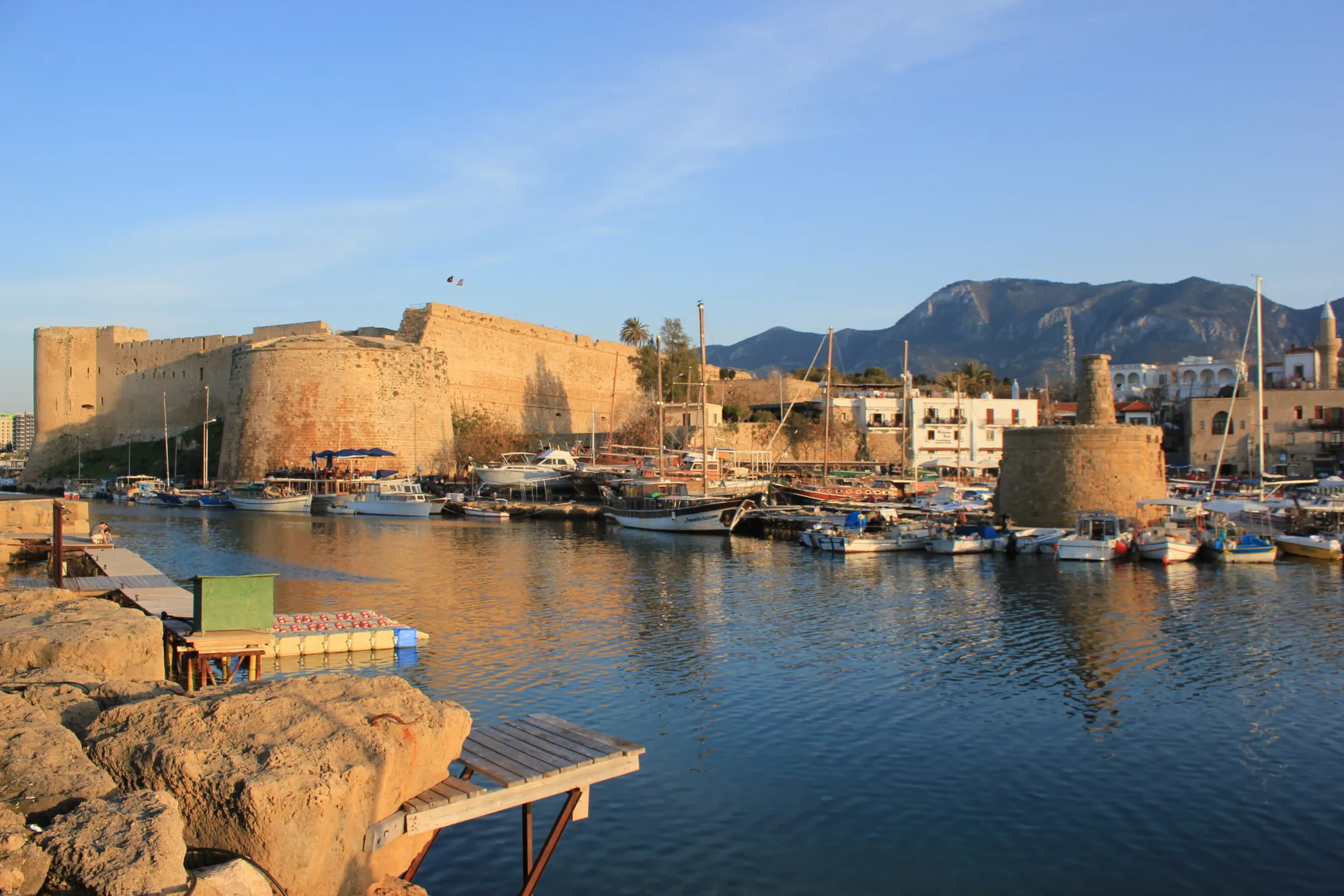
The site
Kyrenia
Ancient Keryneia lies under the old town of Kyrenia (Girne) round its small harbour on the north coast. The town was never excavated: it is known from tombs cleared in the 1960s and early 1970s, from a few texts and inscriptions, and from the merchant ship that sank off it around 300 BC, now shown in Kyrenia Castle.
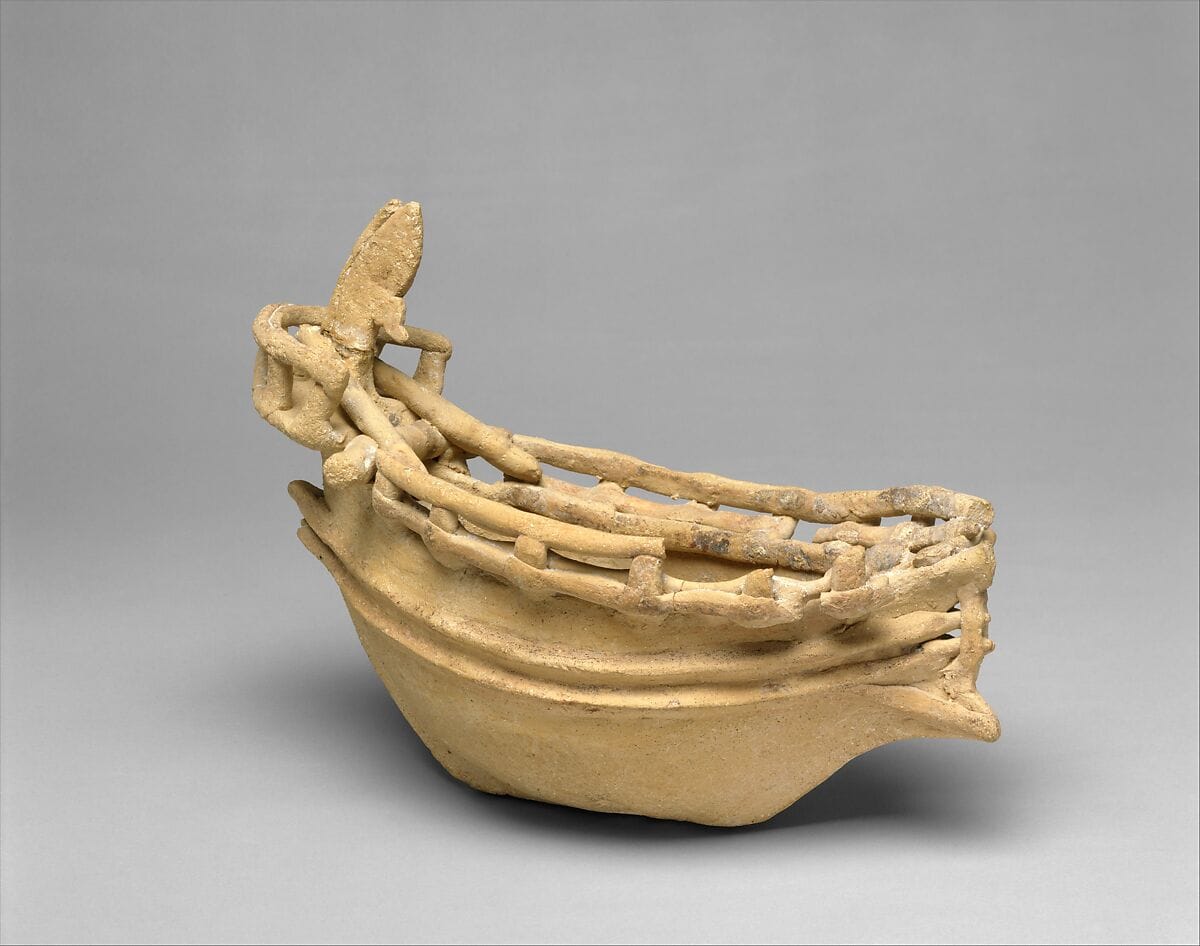
In the compendium
Seafaring and Ships in Ancient Cyprus
The evidence for boats and seafaring around Cyprus from the first crossings to the Classical period, from anchors, models and graffiti to wrecks and shipsheds.
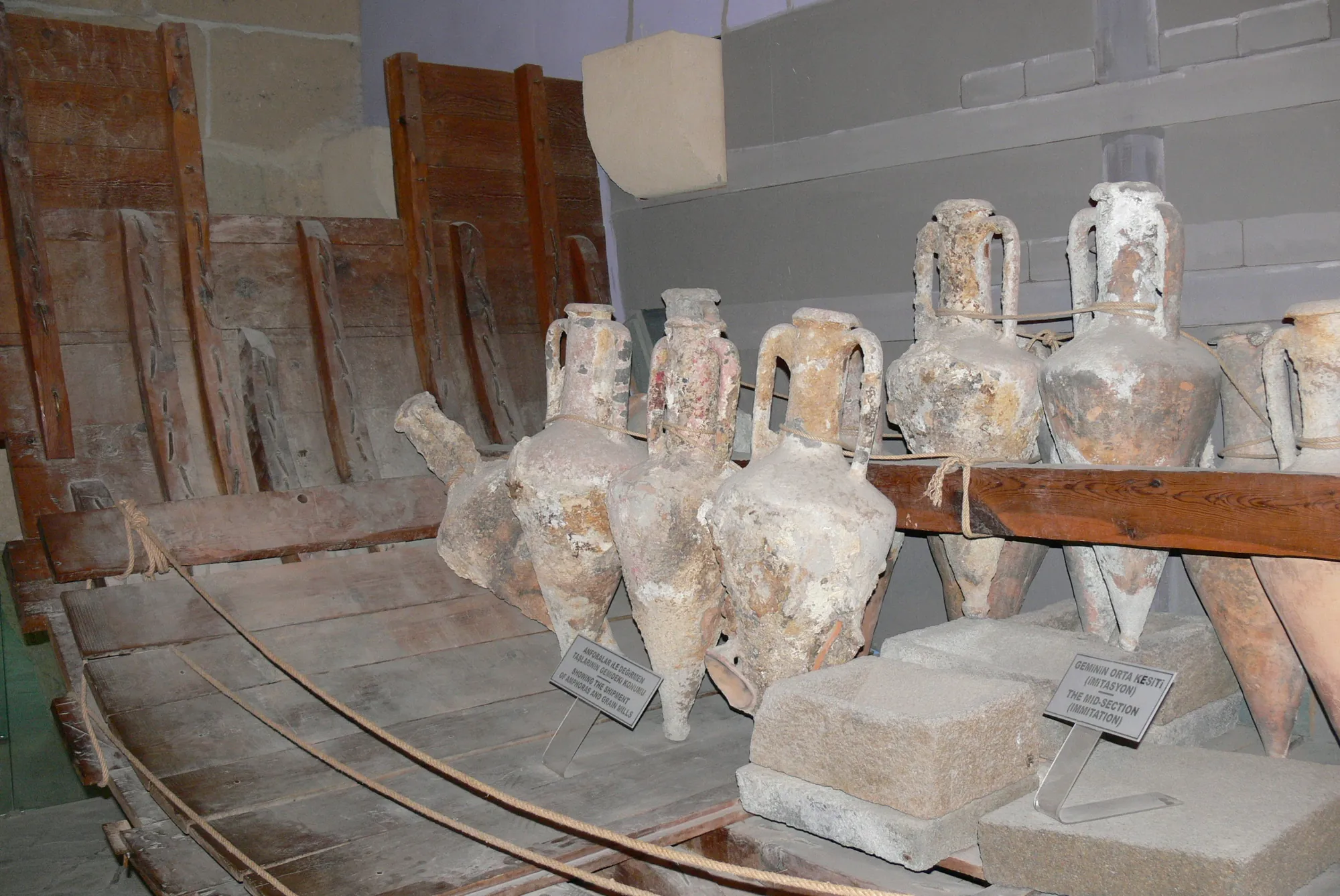
In the compendium
Antiquities from the Sea: Amphorae, Wrecks and Divers off Cyprus
Finds at sea under the Antiquities Law, Cyprus and the 2001 UNESCO convention, the few cases of removal and seizure, sea-found amphorae on the market, and the lawful work beside them.

The period
Cypro-Classical
The last phase of the Cypriot city-kingdoms, c. 480–310 BCE, under loose Persian overlordship, ending when Ptolemy I abolished the kings.
Map of Cyprus
Places discussed in the talk
- Has a page on this site
- Other places
- Ground above 200, 500, 1,000 m
Places
- 1Mazotos (approx.)
- 2Kyrenia