
Video essay·History with Cy·2020
Ancient Cyprus during the Bronze and Early Iron Age
Chapters
About the video
Produced by the History with Cy channel, this short video surveys the history of Cyprus from around 3000 BCE to the Roman takeover in 58 BCE. It opens with the island's geography and copper resources, tracing how early farming communities entered Eastern Mediterranean maritime trade networks dealing in metals, grain, ceramics, ivory, alabaster, and precious stones.
From 0:02:00 the narrator turns to the earliest written references to the island as Alashiya, starting around 1900 BCE in the archives of Mari and continuing in Egyptian and Hittite texts. He notes how longboats and harbours connected Cyprus to Ugarit, Byblos, Tyre, southern Anatolia, the Nile Delta, Sicily, and Sardinia, and mentions the Akkadian correspondence between the kings of Alashiya and Pharaoh Akhenaten in the Amarna Letters alongside the local Cypro-Minoan script, attested on around 250 clay tablets and objects from Cyprus and Ugarit.
At 0:04:00 the video summarizes debates over Mycenaean settlement versus trade, the presence of Greek-speaking communities after the 13th and 12th century BCE collapse, and the disputed account of Ramesses III regarding destruction by the Sea Peoples. Moving into the first millennium BCE, it cites Esarhaddon's prism, which names the island Yadnana and records ten kingdoms there, before contrasting Phoenician trading cities such as Kart Hadasht (Kition) with the Greek centre at Salamis.
The final section (0:06:26) outlines Persian rule from 525 BCE, the Cypriot revolt of 499 to 497 BCE, Cimon's campaign around 450 BCE, the contribution of 120 Cypriot warships to Alexander the Great's siege of Tyre in 332 BCE, and Ptolemy's takeover of the ten kingdoms, retaining only Nicocreon of Salamis, until Roman rule in 58 BCE.
From our collection
Pieces in the Drakopoulos collection of the kinds and periods this talk covers: Cypro-Geometric, Cypro-Archaic, Hellenistic.
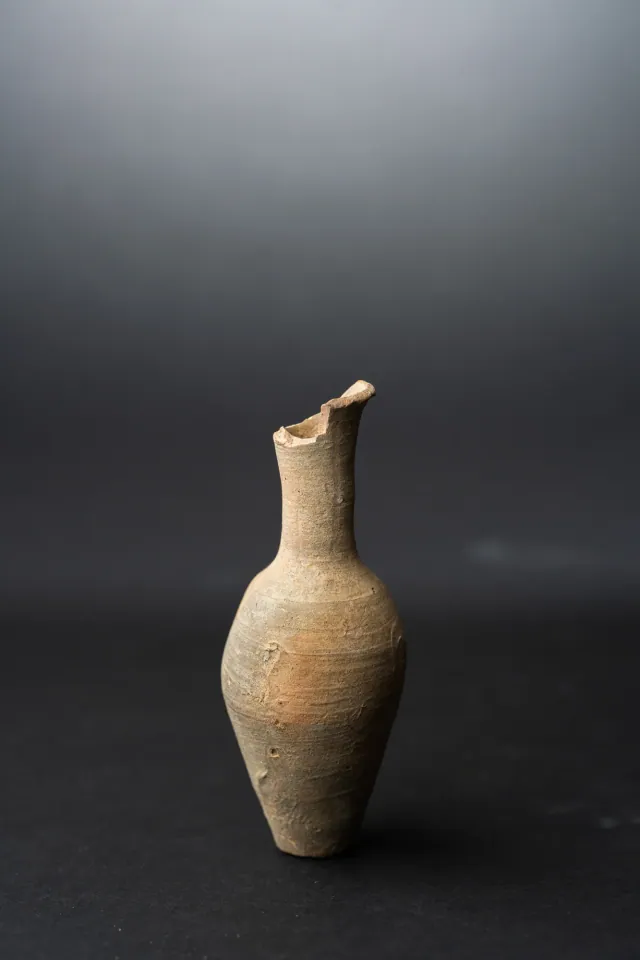
Fusiform Unguentarium
Hellenistic
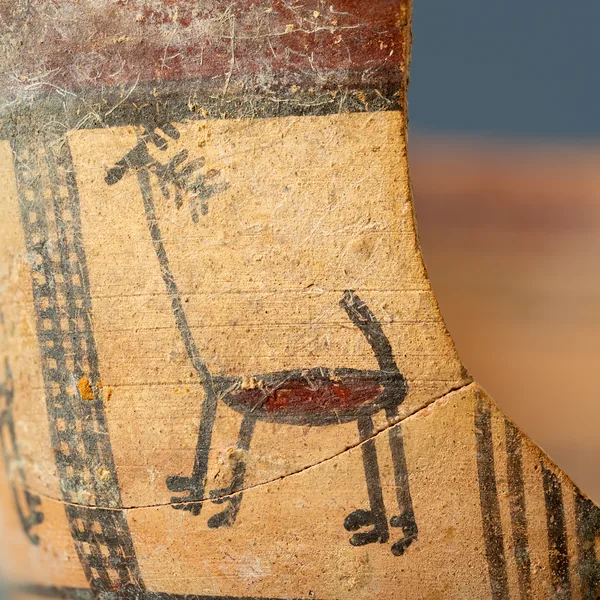
Bichrome Skyphos with Stags in Metopes
Cypro-Archaic
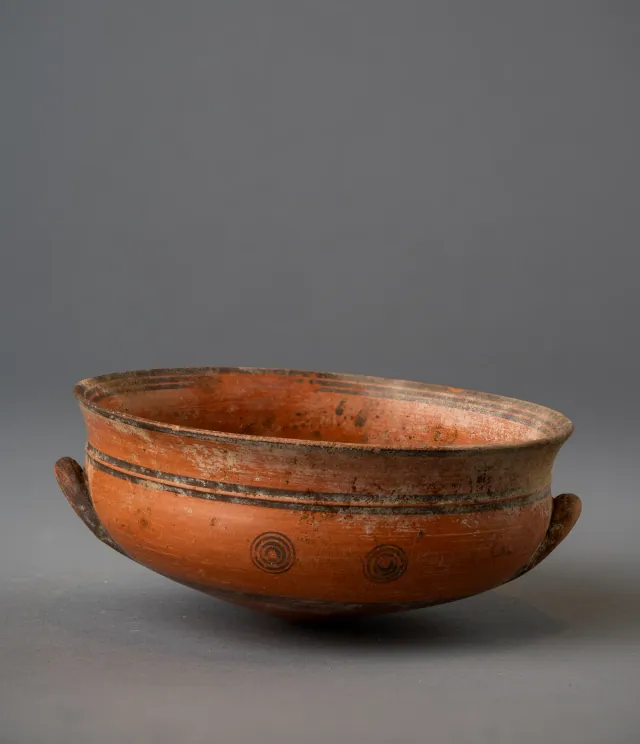
Black-on-Red Two-Handled Bowl with Raised Flaring Rim
Cypro-Archaic
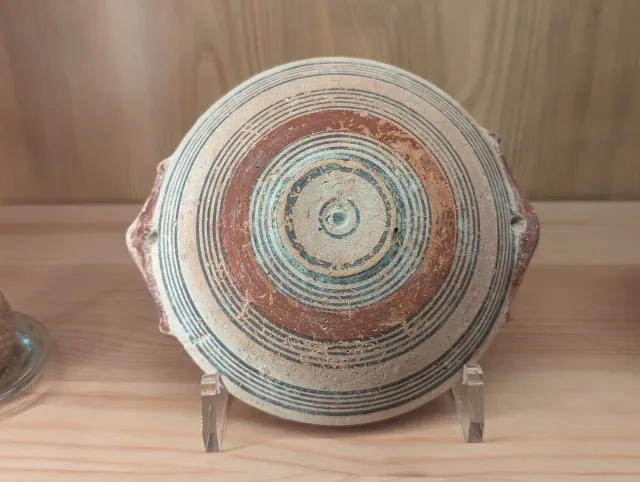
Bichrome IV Bowl with Red-Painted Pierced Lug Handles
Cypro-Archaic
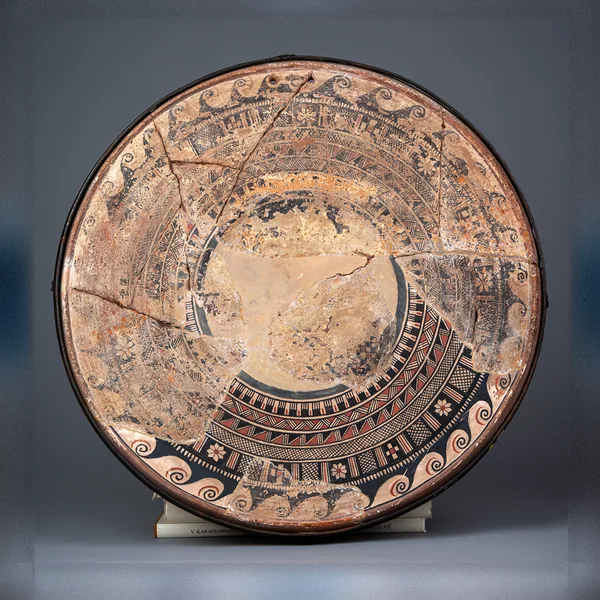
Large Bichrome Plate from Salamis with a Wave Band and Rosette Metopes
Cypro-Archaic
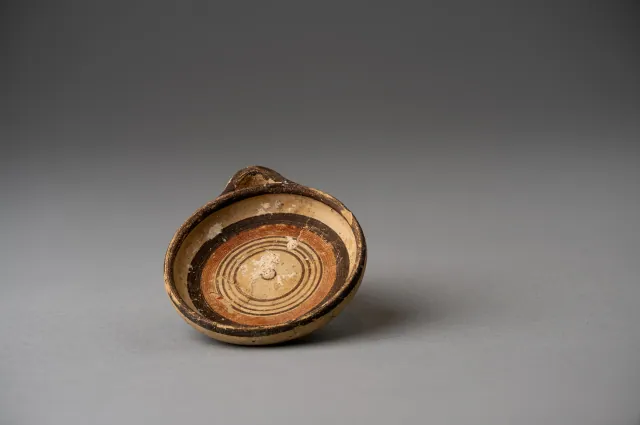
Miniature Bichrome Plate with Concentric Circles
Cypro-Archaic
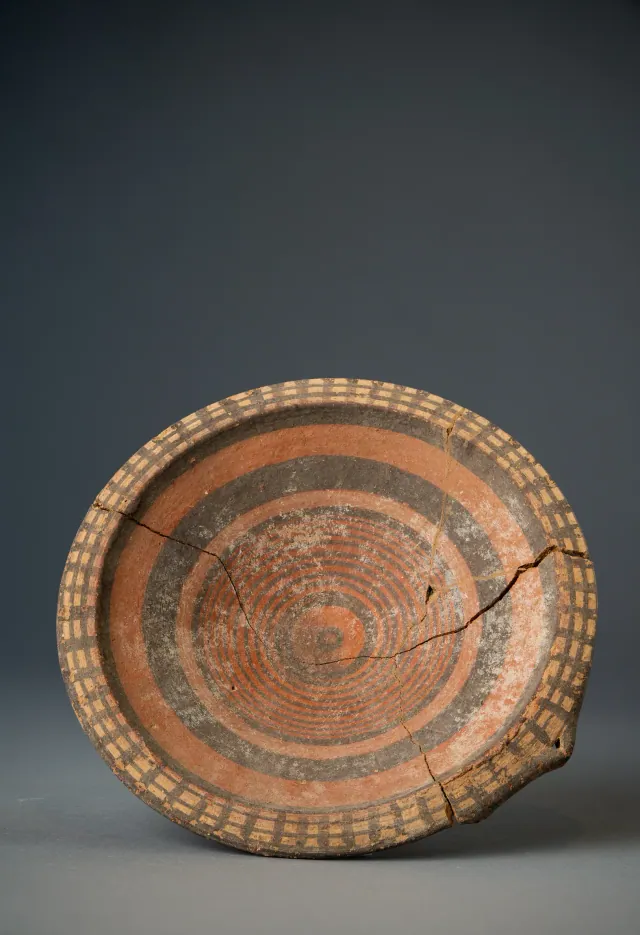
Black-on-Red Plate with Barred Rim and Concentric Circles
Cypro-Archaic
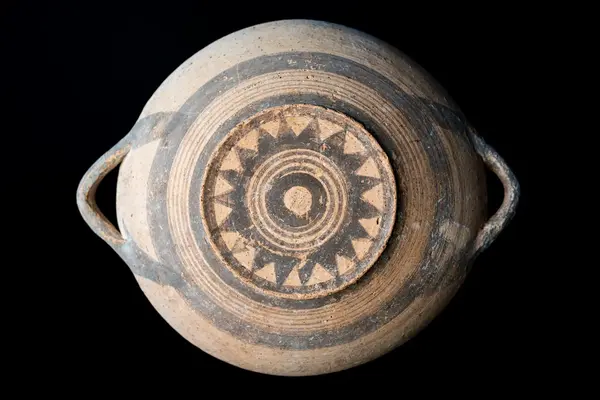
White Painted Plate with a Sawtooth Star on the Underside
Cypro-Geometric
Found at the places discussed
Objects in our catalogue, in museum collections, recorded as found at these sites.


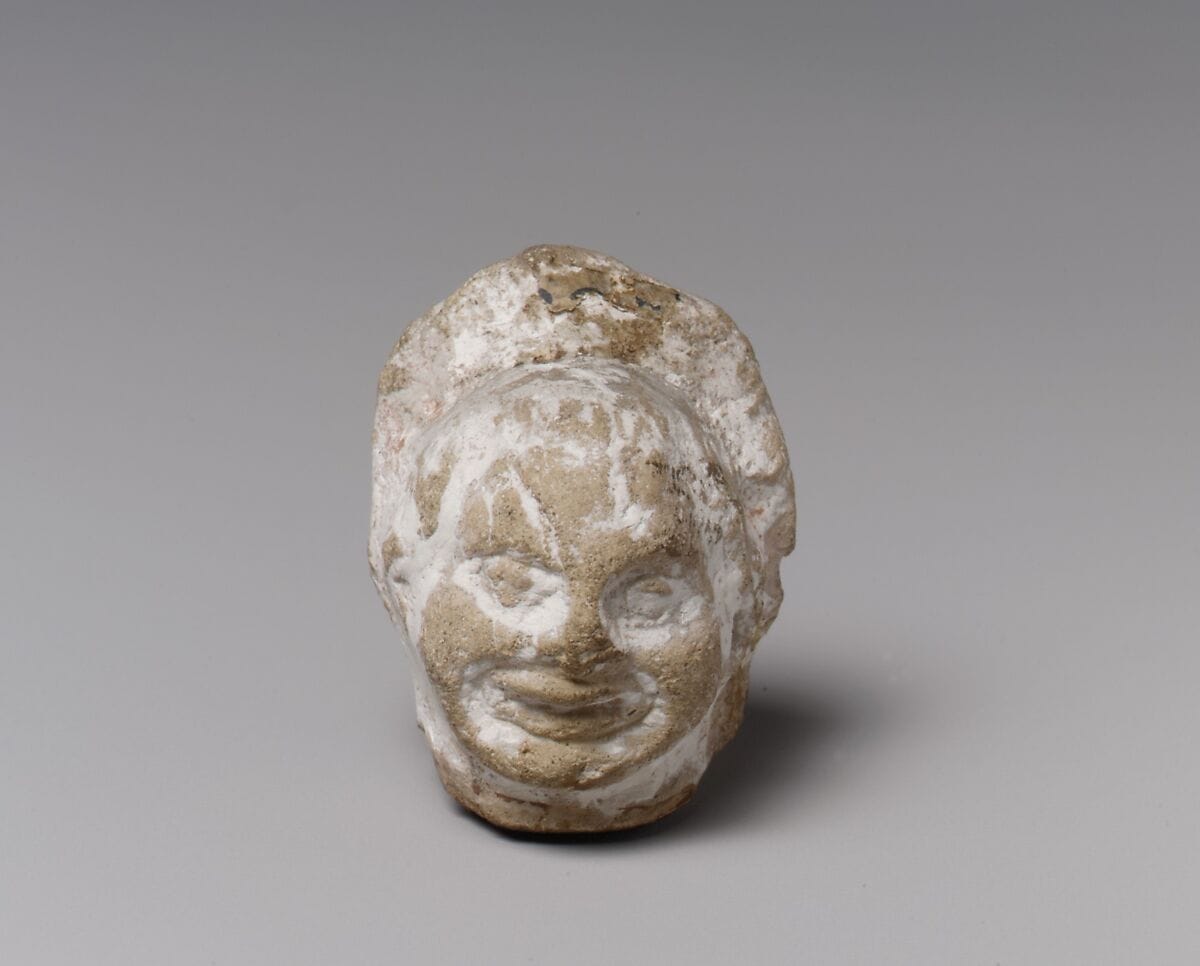
Background
Where to read more on this site before or after watching.
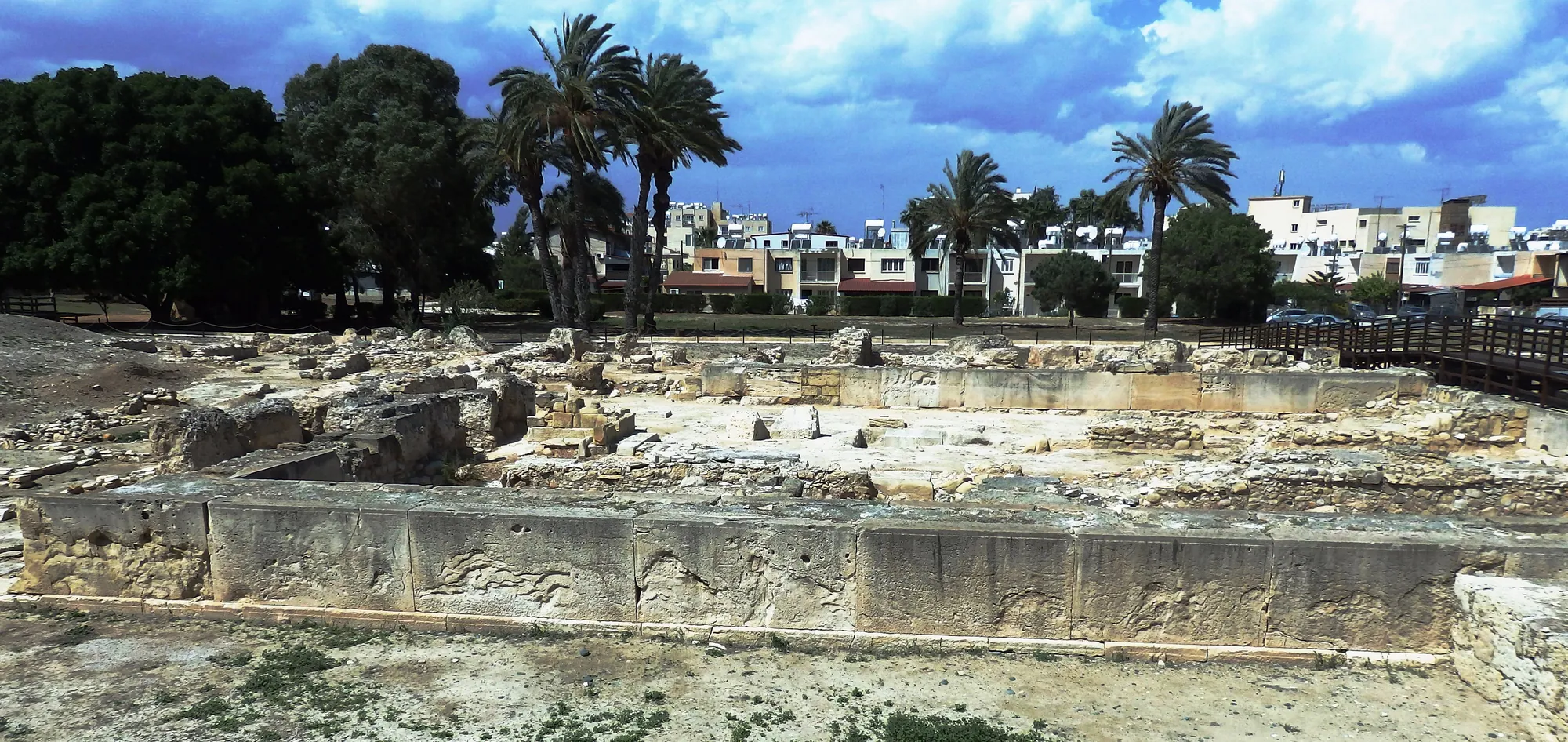
The site
Kition
Kition lies under modern Larnaca on the south-east coast. It was founded as a harbour town in the 13th century BC, with temples and copper workshops in its sacred quarter at Kathari. After a long gap the Phoenicians rebuilt the main temple for Astarte, and from the 5th century BC the city was the seat of a Phoenician dynasty with a war harbour of ship sheds at Bamboula. Its last king was put to death by Ptolemy I in 312 BC, but the city lived on into the Roman period and beyond.
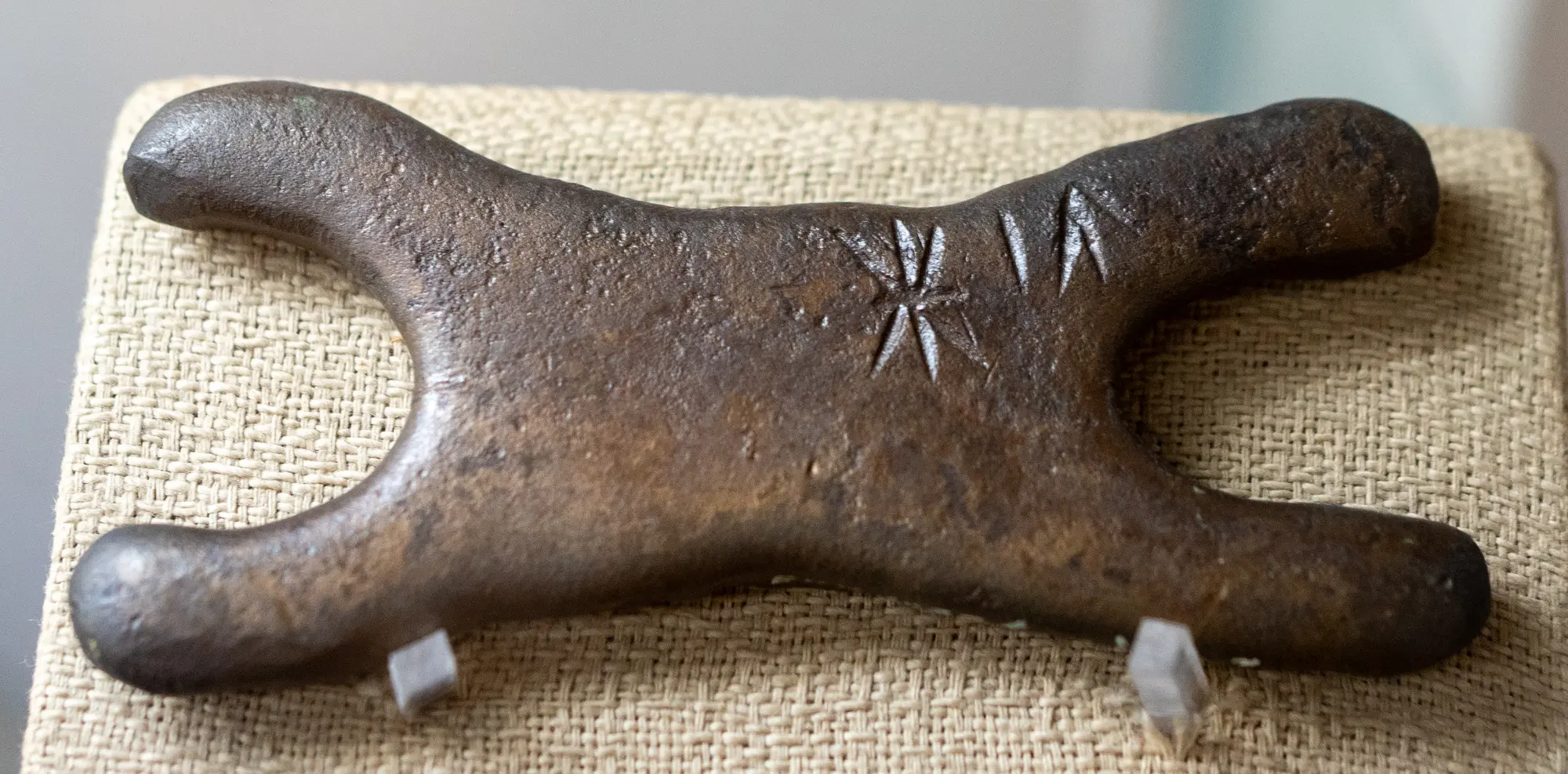
In the compendium
Copper Metallurgy in Ancient Cyprus
The mining, smelting and casting of the Troodos sulphide ores, from hammered Chalcolithic native copper to Late Bronze Age oxhide ingots and Archaic slag heaps.
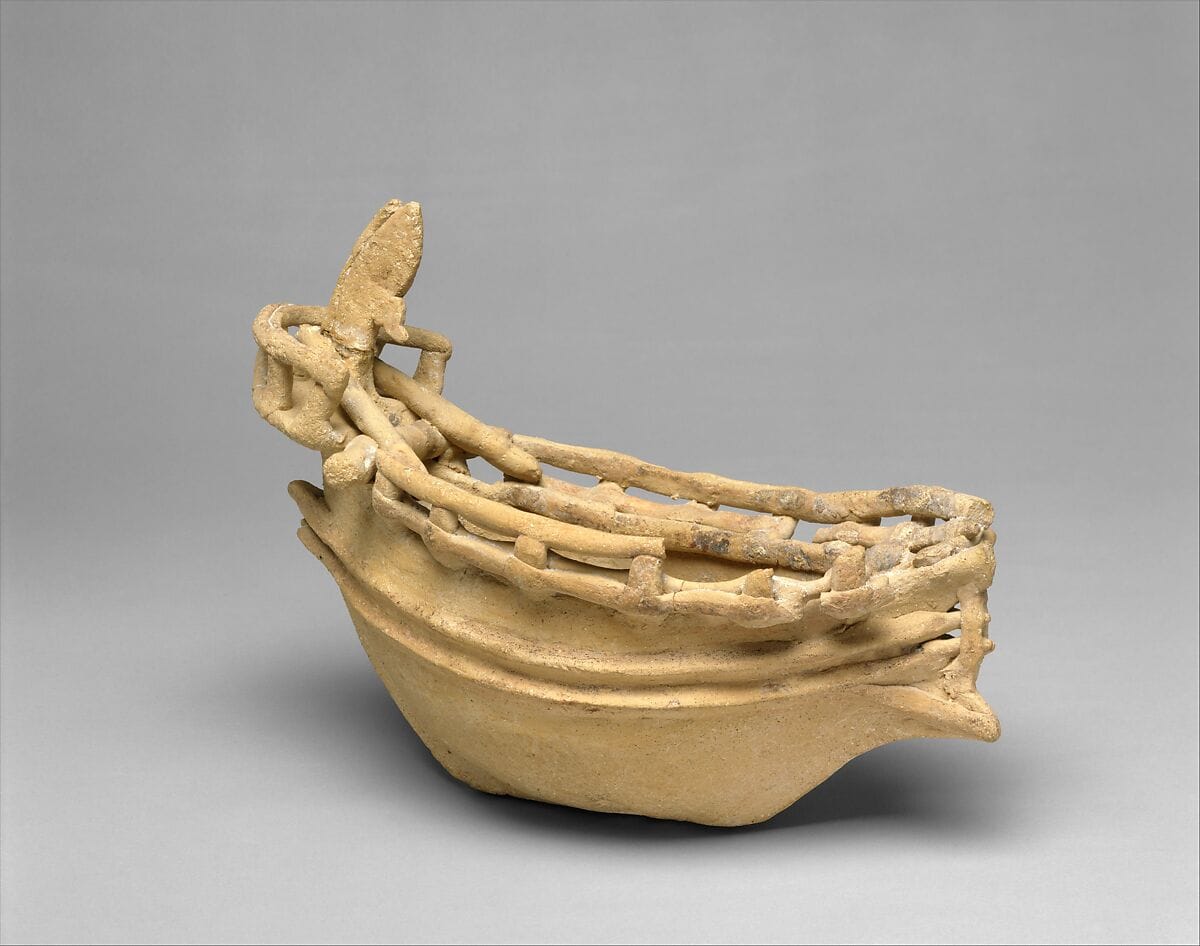
In the compendium
Seafaring and Ships in Ancient Cyprus
The evidence for boats and seafaring around Cyprus from the first crossings to the Classical period, from anchors, models and graffiti to wrecks and shipsheds.
In the compendium
Writing and Literacy in Ancient Cyprus
The scripts of ancient Cyprus, from undeciphered Cypro-Minoan to the Cypriot Syllabary, Eteocypriot, Phoenician and the Greek alphabet, and who used them.