
Video essay·Wanax TV·2026
Who were the Ekwesh? (Sea Peoples and the Achaeans)
This video covers more than Cyprus. The description below concentrates on its Cypriot parts, the first of which begins at 12:02.
Chapters
About the video
In this livestreamed episode from Wanax TV, the presenter examines the Ekwesh, one of the Sea Peoples recorded in Egyptian sources during the reign of Pharaoh Merneptah. The video as a whole covers the 1208 BC Battle of Perire, where the Ekwesh fought alongside the Libyans and other sea-raiding groups, and evaluates the scholarly identification of the Egyptian name Ekwesh (or Akawasha) with the Hittite Ahhiyawa and the Mycenaean Achaeans.
Responding to viewer questions in the opening section, the presenter gives an overview of the kingdom of Alashiya on Cyprus during the Late Bronze Age. He describes Alashiya's role in copper exports, its correspondence with Egyptian pharaohs in the Amarna letters as an equal, and Hittite claims that the island was a tributary state. He also mentions the late 15th-century BC raids on Cyprus under Attarissiya, and states that around 1180 BC the kingdom of Alashiya was invaded and destroyed by the Sea Peoples, followed by Mycenaean settlement, the rise of Greek city-kingdoms, local Mycenaean and Submycenaean pottery production, and the use of the Cypriot Syllabary to write Greek. He briefly addresses a viewer's suggestion that Ekwesh might refer to Enkomi, rejecting it because Egyptian sources already had a name for Cyprus.
Later, while discussing the fall of the Hittite Empire and Ugarit, the presenter cites the correspondence between the last king of Ugarit, Ammurapi, and the governor of Alashiya, noting the governor's reply that the king's own people were fighting among the attacking Sea Peoples. When weighing possible northern homelands for the Ekwesh, he again excludes Cyprus because it was a long-standing Egyptian trading partner and was itself attacked by the Sea Peoples.
From our collection
Pieces in the Drakopoulos collection of the kinds and periods this talk covers: Mycenaean pottery, Late Cypriot (Late Bronze Age), Cypro-Geometric.
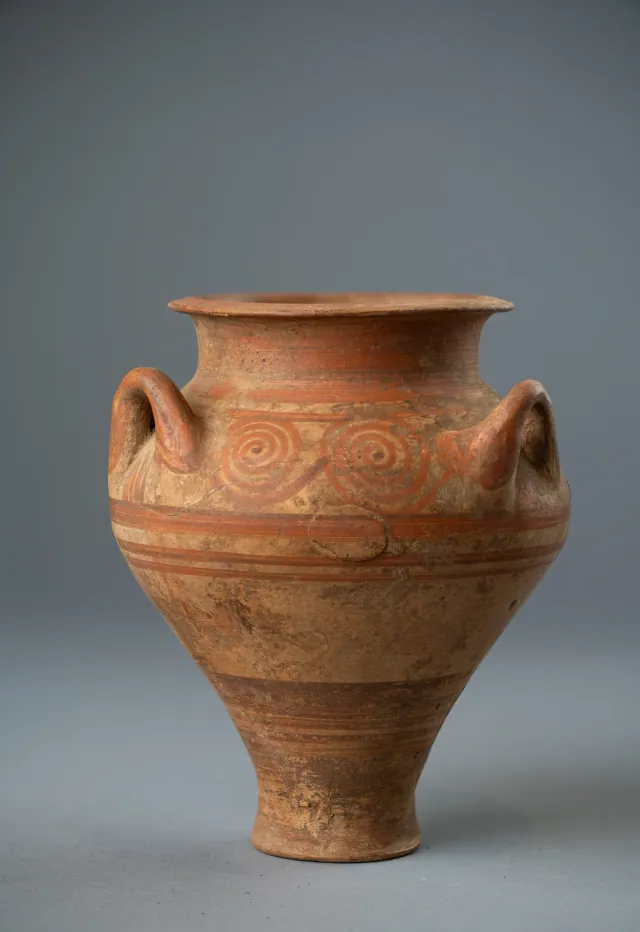
Cypriot Three-Handled Jar in the Mycenaean Style with Running Spirals
Mycenaean pottery
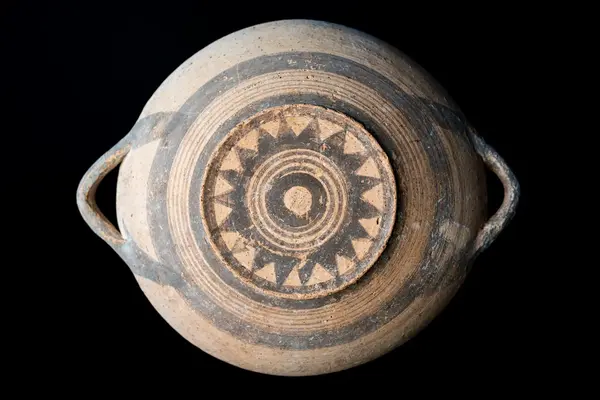
White Painted Plate with a Sawtooth Star on the Underside
Cypro-Geometric
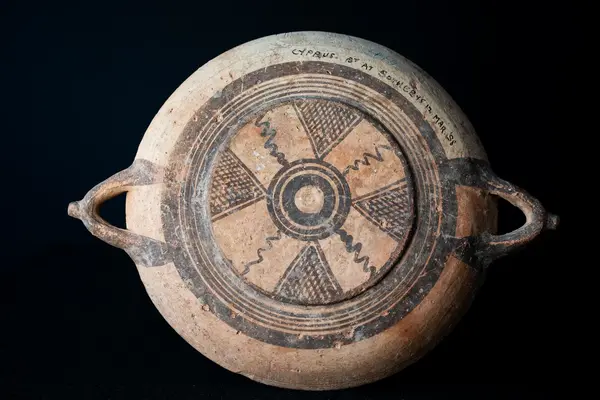
White Painted Plate with Latticed Triangles and Wavy Lines on the Underside
Cypro-Geometric
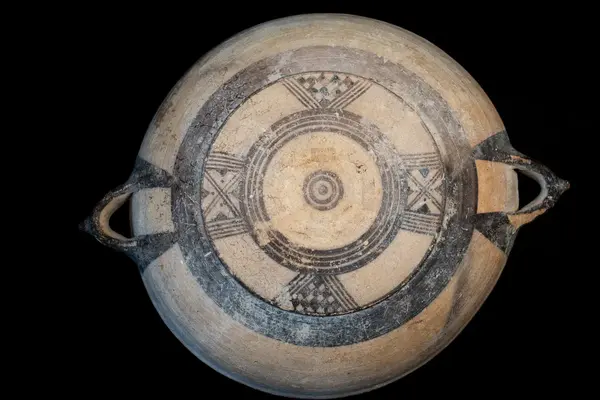
Large White Painted Plate with Knobbed Handles and a Four-Armed Cross on the Underside
Cypro-Geometric
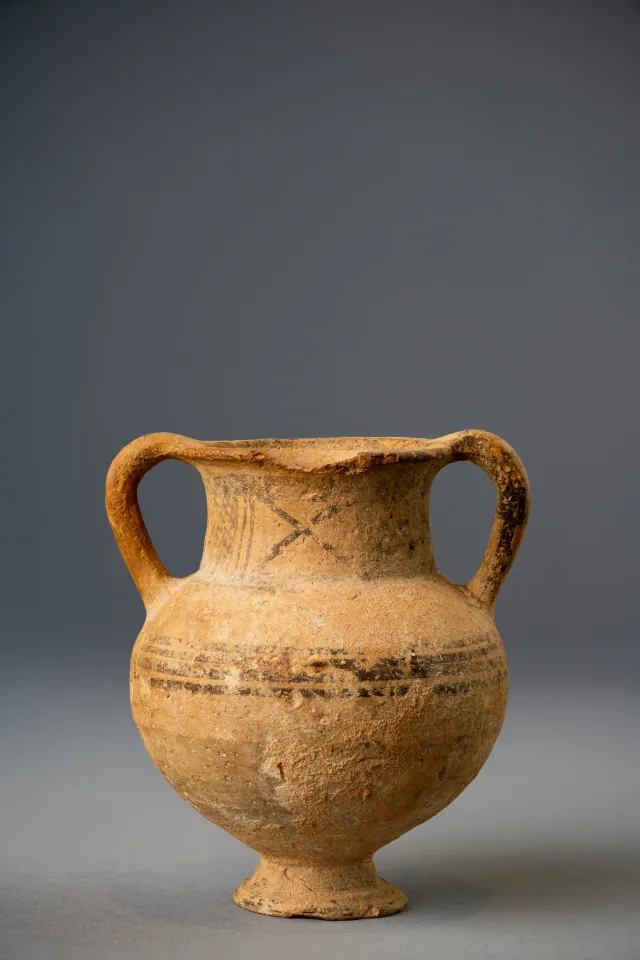
White Painted Amphoriskos on a Conical Foot
Cypro-Geometric
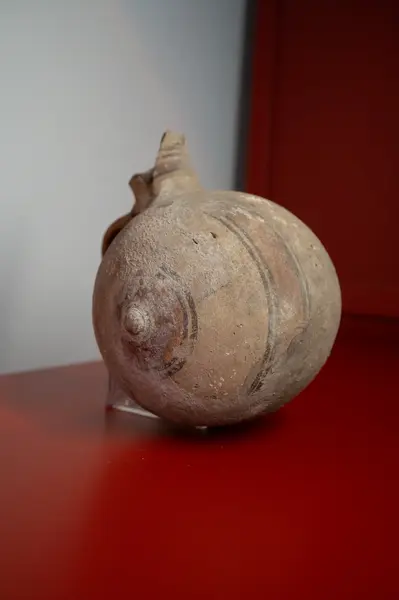
Bichrome Barrel Jug with Circled End-Knobs
Cypro-Geometric
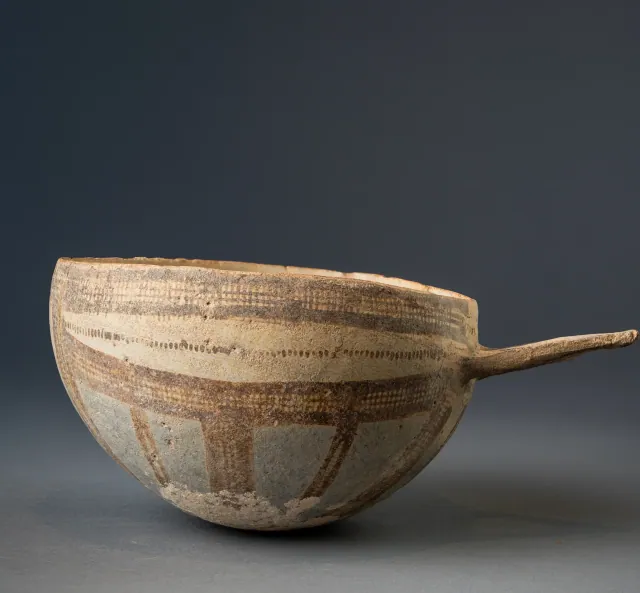
White Slip II Hemispherical Bowl with Wishbone Handle
Late Cypriot (Late Bronze Age)
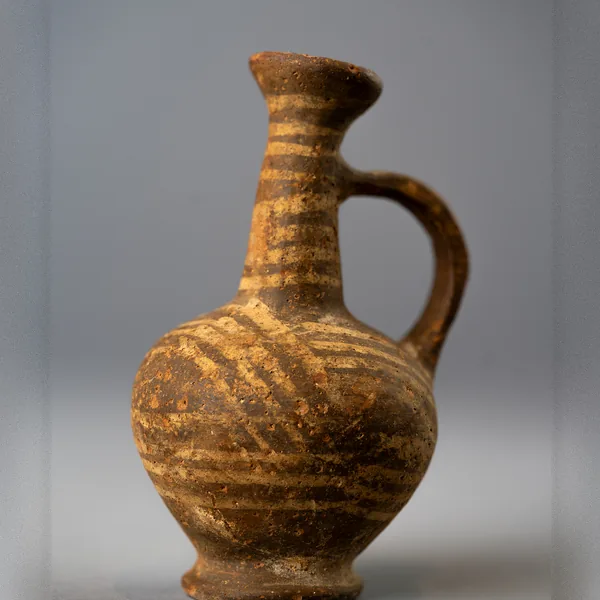
Base Ring II Bilbil Juglet with White-Painted Bands
Late Cypriot (Late Bronze Age)
Found at the places discussed
Objects in our catalogue, in museum collections, recorded as found at these sites.


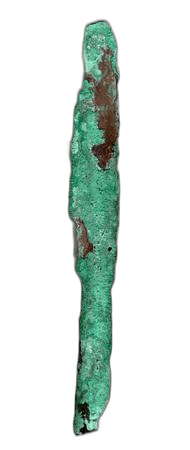
Background
Where to read more on this site before or after watching.
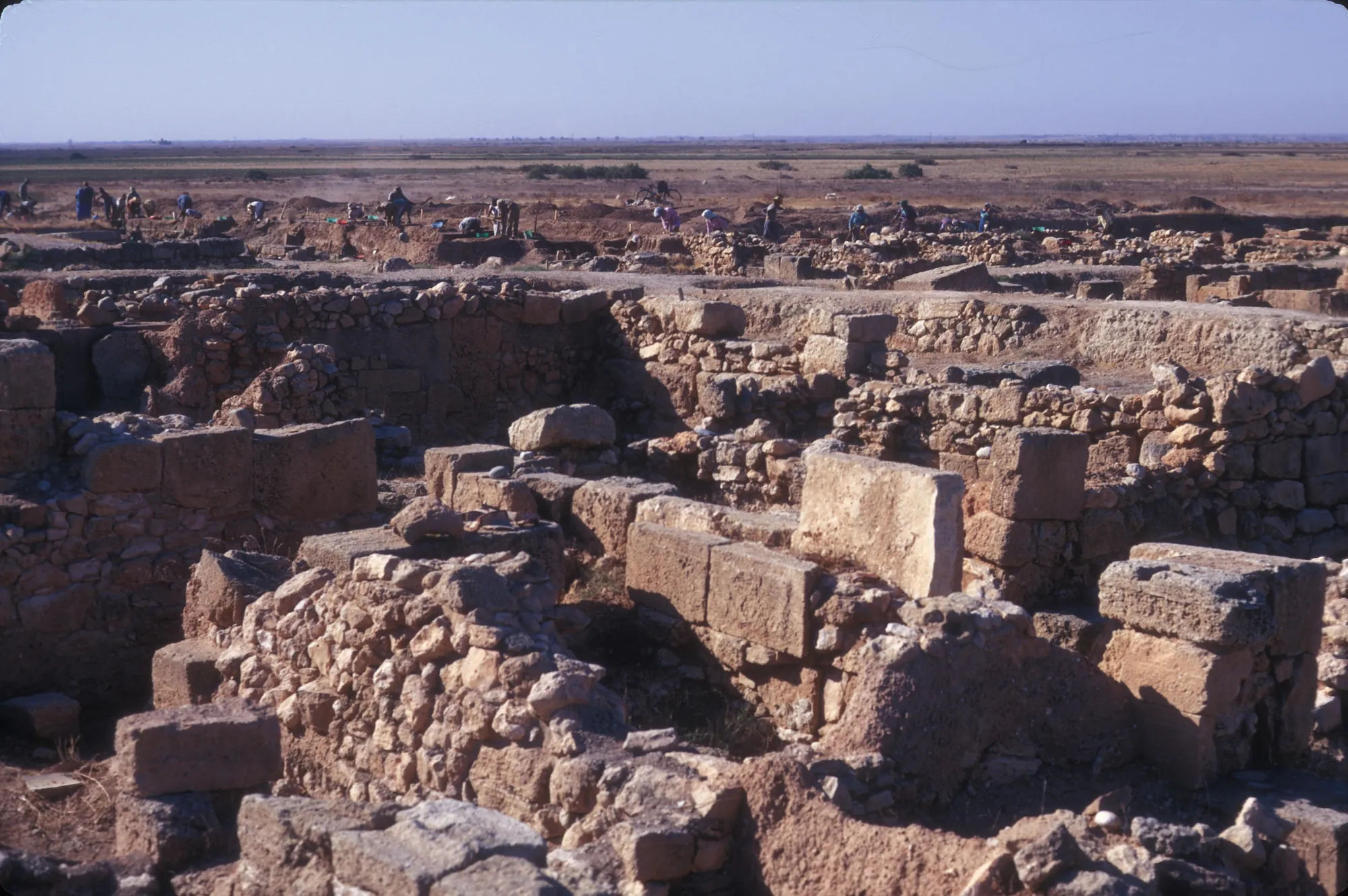
The site
Enkomi
Enkomi is a walled Late Bronze Age town near the mouth of the Pedieos river on the bay of Famagusta, lived in from about 1650 BC until it was gradually abandoned for nearby Salamis. It was a port for Cypriot copper, and its excavations produced metal workshops, sanctuaries with bronze cult statues, rich tombs and the largest group of Cypro-Minoan inscriptions on the island.
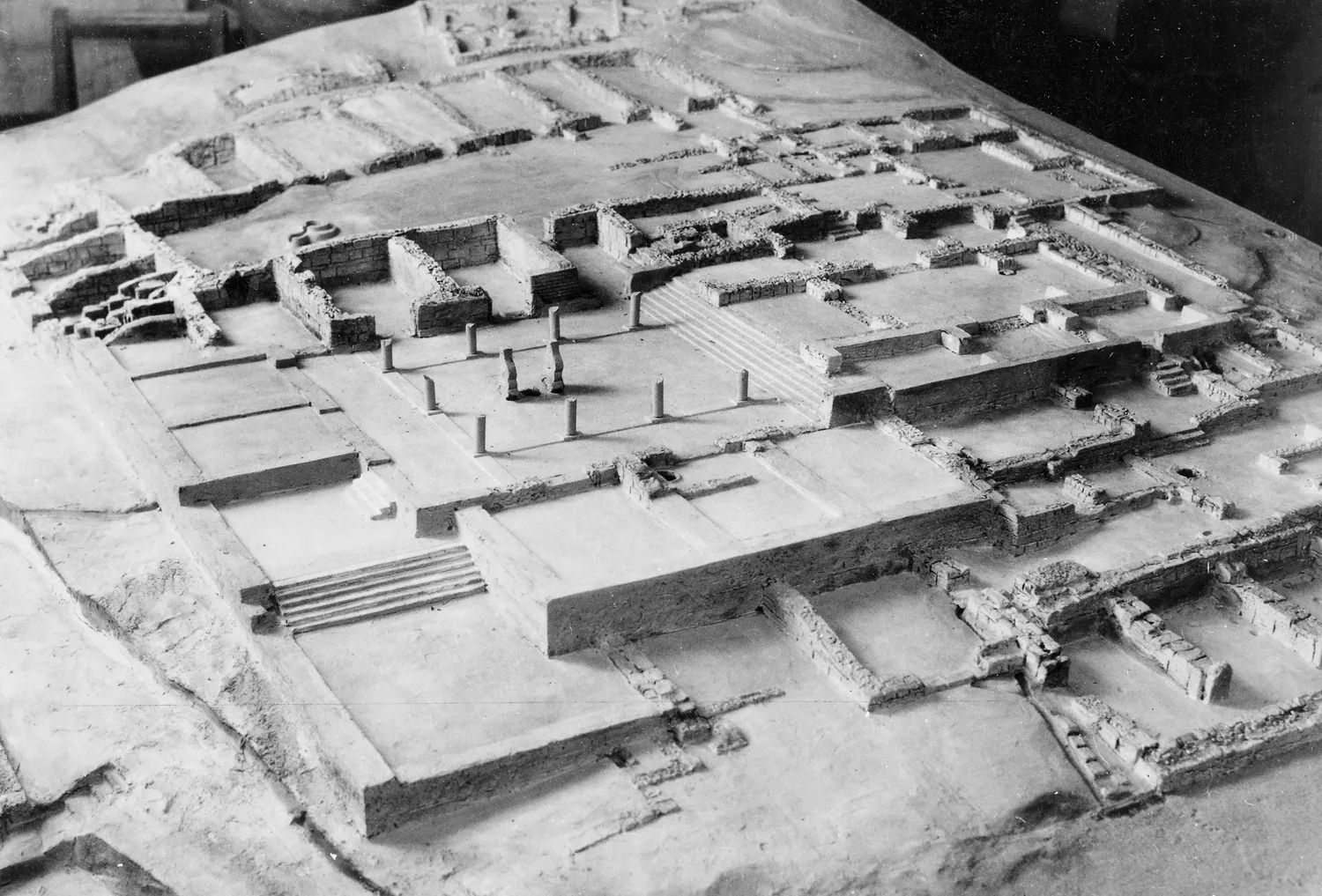
In the compendium
Iron Age Cities and Palaces
The capitals of the Iron Age kingdoms of Cyprus, their palaces at Vouni, Amathus, Idalion and Palaepaphos, their houses, and the volute and Hathor capitals of the period.
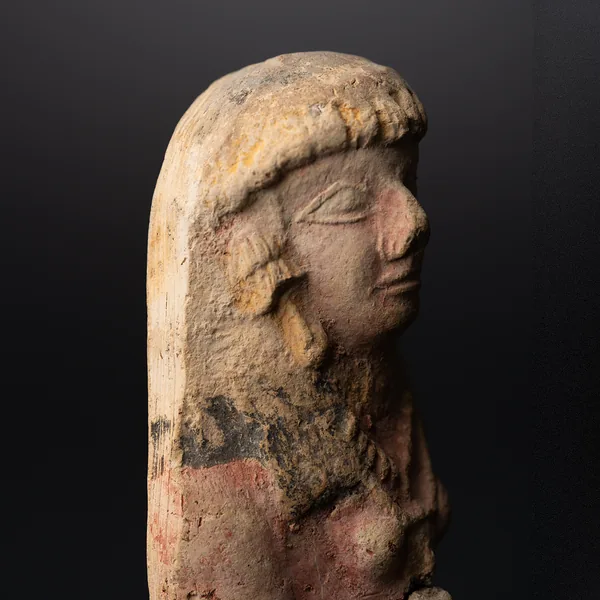
In the compendium
Egypt
Ancient Egypt, Cyprus's partner in copper, pottery and prestige goods from the Middle Kingdom to the Ptolemies, who annexed the island.
In the compendium
Hittite Empire and Cyprus
The Late Bronze Age Anatolian empire that claimed Alashiya as a tributary but left almost no material trace on Cyprus.