
Video essay·Wanax TV·2025
Battle of the Nile Delta (Sea Peoples' Invasion of Egypt c. 1175 BC)
This video covers more than Cyprus. The description below concentrates on its Cypriot parts, the first of which begins at 28:27.
Chapters
About the video
In this livestreamed episode from Wanax TV, the host reconstructs the Sea Peoples' campaigns at the end of the Late Bronze Age, focusing on the land Battle of Djahy and the naval Battle of the Nile Delta against Pharaoh Ramesses III of Egypt around 1175 BC. Before reaching Egypt, the video traces the decline of the Hittite Empire under Suppiluliuma II and the wars that brought down Hattusa and Ugarit.
Cyprus enters the narrative during the collapse of the eastern Mediterranean powers and in the settlement discussion at the end. In the first segment, the presenter recounts Suppiluliuma II's claim of victory over the kingdom of Alashiya on Cyprus, Ugaritic pleas for aid to the king of Alashiya during naval fighting in Lukka, and the reply from the Alashiyan governor Eshuwara that Ugarit's own people were among the raiders. Between 1180 and 1175 BC, the Sea Peoples coalition destroyed Alashiya, as recorded in Ramesses III's Medinet Habu inscription. The speaker argues that Greek groups within this coalition conquered Cyprus and settled there immediately after Alashiya's fall.
In the aftermath and during the live question-and-answer session, the host describes the emergence of Cypriot city-kingdoms. He highlights Salamis (confirming in response to a viewer that the Trojan War hero Teucer was its mythical founder), Paphos, and Kition, which he characterises as a mixed Greek and Phoenician city where both populations held religious and political positions. He concludes by listing other kingdoms on the island: Kourion, Marion, Soloi, Lapithos, Chytroi, and the inland kingdoms of Tamassos, Idalion, and Ledrai, which he notes retained larger Eteocypriot populations.
From our collection
Pieces in the Drakopoulos collection of the kinds and periods this talk covers: Cypro-Archaic.
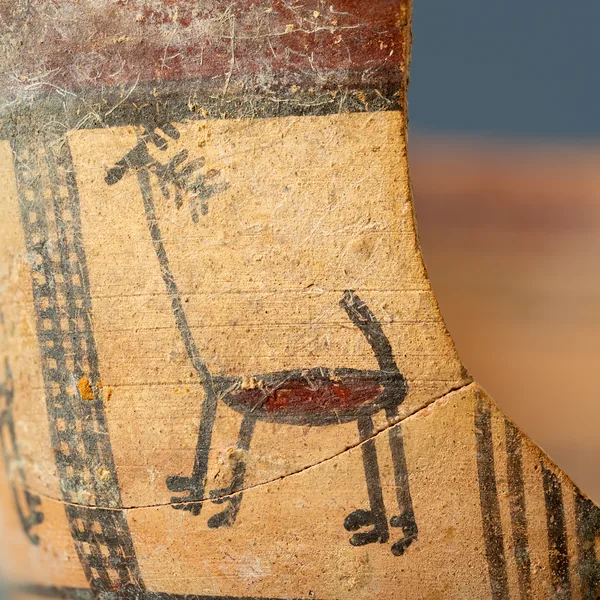
Bichrome Skyphos with Stags in Metopes
Cypro-Archaic
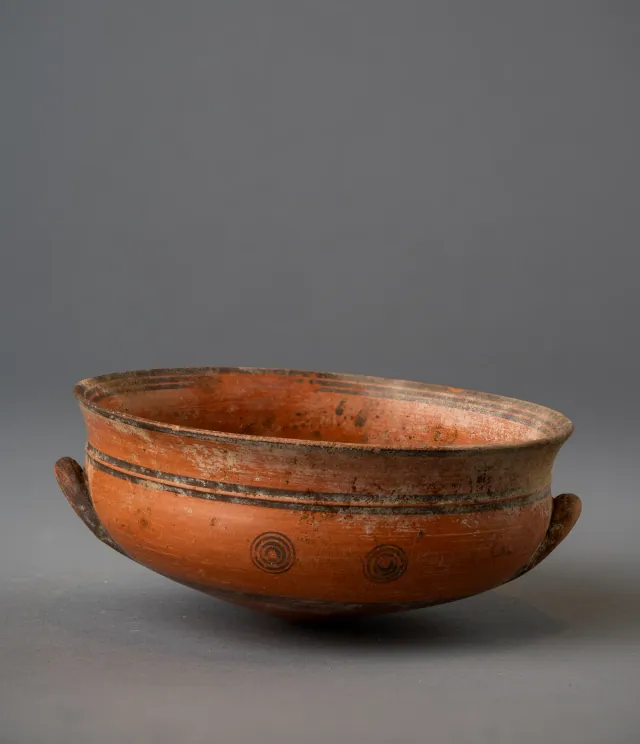
Black-on-Red Two-Handled Bowl with Raised Flaring Rim
Cypro-Archaic
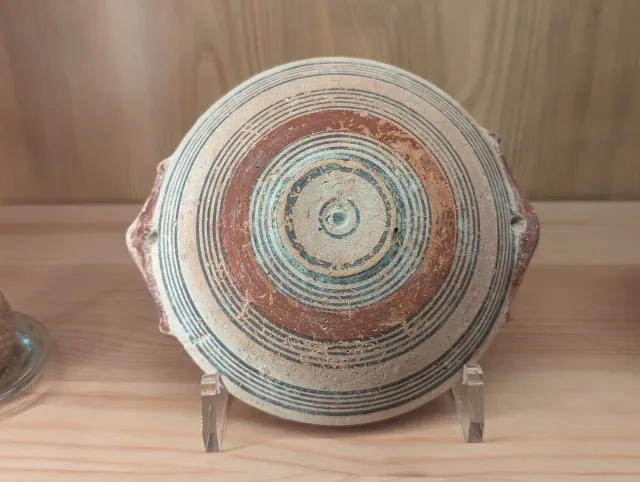
Bichrome IV Bowl with Red-Painted Pierced Lug Handles
Cypro-Archaic
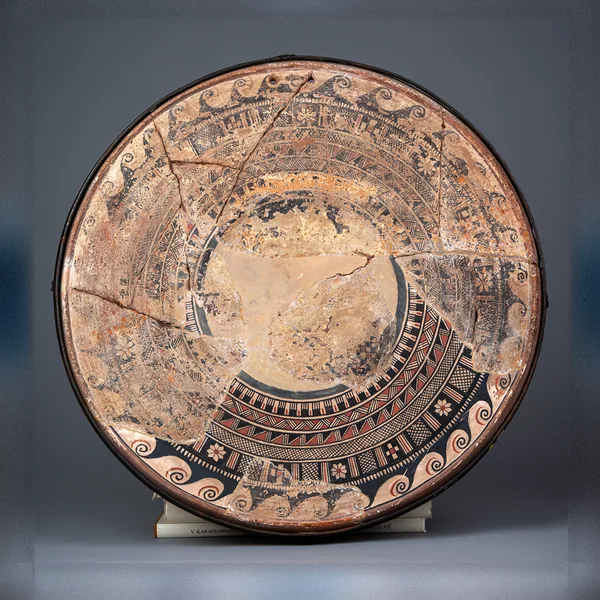
Large Bichrome Plate from Salamis with a Wave Band and Rosette Metopes
Cypro-Archaic
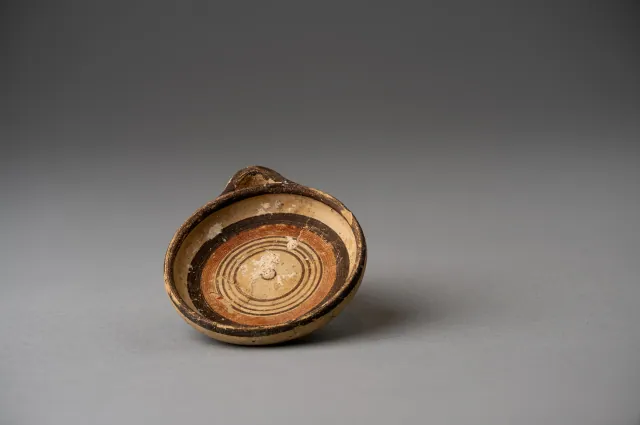
Miniature Bichrome Plate with Concentric Circles
Cypro-Archaic
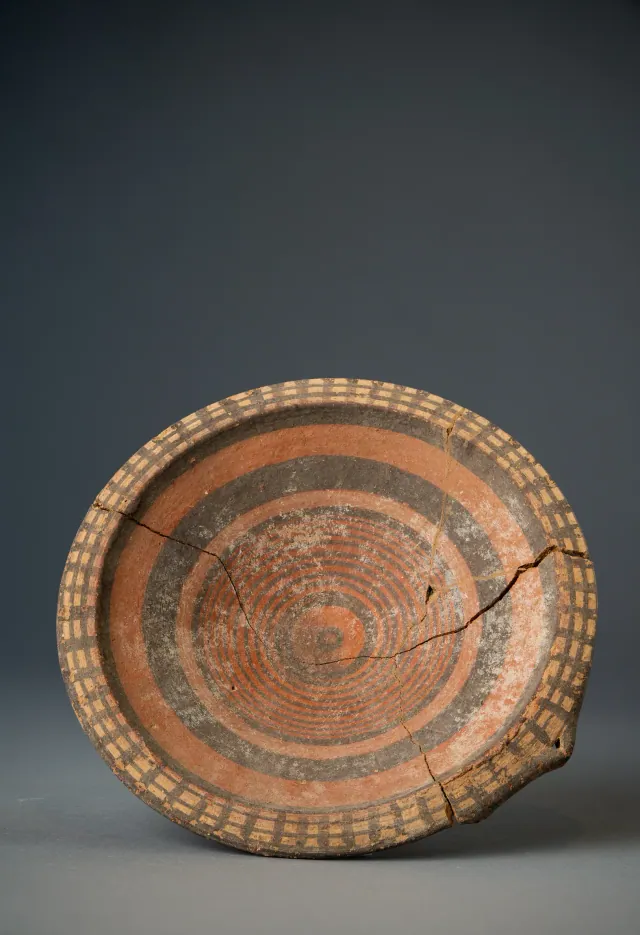
Black-on-Red Plate with Barred Rim and Concentric Circles
Cypro-Archaic
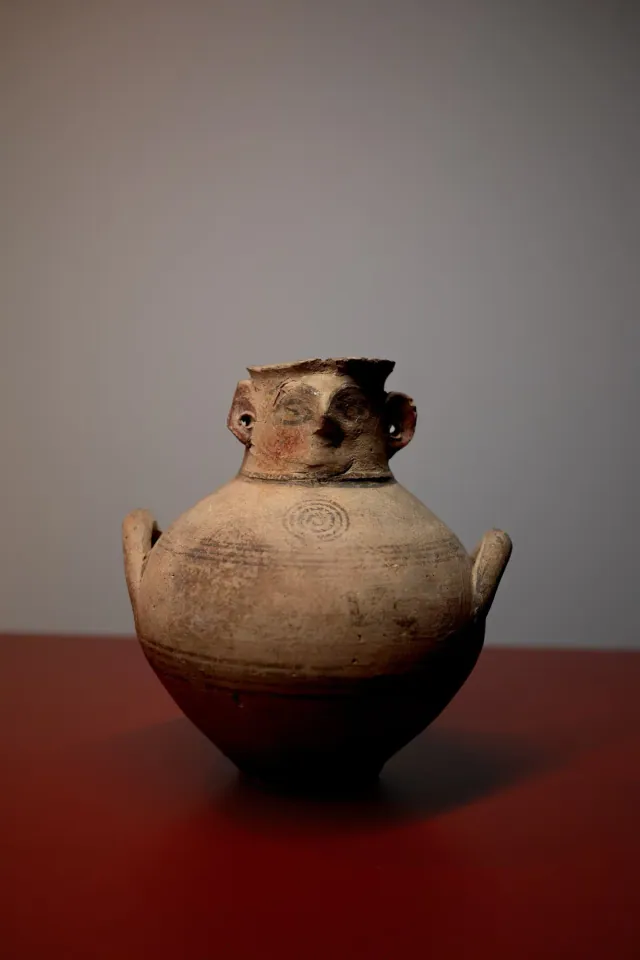
Bichrome IV Face-Neck Jar of the Kourion Type
Cypro-Archaic
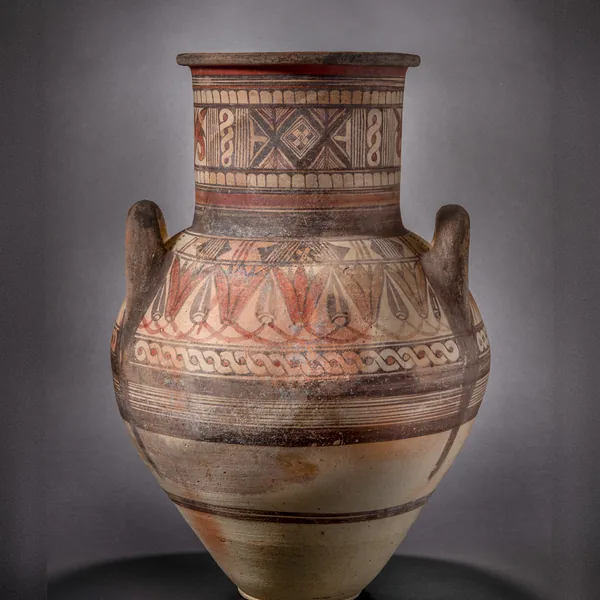
Bichrome IV Amphora with a Lotus-and-Bud Shoulder Frieze
Cypro-Archaic
Found at the places discussed
Objects in our catalogue, in museum collections, recorded as found at these sites.



Background
Where to read more on this site before or after watching.
The site
Salamis
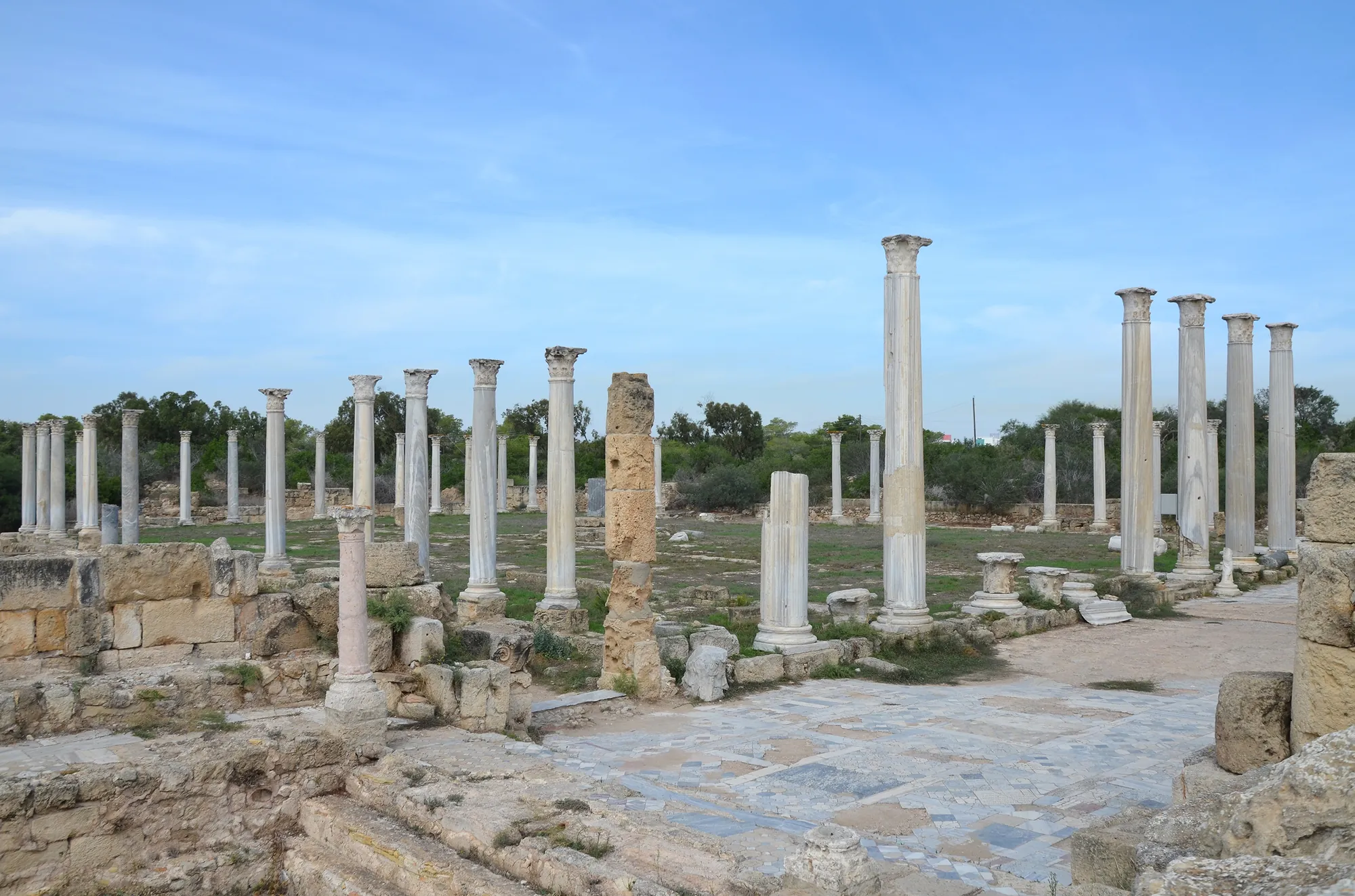
A city on the east coast of Cyprus at the mouth of the Pedieos river, founded in the 11th century BC and one of the leading city-kingdoms of the island until 311/310 BC. It is known for the Royal Tombs with their sacrificed horses and chariots, for its Roman gymnasium, baths and theatre, and as Constantia, seat of the bishops of Cyprus from the 4th century AD. The site lies in the north of the island; the Cypriot and French excavations stopped in 1974.
In the compendium
Iron Age Cities and Palaces
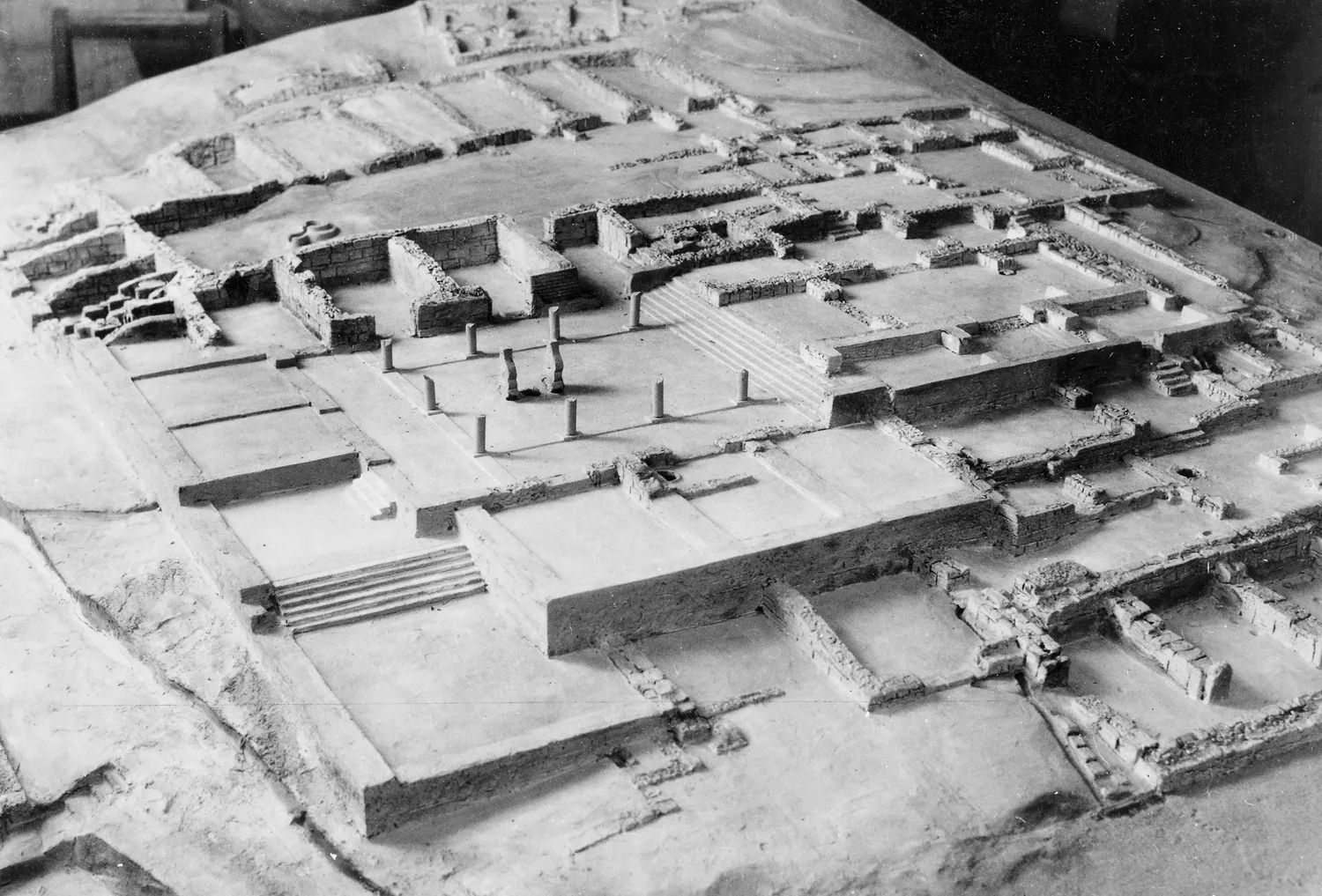
The capitals of the Iron Age kingdoms of Cyprus, their palaces at Vouni, Amathus, Idalion and Palaepaphos, their houses, and the volute and Hathor capitals of the period.
In the compendium
Egypt
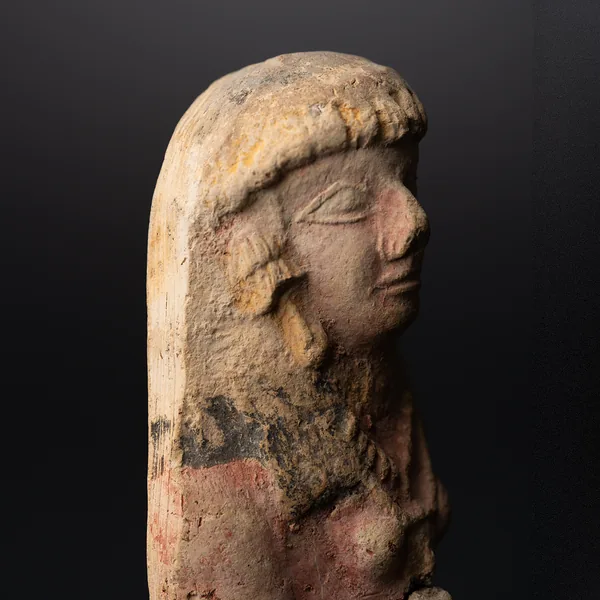
Ancient Egypt, Cyprus's partner in copper, pottery and prestige goods from the Middle Kingdom to the Ptolemies, who annexed the island.
In the compendium
Hittite Empire and Cyprus
The Late Bronze Age Anatolian empire that claimed Alashiya as a tributary but left almost no material trace on Cyprus.