
Lecture·CAARI Cyprus·2020
The Other Cesnola: The Arrest and Trial of Alessandro Palma di Cesnola for Illicit Excavation
Chapters
About the lecture
Nicholas Stanley-Price reconstructs the arrest, detention, and trial of Alessandro Palma di Cesnola in October 1878, only months after the British administration took over Cyprus. Drawing on Foreign Office correspondence and the papers of the first High Commissioner, Sir Garnet Wolseley, the lecture examines how the new colonial authorities enforced the Ottoman antiquities regulation of 1874.
Alessandro had come to Cyprus in 1873 at the invitation of his elder brother, Luigi Palma di Cesnola, and returned in 1876 to collect and excavate on behalf of his London sponsor, Edwin Lawrence, focusing from late 1877 on the area of Salamis and Enkomi. In August 1878, following advice sent by Charles Newton of the British Museum to the Foreign Office, Wolseley issued a proclamation banning all excavations. Although the Chief Secretary, Colonel George Greaves, explicitly refused Alessandro a digging permit, villagers and the son of his landlord at Ormidhia reported in October that his agent Lazaros Filippi was still employing workmen at Enkomi and storing the finds locally.
After police seized the finds and detained him overnight in the Larnaca Konak, Wolseley initially intended to release Alessandro with the confiscation of the excavated antiquities. Encouraged by the visiting writer William Hepworth Dixon, however, Alessandro broke his promise to hand over the finds sealed by police at Ormidhia and sent a formal protest to the American consul in Beirut. Provoked by this challenge to British authority, Wolseley ordered a formal prosecution for clandestine digging under British rule before the Medjlis Daavi court in Larnaca, where the newly appointed Assistant Commissioner Claude Delaval Cobham acted as Italian interpreter.
The court found Alessandro guilty, confiscating the Enkomi finds and over 1,500 antiquities from the Ormidhia house, some of which eventually entered the Cyprus Museum, while the bulk of the Lawrence-Cesnola collection, already shipped to England, was later dispersed at auction between 1883 and 1892. Stanley-Price shows from US State Department records that Alessandro's claims to American citizenship and the title of vice-consul at Paphos were unfounded, and suggests that financial dependence on Lawrence, whose daughter Augusta he married six months after returning to London, drove him to defy the British ban.
Background
Where to read more on this site before or after watching.
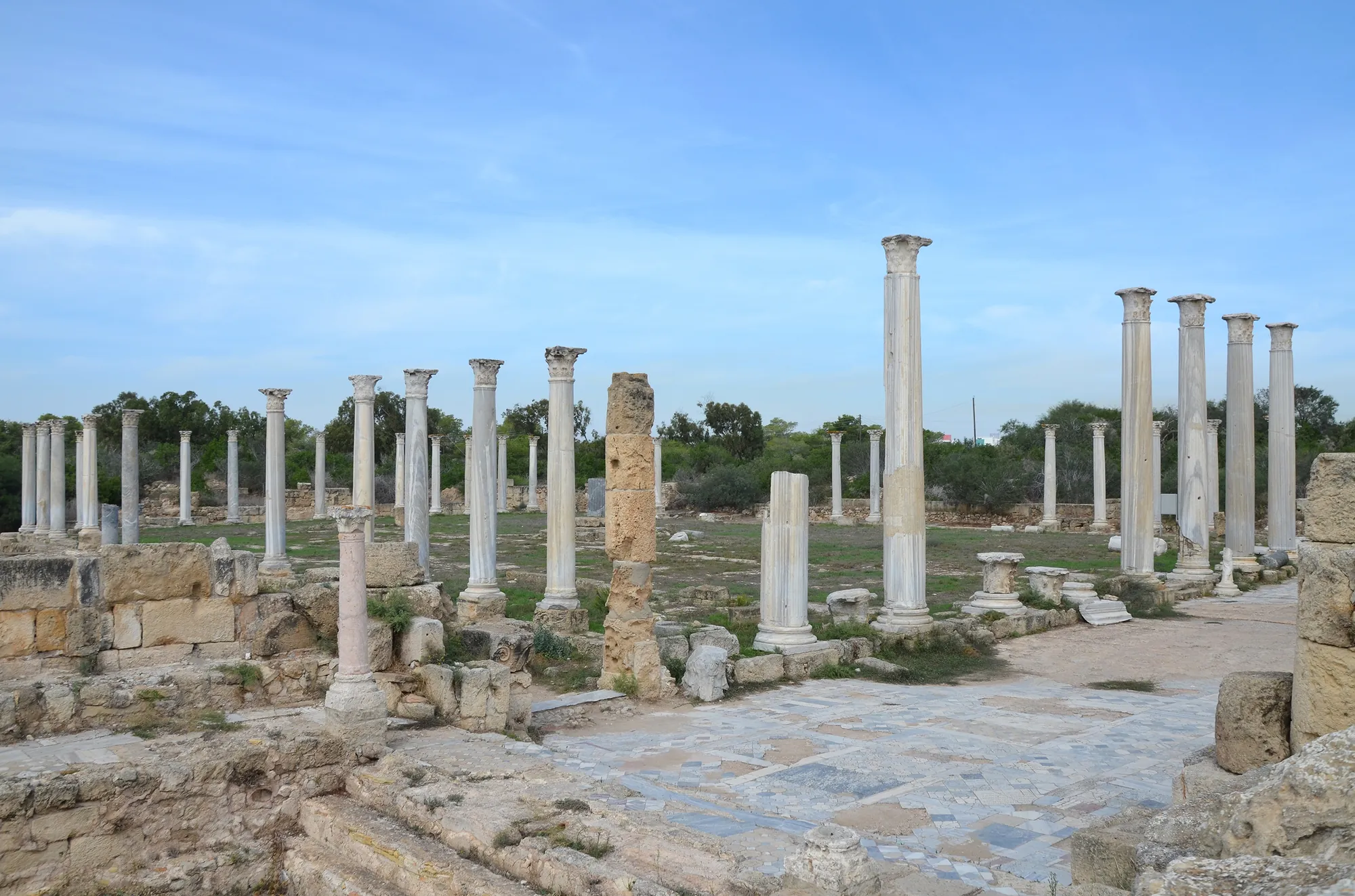
The site
Salamis
A city on the east coast of Cyprus at the mouth of the Pedieos river, founded in the 11th century BC and one of the leading city-kingdoms of the island until 311/310 BC. It is known for the Royal Tombs with their sacrificed horses and chariots, for its Roman gymnasium, baths and theatre, and as Constantia, seat of the bishops of Cyprus from the 4th century AD. The site lies in the north of the island; the Cypriot and French excavations stopped in 1974.
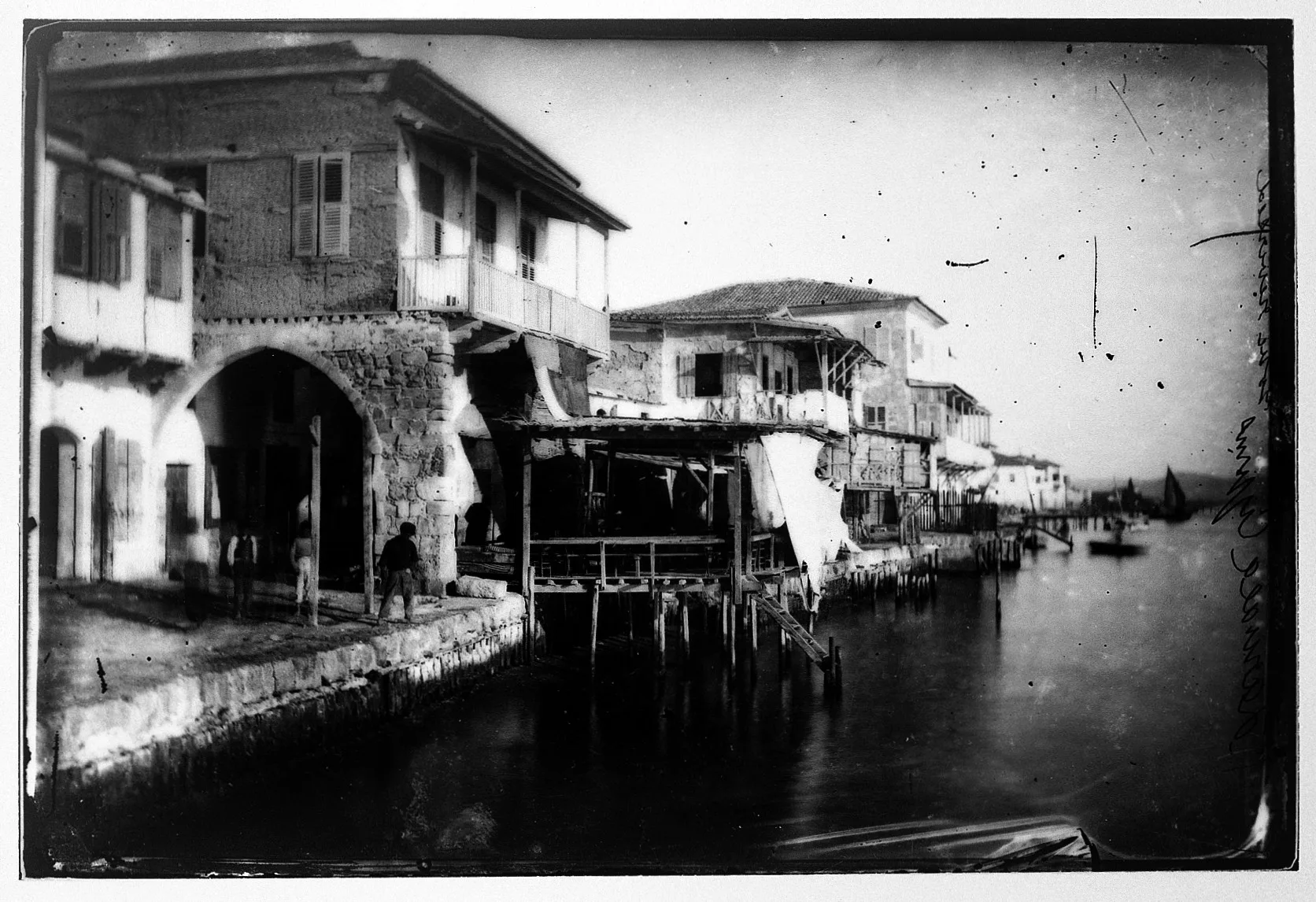
In the compendium
Firmans and Partage: The Lawful Export of Antiquities from Ottoman Cyprus, 1860s to 1905
The firmans, landowners' rights and the division of finds in thirds under which consuls, excavators and museums lawfully exported Cypriot antiquities from the 1860s until the law of 1905.
In the compendium
Illicit Digging under British Rule, 1878 to 1960
How unlicensed tomb-digging continued in Cypriot villages under British rule, how the Museum, the police and the Department of Antiquities answered it, and whether the lawful trade encouraged it.
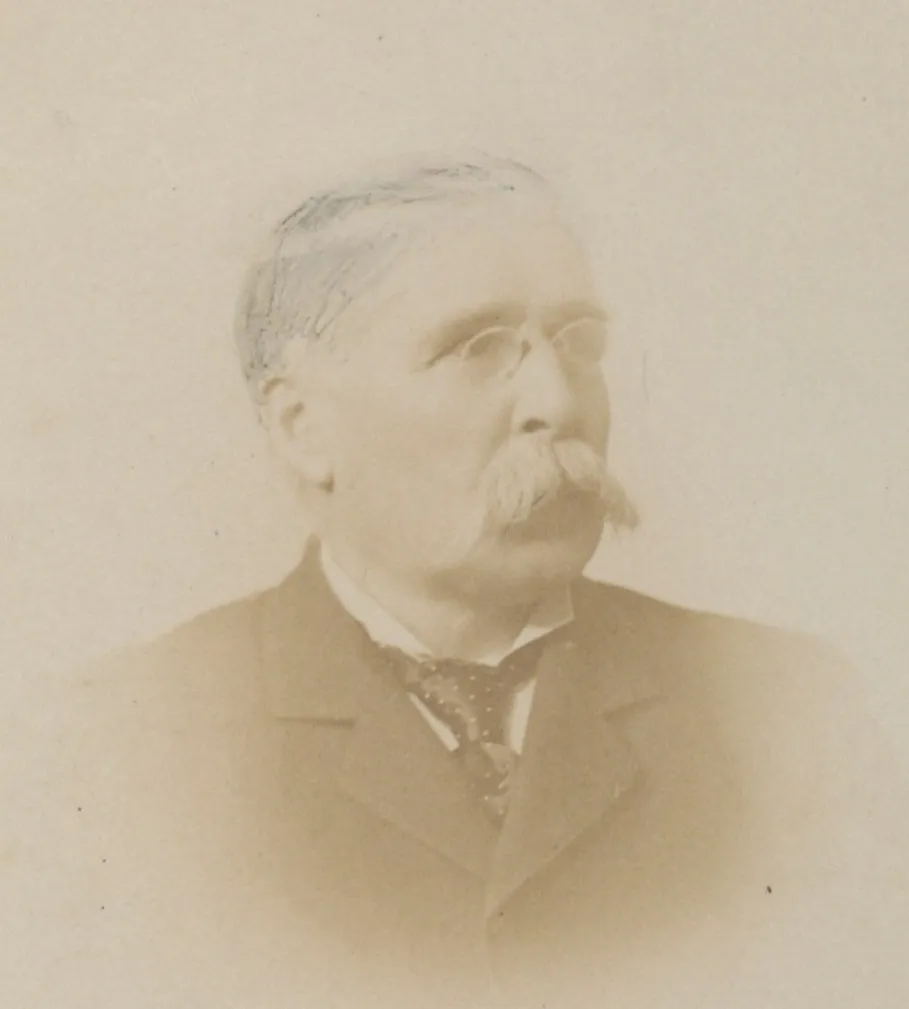
In the compendium
Luigi Palma di Cesnola: The Largest Export of Cypriot Antiquities
The American consul whose roughly 35,000 objects left Cyprus under Ottoman firmans for the Metropolitan Museum, and what his digging and sales mean for the trade.
Map of Cyprus
Places discussed in the talk
- Ground above 200, 500, 1,000 m