
Conference paper·CAARI Cyprus·2021
Meet the Locals: The Neglected Role of Local Cypriots in the Discovery of the Island's Material Past in Late Ottoman and Early British Times
Chapters
About the video
Thomas Kiely of the British Museum examines the contribution of local Cypriots to archaeological excavations on Cyprus in the late Ottoman and early British periods. Starting from how histories of Mediterranean archaeology have tended to focus either on intellectual progress or on imperial and colonial frameworks, Kiely argues that the local workforce is the missing element in both approaches. While Britain administered Cyprus from 1878, its cultural policy was largely laissez-faire, and early British excavations depended on local structures, labour and expertise inherited from the Ottoman period.
Using archival photographs and documents held in the British Museum and the Ashmolean Museum, Kiely shows how visual and written records preserve traces of the Cypriot men, women and children who carried out the physical work of excavation. Examples include an unidentified mounted print by the Limassol photographer J. P. Foscolo, the February 1891 photographs of forty local workers and Royal Navy sailors hauling the bull's-head capital from the agora of Salamis through Famagusta to HMS Melita, and James Arthur Munro's photographs of the 180 to 200 workers who cleared the sand from Salamis for the Cyprus Exploration Fund in 1890.
Kiely sets out the socio-economic terms of these digs. Daily wages on Cyprus Exploration Fund excavations ranged from seven pence to one shilling for men, around seven pence for women, and three to five and a half pence for children, compared with eight pence to a shilling a day to hire a mule, six shillings for an ox cart, and fifteen to sixteen pounds for a steamer passage to London or Liverpool. The lack of state funding and high transport costs shaped how early excavations were conducted.
The final section presents a case study of the Cypriot foreman Gregorios Antoniou. Trained as a foreman by Max Ohnefalsch-Richter, Antoniou supervised all the major Cyprus Exploration Fund and British Museum excavations between 1888 and 1899, explored the island with David Hogarth, and later worked for Arthur Evans at Knossos and trained Leonard Woolley's foreman Hamoudi at Carchemish, while also digging and selling antiquities on his own account. Kiely shows Antoniou's Greek and English letters of 1898 to his British Museum superiors and concludes with reports by the Cypriot government inspectors who recorded the state's share of finds at Enkomi and Kouklia.
Background
Where to read more on this site before or after watching.
The site
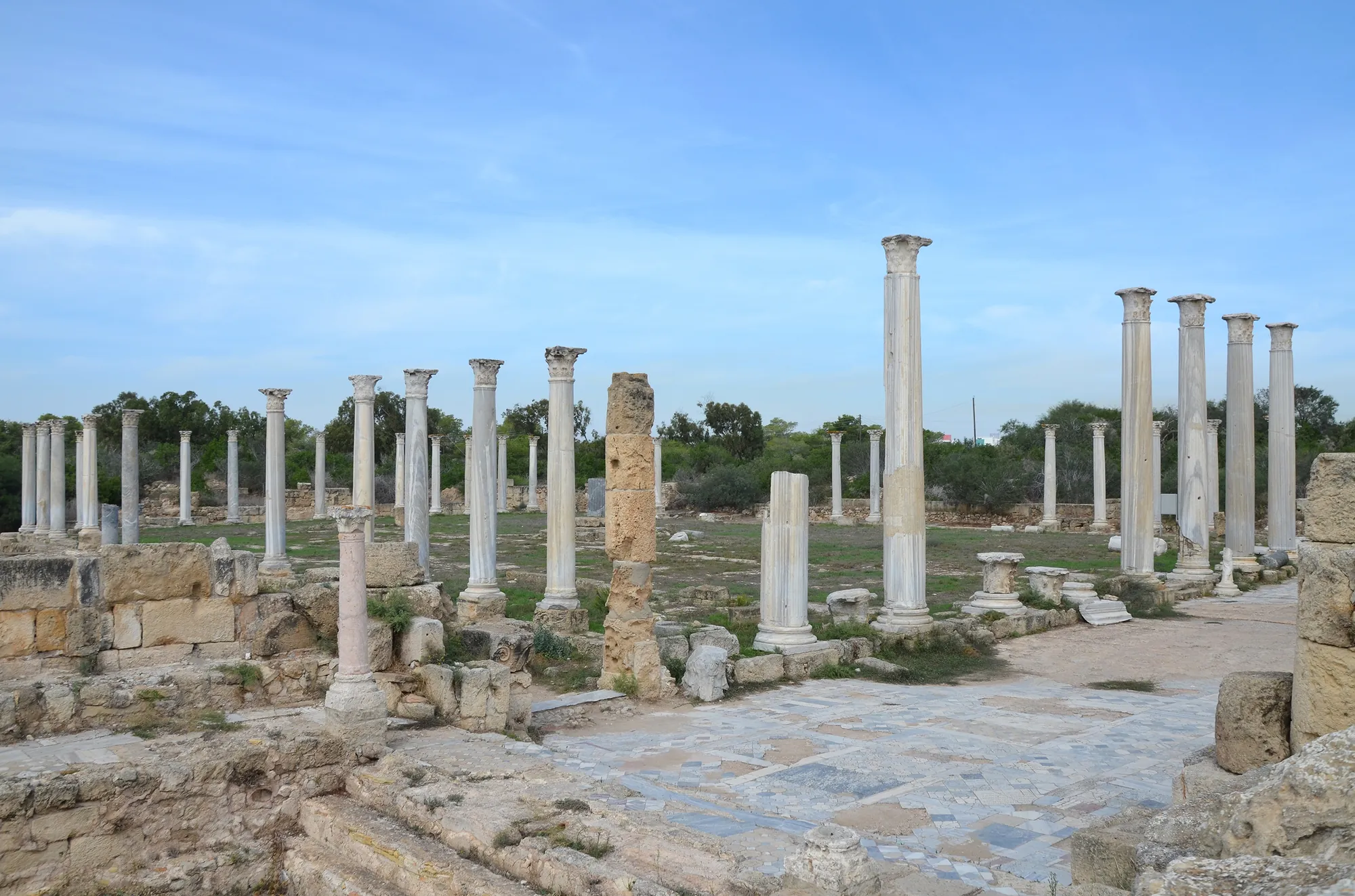
Salamis
A city on the east coast of Cyprus at the mouth of the Pedieos river, founded in the 11th century BC and one of the leading city-kingdoms of the island until 311/310 BC. It is known for the Royal Tombs with their sacrificed horses and chariots, for its Roman gymnasium, baths and theatre, and as Constantia, seat of the bishops of Cyprus from the 4th century AD. The site lies in the north of the island; the Cypriot and French excavations stopped in 1974.
In the compendium
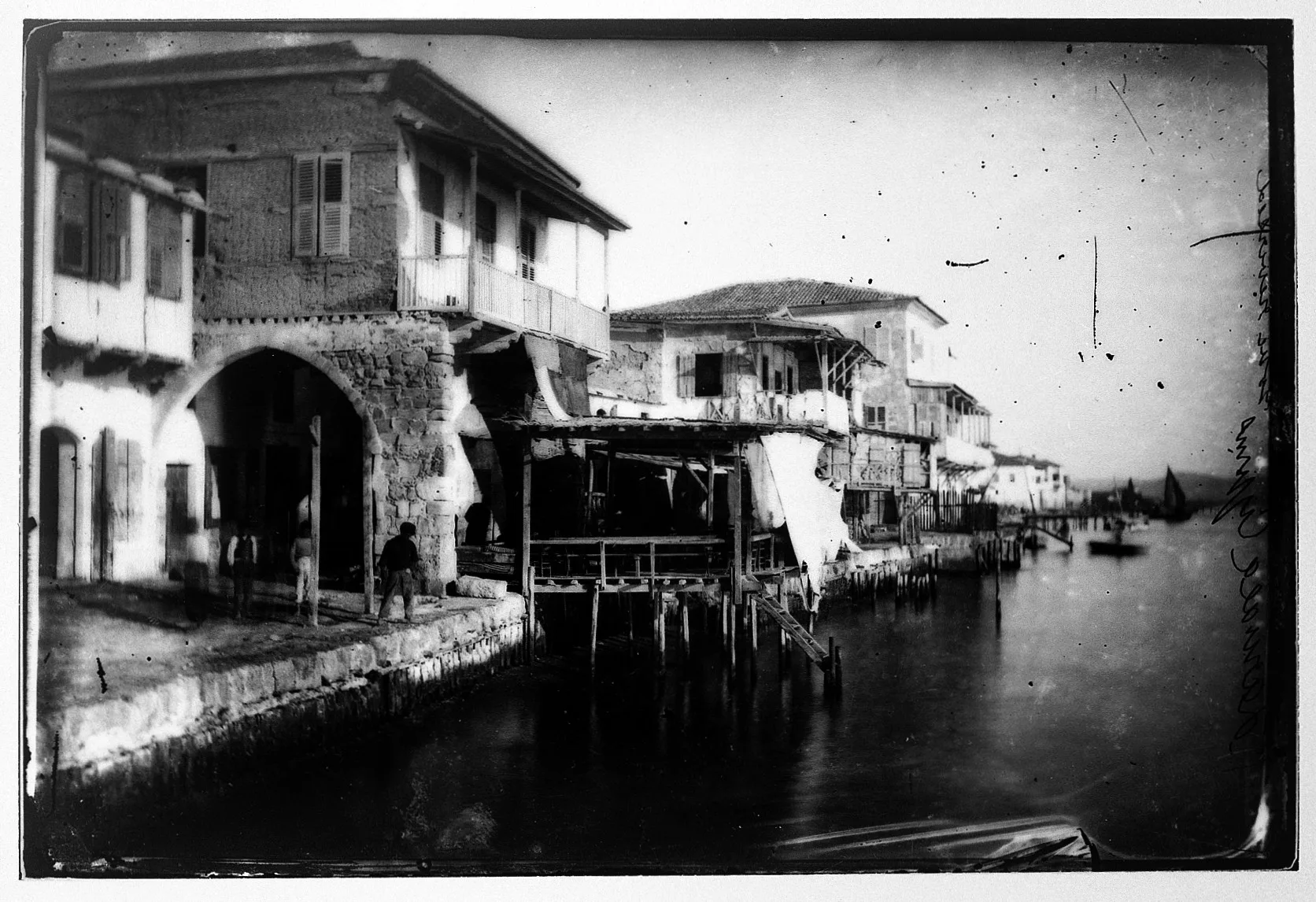
Firmans and Partage: The Lawful Export of Antiquities from Ottoman Cyprus, 1860s to 1905
The firmans, landowners' rights and the division of finds in thirds under which consuls, excavators and museums lawfully exported Cypriot antiquities from the 1860s until the law of 1905.
In the compendium
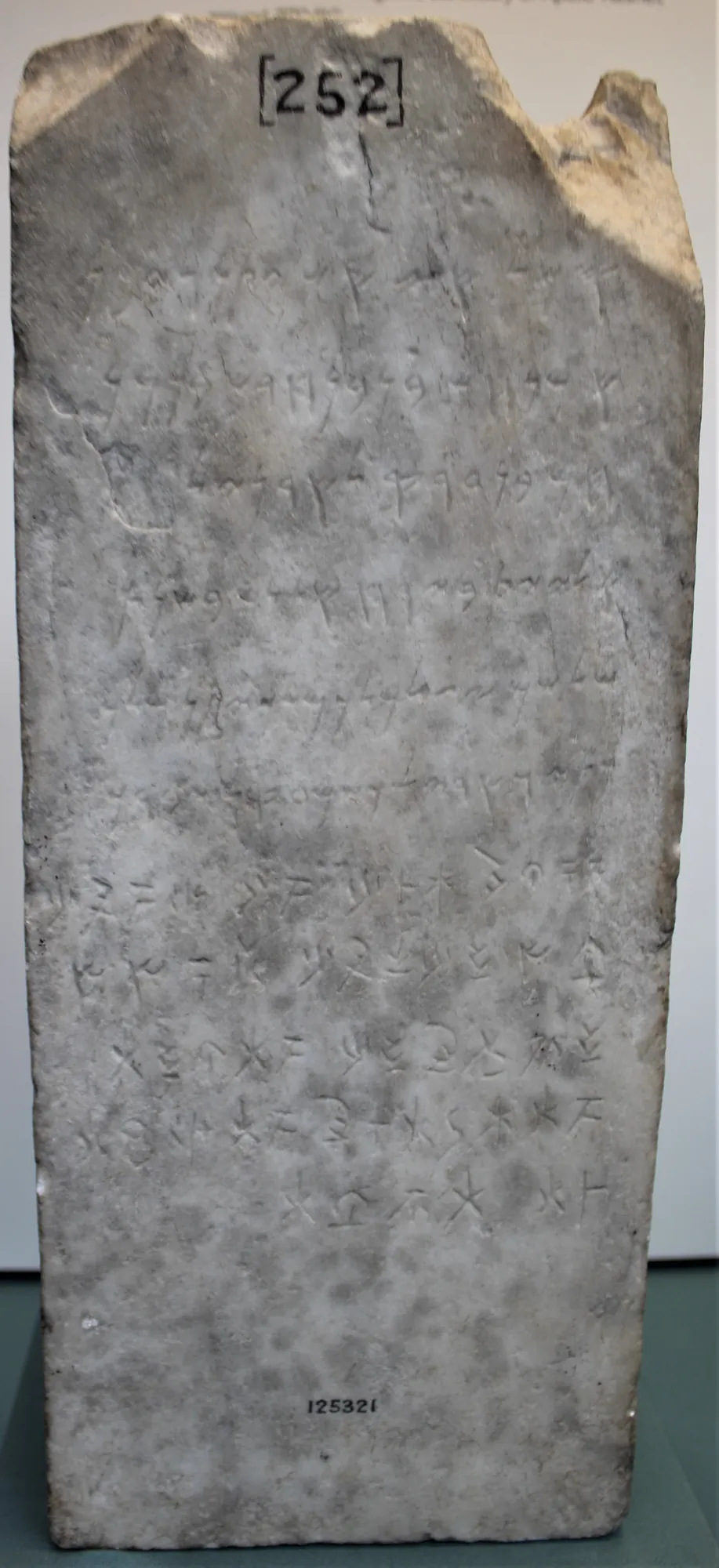
Max Ohnefalsch-Richter: Excavator, Dealer and the Divided Finds of British Cyprus
The German excavator whose finds left British Cyprus lawfully through the division of finds of 1880 to 1895, the patrons he dug for, the sales of 1887 and 1896, and the record he left.
Map of Cyprus
Places discussed in the talk
- Has a page on this site
- Other places
- Ground above 200, 500, 1,000 m