
Lecture·Archaeological Research Unit - University of Cyprus·2018·In Greek
A geoarchaeological approach to soil use in the Pre-Pottery Neolithic A in Cyprus: the case of Klimonas at Ayios Tychonas
Γεωαρχαιολογική προσέγγιση της χρήσης του εδάφους στην Προκεραμεική Νεολιθική Α περίοδο στην Κύπρο: η περίπτωση του Κλήμωνα στον Άγιο Τύχωνα
Pantelitsa Mylona
Chapters
About the lecture
In this lecture, given in Greek, Pantelitsa Mylona presents the results of her doctoral research on the geoarchaeology of Ayios Tychonas-Klimonas, a Neolithic settlement east of Limassol dating to the Pre-Pottery Neolithic A (c. 9200 to 8600 BC). Excavated since 2011 under the direction of Jean-Denis Vigne and François Briois, the site helped bridge the two-millennium gap between the Epipalaeolithic site of Akrotiri-Aetokremnos and later Neolithic settlements such as Khirokitia. Excavations at Klimonas uncovered twenty-two domestic structures and Building 10, a semi-subterranean circular communal building ten metres in diameter built entirely of earth, comparable to communal structures in the Near East such as Jerf el Ahmar in Syria.
Mylona divides her study into off-site landscape geoarchaeology and on-site micromorphology. To reconstruct the palaeoenvironment and topography, she examined the alluvial terraces of the nearby Athiaki stream and the colluvial deposits beneath the settlement using grain-size analysis, X-ray fluorescence, magnetic susceptibility, organic carbon measurement, and radiocarbon dating of buried palaeosols. The stream profiles record a sequence of deposition and incision from c. 29,000 BP into the Holocene, registering regional climatic episodes including the Heinrich 2 arid phase and the 8.2 ka cooling event. During the occupation of Klimonas around 9000 BC, the stream had a regular seasonal flow and a wider floodplain standing about fifteen metres higher than the modern bed.
Moving to the settlement itself, Mylona explains how the inhabitants dug into the local havara, Lefkara marls, and Pleistocene colluvium to level the terraced slope, using the excavated earth directly to build their walls. Thin-section micromorphology shows that walls and internal benches were constructed by direct shaping without sun-drying individual mudbricks, either by stacking mud balls or by laying courses separated by pebbles, mixed with plant temper and water containing diatoms from stagnant pools. She distinguishes foundation floors from finer constructed floors and traces the changing use of space across three building phases of Building 10: food preparation and consumption in the first phase, grain storage in the second (indicated by low human micro-residues and a concentration of mouse bones), and a third phase with differentiated activity zones and phytolith traces of plant mats. In the discussion afterwards, Mylona addresses the estimated 150-year duration of the settlement, the labour required for earth construction, and the absence thus far of direct micromorphological evidence for cultivation on the stream terraces.
From our collection
Pieces in the Drakopoulos collection of the kinds and periods this talk covers: Neolithic.
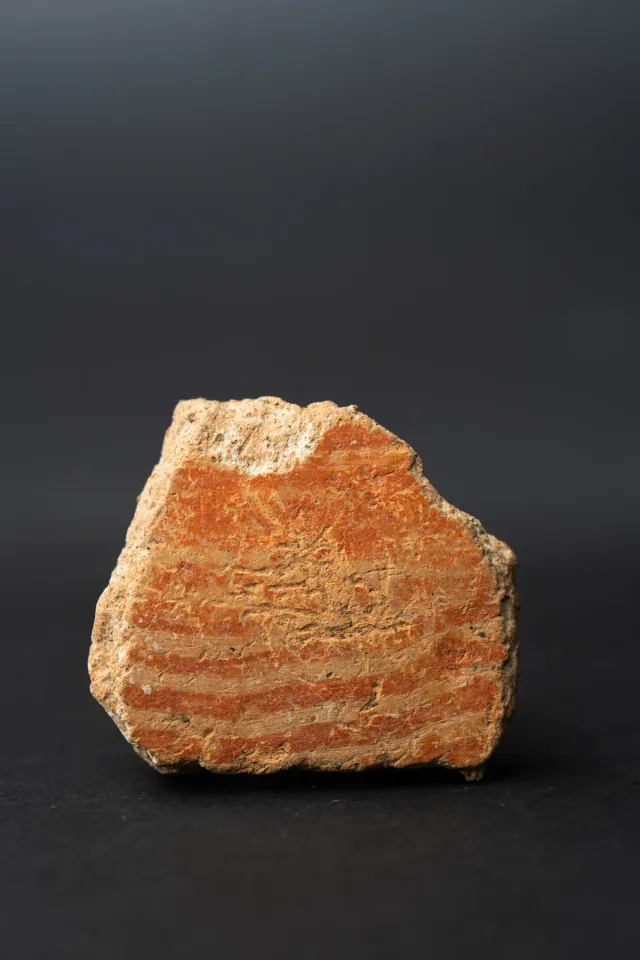
Combed Ware Bowl Fragment with Parallel Bands
Neolithic
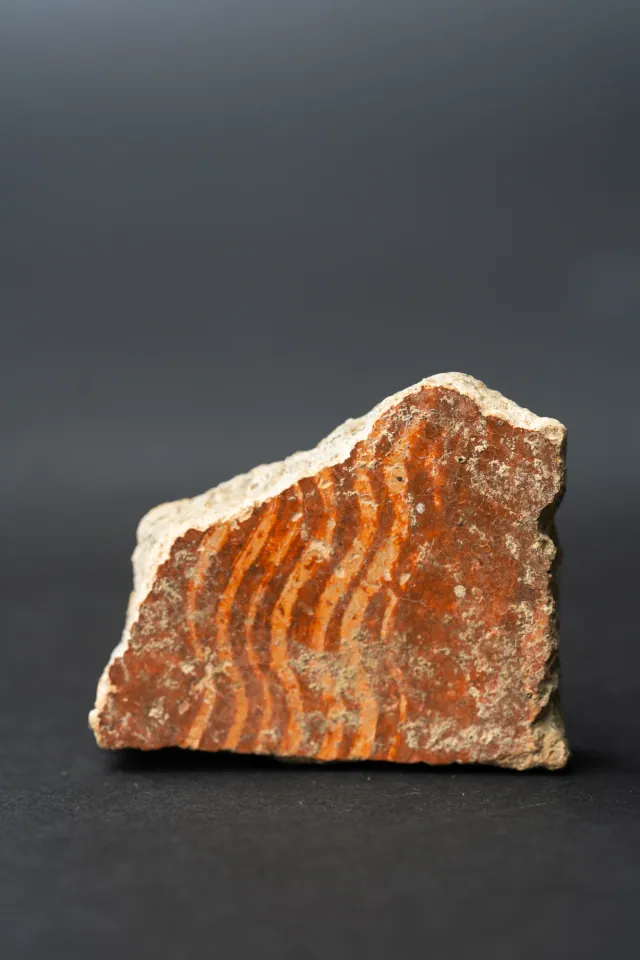
Combed Ware Bowl Fragment with Multiple Wavy Bands
Neolithic
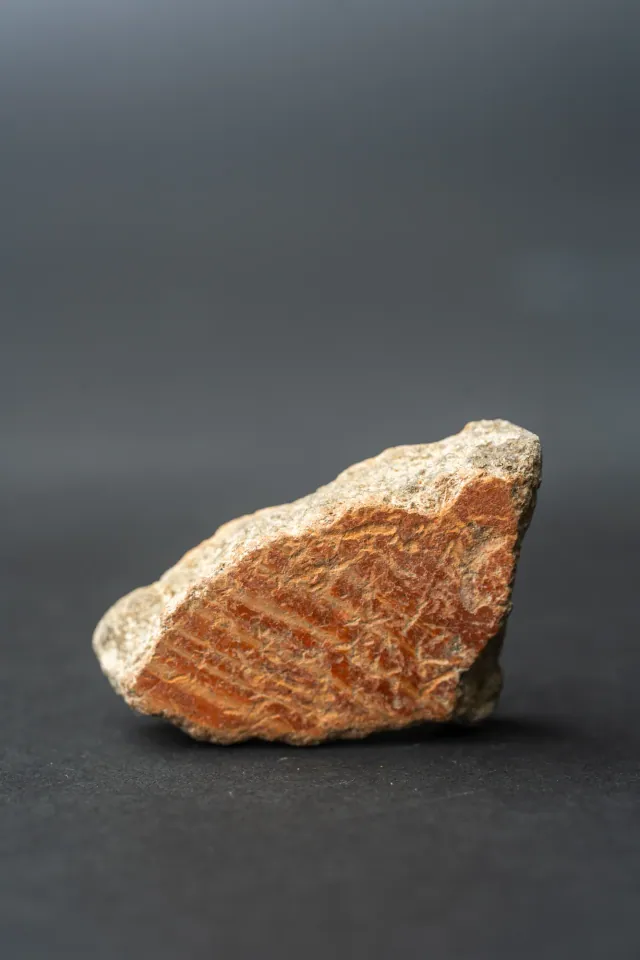
Combed Ware Bowl Fragment with Oblique Bands
Neolithic
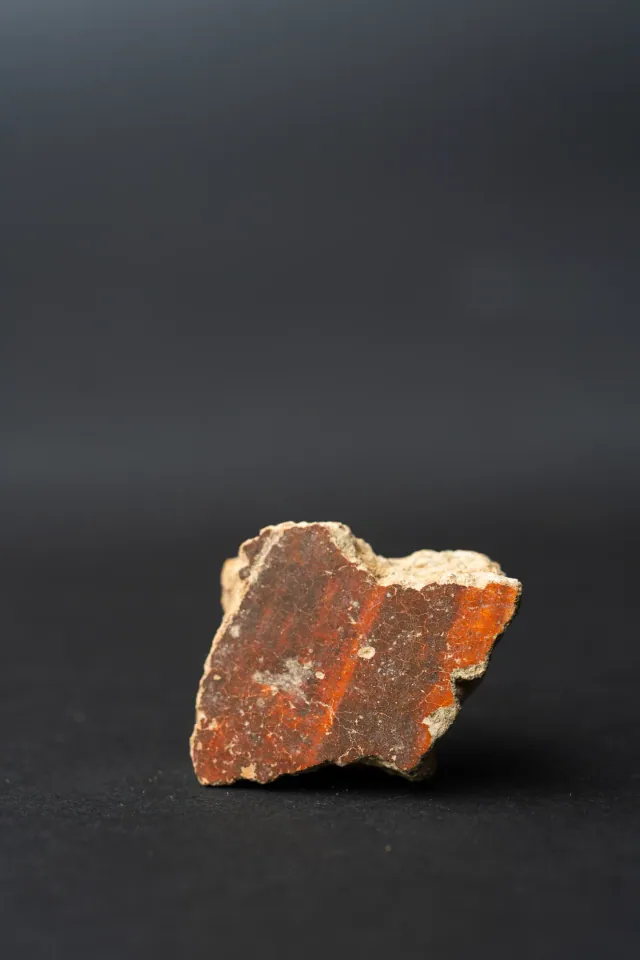
Red Lustrous Ware Body Sherd with Fire-Mottled Slip
Neolithic
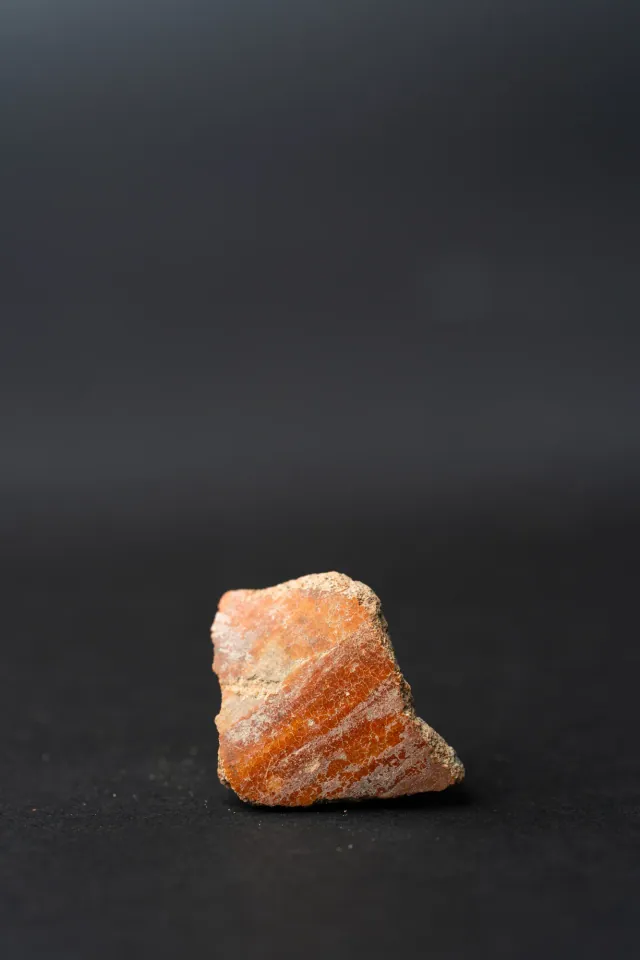
Red Slip Ware Body Sherd with Streaked Slip
Neolithic
Background
Where to read more on this site before or after watching.
In the compendium
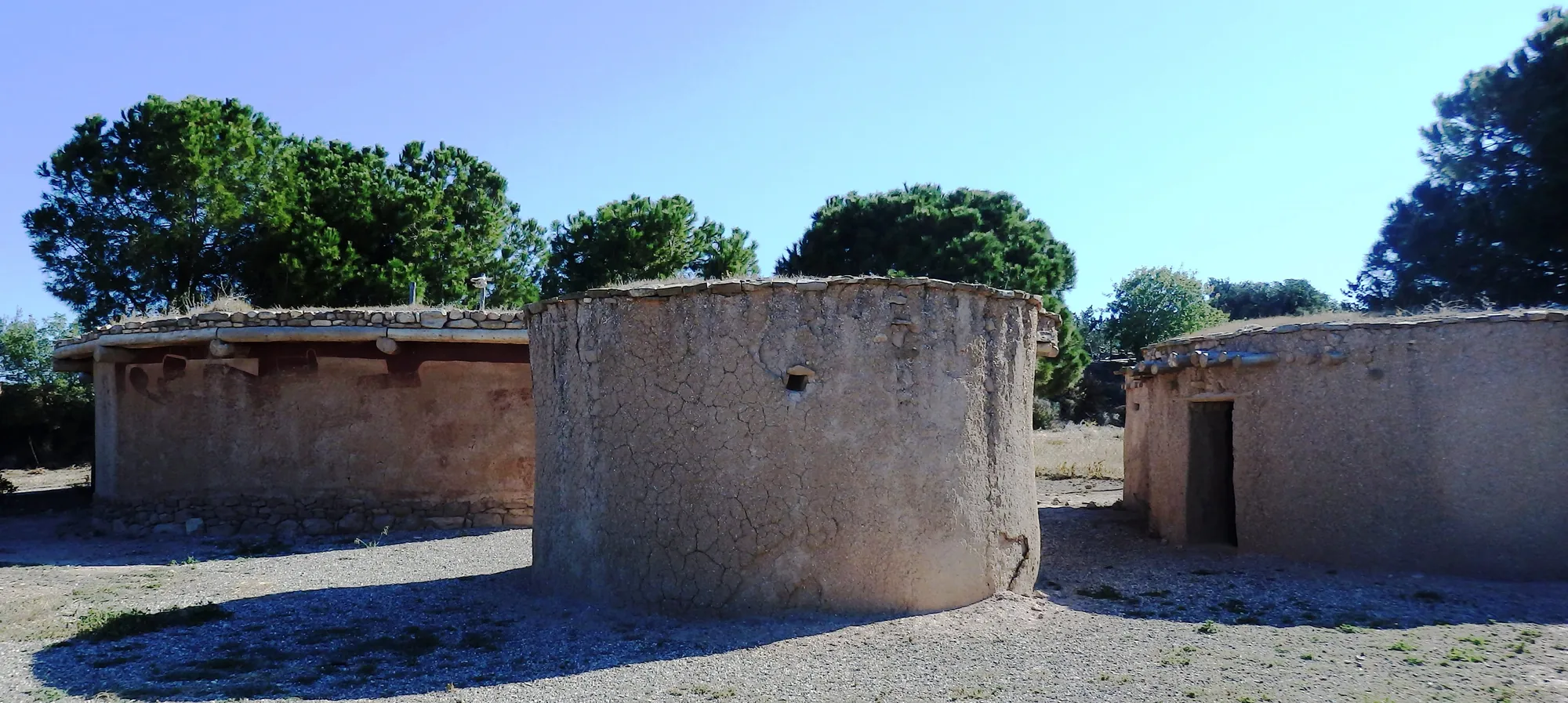
Building Materials and Techniques
Cypriot houses were built of local stone, earth and timber: walls of rubble or mudbrick on stone socles, under flat roofs of beams, brush and packed earth.
In the compendium
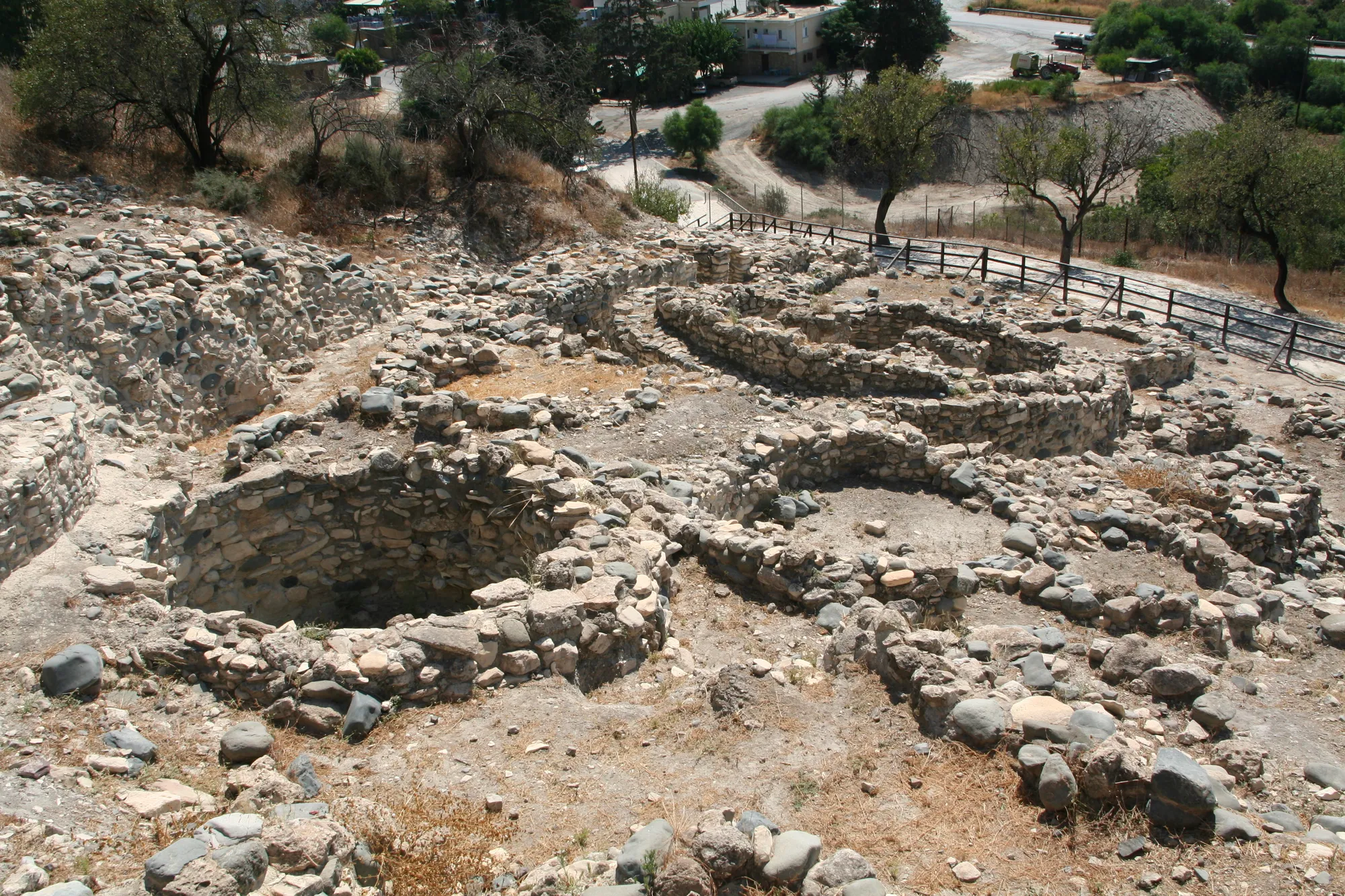
Neolithic Round Houses
The circular buildings of Cyprus's first farming villages, from Klimonas and Tenta to Khirokitia, and the rounded houses of the Ceramic Neolithic.
In the compendium
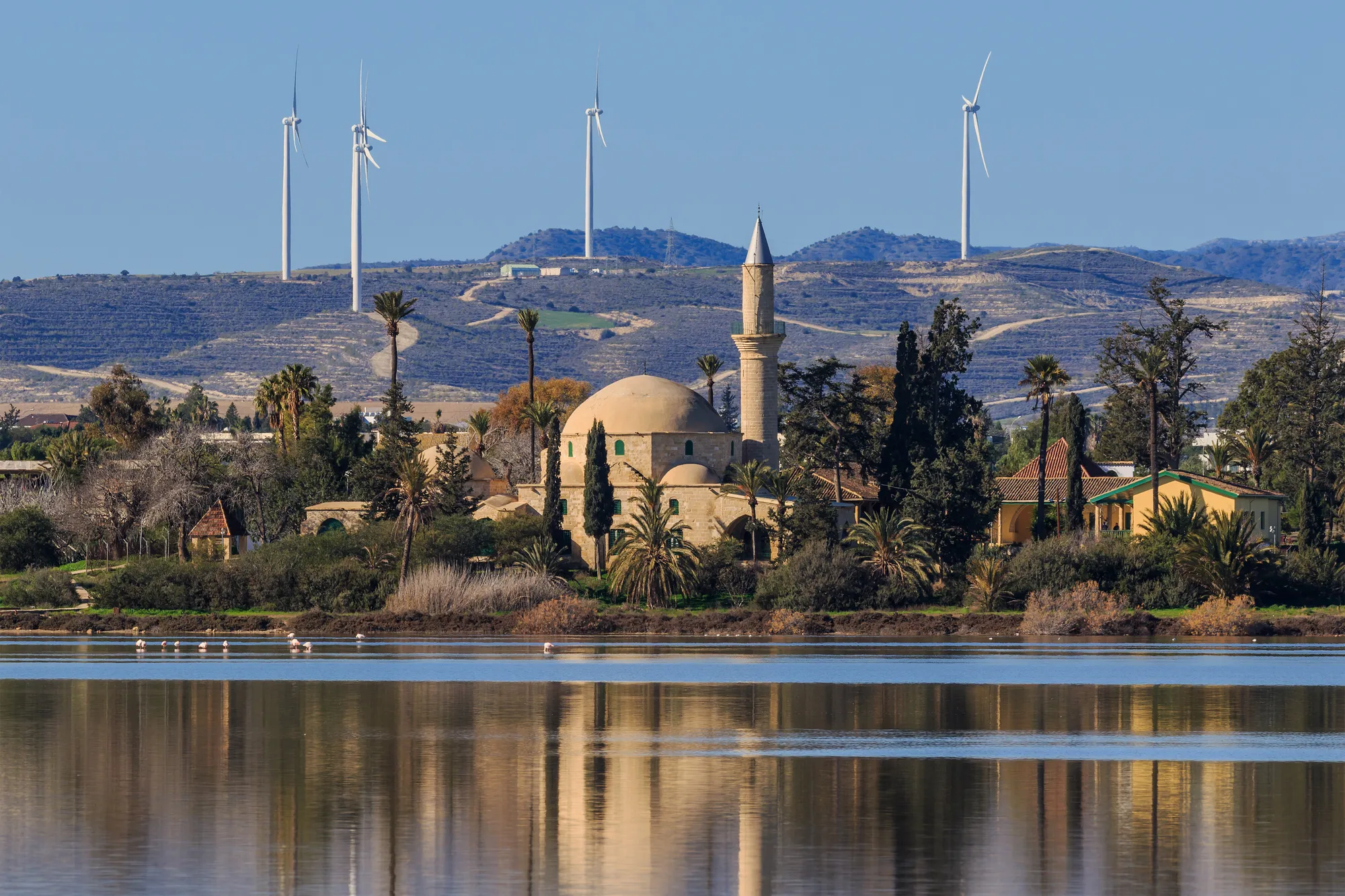
Climate and Landscape in Ancient Cyprus
What the island's own records show about sea level, coasts, rainfall and forests in Cyprus from the first farmers to the Hellenistic period.
The period
Neolithic
The period c. 9000–3900 BCE in which farmers from the mainland settled Cyprus, built villages of circular houses, and later adopted pottery.