
Video essay·Wanax TV·2025
Kušmešuša - King of Cyprus in Late Bronze Age
Chapters
About the video
In this live-streamed episode, the host of Wanax TV examines Kušmešuša, the only ruler of Late Bronze Age Cyprus recorded by name in contemporary sources. After opening with channel news and audience comments, the presentation outlines the rise of the kingdom of Alashiya and its role in the eastern Mediterranean copper trade. It identifies Enkomi as the probable capital alongside settlements such as Alassa, and reviews how the island and its polity were named in Linear B, Akkadian, Ugaritic, and Egyptian records.
The second part traces Alashiya's foreign relations from the 15th to the 13th century BC. The speaker notes early Mycenaean raids recorded in the Hittite Indictment of Madduwatta and the 14th-century BC Amarna letters, in which the Egyptian pharaoh addresses the king of Alashiya as "my brother" on account of the island's commercial importance. Moving to the late 13th century BC, the talk focuses on a tablet from the House of Urtenu at Ugarit. In this letter, King Kušmešuša addresses King Niqmaddu III of Ugarit as "my son" and records a shipment of thirty-three copper ingots weighing thirty talents and 6,500 shekels in exchange for a gift. Two high officials of Alashiya, Sinama and Sangiwa, also appear in the Urtenu archive.
The final segment covers the Bronze Age collapse. It describes the naval and land invasion of Cyprus by the Hittite king Šuppiluliuma II to impose vassalage, followed around 1185 to 1180 BC by the Sea Peoples crisis, citing the correspondence between Ugarit's last king, Ammurapi, and the senior Alashian official Eshuwara. The speaker concludes that Hellenic groups among the Sea Peoples destroyed Alashiya and established the later Greek city-kingdoms, including Salamis, Paphos, and Kition.
From our collection
Pieces in the Drakopoulos collection of the kinds and periods this talk covers: Late Cypriot (Late Bronze Age).
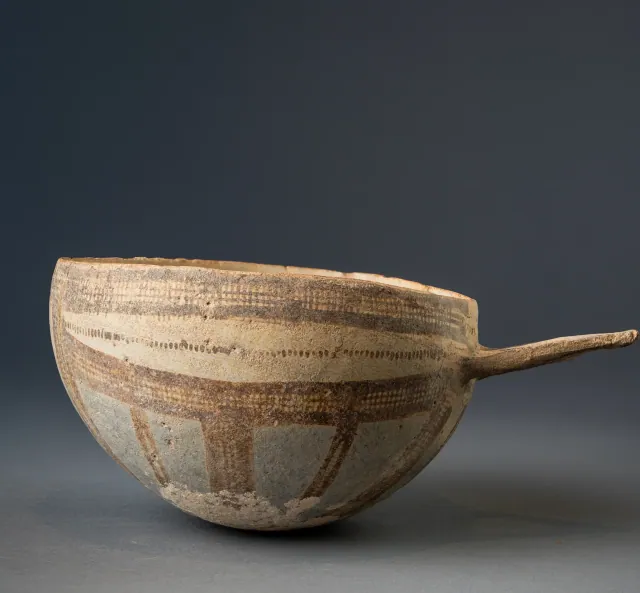
White Slip II Hemispherical Bowl with Wishbone Handle
Late Cypriot (Late Bronze Age)
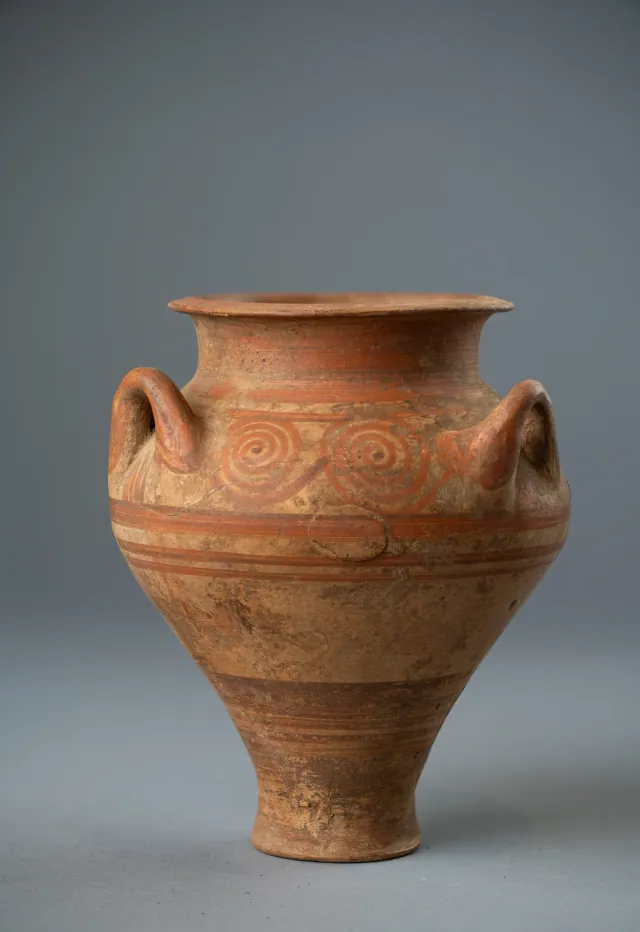
Cypriot Three-Handled Jar in the Mycenaean Style with Running Spirals
Late Cypriot (Late Bronze Age)
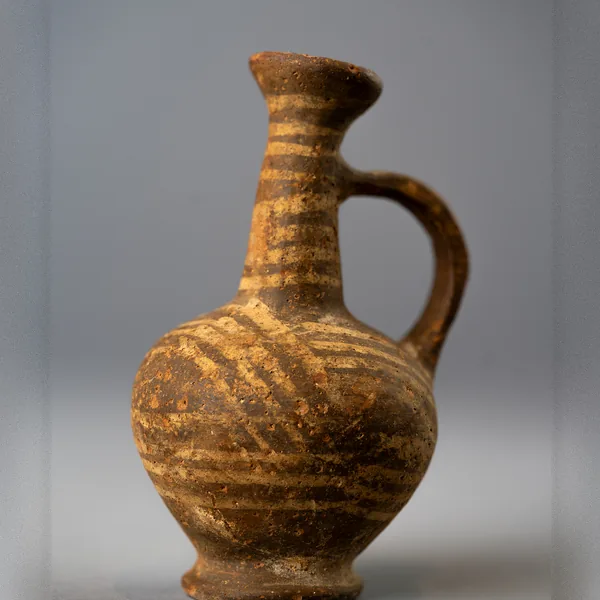
Base Ring II Bilbil Juglet with White-Painted Bands
Late Cypriot (Late Bronze Age)
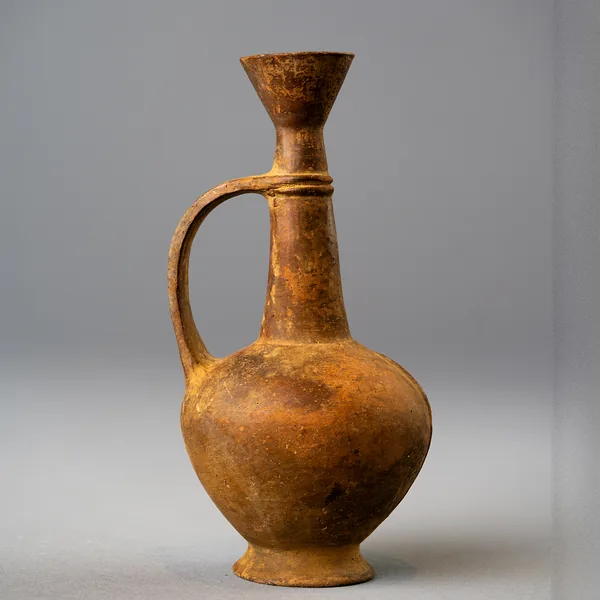
Base Ring Bilbil Juglet with Funnel Mouth and Neck Ridge
Late Cypriot (Late Bronze Age)
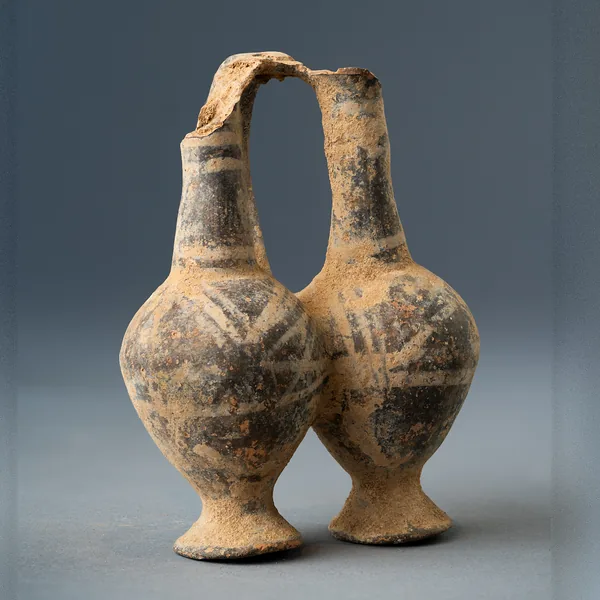
Base Ring II Double Juglet with White-Painted Decoration
Late Cypriot (Late Bronze Age)
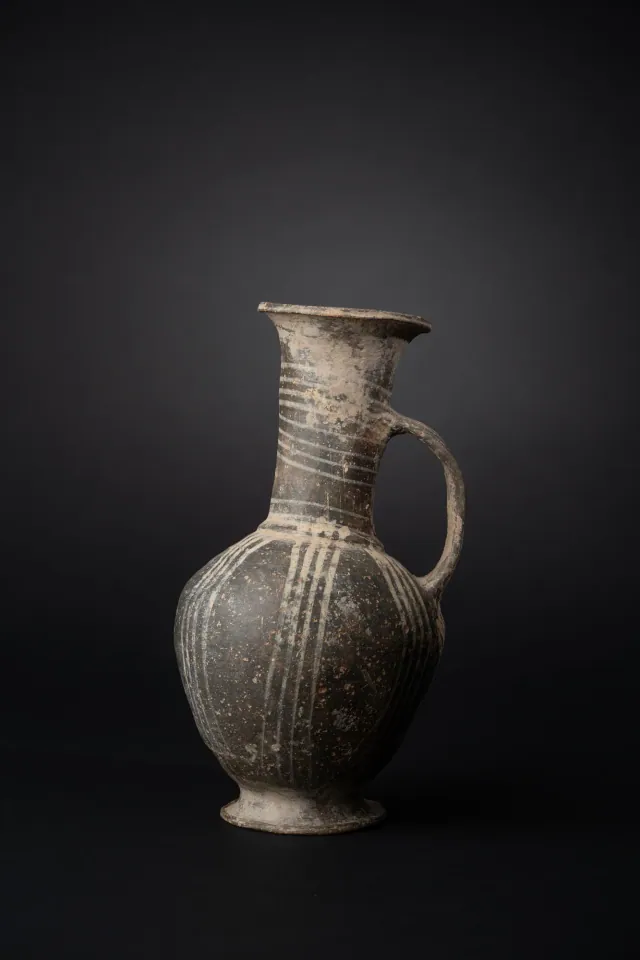
Base Ring II Jug with White-Painted Lattice Bands
Late Cypriot (Late Bronze Age)
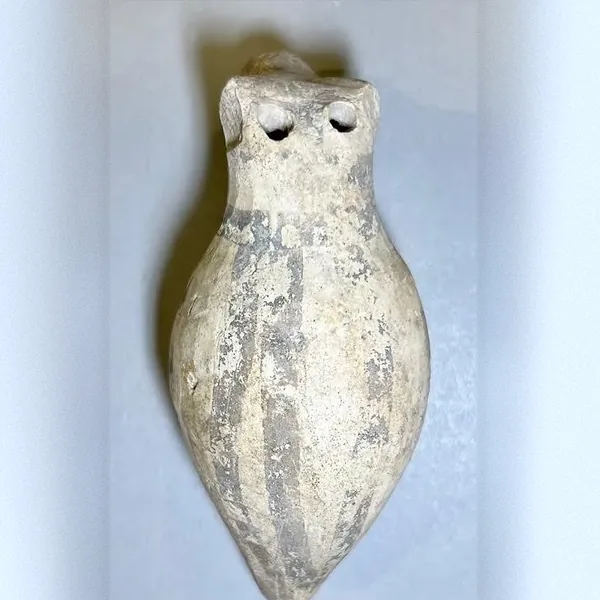
White Painted VI Owl-Headed Rattle
Late Cypriot (Late Bronze Age)
Found at the places discussed
Objects in our catalogue, in museum collections, recorded as found at these sites.


Background
Where to read more on this site before or after watching.
The site
Enkomi
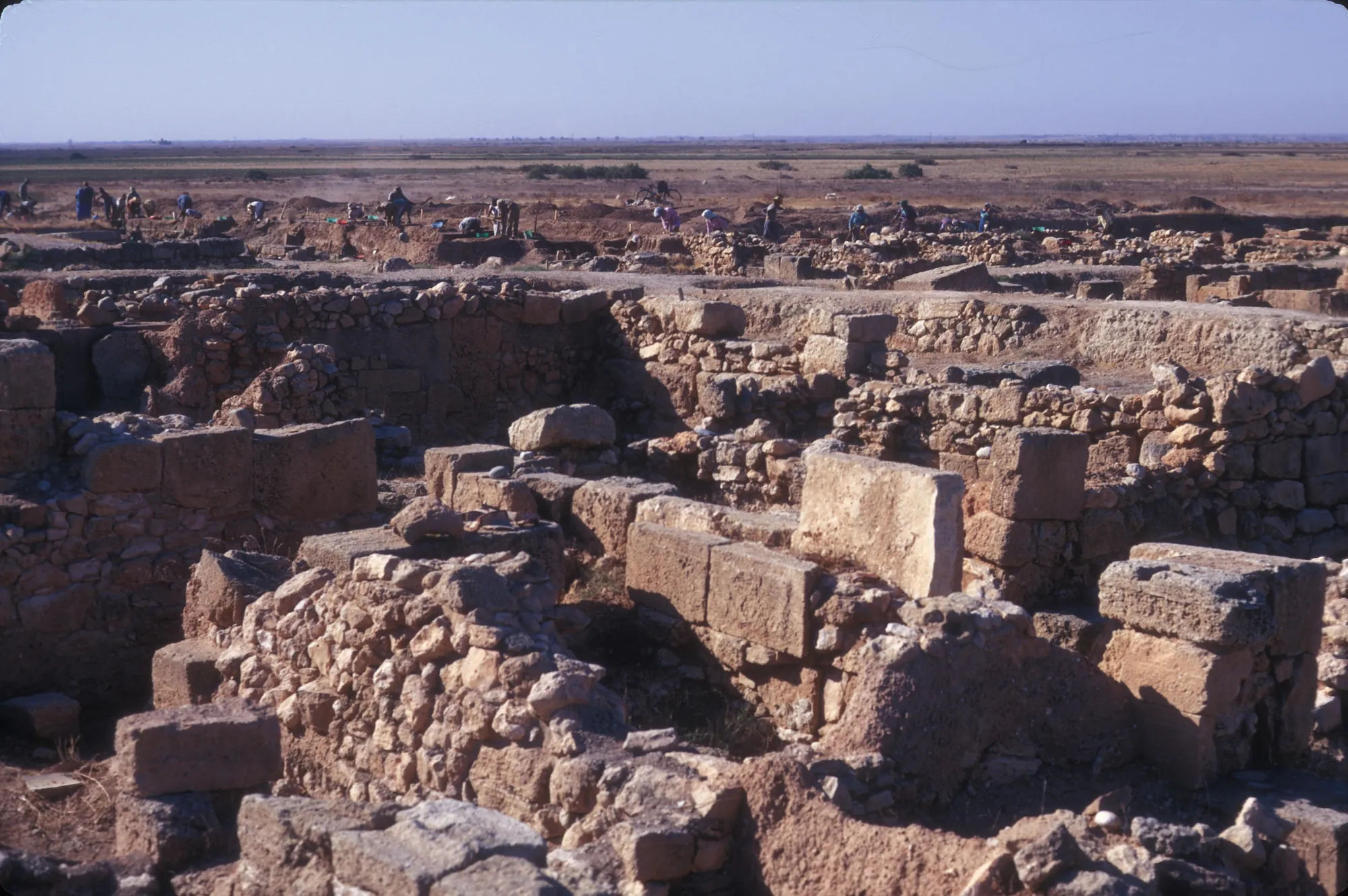
Enkomi is a walled Late Bronze Age town near the mouth of the Pedieos river on the bay of Famagusta, lived in from about 1650 BC until it was gradually abandoned for nearby Salamis. It was a port for Cypriot copper, and its excavations produced metal workshops, sanctuaries with bronze cult statues, rich tombs and the largest group of Cypro-Minoan inscriptions on the island.
In the compendium
Copper Metallurgy in Ancient Cyprus
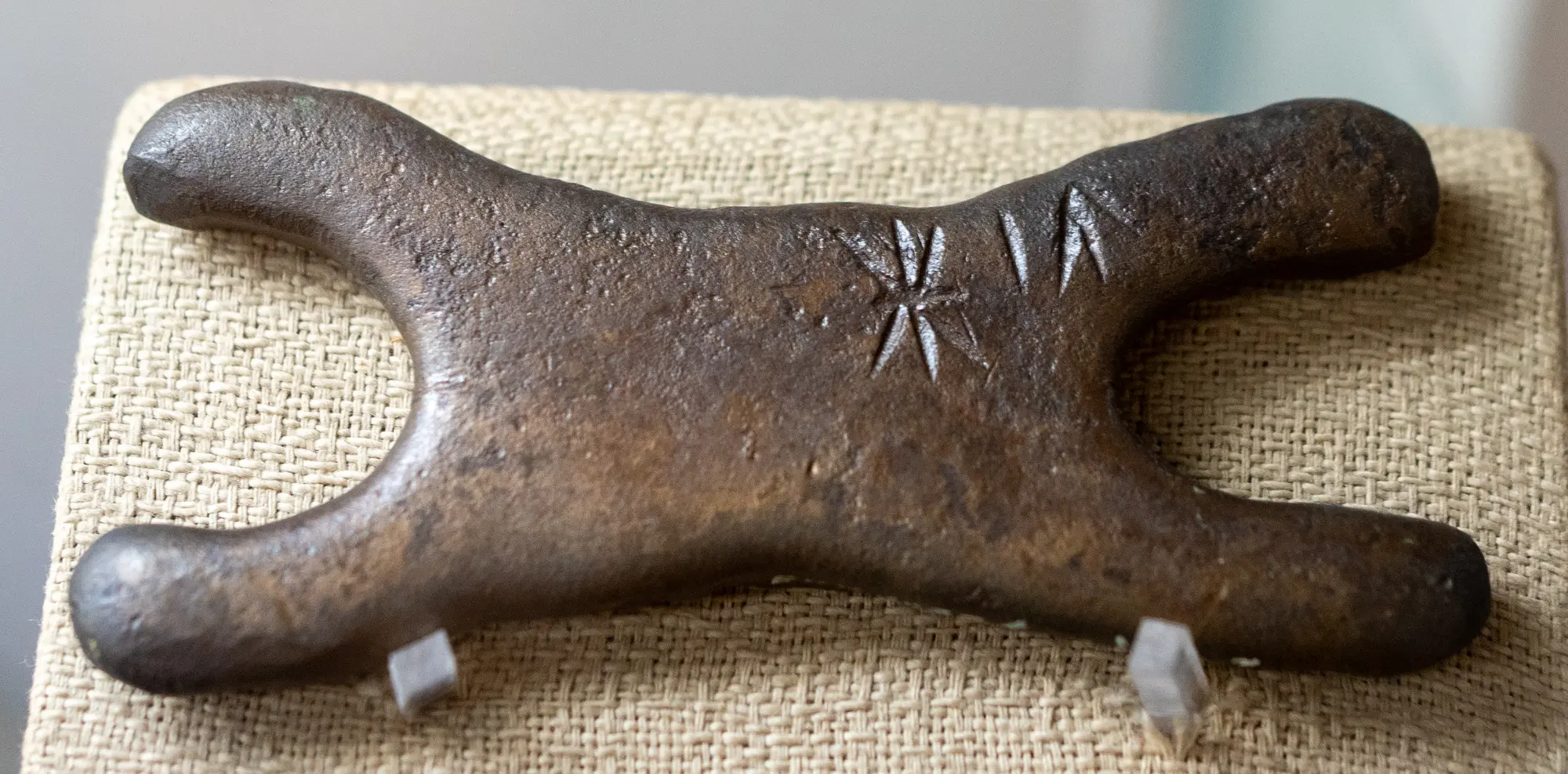
The mining, smelting and casting of the Troodos sulphide ores, from hammered Chalcolithic native copper to Late Bronze Age oxhide ingots and Archaic slag heaps.
In the compendium
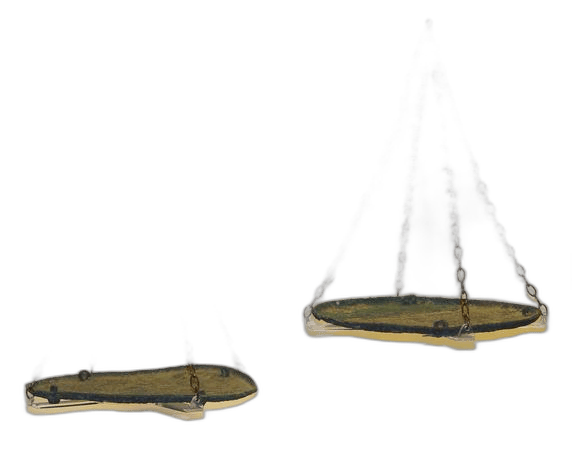
Weights and Ingots
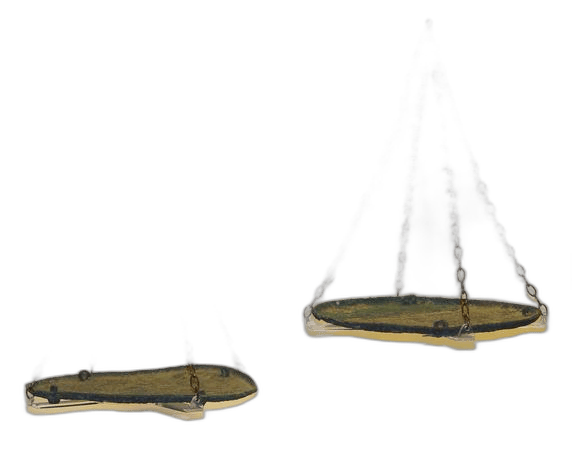
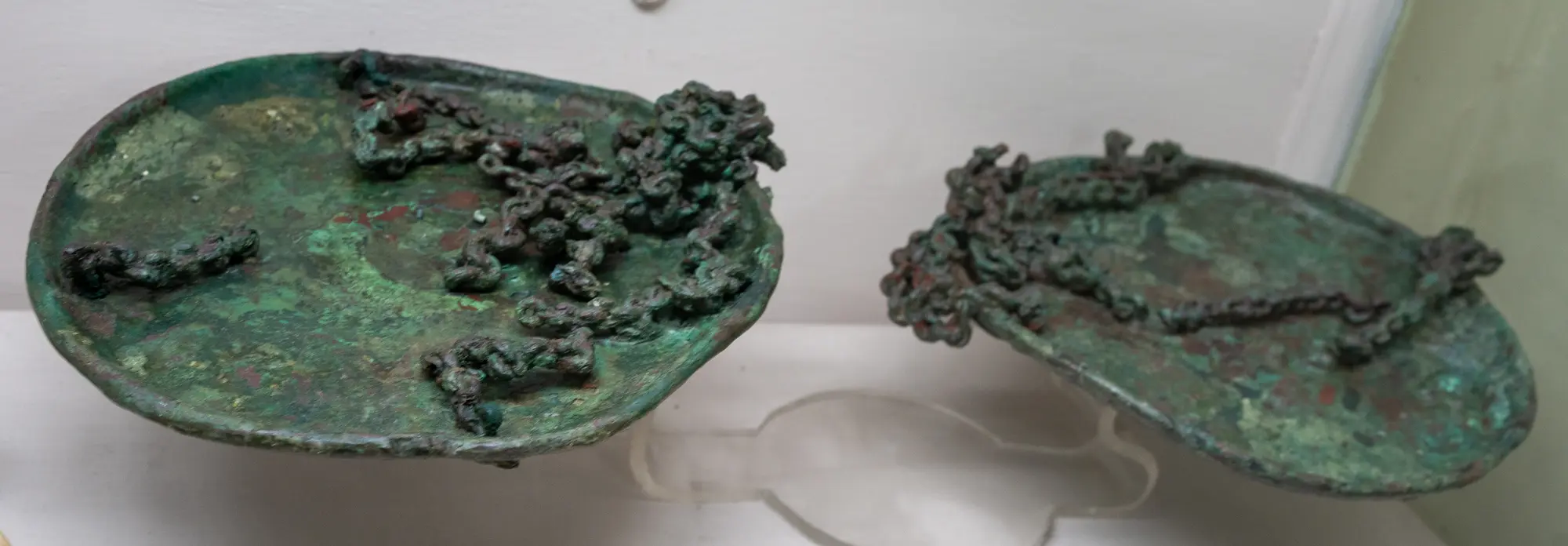
Copper ingots, miniature votive ingots, balance weights and scale pans in Cyprus, from the Late Bronze Age into the Cypro-Geometric and Cypro-Archaic periods.
In the compendium
Egypt
Ancient Egypt, Cyprus's partner in copper, pottery and prestige goods from the Middle Kingdom to the Ptolemies, who annexed the island.