
Video essay·Wanax TV·2026
Who were the Lukka? (Sea Peoples of Lycia in Late Bronze Age)
This video covers more than Cyprus. The description below concentrates on its Cypriot parts, the first of which begins at 34:35.
Chapters
About the video
In this livestreamed episode from Wanax TV, the presenter examines the Lukka of southwestern Anatolia across the Late Bronze Age, tracking their appearance in Hittite and Egyptian records and their place among the Sea Peoples. The video opens with an overview of the Sea Peoples and the Lukka lands in Lycia before working chronologically through Bronze Age texts, from the Assuwa confederation and the Tawagalawa letter to the campaigns under Merneptah and Ramesses III.
Cyprus enters the account as the kingdom of Alashiya during two episodes. In the section on the Indictment of Madduwatta and the mid-14th century BC, the presenter discusses raids on Cyprus carried out by the Lukka alongside Mycenaeans and Madduwatta. He notes that Alashiya was treated as a major power because of its role in the copper trade. In the Amarna letters between Alashiya and Egypt, the Lukka are reported seizing Alashiyan villages while Egypt accuses Cypriots of collaborating with Lukka raiders against Egyptian territory.
The second Cypriot segment concerns the late 13th and early 12th centuries BC. Drawing on the archives of Ugarit, the presenter describes how Alashiya, Ugarit and Carchemish faced seaborne attacks. He cites King Ammurapi of Ugarit addressing the king of Alashiya as "my father" and explaining that Ugarit is undefended because its troops and chariots are in Hatti and its ships are off the coast of Lukka. The presenter places the destruction of Alashiya shortly after c. 1180 BC, alongside Hattusa and Ugarit, and argues that Mycenaean Greeks destroyed Alashiya and subsequently colonized Cyprus, establishing the island's Greek city-kingdoms.
From our collection
Pieces in the Drakopoulos collection of the kinds and periods this talk covers: Late Cypriot (Late Bronze Age).
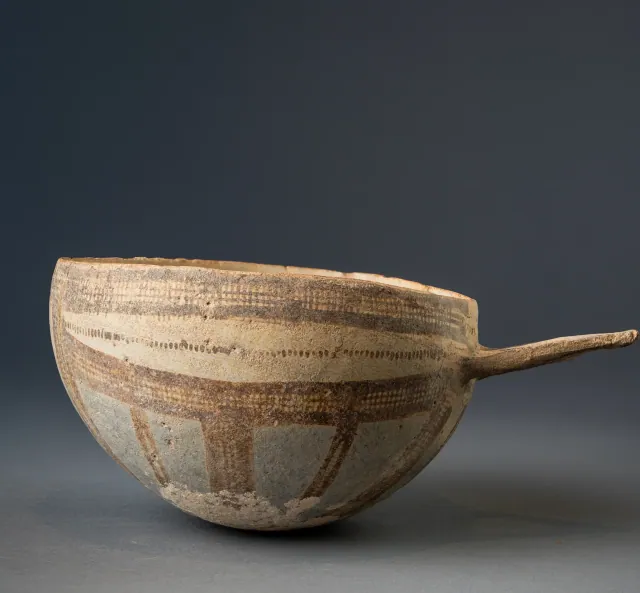
White Slip II Hemispherical Bowl with Wishbone Handle
Late Cypriot (Late Bronze Age)
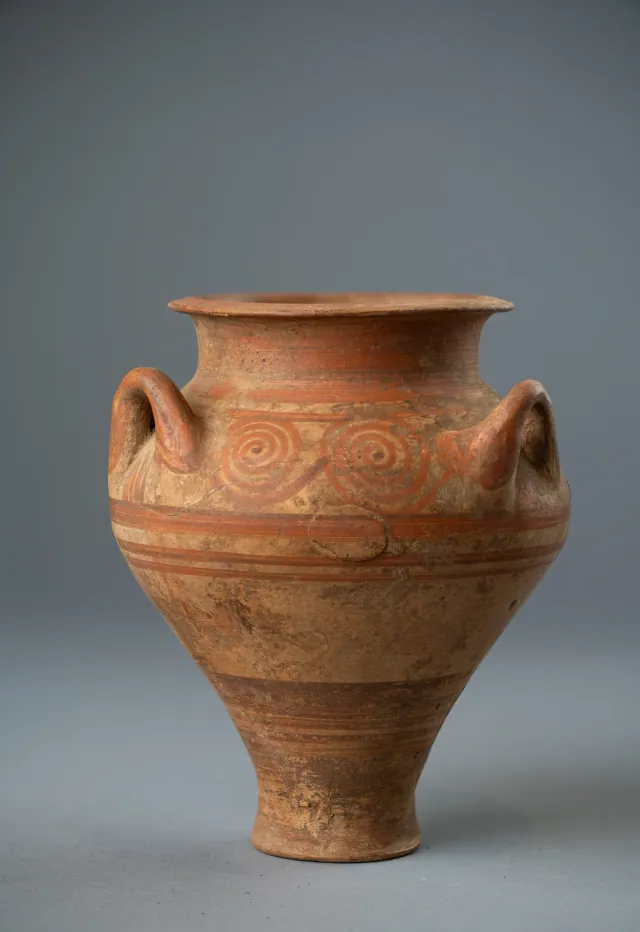
Cypriot Three-Handled Jar in the Mycenaean Style with Running Spirals
Late Cypriot (Late Bronze Age)
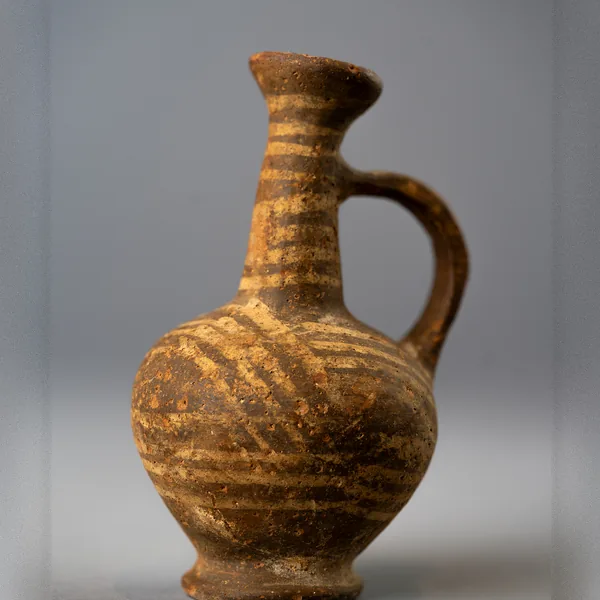
Base Ring II Bilbil Juglet with White-Painted Bands
Late Cypriot (Late Bronze Age)
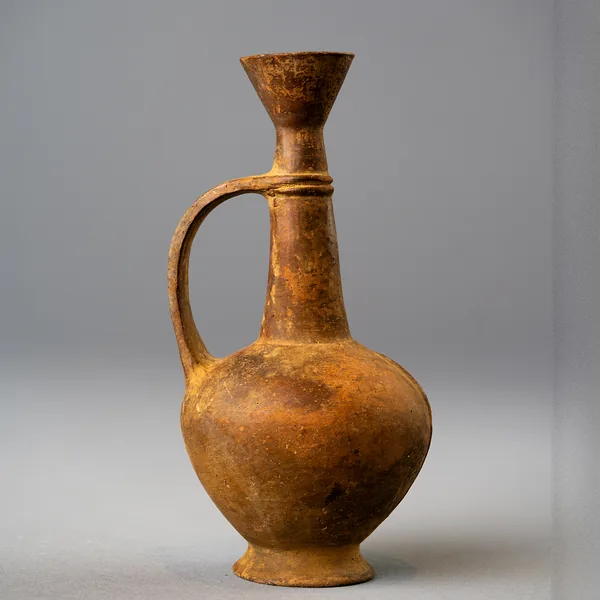
Base Ring Bilbil Juglet with Funnel Mouth and Neck Ridge
Late Cypriot (Late Bronze Age)
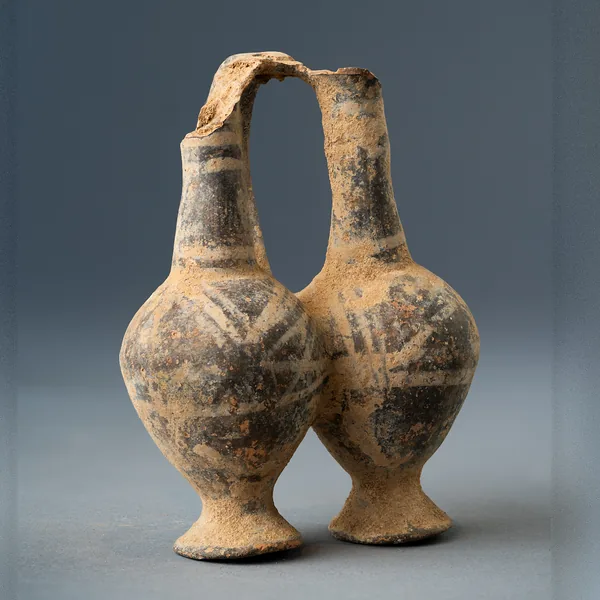
Base Ring II Double Juglet with White-Painted Decoration
Late Cypriot (Late Bronze Age)
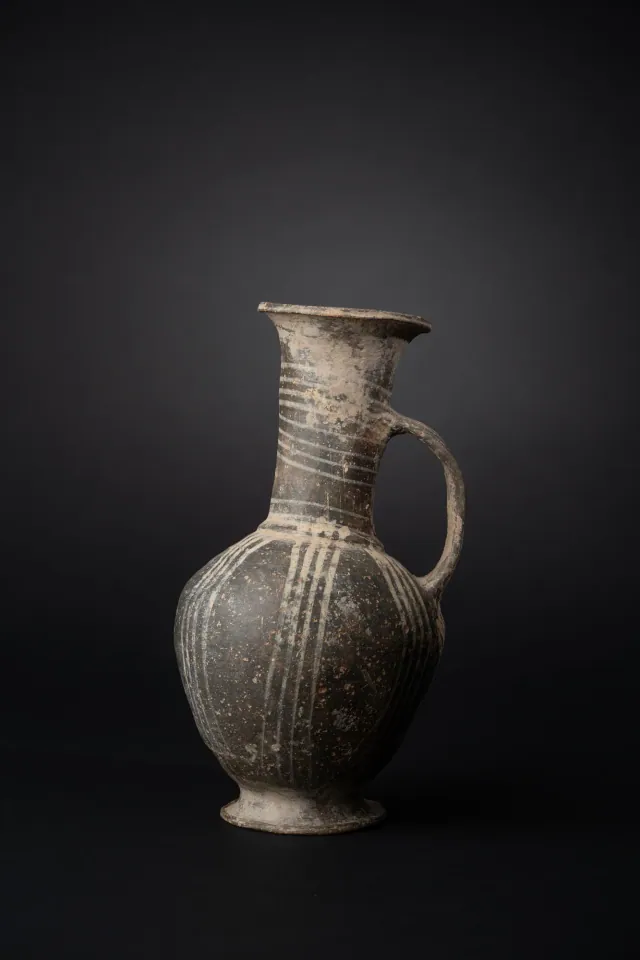
Base Ring II Jug with White-Painted Lattice Bands
Late Cypriot (Late Bronze Age)
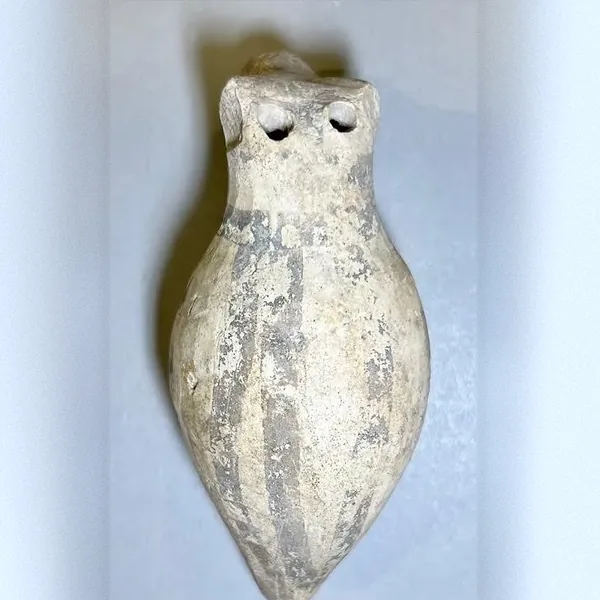
White Painted VI Owl-Headed Rattle
Late Cypriot (Late Bronze Age)
Background
Where to read more on this site before or after watching.
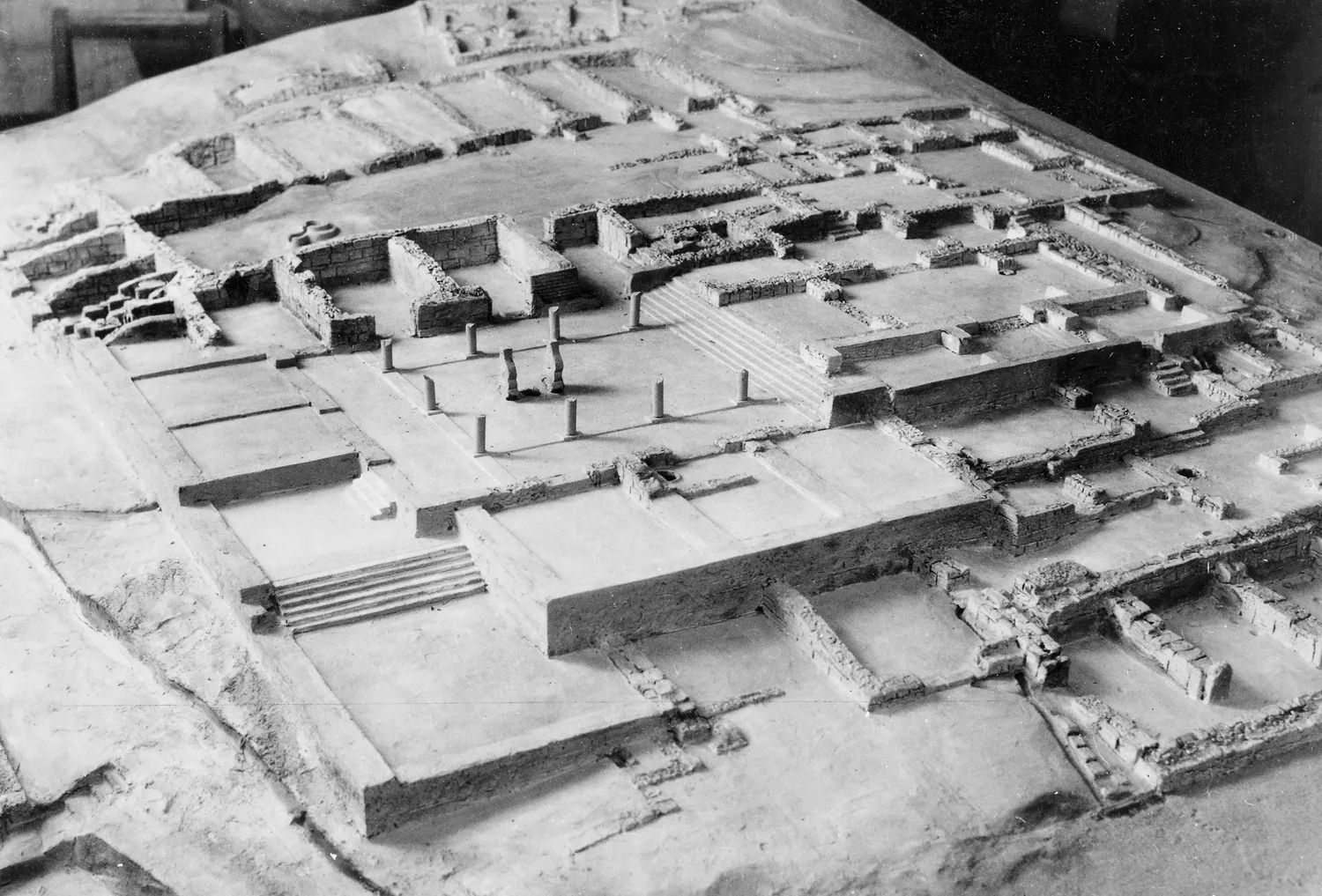
In the compendium
Iron Age Cities and Palaces
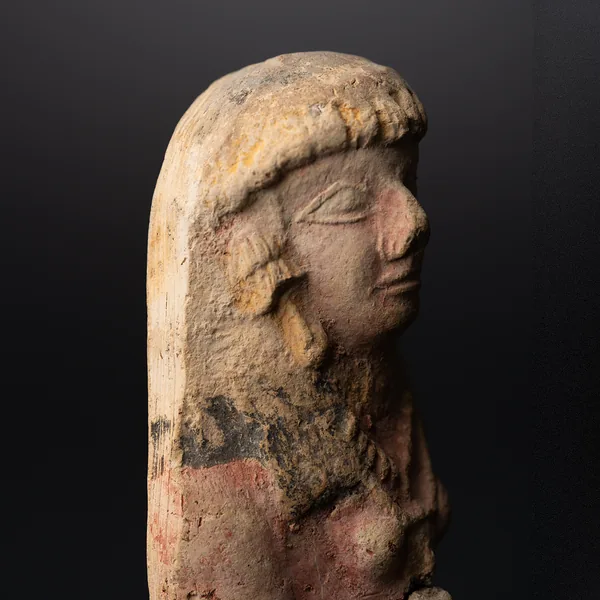
The capitals of the Iron Age kingdoms of Cyprus, their palaces at Vouni, Amathus, Idalion and Palaepaphos, their houses, and the volute and Hathor capitals of the period.
In the compendium
Egypt
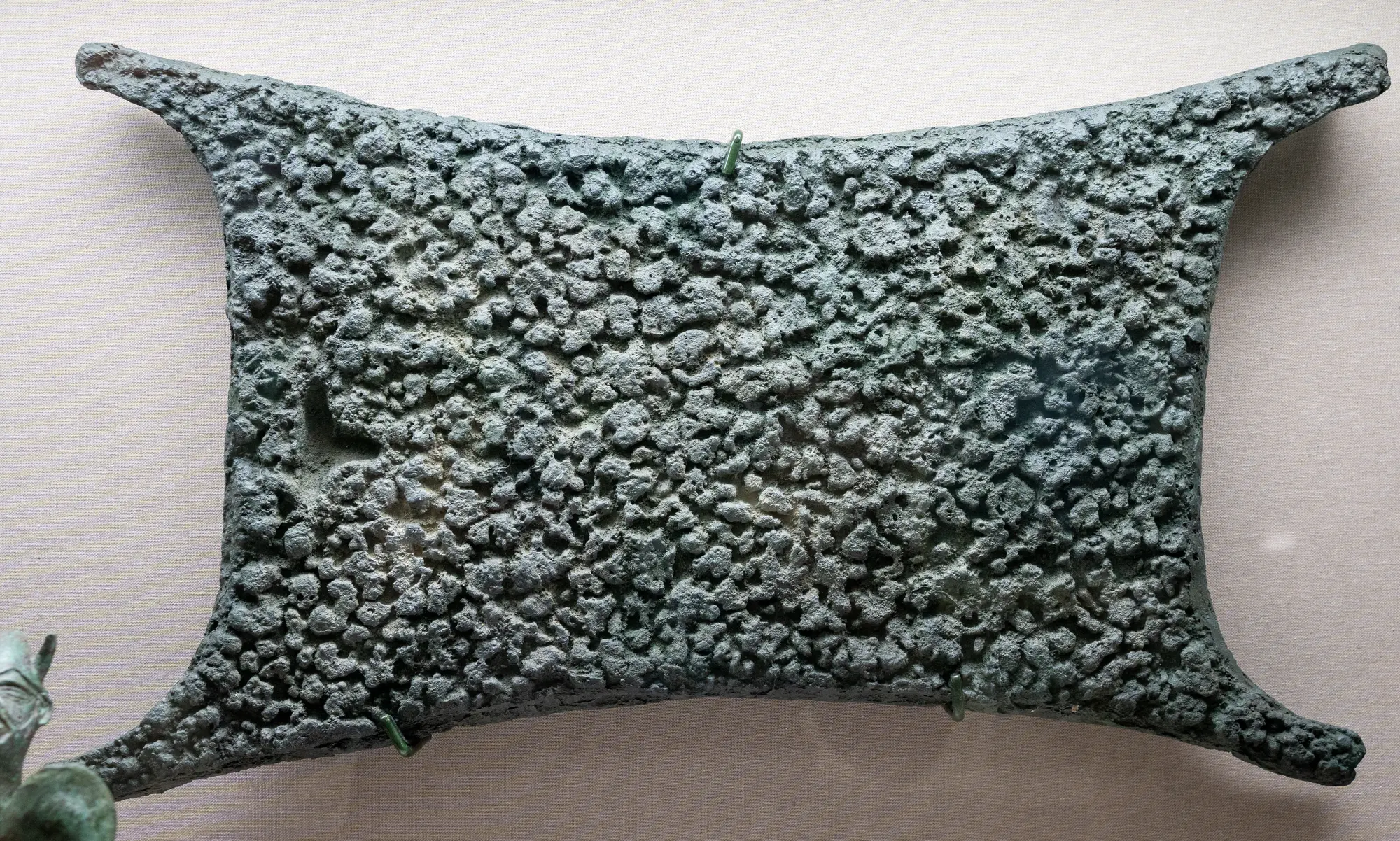
Ancient Egypt, Cyprus's partner in copper, pottery and prestige goods from the Middle Kingdom to the Ptolemies, who annexed the island.
In the compendium
Hittite Empire and Cyprus
The Late Bronze Age Anatolian empire that claimed Alashiya as a tributary but left almost no material trace on Cyprus.

The period
Late Bronze Age
The Late Cypriot period, c. 1650–1050 BCE, when copper exports made Cyprus an urban, literate trading power before the crisis around 1200 BCE.