
Lecture·Archaeological Research Unit - University of Cyprus·2021
East Aegean borderlands and ceramic connectivity in the third millennium BC
A guest lecture in the University of Cyprus series on a subject outside Cyprus.
Chapters
About the lecture
Sergios Menelaou of the University of Cyprus presents preliminary theoretical and analytical work from the BORDER postdoctoral project, which studies third-millennium BC ceramic assemblages across the East Aegean islands, western Anatolia and Cyprus. Although the broader project includes a macro-scale comparison with Cyprus, this lecture focuses on the East Aegean borderlands and their relationship with the adjacent Anatolian mainland.
Menelaou begins with archaeological approaches to borders, frontiers and insularity, tracing the shift from viewing islands as isolated laboratories to studying maritime networks, coastscapes and the ancient concept of the peraea, the mainland territory opposite an island. He notes how modern political borders between Greece and Turkey since 1923 and early twentieth-century national archaeological traditions artificially separated the study of the Northeast Aegean islands and the Dodecanese from the Turkish coast.
Using pottery as a proxy for mobility and interaction, the talk outlines a methodology combining typology, macroscopic fabric study and thin-section petrography, centred on the settlement of Heraion on Samos. Menelaou traces ceramic and material connections from the Final Neolithic and Chalcolithic, marked by Melian obsidian and cheese pots, through the three phases of the Early Bronze Age. Across Poliochni on Lemnos, Thermi on Lesbos, Emporio on Chios, Heraion on Samos, Liman Tepe and Troy, he examines Cycladic imports, western Anatolian fabrics on Samos, the spread of Lefkandi I or Kastri group drinking and serving vessels in Early Bronze Age II, and technological changes such as the potter's wheel in Early Bronze Age III, arguing that the East Aegean islands acted as gateway hubs across the coastscape.
From our collection
Pieces in the Drakopoulos collection of the kinds and periods this talk covers: Vessel.
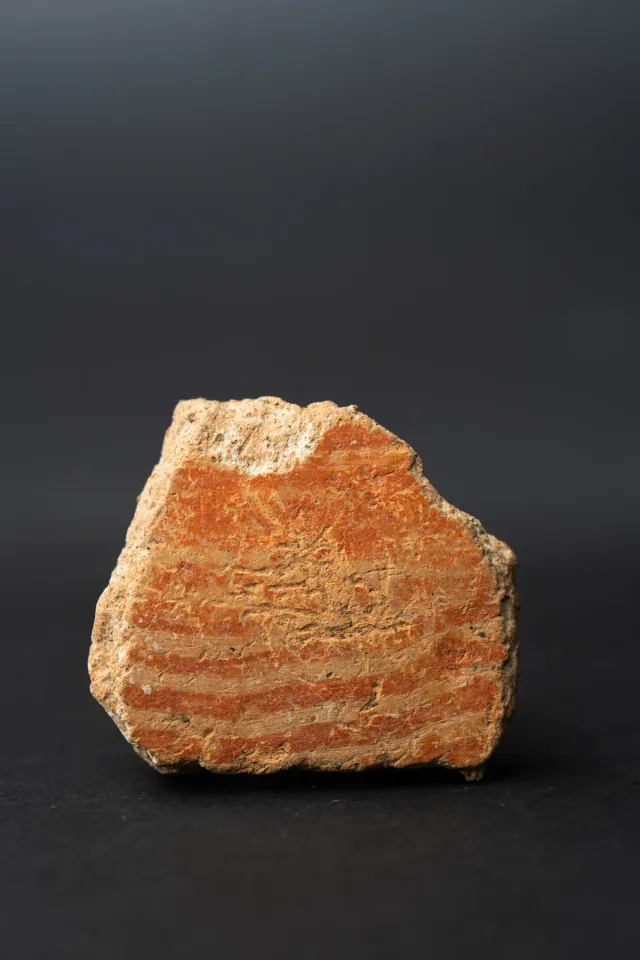
Combed Ware Bowl Fragment with Parallel Bands
Vessel
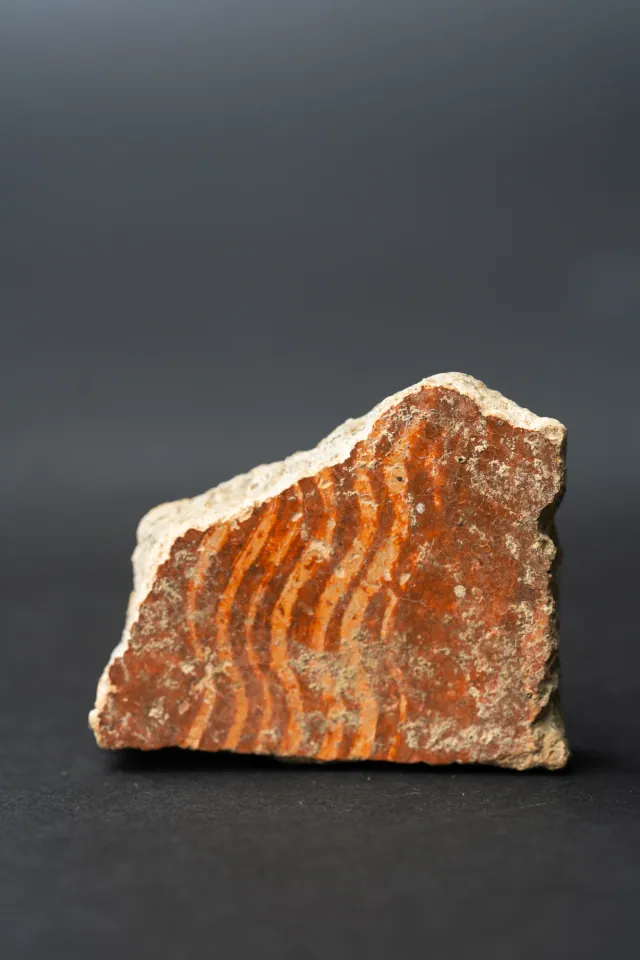
Combed Ware Bowl Fragment with Multiple Wavy Bands
Vessel
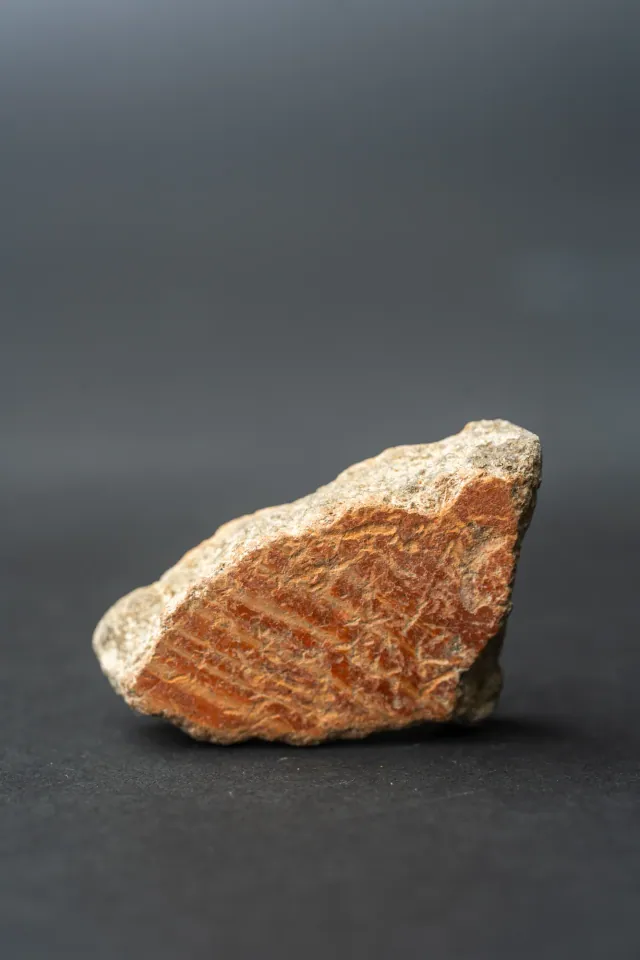
Combed Ware Bowl Fragment with Oblique Bands
Vessel
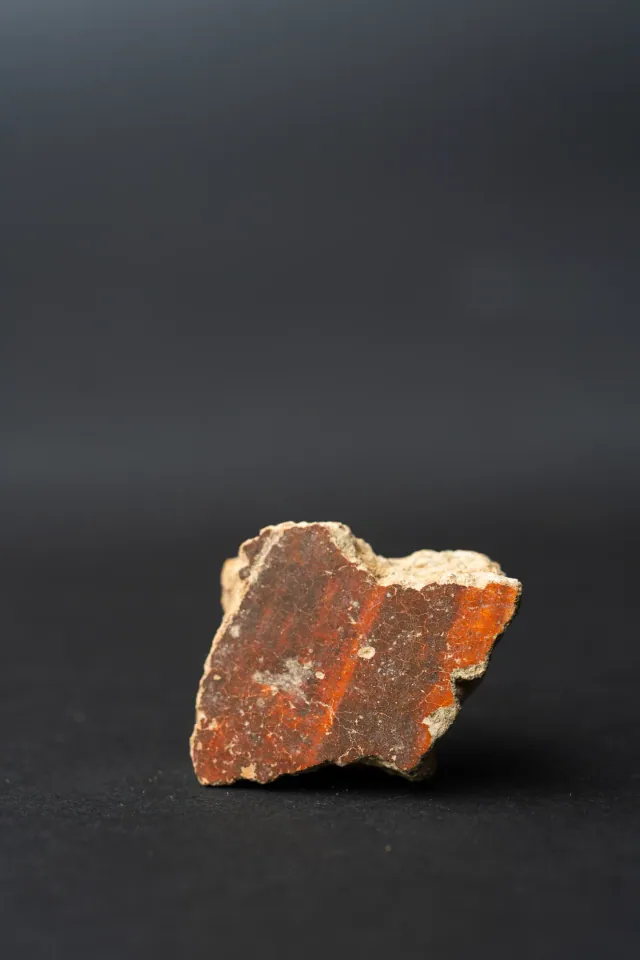
Red Lustrous Ware Body Sherd with Fire-Mottled Slip
Vessel
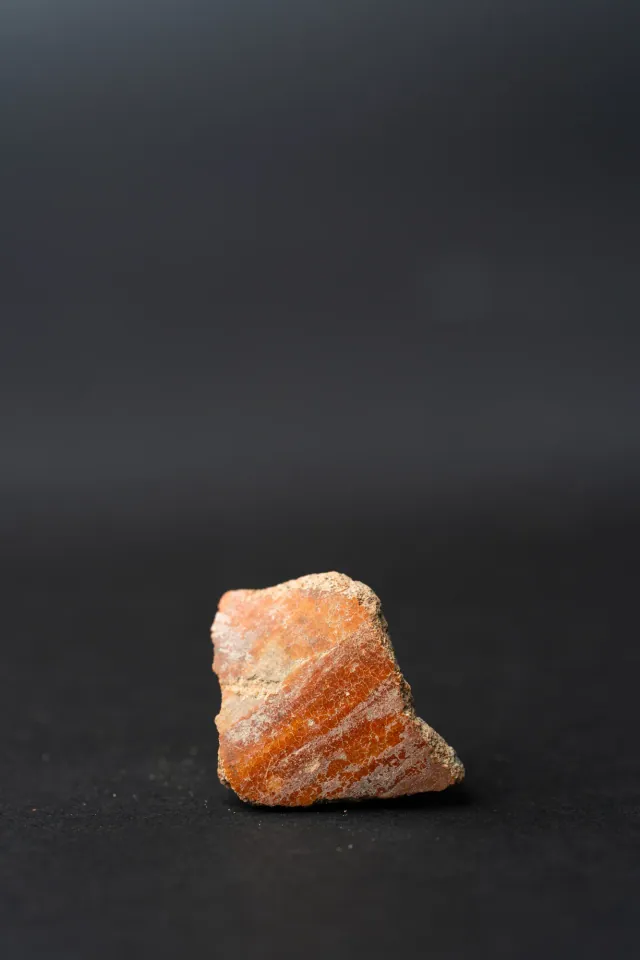
Red Slip Ware Body Sherd with Streaked Slip
Vessel
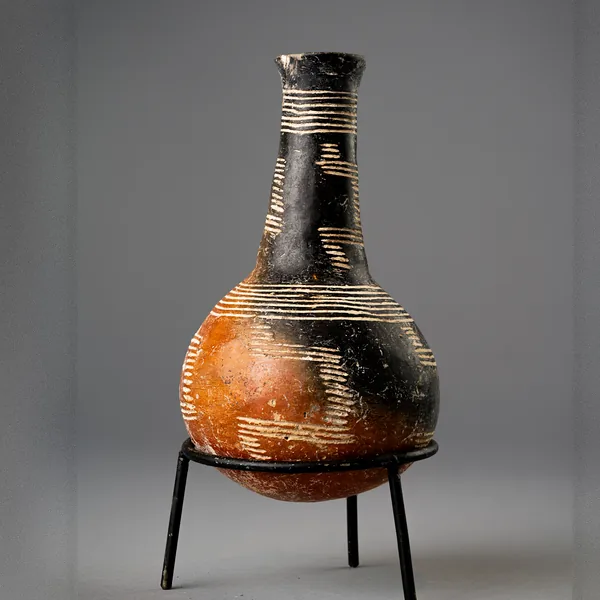
Red Polished Black-Topped Bottle with Stepped Incised Bands
Vessel
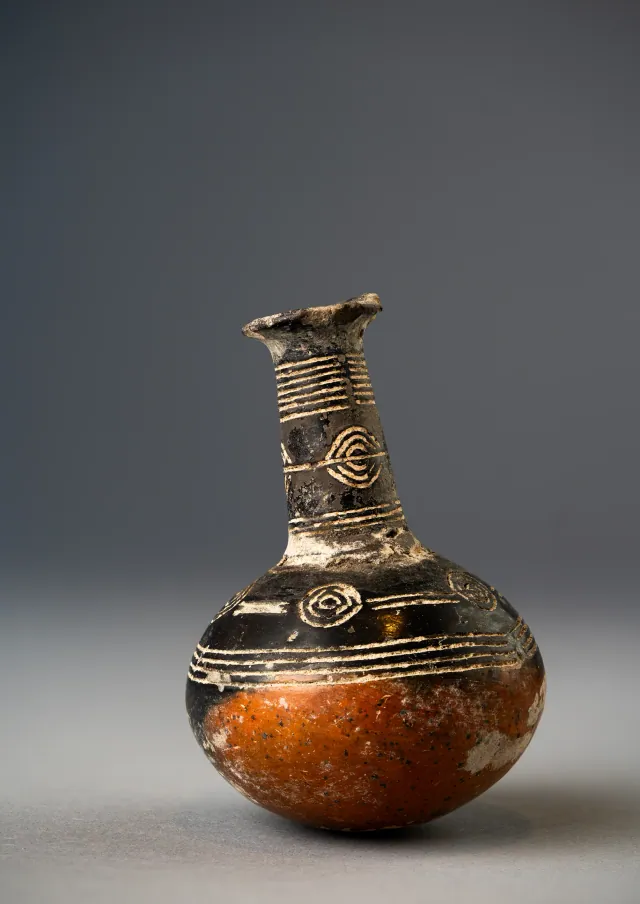
Red Polished Black-Topped Bottle with Incised Concentric Circles
Vessel
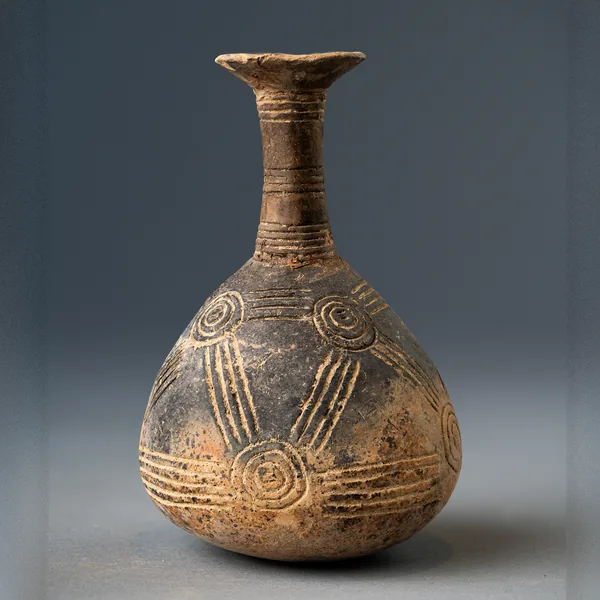
Red Polished Bottle with Linked Concentric Circles
Vessel
Background
Where to read more on this site before or after watching.
In the compendium
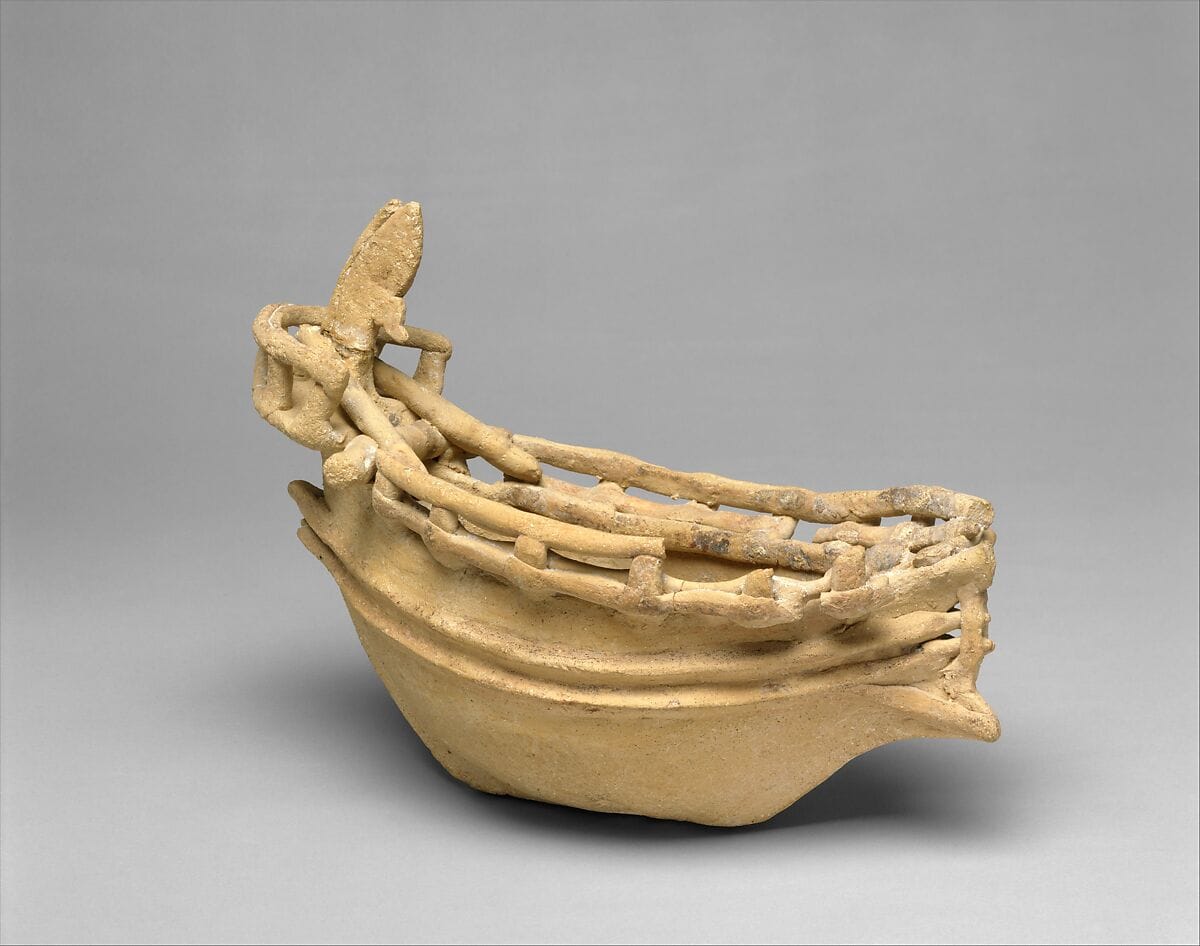
Seafaring and Ships in Ancient Cyprus
The evidence for boats and seafaring around Cyprus from the first crossings to the Classical period, from anchors, models and graffiti to wrecks and shipsheds.
The period
Neolithic
The period c. 9000–3900 BCE in which farmers from the mainland settled Cyprus, built villages of circular houses, and later adopted pottery.