
A free course·14 lessons·about 3 hours of reading
Ancient Cypriot Architecture: A Course from the First Villages to the Roman Earthquake
Fourteen lessons on how the people of ancient Cyprus built, from the round houses of Khirokitia to the theatres and mosaic houses of Roman Paphos and Kourion: what the walls and roofs were made of, how to read an excavation plan, and how to tell ancient stone from modern restoration.
Alexis Drakopoulos·Architecture · Archeology · Guides
Share


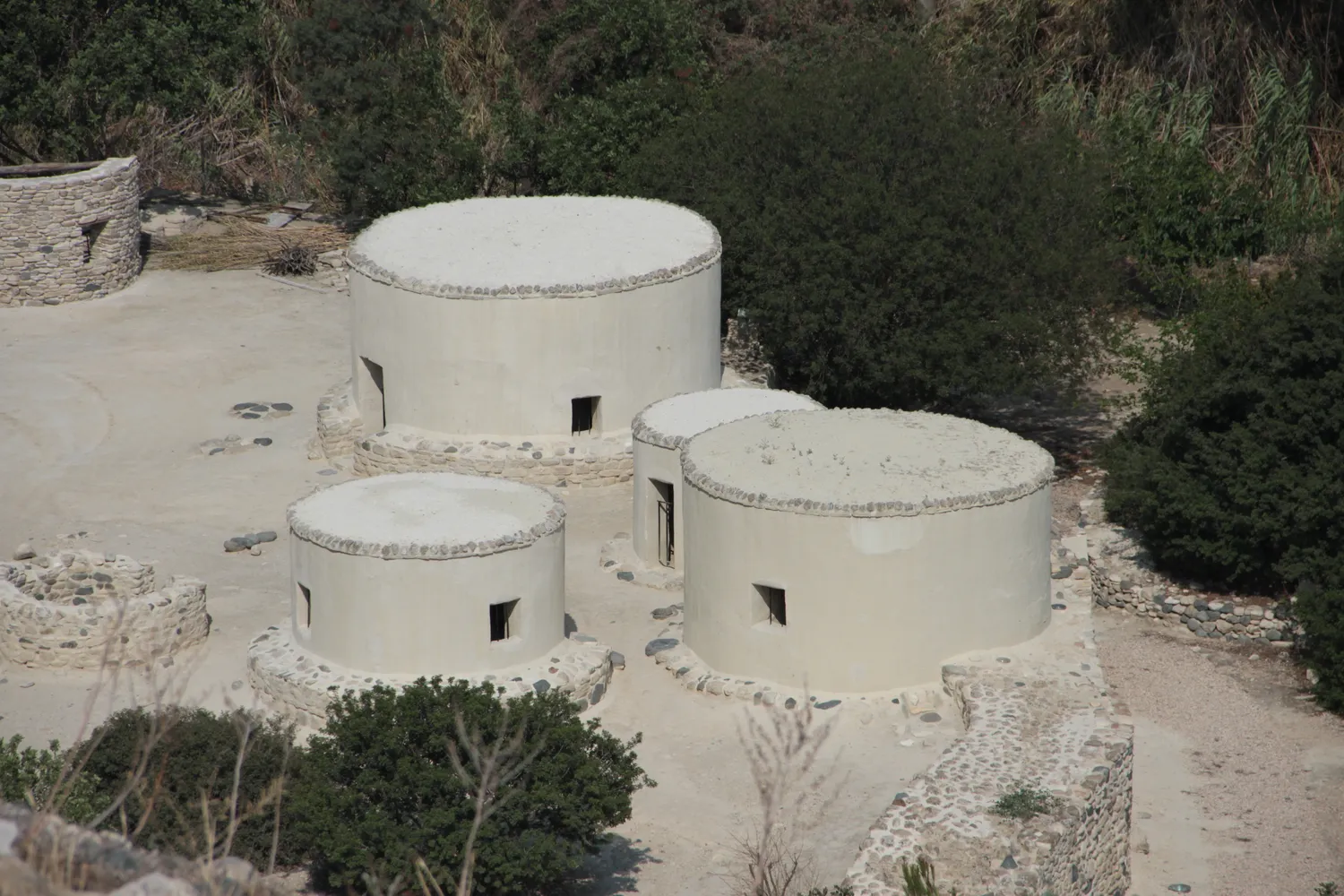
In 1983 the excavators at Khirokitia found a roof. It had burnt and fallen face down onto the floor of a small round room, and the fire had baked the clay hard enough to keep the print of every reed and pole that once held it up. Some eight thousand years after it fell, it settled an argument: the famous domed huts of the guidebooks never stood. Most of what a visitor pictures in an ancient building, the roof, the upper walls, the doors and the colour, is exactly what does not survive, and it has to be worked out from what fell.
This course teaches how that is done, and what it shows. It runs from the first villages, around 9000 BC, to the Roman town at Kourion that an earthquake flattened in the later 4th century AD, with a short look at the first churches. The first two lessons are the toolkit: how to read a building that is not there, and what the island built with. Seven lessons then follow the sequence period by period, from round houses to ashlar courts, royal cities, peristyle houses and theatres. The last five cut across it: sanctuaries, tombs, walls, how buildings fall, and how to read a ruin on the ground, with a glossary.
Seven buildings in the course are also rebuilt in 3D on this site, from the excavated evidence. In the lessons they open at the step or the view that matters, and every part is marked as excavated, inferred or guessed, so the reader can take a house apart and see how much of it anyone really knows. Each lesson takes about fifteen minutes to read, ends with a short check of what it taught, and sends the reader on to the reconstructions, site pages and compendium entries that go further.
The lessons
Getting started
Lesson 0·13 min
How to Read a Building That Is Not There
A burnt roof lying face down on a Khirokitia floor, and a leaning wall once read as a dome: how a fallen roof, a low wall and an excavation plan become a house, and how to tell what was found from what was inferred or rebuilt.
Lesson 1·14 min
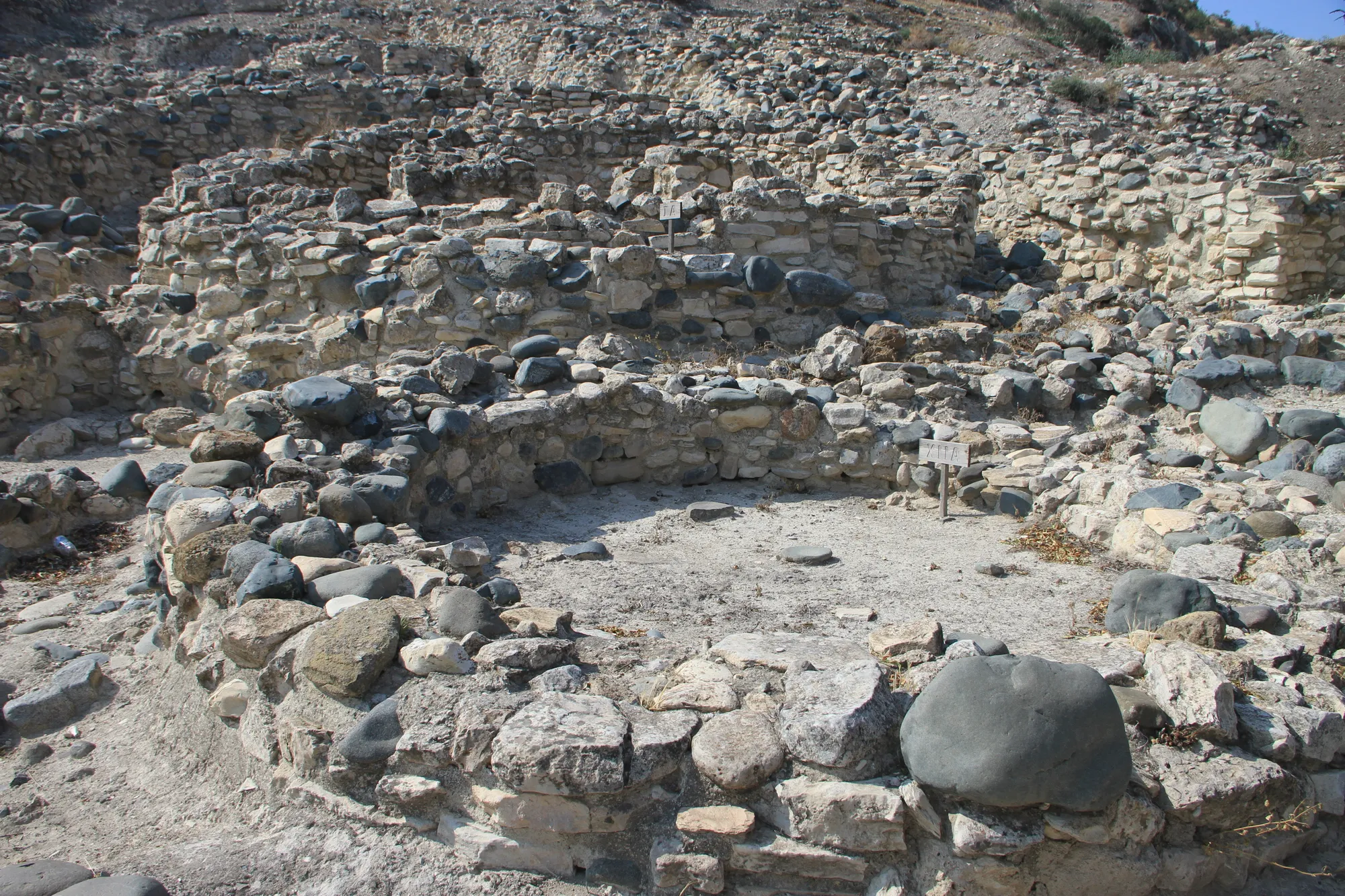
Stone, Earth, Timber and Reed
What Cypriot houses were built from, Khirokitia to Roman Kourion: stone socles, mudbrick, lime plaster, ashlar, and a flat earth roof weighing half a tonne a square metre. Learn which parts survive and which vanish.
Period by period
Lesson 2·14 min
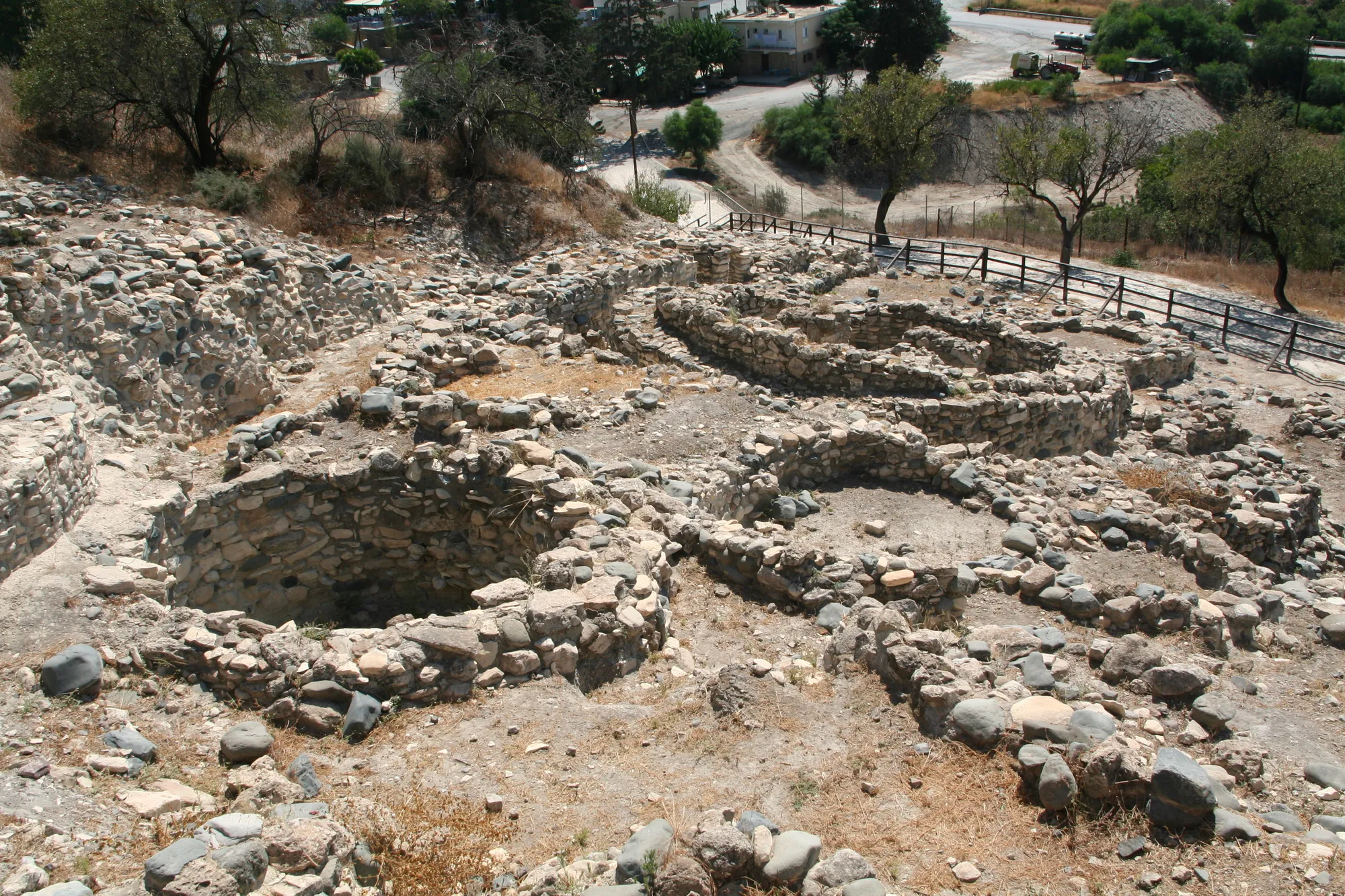
The First Villages: Round Houses of the Neolithic
Klimonas's sunken hall, Khirokitia's round rooms grouped round a court, Sotira's rounded corners: how the first villagers of Cyprus built in stone, earth and reed, how they roofed their houses, and why the famous domes come from one leaning wall.
Lesson 3·14 min
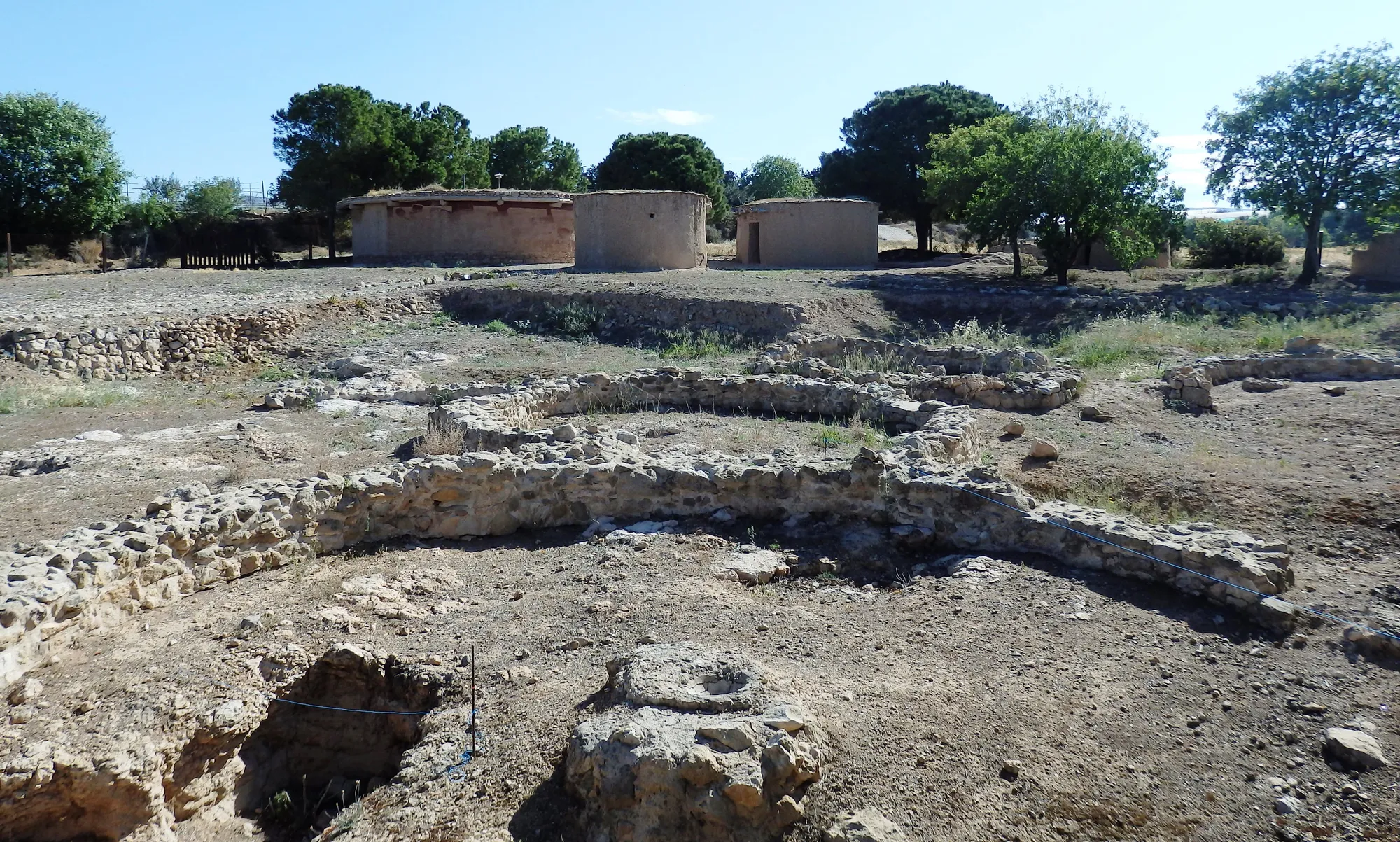
Round Houses of the Chalcolithic
For sixteen centuries Chalcolithic Cypriots built in circles: post rings, then mud walls on stone socles under flat earth roofs, the great houses of Kissonerga and the burnt Pithos House. How to read the footing, hearth and fallen roof.
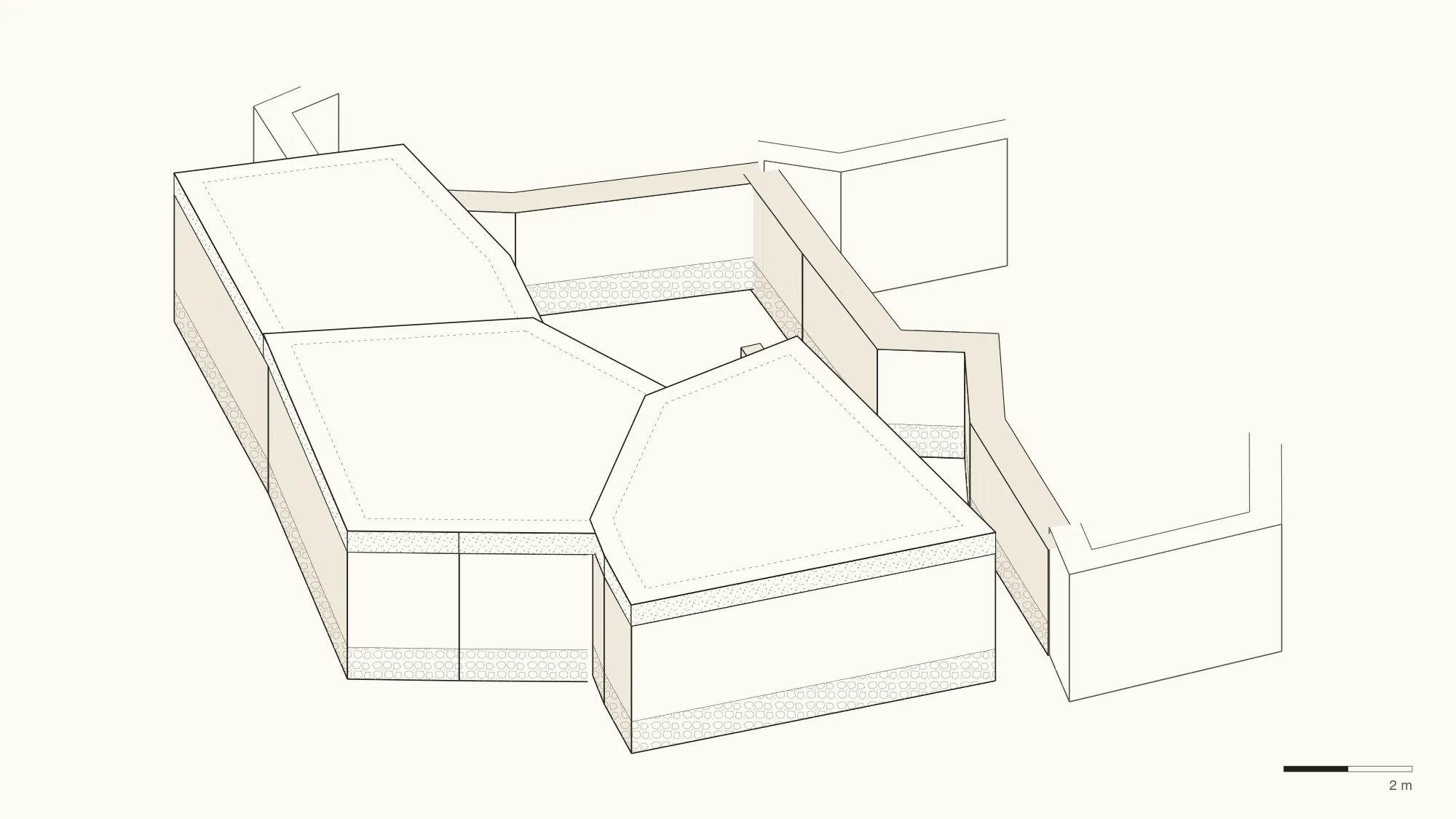
Lesson 4·13 min
Square Rooms: Villages of the Early and Middle Bronze Age
From about 2400 BC Cypriots built square rooms of mudbrick on stone, shared walls with their neighbours and closed in their yards. One plot at Marki over five centuries and a stone house at Sotira teach you to read a compound plan.
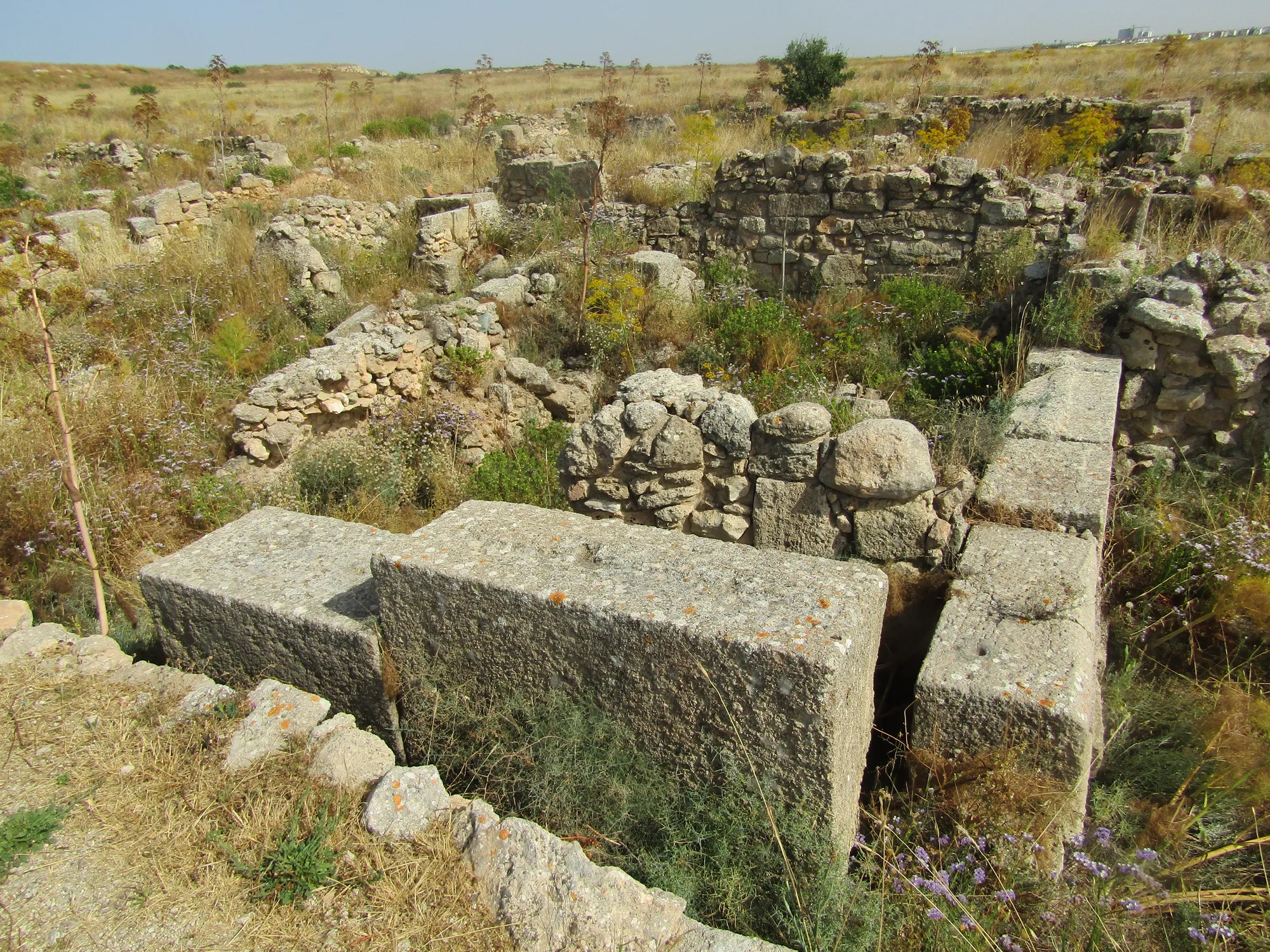
Lesson 5·14 min
Ashlar and the First Towns: the Late Bronze Age
How Late Bronze Age Cypriots built in cut stone: drafted-margin ashlar at Maroni, Kalavasos and Alassa, pillared halls of oil jars, the grid town of Enkomi, the ordinary courtyard house, and how to spot ashlar that has been carried away.
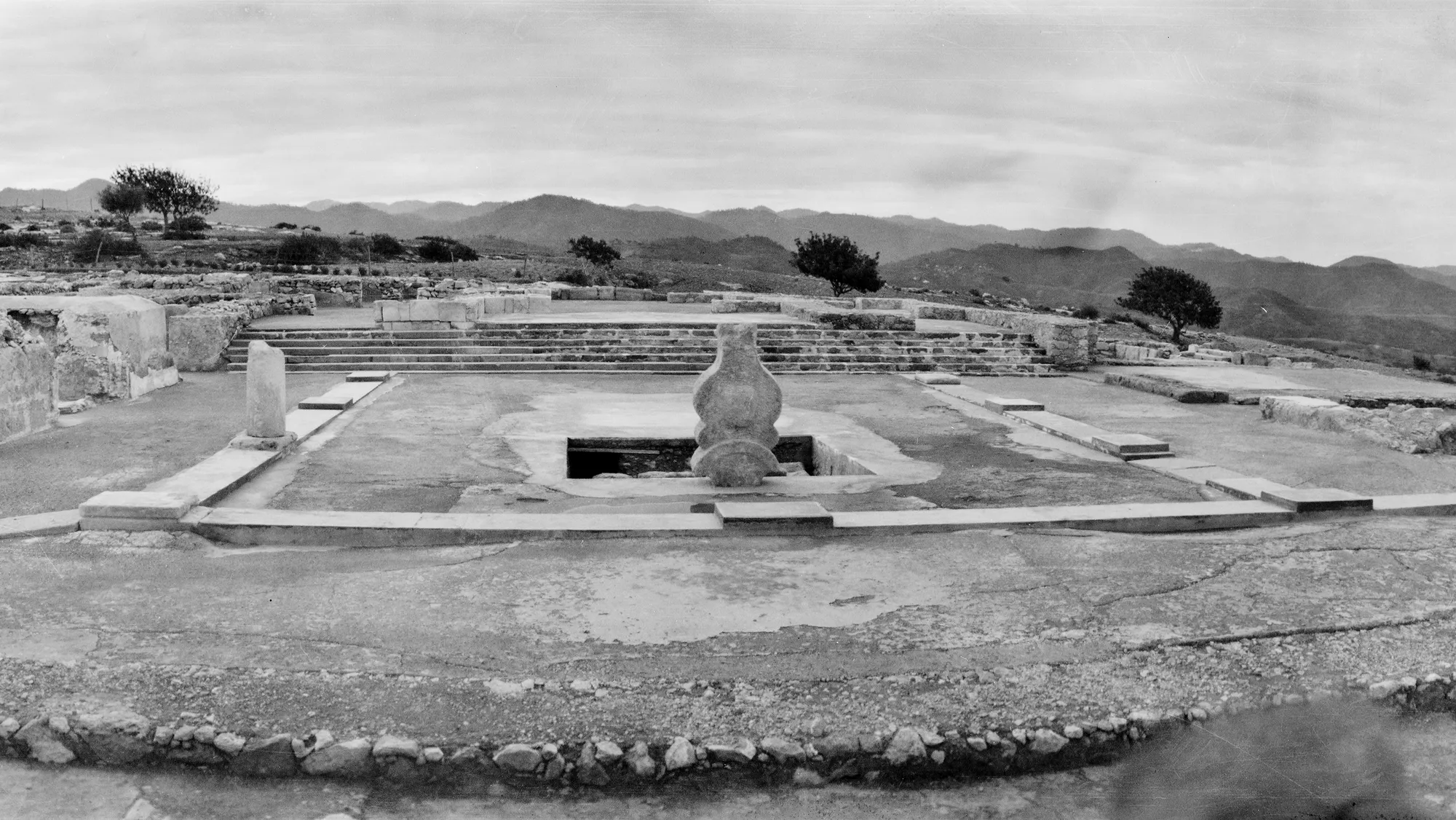
Lesson 6·13 min
Cities of the Kings: the Iron Age
Ten kings of Cyprus are named on an Assyrian prism, yet their towns lie under Roman ones. One palace, one house at Idalion, a war harbour at Kition and a few carved capitals show how the kingdoms built.
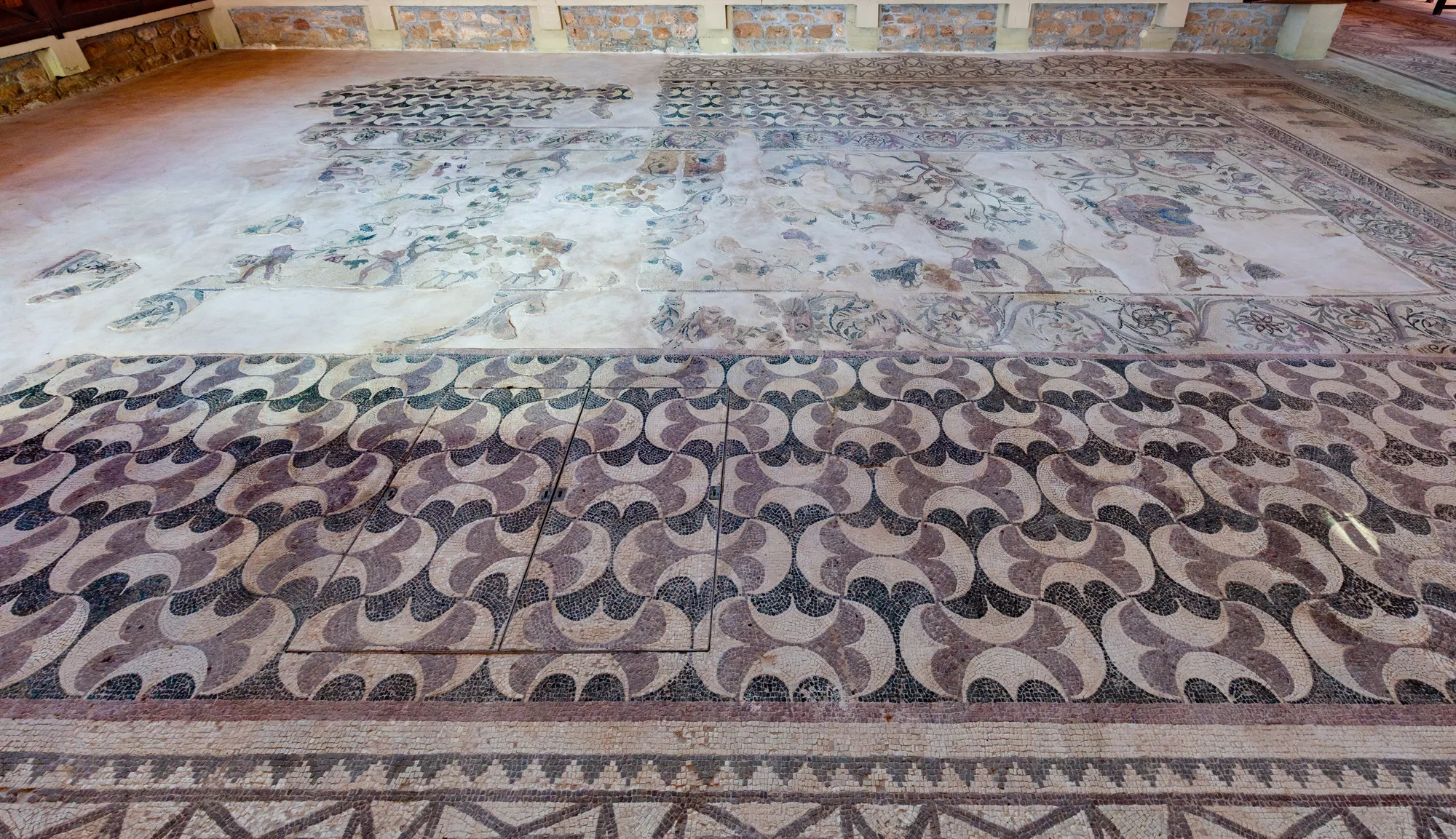
Lesson 7·13 min
Houses and Towns of Hellenistic and Roman Cyprus
Nea Paphos was laid out on a grid and its great houses survive as mosaic floors; at Kourion a poor house of mudbrick on stone footings kept its fallen roof. Read a Roman house from its plan, its floor and its collapse.
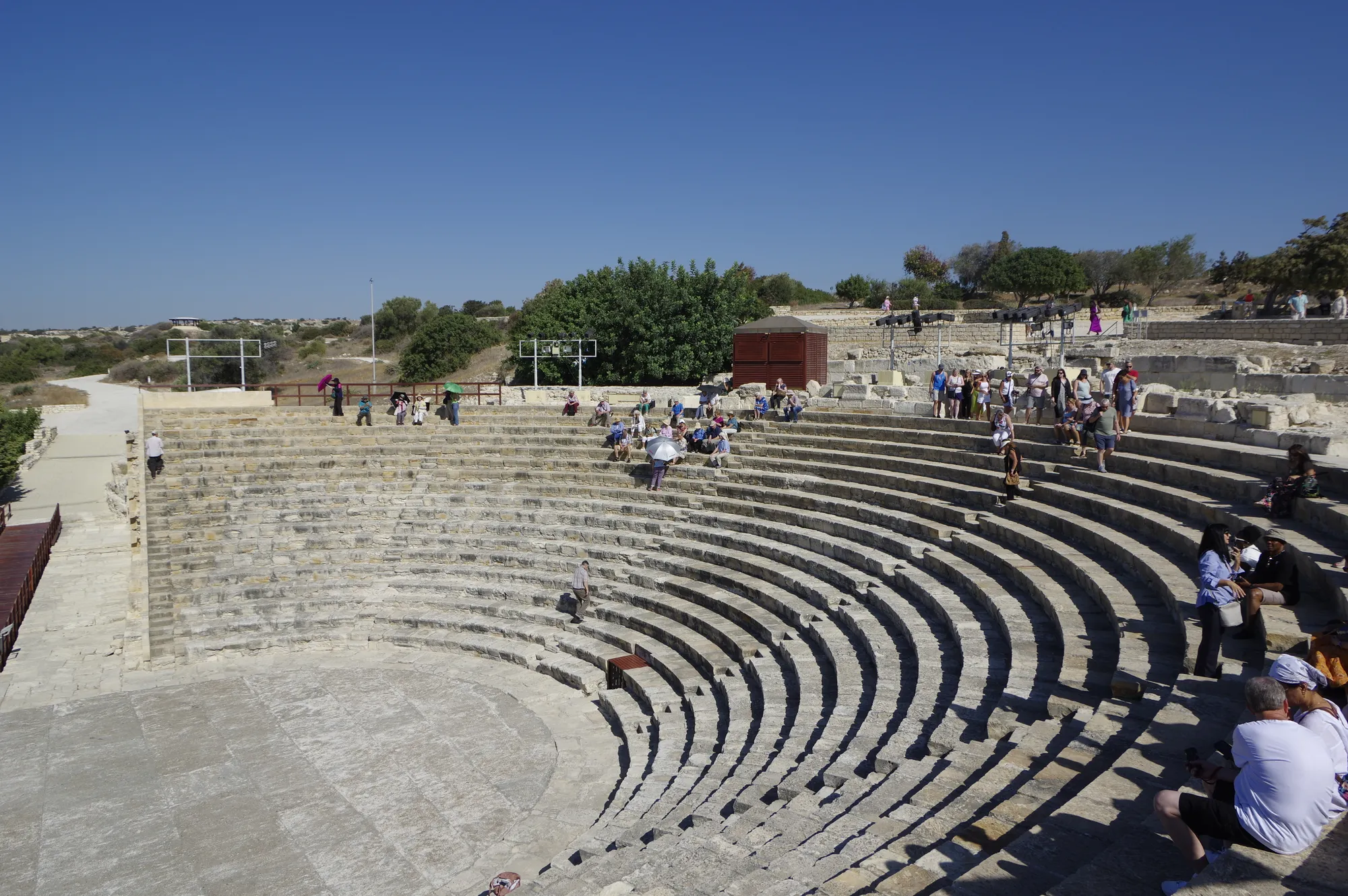
Lesson 8·14 min
Theatres, Baths and the Public City
How Hellenistic and Roman Cyprus built theatres, squares, gymnasia and baths, rebuilt them after earthquakes and fed their stone to churches, and how to tell an ancient seat from one laid in the 1960s.
Across the periods
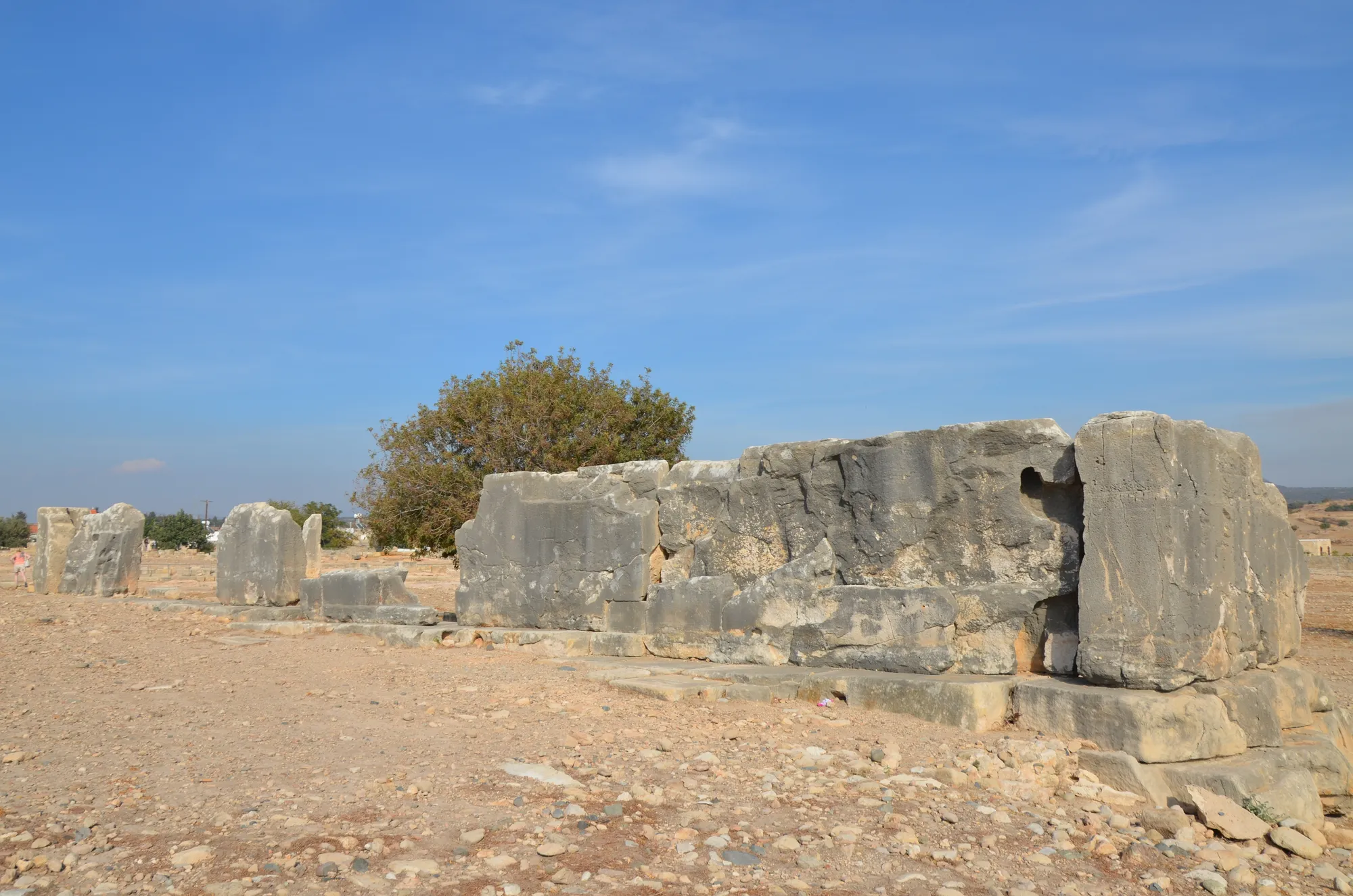
Lesson 9·14 min
Houses for the Gods
From the Vounous bowl to Roman Kourion, Cypriot sanctuaries as buildings: walled courts, altars, horns and benches, the few roofed temples, and how to tell an open-air temenos from a temple on a plan.
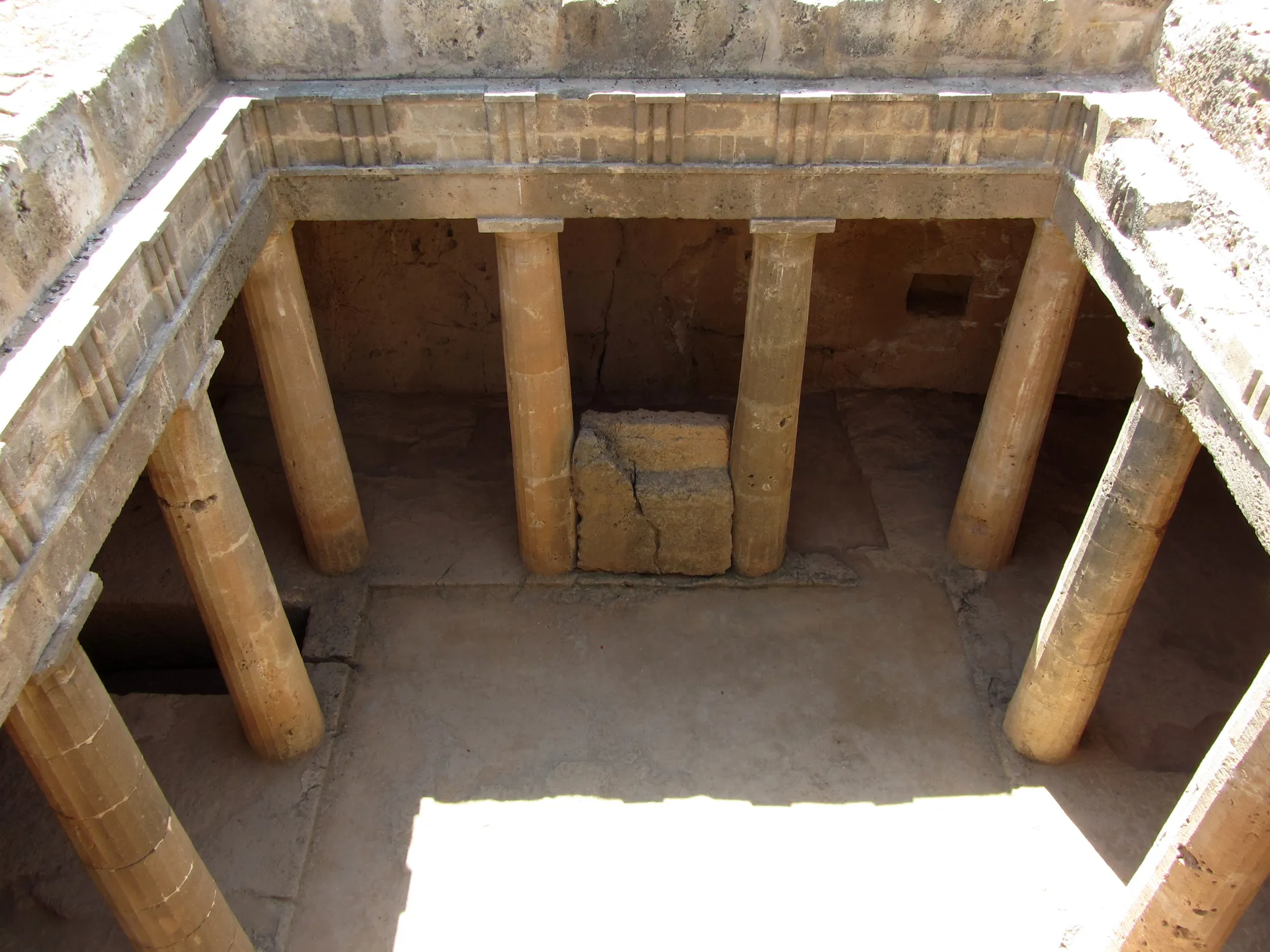
Lesson 10·13 min
Houses for the Dead
Cypriot tombs from the Khirokitia house floor to the Tombs of the Kings: how to read a dromos, stomion and chamber, why the Salamis tombs are mostly passage, and how Tamassos carved a timber house in stone.
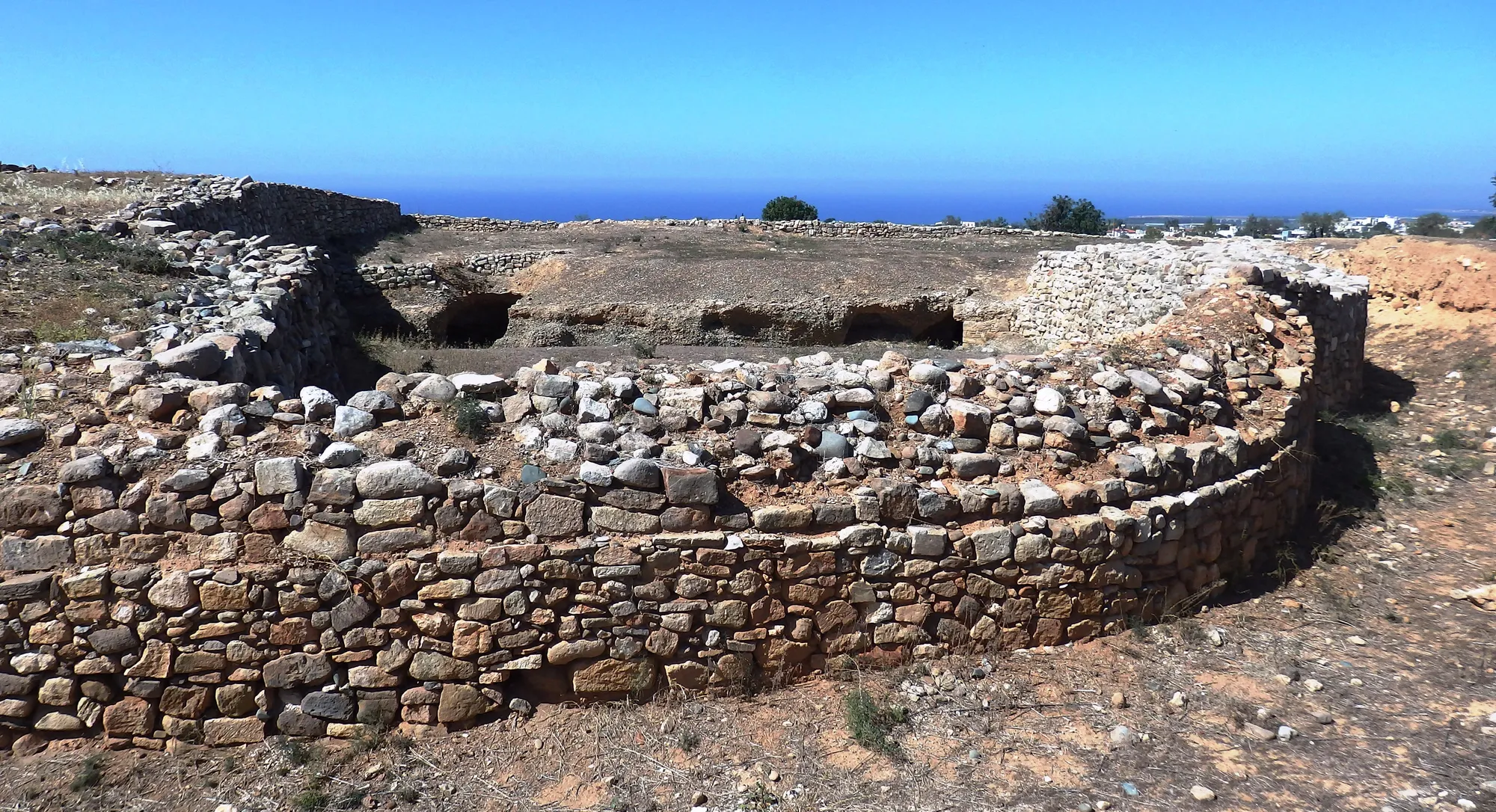
Lesson 11·14 min
Walls and War
From Khirokitia's hidden stair to the Persian siege ramp at Palaepaphos: how Cypriots walled villages, forts and cities, what the walls were built of, and how to tell a defence from a boundary, a display or a real siege.
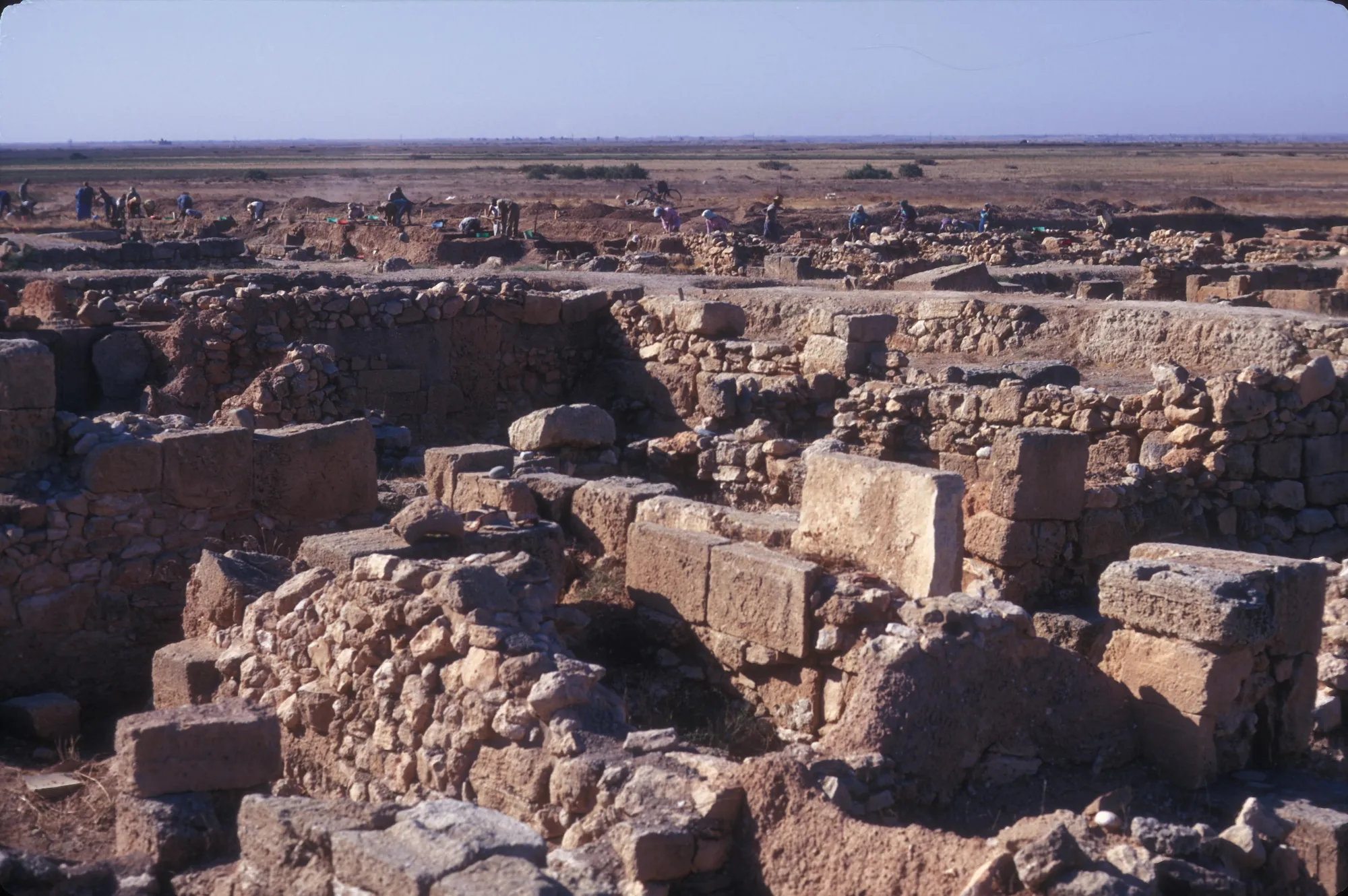
Lesson 12·13 min
How Buildings Fall
Earthquake, fire, neglect and the stone-robber brought Cypriot buildings down. Read the fallen wall, the burnt roof and the empty floor, and the debris gives back how tall a building stood and how it was roofed, though rarely why it fell.
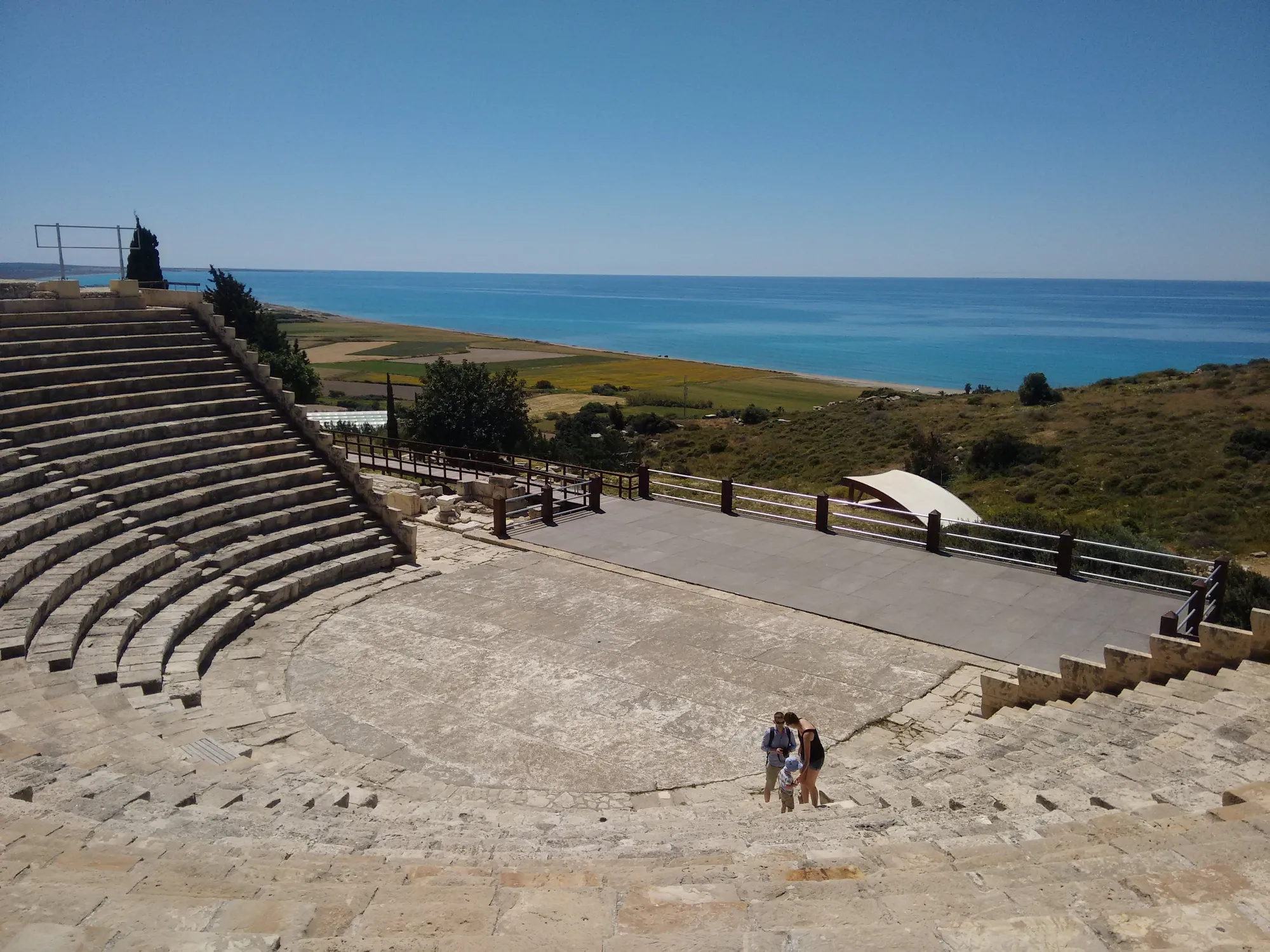
Lesson 13·17 min
Putting It Together: Reading a Ruin on the Ground
A working method for any Cypriot site or excavation plan: what a wall is made of, how thick it is, what its plan and fallen parts say, and how to tell ancient stone from the replicas, rebuilt seats and re-erected columns of the last seventy years.