
Reading path
Collecting, looting and the law
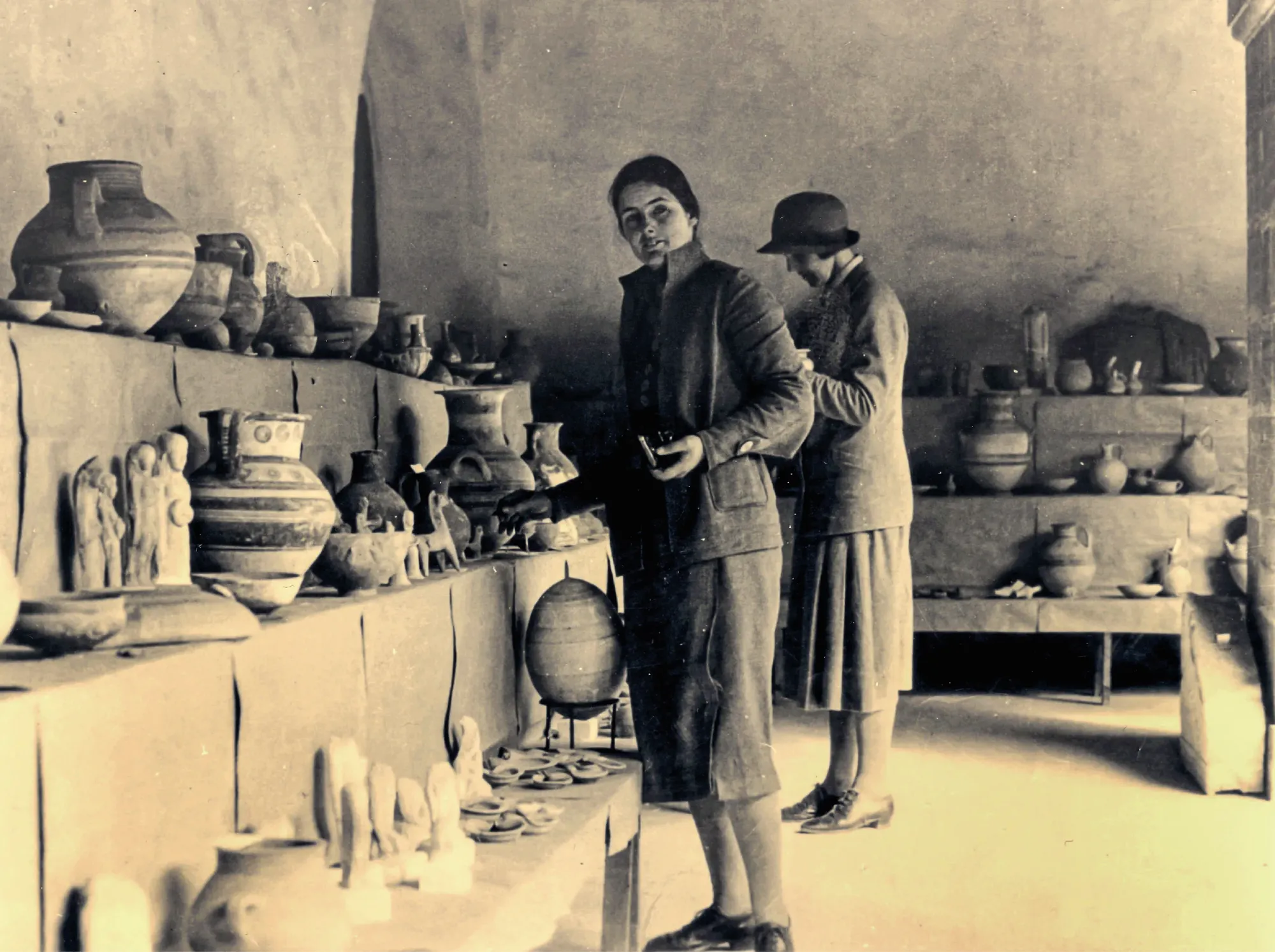
Cypriot antiquities fill museums around the world, and most of them left the island lawfully. This route sets out the export laws that made that possible, the looting that followed the occupation of the north in 1974, and why objects without a recorded find-spot are so hard to study. It ends with the practical questions facing anyone who owns or buys Cypriot material today.
Intermediate · 6 steps · 1 hr 35 min
Start reading →Step 1 · Antiquities Trade · 3 min read
The Antiquities Trade and Cyprus
The story in brief: lawful export under successive regimes, the break of 1974, and what collectors can own now.
How Cypriot antiquities left the island lawfully under successive export regimes, what changed with the 1974 occupation, and what collectors can own today.
Step 2 · Antiquities Trade · 23 min read
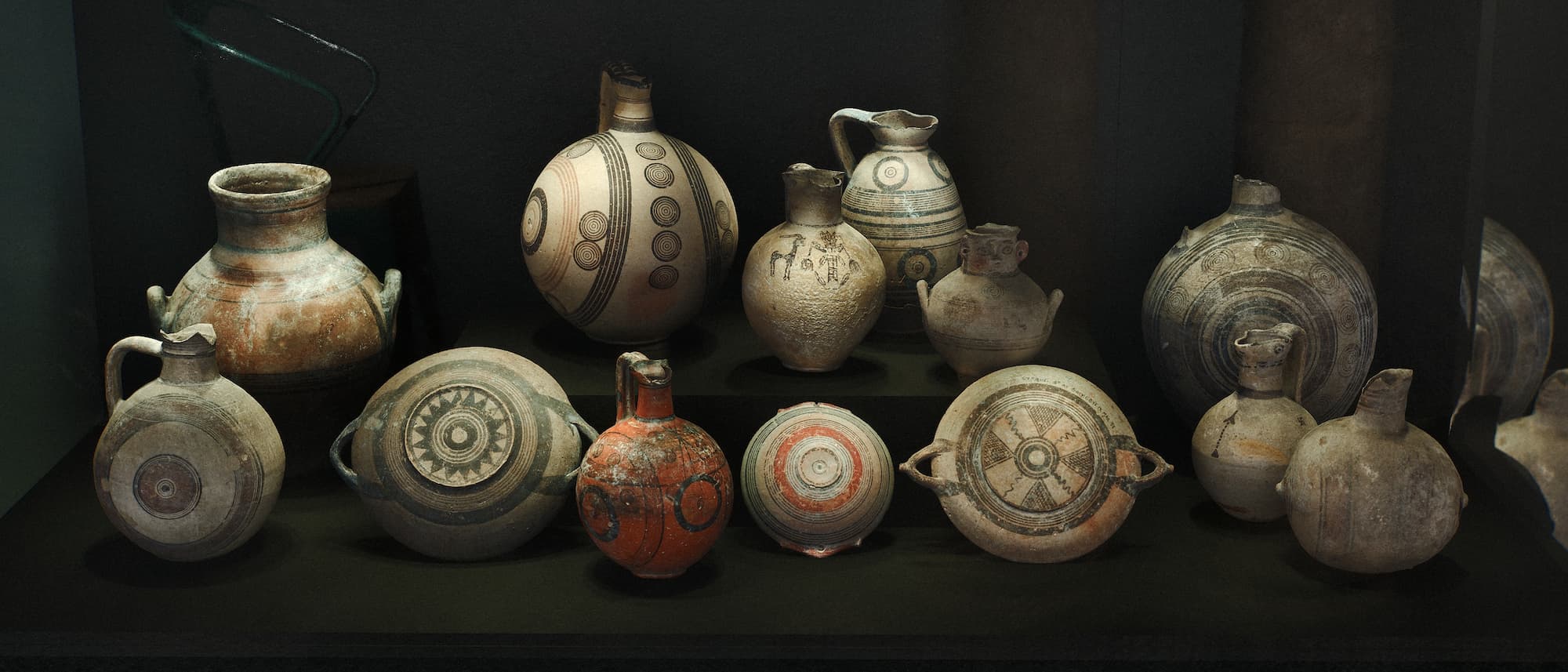
The Legal Export of Cypriot Antiquities
The Ottoman, colonial and Republic laws under which antiquities lawfully left Cyprus until licensed export ended in 1996.
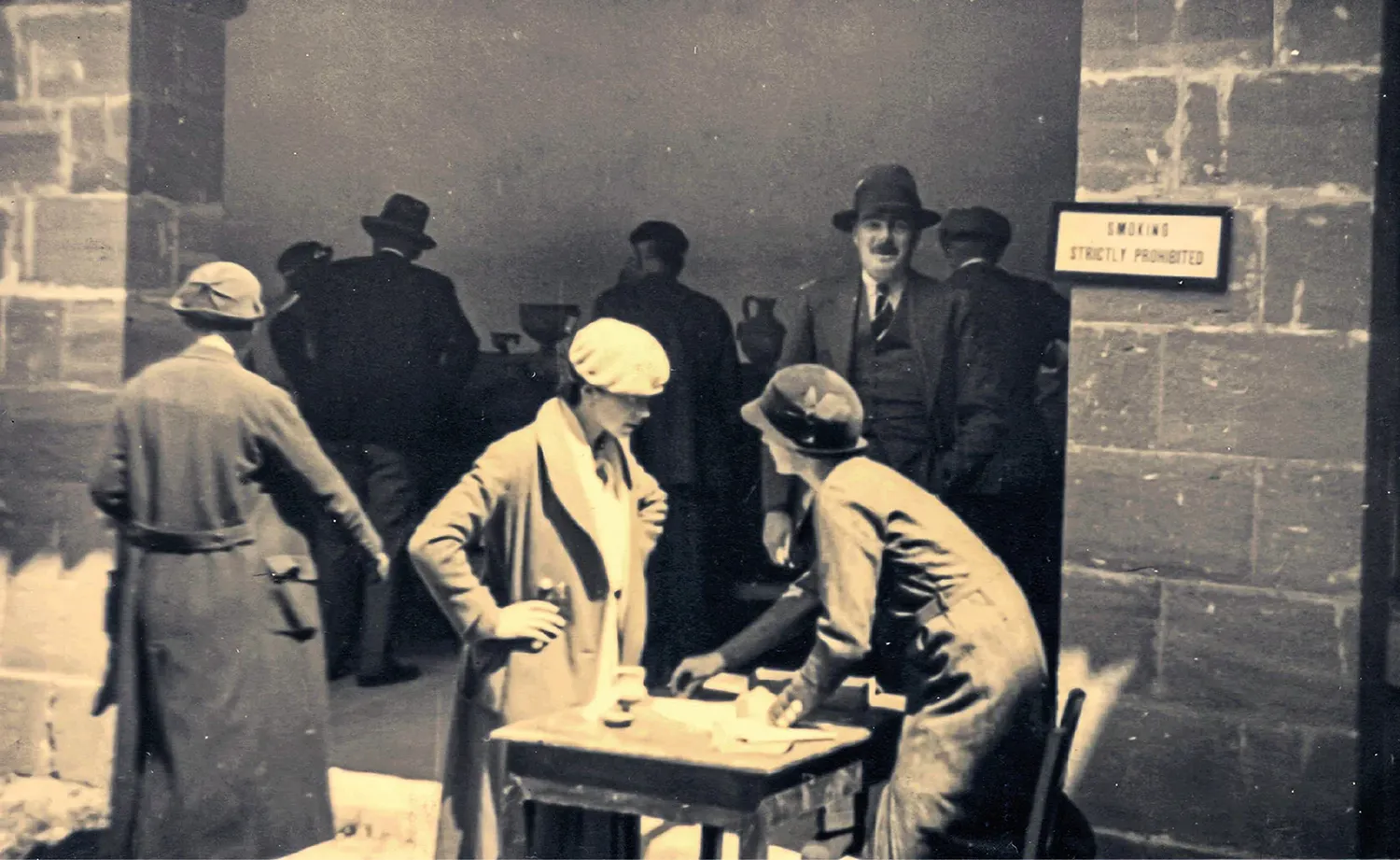
The succession of Ottoman, colonial and Republic laws under which Cypriot antiquities lawfully left the island until licensed export ended in 1996.
Step 3 · Antiquities Trade · 19 min read
Looting in Occupied Northern Cyprus after 1974
What changed in 1974: icons, frescoes, mosaics and antiquities removed from the occupied north, and the recoveries since.
The removal of icons, frescoes, mosaics and antiquities from the occupied north of Cyprus after the Turkish invasion of 1974, and the recoveries that followed.
Step 4 · Statues · 13 min read
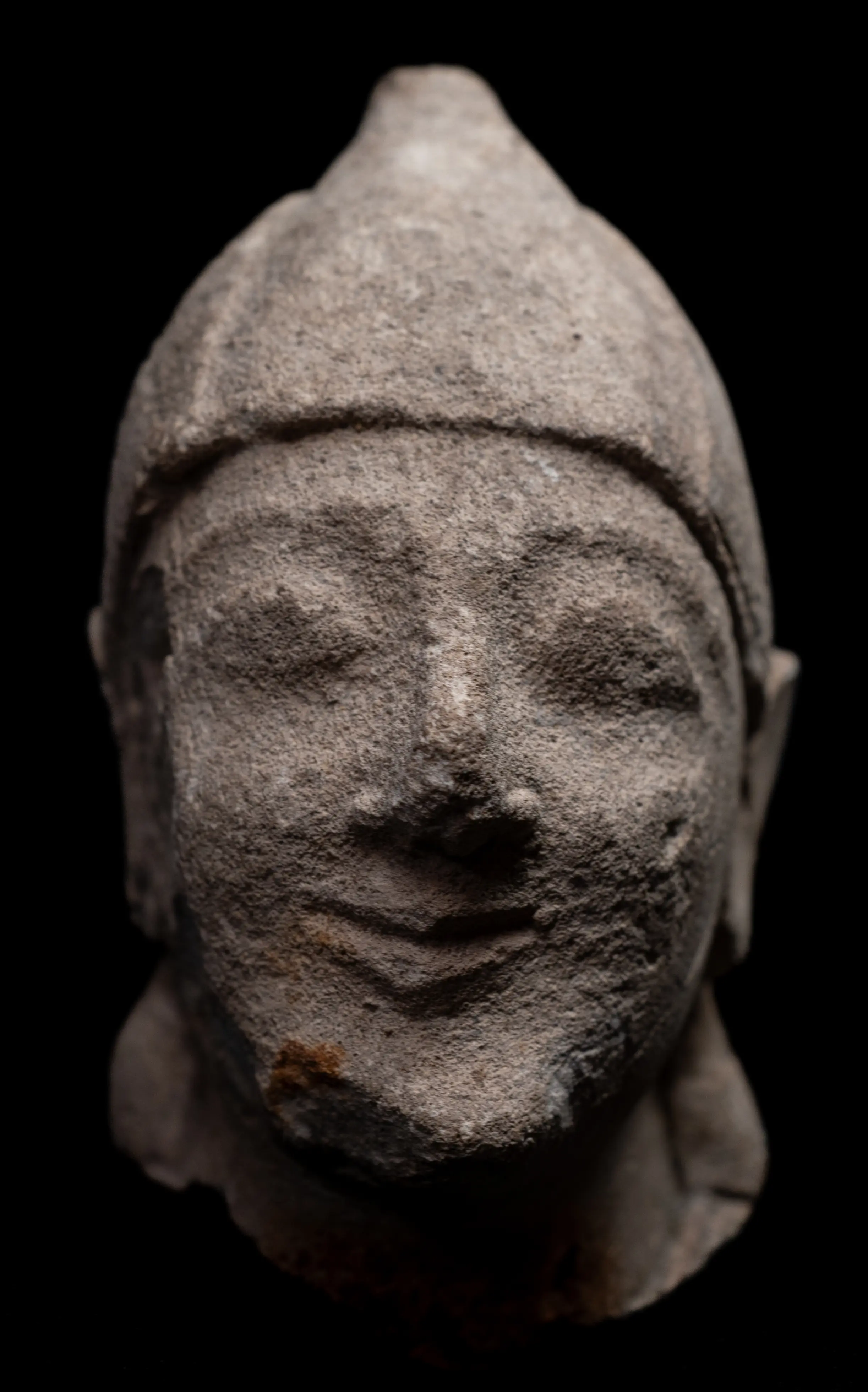
Stone Plank Figures
A case study in lost context: about fourteen stone plank figures, most of them without a recorded find-spot.
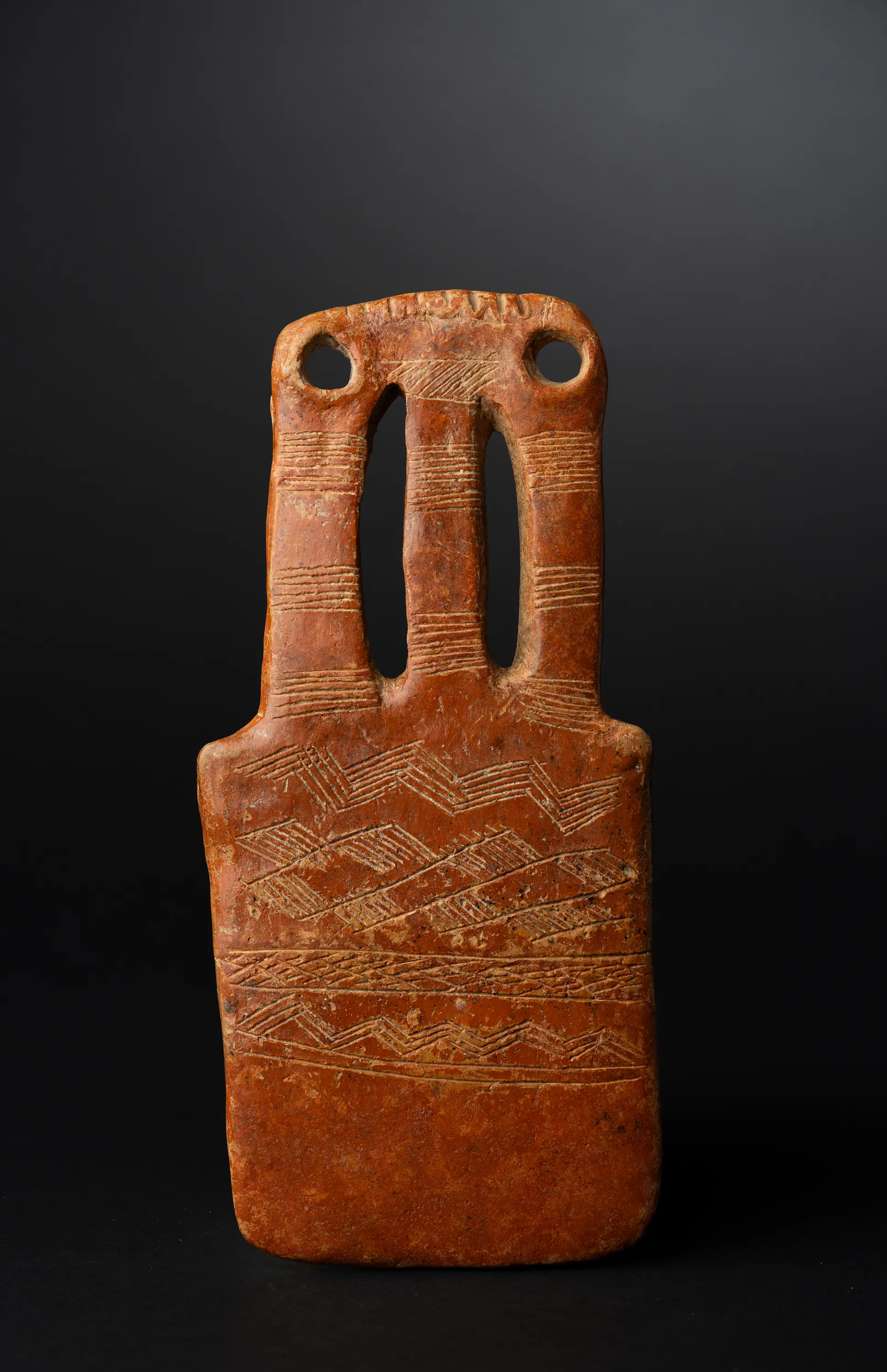
A rare class of about fourteen Bronze Age Cypriot plank figures carved in gypsum, chalk or limestone, most of them without a recorded find-spot.
Step 5 · Statues · 16 min read
How Cypriot Figurines Are Classified
How specialists catalogue figures known only from collections, marking unverified find-spots as 'said to be from'.
The overlapping systems that classify Cypriot figurines and statues, from Winkelmann's N and C numbers to Karageorghis's Coroplastic Art and Gjerstad's styles.
Step 6 · Antiquities Trade · 21 min read
Collecting Cypriot Antiquities Today: Law, Provenance and Due Diligence
The practical end point: law, provenance checks and due diligence for owning or buying Cypriot antiquities abroad.
The law, provenance checks and market that govern owning and buying Cypriot antiquities outside Cyprus as of 2026.
Start with The Antiquities Trade and Cyprus →
Other reading paths
- Start here: Cyprus in ten pagesOne page per period, from the island's first human visitors to the last Cypriot kings.
- Copper islandHow the Troodos ores shaped Cyprus, from hammered native copper to oxhide ingots and Roman mines.
- Reading Cypriot potteryHow to tell the island's main wares apart, from Red Polished to Black-on-Red.
- Shapes and motifsBowls, jugs and amphorae, and the circles, lotuses and single figures painted on them.
- Gods, graves and offeringsHow Cypriots buried their dead and what they gave their gods, from house burials to sanctuaries.
- Cyprus and its neighboursEgypt, Ugarit, Crete, Mycenae, Phoenicia and the empires, in the order Cyprus came to know them.
- Everyday lifeHouses, food, cloth and health in the farming villages where most Cypriots lived.
- Figures and statuesFrom small Neolithic stone figures to the painted limestone votaries of the Archaic sanctuaries.
- Kingdoms of the Iron AgeHow the Cypriot city-kingdoms rose, wrote, fought, paid tribute and finally lost their kings.