
Lecture·Archaeological Research Unit - University of Cyprus·2017·In Greek
The Late Cycladic town at Akrotiri, Thera, and the familiar architecture of a prosperous society
Η Υστεροκυκλαδική πόλη στο Ακρωτήρι Θήρας και η οικεία αρχιτεκτονική μιας ευημερούσας κοινωνίας
Clairy Palyvou
A guest lecture in the University of Cyprus series on a subject outside Cyprus.
Chapters
About the lecture
Clairy Palyvou, Professor Emerita of Architecture at the Aristotle University of Thessaloniki and Visiting Professor at Frederick University, examines the architecture and building technology of the Late Bronze Age town at Akrotiri on Thera. Given in Greek, the lecture draws on her decades as site architect at Akrotiri under Christos Doumas. Palyvou begins with the volcanic geology of Thera, the debate over the eruption date using North Pole ice-core data, and the history of exploration from Ferdinand Fouqué's 1860s work on Therasia during the Suez Canal pozzolana quarrying to Spyridon Marinatos's excavations from 1967, alongside her own fieldwork on Therasia with Iris Tzachili.
The core of the talk analyses how Akrotiri's builders adapted Minoan building technology to a seismic environment using volcanic stone, scarce clay and timber. Plaster casts of voids in the pumice preserve wooden furniture and structural frames. Palyvou walks through the town's compact blocks without courtyards, stepped facades, drainage network, and two- to three-storey houses. She details rubble walls reinforced with timber (including a diagonal corner brace), ashlar facades tapering in course height, thin upright mudbrick partitions on upper-floor beams, and timber frames supporting pier-and-door partitions (polythyra) and multi-window walls.
She then traces domestic circulation through the standardised entrance staircase, flat roofs, and the integration of wall paintings with window grids, concluding with a 3D reconstruction of the West House, its loom-weight room, service stair, and upper-floor lavatory connected to the street sewer. In the discussion afterwards, Vassos Karageorghis, Sophocles Hadjisavvas and other audience members ask about timber sources, wall thicknesses, dowel-and-mortise masonry, and whether timber-framed building techniques reached Kition via Ugarit.
From our collection
Pieces in the Drakopoulos collection of the kinds and periods this talk covers: Late Cypriot (Late Bronze Age).
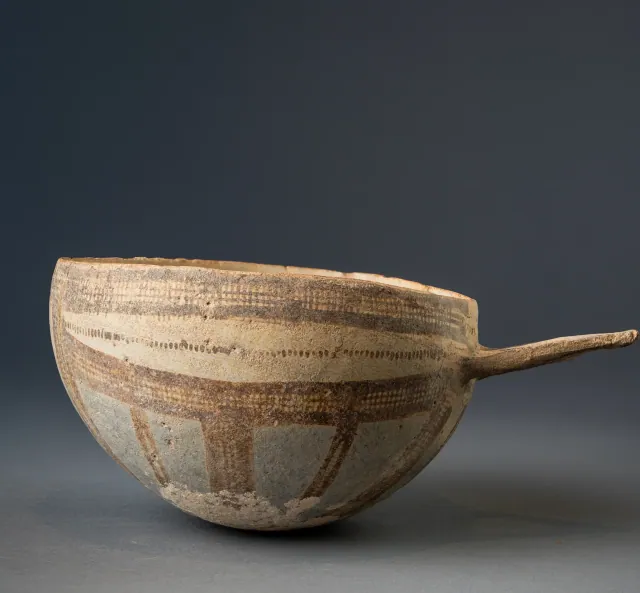
White Slip II Hemispherical Bowl with Wishbone Handle
Late Cypriot (Late Bronze Age)
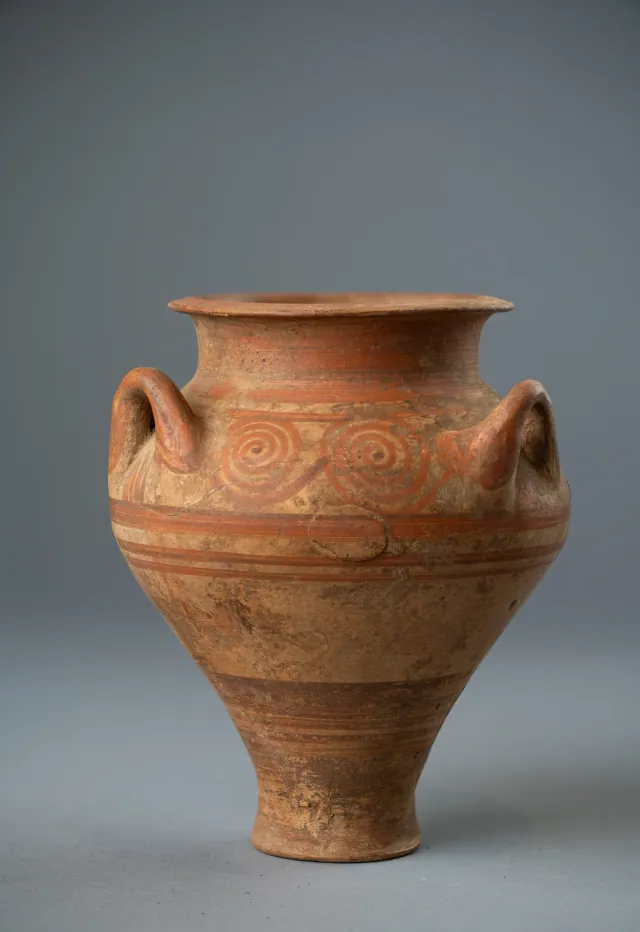
Cypriot Three-Handled Jar in the Mycenaean Style with Running Spirals
Late Cypriot (Late Bronze Age)
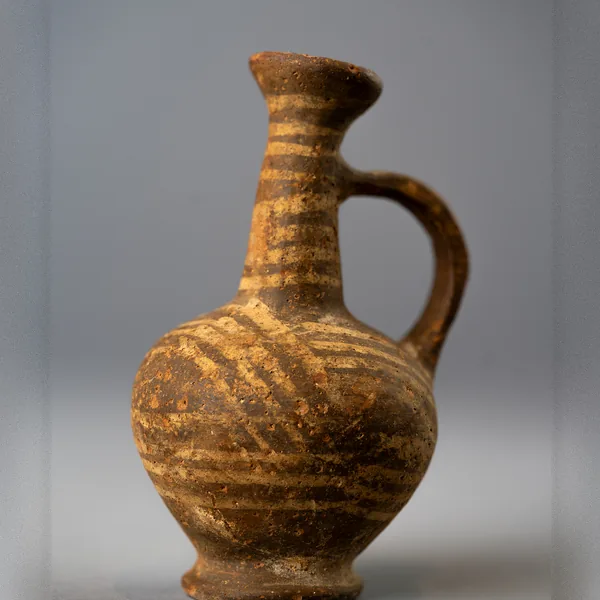
Base Ring II Bilbil Juglet with White-Painted Bands
Late Cypriot (Late Bronze Age)
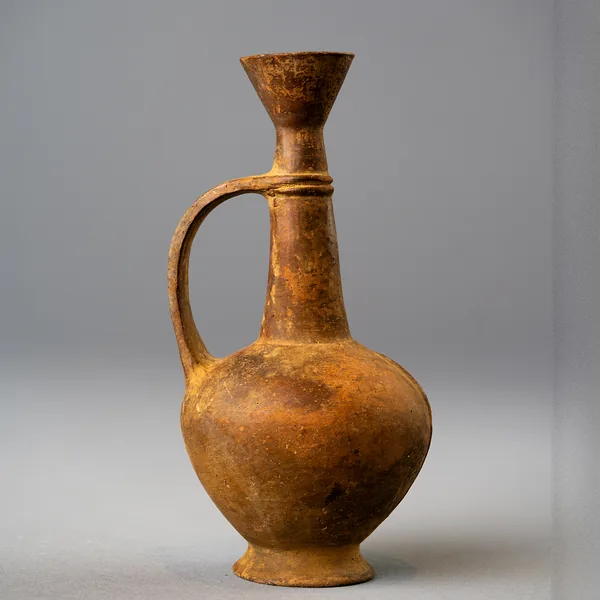
Base Ring Bilbil Juglet with Funnel Mouth and Neck Ridge
Late Cypriot (Late Bronze Age)
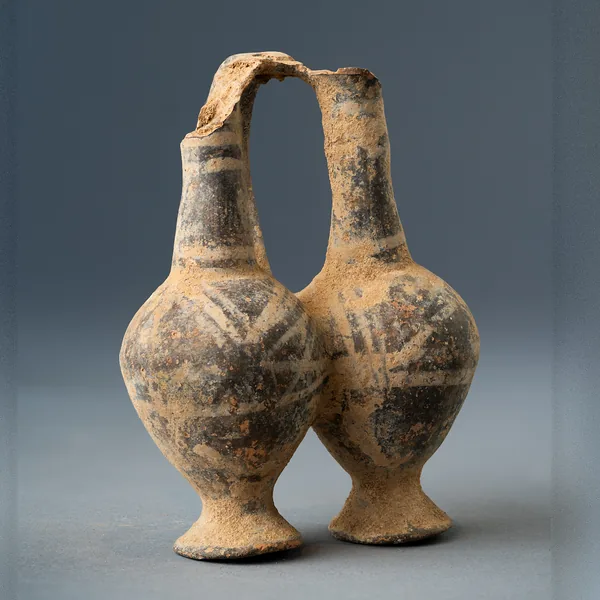
Base Ring II Double Juglet with White-Painted Decoration
Late Cypriot (Late Bronze Age)
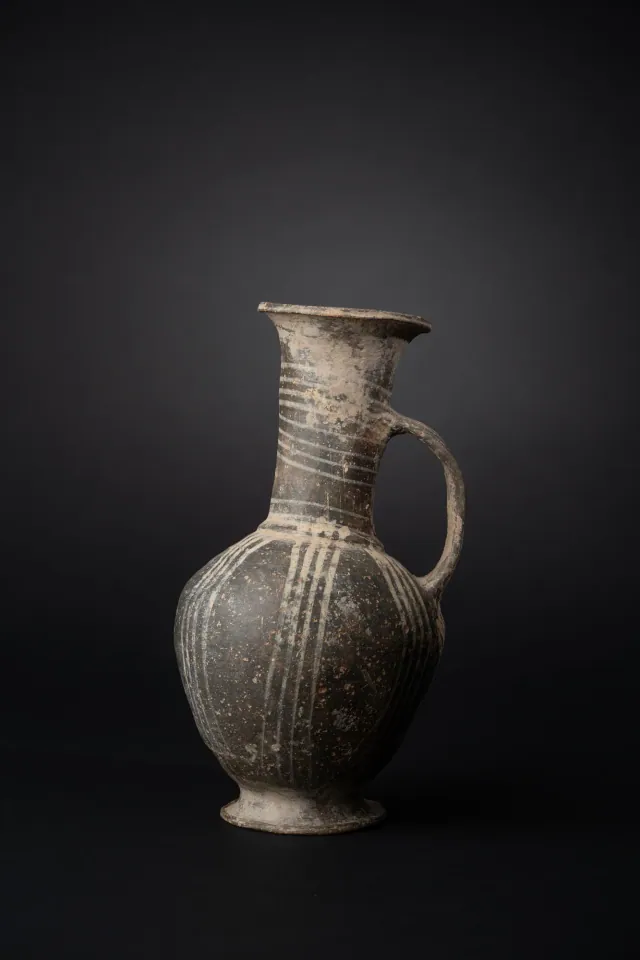
Base Ring II Jug with White-Painted Lattice Bands
Late Cypriot (Late Bronze Age)
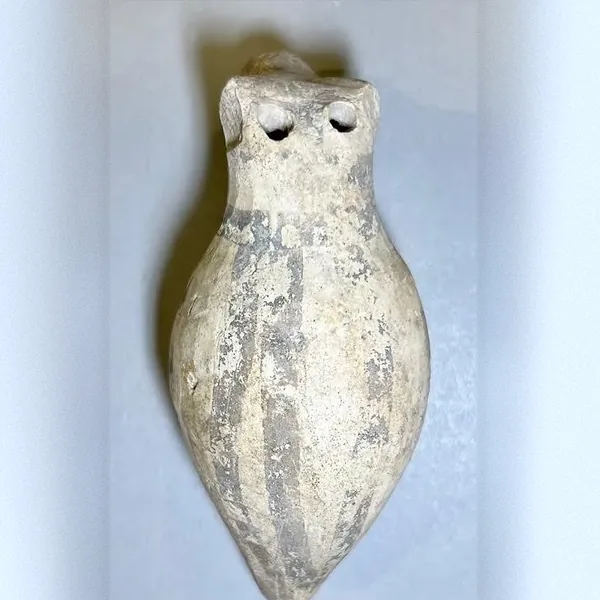
White Painted VI Owl-Headed Rattle
Late Cypriot (Late Bronze Age)
Found at the places discussed
Objects in our catalogue, in museum collections, recorded as found at these sites.
).webp)

).webp)

Background
Where to read more on this site before or after watching.
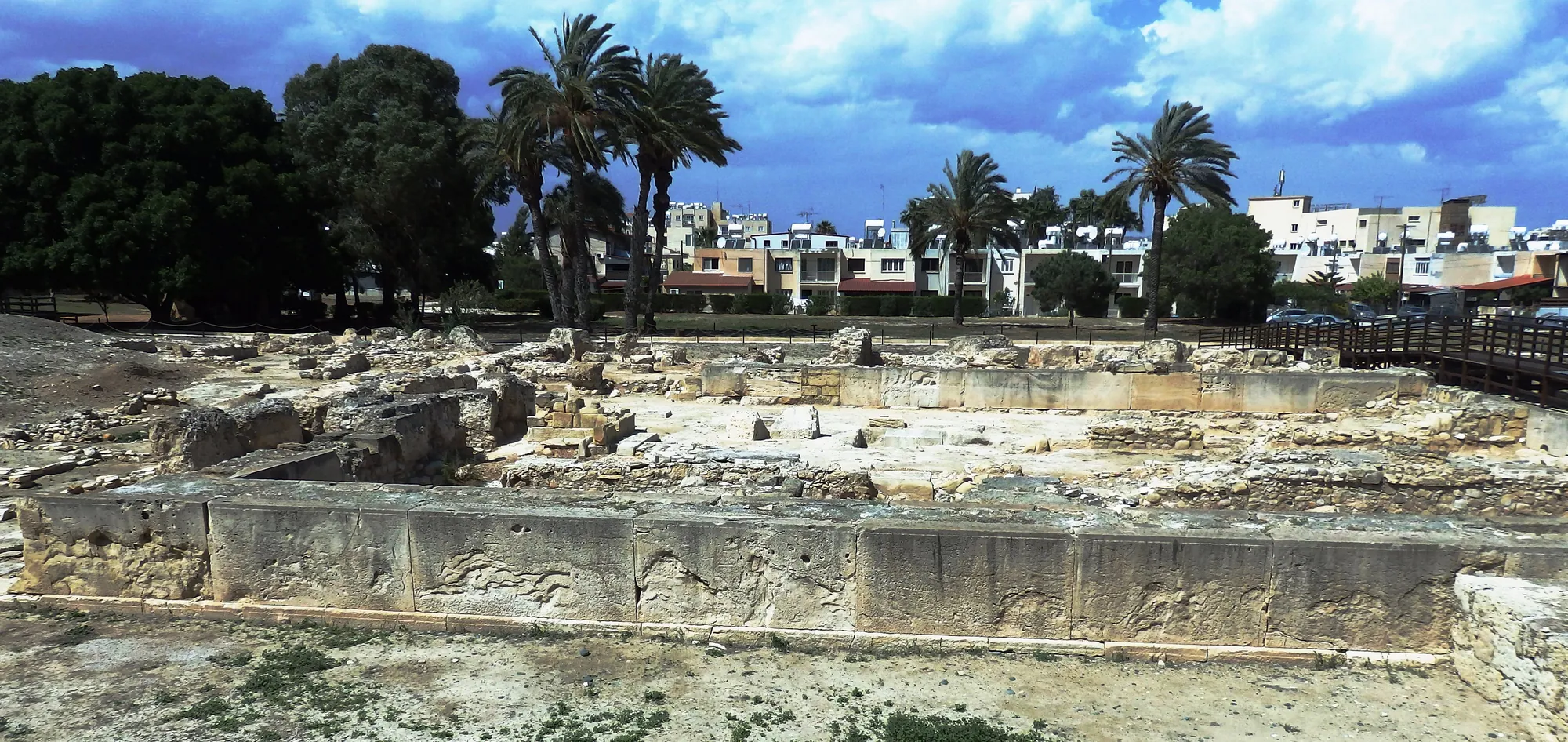
The site
Kition
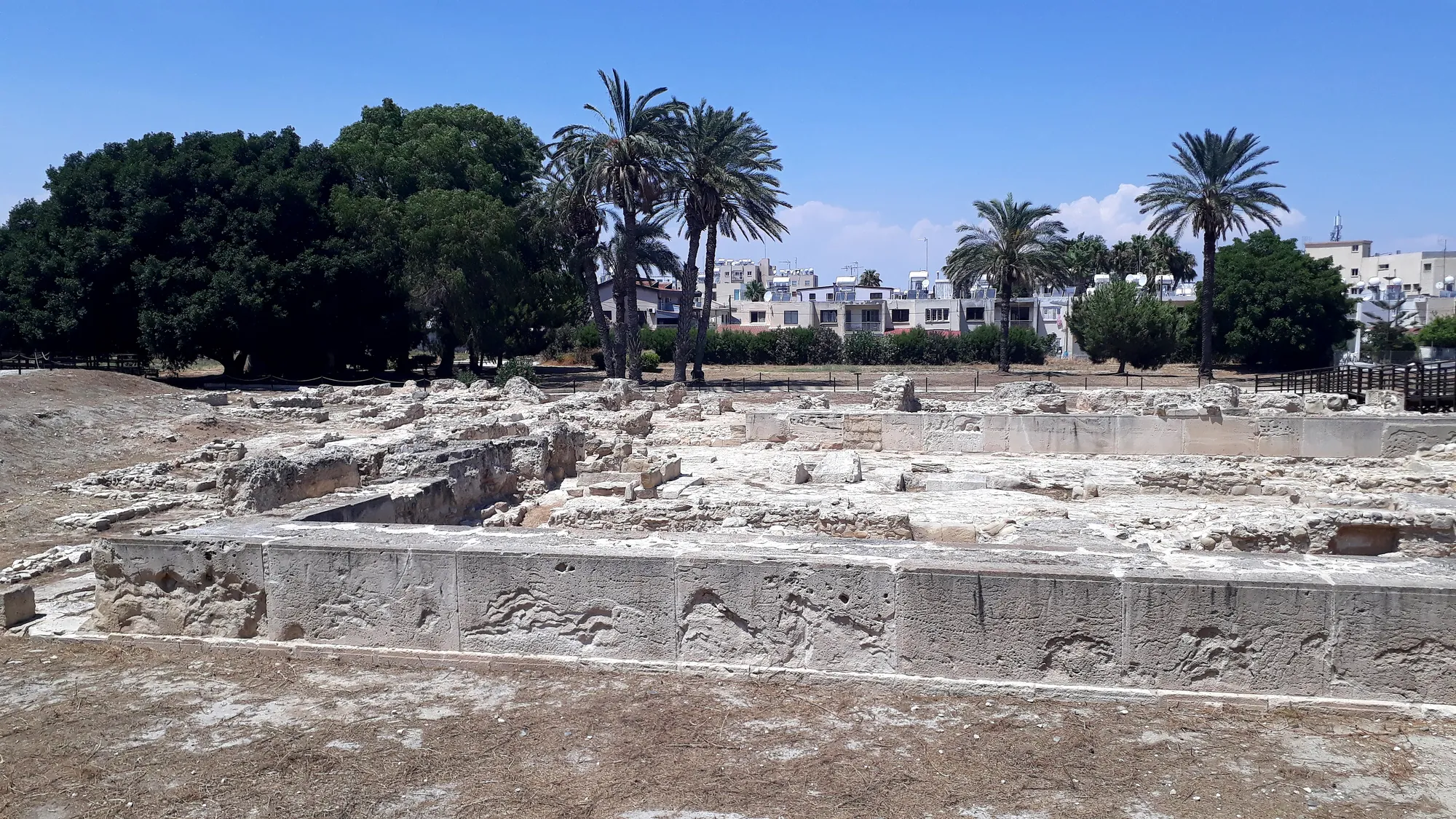
Kition lies under modern Larnaca on the south-east coast. It was founded as a harbour town in the 13th century BC, with temples and copper workshops in its sacred quarter at Kathari. After a long gap the Phoenicians rebuilt the main temple for Astarte, and from the 5th century BC the city was the seat of a Phoenician dynasty with a war harbour of ship sheds at Bamboula. Its last king was put to death by Ptolemy I in 312 BC, but the city lived on into the Roman period and beyond.
In the compendium
Ashlar Masonry
Squared, dressed stone used on Cyprus from about 1500 BC for gateways, tombs and the largest buildings of the Late Bronze Age towns, set below walls of mudbrick.
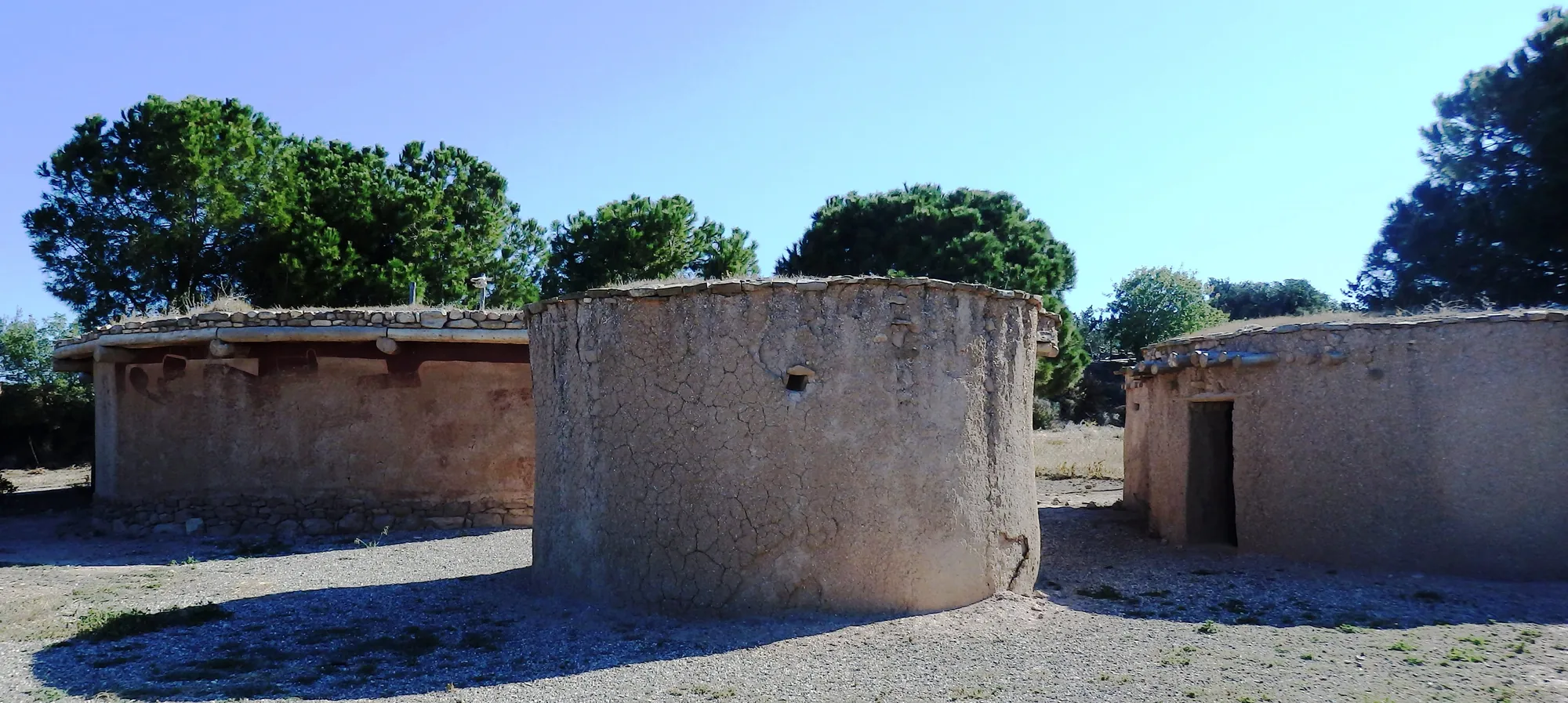
In the compendium
Building Materials and Techniques
Cypriot houses were built of local stone, earth and timber: walls of rubble or mudbrick on stone socles, under flat roofs of beams, brush and packed earth.
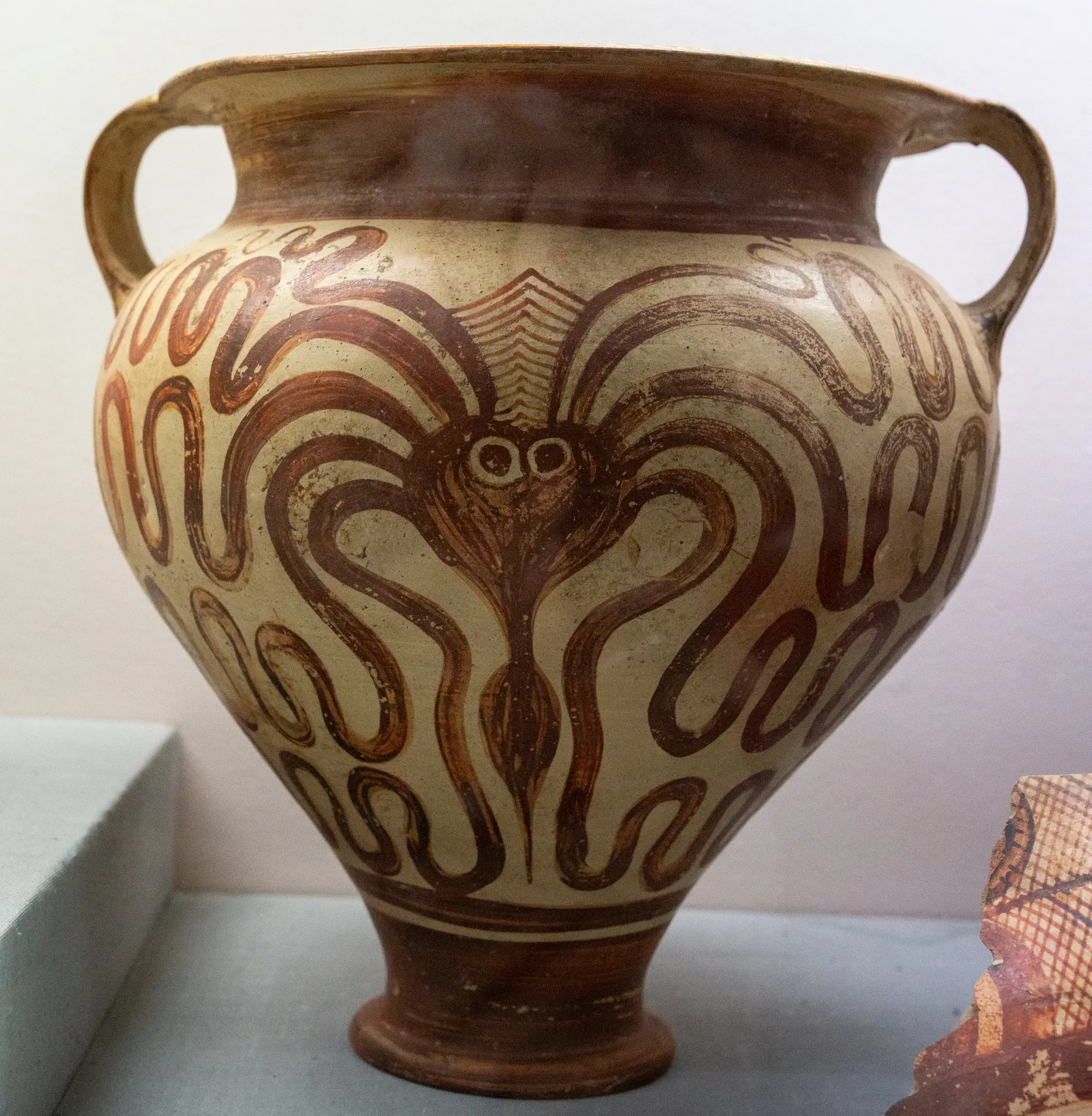
In the compendium
The Minoans
The palatial Bronze Age civilization of Crete, which took Cypriot copper and passed writing to Cyprus in the early Late Bronze Age.