
Lecture·Archaeological Research Unit - University of Cyprus·2026·In Greek
The Byzantine Museum in a New Era: Repatriation, Conservation and Presentation of Cultural Heritage through Museum and Cultural Diplomacy
Το Βυζαντινό Μουσείο σε νέα εποχή: επαναπατρισμός, συντήρηση και ανάδειξη της πολιτιστικής κληρονομιάς μέσα από τη μουσειακή και πολιτιστική διπλωματία
Chapters
About the lecture
Given in Greek, this lecture by Ioannis Eliades, director of the Byzantine Museum of the Archbishop Makarios III Foundation in Nicosia, examines the history of the museum, the repatriation and conservation of ecclesiastical treasures looted after the Turkish invasion of 1974, and the museum's complete reinstallation inaugurated in March 2025.
Eliades begins with early twentieth-century efforts to safeguard ecclesiastical heritage following the loss of part of the Lambousa treasure. Under Archbishop Kyrillos III, Georgios Sotiriou surveyed the island's monuments in the 1920s and 1930s and advised gathering icons in safer locations such as the Phaneromeni church, while David Talbot Rice published his study of Cypriot icons in 1937. After independence, Archbishop Makarios III ordered an island-wide inventory of icons and a conservation laboratory operated at the Monastery of Ayios Spyridonas at Tremetousia.
The talk then surveys the destruction and organised looting of churches and museums in the occupied north after 1974, citing Turkish Cypriot press reports, the 1981 Ankara airport seizure, and the conversion of the church at St Barnabas monastery into an icon repository. Relying on the 1954 and 1970 international conventions, the Church and Republic of Cyprus pursued a long series of recoveries from the stock of Turkish dealer Aydın Dikmen and other holders. Eliades walks through these cases chronologically: the apse mosaics of Panagia Kanakaria, including the 1988 US court case against Goldberg and later returns up to 2018; the frescoes of Ayios Euphemianos at Lysi, returned from the Menil Foundation in Houston in 2012; the frescoes and icons of Christ Antiphonitis, including the four icons returned from the Netherlands in 2013; and the 1997 Munich seizure, from which icons, fresco fragments, mosaics and manuscripts were repatriated between 2013 and 2024. He notes the role of cultural diplomacy, recalling his 2010 appeal to Pope Benedict XVI during the pontiff's visit to the museum, and acknowledges Swiss government funding for the conservation of some 300 returned works.
The final part of the lecture presents the 2018 to 2025 museological redesign. Replacing the 1982 open-plan layout, the new exhibition arranges works chronologically from Early Christian sculpture and the Kanakaria mosaics through the Middle Byzantine, Lusignan, Venetian and Ottoman periods. Detached frescoes from Antiphonitis are mounted over full-scale photographs of the stripped church interior so they can be removed intact if a political settlement allows their return. Digital stations, 3D models, and special lecterns mark repatriated works, concluding with a recent exhibition centred on a repatriated Armenian Gospel manuscript from the Monastery of Agios Makarios in the Pentadaktylos range.
Background
Where to read more on this site before or after watching.
The site
Kyrenia
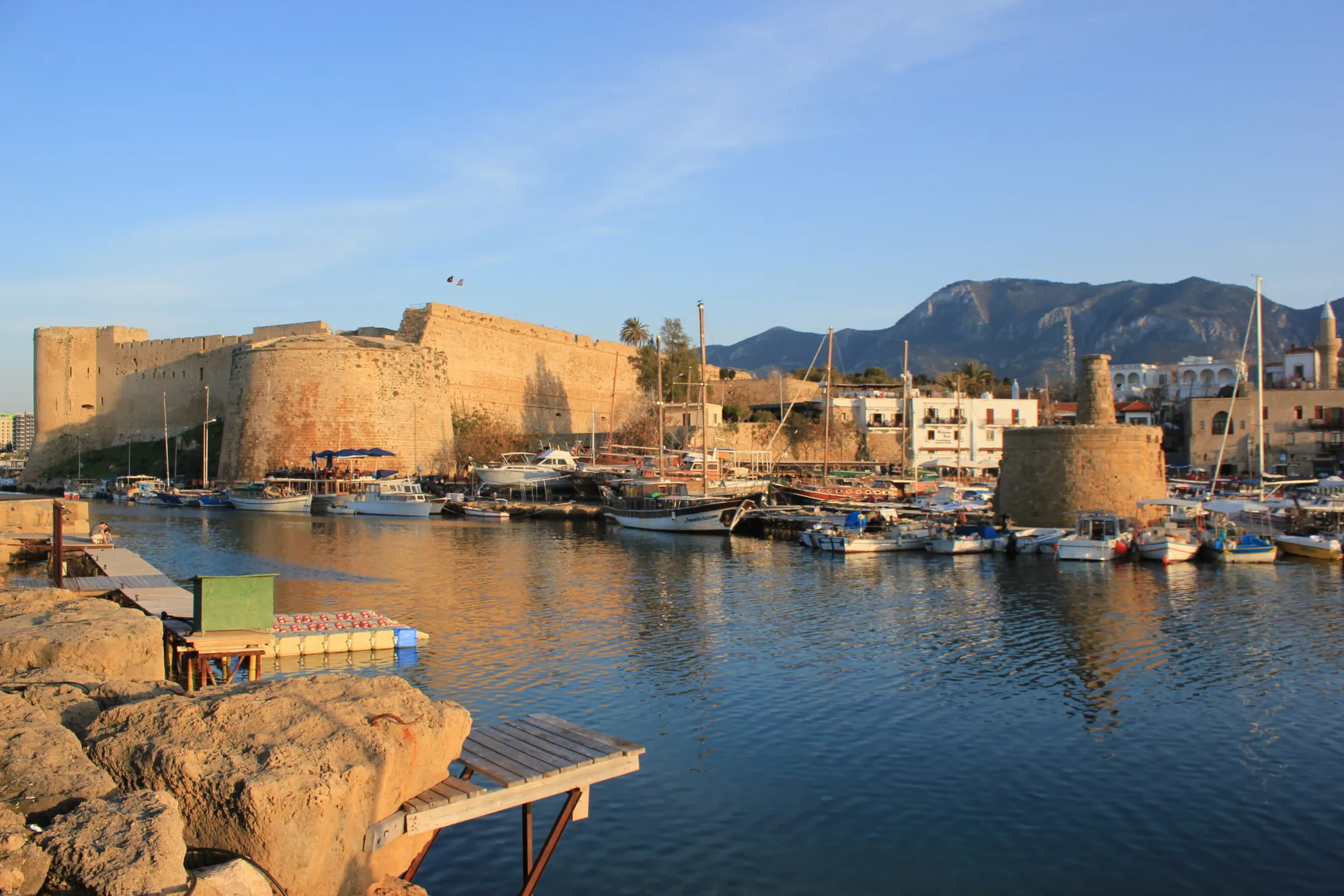
Ancient Keryneia lies under the old town of Kyrenia (Girne) round its small harbour on the north coast. The town was never excavated: it is known from tombs cleared in the 1960s and early 1970s, from a few texts and inscriptions, and from the merchant ship that sank off it around 300 BC, now shown in Kyrenia Castle.
In the compendium
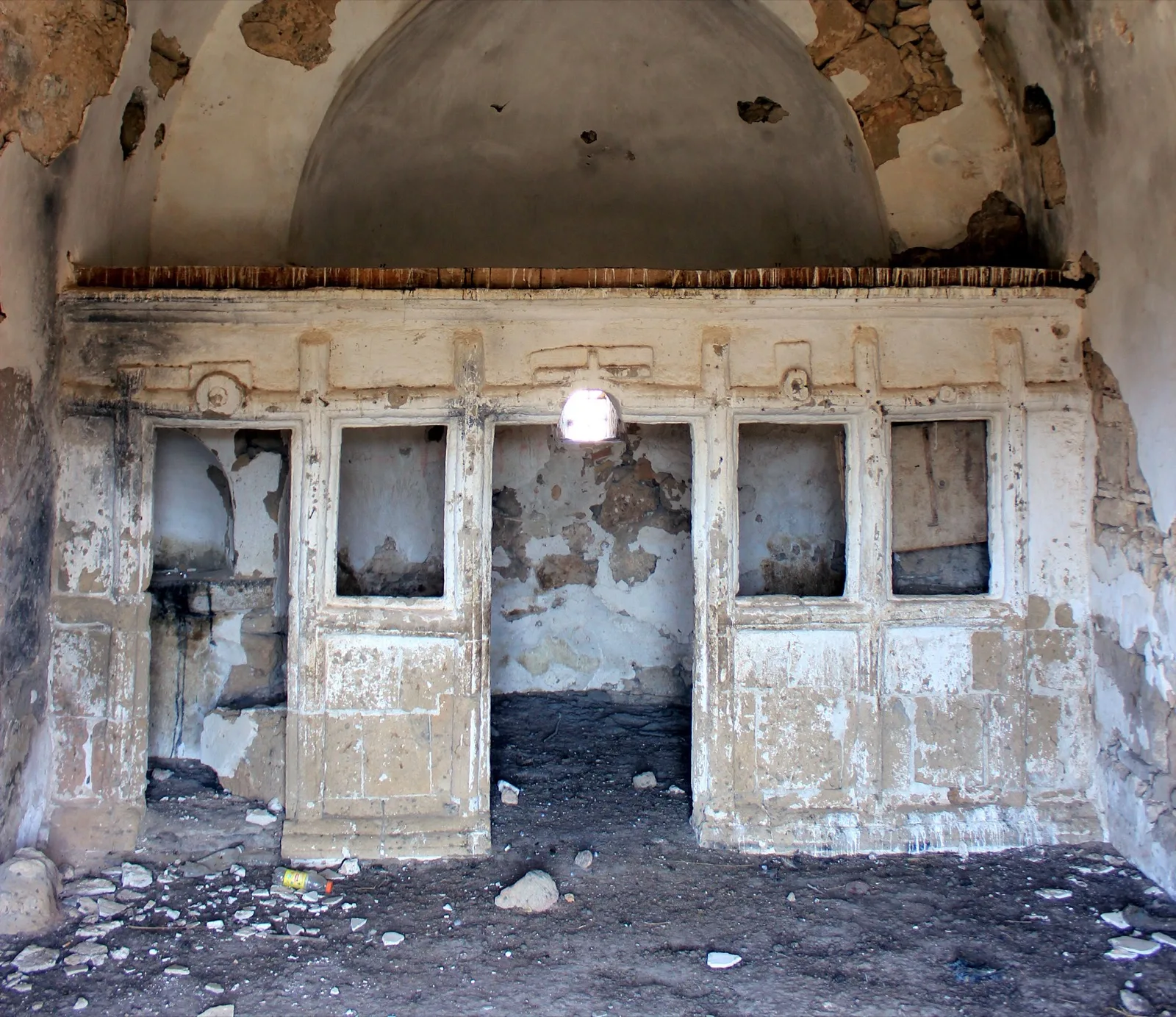
Church Art in the Occupied North after 1974: Churches, Icons, Mosaics and Frescoes
An overview of the church art taken from the occupied north after 1974, from the churches and depots to the court cases, the returns and the Church's payments, with links to each case.
In the compendium
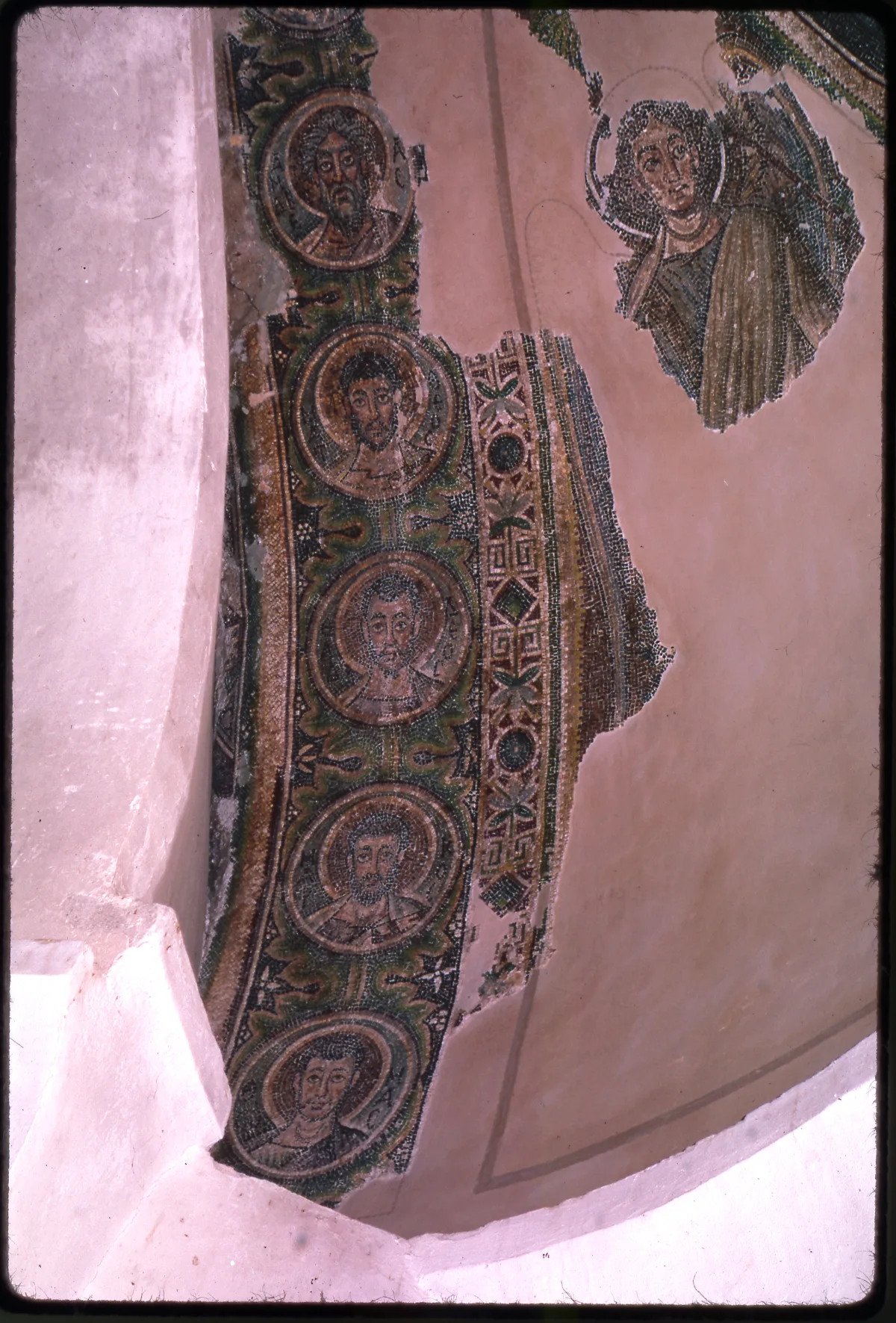
The Kanakaria Mosaics: Theft, Sale in Geneva and Return
How the Kanakaria apse mosaic was cut from its church after 1974, sold in Geneva in 1988 and recovered through an American court and later returns, with the court's figures for who was paid what.
In the compendium
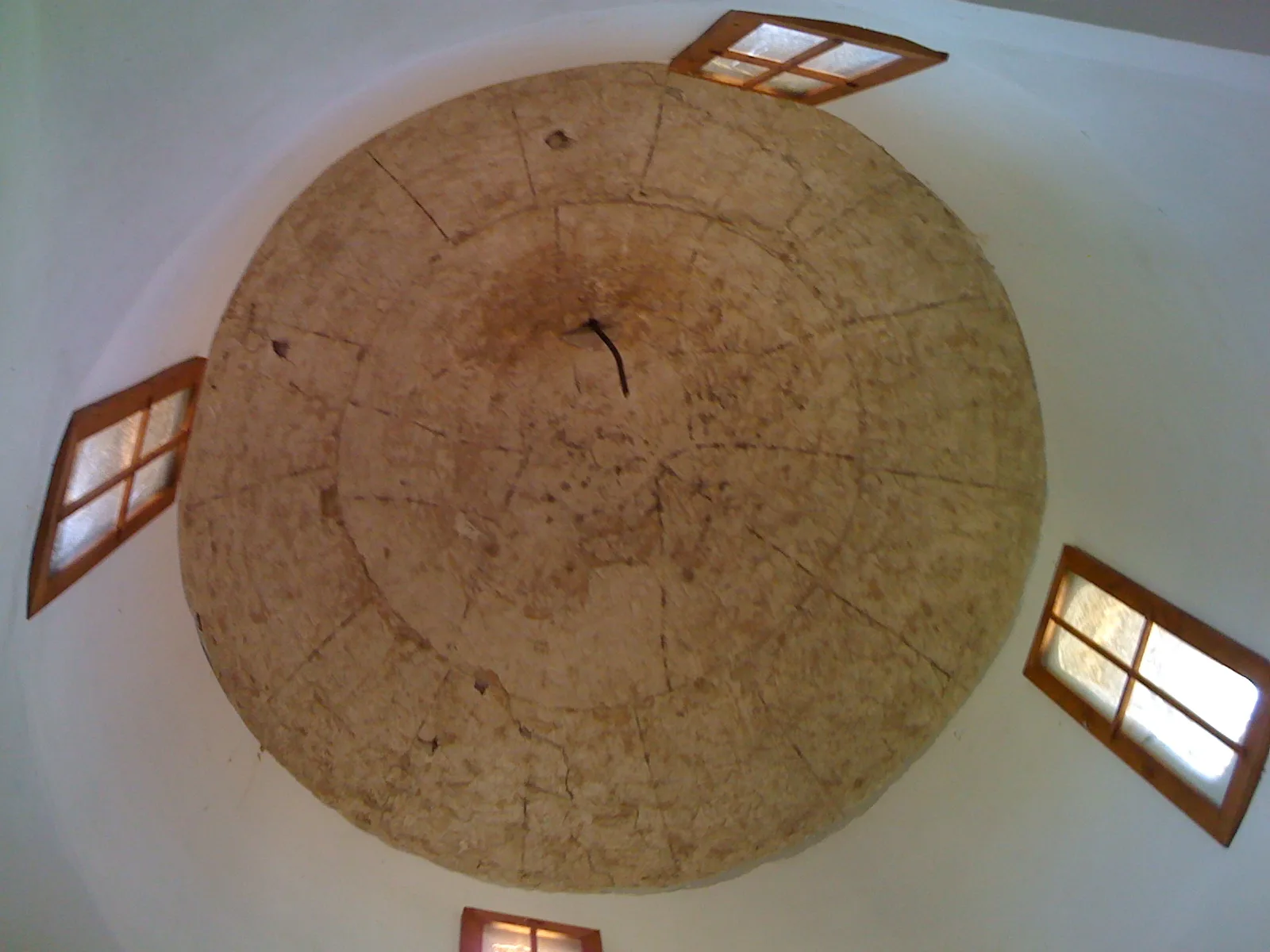
The Lysi Frescoes: Bought to Be Returned
How the stripped murals of a chapel near Lysi were bought in Munich by the Menil Foundation with the owner's consent, restored and shown in Houston, and returned to Cyprus in 2012.
Map of Cyprus
Places discussed in the talk
- Has a page on this site
- Other places
- Ground above 200, 500, 1,000 m
Places
- 1Lysi (approx.)
- 2Trikomo (approx.)
- 3Kythrea (approx.)
- 4Peyia (approx.)
- 5Kyrenia