Drakopoulos Collection

The Excavation

Four burials, from the first villages to the kings of Salamis. Uncover each one, step by step, and see what its excavators saw.

N012 MDROMOSCHAMBER
A rock-cut family tomb at Vounous, in section. After Dikaios, Tombs 13 and 17.

Field notes

Four burials

Each trench is a reconstruction based on excavated tombs. You open it one marked area at a time, see each find where it lay, and follow the work down to the burial itself. The season ends with a site report drawn from your own trench.

I · Late Aceramic Neolithic

A house at Khirokitia

Khirokitia · c. 7000–5500 BC · Round house · About 5 minutes

Khirokitia was lived in through the seventh and earlier sixth millennia BC. Its round houses had a base of river stones set in mud and walls of mud-brick above.

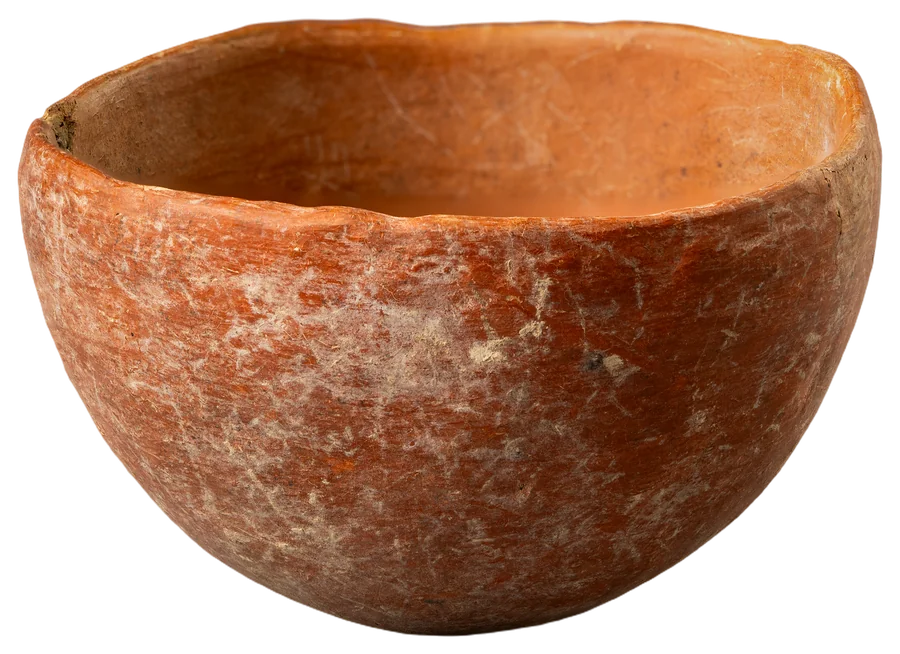
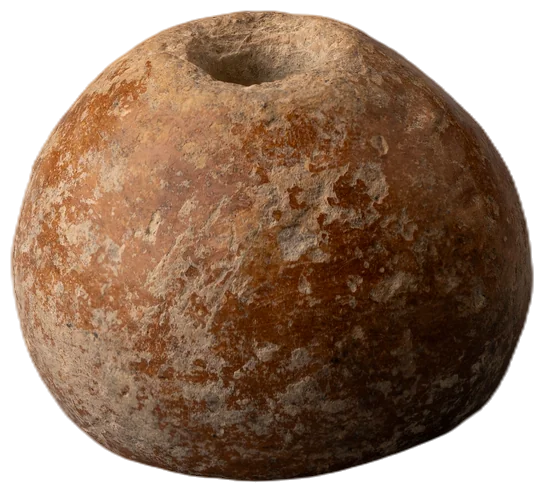
The dead were buried inside the house, in pits cut into the floor and sealed under new plaster. Stone bowls, often broken on purpose, went with most burials, and about one in five had a heavy stone, often a quern, laid on the body.

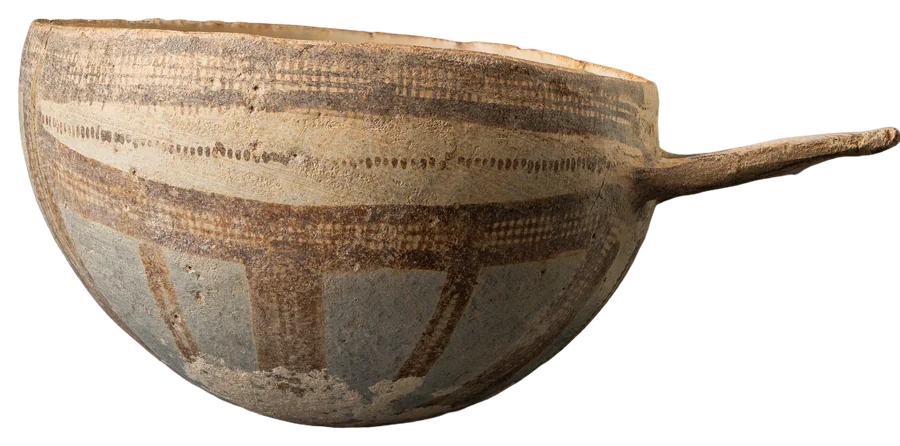
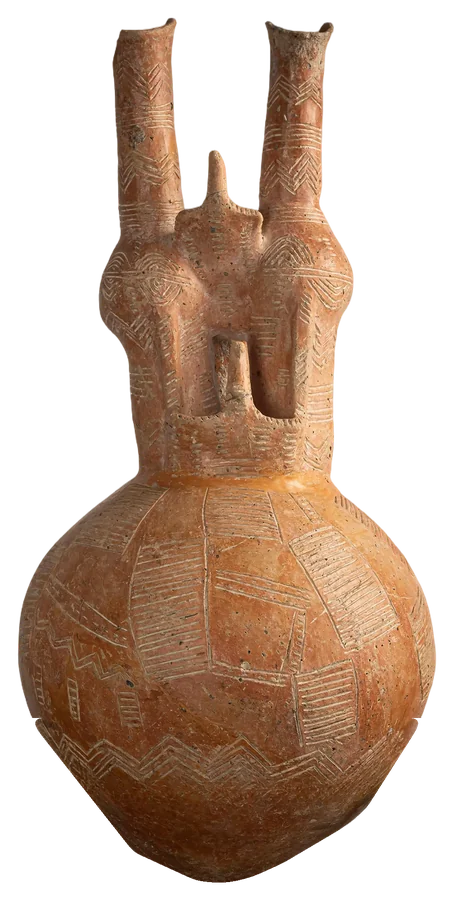
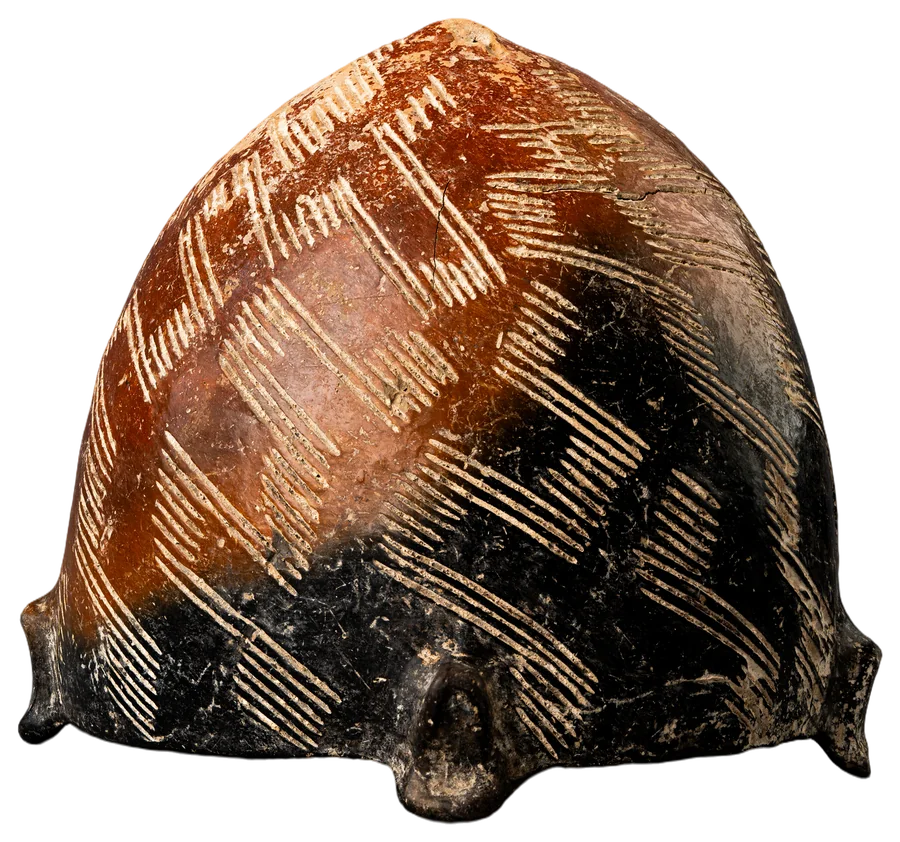
The oldest pieces in the collection are later: sherds of Combed Ware from the Late Neolithic, made long after the round-house village was abandoned, when people returned to sites such as Khirokitia.
II · Early Bronze Age

A family tomb at Vounous

Bellapais-Vounous · c. 2200–2000 BC · Rock-cut chamber · About 5 minutes

Vounous lies on the north slope of a hillock running down to the sea. Its Early Bronze Age tombs are cut into havara, a soft white rock, with a sloping passage down to a doorway closed by a slab.

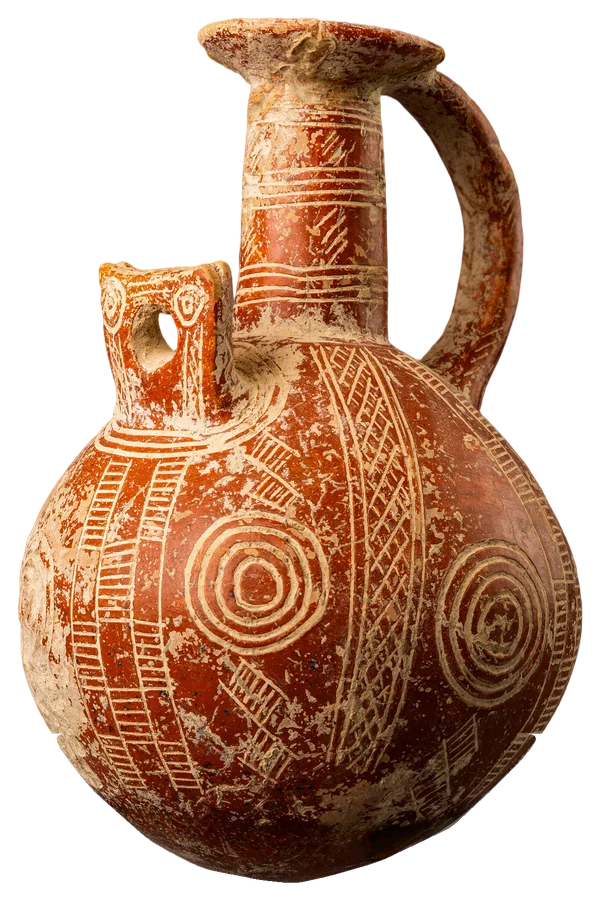
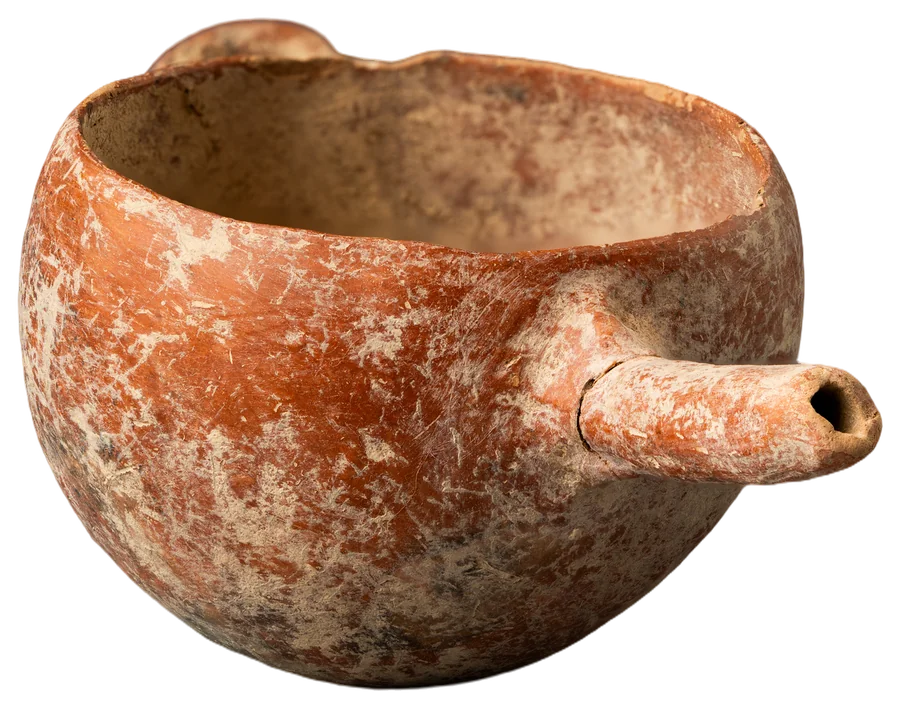
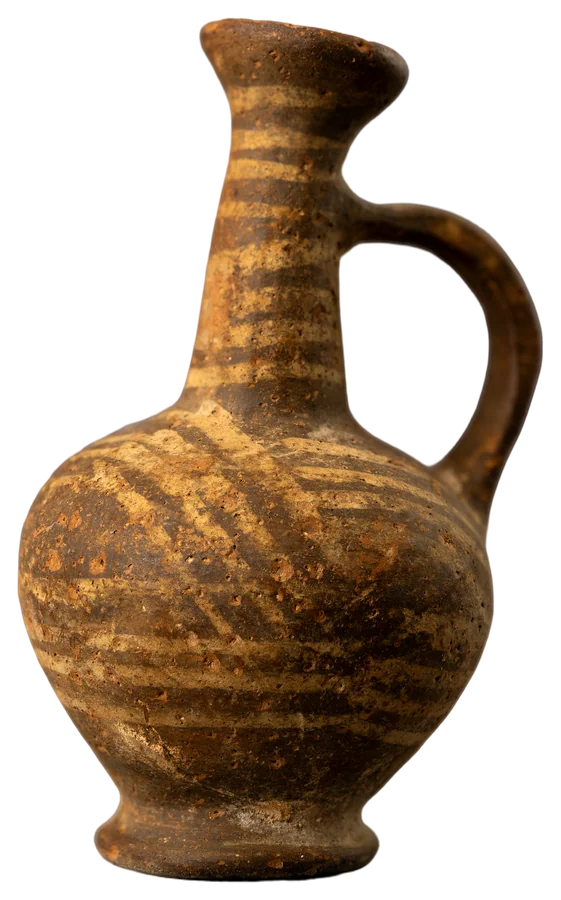
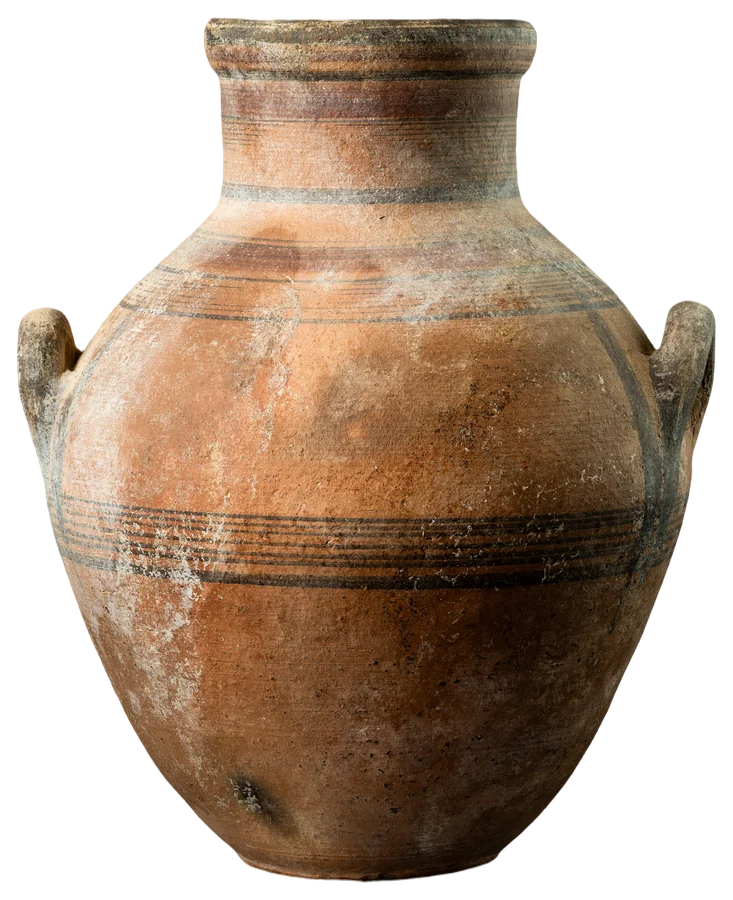
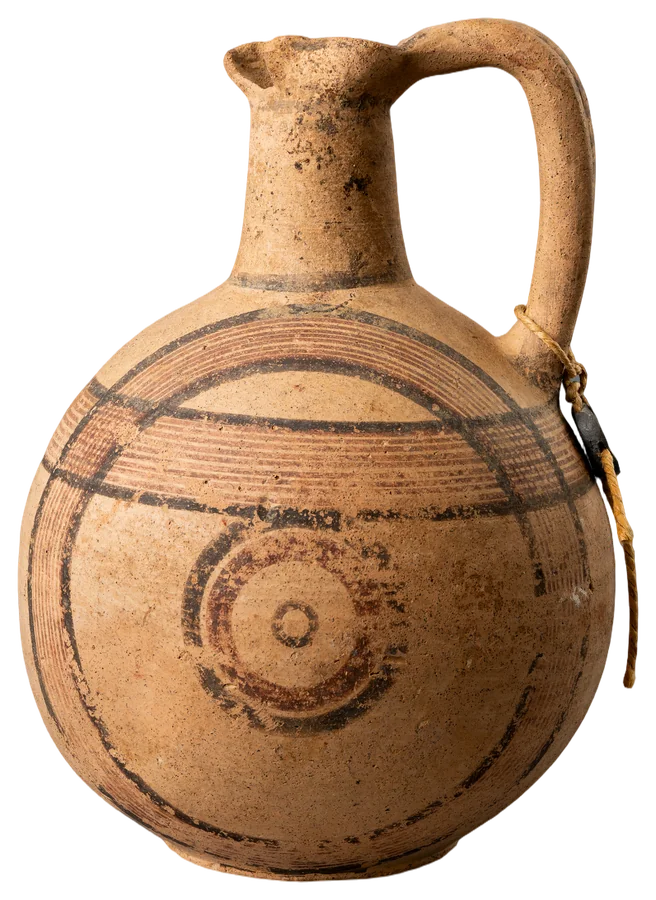
A tomb was a family's for generations. Each time it was opened, the new body was laid on the raised right-hand side and earlier remains were pushed aside; jugs, spouted bowls and tulip-shaped cups came from the funeral feast, with the bones of cattle killed at the graveside.

III · Late Bronze Age

A tomb beneath the street

Kalavasos-Ayios Dhimitrios · c. 1375 BC · Chamber under a street · About 5 minutes

In Late Bronze Age towns the dead were buried among the living, in rock-cut tombs beneath streets and courtyards. Tomb 11 at Kalavasos-Ayios Dhimitrios is the only tomb at the site found intact and sealed.

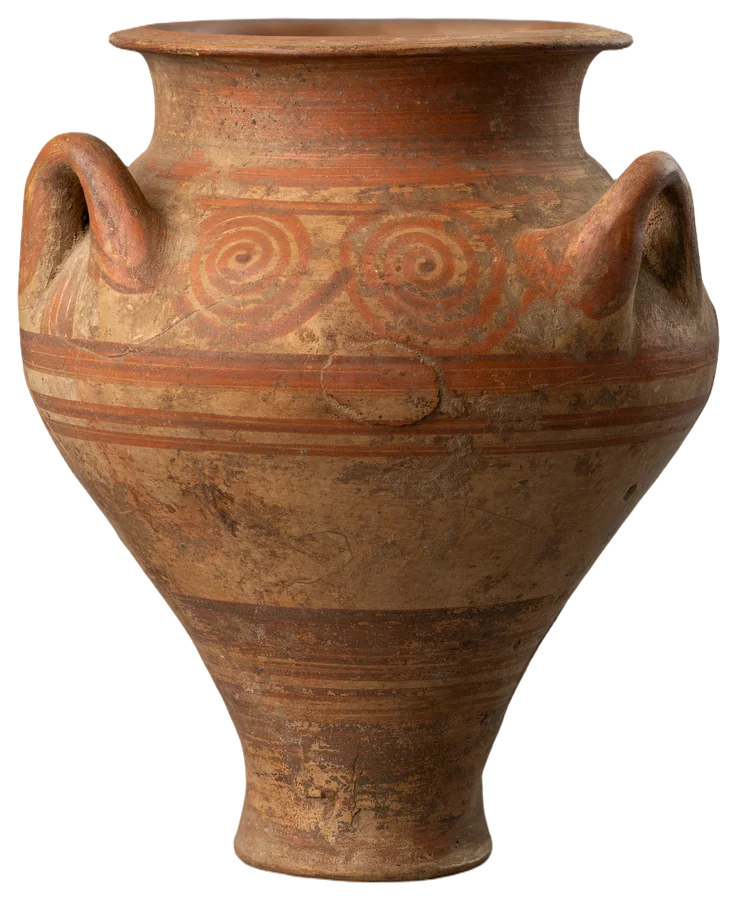
It held three young women on two rock-cut benches, a child of about three and three newborns, with 177 registered objects: paired Mycenaean kraters and jars, Egyptian glass, ivory boxes in the shape of ducks and 432 g of gold.

IV · Cypro-Archaic

A royal tomb at Salamis

Salamis · c. 700 BC · Built tomb with a dromos · About 4 minutes

The royal tombs of Salamis have a chamber of dressed limestone, a forecourt with a moulded cornice, and a long sloping passage. The chambers were almost all robbed long ago; the great finds come from the passages.

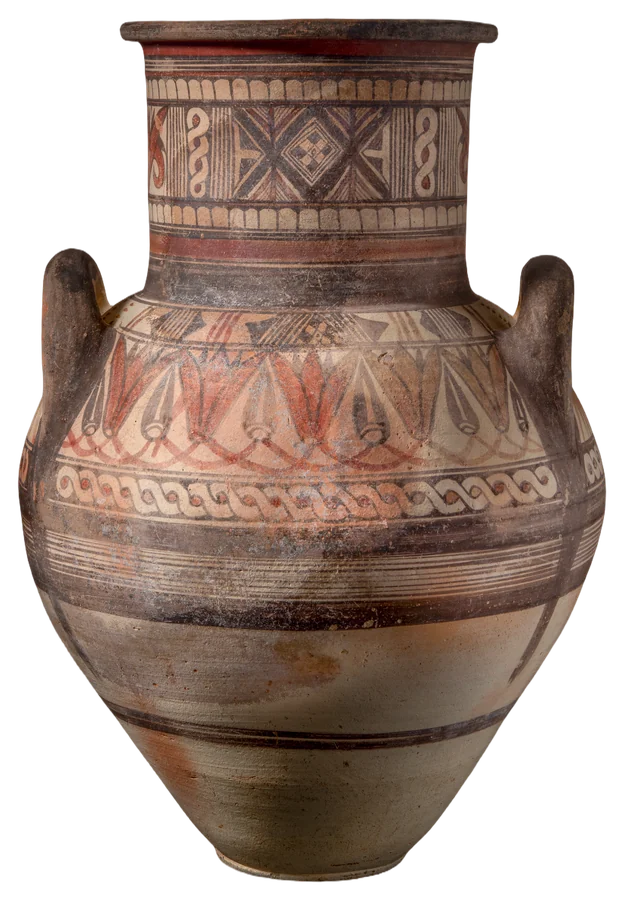
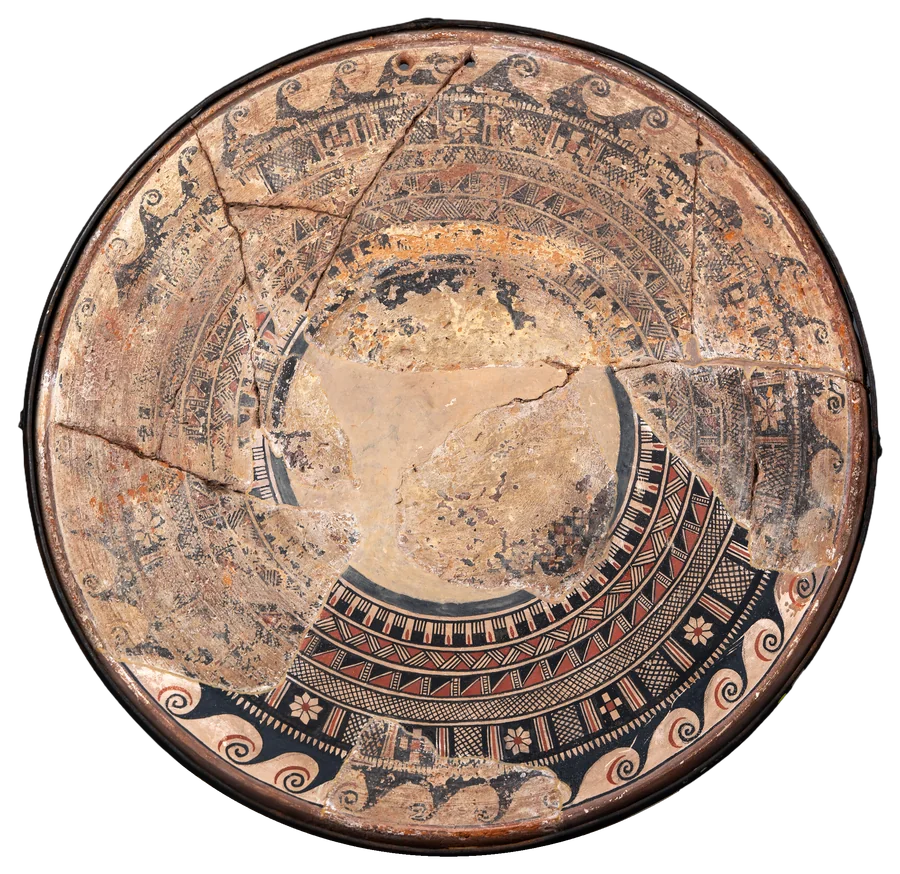
The dead were drawn down the passage on a hearse or chariot, and the team was killed there and left where it fell. Amphorae and dishes of food were stacked along the walls before the passage was filled.

The excavator, Vassos Karageorghis, first compared these funerals with that of Patroklos in the Iliad, and later concluded that Homer was describing customs shared by the elites of the Mediterranean in his own time.