
Books·Roundup
This Week in Cypriot Archaeology: 7–13 September 2026
Oxford announces an Aphrodite exhibition with loans from Cyprus, a Routledge volume on Cypriot ceramics goes online, and charred plants from Hala Sultan Tekke tombs are published.



The University of Oxford announced an autumn exhibition on Aphrodite at the Ashmolean Museum, opening with Cyprus and borrowing antiquities from the island. Routledge put online a sixteen-chapter volume on Cypriot pottery, Levant published charred plant offerings from the Late Bronze Age tombs of Hala Sultan Tekke, and the Cyprus Institute invited the public to a lecture day on archaeological science with China's National Centre for Archaeology.
Map of Cyprus
This week's places
- Research
- Books
- Ground above 200, 500, 1,000 m
Museums
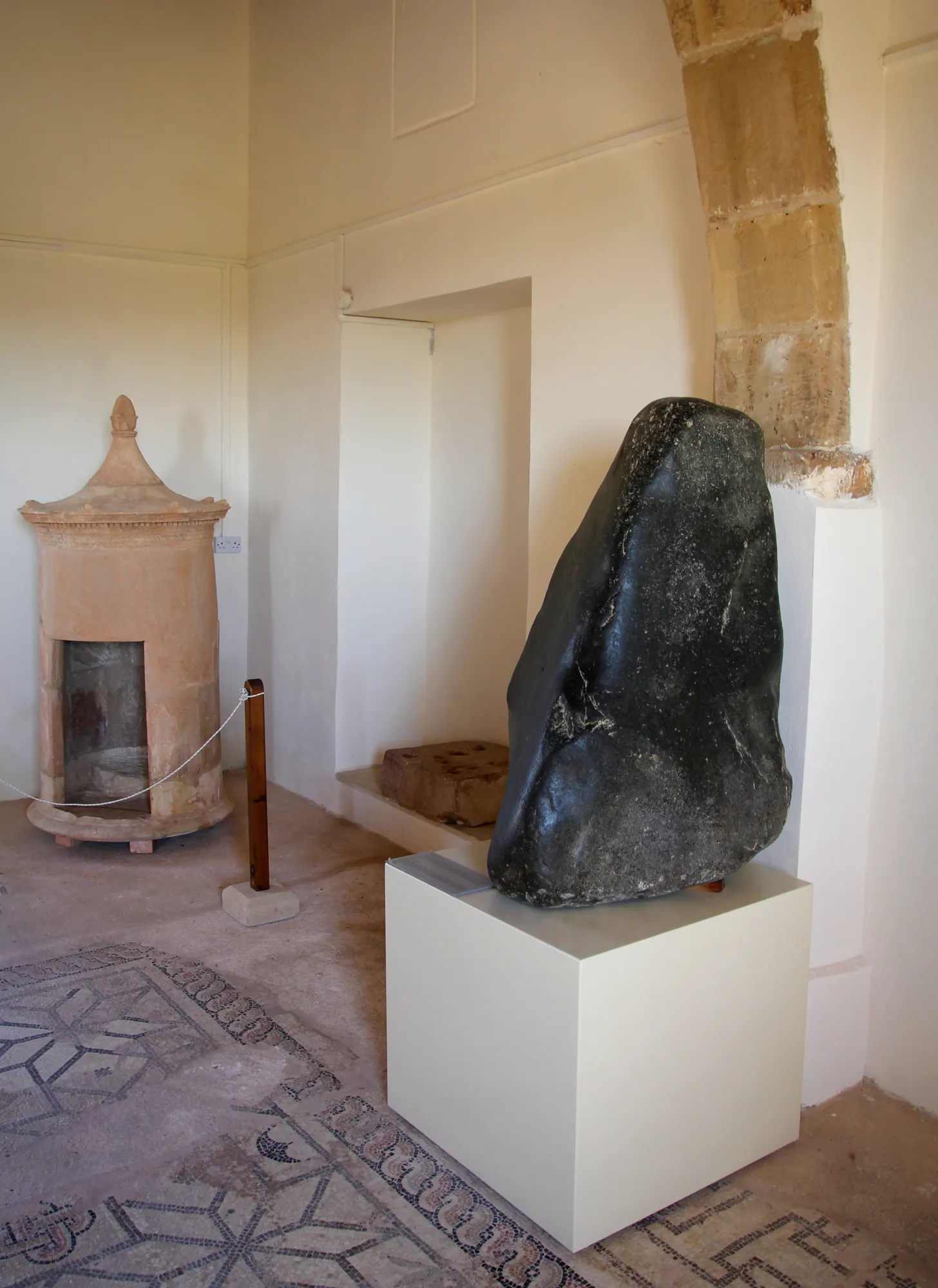
On 7 September the University of Oxford announced Aphrodite: The Making of a Goddess at the Ashmolean Museum, which follows the goddess over more than 5,000 years from her beginnings in Cyprus to modern art and fashion. The university said many of the loans from Cyprus would be shown outside the island for the first time, some of them in a recreated sanctuary of Aphrodite. The museum's release names a copper-alloy figurine of about 1200 BCE from its own collection as the earliest known image of the goddess. A section on her cult in ancient Cyprus traces it back to older goddesses of the eastern Mediterranean, Astarte and Ishtar among them. The exhibition is curated by Anja Ulbrich with three co-curators. The goddess's best-known sanctuary on the island was at Palaepaphos, where she was worshipped from about 1200 BCE. The exhibition opened on 8 October and runs to 11 April 2027 (our report on the opening).
Research
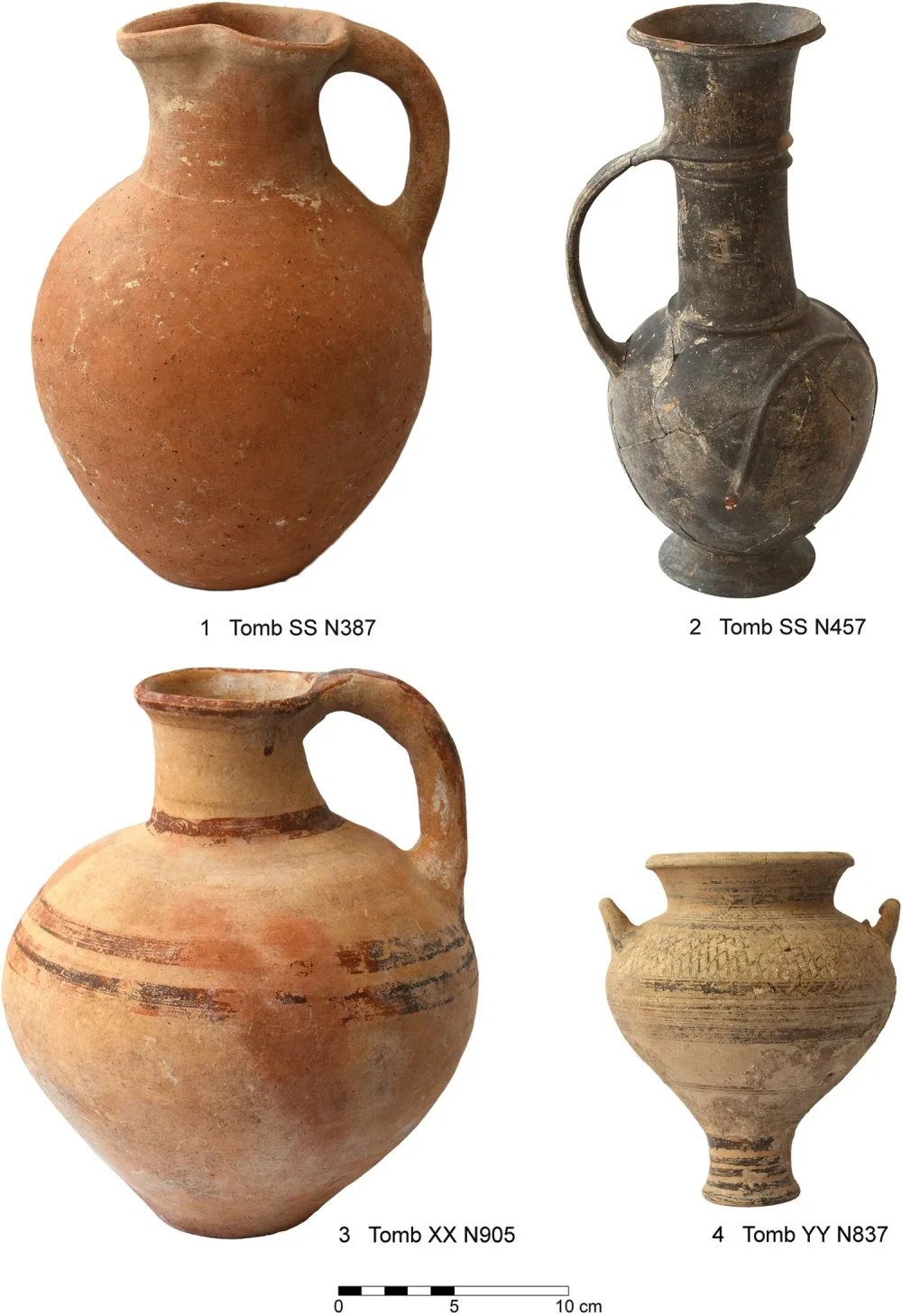
In Levant, online from 9 September, Teresa Bürge and Dominika Kofel report seeds and chaff found in jugs and a jar from tombs at Hala Sultan Tekke, dug by the New Swedish Cyprus Expedition. They suggest that cereals and flowering weeds were burnt in bundles as offerings and then put in the vessels (our brief).
Books
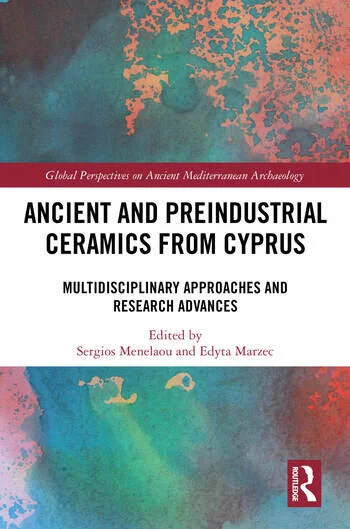
The chapters of Ancient and Preindustrial Ceramics from Cyprus, edited by Sergios Menelaou and Edyta Marzec, went online at Routledge on 8 September. Laura Gagné argues that small pots from Kalopsidha, which Paul Åström split into two styles, were painted by children copying the Cross Line Style. Stephen Czujko and Ole Stilborg analyse 25 sherds, mostly Mycenaean imports and early Cypriot imitations, from three tombs at Enkomi, in the occupied north, that the Swedish Cyprus Expedition opened in 1930; the sherds are kept in the Medelhavsmuseet's store at Tumba in Sweden. Other chapters test the palace pithoi of Amathus with handheld XRF, propose, with a question mark in their title, that an early Hellenistic amphora type found at Paphos may be the Paphian jar named in a 3rd-century BCE papyrus of the Zenon archive, and follow pottery in Ottoman Nicosia (our brief).
Events
On 11 September the Cyprus Institute invited the public to its annual lecture series on archaeological science, held jointly with the National Centre for Archaeology of China on 15 September in the Andreas Mouskos Auditorium in Nicosia. The programme covered ancient glass in China and the eastern Mediterranean, slag and copper alloys in Cyprus, large conservation projects, and pastoralism and ancient DNA in China. Addresses at the opening were announced from the Deputy Minister of Culture, Clea Hadjistephanou Papaellina, and the Director of the Department of Antiquities, Giorgos Georgiou. The day formed part of OneArchSci, a project funded by the European Union's Horizon Europe programme.
Original sources
- Ashmolean Museum: Aphrodite, press release
Official release
- Omega Live: Cypriot antiquities abroad for the first time in Ashmolean exhibition on Aphrodite
Press·
- Cyprus Mail: Cyprus antiquities to be exhibited in Oxford's Ashmolean Museum
Press·
- Cyprus Inform: Ashmolean Museum to exhibit Cypriot antiquities in Aphrodite show
Press·
- Ashmolean Museum: Aphrodite: The Making of a Goddess
Event
- The power of plants: a botanical perspective on ritual activities in Late Bronze Age Hala Sultan Tekke, Cyprus (Levant)
Paper·
- Ancient and Preindustrial Ceramics from Cyprus, Introduction (Routledge)
Book·
- Child's play or style? A re-examination of some 'crude' little pots from Kalopsidha, Cyprus (Routledge)
Book·
- Tombs and Tumba (Routledge)
Book·
- Storing for the kings of Amathus (Routledge)
Book·
- Paphia? A discussion on an early Hellenistic transport amphora type from Cyprus (Routledge)
Book·
- Ceramics of Ottoman Nicosia (Routledge)
Book·
- European Office of Cyprus: The Cyprus Institute, 2026 NACA–CyI Joint Workshop
Event·
On ancientcyprus.com
- Sites
- Enkomi, Amathus, Palaepaphos
- People
- Anja Ulbrich, Teresa Bürge, Sergios Menelaou, Edyta Marzec, Laura Ann Campbell Gagné, Paul Åström
- Institutions
- Ashmolean Museum of Art and Archaeology, Medelhavsmuseet (Museum of Mediterranean and Near Eastern Antiquities), Swedish Cyprus Expedition, The Cyprus Institute, Department of Antiquities of Cyprus
- Periods
- Late Bronze Age, Cypro-Classical, Hellenistic
More in Books
- Children painted some 'crude' Bronze Age pots at Kalopsidha, new book on Cypriot ceramics argues
- Bronze Age wells and pits at Hala Sultan Tekke were filled on purpose, new book argues
- New Tombs of the Kings volume centres on the Paphos tomb linked to Ptolemy, king of Cyprus
- Cyprus's first Director of Antiquities was sacked within a year; his memoir is now in print