
Conference paper·Archaeological Research Unit - University of Cyprus·2017·In Greek
Innovative Educational Programmes in Museums: Digital Heritage, STEM and Underwater Archaeology
Καινοτόμα Εκπαιδευτικά Προγράμματα και Δραστηριότητες σε Μουσεία, Ερευνητικά Ιδρύματα και Άλλους Φορείς Πολιτισμού
Yiorgos Chrysanthou, Marinos Ioannides, Christina Troumpetari and Dimitrios Skarlatos
Chapters
About the video
This first recording from the study day on innovative educational programmes in museums and cultural institutions, held in Greek at the University of Cyprus under the JPI Cultural Heritage framework, opens with welcome addresses by Vasiliki Kassianidou, Vice-Rector Athanasios Gagatsis, Despo Pilides of the Department of Antiquities, and Liani Petroudi of the Research Promotion Foundation.
In the first paper, Yiorgos Chrysanthou of the Department of Computer Science at the University of Cyprus presents digital applications for intangible cultural heritage. He describes the Cyprus Food Virtual Museum, a database of over 1,700 entries covering food and diet across historical periods, recipes, production tools, and lesson plans contributed to Europeana. He then discusses the DanceDB project, which uses an eight-camera optical motion-capture system to record traditional Cypriot and regional dances in 3D, applying Laban Movement Analysis to develop an educational dance game.
Marinos Ioannides of the Cyprus University of Technology speaks on bringing monuments into schools. Comparing the Antikythera mechanism with the painted church of Asinou, he outlines how his laboratory digitized both the architecture and the wall paintings of Asinou to sub-millimetre accuracy, alongside archival and liturgical records. He reports on a pilot programme conducted with the Ministry of Education in Cypriot schools, where 100 pupils used interactive puzzles, 3D-printed models, and digital games based on Asinou, sharing the platform with 1,700 peers. He also announces the award of a UNESCO Chair on Digital Cultural Heritage to the university.
Christina Troumpetari of the Eugenides Foundation in Athens presents the foundation's non-formal STEM education initiatives. She outlines the redesign of its interactive Science and Technology Exhibition, the UTech Lab for secondary school students, and engineering problem-solving workshops, pop-up museum activities, comic-creation workshops, and a citizen science experiment developed with universities in Barcelona.
In the final paper, Dimitrios Skarlatos of the Cyprus University of Technology introduces the Horizon 2020 project iMareCulture, which develops virtual museum tools and serious games for underwater cultural heritage. Focusing on Classical seafaring in the eastern Mediterranean, the project builds 3D libraries of amphorae and ships, including the Kyrenia shipwreck, and creates virtual reality dry visits and augmented reality underwater tablets for three test sites: Xlendi in Malta, the Mazotos shipwreck off Cyprus, and Baiae in Italy. A closing discussion considers collective versus individualized museum visits and intellectual property rights for archaeological data.
From our collection
Pieces in the Drakopoulos collection of the kinds and periods this talk covers: Cypro-Classical.
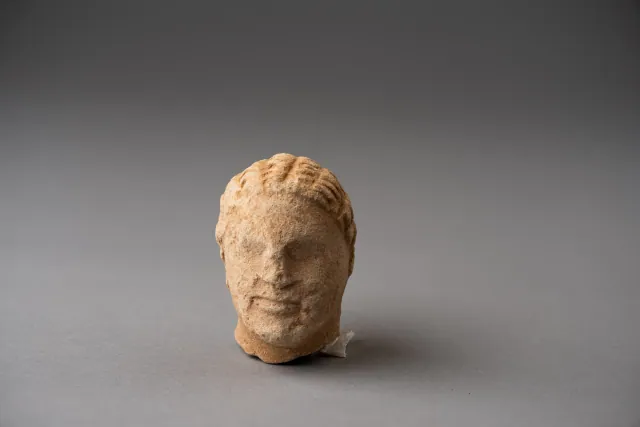
Limestone Head of a Boy, probably from a Temple Boy Statuette
Cypro-Classical
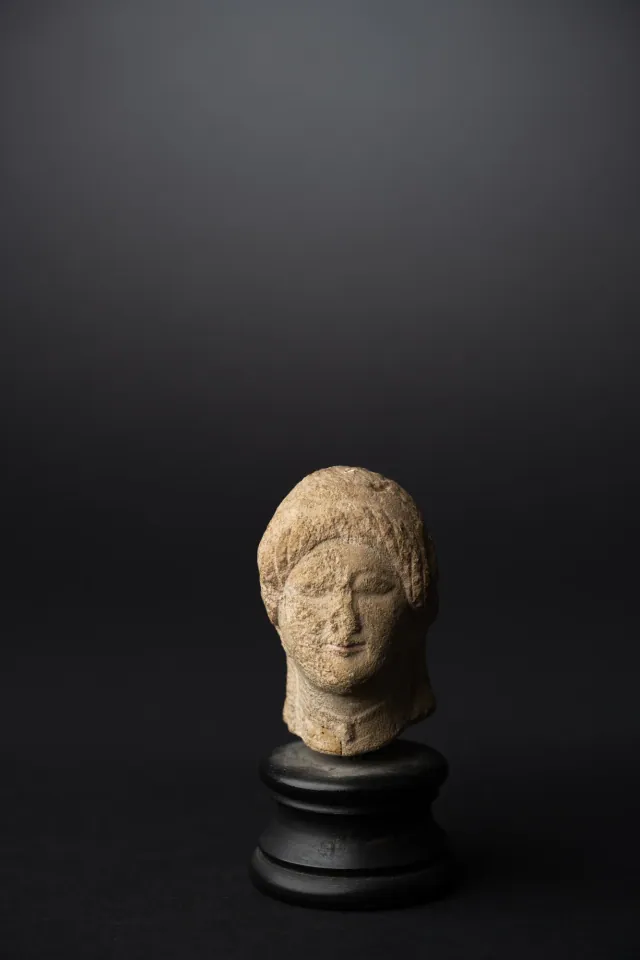
Limestone Head of a Votary with a Wreath
Cypro-Classical
Background
Where to read more on this site before or after watching.
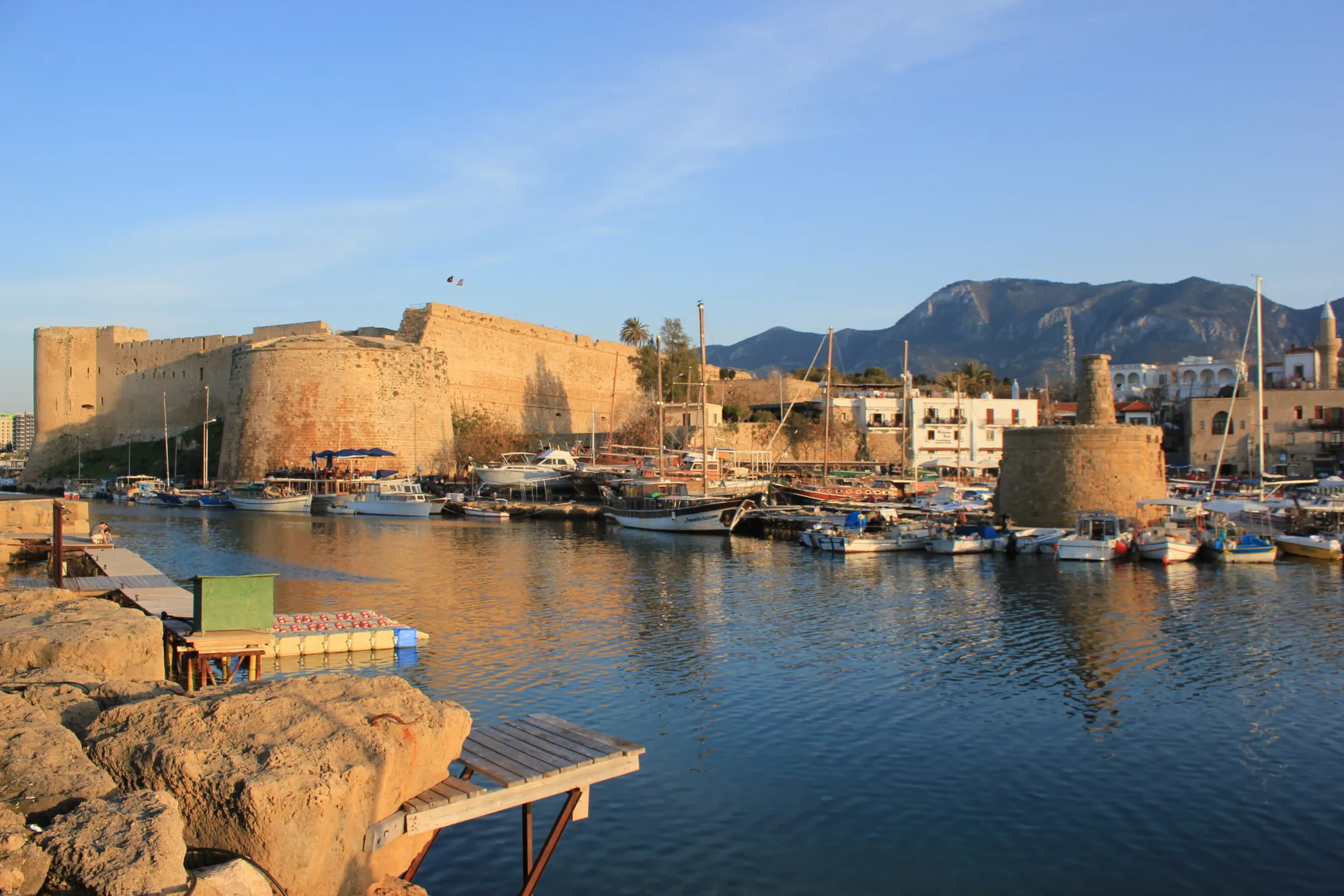
The site
Kyrenia
Ancient Keryneia lies under the old town of Kyrenia (Girne) round its small harbour on the north coast. The town was never excavated: it is known from tombs cleared in the 1960s and early 1970s, from a few texts and inscriptions, and from the merchant ship that sank off it around 300 BC, now shown in Kyrenia Castle.
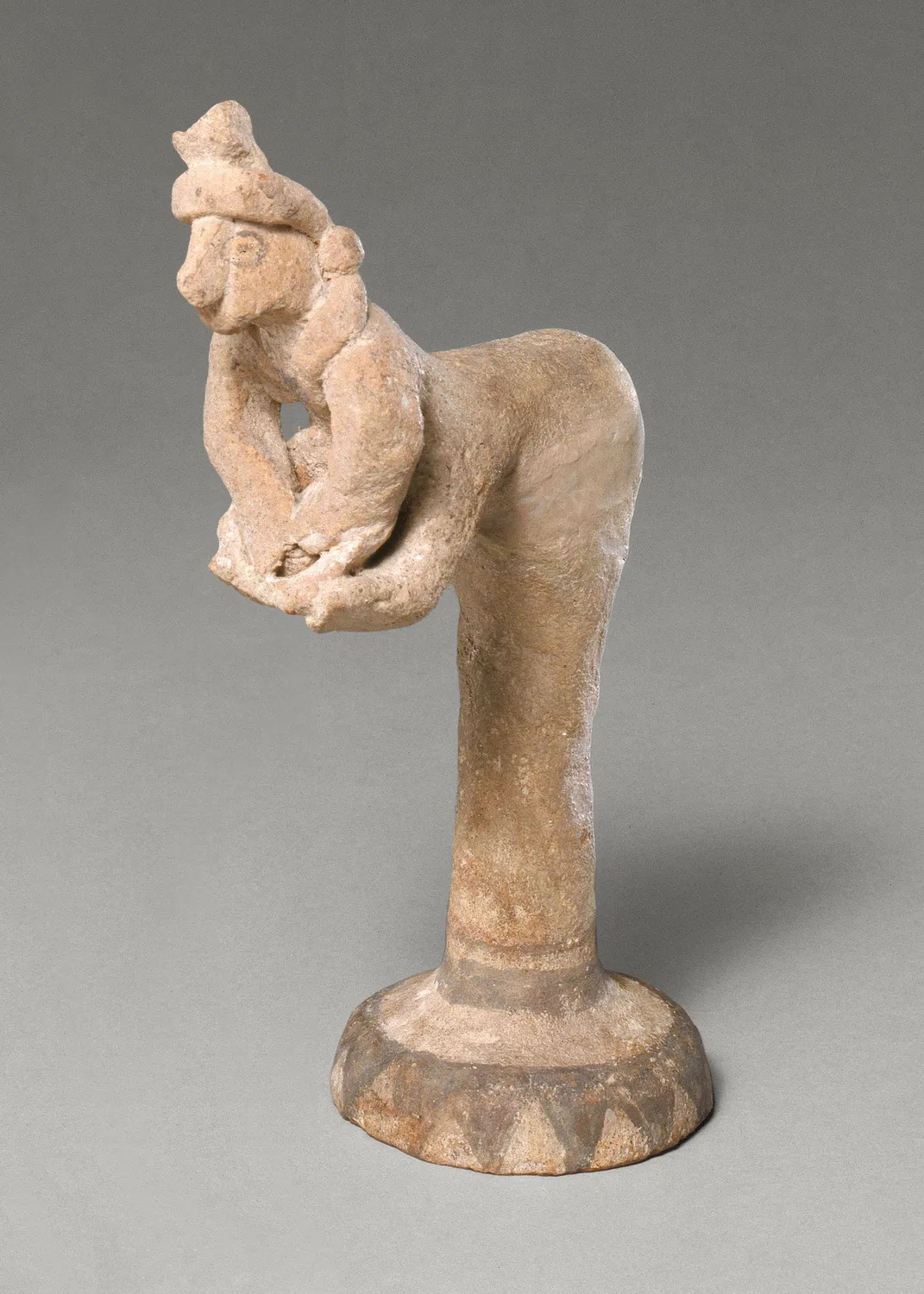
In the compendium
Food and Diet in Ancient Cyprus
What Cypriots grew, herded, hunted, cooked and drank from the first Neolithic villages to the end of the Cypro-Archaic period.
In the compendium
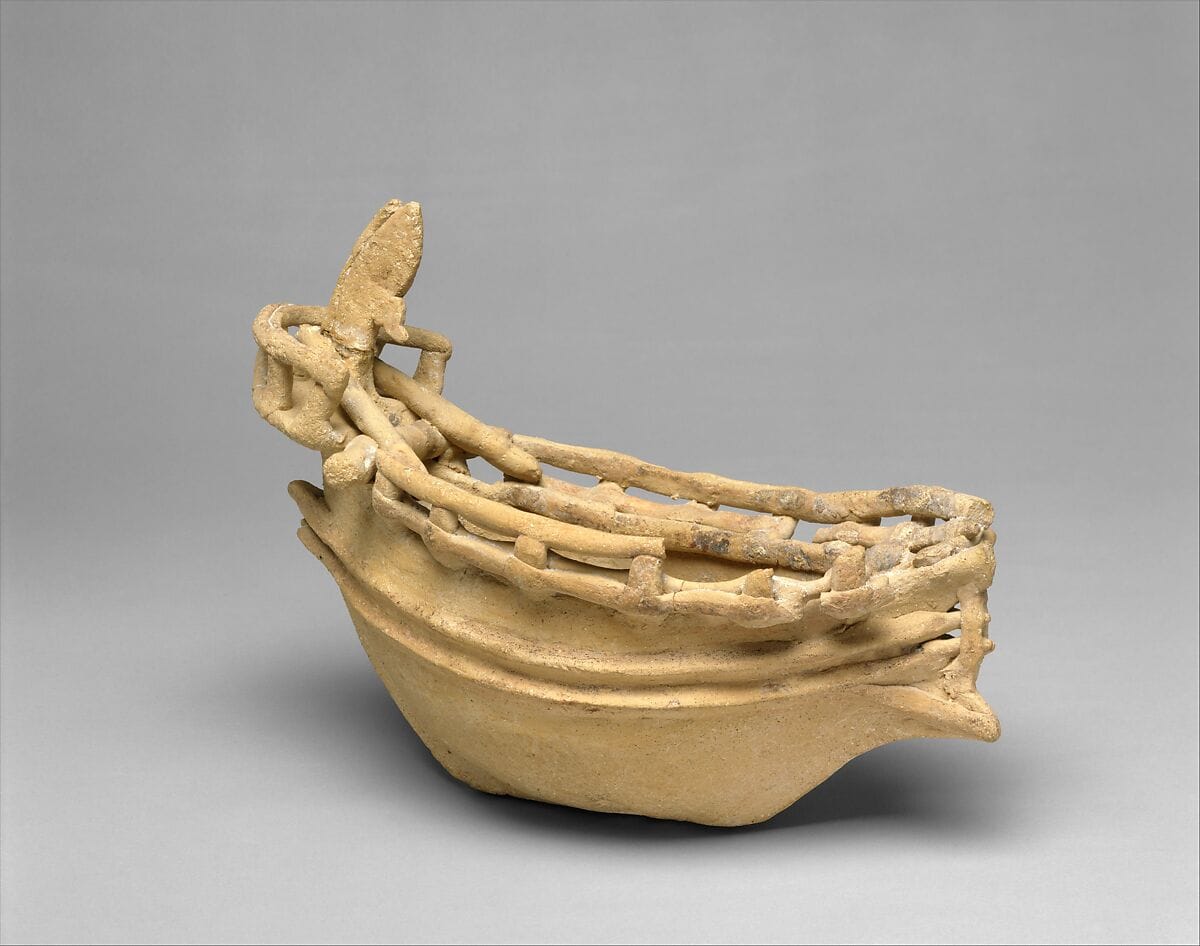
Seafaring and Ships in Ancient Cyprus
The evidence for boats and seafaring around Cyprus from the first crossings to the Classical period, from anchors, models and graffiti to wrecks and shipsheds.
In the compendium
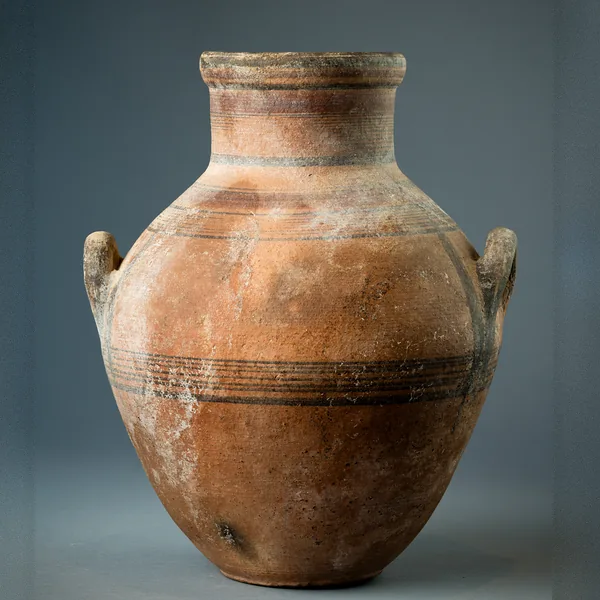
Amphora
A closed jar with two opposed handles, made in Cyprus in belly-handled and vertical-handled painted series and as a basket-handled transport jar.
Map of Cyprus
Places discussed in the talk
- Has a page on this site
- Other places
- Ground above 200, 500, 1,000 m
Places
- 1Kyrenia
- 2Mazotos (approx.)