
Research·Roundup
This Week in Cypriot Archaeology: 6–12 April 2026
Geologist Giorgos Konstantinou, who studied how Cyprus's copper ores were mined in antiquity, has died; volunteers photograph 25 museums in the occupied north for Wikimedia.



The geologist Giorgos Konstantinou, who directed the Geological Survey Department for nineteen years and studied the ancient mining of the island's copper, died this week. The Cyprus Institute reported on its digital-twin work at the monastery of St John Lambadistis, and four Wikimedia contributors described a week photographing 25 museums in the occupied north.
People
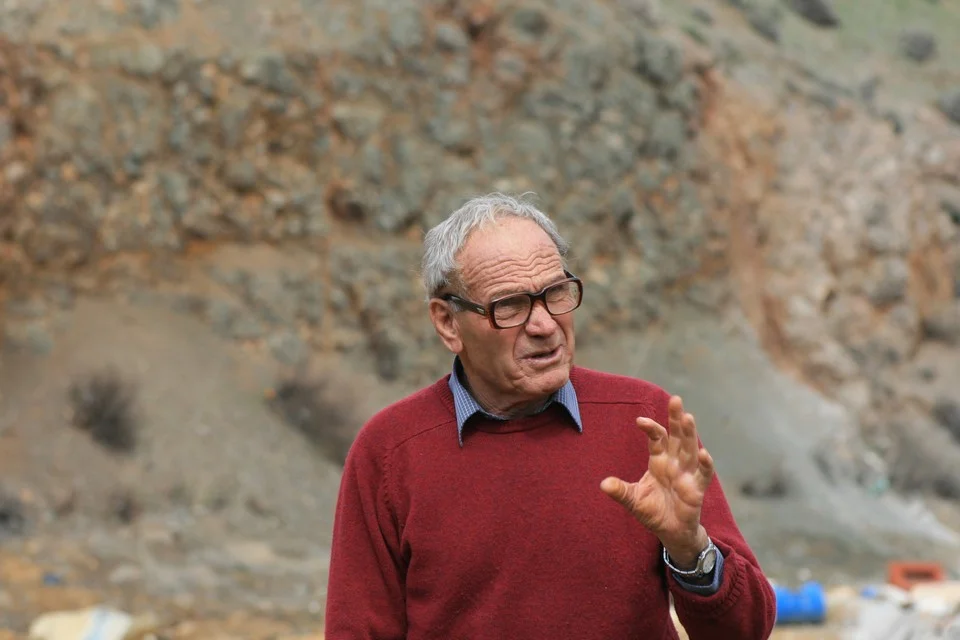
The Deputy Ministry of Culture announced the death of Dr Giorgos Konstantinou on 7 April, and the Department of Antiquities paid its own tribute the same day. After a geology degree at the University of Athens he took a doctorate in mining geology at Imperial College London in 1972, with a thesis on the Troodos. He showed that the range's ophiolite keeps a complete section through oceanic crust, and the rock sequence entered the international literature as "Cyprus Type Deposits". He had joined the Geological Survey Department in 1964, ran it from 1980 and retired in 1999.
Archaeologists knew him for his study of how the copper deposits were exploited in antiquity, the raw material of ancient Cypriot copper metallurgy. The Ministry credits him with helping to establish Cyprus as the main copper source of the ancient eastern Mediterranean, and calls his paper in the proceedings of the 1982 conference "Ancient Metallurgy in Cyprus" a standard reference for every archaeological study of the island's copper. Later he worked on Cypriot minerals used to make medicines in antiquity. The Department recalled his long collaboration with Vassos Karageorghis, Director of Antiquities from 1963 to 1989, and with its archaeologists. With Ioannis Panayides he wrote a geology of Cyprus, published by the Bank of Cyprus Cultural Foundation and commended by the Academy of Athens; the two also made documentaries on the island's geology with Paschalis Papapetrou.
Research
The Cyprus Institute reported on 7 April that its APAC Labs and STARC group had put forward its method for building a Heritage Digital Twin in Poznań on 16–20 March, where ECHOES, the European project building an open-science cloud for heritage, held its second yearly meeting. Nikolas Bakirtzis presented it through the monastery of St John Lambadistis at Kalopanagiotis, a UNESCO World Heritage site whose layered history served as the case study. The Institute says the digital twin is the platform chosen for the future European Collaborative Cloud for Cultural Heritage; a paper led by Sorin Hermon tests the same framework on an icon of the Nativity from Deryneia.
Museums
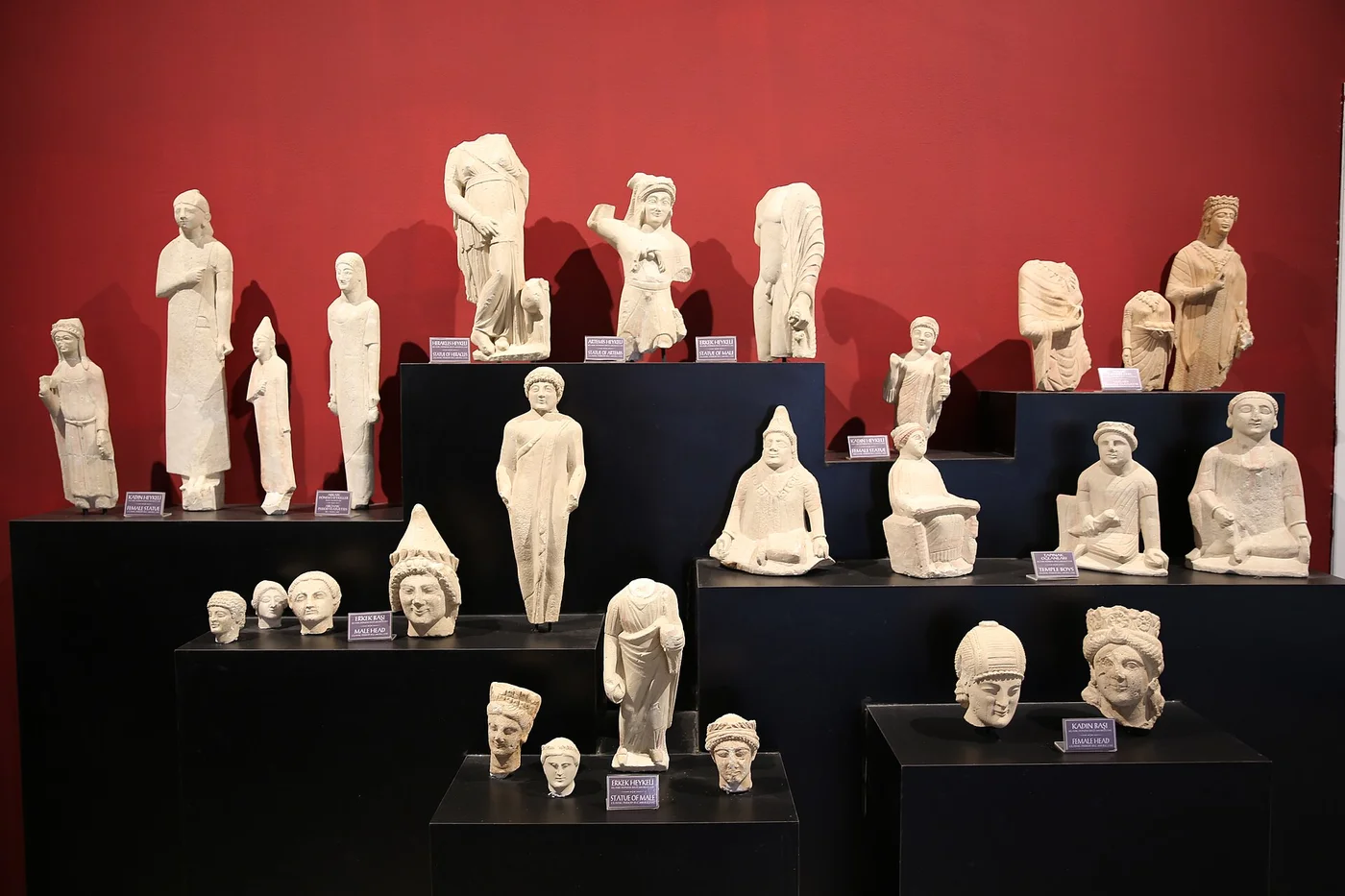
Four Wikimedia contributors described on 12 April their project "Cyprus Museums: Preserving Heritage, Sharing Knowledge": in seven days they visited 25 museums in six towns of the occupied north, Nicosia, Kyrenia, Famagusta, Trikomo (İskele), Morphou (Güzelyurt) and Lefka (Lefke). They took more than 2,000 photographs of galleries, buildings and objects for Wikimedia Commons, with each museum entered in Wikidata. Their pictures include the archaeological displays at Trikomo, Morphou and Kyrenia castle. The Kyrenia ship and its cargo were in the castle when Turkey invaded in 1974 and have stayed there, and the museum the Turkish Cypriot authorities opened at Morphou in 1979 gives two rooms to finds from Toumba tou Skourou (what the museums and stores of the north held in 1974).
Original sources
- Deputy Ministry of Culture: Announcement on the loss of Dr Giorgos Konstantinou
Official release·
- Dialogos: The Department of Antiquities bids farewell to Giorgos Konstantinou
Press·
- The Cyprus Institute: Pan-European recognition of Cyprus Institute research towards open science in cultural heritage
Official release·
- Wikimedia Diff: Can all the museums of a country fit into Wikipedia?
Social media·
On ancientcyprus.com
- Sites
- Kyrenia
More in Research
- Wheat traces at Chlorakas-Palloures question the view that cereals were minor in Chalcolithic Cyprus
- Strabo's Arsinoe near Palaepaphos probably never existed, argues study of a Ptolemaic queen's cult
- Charred barley and chaff in a Pyla shaft point to stored animal fodder around 1200 BCE
- Late Bronze Age hoard of at least 111 bronzes at Galinoporni was packed in cloth, cord and grass
- Bronze Age tombs at Hala Sultan Tekke held what may be burnt bouquets of grain and wild flowers