
Conference paper·CAARI Cyprus·2021
Exhibiting the Empire: Cyprus, the British Empire Exhibition, and Leeds City Museum
Chapters
About the video
Anna Reeve examines the display of Cypriot antiquities at the British Empire Exhibition at Wembley in 1924 and 1925, tracing the career of the collector Enoch Jelajian and the subsequent sale of exhibition pieces to Leeds City Museum. The paper was delivered at the CAARI and British Museum conference on archaeology in British-period Cyprus.
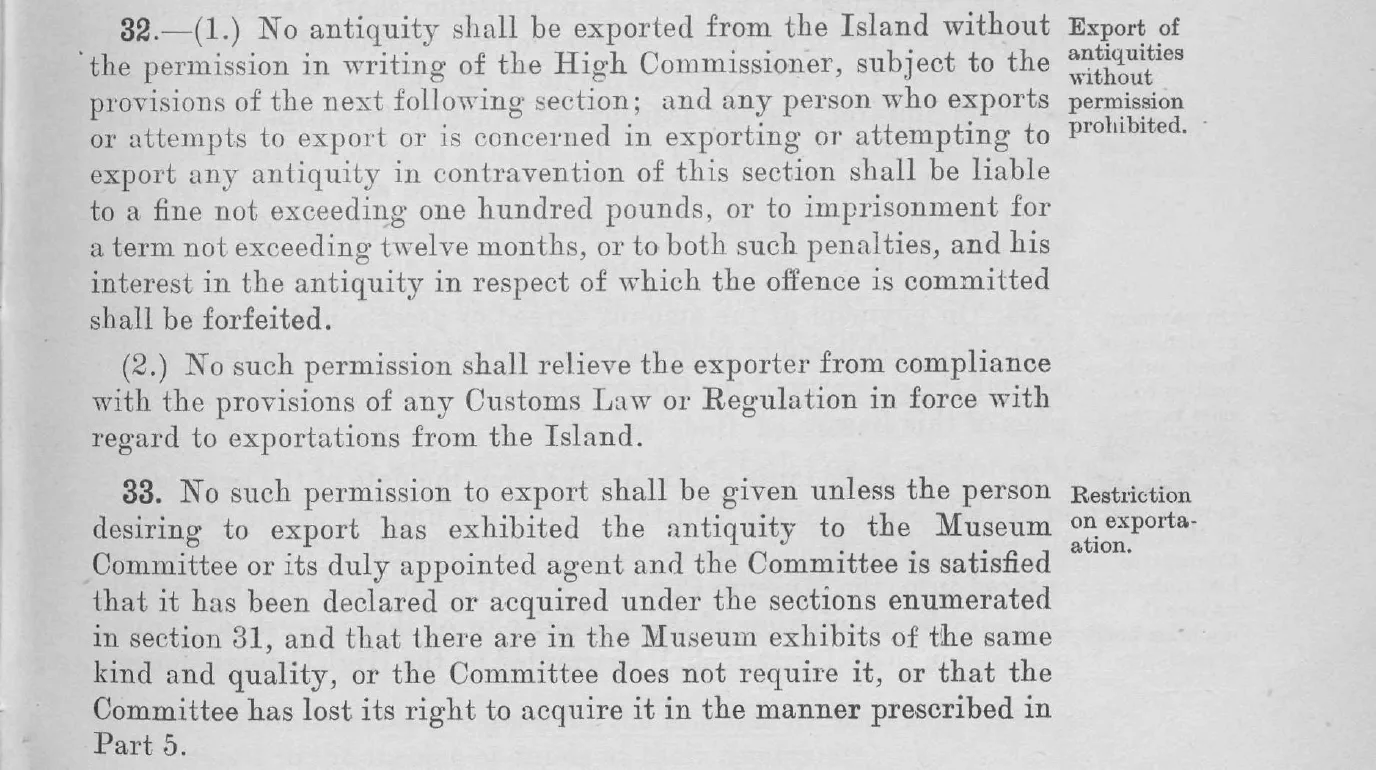
Jelajian, an Armenian from Constantinople, was appointed in 1880 as clerk and interpreter to Lieutenant Kitchener on the land survey of Cyprus, a role that took him across the island recording place-names and gave him opportunities to collect antiquities from farmers and dealers. Using records in the Cyprus State Archives, Reeve follows his rise to chief clerk and interpreter in the Survey and Central Land Registry Department and his retirement to North London in 1919. Under the Antiquities Law of 1905, Jelajian applied in 1909 for permission to export his collection of more than two hundred items of gold jewellery, pottery, figurines, and glass. Although the curator of antiquities, Constantinides, found objects of interest for the Cyprus Museum, a shortage of funds meant the museum could not buy them, leaving Jelajian unable either to sell or to export them for several years. The Cyprus Museum eventually acquired at least two Early Cypriot Red Polished jugs, and Jelajian also sold pieces to the British Museum while taking the rest to London.
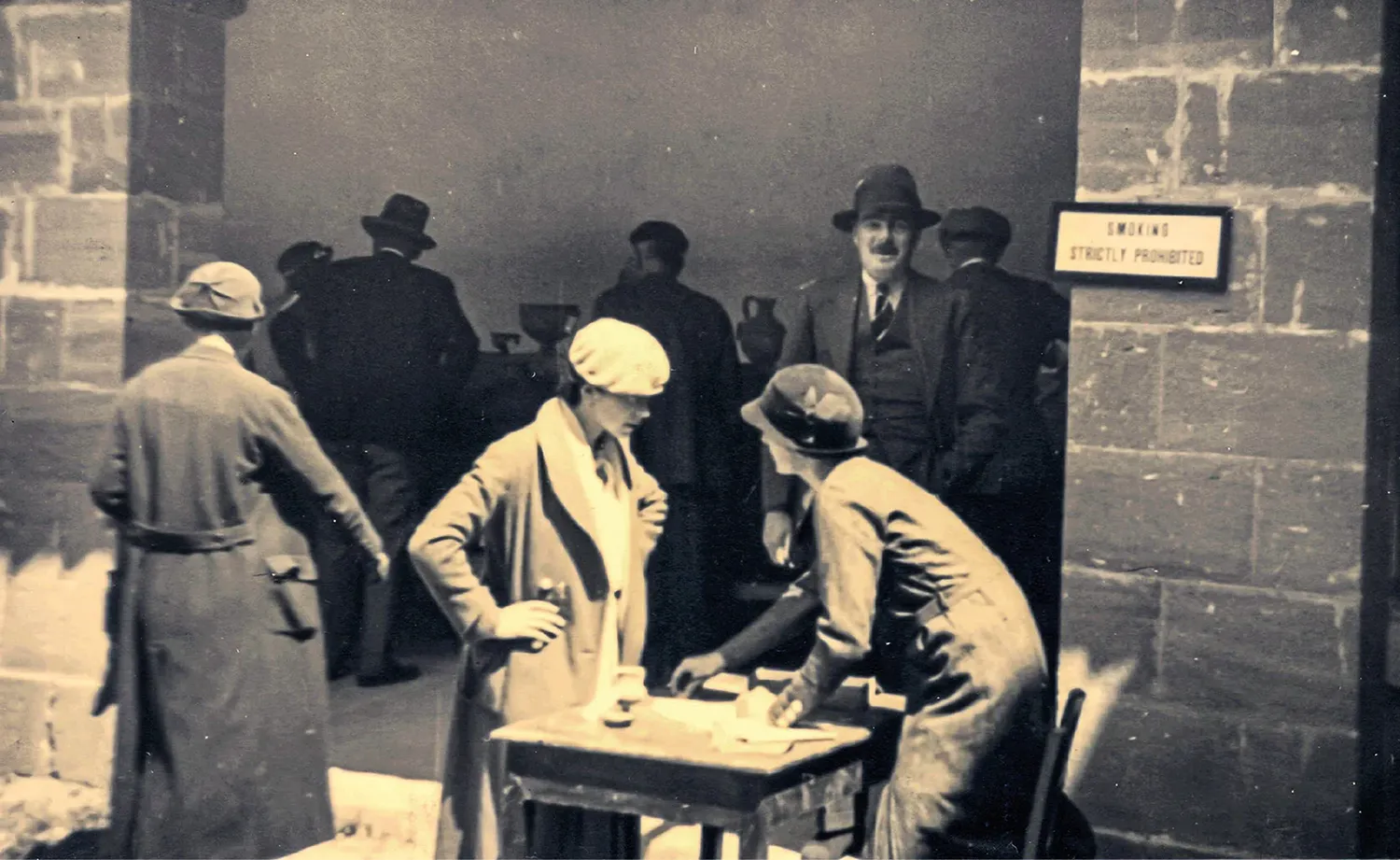
At the British Empire Exhibition, Cyprus was coordinated by William Bevan, former Director of Agriculture and himself a collector of antiquities. Cyprus shared an orientalised pavilion with Palestine in 1924 and adapted the former Fiji pavilion in 1925 with a dome and arched doorway. Alongside Lefkara lace, textiles, furs, and fruit, the colonial government displayed ancient pottery to promote trade and tourism, while in 1925 Jelajian exhibited and sold ancient pottery as a private exhibitor.
After the exhibition closed in 1925, 103 Cypriot antiquities were bought by Leeds City Museum, where curator Henry Crowther had earlier received duplicate objects from Enkomi from the British Museum in 1902 for educational work with schoolchildren. Crowther arranged the Cypriot material in a freestanding case showing artistic development from the Bronze Age to the 1st century AD.
Background
Where to read more on this site before or after watching.
In the compendium
The Antiquities Laws of 1905 and 1935
What the Antiquities Laws of 1905 and 1935 said about ownership, finds, excavation, dealing, collections and export, and how they were amended up to 1996.
In the compendium
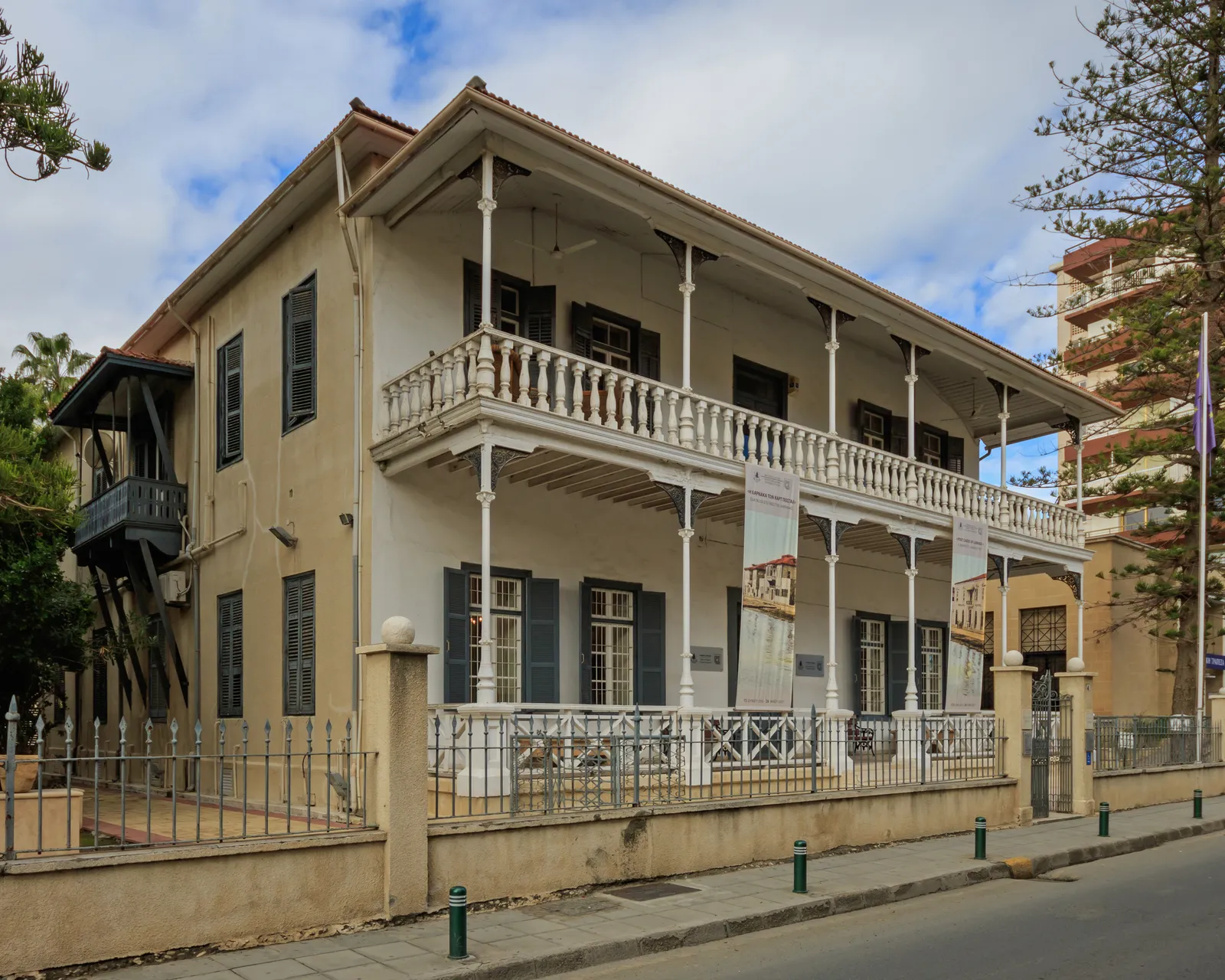
The Island Collections: Private Collections Formed on Cyprus and What Became of Them
The registered private collections formed on Cyprus (Pierides, Giabra Pierides, Severis, Phylactou, Lyssarides, Hadjiprodromou, Hadjiloizides, Palma), how they were formed, and their present homes.
In the compendium
The Legal Export of Cypriot Antiquities
The succession of Ottoman, colonial and Republic laws under which Cypriot antiquities lawfully left the island until licensed export ended in 1996.