
Conference paper·CAARI Cyprus·2020
Political Control of Cypriot Archaeology in the Early Twentieth Century
Raphael Marshall
Chapters
About the video
Raphael Marshall examines the political control of Cypriot archaeology during the first three decades of the twentieth century, drawing on documents from the UK National Archives. He argues that control was uneasily shared between classically educated British officials and Greek Cypriot politicians who linked ancient history to the movement for enosis.
The first half of the paper traces the role of the Cyprus Museum Committee and the Legislative Council debates over the 1905 Antiquities Law. Citing the diaries of Inspector of Ancient Monuments George Jeffery, Marshall notes how Jeffery designed the 1906 museum entrance as a copy of the Athena Nike temple in Athens while viewing the Greek Cypriot-dominated committee as a pan-Hellenic enterprise. In the Legislative Council in 1903, elected member and Limassol mayor Christodoulos Sozos opposed the export of antiquities, pointing to the British Museum excavations at Enkomi. When the amended bill returned in 1905, Turkish Cypriot members including Shevket Bey objected to placing mosques under the committee's authority and sought statutory Turkish Cypriot representation. Marshall then shows that the 1905 export restrictions went largely unenforced, citing comments by Governor Ronald Storrs, his secretary and Inspector of Antiquities Rupert Gunnis, and the Attorney General accusing Legislative Council member and Swedish consul Luke Pierides of smuggling, alongside a May 1929 trial in which the mukhtar of Tremetousia claimed Pierides had asked him to store unregistered antiquities.
The second half reconsiders Michael Given's 1998 argument that Einar Gjerstad and the British colonial administration invented the Eteocypriots at Amathus to deny the Greek character of Cyprus after the October 1931 uprising. Alongside recent linguistic work by Philippa Steele and Markus Egetmeyer on undeciphered inscriptions from Amathus, Paphos, Kourion and Golgoi, Marshall notes that official publications of the 1930s never mentioned the Eteocypriots. A 1932 correspondence between Arnold Toynbee, Storrs, Colonial Secretary Herbert Henniker-Heaton and the Colonial Office shows how British officials tried to counter Toynbee's support for enosis. Henniker-Heaton confused the Greek alphabet with the Greek language, overlooking Cypro-Geometric inscriptions in the Cypriot syllabary, while Whitehall drew on a 1924 memorandum by Sir James Headlam-Morley. When Toynbee replied that ancient Sparta had never been governed from Athens either and sent a five-page historical note, Storrs conceded the point, suggesting that colonial officials were too ill-informed about ancient Cyprus to have orchestrated an archaeological fabrication.
Found at the places discussed
Objects in our catalogue, in museum collections, recorded as found at these sites.

Background
Where to read more on this site before or after watching.
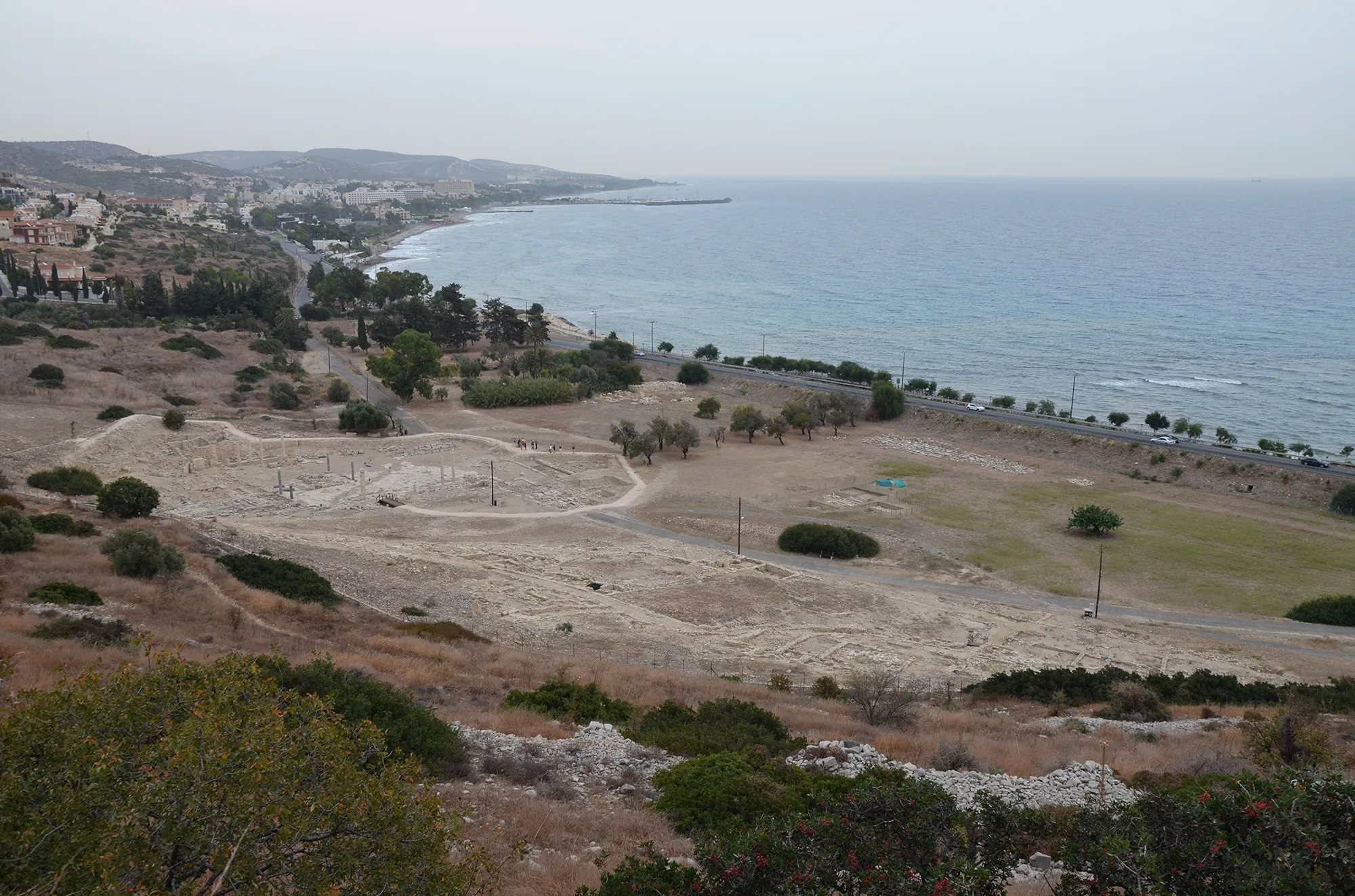
The site
Amathus
Amathus was the capital of one of the Iron Age kingdoms of Cyprus, on a coastal hill about 10 km east of Limassol. It was founded on an empty site in the 11th century BC and lived in until the end of the 7th century AD. Its acropolis carried a sanctuary of Aphrodite and the kings' palace; its people kept the island's old non-Greek language, Eteocypriot, at least until the time of Alexander.
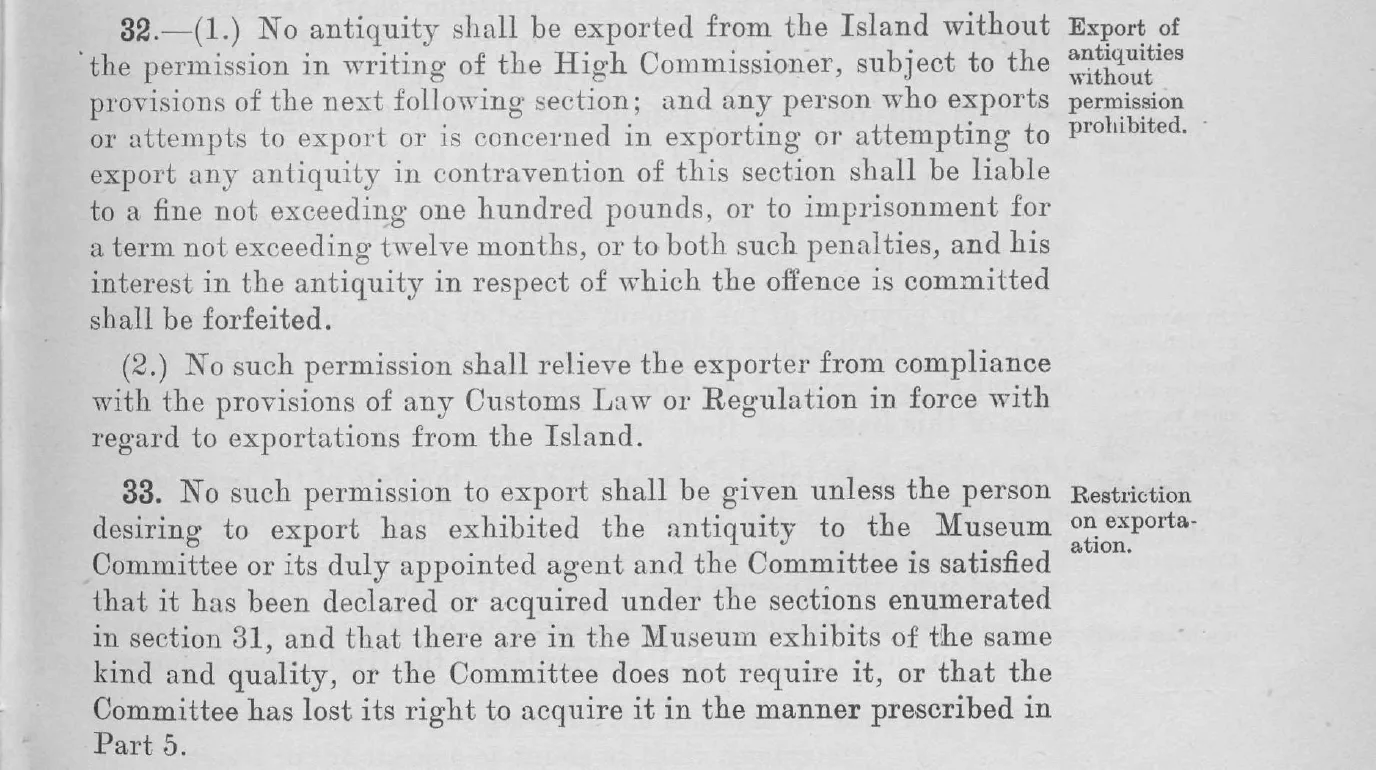
In the compendium
The Antiquities Laws of 1905 and 1935
What the Antiquities Laws of 1905 and 1935 said about ownership, finds, excavation, dealing, collections and export, and how they were amended up to 1996.
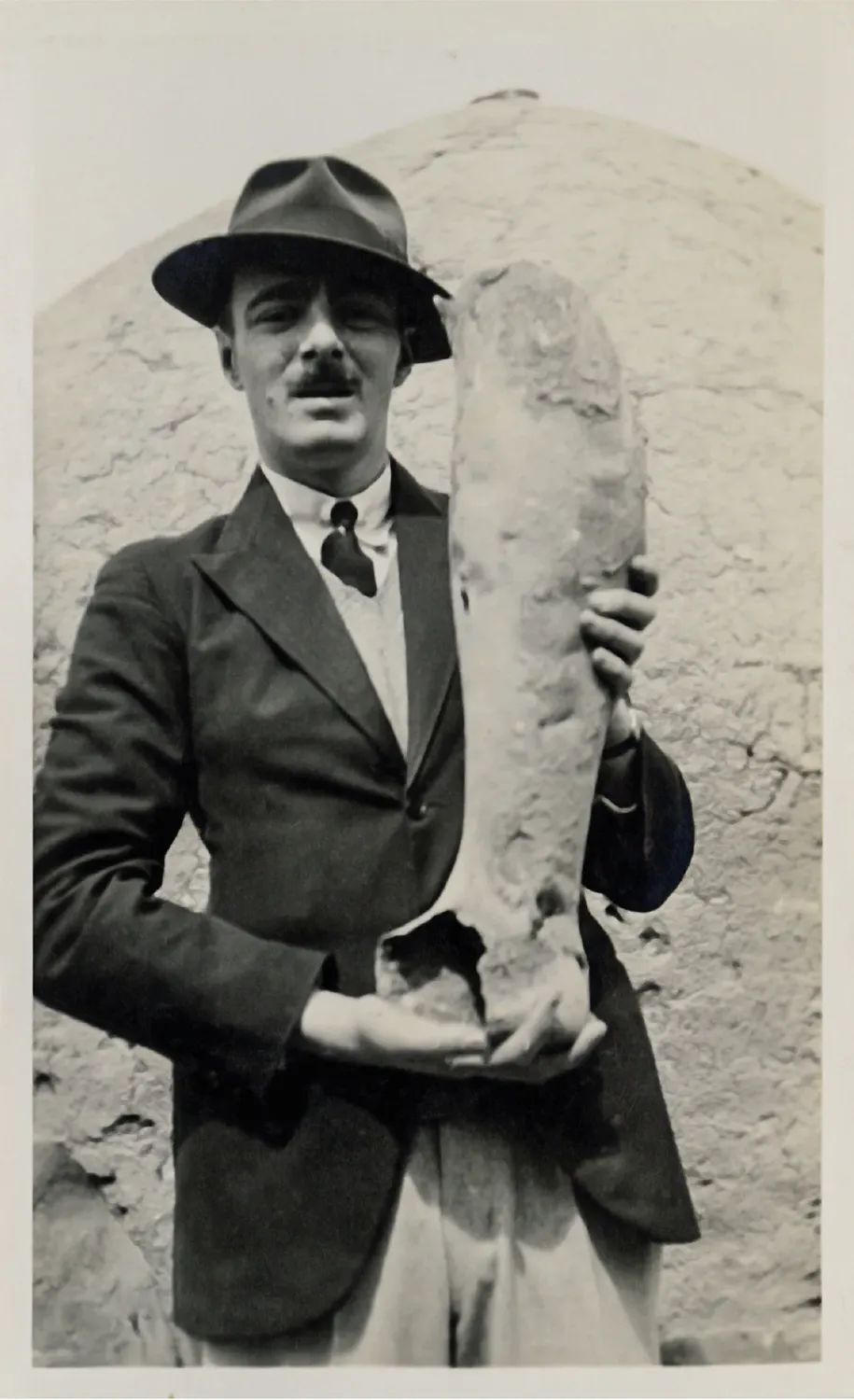
In the compendium
Illicit Digging under British Rule, 1878 to 1960
How unlicensed tomb-digging continued in Cypriot villages under British rule, how the Museum, the police and the Department of Antiquities answered it, and whether the lawful trade encouraged it.
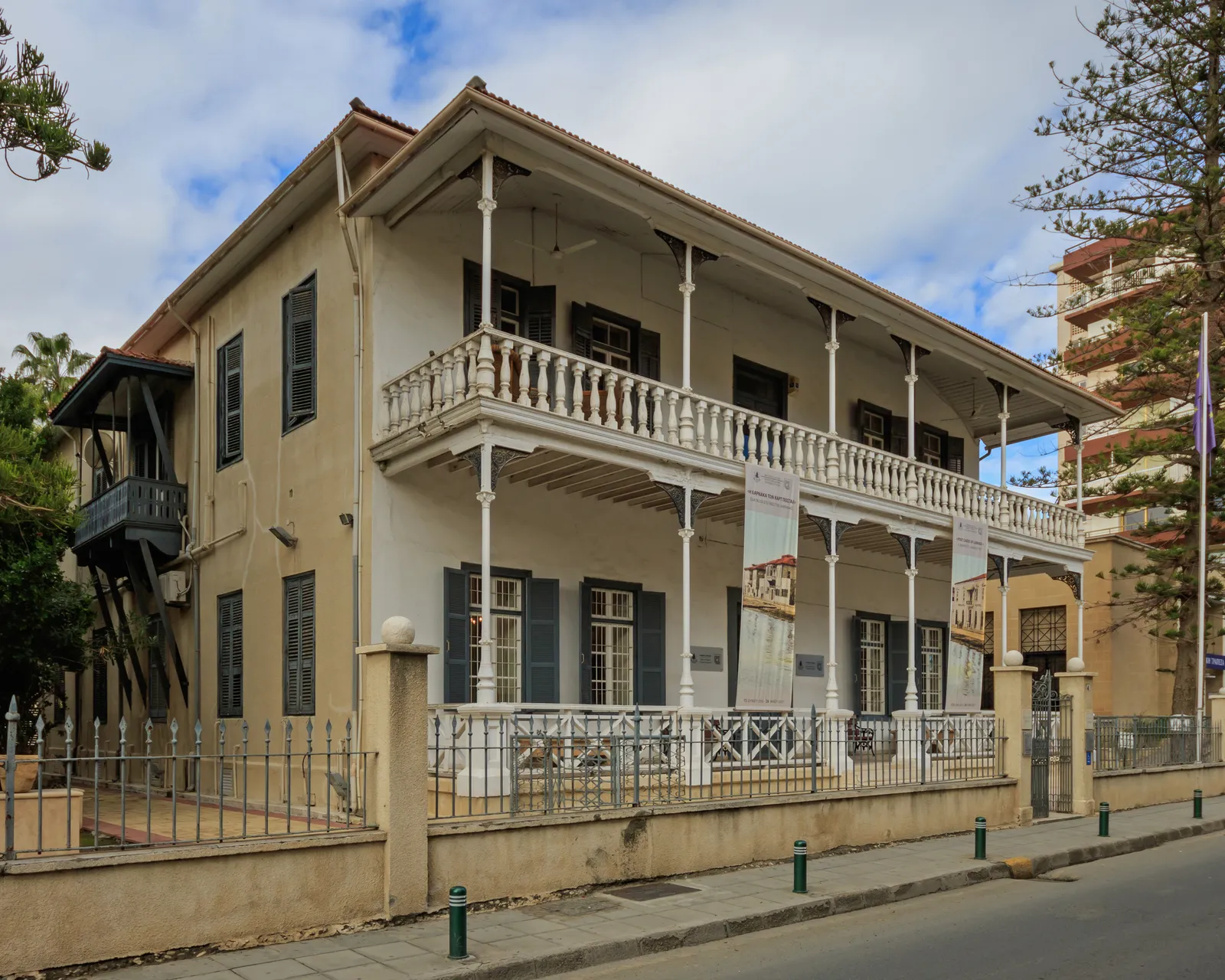
In the compendium
The Island Collections: Private Collections Formed on Cyprus and What Became of Them
The registered private collections formed on Cyprus (Pierides, Giabra Pierides, Severis, Phylactou, Lyssarides, Hadjiprodromou, Hadjiloizides, Palma), how they were formed, and their present homes.